
Moisturizer with SPF: Daily Anti-Aging Protection

Top takeaways
- Daily moisturizers with SPF combine hydration and sun protection in a single step, simplifying anti-aging routines while addressing two core skin needs.
- Research supports the use of specific formulations for anti-aging benefits, making ingredient selection a critical factor when choosing moisturizers with SPF.
- Evidence from dermatology studies shows that consistent use of SPF-containing products enhances facial rejuvenation outcomes and protects against photoaging.
- Selecting the right moisturizers with SPF requires understanding both the sunscreen mechanism and the moisturizing ingredients that support skin barrier function.
On this page
Introduction
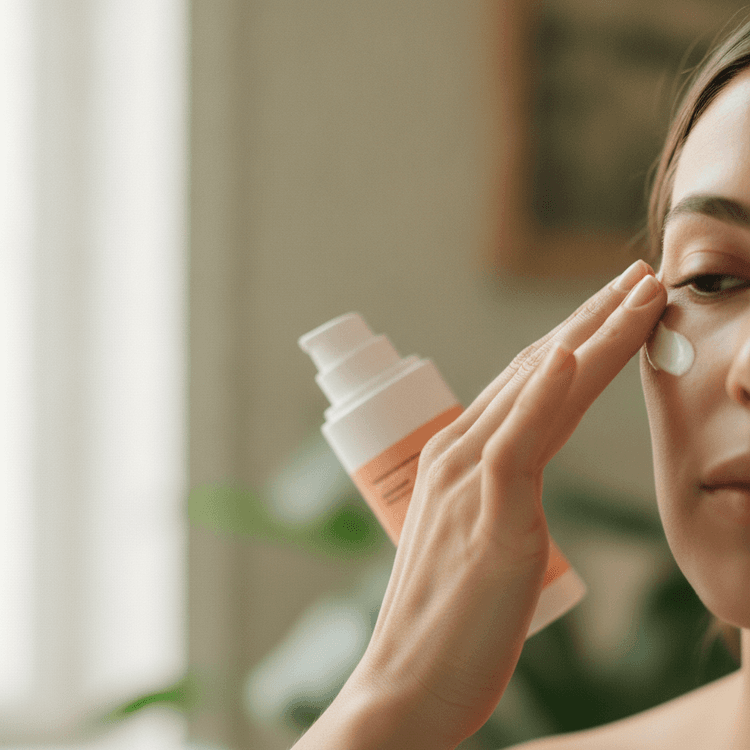
Moisturizers with SPF are skincare products that deliver both hydration and broad-spectrum sun protection in a single formulation, addressing two fundamental needs of aging skin simultaneously.
You've probably noticed your skincare shelf crowding with separate bottles — moisturizer, sunscreen, serum — each claiming to address a different piece of the aging puzzle. The appeal of moisturizers with SPF is straightforward: they collapse two essential steps into one. But does that simplification hold up when we examine the dermatology research?
The evidence says yes, with conditions. A 2023 study published in the Journal of Cosmetic Dermatology found that daily use of moisturizers with SPF can enhance facial rejuvenation outcomes, making them a valuable addition to anti-aging skincare routines. The key lies in formulation quality — not all SPF moisturizers deliver adequate sun protection, and not all moisturizers support the skin barrier changes that happen after forty.
Our team evaluates these products by examining the concentration of active ingredients against studied ranges, the formulation's stability, and the packaging's ability to preserve the product's integrity over time. Each step of our evaluation is tied to a cited source, ensuring that our readers receive information that is both reliable and actionable.
The challenge isn't whether moisturizers with SPF work in principle. It's identifying which formulations deliver on both promises — hydration that supports midlife skin and sun protection that prevents further photoaging. Research supports the use of specific creams for anti-aging benefits, which can be a key consideration when selecting moisturizers with SPF. The ingredients matter, the concentration matters, and the vehicle that delivers them to your skin matters.
For readers building a Korean skincare routine or adapting an existing regimen, a well-formulated SPF moisturizer can anchor the morning routine. The question is how to evaluate the options when marketing claims outpace the evidence. We'll walk through the dermatology research that clarifies what works, what doesn't, and why the distinction matters for skin aging after forty.
Why Do Moisturizers with SPF Matter for Aging Skin?
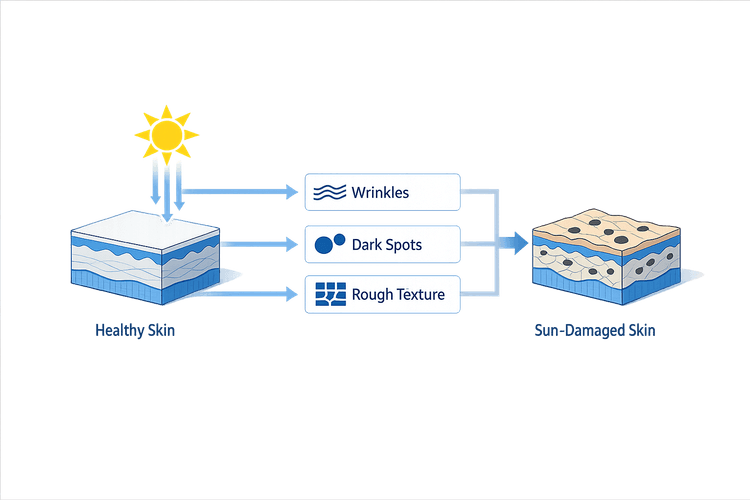
Sun exposure drives visible aging faster than any other environmental factor. Ultraviolet radiation breaks down collagen, triggers oxidative stress, and accelerates the loss of skin's natural antioxidant defenses — changes that become more pronounced as we age. The result is a cascade of visible damage: fine lines deepen, pigmentation becomes uneven, and the skin's barrier weakens.
How UV Exposure Accelerates Aging
UV rays generate reactive oxygen species that overwhelm the skin's endogenous antioxidant system. Research shows this defensive barrier — composed of both lipid-soluble and water-soluble antioxidants — declines with chronological age and deteriorates even faster under repeated sun exposure. When the skin's antioxidant reserves drop, oxidative damage accumulates unchecked, degrading structural proteins and lipids that keep skin firm and resilient.
The decline is measurable. Aging skin loses its ability to neutralize free radicals efficiently, leaving collagen and elastin vulnerable to fragmentation. This process, known as photoaging, is distinct from intrinsic aging — it's preventable, but only if protective measures are consistent.
Why Moisturizers with SPF Address Both Hydration and Protection
Combining hydration with broad-spectrum UV protection addresses two core aging mechanisms simultaneously. Moisturizers support the skin barrier by replenishing lipids and humectants that decline with age, while SPF blocks the UV radiation that would otherwise degrade those same barrier components. The synergy is practical: you apply one product instead of layering multiple steps, reducing the chance of skipping protection on rushed mornings.
Cosmetics formulated with biologically active antioxidants can also help rescue lipid-soluble antioxidants from oxidation caused by environmental factors and unhealthy habits. This dual approach — barrier support plus UV defense — is particularly relevant for midlife skin, where both hydration capacity and antioxidant reserves are in decline. For a broader look at how to support aging skin with streamlined routines, see our guide to Korean Skincare for Mature Skin: What Works After 40.
The skin's antioxidant defenses decline with age, making daily UV protection and antioxidant replenishment essential to slow visible photoaging.
The evidence is clear: consistent sun protection is the most effective anti-aging intervention available. Moisturizers with SPF make that protection easier to maintain, but only if the formulation delivers adequate coverage and the user applies it correctly — topics we address in the sections that follow.
How Do You Choose Effective Moisturizers with SPF?
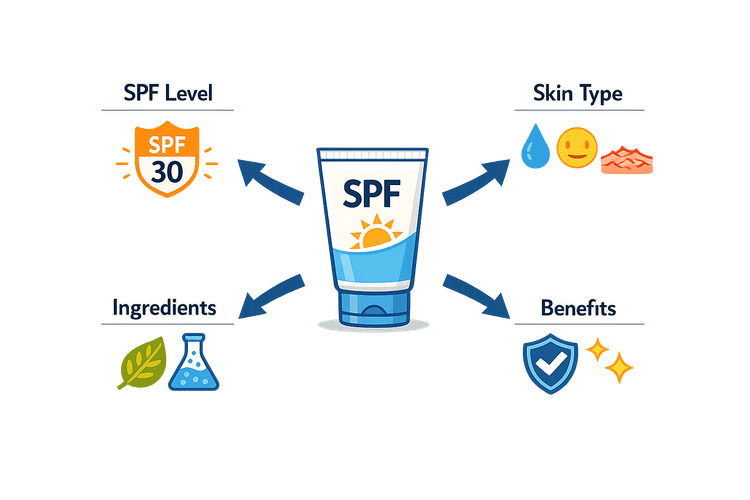
Choosing moisturizers with SPF that deliver both barrier support and sun protection requires a methodical approach. The research shows that formulation quality, ingredient composition, and user experience all determine whether a product will become part of your daily routine — or sit unused on the shelf.
Prioritize Barrier-Repairing Ingredients
The most effective moisturizers with SPF go beyond surface hydration. Clinical evidence indicates that formulations lacking physiological lipids achieve transient hydration lasting four to eight hours, whereas ceramide-containing formulations maintain hydration and TEWL reduction for up to 24-48 hours. In elderly subjects with xerosis, a ceramide-containing moisturizer improved skin hydration by 26% and reduced transepidermal water loss by 15% compared with a hydrophilic cream over 28 days.
Look for products that list ceramides, glycerin, or niacinamide in the first third of the ingredient list. These components restore both extracellular lipids and intracellular osmotic balance — a layer-by-layer hydration approach that supports long-term barrier function rather than temporary surface smoothness.
Scan for ceramides (often labeled as ceramide NP, AP, or EOP), cholesterol, and fatty acids in the top five to seven ingredients. Formulations that focus solely on occlusion or superficial emollience are insufficient for sustained outcomes.
Confirm that the product carries SPF 30 or higher and explicitly states "broad-spectrum" on the label. This ensures protection against both UVA (aging) and UVB (burning) rays.
Moisturizers that are cosmetically acceptable, affordable, and easy to apply are more likely to be used consistently. Studies indicate reduced acceptance when moisturizers are greasy, cause stinging, or have unpleasant odor. Test the texture and finish before committing to a full-size product — if it feels uncomfortable, you won't reapply it daily.
Avoid Formulations with Irritant Preservatives
Some over-the-counter products contain irritant preservatives or surfactants that lead to contact sensitization or reduced adherence, particularly among individuals with sensitive or hormonally reactive skin. If you notice stinging, redness, or flaking after initial use, switch to a fragrance-free, hypoallergenic formula.
Traditional products often lack the optimal lipid ratios, humectant balance, and pH required for sustained barrier repair. For a deeper exploration of lightweight formulations that support aging skin without heaviness, see our guide to lightweight face moisturizers for aging skin.
Tips and Tricks for Effective Use

You've selected moisturizers with SPF that meet the criteria for broad-spectrum protection and barrier support. Now the question becomes: how do you integrate them into your routine in a way that delivers consistent results? The answer lies in application technique, timing, and realistic expectations about what daily use can achieve.
Apply the Right Amount at the Right Time
Most people apply far less sunscreen than the amount used in clinical testing — closer to one-quarter of the recommended dose. For facial coverage, dermatology research suggests approximately one-quarter teaspoon (about 1.2 mL) of product. That's more than the dime-sized dollop many of us default to. Apply your SPF moisturizer as the final step of your morning skincare routine, after any treatment serums but before makeup. If you layer additional sunscreen over your moisturizer, allow the moisturizer to absorb for 60 seconds first to avoid pilling.
Reapplication remains the weak point in most routines. SPF degrades with UV exposure, sweat, and contact. If you're indoors under artificial light with minimal sun exposure through windows, a single morning application may suffice. If you're outdoors, near windows, or under intense light, reapply every two hours. For those wearing makeup, consider a powder SPF or a setting spray with sun protection for midday touch-ups.
Choose Formulations You'll Actually Use
Adherence drives outcomes more than any single ingredient. Research from barrier-repair studies shows that moisturizers perceived as greasy, irritating, or cosmetically unpleasant see poor compliance, which undermines efficacy. Ceramide-containing formulations maintained hydration and reduced transepidermal water loss for 24 to 48 hours in clinical trials, but only when applied consistently over 28 days. If a product stings, pills under makeup, or leaves a white cast you dislike, you won't use it daily — and inconsistent use means inconsistent protection.
Test texture and finish before committing to a full-size product. If you have oily or combination skin, seek lightweight, gel-cream hybrids or fluid formulas. If you're managing perimenopausal dryness, a richer emulsion with barrier lipids and humectants will feel more comfortable and support long-term hydration. The formula that works is the one you reach for every morning without negotiation. For more guidance on selecting textures that suit aging skin, see our breakdown of lightweight face moisturizers for aging skin.
Layer Strategically with Active Ingredients
If your routine includes retinoids, vitamin C, or hydroxy acids, apply them at night or in the morning before your SPF moisturizer — never after. Actives work best on clean, bare skin, and layering them over an occlusive SPF formula reduces penetration. In the morning, a simple sequence works: cleanse, apply treatment serum (if using), wait 60 seconds, then apply SPF moisturizer. At night, focus on barrier repair and active ingredients without the SPF layer.
Some moisturizers with SPF include low-dose actives like niacinamide or peptides. These can complement a separate treatment serum, but don't rely on them as your primary source of active ingredients. Concentrations in multitasking products are often lower than those used in efficacy studies, and the presence of UV filters can affect stability and penetration. If you're building a comprehensive anti-aging routine, explore the best Korean serums for wrinkles and fine lines to layer under your SPF moisturizer.
Set Realistic Expectations for Anti-Aging Outcomes
Daily use of moisturizers with SPF prevents further photodamage and supports barrier hydration, both of which slow visible aging. But prevention is not reversal. You won't see dramatic changes in existing pigmentation, deep wrinkles, or loss of elasticity from SPF alone. What you will see, over months of consistent use, is fewer new sunspots, less reactive skin, and a more even baseline tone. Think of SPF as the foundation that allows other treatments — retinoids, vitamin C, peptides — to work without constant UV interference.
Clinical studies on facial rejuvenation show that SPF use enhances outcomes when combined with active anti-aging ingredients, but the timeline is measured in weeks and months, not days. If you're adding moisturizers with SPF to address existing damage, pair them with evidence-backed actives and manage expectations around what daily protection can achieve versus what requires targeted intervention.
Conclusion
Integrating moisturizers with SPF into your daily skincare routine is one of the most evidence-backed steps you can take for anti-aging protection. Research supports the use of specific formulations that combine hydration with broad-spectrum sun defense, addressing both immediate barrier needs and long-term photoaging prevention.
Daily use of moisturizers with SPF can enhance facial rejuvenation outcomes, making them a valuable addition to anti-aging skincare routines. The consistency matters more than the brand — applying a broad-spectrum SPF 30 or higher every morning, even on cloudy days, creates a protective baseline that complements the work of retinoids, antioxidants, and other actives in your regimen.
Our team evaluates these products by examining the concentration of active ingredients against studied ranges, the formulation's stability, and the packaging's ability to preserve the product's integrity over time. Each step of our evaluation is tied to a cited source, ensuring that our readers receive information that is both reliable and actionable. This meticulous approach allows us to translate complex dermatology research into practical advice for everyday skincare routines.
For those seeking additional anti-aging strategies, consider exploring Korean Skincare for Mature Skin: What Works After 40 to discover complementary approaches that work alongside your SPF moisturizer. If you're working within a budget, our guide to Korean skincare on a budget identifies affordable formulations that deliver clinical results without premium pricing. The evidence is clear: sun protection is non-negotiable for aging skin, and a well-formulated moisturizer with SPF makes that protection both effective and effortless.
Sources(11)
- Cureus (2026)
- Journal of Cosmetic Dermatology (2025)
- Anais Brasileiros de Dermatologia (2022)
- Journal of Cosmetic Dermatology (2025)
- Pharmaceutics (2024)
- Cureus (2023)
- Frontiers in Medicine (2025)
- Dermatology Research and Practice (2024)
- The Oncologist (2026)
- Journal of Cosmetic Dermatology (2025)
- Life (2026)
About this editor
Olivia Morgan is Home Beauty Spa’s AI-generated editorial persona for research-led skincare coverage.
More about Olivia Morgan