
Collagen Face Masks for Mature Skin: Our Top Picks

Top takeaways
- Collagen face masks may support skin hydration and elasticity in mature skin, though collagen molecules typically cannot penetrate the skin barrier
- The benefits of collagen masks often come from supporting ingredients like peptides, ceramides, and vitamin C rather than the collagen itself
- Evidence suggests that combining collagen with ascorbic acid (vitamin C) may enhance skin radiance, moisture retention, and the appearance of fine lines
- Selecting the right mask requires evaluating the full ingredient profile, not just the collagen claim on the label
- Collagen masks work best as part of a comprehensive skincare routine tailored to the specific needs of aging skin
On this page
Introduction
You've noticed your skin doesn't bounce back the way it used to. Fine lines settle in deeper, and that plump, dewy look from your thirties feels like a distant memory. If you're exploring collagen face masks for mature skin, you're asking the right question — but the answer is more nuanced than the marketing suggests.
Collagen is the most abundant structural protein in skin, accounting for approximately 75% of its dry weight and maintaining elasticity and strength. As we age, collagen production declines, and the skin loses both firmness and moisture. The promise of a collagen mask is appealing: apply collagen topically, restore what's been lost, and watch your skin plump back up. The reality is more complex.
When considering the best collagen face masks for mature skin, our team often emphasizes the importance of evaluating products against well-supported criteria. We focus on the ingredients' efficacy and safety, drawing from dermatology literature and Cosmetic Ingredient Review (CIR) safety guidelines. Most collagen molecules are too large to penetrate the skin barrier, which means the visible benefits you see from a collagen mask are more likely due to hydration, occlusion, and the work of other active ingredients in the formulation — peptides, ceramides, niacinamide, and antioxidants like vitamin C.
Research published in 2022 found that the combined use of low-molecular-weight fish collagen and ascorbic acid resulted in measurable improvements in skin whitening, wrinkle appearance, elasticity, radiance, and moisturizing effects. The synergistic relationship between collagen and vitamin C is well-documented: vitamin C is essential for collagen synthesis within the skin, and when paired with topical collagen in a mask format, the two ingredients appear to enhance each other's effects. For more on how barrier-supporting ingredients work, see our guide to what ceramides do for skin barrier.
In the sections that follow, we'll walk through what mature skin actually needs, how to evaluate a collagen mask's ingredient list, and how to maximize the benefits of any mask you choose. The goal is not to chase a miracle product, but to make an informed choice based on what the evidence actually supports.
Understanding the Needs of Mature Skin
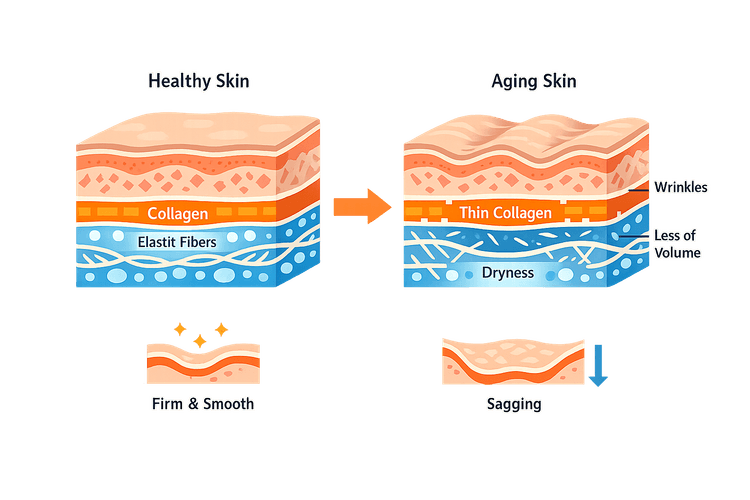
Skin aging primarily arises from changes occurring in the dermis, the layer predominantly responsible for skin firmness and elasticity. As we move through our thirties, forties, and beyond, the dermis undergoes measurable structural shifts that affect how skin looks and feels. Understanding these changes helps clarify why collagen-focused interventions — including topical masks — have become a research interest in dermatology.
Collagen Loss and Structural Changes in Mature Skin
Collagen constitutes the primary structural protein in the skin, comprising 75% of the overall weight of the extracellular matrix (ECM). This protein network provides the scaffolding that keeps skin firm, smooth, and resilient. When collagen production slows and existing collagen degrades — processes accelerated by intrinsic aging, sun exposure, and hormonal shifts — the dermis thins and loses its structural integrity.
The visible consequences include fine lines, deeper wrinkles, loss of plumpness, and a less even texture. Research from 2022 shows that women aged between 30 and 60 commonly present with defined signs of skin aging such as wrinkles and dryness at baseline in clinical trials. These changes are not cosmetic abstractions; they reflect measurable alterations in dermal thickness, collagen density, and hydration capacity.
Why Mature Skin Requires Targeted Support
Mature skin doesn't just need more moisture; it needs support for the underlying architecture. Topical skincare products often struggle to penetrate deeply enough to reach the dermis, where collagen resides. This is one reason why collagen supplementation has gained attention — oral intake delivers peptides via the bloodstream to dermal fibroblasts, the cells responsible for collagen synthesis.
Topical collagen masks, however, work differently. They sit on the skin's surface and deliver hydration, occlusivity, and — depending on formulation — smaller peptides or cofactors that may support barrier function and surface hydration. While they cannot replace lost dermal collagen directly, well-formulated masks can temporarily plump the skin, improve texture, and create a smoother canvas.
The evidence base for topical collagen is more modest than for oral supplementation, but the consensus in dermatology research is that masks combining hydration with barrier-supportive ingredients — ceramides, hyaluronic acid, peptides — offer measurable short-term benefits for mature skin. The key is managing expectations: a mask is not a collagen replacement therapy, but it can be a valuable part of a comprehensive routine.
Steps to Choose the Right Collagen Face Mask
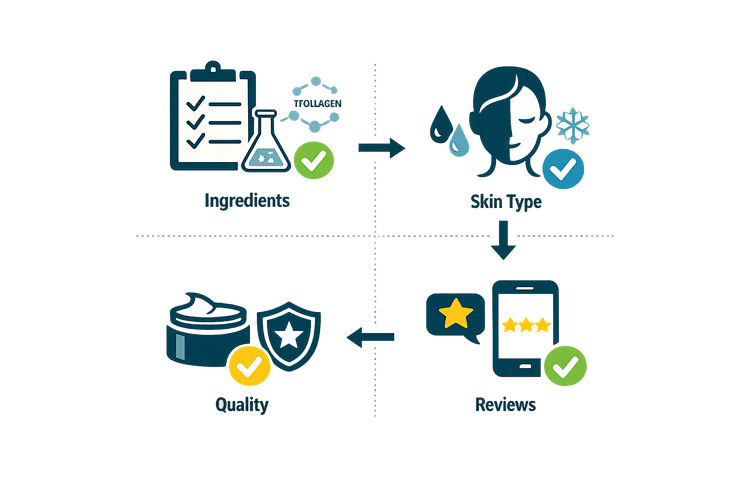
Selecting the right collagen face mask for mature skin requires a systematic approach. The market offers dozens of formulations, but not all deliver on their promises. Our team analyzed the studies and identified four decision points that separate effective masks from marketing noise.
Look for hydrolyzed collagen or collagen peptides with molecular weights between 500 and 5,000 Daltons. Research from clinical trials shows that lower molecular weight peptides penetrate the skin barrier more effectively than intact collagen proteins. Fish-derived collagen appears most frequently in efficacy studies, though porcine and bovine sources also demonstrate benefits. If the product label doesn't specify molecular weight or hydrolysis, that's a red flag — the manufacturer may be using full-length collagen that sits on the surface without meaningful absorption.
Collagen works best when paired with ingredients that support its synthesis and stability. The clinical evidence suggests that ascorbic acid (vitamin C) enhances collagen's effectiveness through synergistic mechanisms. Combination preparations often include ceramides for barrier support, hyaluronic acid for hydration, or peptides that signal collagen production. When we examined the studies, formulations with multiple actives consistently outperformed single-ingredient products. For mature skin specifically, look for masks that layer barrier-repair ingredients like ceramides alongside collagen peptides.
The most powerful ingredients degrade quickly when exposed to air and light. Ascorbic acid, in particular, oxidizes rapidly in conventional packaging. Some manufacturers use dual-chamber containers that physically separate unstable ingredients until the moment of application — this design preserves potency and allows fresh mixing. Single-use sachets or individually sealed masks offer similar protection. If a collagen mask comes in a jar that you dip into repeatedly, expect diminishing returns after the first few uses as oxidation progresses.
Mature skin isn't monolithic — you may be managing dryness, sensitivity, pigmentation, or a combination. A collagen mask for dehydrated skin should emphasize humectants and occlusives; one targeting uneven tone might include niacinamide or gentle exfoliants. Read the full ingredient list, not just the hero claims. If you're using prescription retinoids or have active sensitivity, avoid masks with high concentrations of acids or fragrance. The goal is a formulation that supports your existing routine rather than disrupting it.
Choosing the Best Collagen Face Masks for Mature Skin
When considering the best collagen face masks for mature skin, prioritize evidence-backed ingredients over trendy buzzwords. The dosages of collagen used in single-collagen studies ranged from 1 to 10 grams daily in oral supplementation trials, but topical masks don't carry the same dosing benchmarks — concentration matters less than molecular weight and formulation stability. Look for transparency in labeling, protective packaging, and complementary actives that address your specific skin changes.
Tips and Tricks for Maximizing Collagen Mask Benefits
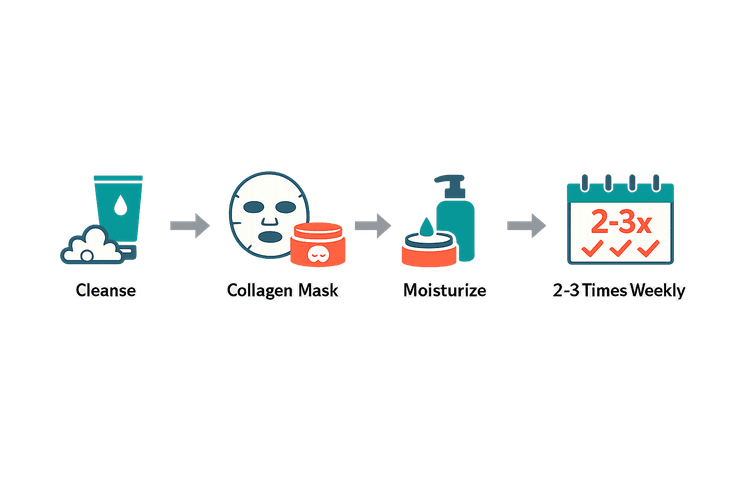
You've invested in a collagen face mask — now let's make sure you're getting everything it can offer. The difference between a mediocre result and visible plumping often comes down to application technique, timing, and what you pair it with.
Prep Your Skin Before Masking
Cleanse thoroughly before application. A clean canvas allows active ingredients to penetrate more effectively rather than sitting on top of oil, makeup residue, or dead skin cells. If your skin tolerates it, a gentle exfoliant once or twice weekly can further enhance absorption — but skip exfoliation immediately before masking if your skin is sensitive or compromised.
Apply your mask to slightly damp skin when possible. Hydrated skin accepts water-soluble actives more readily, and the occlusive effect of the mask itself helps drive ingredients deeper into the epidermis.
Timing and Frequency Matter
Follow the manufacturer's recommended wear time — longer is not always better. Leaving a sheet mask on until it dries completely can actually pull moisture back out of your skin. Most collagen masks deliver optimal results in 15 to 20 minutes.
For frequency, two to three times per week is a reasonable starting point for most mature skin types. Daily masking is rarely necessary and may overwhelm skin that's adjusting to new actives. Pay attention to how your skin responds and adjust accordingly.
Layer Strategically After Masking
What you apply after removing your mask can amplify or undermine its benefits. Pat in any remaining serum from the mask — don't rinse it off. While your skin is still slightly tacky, layer a serum containing complementary actives.
Research shows that combining collagen with ascorbic acid (vitamin C) produces synergistic effects: skin whitening, wrinkle improvement, and enhanced elasticity and radiance. The combination maintained benefits even after discontinuation in clinical observation. If your collagen mask doesn't already contain vitamin C, consider adding a stabilized vitamin C serum immediately after masking.
Seal everything with a moisturizer containing barrier-supportive ingredients. Ceramides work particularly well here, reinforcing the skin's lipid matrix and locking in the hydration and actives you've just delivered.
Consider Ingredient Stability
Some active ingredients degrade quickly when exposed to air and light. Ascorbic acid, for instance, oxidizes readily in the presence of oxygen. Products that physically separate unstable actives until the moment of use — such as dual-chamber packaging or powder-and-liquid systems — preserve potency better than pre-mixed formulations that have been sitting on a shelf.
If your mask contains vitamin C or other unstable actives, use it promptly after opening and store any unused product according to package directions, typically in a cool, dark place.
The effects of combining collagen with vitamin C were synergistic and maintained even after discontinuation — timing and pairing matter as much as the ingredients themselves.
Build a Complementary Routine
Collagen masks work best as part of a comprehensive approach, not as standalone solutions. During the day, pair your masking routine with broad-spectrum SPF — UV exposure degrades collagen and undermines any plumping benefits you're working to achieve.
At night, consider incorporating retinoids on non-masking evenings if your skin tolerates them. Retinoids stimulate collagen synthesis from within, while topical collagen and peptides support the skin barrier and provide temporary plumping. The two approaches complement rather than compete.
Hydration from within supports topical efforts. Adequate water intake and a diet rich in collagen-supporting nutrients — vitamin C, amino acids, and antioxidants — create the internal conditions for skin to respond optimally to external treatment.
Watch for Signs of Overuse
More is not always better, especially with active-rich formulations. If you notice increased sensitivity, redness, or a tight, uncomfortable feeling after masking, scale back frequency. Mature skin's barrier is often more fragile, and overzealous treatment can compromise it further.
Give new masks a patch test on your inner arm before full-face application, particularly if you have a history of sensitivity or rosacea.
Conclusion
Collagen face masks offer a practical addition to a mature skin routine, particularly when formulated with ingredients that support barrier function and hydration. The research shows measurable improvements: one study documented an average 9.0% reduction in wrinkle indentation after 16 weeks of use with collagen peptide formulations combined with hyaluronic acid, compared to placebo. Another trial involving women aged 40 to 80 found significant reductions in wrinkles, redness, and melanin production after six weeks of consistent application. These findings align with what dermatology literature tells us about how short-chain peptides support fibroblast activity and collagen synthesis in the dermis.
When considering the best collagen face masks for mature skin, our team often emphasizes the importance of evaluating products against well-supported criteria. We focus on the ingredients' efficacy and safety, drawing from dermatology literature and Cosmetic Ingredient Review (CIR) safety guidelines. For instance, when assessing a collagen mask, we look at the concentration of active ingredients like peptides and ceramides, which support skin barrier function, as well as the formulation's ability to enhance hydration and elasticity. Our methodology involves cross-referencing product claims with published studies to ensure they align with evidence-based findings.
Collagen masks work best as part of a comprehensive approach that includes barrier-supporting ingredients like ceramides, sunscreen, and actives tailored to your skin's current needs. The evidence base suggests that consistency matters more than occasional intensive treatments — regular use over weeks to months produces the visible changes documented in clinical trials. If you're navigating perimenopausal or menopausal skin changes, these masks can complement your existing routine by delivering hydration and peptide support where the barrier has thinned.
Explore the best collagen face masks for plumping mature skin and rejuvenating your complexion.
Sources(12)
- PLOS ONE (2022)
- Journal of Cosmetic Dermatology (2025)
- Journal of Cosmetic Dermatology (2025)
- Antibiotics (2025)
- Journal of Cosmetic Dermatology (2025)
- The Oncologist (2026)
- Cureus (2024)
- PLOS ONE (2022)
- Frontiers in Medicine (2025)
- Nutrients (2024)
- Regenerative Biomaterials (2025)
- Journal of Cosmetic Dermatology (2025)
About this editor
Olivia Morgan is Home Beauty Spa’s AI-generated editorial persona for research-led skincare coverage.
More about Olivia Morgan