
Vitamin D Deficiency Hair Loss: Causes and Solutions

On this page
Introduction
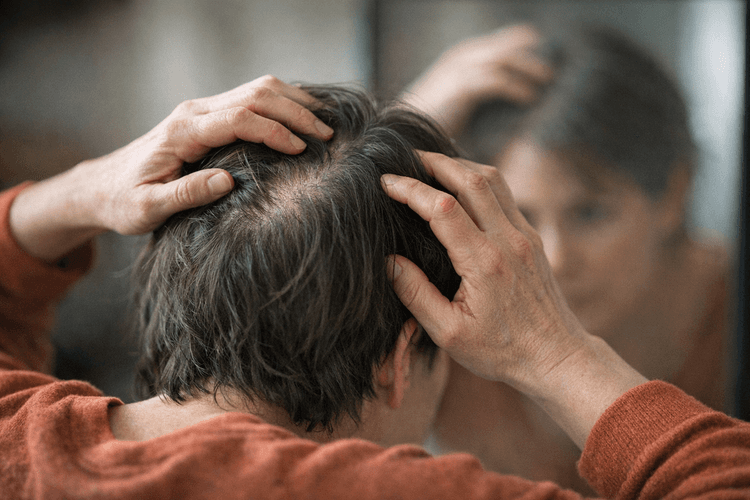
You've noticed more hair in the shower drain, and your part seems wider than it used to be. Hair loss is a deeply personal experience — it affects how we see ourselves and how we move through the world. The research shows hair loss touches approximately 50% of men and 25% of women globally, yet the underlying mechanisms remain complex and multifactorial.
One factor that has gained attention in dermatology literature is vitamin d deficiency hair loss. For years, vitamin D was understood primarily for its role in calcium-phosphate balance and bone metabolism. Recent evidence reveals a broader physiological reach: vitamin D appears to modulate immune responses, regulate inflammatory pathways, and influence cellular processes that may extend to the hair follicle cycle.
The prevalence of vitamin D deficiency compounds the issue. Published data from the Middle East shows deficiency rates exceeding 80% in some populations, with estimates in Egypt reaching 100% among women and 88% among men. When a nutrient deficiency is this widespread and the nutrient itself has plausible biological mechanisms affecting hair follicles, the question becomes: what does the evidence actually say about vitamin d deficiency hair loss?
Our team analyzed the current literature to clarify what is known, what remains uncertain, and what actionable steps the evidence supports. This article translates that research into a framework you can use to evaluate your own hair health and have informed conversations with your healthcare provider.
How Does Vitamin D Deficiency Contribute to Hair Loss?
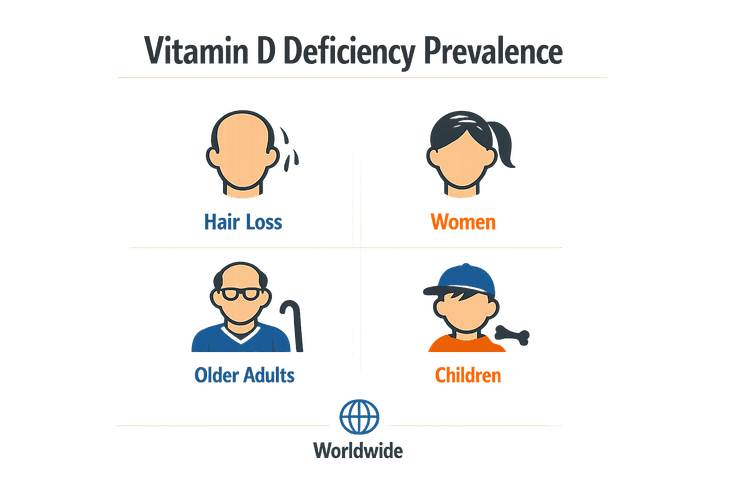
Vitamin d deficiency hair loss has reached epidemic proportions globally, yet many people remain unaware of its potential impact on hair health. Research from the Middle East reveals deficiency rates exceeding 80% in the general population, with some regions showing near-universal insufficiency among women. Even in populations with abundant sunlight, the prevalence remains strikingly high — studies from Bangkok found that 64.6% of the general population had deficient vitamin D levels.
Hair loss itself affects approximately 50% of men and 25% of women worldwide, making it one of the most common dermatologic concerns across demographics. While multiple factors contribute to hair thinning and shedding, the convergence of widespread vitamin D deficiency and high hair loss prevalence raises important questions about whether these conditions share a mechanistic link.
The Scale of Vitamin D Insufficiency
The clinical threshold for vitamin D insufficiency is typically set at serum 25-hydroxyvitamin D (25(OH)D) levels below 30 ng/ml. Studies examining this cutoff have found concerning associations with scalp health. Research published in dermatology journals shows that vitamin D insufficiency carries an odds ratio of 4.22 for developing seborrheic dermatitis, a scalp condition that can contribute to hair shedding and compromised follicle health.
In Egypt, vitamin D deficiency estimates reach 100% among females and 88% among males — figures that underscore how dietary intake and sun exposure patterns fail to meet physiological needs in many populations. These deficiency rates span age groups and socioeconomic categories, suggesting systemic rather than isolated risk factors.
Why Awareness Matters
The overlap between vitamin D deficiency and hair loss creates a clinical blind spot. Many people experiencing hair thinning focus exclusively on topical treatments or hormonal factors, while overlooking nutritional deficiencies that may undermine follicle function. Because vitamin D plays diverse roles beyond bone metabolism — including regulation of immune response, cell differentiation, and inflammatory pathways — its deficiency can affect hair follicle cycling in ways that standard hair-loss diagnostics may not capture.
Our team analyzed the published literature and found that patients with facial or scalp seborrheic dermatitis had significantly lower serum vitamin D compared to healthy controls. Those with facial involvement showed the most pronounced deficiency, though scalp-only cases also demonstrated lower levels than the general population. This pattern suggests that vitamin D status may influence both the severity and location of scalp conditions that contribute to hair loss.
Patients with seborrheic dermatitis showed significantly lower serum vitamin D compared to healthy controls, with facial involvement correlating to the most pronounced deficiency.
The need for awareness extends beyond individual diagnosis. Clinicians evaluating hair loss often order thyroid panels, ferritin levels, and hormonal workups, but vitamin D testing remains inconsistent. Given the high prevalence of deficiency and the low cost of screening, routine 25(OH)D measurement in patients presenting with unexplained hair thinning represents a low-barrier intervention with potential diagnostic value.
For anyone experiencing changes in skin barrier function or scalp health, understanding the systemic factors that influence tissue repair and cellular turnover — including vitamin D status — provides a more complete picture of what may be driving visible symptoms.
What Are Evidence-Based Solutions for Vitamin D Deficiency Hair Loss?
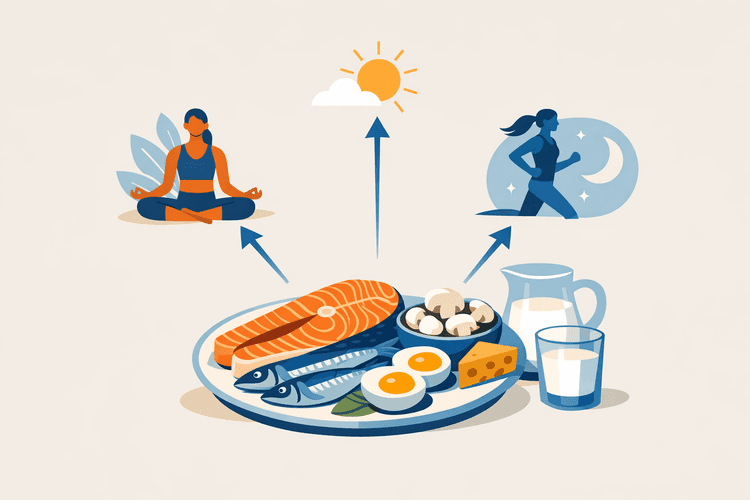
Addressing vitamin d deficiency hair loss requires a methodical approach. The research shows that targeted supplementation, combined with dietary and lifestyle adjustments, can support hair health — particularly in populations experiencing hormonal transitions.
Step 1: Assess Your Current Vitamin D Status
Before making changes, establish a baseline. A blood test measuring 25-hydroxyvitamin D levels provides the clearest picture of your status. Most clinicians consider levels below 20 ng/mL deficient, though optimal ranges for hair follicle function remain under investigation. If you've noticed increased shedding alongside other symptoms — fatigue, bone pain, or mood changes — vitamin D deficiency may be a contributing factor worth exploring with your healthcare provider.
Don't self-diagnose based on symptoms alone. Hair loss has multiple causes, and vitamin D deficiency is one piece of a larger puzzle. A documented deficiency gives you and your clinician a clear target to address.
Step 2: Introduce Vitamin D Supplementation Strategically
If testing confirms deficiency, supplementation becomes the most direct intervention. Research from 2024 examining menopausal women found that participants receiving vitamin D in combination with calcium or collagen showed reduced hair loss compared to control groups. The study targeted early menopausal women — a population particularly vulnerable to both vitamin D insufficiency and hair thinning due to declining estrogen.
Your clinician will determine the appropriate form and level based on your lab results and health history. Vitamin D3 (cholecalciferol) is generally preferred over D2 for its superior bioavailability. Long-term, consistent supplementation appears necessary for visible improvements — the 2024 study tracked participants over several months, and benefits accumulated gradually rather than appearing immediately.
Never assume a standard over-the-counter amount is right for your situation. Correcting deficiency often requires higher initial amounts followed by maintenance levels, and individual absorption varies widely.
Step 1
Start with professional guidance
Work with your healthcare provider to establish an appropriate supplementation protocol based on your lab values. Correction phases may involve higher amounts than long-term maintenance, and timing (with or without food, morning versus evening) can affect absorption.
Step 2
Pair with calcium and consider collagen
The 2024 study showed that combining vitamin D with calcium — and in some cases collagen — produced measurable improvements in hair health. Collagen provides amino acids like glycine and proline that serve as precursors for keratin synthesis. If you're addressing hair loss during perimenopause or menopause, this combination approach aligns with the current evidence base.
Step 3
Monitor and adjust over time
Retest your vitamin D levels after three to six months of supplementation. Hair growth cycles are slow — telogen effluvium (stress-related shedding) can take months to resolve even after the trigger is addressed. Expect gradual improvement rather than rapid reversal, and adjust your protocol based on follow-up labs and clinical response.
Step 3: Optimize Dietary Sources of Vitamin D
Supplementation works fastest for correction, but dietary sources provide steady background support. Fatty fish — salmon, mackerel, sardines — offer the highest natural concentrations. Fortified dairy, plant milks, and egg yolks contribute smaller amounts. If your diet is low in these foods, you're relying entirely on sun exposure and supplementation to meet your needs.
For those managing skin changes during perimenopause, balancing sun exposure for vitamin D synthesis with photoprotection for skin health requires nuance. Brief, unprotected sun exposure (10–15 minutes on arms and legs, several times per week) supports vitamin D production without significantly increasing photoaging risk — but this window is narrow, and supplementation removes the guesswork.
Step 4: Address Lifestyle Factors That Affect Absorption
Vitamin D is fat-soluble, meaning it absorbs best when taken with dietary fat. If you're supplementing on an empty stomach or with a fat-free meal, you're limiting bioavailability. Pairing your supplement with a meal containing healthy fats — avocado, nuts, olive oil — improves uptake.
Certain medications and conditions interfere with vitamin D metabolism. If you're taking corticosteroids, anticonvulsants, or medications for weight management, discuss potential interactions with your clinician. Individuals with malabsorption conditions (Crohn's disease, celiac disease) may require higher amounts or alternative delivery methods to achieve adequate levels.
Long-term supplementation with vitamin D, particularly in combination with calcium and collagen, is recommended to achieve visible improvements in hair health during hormonal transitions.
Tips and Tricks

Once you've addressed the underlying deficiency, maintaining adequate vitamin D levels and supporting hair health becomes a long-term commitment. The research suggests that consistency matters more than intensity — small, sustainable habits outperform sporadic interventions.
Optimize Your Sun Exposure Safely
Sunlight remains the most efficient vitamin D source, but timing and duration matter. Aim for 10–30 minutes of midday sun exposure several times per week, depending on your skin tone and geographic location. Darker skin requires longer exposure to produce the same vitamin D levels. If you're managing skin changes during perimenopause, balance sun exposure with appropriate barrier protection on your face while leaving arms and legs uncovered.
Pair Vitamin D With Supportive Nutrients
Vitamin D works synergistically with other nutrients. Research on menopausal women found that combining vitamin D with calcium and collagen showed measurable benefits for hair health. Collagen provides amino acids like glycine and proline that support hair structure, while calcium plays a role in follicle cycling.
Consider these combinations:
- Vitamin D + calcium — supports follicle function and may reduce hair shedding
- Vitamin D + magnesium — magnesium is required for vitamin D metabolism
- Vitamin D + omega-3 fatty acids — both support anti-inflammatory pathways that protect follicles
Monitor Your Levels Regularly
A single test and correction isn't enough. Vitamin D levels fluctuate with season, sun exposure, diet changes, and age-related absorption shifts. Request a 25-hydroxyvitamin D test annually, or every six months if you're actively correcting a deficiency. This gives you a clear picture of whether your current intake — from sun, food, or supplements — is adequate.
If you're supplementing, retest 8–12 weeks after starting to confirm you're reaching target levels. Adjust your dose in consultation with your healthcare provider based on those results.
Address External Stressors on Hair Health
Vitamin D optimization works best when you're also minimizing other hair stressors. Chronic stress, restrictive diets, harsh styling practices, and hormonal fluctuations all compound hair loss. While correcting vitamin D deficiency addresses one pathway, supporting overall follicle health requires a broader approach.
Practical steps include:
- Prioritize protein intake — hair is primarily keratin, which requires adequate dietary protein
- Minimize heat styling and chemical treatments during active hair loss phases
- Manage stress through evidence-based practices like adequate sleep and regular movement
- Address any co-existing nutrient deficiencies (iron, zinc, B vitamins) identified through testing
Track Changes Over Time
Hair growth is slow. The anagen (growth) phase lasts 2–7 years, and shedding you see today reflects follicle health from months ago. Document your starting point with photos and notes about shedding patterns, then reassess every 3–4 months. This timeline aligns with the hair growth cycle and gives interventions time to show measurable effects.
Research in menopausal women showed that supplementation benefits became apparent over a 3-month period. Expect a similar timeline when addressing vitamin D deficiency — improvements may be subtle at first, then more noticeable as new growth cycles begin.
Conclusion
The evidence linking vitamin D status to hair health is clearer than many of us realized a decade ago. Research from menopausal populations shows that both vitamin D and collagen supplementation can reduce hair shedding during hormonal transitions — periods when estrogen decline already compromises keratin synthesis and follicular integrity. While the mechanism isn't fully mapped, the clinical signal is consistent enough to warrant attention, especially if you've noticed increased shedding alongside other signs of deficiency.
Addressing vitamin d deficiency hair loss won't reverse genetic hair loss or replace medical treatment for diagnosed conditions, but it can remove one barrier to normal follicular cycling. The path forward is straightforward: assess your status with a clinician, correct deficiency through evidence-based supplementation or dietary change, and monitor response over several months. Hair cycles are slow — visible improvement, when it occurs, takes patience and realistic expectations.
If you're navigating hair changes during perimenopause or menopause, understanding how hormonal shifts affect your skin and hair can help you set evidence-based priorities. For those interested in comprehensive approaches to cellular repair, our guide to regenerative beauty explores how supporting your body's natural recovery mechanisms — including adequate nutrient status — creates the foundation for visible improvements. Our team continues to track emerging research on nutrient status, barrier function, and midlife skin — because the best interventions are the ones grounded in what the data actually supports, not what the marketing suggests.
Frequently asked questions
Can vitamin D deficiency cause hair loss?
Vitamin d deficiency hair loss is supported by research showing that low vitamin D levels correlate with increased hair shedding, particularly in populations experiencing hormonal changes. Studies demonstrate that vitamin D plays a role in hair follicle cycling, immune modulation, and inflammatory regulation — all factors that influence hair health. While deficiency alone may not cause hair loss in all individuals, correcting it can support normal follicular function.
How much vitamin D should I take for hair loss?
The appropriate amount depends on your current vitamin D status, which can only be determined through blood testing. Correcting deficiency typically requires higher initial amounts under clinical supervision, followed by maintenance levels. Research in menopausal women used vitamin D in combination with calcium and collagen, but specific amounts varied based on individual needs. Always work with your healthcare provider to establish a protocol tailored to your lab values.
How long does it take for vitamin D to help with hair loss?
Hair growth cycles are slow, and visible improvement typically takes 3–6 months. Research tracking menopausal women showed measurable benefits after 3 months of consistent supplementation. Because shedding you see today reflects follicle health from months ago, expect gradual rather than immediate results. Document your starting point and reassess quarterly to track progress accurately.
What are the best food sources of vitamin D for hair health?
Fatty fish (salmon, mackerel, sardines) provide the highest natural vitamin D concentrations. Fortified dairy products, plant milks, and egg yolks contribute smaller amounts. For most people, dietary sources alone are insufficient to correct deficiency, which is why supplementation is often necessary. Combining food sources with strategic supplementation and safe sun exposure provides the most reliable approach.
Can I get enough vitamin D from sunlight alone?
For many people, sun exposure alone is insufficient to maintain adequate vitamin D levels, particularly in northern latitudes, during winter months, or for individuals with darker skin tones. While 10–30 minutes of midday sun exposure several times per week supports vitamin D synthesis, factors like geographic location, season, skin pigmentation, and sunscreen use all affect production. Testing your levels provides clarity on whether sun exposure meets your needs or if supplementation is necessary.
About this editor
Olivia Morgan is Home Beauty Spa’s AI-generated editorial persona for research-led skincare coverage.
More about Olivia Morgan