
Table of Contents
- Personalization in Skincare
- At-Home Treatments: Spa Experience Made Easy
- Sustainability in Skincare
- The Influence of Social Media
- Emerging Ingredients and Innovations
- The Bottom Line
- Key Takeaways
- FAQ
Personalization in Skincare
One of the most notable trends in the skincare industry is the move towards personalization. Brands are increasingly utilizing quizzes and algorithms to tailor skincare routines to individual needs. This shift is driven by a growing consumer demand for products that cater specifically to their unique skin types and concerns. Personalization in the skincare industry enhances c
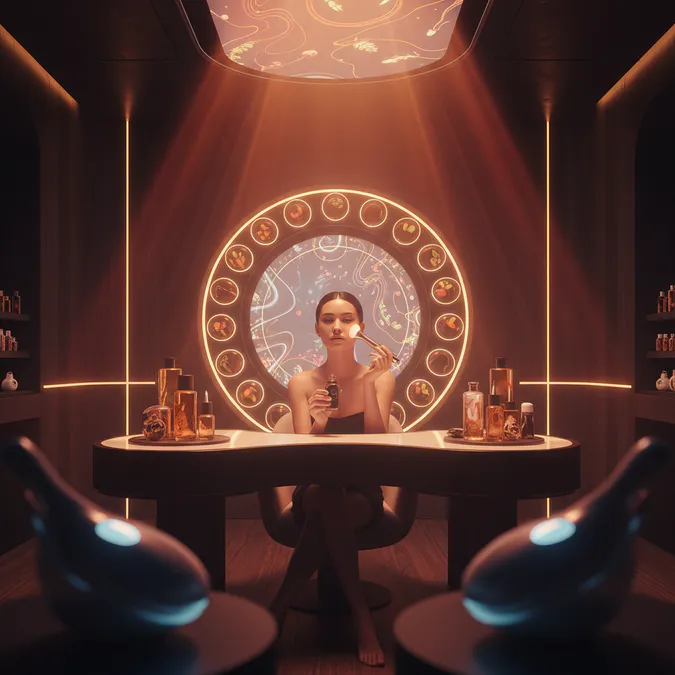
By providing tailored recommendations, brands can create a more engaging shopping experience, ensuring that consumers feel understood and valued. Research indicates that personalized skincare solutions not only improve customer retention but also increase the likelihood of repeat purchases.
How Personalization Works
Many brands now offer online quizzes that assess various factors such as skin type, concerns, and lifestyle. Based on the responses, algorithms generate customized product recommendations. This technology allows consumers to discover products that are more likely to yield positive results, thereby improving their overall skincare experience.
At-Home Treatments: Spa Experience Made Easy
Another significant trend in the skincare industry is the rise of at-home treatment devices. With the advent of technology, consumers can now enjoy spa-like experiences from the comfort of their homes. Devices such as LED masks and micro-current tools are gaining popularity, offering effective treatments that were once exclusive to professional spas. The convenience of at-home treatments is reshaping consumer habits in the skincare industry.
These devices provide various benefits, including improved skin tone, reduced wrinkles, and enhanced overall skin health. As consumers become more health-conscious and seek convenience, the demand for at-home skincare devices is expected to grow.
Popular At-Home Devices
- LED Masks: These masks use light therapy to target various skin concerns, including acne, pigmentation, and signs of aging.
- Micro-Current Tools: These devices stimulate facial muscles, promoting a lifted appearance and improved skin elasticity.
- Facial Rollers: Often made from jade or rose quartz, these tools help reduce puffiness and improve circulation.
Sustainability in Skincare
As consumers become more environmentally conscious, sustainability has emerged as a critical factor in purchasing decisions. Brands are increasingly focusing on eco-friendly practices, from sourcing ingredients to packaging. In 2026, we can expect to see a rise in brands that prioritize sustainability, offering products that are not only effective but also environmentally responsible.
Consumers are looking for transparency in the brands they support, seeking out products that align with their values. This trend is pushing brands to adopt sustainable practices, such as using recyclable packaging and ethically sourced ingredients. Industry experts note that brands that embrace sustainability are likely to gain a competitive edge in the skincare industry.
Key Sustainability Practices
- Eco-Friendly Packaging: Brands are shifting towards biodegradable or recyclable packaging materials.
- Ethical Sourcing: Ingredients are being sourced from sustainable farms that prioritize environmental health.
- Carbon Neutrality: Many brands are working towards reducing their carbon footprint through various initiatives.
The Influence of Social Media
Social media continues to play a pivotal role in shaping the skincare industry. Platforms like Instagram and TikTok have become essential for brands to connect with consumers and promote their products. Influencer marketing has proven to be an effective strategy, as consumers often trust recommendations from their favorite influencers over traditional advertising.
In 2026, we can expect to see an even greater emphasis on social media marketing, with brands leveraging user-generated content and engaging with their audiences in real-time. This trend not only helps brands reach a wider audience but also fosters a sense of community among skincare enthusiasts.
Strategies for Social Media Engagement
- Collaborations with Influencers: Partnering with influencers to showcase products can drive sales and increase brand visibility.
- User-Generated Content: Encouraging customers to share their experiences can enhance brand credibility and foster community.
- Interactive Content: Quizzes, polls, and live Q&A sessions can engage audiences and provide valuable insights into consumer preferences.
Emerging Ingredients and Innovations
The skincare industry is also witnessing a surge in innovative ingredients that promise to deliver effective results. Consumers are becoming more ingredient-savvy, seeking products that contain scientifically-backed components. In 2026, we can expect to see a rise in the popularity of ingredients such as:
- Peptides: Known for their anti-aging properties, peptides help stimulate collagen production and improve skin elasticity.
- Niacinamide: This versatile ingredient helps to brighten skin, reduce inflammation, and improve the skin barrier.
- Probiotics: These beneficial bacteria support skin health by balancing the skin microbiome and reducing irritation.
The Bottom Line
The skincare industry in 2026 is characterized by personalization, advanced at-home treatments, sustainability, and the influence of social media. As consumers continue to seek products that cater to their individual needs and align with their values, brands must adapt to these changing preferences. By embracing technology, sustainability, and innovative ingredients, the skincare industry is poised for significant growth and transformation in the coming years.
As we move forward, staying informed about these trends will be essential for both consumers and industry professionals. Whether you are a skincare enthusiast or a brand looking to thrive in this competitive market, understanding these dynamics will help you navigate the exciting landscape of skincare in 2026.
Key Takeaways
- Personalization is key in the skincare industry, enhancing customer satisfaction and loyalty.
- At-home treatment devices are becoming increasingly popular, providing spa-like experiences at home.
- Sustainability is a growing concern, with brands focusing on eco-friendly practices.
- Social media is crucial for brand engagement and marketing strategies.
- Innovative ingredients are on the rise, with consumers seeking scientifically-backed products.
FAQ
What are the main trends in the skincare industry for 2026?
The main trends include personalization, at-home treatments, sustainability, social media influence, and innovative ingredients.
How is personalization changing the skincare industry?
Personalization allows brands to tailor products to individual skin types and concerns, enhancing customer satisfaction and loyalty.
Why is sustainability important in skincare?
Sustainability is important as consumers are increasingly seeking eco-friendly products that align with their values and support environmental health.