The skincare landscape is evolving rapidly, and 2026 promises to bring transformative skincare trends that will reshape how we approach our daily routines. From innovative ingredient delivery systems to a renewed focus on simplicity, the upcoming year marks a significant shift in skincare philosophy. Understanding these emerging trends can help you make informed decisions about your beauty regimen and stay ahead of the curve.
The skincare trends emerging for 2026 reflect a broader movement toward both innovation and mindfulness. Consumers are increasingly seeking products that deliver results without unnecessary complexity, while simultaneously embracing cutting-edge formulation technologies. This balance between simplicity and sophistication defines the direction of the beauty industry.
Korean Skincare Evolution: The Next Wave
Korean skincare has long been a driving force in global beauty trends, and 2026 will see this influence deepen with a new generation of multifunctional formulas. Rather than relying on the traditional 10-step routines that defined Korean beauty in previous years, the focus is shifting toward streamlined products that deliver multiple benefits in single applications.
These next-generation Korean skincare products are engineered to address multiple skin concerns simultaneously. A single serum might combine hydration, brightening, and anti-aging properties, reducing the need for extensive layering. This evolution reflects consumer feedback about routine fatigue and the desire for efficiency without sacrificing efficacy.
The innovation extends beyond formula composition. Korean brands are incorporating advanced delivery systems and scientifically-backed ingredients that maximize penetration and effectiveness. This represents a maturation of the Korean skincare market, moving beyond trend-driven products toward solutions backed by rigorous research and development.
Slow-Release Technology: Encapsulated Retinol and Beyond
One of the most significant skincare trends for 2026 is the adoption of slow-release ingredient technology, particularly with encapsulated retinol. This advancement addresses a persistent challenge in skincare: delivering potent active ingredients without causing irritation or instability.
Encapsulated retinol works by packaging the ingredient in protective microspheres that r
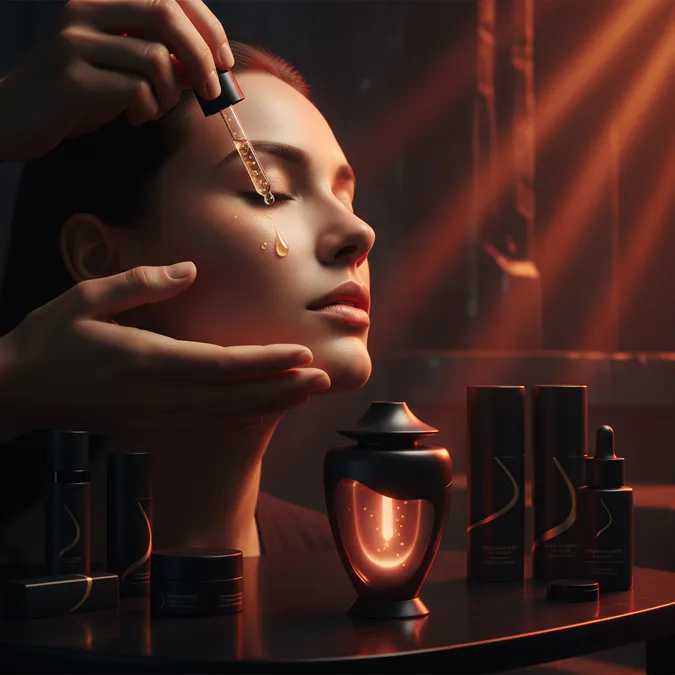
Beyond retinol, brands are applying encapsulation technology to other sensitive actives like vitamin C, niacinamide, and peptides. This trend reflects the industry's commitment to making powerful ingredients more tolerable and effective. Consumers can expect to see more products featuring slow-release technology across various price points, democratizing access to advanced skincare solutions.
The science behind encapsulation is compelling. By protecting ingredients from oxidation and environmental degradation, slow-release formulas maintain potency longer. This means products have extended shelf lives and deliver consistent results throughout their use, addressing both efficacy and sustainability concerns.
Skin Minimalism: Less Is More
A counterintuitive yet powerful skincare trend for 2026 is the rise of skin minimalism. After years of multi-step routines and product accumulation, consumers are embracing a philosophy of intentional simplicity. This movement isn't about neglecting skincare; rather, it's about using fewer, more carefully selected products that address individual skin needs.
Skin minimalism encourages users to evaluate their routines critically and eliminate products that don't provide tangible benefits. The typical minimalist routine might consist of just three to five products: a cleanser, a targeted treatment, a moisturizer, and sun protection. This approach reduces decision fatigue, minimizes the risk of ingredient conflicts, and often proves more cost-effective.
This trend is particularly appealing to younger consumers who grew up with social media-driven beauty culture and are now seeking authenticity and sustainability. Minimalism aligns with broader environmental concerns, as fewer products mean less packaging waste and reduced consumption overall.
Implementing skin minimalism doesn't mean abandoning active ingredients or advanced treatments. Instead, it means choosing multifunctional products that work synergistically and eliminating redundancy. A well-formulated moisturizer might include hydrating, antioxidant, and anti-inflammatory ingredients, reducing the need for separate serums and treatments.
Wellness Integration in Skincare
The intersection of skincare and overall wellness represents another crucial skincare trend for 2026. Beauty brands are increasingly recognizing that skin health is inseparable from internal health, stress levels, sleep quality, and nutrition. This holistic approach is reshaping product development and marketing strategies.
Wellness-focused skincare brands are incorporating adaptogenic ingredients like ashwagandha, rhodiola, and ginseng that address stress-related skin concerns. Products are being formulated to support the skin barrier while promoting relaxation and mental wellbeing. Some brands are even developing product lines that coordinate with circadian rhythms, offering different formulations for morning and evening use based on skin's natural cycles.
This trend extends beyond ingredients to encompass the entire skincare experience. Brands are emphasizing the ritualistic and meditative aspects of skincare routines, encouraging consumers to view their skincare practice as self-care rather than a chore. Packaging, scent, and application methods are being thoughtfully designed to enhance the sensory experience.
The wellness integration trend also reflects growing consumer interest in transparency and ingredient sourcing. People want to know where ingredients come from, how they're processed, and what impact they have on both skin and overall health. Brands responding to this demand are providing detailed information about ingredient benefits and sourcing practices.
Personalization and Customization
While not entirely new, personalization in skincare is becoming increasingly sophisticated and accessible in 2026. Advanced technology enables brands to offer customized formulations based on individual skin analysis, genetic factors, and lifestyle variables.
Personalized skincare goes beyond simple skin type categorization. Companies are using AI and machine learning to analyze skin conditions, predict how skin will respond to different ingredients, and recommend tailored product combinations. Some brands offer at-home skin analysis tools or in-store consultations that inform product recommendations.
This trend democratizes access to bespoke skincare solutions that were previously available only through expensive dermatological consultations. Consumers can now receive personalized recommendations and custom formulations at various price points, making advanced skincare more inclusive.
Key Takeaways for Your Skincare Future
The skincare trends emerging for 2026 reflect a maturation of the beauty industry toward innovation, sustainability, and consumer-centric approaches. Whether you're interested in exploring advanced Korean formulations, experimenting with slow-release technologies, or embracing minimalism, there's a trend aligned with your skincare philosophy.
The most important takeaway is that effective skincare in 2026 isn't about following trends blindly. Instead, it's about understanding your skin's unique needs and selecting products and approaches that align with both your skin goals and personal values. The diversity of trends emerging means there's room for individual preference and customization.
As you navigate the evolving skincare landscape, focus on products with transparent ingredient lists, proven efficacy, and formulations that resonate with your approach to beauty and wellness. The future of skincare is personalized, purposeful, and increasingly sophisticated—and it's designed to work for you.
Frequently Asked Questions (FAQ)
What are the top skincare trends for 2026?
The top skincare trends for 2026 include Korean skincare evolution, slow-release technology, skin minimalism, wellness integration, and personalization.
How does slow-release technology benefit skincare?
Slow-release technology, such as encapsulated retinol, helps deliver potent ingredients gradually, reducing irritation and enhancing effectiveness for sensitive skin.
What is skin minimalism?
Skin minimalism is a trend focused on using fewer, high-quality products that address specific skin needs, promoting simplicity and reducing waste.
How can I personalize my skincare routine?
Personalization can be achieved through skin analysis tools and consultations that help identify the best products for your unique skin type and concerns.
Why is wellness integration important in skincare?
Wellness integration emphasizes the connection between skin health and overall wellbeing, incorporating ingredients that support both physical and mental health.
For further reading, check out authoritative sources like NCBI and EWG for insights on skincare trends and ingredient safety.