
Table of Contents

- The Rise of DIY Professional Skincare
- What Defines Professional-Grade Skincare?
- The Safety and Efficacy Debate
- The Professional Perspective
- Market Growth and Consumer Demand
- 5 Essential Safety Tips for DIY Professional Skincare
- Common DIY Professional Skincare Mistakes to Avoid
- The Future of Professional Skincare
- DIY Professional Skincare and Skin Health
- Frequently Asked Questions
The Rise of DIY Professional Skincare
The skincare industry is experiencing a significant shift. What was once exclusively available in professional dermatology offices and high-end spas is now marketed directly to consumers for at-home use. This growing trend of DIY professional skincare treatments is sparking important conversations within the beauty and dermatology communities about safe
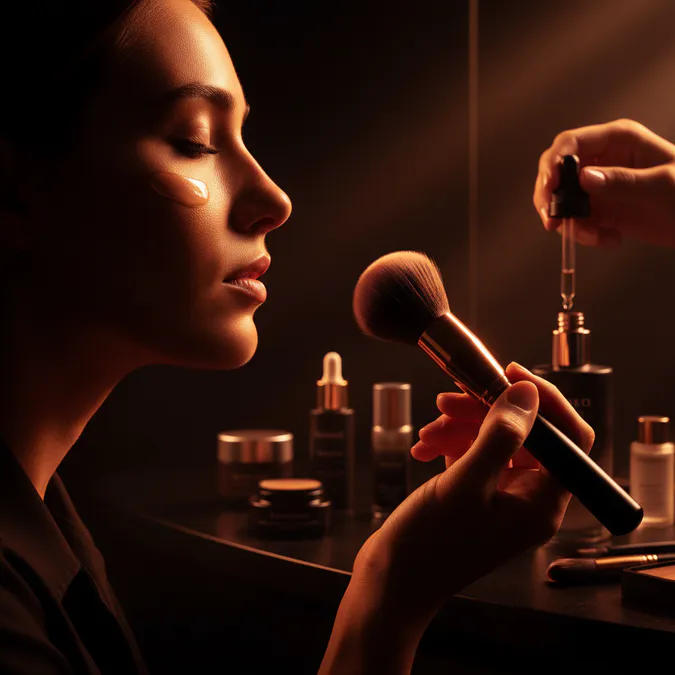
The democratization of skincare technology represents one of the most notable trends in the beauty industry today. Advanced devices and formulations that were previously reserved for licensed professionals are now being packaged for consumer use. From microneedling pens to LED light therapy devices, from chemical peels to radiofrequency treatments, the market for at-home professional-grade skincare has exploded in recent years.
This shift is driven by several factors. First, consumers have become increasingly educated about skincare ingredients and technologies. Social media platforms have made it easier for people to learn about advanced treatments and their potential benefits. Second, the cost barrier has become less prohibitive as manufacturers scale production and competition increases. Third, the COVID-19 pandemic accelerated the trend toward at-home beauty solutions, and many consumers have maintained these habits even as professional services have reopened.
What Defines Professional-Grade Skincare?
Understanding the distinction between professional and consumer-grade skincare is essential to this conversation. Professional-grade products typically contain higher concentrations of active ingredients, more sophisticated formulations, and are often backed by clinical research. Professional treatments, meanwhile, involve specialized equipment, trained practitioners, and controlled environments designed to maximize results while minimizing risks.
When these professional treatments are adapted for home use, manufacturers must make significant modifications. They reduce active ingredient concentrations, simplify application methods, and build in safety features. The question becomes: at what point does a product cease to be truly professional-grade, and does the marketing accurately reflect what consumers are actually purchasing?
Industry experts note that the distinction between professional and at-home versions can be substantial. A professional microneedling treatment performed in a clinical setting may use needles of 1.5-3mm depth, while consumer versions typically range from 0.25-0.5mm. This difference significantly impacts both efficacy and safety considerations for DIY professional skincare users.
The Safety and Efficacy Debate
Dermatologists and skincare professionals have expressed both enthusiasm and concern about the DIY professional skincare trend. On one hand, increased access to effective treatments can democratize skincare and help more people address skin concerns. On the other hand, professional treatments are designed to be administered by trained individuals who understand skin types, can identify contraindications, and can adjust protocols based on individual responses.
Safety concerns are paramount. Microneedling, for example, creates controlled micro-injuries to stimulate collagen production. When performed by a professional, needle depth, speed, and technique are carefully controlled. At-home versions may lack these safeguards, potentially leading to infection, scarring, or ineffective results. Similarly, chemical peels require understanding of skin chemistry and proper neutralization techniques. Improper application can result in chemical burns or post-inflammatory hyperpigmentation.
LED light therapy devices present a lower-risk option, as they're generally considered safe for home use when used as directed. However, even these devices require proper understanding of wavelengths, treatment duration, and skin type compatibility to be truly effective. Research indicates that blue light (405-420nm) is most effective for acne-prone skin, while red light (630-700nm) supports collagen production and anti-aging benefits.
The Professional Perspective
Skincare professionals are navigating this trend with mixed reactions. Some view at-home professional skincare as a threat to their business model and expertise. Others see it as an opportunity to educate consumers and position themselves as guides in an increasingly complex skincare landscape.
Many professionals argue that their value extends beyond the treatment itself. They provide skin analysis, personalized recommendations, and the ability to address complications or unexpected reactions. They understand how different treatments interact with medications, skin conditions, and other factors that consumers might not consider.
However, some professionals recognize that at-home treatments can serve as a bridge between professional services. A consumer using an at-home microneedling device might be more likely to seek professional treatments for more intensive concerns. Similarly, at-home skincare can help maintain results from professional treatments, potentially increasing overall satisfaction and loyalty.
Market Growth and Consumer Demand
The market for at-home professional skincare devices and products continues to expand rapidly. Consumers are investing in tools like derma rollers, LED masks, sonic cleansing devices, and radiofrequency tightening devices. The appeal is clear: professional results without the professional price tag or appointment scheduling.
This demand reflects broader consumer trends toward self-care, wellness, and taking control of personal health and appearance. In an era where convenience and accessibility are highly valued, at-home professional skincare aligns perfectly with consumer expectations and lifestyle preferences.
However, this market growth also raises questions about marketing claims and consumer expectations. Are manufacturers accurately representing what their products can achieve? Are consumers making informed decisions about safety and efficacy? Are there adequate regulations to ensure product quality and truthful advertising?
5 Essential Safety Tips for DIY Professional Skincare
For consumers interested in at-home professional skincare, several considerations are important to ensure safe and effective results:
- Research thoroughly: Look for clinical studies supporting efficacy claims, and be skeptical of exaggerated promises. Check manufacturer credentials and look for third-party testing certifications. Reputable brands will provide transparent information about their DIY professional skincare products and their limitations.
- Understand your skin: Know your skin type and any conditions that might contraindicate certain treatments. Sensitive skin, active acne, rosacea, and eczema may require professional guidance before using advanced devices. Understanding your unique skin profile is crucial for safe DIY professional skincare.
- Follow instructions carefully: Start conservatively, especially with active treatments like microneedling or chemical peels. Begin with the lowest recommended frequency and intensity, then gradually increase as your skin adapts. This measured approach to DIY professional skincare minimizes risk of adverse reactions.
- Consult professionals: Speak with a dermatologist or skincare professional before beginning an at-home professional skincare regimen, particularly if you have sensitive skin or existing conditions. This step can prevent adverse reactions and optimize results from your DIY professional skincare routine.
- Monitor your skin: Keep detailed records of how your skin responds to treatments. Note any redness, irritation, or unexpected reactions, and discontinue use if problems develop. Tracking your skin's response is essential for safe DIY professional skincare.
Common DIY Professional Skincare Mistakes to Avoid
Many consumers make preventable errors when using at-home professional skincare devices. Overuse is one of the most common mistakes—using devices more frequently than recommended in hopes of faster results can damage the skin barrier and cause irritation. Another frequent error is combining incompatible treatments, such as using a chemical peel followed immediately by microneedling, which can overwhelm the skin.
Ignoring skin type compatibility is another critical mistake. A treatment effective for oily, acne-prone skin may be inappropriate for dry or sensitive skin. Additionally, many consumers fail to establish a proper baseline before starting new treatments, making it difficult to assess whether results are due to the device or other skincare changes.
Inadequate aftercare represents another common pitfall. Professional treatments require specific post-treatment protocols—sun protection, gentle cleansing, appropriate moisturizing, and avoiding certain ingredients. Skipping these steps can reduce efficacy and increase the risk of complications when using DIY professional skincare.
The Future of Professional Skincare
As the DIY professional skincare trend continues to evolve, the industry will likely see several developments. Regulatory bodies may establish clearer guidelines about which treatments can be safely adapted for home use and how they should be marketed. Manufacturers will continue to innovate, developing safer and more effective at-home versions of professional treatments with improved safety features and user controls.
Professional skincare services will likely evolve as well. Rather than competing solely on treatment availability, professionals may increasingly focus on expertise, customization, and addressing complex skin concerns that require professional intervention. The relationship between professional and at-home skincare may become more complementary than competitive, with professionals recommending specific at-home maintenance routines between appointments.
Education will be crucial. Both manufacturers and professionals have a responsibility to ensure consumers understand what at-home treatments can realistically achieve, how to use them safely, and when professional consultation is necessary. Clear labeling, instructional videos, and accessible guidance can help bridge the knowledge gap between professional and consumer-grade treatments.
DIY Professional Skincare and Skin Health
The relationship between DIY professional skincare and overall skin health depends largely on informed decision-making and responsible use. When consumers approach at-home treatments with realistic expectations and proper safety protocols, they can achieve meaningful improvements in skin texture, tone, and appearance. However, unrealistic expectations or improper use can lead to disappointment or skin damage.
Research indicates that consistency matters more than intensity when it comes to skincare results. A person using an at-home LED device correctly twice weekly for three months will likely see better results than someone using a more aggressive device sporadically. This principle applies across most DIY professional skincare treatments.
The key to success is viewing at-home professional skincare as a complement to, rather than a replacement for, a solid foundational skincare routine. Proper cleansing, moisturizing, sun protection, and targeted treatments form the basis upon which at-home professional devices can build.
Frequently Asked Questions About DIY Professional Skincare
Is DIY professional skincare safe?
DIY professional skincare can be safe when used correctly with proper research, professional consultation, and careful adherence to instructions. However, risks exist if devices are misused or if individuals have contraindicated skin conditions. Always consult a dermatologist before starting any new treatment regimen.
How does at-home professional skincare compare to professional treatments?
At-home versions typically use lower concentrations of active ingredients and less powerful settings than professional treatments. While they can deliver results, professional treatments performed by trained practitioners often provide more dramatic and faster results due to higher intensity and customized application.
Can I combine multiple DIY professional skincare devices?
Combining devices requires careful planning. Some treatments complement each other, while others can overwhelm the skin or cause irritation. Space treatments appropriately and consult with a skincare professional about safe combinations for your specific skin type.
How long before I see results from DIY professional skincare?
Results vary depending on the treatment and individual skin response. Most people notice initial improvements within 4-8 weeks of consistent use, with more significant results appearing after 8-12 weeks. Patience and consistency are essential for optimal outcomes.
What should I do if I experience adverse reactions to DIY professional skincare?
Stop using the device immediately and allow your skin to recover. Use gentle, fragrance-free products and avoid other active treatments. If irritation persists beyond a few days or worsens, contact a dermatologist for professional evaluation and treatment.
Are expensive DIY professional skincare devices better than budget options?
Price doesn't always correlate with quality or effectiveness. Research specific devices, read reviews, and look for clinical evidence supporting claims. Some budget-friendly options perform well, while some expensive devices may not deliver proportional results.
Key Takeaways
The trend toward DIY professional skincare represents a significant shift in the beauty industry. While it offers consumers greater access to advanced treatments and technologies, it also raises important questions about safety, efficacy, and the role of professional expertise. The most successful approach likely involves a balanced perspective: leveraging at-home treatments for maintenance and less intensive concerns while seeking professional services for more complex skin issues and personalized guidance.
Remember that DIY professional skincare works best when approached with realistic expectations, thorough research, and professional consultation when needed. Starting conservatively, following instructions carefully, and monitoring your skin's response will help you achieve safe and effective results. As this market continues to evolve, informed consumers who understand both the benefits and limitations of at-home professional skincare will be best positioned to achieve their skincare goals safely and effectively.