
Professional facials are undeniably effective and relaxing, but they come with a significant price tag—typically ranging from $100 to $300 per session, with dermatologists recommending visits every 4 to 6 weeks. For many people, this frequency and cost make regular professional facials inaccessible. The good news is that at-home facials have become a viable alternative, offering relaxation, pore cleansing, and enhanced product absorption without leaving your bathroom. According to aestheticians and beauty experts, the key to success lies in understanding the right techniques and knowing when to supplement your routine with professional treatments.
The at-home beauty device market reflects this growing trend, with the therapeutic beauty devices market expanding at an 8.5% compound annual growth rate, projected to grow from $5.5 billion in 2025 to $12.4 billion by 2035 [Source: Future Market Insights]. Meanwhile, microcurrent facial devices alone are experiencing explosive growth at 15% CAGR, expected to reach $1.8 billion by 2033 [Source: Data Insights Market]. However, 2026 skincare trends signal an important shift: experts are moving away from complex gadget-heavy routines toward simple, effective regimens that prioritize skin barrier health and long-term results.
This comprehensive guide walks you through performing an at-home facial the right way, incorporating expert recommendations and addressing the balance between DIY care and professional treatments.
The Reality of At-Home Facials vs. Professional Treatments
While at-home facials offer convenience and cost savings, they're not meant to completely replace professional treatments. According to Danuta Mieloch, an aesthetician quoted in Cosmopolitan, "Maintaining a consistent at-home routine is esse
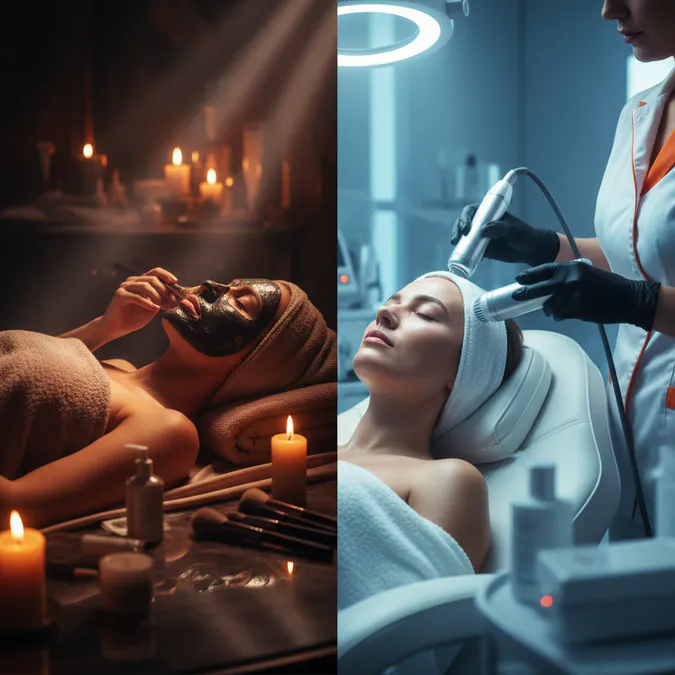
Linnéa Wagnås, The Skin Coach and celebrity facialist, notes a significant shift in client expectations: "After years of at-home devices and DIY solutions, clients want safety, guidance and results they can trust." This reflects a broader 2026 trend where consumers are moving away from overconfidence in DIY solutions and seeking professional oversight.
The recommended approach is performing at-home facials weekly while scheduling professional facials every 4 to 6 weeks. This combination allows you to maintain skin health between professional visits while benefiting from expert treatments that address deeper concerns.
Understanding the 2026 Skincare Philosophy
The skincare landscape in 2026 is characterized by a fundamental shift in priorities. According to Veronica Pedersen, Co-Founder and CEO of Timeless Skin Care, "In 2026, consumers will continue moving toward simple, effective routines that support long-term skin health, not complicated regimens or quick fixes."
This philosophy represents a departure from the post-pandemic boom in at-home devices and gadgets. While tools like microcurrent devices and LED masks remain popular—CurrentBody's LED Light Therapy Mask saw a 22% increase in unit sales in North America in 2024 [Source: Future Market Insights]—the emphasis has shifted to barrier health, microbiome support, and sustainable routines.
The market data supports this trend. E-commerce and direct brand websites now account for 37% of at-home beauty device sales, rising to 40% in 2025 [Source: Future Market Insights], driven largely by educational content and authentic tutorials that emphasize proper technique over gadget proliferation.
Step-by-Step Guide to Your At-Home Facial
Performing an effective at-home facial doesn't require expensive equipment or complicated steps. Here's the professional-approved process:
Step 1: Cleanse Thoroughly
Begin with a gentle cleanser appropriate for your skin type. Use lukewarm water and massage the cleanser in circular motions for about 60 seconds. This removes makeup, dirt, and oil buildup that can interfere with the facial's effectiveness. Pat your skin dry with a clean towel—avoid rubbing, which can irritate sensitive skin.
Step 2: Steam Your Pores
Steaming is a crucial step that softens pores and boosts serum absorption. You have two options: use a dedicated facial steamer like the Dr. Dennis Gross Pro Facial Steamer, or simply fill a bowl with hot water, drape a towel over your head, and lean over the steam for 5-10 minutes. Keep your face about 6-8 inches from the water to avoid burns. This step opens your pores and prepares your skin for deeper penetration of treatment products.
Step 3: Apply an Exfoliating Treatment
After steaming, apply a gentle exfoliant suited to your skin type. This might be a chemical exfoliant with AHAs or BHAs, or a physical scrub if your skin tolerates it well. Massage gently in circular motions for 1-2 minutes, then rinse thoroughly with cool water. Exfoliation removes dead skin cells and allows subsequent products to penetrate more effectively.
Step 4: Apply a Hydrating or Treatment Mask
Choose a mask based on your skin's current needs. Hydrating masks work well for dry skin, clay masks for oily or congested skin, and specialty masks for specific concerns like brightening or anti-aging. Apply an even layer, avoiding the eye area, and leave on for 10-15 minutes. This is an ideal time to relax—the mask's active ingredients work while you unwind.
Step 5: Use Gua Sha or Facial Massage
After removing the mask, use a gua sha tool or your fingertips to massage your face. This promotes lymphatic drainage, reduces puffiness, and enhances circulation. Use upward strokes along the jawline, cheekbones, and forehead. This step adds a spa-like element while providing real benefits for skin tone and texture.
Step 6: Apply Serums and Moisturizer
While your skin is still slightly damp, apply your favorite serum. The moisture helps products absorb better. Follow with a hydrating moisturizer appropriate for your skin type. If you have oily skin, a lightweight gel moisturizer works best; for dry skin, a richer cream provides better nourishment.
Step 7: Don't Forget SPF
If performing your facial in the morning, finish with a broad-spectrum SPF 30 or higher. Some exfoliating treatments can increase sun sensitivity, making sun protection essential.
Choosing the Right Products and Tools
The at-home facial market offers numerous options, from simple products to advanced devices. When selecting tools, prioritize quality and proper usage over quantity.
For those interested in technology, devices like NuFACE's Trinity+ Complete combine microcurrent therapy with red light technology for non-invasive skin rejuvenation. However, experts emphasize that these tools should complement, not replace, a solid skincare foundation.
If you prefer a simpler approach, focus on quality cleansers, exfoliants, masks, and serums from reputable brands. The most important factor is consistency and proper technique rather than having the latest gadget.
Expert Tips for At-Home Facial Success
Based on guidance from aestheticians and beauty professionals, here are key tips for maximizing your at-home facial results:
- Consistency matters more than complexity: Performing a simple, effective routine weekly yields better results than occasional elaborate treatments.
- Listen to your skin: If your skin shows signs of irritation, reduce the frequency of exfoliation or switch to gentler products.
- Don't over-treat: Using too many active ingredients simultaneously can damage your skin barrier. Stick to one or two actives per routine.
- Invest in professional guidance: Consider consulting with an aesthetician to develop a personalized at-home routine tailored to your specific skin concerns.
- Prioritize barrier health: 2026 trends emphasize skin longevity and microbiome support. Choose products that strengthen rather than strip your skin.
- Schedule professional facials strategically: Use professional treatments to address concerns beyond your at-home routine's scope, such as deep extractions or advanced technologies.
The Market Shift: Why Simplicity is Winning
The beauty industry's pivot toward simplicity reflects real consumer concerns about over-treatment and skin damage. While the at-home device market continues growing—with microcurrent devices alone projected to reach $1.8 billion by 2033—the narrative has shifted from "more gadgets" to "smarter choices."
This trend is evident in skincare sales growth, which remained modest at 1-5% in 2025, suggesting consumers are being more selective about purchases. Rather than accumulating multiple devices, people are investing in quality basics and professional treatments.
E-commerce's 40% share of at-home device sales is driven largely by educational content that emphasizes proper technique and realistic expectations. Consumers increasingly value authenticity and expert guidance over marketing hype.
Common At-Home Facial Mistakes to Avoid
Understanding what not to do is as important as knowing the right steps. Here are common mistakes that can compromise results or damage your skin:
- Using water that's too hot: Excessive heat can irritate skin and damage the barrier. Keep steam at a comfortable temperature.
- Over-exfoliating: More than once weekly can lead to sensitivity and barrier damage. Stick to one exfoliation session per week.
- Skipping moisturizer: Even oily skin needs hydration. Skipping this step can trigger increased oil production.
- Applying products to damp skin without intention: While some products absorb better on damp skin, others need dry skin for proper application. Follow product instructions.
- Ignoring your skin type: Using products designed for oily skin when you have dry skin (or vice versa) won't deliver results.
- Neglecting the neck and décolletage: These areas show aging as much as the face. Include them in your routine.
Creating Your Personalized At-Home Facial Routine
The best at-home facial routine is one you'll actually maintain. Here's how to create a personalized version:
- Assess your skin type: Determine if your skin is oily, dry, combination, or sensitive. This guides all product choices.
- Identify your primary concerns: Are you focused on anti-aging, acne, hyperpigmentation, or general maintenance?
- Choose a consistent time: Schedule your facial for the same day each week—many people choose Sunday evenings.
- Gather your products: Cleanser, exfoliant, mask, serum, and moisturizer. You don't need more than this.
- Set realistic expectations: Results take time. Commit to 4-6 weeks before evaluating effectiveness.
- Adjust as needed: If products irritate your skin, switch them out. Your routine should feel good, not uncomfortable.
The Bottom Line
At-home facials are a valuable addition to any skincare routine, offering relaxation, improved skin texture, and better product absorption without the professional price tag. However, the 2026 skincare philosophy emphasizes balance: combine weekly at-home facials with professional treatments every 4-6 weeks, prioritize simplicity and barrier health over gadget accumulation, and seek professional guidance when needed.
As Danuta Mieloch emphasizes, consistency is essential. A simple, well-executed routine performed weekly will deliver better results than occasional complex treatments. By following the step-by-step guide provided by aestheticians and beauty experts, you can achieve professional-quality results at home while supporting long-term skin health and longevity.
Sources
- Automated Pipeline
- The 8 biggest skincare trends for 2026, according to facialists
- At-Home Therapeutic Beauty Devices Market - Future Market Insights
- Top Skincare Trends For 2026—And Those Losing Their Sizzle
- Home Microcurrent Facial Devices Market's Consumer Landscape
- Source: blog.aakpersonalcare.com
- Source: whowhatwear.com