Cleansing Balms: Nourishing and Hydrating the Skin
[youtubomatic_search]
Key Takeaways
Cleansing balms are an effective and nourishing way to cleanse the skin, removing makeup and impurities while hydrating and nourishing the skin.
They are particularly beneficial for dry and sensitive skin types, but can be used by all skin types.
Using a cleansing balm as part of a double cleansing routine can provide optimal skin health benefits.
There are a variety of cleansing balms available, each with their own unique benefits and ingredients.
Unveiling the Power of Cleansing Balms
The world of skincare is vast and ever-evolving, with new products and trends emerging regularly. One such product that has gained significant attention in recent years is the cleansing balm. These nourishing cleansers are praised for their ability to effectively remove makeup and impurities, while simultaneously hydrating and nourishing the skin.
The Science Behind Cleansing Balms
Cleansing balms are oil-based cleansers that work on the principle of ‘like dissolves like’. They are able to dissolve oil-based impurities such as sebum, sunscreen, and makeup, making them an effective first step in a double cleansing routine. According to a study published in the Journal of Cosmetic Dermatology, oil-based cleansers like cleansing balms can effectively remove excess sebum and impurities without disrupting the skin’s natural barrier (1).
Benefits of Cleansing Balms
One of the key benefits of cleansing balms is their hydrating properties. Unlike some cleansers that can strip the skin of its natural oils, cleansing balms help to maintain the skin’s moisture levels. This makes them particularly beneficial for dry and sensitive skin types. However, they can be used by all skin types, with many users reporting softer, smoother, and more radiant skin after use.
Choosing the Right Cleansing Balm
There are a variety of cleansing balms available on the market, each with their own unique benefits and ingredients. Some popular ingredients in cleansing balms include shea butter, which is known for its moisturizing properties, and various plant oils, which can provide additional nourishment to the skin. When choosing a cleansing balm, it’s important to consider your skin type and any specific skin concerns you may have.
FAQ Section
1. How do you use a cleansing balm?
Apply a small amount of the balm to dry skin, massaging it in to dissolve makeup and impurities. Rinse off with warm water or remove with a damp cloth.
2. Can cleansing balms cause breakouts?
While any new skincare product has the potential to cause breakouts, cleansing balms are generally well-tolerated. If you have acne-prone skin, look for a non-comedogenic formula.
3. Can you use a cleansing balm if you have oily skin?
Yes, cleansing balms can be used by all skin types. They can actually help to regulate oil production by not stripping the skin of its natural oils.
4. How often should you use a cleansing balm?
Most people can use a cleansing balm daily, particularly in the evening as part of a double cleansing routine.
5. What is double cleansing?
Double cleansing involves using two different types of cleansers – first an oil-based cleanser like a cleansing balm to remove makeup and impurities, followed by a water-based cleanser to clean the skin.
Embracing the Balm: A Conclusion
In conclusion, cleansing balms are a versatile and beneficial addition to any skincare routine. Their ability to effectively cleanse the skin while maintaining hydration makes them a popular choice for many. Whether you have dry, oily, or sensitive skin, there’s likely a cleansing balm out there that’s perfect for you.
Revisiting the Key Takeaways
Cleansing balms are an effective and nourishing way to cleanse the skin, removing makeup and impurities while hydrating and nourishing the skin.
They are particularly beneficial for dry and sensitive skin types, but can be used by all skin types.
Using a cleansing balm as part of a double cleansing routine can provide optimal skin health benefits.
There are a variety of cleansing balms available, each with their own unique benefits and ingredients.
[youtubomatic_search]
References
(1) Rawlings, A. V., & Lombard, K. J. (2012). A review on the extensive skin benefits of mineral oil. International journal of cosmetic science, 34(6), 511-518.
“Clay Masks: Unleashing Purity and Detoxification for Radiant Skin!”
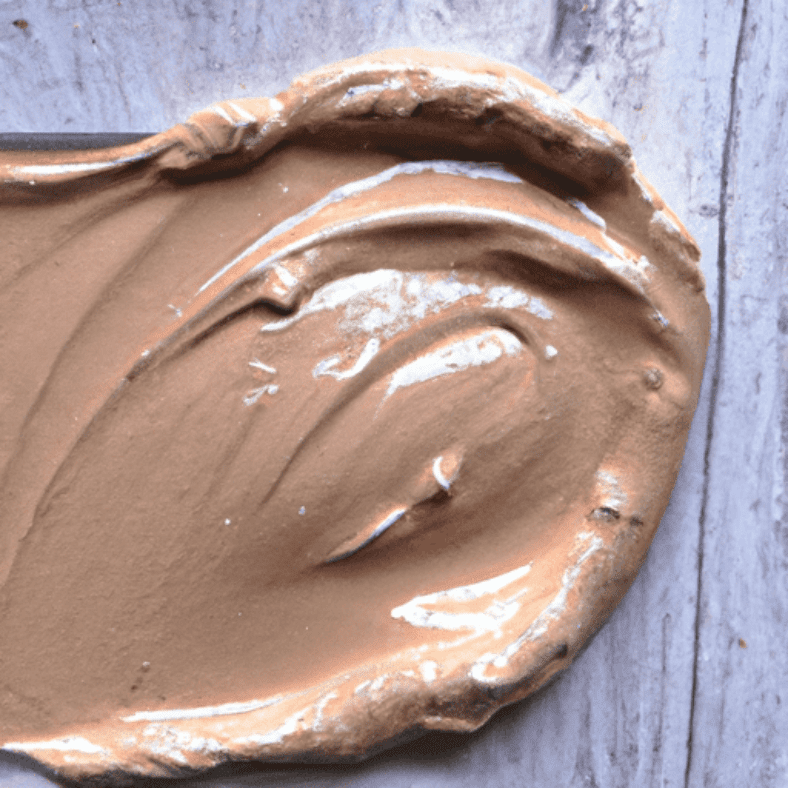
Clay masks are a popular skincare product known for their detoxifying and purifying properties. They are made from specific types of clay, such as kaolin or bentonite, which have the ability to absorb excess oil, remove impurities, and draw out toxins from the skin. These masks are particularly beneficial for those with oily or acne-prone skin, as they can help to clear pores and reduce inflammation. However, they can also be used by those with normal to dry skin types, as many clay masks also have hydrating and soothing ingredients. Overall, clay masks are a versatile skincare product that can help to improve the health and appearance of the skin.
Unveiling the Power of Clay Masks for Deep Cleansing
Clay masks have been a staple in beauty regimens around the world for centuries. Known for their ability to draw out impurities and toxins, these masks are a natural, effective way to detoxify and purify the skin. The power of clay masks lies in their unique properties, which allow them to absorb excess oil, remove dead skin cells, and unclog pores, resulting in a deep cleanse that leaves the skin looking fresh and radiant.
Clay masks are made from a variety of clays, each with its own unique set of benefits. Bentonite clay, for example, is known for its ability to absorb and remove toxins, heavy metals, and impurities. It’s also rich in minerals like calcium, magnesium, and iron, which can nourish the skin. Kaolin clay, on the other hand, is ideal for sensitive skin due to its gentle cleansing and exfoliating properties. It can help to soothe irritation and reduce inflammation, making it a popular choice for those with skin conditions like acne or rosacea.
The detoxifying power of clay masks is due to the negative charge of the clay particles, which attracts positively charged toxins and impurities. When applied to the skin, the clay acts like a magnet, drawing these impurities out of the pores and onto the surface of the mask. As the mask dries, it tightens on the skin, helping to stimulate blood flow and promote the healing and regeneration of skin cells. Once the mask is removed, the skin is left clean, refreshed, and revitalized.
In addition to their deep cleansing properties, clay masks also offer a range of other benefits for the skin. They can help to balance oil production, reducing the likelihood of breakouts and leaving the skin with a healthy, matte finish. They can also help to improve the texture and tone of the skin, reducing the appearance of pores and fine lines and leaving the skin smooth and soft to the touch. Furthermore, because they are rich in minerals, clay masks can provide a nourishing boost to the skin, replenishing essential nutrients and promoting a healthy, youthful glow.
Despite their powerful detoxifying properties, clay masks are gentle enough to be used on all skin types. However, it’s important to choose a mask that is suited to your specific skin needs. For example, those with oily or acne-prone skin may benefit from a mask containing bentonite or French green clay, which are known for their oil-absorbing properties. Those with dry or sensitive skin, on the other hand, may prefer a mask containing kaolin or rose clay, which are gentler and less drying.
In conclusion, clay masks offer a natural, effective way to detoxify and purify the skin. Their unique properties allow them to draw out impurities, absorb excess oil, and promote the healing and regeneration of skin cells. Whether you’re looking to deep cleanse your skin, balance oil production, or simply give your skin a nourishing boost, a clay mask could be the perfect addition to your skincare routine. So why not unveil the power of clay masks for yourself and experience the benefits of this ancient beauty secret?
The Ultimate Guide to Detoxifying Your Skin with Clay Masks
Clay masks have been a staple in beauty regimens around the world for centuries. Known for their ability to draw out impurities and toxins, these masks are a natural, effective way to detoxify and purify the skin. This article will serve as your ultimate guide to understanding the benefits of clay masks and how to incorporate them into your skincare routine.
Clay masks are made from a variety of clays, each with its unique properties. Bentonite clay, for instance, is highly absorbent and can draw out impurities from deep within the skin. Kaolin clay, on the other hand, is less absorbent and is ideal for sensitive skin. French green clay is known for its ability to tighten pores and stimulate blood flow to the skin. Regardless of the type of clay, all clay masks work by absorbing excess oil and dirt from the skin, leaving it clean and refreshed.
The detoxifying properties of clay masks are due to the negative charge of the clay particles. When applied to the skin, these negatively charged particles attract positively charged particles, such as toxins and impurities, effectively drawing them out of the skin. This process not only cleanses the skin but also improves its texture and appearance. Regular use of clay masks can help reduce the appearance of pores, control oil production, and prevent acne breakouts.
In addition to their detoxifying properties, clay masks also offer a range of other benefits. They can exfoliate the skin by removing dead skin cells, promote blood circulation, and stimulate collagen production, leading to firmer, more youthful-looking skin. Some clays, such as Rhassoul clay, are rich in minerals like silica and magnesium, which can nourish the skin and improve its elasticity.
Despite their numerous benefits, clay masks should be used with caution. Overuse can strip the skin of its natural oils, leading to dryness and irritation. It is recommended to use clay masks once or twice a week, depending on your skin type. Those with oily skin may benefit from more frequent use, while those with dry or sensitive skin should limit their use to once a week.
Applying a clay mask is a simple process. First, cleanse your skin to remove any makeup or dirt. Then, apply a thin layer of the mask to your face, avoiding the eye area. Leave the mask on for about 10-15 minutes, or until it has dried. Rinse off with warm water, and follow up with a moisturizer to replenish any lost moisture.
In conclusion, clay masks are a natural, effective way to detoxify and purify the skin. They offer a range of benefits, from removing impurities and controlling oil production to promoting blood circulation and improving skin elasticity. However, they should be used with caution to avoid over-drying the skin. With the right clay mask and proper usage, you can achieve clean, refreshed, and youthful-looking skin.
Clay Masks: The Secret to Purifying Your Skin
Clay masks have been a staple in beauty regimens around the world for centuries. Known for their ability to draw out impurities and toxins, these masks are a natural, effective way to purify and detoxify the skin. The secret to their efficacy lies in the unique properties of clay, which has been used for its healing and purifying properties since ancient times.
Clay is a naturally occurring substance that is rich in minerals. When applied to the skin, these minerals can help to nourish and rejuvenate, leaving the skin looking healthier and more radiant. But the benefits of clay masks go beyond mere nourishment. They also have a unique ability to absorb excess oil and dirt from the skin, making them an excellent choice for those with oily or acne-prone skin.
The process of applying a clay mask is simple, but the results can be dramatic. First, the mask is applied to clean, dry skin. As it dries, the clay begins to harden, tightening on the skin. This tightening effect can help to stimulate blood flow and tighten pores, resulting in a smoother, more youthful appearance. Once the mask is fully dry, it is rinsed off, taking with it any impurities that have been drawn out of the skin.
There are several types of clay used in masks, each with its own unique benefits. Bentonite clay, for example, is known for its ability to absorb oil and draw out impurities, making it an excellent choice for those with oily skin. Kaolin clay, on the other hand, is gentler and less drying, making it suitable for those with sensitive or dry skin. French green clay is known for its ability to tighten pores and stimulate blood flow, resulting in a more youthful appearance.
Despite their benefits, clay masks should be used with caution. Because they can be drying, it’s important to follow up with a moisturizer after use. Additionally, they should not be used more than once or twice a week, as overuse can lead to dryness and irritation.
In recent years, clay masks have seen a resurgence in popularity, and for good reason. They offer a natural, effective way to detoxify and purify the skin, leaving it looking healthier and more radiant. Whether you have oily skin, acne-prone skin, or simply want to give your skin a deep cleanse, a clay mask could be the secret to purifying your skin.
In conclusion, clay masks are a versatile and beneficial addition to any skincare routine. Their ability to draw out impurities and absorb excess oil can help to clear up acne and reduce oiliness, while their mineral-rich composition nourishes and rejuvenates the skin. By choosing the right type of clay for your skin type and using it properly, you can enjoy the many benefits that these masks have to offer. So why not give it a try? Your skin will thank you.
Transforming Skincare Treatments: The Role of Clay Masks
Clay masks have been a staple in skincare routines for centuries, offering a multitude of benefits that have been recognized and utilized by various cultures around the world. These masks, derived from natural clay, are renowned for their detoxifying and purifying properties, making them an essential component in transforming skincare treatments.
Clay masks work by drawing out impurities from the skin. As the clay dries on the skin, it starts to harden, tightening the skin and pores. This process helps to remove dirt, oil, and other pollutants that have accumulated on the skin’s surface. The result is a deep cleanse that leaves the skin feeling refreshed and rejuvenated.
Moreover, clay masks are known for their detoxifying properties. They are rich in minerals like silica, magnesium, calcium, and potassium, which are beneficial for the skin. These minerals help to detoxify the skin by binding with toxins and removing them when the mask is washed off. This detoxification process not only cleanses the skin but also improves its overall health and appearance.
In addition to detoxification, clay masks also offer purifying benefits. They have a natural ability to absorb excess oil and sebum from the skin, which can help to prevent acne and breakouts. Furthermore, they can help to balance the skin’s pH levels, which is crucial for maintaining healthy skin. By absorbing excess oil and balancing pH levels, clay masks can help to purify the skin and keep it looking clear and radiant.
Clay masks also play a significant role in exfoliation. The texture of the clay helps to gently remove dead skin cells, revealing a smoother and brighter complexion underneath. This exfoliation process also helps to stimulate blood circulation, which can improve the skin’s overall health and vitality.
Despite their powerful detoxifying and purifying properties, clay masks are gentle enough to be used on all skin types. They are particularly beneficial for those with oily or acne-prone skin, but they can also be used on dry or sensitive skin. The key is to choose a clay mask that is suitable for your specific skin type and needs.
For instance, Bentonite clay is excellent for oily skin as it can absorb large amounts of oil and sebum. On the other hand, Kaolin clay is gentler and is suitable for sensitive or dry skin. French Green clay is known for its toning properties and is ideal for mature skin. Regardless of the type of clay, these masks can provide a deep cleanse that is difficult to achieve with regular face washes or cleansers.
In conclusion, clay masks are a versatile and effective skincare treatment that can detoxify and purify the skin. They offer a deep cleanse that removes impurities, absorbs excess oil, and balances pH levels. Moreover, they can exfoliate the skin and stimulate blood circulation, improving the skin’s overall health and appearance. Whether you have oily, dry, sensitive, or mature skin, there is a clay mask that can cater to your specific needs and help transform your skincare routine.
Exploring the Benefits of Clay Masks in Skincare Regimens
Clay masks have been a staple in skincare regimens for centuries, lauded for their ability to detoxify and purify the skin. These masks, derived from natural clay sources, are rich in minerals that can help to draw out impurities, absorb excess oil, and leave the skin feeling refreshed and revitalized.
The detoxifying properties of clay masks are perhaps their most well-known benefit. The clay acts like a magnet, attracting and binding to toxins, dirt, and other impurities that have accumulated on the skin’s surface. As the mask dries, it hardens, trapping these impurities within its structure. When the mask is washed off, these impurities are removed along with it, leaving the skin clean and detoxified. This process can help to unclog pores, reduce the appearance of blackheads, and prevent acne breakouts.
In addition to their detoxifying effects, clay masks are also highly effective at absorbing excess oil from the skin. This makes them particularly beneficial for individuals with oily or combination skin types. The clay works by absorbing the oil, reducing shine, and leaving the skin with a matte finish. This can help to balance the skin’s natural oil production and prevent the clogged pores that can lead to acne.
Clay masks are also known for their purifying properties. They can help to stimulate circulation in the skin, promoting the removal of dead skin cells and encouraging the growth of new, healthy skin cells. This can result in a brighter, more radiant complexion. Furthermore, the minerals found in clay, such as calcium, magnesium, and potassium, can nourish the skin, providing it with essential nutrients that support its health and vitality.
Despite their powerful detoxifying and purifying effects, clay masks are generally gentle on the skin. They can be used by individuals with sensitive skin, and they are less likely to cause irritation or redness than other types of facial masks. However, it’s always important to patch test any new skincare product before applying it to the entire face, to ensure that it doesn’t cause an adverse reaction.
While clay masks can be beneficial for all skin types, it’s important to choose the right type of clay for your specific skin needs. For example, white kaolin clay is gentle and suitable for sensitive skin, while bentonite clay is highly absorbent and ideal for oily skin. Green clay, also known as French green clay, is known for its purifying properties and is suitable for most skin types.
In conclusion, clay masks offer a range of benefits for the skin, from detoxifying and purifying to absorbing excess oil and nourishing with essential minerals. They are a versatile addition to any skincare regimen, suitable for all skin types and capable of addressing a variety of skin concerns. Whether you’re looking to detoxify, purify, or simply give your skin a healthy glow, a clay mask could be just the skincare solution you’re looking for.
Q&A
1. Question: What are the benefits of using a clay mask?
Answer: Clay masks help to detoxify and purify the skin by drawing out impurities, absorbing excess oils, and removing dead skin cells. They can also help to unclog and shrink pores, improve skin texture, and enhance the overall complexion.
2. Question: How often should you use a clay mask?
Answer: It’s generally recommended to use a clay mask once or twice a week. However, the frequency can vary depending on your skin type and specific skin concerns.
3. Question: Can clay masks help with acne?
Answer: Yes, clay masks can help with acne. They can absorb excess sebum, reduce inflammation, and remove bacteria and toxins that contribute to acne.
4. Question: Are there different types of clay masks for different skin types?
Answer: Yes, there are different types of clay masks suitable for different skin types. For example, kaolin clay is gentle and suitable for sensitive skin, bentonite clay is highly absorbent and good for oily skin, and rhassoul clay is nourishing and ideal for dry skin.
5. Question: Can clay masks cause skin dryness?
Answer: Yes, clay masks can cause skin dryness if used excessively or left on the skin for too long. It’s important to follow the usage instructions and moisturize the skin after using a clay mask.In conclusion, clay masks play a significant role in detoxifying and purifying the skin. They are known for their ability to absorb excess oils and dirt from the skin, unclog pores, and eliminate impurities, toxins, and dead skin cells. This results in a smoother, clearer, and healthier complexion. Therefore, incorporating clay masks into a skincare routine can be beneficial for maintaining clean and refreshed skin.
“Exfoliating cleansers: Unveil Your Brightest Skin Yet!”
Exfoliating cleansers are specialized skincare products designed to remove dead skin cells from the surface of the skin. They work by gently scrubbing the skin, promoting cell turnover and revealing a brighter, more radiant complexion underneath. These cleansers not only help in achieving a smoother skin texture but also aid in unclogging pores, reducing acne breakouts, and enhancing the skin’s ability to absorb other skincare products. Incorporating Exfoliating cleansers into your skincare routine can lead to healthier, brighter, and more youthful-looking skin.
The Role of Exfoliating Cleansers in Revealing Brighter Skin
Exfoliating cleansers are a crucial component of any comprehensive skincare regimen. They play a pivotal role in revealing brighter, healthier skin by removing dead skin cells and unclogging pores. This process not only enhances the skin’s natural glow but also paves the way for other skincare products to penetrate deeper and work more effectively.
Exfoliating cleansers work by gently scrubbing the skin’s surface to dislodge and remove dead skin cells. These cells, if left unchecked, can accumulate on the skin’s surface, leading to a dull, lifeless complexion. Moreover, they can clog pores, resulting in breakouts and other skin issues. By removing these cells, Exfoliating cleansers help to reveal the fresh, healthy skin underneath, leading to a brighter, more radiant complexion.
The benefits of Exfoliating cleansers extend beyond mere aesthetics. By unclogging pores, they can help to prevent acne and other skin conditions. Furthermore, they can stimulate blood circulation, promoting healthier skin and aiding in the skin’s natural regeneration process. This can result in improved skin texture and tone, as well as a reduction in the appearance of fine lines and wrinkles.
However, while Exfoliating cleansers can be highly beneficial, it’s important to use them correctly to avoid damaging the skin. Over-exfoliation can strip the skin of its natural oils, leading to dryness and irritation. Therefore, it’s recommended to use Exfoliating cleansers no more than two to three times a week, depending on your skin type. Additionally, it’s crucial to choose a product that’s suitable for your skin type. For instance, those with sensitive skin may benefit from a gentler, chemical-based exfoliant, while those with oily or acne-prone skin may prefer a physical exfoliant with larger, more abrasive particles.
Moreover, it’s essential to follow up with a moisturizer after using an exfoliating cleanser. This helps to replenish any moisture lost during the exfoliation process and keeps the skin hydrated and healthy. It’s also advisable to use a sunscreen during the day, as exfoliation can make the skin more susceptible to sun damage.
In conclusion, Exfoliating cleansers play a vital role in revealing brighter, healthier skin. They work by removing dead skin cells and unclogging pores, leading to a more radiant complexion and improved skin health. However, it’s important to use them correctly and choose a product that’s suitable for your skin type to avoid potential damage. By incorporating an exfoliating cleanser into your skincare routine and using it responsibly, you can enjoy the benefits of brighter, healthier skin.
Chemical Exfoliation: The Secret to a Radiant Complexion
Exfoliating cleansers are a crucial part of any skincare routine, offering a myriad of benefits that contribute to a healthier, brighter complexion. They work by gently removing dead skin cells, revealing the fresh, radiant skin underneath. This process not only enhances the skin’s natural glow but also improves its texture and tone. Among the various types of Exfoliating cleansers available in the market, those that employ chemical exfoliation are particularly noteworthy for their efficacy and ease of use.
chemical exfoliation, as the name suggests, involves the use of certain chemicals to facilitate the removal of dead skin cells. This method is often preferred over physical exfoliation, which uses abrasive materials to scrub off dead skin, as it is less likely to cause irritation or damage to the skin. Chemical exfoliants work by breaking down the bonds between skin cells, allowing them to be easily washed away. This results in a smoother, more even complexion that is visibly brighter and more youthful.
The primary agents used in chemical exfoliation are alpha hydroxy acids (AHAs) and beta hydroxy acids (BHAs). AHAs, which include glycolic acid and lactic acid, are water-soluble and work on the surface of the skin to brighten its appearance and improve texture. BHAs, on the other hand, are oil-soluble and can penetrate deeper into the pores to remove excess sebum and prevent breakouts. Salicylic acid is a commonly used BHA in Exfoliating cleansers.
Exfoliating cleansers that utilize these acids are highly effective in promoting skin renewal and enhancing the absorption of other skincare products. By removing the layer of dead skin cells, these cleansers allow serums, moisturizers, and other treatments to penetrate deeper into the skin, thereby maximizing their benefits. Furthermore, regular use of chemical exfoliants can stimulate collagen production, which helps to maintain the skin’s elasticity and reduce the appearance of fine lines and wrinkles.
However, while chemical exfoliation offers numerous benefits, it is important to use these products correctly to avoid potential skin irritation. It is recommended to start with a lower concentration of acids and gradually increase as your skin builds tolerance. Additionally, since chemical exfoliants can make the skin more sensitive to the sun, it is crucial to apply sunscreen daily when using these products.
In conclusion, chemical exfoliation is a powerful tool in achieving a brighter, more radiant complexion. Exfoliating cleansers that employ this method offer a gentle yet effective means of removing dead skin cells, improving skin texture and tone, and enhancing the efficacy of other skincare products. With proper use, these cleansers can reveal healthier, more youthful-looking skin. However, as with any skincare product, it is important to use chemical exfoliants responsibly and protect your skin from potential sun damage. By incorporating a chemical exfoliating cleanser into your skincare routine, you can uncover the secret to a radiant complexion.
Incorporating Exfoliating Cleansers into Your Skincare Routines
Exfoliating cleansers are a crucial component of any comprehensive skincare routine. They serve a dual purpose: cleansing the skin of impurities and gently removing dead skin cells to reveal a brighter, more radiant complexion. Incorporating Exfoliating cleansers into your skincare routine can significantly enhance the health and appearance of your skin.
Exfoliating cleansers work by gently scrubbing away the top layer of dead skin cells that can make your complexion look dull and lifeless. This process not only reveals the fresh, healthy skin underneath but also stimulates the production of new skin cells. The result is a brighter, more youthful-looking complexion. Moreover, by removing this layer of dead skin, Exfoliating cleansers also allow other skincare products to penetrate more deeply and work more effectively.
There are two main types of Exfoliating cleansers: physical and chemical. Physical exfoliants use tiny particles or granules to physically scrub away dead skin cells. These can be made from a variety of materials, including sugar, salt, or ground nut shells. Chemical exfoliants, on the other hand, use acids or enzymes to dissolve the bonds between dead skin cells, allowing them to be easily washed away. Both types can be effective, but it’s important to choose the right one for your skin type and needs.
Incorporating an exfoliating cleanser into your skincare routine is relatively straightforward. It’s generally recommended to exfoliate two to three times per week, depending on your skin type and sensitivity. Over-exfoliation can lead to irritation and damage, so it’s important to find the right balance for your skin.
Begin by wetting your face with warm water to open up your pores. Then, apply a small amount of the exfoliating cleanser to your skin, gently massaging it in circular motions. Be sure to avoid the delicate skin around your eyes. Rinse thoroughly with warm water, and then pat your skin dry with a clean towel. Follow up with a hydrating moisturizer to replenish any moisture lost during the exfoliation process.
It’s important to note that while Exfoliating cleansers can provide significant benefits, they’re not suitable for everyone. Those with sensitive or inflamed skin may find that Exfoliating cleansers are too harsh and can cause irritation. If you have sensitive skin, it’s best to consult with a dermatologist before incorporating an exfoliating cleanser into your routine.
In conclusion, Exfoliating cleansers can be a valuable addition to your skincare routine, helping to reveal brighter, healthier skin. By choosing the right type of exfoliant for your skin and using it correctly, you can enhance the effectiveness of your other skincare products and achieve a more radiant complexion. However, as with any skincare product, it’s important to use Exfoliating cleansers responsibly and listen to your skin’s needs. With the right approach, you can enjoy the benefits of exfoliation while maintaining the health and integrity of your skin.
Unlocking the Power of Exfoliating Cleansers for Brighter Skin
Exfoliating cleansers are a powerful tool in the quest for brighter, healthier skin. They work by gently removing the top layer of dead skin cells, revealing the fresh, vibrant skin underneath. This process not only improves the appearance of the skin but also stimulates the production of new skin cells, promoting a youthful glow.
The science behind Exfoliating cleansers is simple yet effective. The skin naturally sheds dead cells, but this process slows down as we age. This slowdown can lead to a buildup of dead skin cells on the surface, resulting in a dull, lifeless complexion. Exfoliating cleansers help to speed up this natural process, removing the dead skin cells and uncovering the brighter, healthier skin beneath.
Exfoliating cleansers come in two main types: physical and chemical. Physical exfoliators use small particles or beads to physically scrub away dead skin cells. These can be effective but must be used with care to avoid damaging the skin. On the other hand, chemical exfoliators use ingredients like alpha and beta hydroxy acids to dissolve the bonds between dead skin cells, allowing them to be easily washed away. These can be gentler on the skin and are often recommended for those with sensitive skin.
The benefits of Exfoliating cleansers extend beyond simply revealing brighter skin. They also help to unclog pores, reducing the likelihood of breakouts and improving the overall health of the skin. By removing the layer of dead skin cells, Exfoliating cleansers allow other skincare products to penetrate more deeply into the skin, increasing their effectiveness. Furthermore, the process of exfoliation stimulates blood circulation, which can help to improve skin tone and texture.
However, while Exfoliating cleansers can be highly beneficial, it’s important to use them correctly to avoid damaging the skin. Over-exfoliation can lead to redness, irritation, and even skin damage. As a general rule, it’s recommended to exfoliate no more than two to three times per week. Those with sensitive skin may need to exfoliate less frequently. It’s also crucial to choose an exfoliating cleanser that’s suitable for your skin type. For example, those with dry skin may benefit from a moisturizing exfoliating cleanser, while those with oily skin may prefer a cleanser with oil-control properties.
In conclusion, Exfoliating cleansers are a key component in achieving brighter, healthier skin. They work by accelerating the natural process of skin cell turnover, revealing the fresh, vibrant skin underneath. In addition to improving the appearance of the skin, they also enhance the effectiveness of other skincare products and promote overall skin health. However, they must be used with care to avoid over-exfoliation and potential skin damage. By choosing an exfoliating cleanser that’s suitable for your skin type and using it correctly, you can unlock the power of exfoliation and reveal your skin’s natural radiance.
Q&A
1. Question: What are Exfoliating cleansers?
Answer: Exfoliating cleansers are skincare products that contain small particles or chemicals to help remove dead skin cells from the surface of the skin. They help to unclog pores, prevent acne, and reveal a brighter, more radiant complexion.
2. Question: How do Exfoliating cleansers reveal brighter skin?
Answer: Exfoliating cleansers work by removing the top layer of dead skin cells that can make the skin look dull. By removing these cells, the cleansers reveal the fresher, brighter skin underneath.
3. Question: How often should you use an exfoliating cleanser?
Answer: It’s generally recommended to use an exfoliating cleanser 1-3 times per week. Over-exfoliation can lead to skin irritation and damage.
4. Question: Can all skin types use Exfoliating cleansers?
Answer: Yes, all skin types can benefit from exfoliation. However, those with sensitive skin should opt for a gentle exfoliating cleanser and use it less frequently to avoid irritation.Exfoliating cleansers play a significant role in skincare routines by removing dead skin cells, unclogging pores, and promoting skin renewal. They help reveal brighter, smoother, and healthier skin. Regular use of these products can improve skin texture and tone, reduce signs of aging, and enhance the skin’s ability to absorb other skincare products. Therefore, Exfoliating cleansers are essential for maintaining vibrant and youthful skin.
“Discover Your Perfect Match: Foam cleansers vs. gel cleansers“
Foam cleansers vs. gel cleansers: Which is Right for You? is an informative guide that aims to help individuals understand the differences between these two popular types of facial cleansers. It delves into the unique properties, benefits, and potential drawbacks of each, providing a comprehensive comparison. The goal is to assist readers in making an informed decision about which type of cleanser is most suitable for their specific skin type and personal skincare needs. Whether you have oily, dry, sensitive, or combination skin, this guide will help you determine whether a foam or gel cleanser is the right choice for you.
Understanding the Differences: Foam Cleansers vs. Gel Cleansers in Skincare Products
In the realm of skincare, the choice between foam and gel cleansers can be a daunting one. Both types of cleansers have their unique benefits and drawbacks, and understanding these differences is crucial in making an informed decision about which is right for you.
Foam cleansers, as the name suggests, are typically lightweight and airy. They are designed to create a rich lather when mixed with water, which can provide a deep and thorough cleanse. This makes them particularly effective at removing excess oil, dirt, and makeup from the skin’s surface. However, it’s important to note that not all Foam cleansers are created equal. Some may contain harsh surfactants, which can strip the skin of its natural oils and lead to dryness or irritation. Therefore, it’s crucial to look for Foam cleansers that are free from harsh chemicals and are formulated with moisturizing ingredients to maintain the skin’s natural moisture balance.
On the other hand, gel cleansers have a thicker, more viscous consistency. They are often clear and cool to the touch, providing a refreshing sensation upon application. gel cleansers are known for their gentle cleansing action, making them suitable for sensitive or dry skin types. They effectively remove dirt and impurities without disrupting the skin’s natural moisture barrier. Moreover, many gel cleansers are enriched with hydrating ingredients like hyaluronic acid or glycerin, which can help to replenish moisture and leave the skin feeling soft and supple.
However, while gel cleansers are generally gentler than Foam cleansers, they may not be as effective at removing heavy makeup or oil buildup. Therefore, if you wear a lot of makeup or have oily skin, you might need to double cleanse or use a makeup remover before using a gel cleanser.
In terms of application, both foam and gel cleansers are typically applied to wet skin and massaged in a circular motion, then rinsed off with warm water. The choice between the two often comes down to personal preference. Some people enjoy the rich lather of a foam cleanser, while others prefer the cool, soothing sensation of a gel cleanser.
In conclusion, both foam and gel cleansers have their unique benefits and can be effective depending on your skin type and needs. If you have oily or combination skin and are looking for a deep cleanse, a foam cleanser might be the right choice for you. On the other hand, if you have dry or sensitive skin and need a gentle, hydrating cleanse, a gel cleanser could be your best bet. As with any skincare product, it’s important to patch test a new cleanser before incorporating it into your routine to ensure it doesn’t cause any adverse reactions. Remember, the best cleanser for you is the one that leaves your skin feeling clean, comfortable, and balanced.
Choosing the Right Skincare Products: Foam Cleansers or Gel Cleansers?
Choosing the right skincare products is a crucial step in maintaining a healthy and radiant complexion. Among the myriad of options available in the market, foam and gel cleansers have emerged as popular choices for many individuals. However, the question remains: between Foam cleansers and gel cleansers, which is right for you?
Foam cleansers are typically lightweight and airy, creating a rich lather when mixed with water. They are known for their deep cleansing properties, effectively removing oil, dirt, and makeup from the skin’s surface. This makes them an excellent choice for individuals with oily or combination skin types, as they can help to control excess sebum production and prevent the formation of acne. Moreover, Foam cleansers often provide a refreshing and invigorating sensation, making them a popular choice for morning routines.
On the other hand, gel cleansers have a thicker, more viscous consistency. They are renowned for their gentle cleansing action, effectively removing impurities without stripping the skin of its natural oils. This makes them ideal for individuals with dry or sensitive skin types, as they can help to maintain the skin’s natural moisture barrier and prevent dryness or irritation. Furthermore, gel cleansers often contain hydrating ingredients, providing an additional layer of moisture to the skin.
However, it’s important to note that not all foam or gel cleansers are created equal. The effectiveness of these products can vary greatly depending on their specific formulation. For instance, some Foam cleansers may contain harsh surfactants that can cause dryness or irritation, while some gel cleansers may not provide sufficient cleansing for oily or acne-prone skin. Therefore, it’s crucial to carefully read the product labels and choose a cleanser that is suitable for your specific skin type and concerns.
In addition to considering your skin type, it’s also important to consider your personal preferences when choosing between a foam or gel cleanser. Some individuals may prefer the lightweight and refreshing feel of Foam cleansers, while others may prefer the hydrating and soothing feel of gel cleansers. Moreover, some individuals may find that their skin responds better to one type of cleanser than the other, regardless of their skin type. Therefore, it may be beneficial to experiment with different types of cleansers to find the one that works best for you.
In conclusion, both foam and gel cleansers have their own unique benefits and can be effective in maintaining a healthy and radiant complexion. The key is to choose a cleanser that is suitable for your specific skin type and concerns, and aligns with your personal preferences. Remember, skincare is a personal journey, and what works for others may not necessarily work for you. Therefore, don’t be afraid to experiment and find the products that make your skin feel its best. Whether you choose a foam cleanser or a gel cleanser, the most important thing is to find a product that you enjoy using and that contributes positively to your skincare routine.
Foam Cleansers vs. Gel Cleansers: Which Skincare Product is Right for Your Skin Type?
In the realm of skincare, the debate between Foam cleansers and gel cleansers is a topic of considerable interest. Both types of cleansers have their unique benefits and drawbacks, and the choice between the two often boils down to individual skin type and personal preference. This article aims to provide an in-depth comparison of foam and gel cleansers, helping you make an informed decision about which skincare product is right for you.
Foam cleansers are typically lightweight and airy, creating a rich lather when mixed with water. They are known for their deep-cleaning properties, effectively removing oil, dirt, and makeup from the skin’s surface. Foam cleansers are particularly beneficial for those with oily or combination skin, as they can help to control excess sebum production and prevent the formation of acne. However, they can be too harsh for those with dry or sensitive skin, potentially stripping away natural oils and causing irritation or dryness.
On the other hand, gel cleansers have a thicker, more viscous consistency. They are often packed with hydrating ingredients, making them an excellent choice for those with dry or sensitive skin. gel cleansers gently cleanse the skin without disrupting its natural moisture barrier, leaving it feeling soft, supple, and hydrated. However, they may not be as effective at removing heavy makeup or controlling oil production as Foam cleansers, making them less suitable for those with oily or acne-prone skin.
Transitioning to the ingredients, Foam cleansers often contain surfactants, which are compounds that help to break down oils and dirt on the skin. Some common surfactants used in Foam cleansers include sodium lauryl sulfate and cocamidopropyl betaine. While these ingredients are effective at cleansing the skin, they can also be drying or irritating for some individuals, particularly those with sensitive skin.
In contrast, gel cleansers often contain humectants, which are ingredients that help to attract and retain moisture in the skin. Some common humectants used in gel cleansers include glycerin and hyaluronic acid. These ingredients help to hydrate the skin and maintain its natural moisture balance, making gel cleansers a great option for those with dry or dehydrated skin.
In conclusion, the choice between foam and gel cleansers largely depends on your skin type and specific skincare needs. If you have oily or combination skin and are looking for a deep-cleansing product that can control oil production, a foam cleanser may be the right choice for you. However, if you have dry or sensitive skin and need a gentle, hydrating cleanser, a gel cleanser may be more suitable. It’s also important to consider the ingredients in each product and how they may affect your skin. As always, it’s recommended to patch test any new skincare product before incorporating it into your routine to ensure it doesn’t cause any adverse reactions.
The Battle of Skincare Products: Foam Cleansers vs. Gel Cleansers – Which is Best for You?
In the realm of skincare, the debate between Foam cleansers and gel cleansers is a perennial one. Both have their unique attributes and benefits, and the choice between the two often boils down to personal preference and skin type. However, understanding the fundamental differences between these two types of cleansers can help you make an informed decision about which is best for your skincare routine.
Foam cleansers, as the name suggests, are typically lightweight and airy. They produce a rich lather when mixed with water, providing a deep and thorough cleanse. This makes them particularly effective at removing excess oil, dirt, and makeup from the skin’s surface. Consequently, Foam cleansers are often recommended for individuals with oily or combination skin types. The deep cleansing action of Foam cleansers can help to prevent the clogging of pores, reducing the likelihood of breakouts and promoting a clearer complexion.
However, it’s important to note that while Foam cleansers are excellent at removing excess oil, they can sometimes strip the skin of its natural oils. This can lead to dryness and irritation, particularly in individuals with sensitive or dry skin. Therefore, if you opt for a foam cleanser, it’s crucial to follow up with a good moisturizer to replenish any lost hydration.
On the other hand, gel cleansers have a thicker, more gel-like consistency. They are typically less foamy than their counterparts but are still effective at cleansing the skin. gel cleansers are known for their gentle cleansing action, which can be beneficial for individuals with sensitive or dry skin. They cleanse the skin without stripping it of its natural oils, helping to maintain the skin’s natural moisture barrier.
Moreover, gel cleansers often contain hydrating ingredients, such as hyaluronic acid or glycerin, which can provide an additional moisture boost to the skin. This makes them an excellent choice for individuals with dry or dehydrated skin. However, while gel cleansers are gentle and hydrating, they may not provide as deep a cleanse as Foam cleansers. Therefore, if you have oily skin or wear heavy makeup, you may need to double cleanse or use a makeup remover before using a gel cleanser.
In conclusion, both Foam cleansers and gel cleansers have their unique benefits and drawbacks. The choice between the two ultimately depends on your skin type and personal preference. If you have oily or combination skin and prefer a deep cleanse, a foam cleanser may be the best choice for you. However, if you have dry or sensitive skin and prefer a gentle, hydrating cleanse, a gel cleanser may be more suitable.
Remember, skincare is highly personal, and what works for one person may not work for another. It’s always a good idea to patch test new products and consult with a dermatologist or skincare professional if you’re unsure. Whether you choose a foam cleanser or a gel cleanser, the most important thing is to find a product that works well for your skin and makes you feel confident and comfortable in your own skin.
Q&A
1. Question: What are the main differences between Foam cleansers and gel cleansers?
Answer: Foam cleansers are lightweight, airy, and create a foamy lather. They are typically designed to remove excess oil and are ideal for oily or combination skin. gel cleansers, on the other hand, have a thick, jelly-like consistency and are designed to hydrate and soothe the skin. They are suitable for normal to dry skin types.
2. Question: Can Foam cleansers be used on dry skin?
Answer: Foam cleansers are generally not recommended for dry skin as they can strip away natural oils, leading to further dryness and irritation. However, there are some Foam cleansers on the market specifically formulated for dry skin.
3. Question: Are gel cleansers good for acne-prone skin?
Answer: Yes, gel cleansers can be beneficial for acne-prone skin. They can provide deep cleansing without stripping the skin of its natural oils, which can trigger more oil production and lead to more breakouts. Some gel cleansers also contain ingredients like salicylic acid that can help treat acne.
4. Question: Can I use both foam and gel cleansers in my skincare routine?
Answer: Yes, you can use both in your skincare routine. This is known as double cleansing. You can start with a foam cleanser to remove excess oil and follow up with a gel cleanser to hydrate and soothe the skin. However, it’s important to consider your skin type and needs when choosing your cleansers.The choice between Foam cleansers and gel cleansers depends on your skin type and personal preference. Foam cleansers are typically better for oily or acne-prone skin as they deeply cleanse and remove excess oil. On the other hand, gel cleansers are usually more hydrating and soothing, making them suitable for dry or sensitive skin. However, individual products may vary, so it’s important to check the ingredients and test the product to see how your skin reacts.
“Unleash Your Glow: Oil cleansing for Clear, Radiant Skin!”
Oil cleansing is a skincare method that involves using oil to remove dirt, makeup, and excess sebum from the skin. This technique, contrary to popular belief, can actually help to clear up acne, reduce inflammation, and leave the skin looking radiant. The benefits of Oil cleansing are numerous, including its ability to dissolve and remove impurities without stripping the skin of its natural oils, its suitability for all skin types, and its potential to improve skin health over time. This introduction will explore these benefits in detail, providing a comprehensive overview of why Oil cleansing could be the key to achieving clear and radiant skin.
Unlocking the Secrets of Oil Cleansing for Healthy Skin
Oil cleansing, a skincare method that has been gaining popularity in recent years, is a technique that involves using oil to cleanse the skin. This may seem counterintuitive, especially for those who have been taught that oil is the enemy of clear skin. However, the science behind Oil cleansing reveals that it can actually be highly beneficial for maintaining healthy, radiant skin.
The principle behind Oil cleansing is based on the chemistry concept that “like dissolves like.” This means that oil can effectively dissolve and remove other oils, including the excess sebum and impurities that can clog pores and lead to breakouts. By using oil to cleanse the skin, you can effectively remove these impurities without stripping the skin of its natural oils, which can often be the result of using harsh, detergent-based cleansers.
One of the primary benefits of Oil cleansing is its ability to balance the skin’s natural oil production. Over-cleansing and using harsh products can often lead to an overproduction of oil, as the skin tries to compensate for the loss of its natural oils. This can result in a vicious cycle of oiliness and breakouts. Oil cleansing, on the other hand, can help to regulate the skin’s oil production, leading to a more balanced and clear complexion.
In addition to balancing oil production, Oil cleansing can also provide a deep and thorough cleanse. The oil used in Oil cleansing can penetrate deep into the pores, helping to dissolve and remove impurities that can lead to blackheads and breakouts. This can result in a deeper cleanse than can be achieved with traditional cleansers, leading to clearer, healthier skin.
Furthermore, Oil cleansing can also be highly nourishing for the skin. Many of the oils used in Oil cleansing, such as jojoba oil, argan oil, and sweet almond oil, are rich in vitamins and antioxidants that can nourish and protect the skin. This can help to improve the skin’s overall health and appearance, leading to a more radiant complexion.
Despite its many benefits, Oil cleansing may not be suitable for everyone. Those with severe acne or very oily skin may find that Oil cleansing can exacerbate their condition. It’s also important to note that not all oils are created equal. Some oils, such as coconut oil, can be comedogenic, meaning they can clog pores and lead to breakouts. Therefore, it’s important to choose oils that are non-comedogenic and suitable for your skin type.
In conclusion, Oil cleansing can offer a range of benefits for the skin, from balancing oil production to providing a deep and thorough cleanse. By understanding the science behind Oil cleansing, you can harness its benefits for clearer, healthier, and more radiant skin. However, as with any skincare method, it’s important to listen to your skin and choose products that are suitable for your skin type. With the right approach, Oil cleansing can be a powerful tool in your skincare arsenal.
The Role of Oil Cleansers in Achieving Clear and Radiant Skin
Oil cleansing, a skincare method that has been gaining popularity in recent years, is a technique that involves using oil to cleanse the skin. This may seem counterintuitive, especially for those who have been taught that oil is the enemy of clear, radiant skin. However, the reality is that Oil cleansing can offer numerous benefits for the skin, and can play a significant role in achieving a clear and radiant complexion.
The principle behind Oil cleansing is simple: like dissolves like. This means that oil, which is hydrophobic, can dissolve other oils, including the excess sebum that our skin produces and the oil-based products that we apply to our skin. By using an oil cleanser, you can effectively remove these oils from your skin, along with any dirt and impurities that they may be trapping.
One of the main benefits of Oil cleansing is that it can help to balance the skin’s natural oil production. Many traditional cleansers strip the skin of its natural oils, which can cause the skin to overcompensate and produce even more oil. This can lead to a vicious cycle of oiliness and breakouts. Oil cleansing, on the other hand, can help to regulate the skin’s oil production, leading to a more balanced and less oily complexion.
In addition to balancing the skin’s oil production, Oil cleansing can also provide a deep and thorough cleanse. Because oil cleansers can dissolve and remove oil-based impurities, they can effectively cleanse the skin without the need for harsh scrubbing or exfoliating. This makes Oil cleansing a gentle and non-irritating method of cleansing, which is particularly beneficial for those with sensitive or acne-prone skin.
Furthermore, Oil cleansing can also help to nourish and hydrate the skin. Many oil cleansers contain beneficial oils that can help to moisturize and nourish the skin, such as jojoba oil, argan oil, and rosehip oil. These oils can help to replenish the skin’s natural moisture barrier, leaving the skin feeling soft, supple, and hydrated.
Finally, Oil cleansing can also contribute to a more radiant complexion. By effectively removing impurities and excess oil, Oil cleansing can help to unclog pores and prevent breakouts, leading to clearer skin. Moreover, the nourishing oils in oil cleansers can also help to improve the skin’s texture and tone, leading to a more radiant and glowing complexion.
In conclusion, Oil cleansing can play a significant role in achieving clear and radiant skin. By effectively removing impurities and excess oil, balancing the skin’s oil production, and nourishing and hydrating the skin, Oil cleansing can offer numerous benefits for the skin. So, if you’re looking for a gentle and effective method of cleansing that can help to improve your skin’s health and appearance, you might want to consider giving Oil cleansing a try.
Transforming Skincare Routines with the Power of Oil Cleansing
The transformative power of Oil cleansing has been gaining traction in the skincare industry, revolutionizing traditional routines with its unique approach. This method, which may seem counterintuitive to some, involves using oil to cleanse the skin. Despite the initial skepticism, the benefits of Oil cleansing for clear and radiant skin are undeniable, and it is steadily becoming a staple in many skincare regimens.
Oil cleansing is based on the principle that like dissolves like. This means that the oil used in cleansing can dissolve and remove the sebum and oils on your skin that have been mixed with impurities, such as dirt and makeup. By massaging the oil into your skin, you are effectively dissolving these impurities, which can then be easily wiped away. This method is a gentle yet effective way to cleanse the skin without stripping it of its natural oils, which is often the case with traditional soap-based cleansers.
One of the primary benefits of Oil cleansing is its ability to balance the skin’s natural oil production. Over-cleansing with harsh products can strip the skin of its natural oils, causing it to overcompensate by producing more oil. This can lead to a vicious cycle of oiliness and breakouts. Oil cleansing, on the other hand, maintains the skin’s natural moisture barrier, preventing it from overproducing oil and leading to a more balanced and clear complexion.
Moreover, Oil cleansing is suitable for all skin types. For those with dry skin, Oil cleansing can provide much-needed hydration, leaving the skin soft and supple. For those with oily or acne-prone skin, it can help regulate oil production and reduce the occurrence of breakouts. Even those with sensitive skin can benefit from Oil cleansing, as it is typically free of harsh chemicals and irritants found in traditional cleansers.
Another significant benefit of Oil cleansing is its ability to remove makeup effectively. Many makeup products are oil-based, making them difficult to remove with water-based cleansers. oil cleansers can dissolve these products easily, ensuring that all traces of makeup are removed from the skin. This not only leads to cleaner skin but also prevents the clogging of pores, which can lead to breakouts.
In addition to these benefits, Oil cleansing also promotes a radiant complexion. Many oils used in Oil cleansing, such as jojoba oil, rosehip oil, and argan oil, are rich in vitamins and antioxidants. These nutrients nourish the skin, promoting a healthy glow and improving the skin’s overall texture and appearance.
In conclusion, the benefits of Oil cleansing for clear and radiant skin are manifold. It offers a gentle yet effective way to cleanse the skin, balances the skin’s natural oil production, is suitable for all skin types, effectively removes makeup, and promotes a radiant complexion. As more people discover these benefits, Oil cleansing is set to continue transforming skincare routines, proving that sometimes, the best way to fight oil is with oil.
How Oil Cleansing Contributes to a Healthy Skin Glow
Oil cleansing, a skincare method that has been gaining popularity in recent years, is a technique that involves using oil to cleanse the skin. This may seem counterintuitive, especially for those who have been taught that oil is the enemy of clear skin. However, the reality is that Oil cleansing can contribute significantly to a healthy skin glow, offering a range of benefits that traditional soap-based cleansers cannot provide.
The principle behind Oil cleansing is simple: like dissolves like. This means that oil, being lipophilic, is attracted to other oils, including the sebum that our skin naturally produces. When applied to the skin, the oil used for cleansing binds with the sebum and any other oils on the skin, such as those from makeup and environmental pollutants. When this oil mixture is gently wiped away, it takes with it all the unwanted oils and impurities, leaving the skin clean, but not stripped of its natural oils.
One of the primary benefits of Oil cleansing is that it helps to balance the skin’s natural oil production. Traditional soap-based cleansers can strip the skin of its natural oils, causing the skin to overcompensate by producing more oil, which can lead to clogged pores and breakouts. Oil cleansing, on the other hand, can help to regulate the skin’s oil production, reducing the likelihood of breakouts and leaving the skin looking healthy and radiant.
In addition to balancing oil production, Oil cleansing also provides a deep cleanse, removing not only surface dirt and makeup but also deeply embedded impurities. This deep cleansing action can help to unclog pores, reducing their appearance and promoting a smoother, clearer complexion. Furthermore, because Oil cleansing is so gentle, it is suitable for all skin types, including sensitive skin, and can help to soothe and calm irritated skin.
Another significant benefit of Oil cleansing is its ability to hydrate the skin. Many oils used for cleansing, such as jojoba oil and sweet almond oil, are rich in essential fatty acids and vitamins that nourish and hydrate the skin. This hydration helps to plump up the skin, reducing the appearance of fine lines and wrinkles and giving the skin a youthful, radiant glow.
Finally, Oil cleansing can also contribute to a healthy skin glow by promoting better absorption of skincare products. By removing all the oils and impurities from the skin, Oil cleansing allows for better penetration of serums, moisturizers, and other skincare products, making them more effective.
In conclusion, Oil cleansing offers a multitude of benefits for the skin, from balancing oil production and providing a deep cleanse to hydrating the skin and promoting better absorption of skincare products. By incorporating Oil cleansing into your skincare routine, you can help to promote a clear, radiant, and healthy skin glow. However, as with any skincare method, it’s important to choose high-quality oils that are suitable for your skin type and to patch test any new products to ensure they don’t cause irritation. With the right approach, Oil cleansing can be a game-changer for your skin.
Q&A
1. Question: What are the benefits of Oil cleansing for skin?
Answer: Oil cleansing can help to remove dirt and makeup more effectively than traditional cleansers. It can also balance the skin’s natural oils, reduce inflammation and irritation, and provide deep hydration for a more radiant complexion.
2. Question: Can Oil cleansing help with acne?
Answer: Yes, Oil cleansing can help with acne. It can remove excess sebum and impurities that can clog pores and cause breakouts. Certain oils also have anti-inflammatory and antibacterial properties that can help to reduce acne.
3. Question: Is Oil cleansing suitable for all skin types?
Answer: Yes, Oil cleansing is suitable for all skin types. However, the type of oil used should be chosen based on the individual’s skin type. For example, jojoba oil is often recommended for oily skin, while almond oil may be better for dry skin.
4. Question: How does Oil cleansing contribute to radiant skin?
Answer: Oil cleansing contributes to radiant skin by deeply hydrating the skin, balancing its natural oils, and removing impurities that can dull the complexion. It also promotes skin health by providing essential nutrients and antioxidants.In conclusion, Oil cleansing is beneficial for clear and radiant skin as it effectively removes dirt, makeup, and excess oil without stripping the skin of its natural oils. It also helps to balance the skin’s oil production, reduce acne breakouts, and improve skin hydration. Furthermore, it promotes a healthy skin barrier, resulting in a more radiant and youthful complexion.
“Unlock Your Skin’s Potential: Choose the Right Facial Cleanser for Your skin type“
Choosing the right facial cleanser for your skin type is a crucial aspect of maintaining healthy and radiant skin. This process involves understanding the different types of skin – normal, dry, oily, combination, and sensitive – and the various cleansers available in the market. Each skin type has unique needs and reacts differently to certain ingredients. Therefore, selecting an appropriate facial cleanser is not a one-size-fits-all solution. It requires careful consideration of your skin’s characteristics, the cleanser’s formulation, and its potential impact on your skin’s health. This introduction will guide you through the process of identifying your skin type and choosing a facial cleanser that best suits your specific needs.
Understanding Your Skin Type: A Guide to Choosing Facial Cleansers
Choosing the right facial cleanser for your skin type is a crucial step in maintaining a healthy and radiant complexion. The vast array of products available on the market can be overwhelming, but understanding your skin type can significantly simplify the process. This article aims to guide you through the process of identifying your skin type and selecting the most suitable facial cleanser.
The first step in choosing the right facial cleanser is to understand your skin type. Generally, skin types are categorized into five types: normal, oily, dry, combination, and sensitive. Normal skin is characterized by a balanced level of moisture, oil, and sensitivity. Oily skin, on the other hand, tends to produce excess sebum, leading to a shiny appearance and a propensity for acne. Dry skin lacks sufficient moisture, resulting in a dull, rough complexion. Combination skin exhibits characteristics of both oily and dry skin, typically with oiliness in the T-zone area (forehead, nose, and chin) and dryness on the cheeks. Lastly, sensitive skin is prone to irritation, redness, and discomfort when exposed to certain substances.
Once you have identified your skin type, the next step is to choose a facial cleanser that complements it. For normal skin, a gentle, water-soluble cleanser that doesn’t strip the skin of its natural oils is ideal. Those with oily skin should opt for a foaming cleanser that can effectively remove excess oil and impurities. Dry skin benefits from a creamy or lotion-based cleanser that can provide extra hydration. Combination skin requires a balanced cleanser that can address both oiliness and dryness without causing irritation. For sensitive skin, a hypoallergenic and fragrance-free cleanser is recommended to avoid triggering any adverse reactions.
In addition to understanding your skin type, it’s also important to consider other factors such as your lifestyle and environment. For instance, if you live in a polluted city, you might need a cleanser with antioxidants to protect your skin from harmful free radicals. If you wear makeup regularly, a cleanser that can effectively remove makeup without causing dryness or irritation would be ideal.
Moreover, it’s crucial to remember that your skin’s needs can change over time due to factors like aging, hormonal changes, and seasonal shifts. Therefore, it’s beneficial to reassess your skin type and skincare routine periodically to ensure they’re still suitable.
Lastly, while choosing the right facial cleanser is important, it’s only one part of a comprehensive skincare routine. Other steps such as toning, moisturizing, and applying sunscreen are equally important in maintaining a healthy complexion.
In conclusion, understanding your skin type is the key to choosing the right facial cleanser. By identifying whether your skin is normal, oily, dry, combination, or sensitive, you can select a cleanser that effectively cleanses without causing irritation or imbalance. Remember to consider other factors like your lifestyle and environment, and to reassess your skincare routine periodically. With the right cleanser and a consistent skincare routine, you can maintain a radiant and healthy complexion.
Product Recommendations: Top Facial Cleansers for Each Skin Type
Choosing the right facial cleanser for your skin type is a crucial step in maintaining a healthy and radiant complexion. The market is flooded with a plethora of Facial cleansers, each promising to deliver the best results. However, not all cleansers are created equal, and what works for one person may not necessarily work for another. It is therefore essential to understand your skin type and choose a cleanser that is specifically designed to cater to its unique needs.
For those with dry skin, hydration is key. Dry skin lacks the necessary oils to keep it moisturized, leading to a tight, uncomfortable feeling. A cream-based cleanser, such as CeraVe Hydrating Facial Cleanser, is an excellent choice. This cleanser is packed with ceramides and hyaluronic acid, which help to restore and retain the skin’s natural moisture. It gently removes dirt and makeup without stripping the skin of its essential oils.
On the other hand, oily skin produces excess sebum, leading to a shiny appearance and clogged pores. A gel-based cleanser, like La Roche-Posay Effaclar Purifying Foaming Gel Cleanser, can help to regulate oil production without over-drying the skin. This cleanser contains zinc pidolate, which works to purify the skin and remove excess oil.
Combination skin, which is characterized by both dry and oily areas, requires a balanced approach. A cleanser that can effectively remove excess oil without drying out the skin is ideal. Neutrogena Hydro Boost Hydrating Cleansing Gel is a great option. This lightweight gel cleanser transforms into a silky lather that effectively lifts away dirt, oil, and makeup while quenching skin with a boost of vital hydration.
Sensitive skin can react adversely to harsh ingredients, resulting in redness, irritation, and breakouts. A gentle, fragrance-free cleanser, like Vanicream Gentle Facial Cleanser, is recommended. This cleanser is free of common chemical irritants typically found in cleansers, such as dyes, fragrance, masking fragrance, lanolin, parabens, and formaldehyde.
For mature skin, a cleanser that can help to combat signs of aging while providing necessary hydration is key. L’Oreal Paris Age Perfect Nourishing Cream Cleanser is a good choice. This cleanser is enriched with replenishing oils, gently yet effectively removing traces of makeup. It leaves skin feeling smoother, softer, and more supple.
Lastly, for those battling acne-prone skin, a cleanser with salicylic acid or benzoyl peroxide can help to keep breakouts at bay. Neutrogena Oil-Free Acne Fighting Facial Cleanser is a popular choice. This cleanser contains salicylic acid, which penetrates deep into the pores to dissolve dirt and oil.
In conclusion, choosing the right facial cleanser for your skin type is not a one-size-fits-all process. It requires a clear understanding of your skin’s unique needs and a careful selection of products designed to cater to those needs. Whether your skin is dry, oily, combination, sensitive, mature, or acne-prone, there is a facial cleanser out there that can help you achieve a healthier, more radiant complexion.
How to Choose the Right Facial Cleanser for Your Unique Skin Type
Choosing the right facial cleanser for your skin type is a crucial step in maintaining a healthy and radiant complexion. The process, however, can be daunting given the plethora of products available in the market. Understanding your unique skin type and its specific needs can significantly simplify this task and ensure that you select the most suitable product.
Firstly, it is essential to identify your skin type. Generally, skin types are categorized into five types: normal, oily, dry, combination, and sensitive. Normal skin is characterized by a well-balanced level of moisture, oil, and sensitivity. Oily skin, on the other hand, tends to produce excess sebum, leading to a shiny appearance and clogged pores. Dry skin lacks sufficient moisture, resulting in a dull, rough complexion. Combination skin exhibits characteristics of both oily and dry skin, typically with an oily T-zone and dry cheeks. Lastly, sensitive skin is prone to irritation, redness, and itching.
Once you have identified your skin type, the next step is to understand the ingredients in Facial cleansers. For oily skin, look for cleansers with salicylic acid or benzoyl peroxide, which can help control oil production and prevent breakouts. If you have dry skin, opt for cleansers with hydrating ingredients like hyaluronic acid or glycerin. These ingredients help to retain moisture and prevent skin from drying out. For combination skin, a balanced cleanser that can regulate oil without stripping the skin of its natural moisture is ideal. Sensitive skin requires gentle, fragrance-free cleansers that won’t irritate the skin.
In addition to the ingredients, the formulation of the cleanser is also important. Foaming cleansers are great for oily and combination skin as they effectively remove excess oil. Cream or lotion-based cleansers are suitable for dry skin as they provide extra hydration. Gel cleansers are a good choice for sensitive skin due to their gentle formulation.
It’s also worth considering the pH level of the cleanser. Our skin’s natural pH is slightly acidic, around 5.5. Using a cleanser with a similar pH level helps maintain the skin’s natural barrier and prevents dryness and irritation.
Moreover, it’s important to remember that the most expensive product isn’t necessarily the best. High price tags don’t always equate to high quality. Instead, focus on the product’s ingredients and formulation.
Lastly, always patch test a new cleanser before fully incorporating it into your skincare routine. Apply a small amount on your wrist or behind your ear, and wait for 24 hours to see if any irritation or redness occurs. This step is especially crucial for those with sensitive skin.
In conclusion, choosing the right facial cleanser for your skin type involves understanding your skin’s characteristics, knowing what ingredients to look for, considering the formulation and pH level of the product, and conducting a patch test. By following these steps, you can find a cleanser that effectively cleanses your skin without causing irritation or imbalance, paving the way for a healthier, more radiant complexion.
Facial Cleansers 101: Matching Your Skin Type to the Perfect Product
Choosing the right facial cleanser for your skin type is a crucial step in maintaining a healthy and radiant complexion. The market is flooded with a plethora of Facial cleansers, each promising to deliver the best results. However, not all cleansers are created equal, and what works for one person may not necessarily work for another. This is because everyone’s skin is unique and requires different care. Therefore, understanding your skin type and its specific needs is the first step towards finding the perfect facial cleanser.
Skin types generally fall into five categories: normal, oily, dry, combination, and sensitive. Normal skin is well-balanced, neither too oily nor too dry. Oily skin, on the other hand, tends to produce excess sebum, leading to a shiny complexion and clogged pores. Dry skin lacks sufficient moisture, resulting in a dull, rough, and flaky appearance. Combination skin is characterized by an oily T-zone (forehead, nose, and chin) and dry cheeks. Lastly, sensitive skin is easily irritated and requires gentle care.
Once you’ve identified your skin type, you can then proceed to choose a facial cleanser that best suits your needs. For normal skin, a gentle, water-soluble cleanser that doesn’t strip the skin of its natural oils is ideal. Those with oily skin should opt for a foaming cleanser that can effectively remove excess oil and impurities without causing dryness or irritation.
On the contrary, dry skin benefits from a creamy or lotion-based cleanser that can provide extra hydration. Combination skin, being a mix of oily and dry, requires a balanced cleanser that can effectively cleanse the oily T-zone without over-drying the cheeks. For sensitive skin, a hypoallergenic and fragrance-free cleanser is recommended to avoid potential irritants.
In addition to considering your skin type, it’s also important to take into account any specific skin concerns you may have, such as acne, aging, or hyperpigmentation. For instance, if you’re dealing with acne, a cleanser with salicylic acid or benzoyl peroxide can help unclog pores and reduce breakouts. If aging is a concern, a cleanser with ingredients like retinol or vitamin C can promote cell turnover and boost collagen production. For hyperpigmentation, a cleanser with brightening ingredients like niacinamide or licorice root extract can help even out skin tone.
Moreover, the frequency of cleansing also plays a significant role in maintaining skin health. Over-cleansing can strip the skin of its natural oils, leading to dryness and irritation, while under-cleansing can result in a buildup of dirt and oil, causing breakouts. As a general rule, it’s recommended to cleanse your face twice a day, once in the morning and once at night.
In conclusion, choosing the right facial cleanser involves understanding your skin type, addressing your specific skin concerns, and maintaining a balanced cleansing routine. By doing so, you can ensure that your skin stays clean, healthy, and glowing. Remember, the perfect facial cleanser for you is one that leaves your skin feeling fresh and comfortable, not tight or dry. So, take your time, do your research, and don’t be afraid to experiment until you find the product that works best for you.
Q&A
1. Question: What type of facial cleanser is best for oily skin?
Answer: For oily skin, a gel-based or foaming cleanser is the best choice. These types of cleansers can effectively remove excess oil and dirt without over-drying the skin.
2. Question: What should I look for in a cleanser if I have dry skin?
Answer: If you have dry skin, look for a cream-based cleanser that contains moisturizing ingredients like glycerin and hyaluronic acid. These cleansers can help to hydrate and soothe dry skin.
3. Question: Is it necessary to use a specific type of cleanser for sensitive skin?
Answer: Yes, it’s important to use a gentle, fragrance-free cleanser if you have sensitive skin. Avoid cleansers with harsh chemicals or exfoliants that can irritate the skin.
4. Question: Can I use the same facial cleanser for both morning and night?
Answer: Yes, you can use the same facial cleanser for both morning and night. However, if you wear makeup or sunscreen, you might need a more heavy-duty cleanser or a double-cleansing method at night to fully remove these products.In conclusion, choosing the right facial cleanser for your skin type is crucial for maintaining healthy skin. Understanding your skin type – whether it’s dry, oily, combination, sensitive, or normal – is the first step. Each skin type requires a different kind of care and using the wrong cleanser can lead to skin issues like dryness, oiliness, or irritation. Therefore, it’s important to select a cleanser that is specifically formulated for your skin type to ensure optimal skin health.
“Double cleansing: Twice the Care for a Healthier, Radiant Skin!”
Double cleansing is a fundamental skincare routine that involves washing the face twice: first with an oil-based cleanser, then with a water-based cleanser. This method, originating from Korea, is crucial for maintaining healthy skin as it ensures the thorough removal of makeup, dirt, and pollutants that can accumulate on the skin throughout the day. The first cleanse helps to break down oil-based impurities such as sebum and makeup, while the second cleanse addresses sweat, dirt and leftover residue. By ensuring the skin is deeply cleansed, Double cleansing aids in preventing breakouts, enhancing skin hydration, and promoting a more radiant and youthful complexion.
Double Cleansing: The Ultimate Solution for Clogged Pores and Acne
Double cleansing, a skincare regimen that originated from Korea, has gained significant attention in the global beauty industry. This method involves washing your face twice: first with an oil-based cleanser, then with a water-based cleanser. The rationale behind this two-step process is that the first cleanse helps to remove oil-based impurities such as sebum and makeup, while the second cleanse addresses sweat, dirt, and any remaining debris.
The importance of Double cleansing for healthy skin cannot be overstated. It is particularly beneficial for those who wear makeup, live in polluted areas, or have oily or acne-prone skin. However, it’s also a valuable practice for anyone seeking a thorough cleansing routine to maintain a clear and healthy complexion.
The first step in Double cleansing, using an oil-based cleanser, may seem counterintuitive, especially for those with oily skin. However, the principle of ‘like dissolves like’ applies here. The oil in the cleanser attracts your skin’s natural oils, where impurities can become trapped. By massaging the oil cleanser into your skin, you effectively dissolve the oil that has hardened with impurities and lodged itself into your pores.
The second step, using a water-based cleanser, is equally crucial. This step ensures any remaining dirt, sweat, and bacteria are thoroughly removed. Water-based cleansers can also contain ingredients that hydrate and soothe the skin, preparing it for the next steps in your skincare routine.
Double cleansing can be particularly beneficial for those struggling with clogged pores and acne. acne is often caused by excess sebum and dead skin cells that have become trapped in the pores. By thoroughly cleansing with both an oil-based and water-based cleanser, you can ensure that these pore-clogging impurities are effectively removed. This can help to prevent the formation of acne and promote a clearer complexion.
Moreover, Double cleansing can also enhance the effectiveness of the skincare products applied afterward. By ensuring your skin is thoroughly cleansed, you allow subsequent products to penetrate more deeply and work more effectively. This can lead to improved results from your skincare routine overall.
However, while Double cleansing has many benefits, it’s important to ensure you’re using the right products for your skin type. Not all cleansers are created equal, and using the wrong ones can lead to dryness, irritation, or even more breakouts. It’s recommended to choose gentle, non-comedogenic cleansers that won’t strip your skin of its natural oils or cause breakouts.
In conclusion, Double cleansing is a simple yet effective method to ensure your skin is thoroughly cleansed of all impurities. It can be particularly beneficial for those with oily or acne-prone skin, but anyone can benefit from this thorough cleansing method. By choosing the right products and incorporating Double cleansing into your daily skincare routine, you can help to maintain a clear, healthy complexion.
Remember, skincare is not a one-size-fits-all solution. What works for one person may not work for another. It’s always best to consult with a dermatologist or skincare professional to determine the best routine for your individual needs. But if you’re looking for a thorough cleansing method that can help to clear clogged pores and prevent acne, Double cleansing could be the ultimate solution you’ve been searching for.
Revitalize Your Skincare Routines with Double Cleansing for Healthier Skin
The importance of Double cleansing for healthy skin cannot be overstated. This skincare routine, which originated from Korea and Japan, has gained global recognition for its effectiveness in maintaining a radiant and healthy complexion. Double cleansing is a two-step process that involves using an oil-based cleanser first, followed by a water-based cleanser. This method ensures that all traces of makeup, dirt, and pollutants are thoroughly removed from the skin, paving the way for a revitalized and healthier complexion.
The first step in Double cleansing involves using an oil-based cleanser. This type of cleanser is adept at dissolving oil-based impurities such as sebum, sunscreen, and makeup. The oil in the cleanser attracts the oil on your skin, effectively drawing out these impurities without stripping the skin of its natural oils. This is a crucial aspect of Double cleansing, as maintaining the skin’s natural oils is essential for a healthy skin barrier, which protects the skin from harmful environmental factors.
Following the oil cleanse, a water-based cleanser is used. This second step is designed to remove any remaining residue left by the oil cleanser, as well as water-based impurities such as sweat and dirt. The water-based cleanser also helps to gently exfoliate the skin, removing dead skin cells that can clog pores and lead to breakouts. By using a water-based cleanser after an oil-based one, you ensure that your skin is thoroughly cleansed without being overly stripped of its natural oils.
Double cleansing is not just about achieving a deeper clean. It also prepares the skin for the subsequent steps in your skincare routine. By thoroughly cleansing the skin, you allow for better absorption of the products that follow, such as toners, serums, and moisturizers. This means that your skincare products can work more effectively, providing optimal benefits to your skin.
Moreover, Double cleansing can be beneficial for all skin types. For those with oily skin, Double cleansing can help regulate oil production and prevent breakouts. For those with dry skin, Double cleansing ensures that the skin is not overly stripped of its natural oils, which can cause dryness and irritation. And for those with sensitive skin, Double cleansing can help remove irritants that can cause inflammation and redness.
However, it’s important to note that Double cleansing should be done in moderation. Over-cleansing can lead to dryness and irritation, so it’s recommended to double cleanse only once a day, preferably in the evening when the skin has accumulated dirt and impurities throughout the day. In the morning, a simple cleanse with a water-based cleanser should suffice.
In conclusion, Double cleansing is a valuable addition to any skincare routine. It provides a thorough cleanse that removes all traces of makeup, dirt, and pollutants, while maintaining the skin’s natural oils. It also prepares the skin for the subsequent steps in your skincare routine, allowing for better absorption of products. With regular practice, Double cleansing can lead to a revitalized and healthier complexion. So, if you’re looking to enhance your skincare routine, consider incorporating Double cleansing for healthier skin.
Combat Dullness: The Role of Double Cleansing in Achieving Radiant Skin
The importance of Double cleansing for healthy skin cannot be overstated. This skincare routine, which originated from Korea, has gained global recognition due to its effectiveness in maintaining a radiant and youthful complexion. Double cleansing involves using two different types of cleansers – an oil-based cleanser followed by a water-based cleanser. This two-step process is designed to combat dullness and promote a healthy, glowing skin.
The first step in Double cleansing involves using an oil-based cleanser. This type of cleanser is adept at removing oil-based impurities such as sebum, sunscreen, and makeup. The oil in the cleanser attracts the oil on your skin, effectively dissolving and lifting it away. This process is gentle and does not strip the skin of its natural oils, which can lead to dryness and irritation.
Following the oil cleanse, a water-based cleanser is used. This second step is crucial in removing any remaining impurities that the oil cleanser may have missed. Water-based cleansers are effective at removing sweat, dirt, and environmental pollutants. This thorough cleansing ensures that your skin is perfectly clean, allowing it to better absorb the skincare products that follow.
Double cleansing plays a significant role in achieving radiant skin. By thoroughly removing all impurities, it prevents the build-up of dirt and oil that can clog pores and cause dullness. When the skin is clean, it can better absorb the active ingredients in your skincare products, making them more effective. This results in a brighter, more radiant complexion.
Moreover, Double cleansing can also help combat signs of aging. The build-up of impurities on the skin can accelerate the aging process, leading to the formation of fine lines and wrinkles. By ensuring that the skin is thoroughly cleansed, Double cleansing can help slow down the aging process and maintain a youthful appearance.
However, it’s important to note that Double cleansing should be done correctly to reap its benefits. Using the right products for your skin type is crucial. For instance, if you have dry skin, you should opt for an oil cleanser that is hydrating and a water-based cleanser that is gentle and non-drying. On the other hand, if you have oily skin, you should choose an oil cleanser that is lightweight and a water-based cleanser that can effectively remove excess oil.
In addition, the frequency of Double cleansing should also be considered. While it’s beneficial to double cleanse in the evening to remove the day’s build-up of impurities, it may not be necessary to do so in the morning. Over-cleansing can strip the skin of its natural oils, leading to dryness and irritation. Therefore, in the morning, a single cleanse with a gentle, water-based cleanser may suffice.
In conclusion, Double cleansing is a vital skincare routine that can help combat dullness and promote radiant, healthy skin. By thoroughly removing all impurities, it allows the skin to better absorb skincare products, resulting in a brighter, more youthful complexion. However, it’s important to use the right products for your skin type and to cleanse at the right frequency to avoid over-cleansing. With the correct approach, Double cleansing can be a game-changer in your skincare routine.
Understanding the Importance of Double Cleansing in Maintaining Healthy Skin
The importance of Double cleansing for healthy skin cannot be overstated. This skincare routine, originating from Japan, has gained global recognition for its effectiveness in maintaining a healthy and radiant complexion. Double cleansing, as the name suggests, involves washing the face twice: first with an oil-based cleanser, followed by a water-based cleanser. This two-step process is designed to thoroughly remove makeup, dirt, and pollutants that can accumulate on the skin throughout the day.
The first step in Double cleansing involves using an oil-based cleanser. This type of cleanser is adept at dissolving oil-based impurities such as sebum, sunscreen, and makeup. The science behind this is simple: oil attracts oil. Therefore, an oil-based cleanser can effectively break down and remove oil-based debris from the skin’s surface. This step is crucial because water-based cleansers alone may not fully remove these impurities.
Following the oil cleanse, a water-based cleanser is used. This second step is designed to remove any remaining residue and water-based impurities such as sweat and environmental pollutants. The water-based cleanser also helps to gently exfoliate the skin, removing dead skin cells that can clog pores and lead to breakouts.
Double cleansing is not just about achieving a deeper clean. It also prepares the skin for the subsequent steps in your skincare routine. By thoroughly cleansing the skin, you allow your toners, serums, and moisturizers to penetrate more deeply and work more effectively. This can lead to improved skin health and a more radiant complexion.
However, it’s important to note that Double cleansing is not a one-size-fits-all solution. The type of cleansers used should be tailored to your skin type and concerns. For instance, those with dry skin may benefit from a nourishing oil cleanser and a hydrating water-based cleanser, while those with oily skin may prefer a lightweight oil cleanser and a foaming water-based cleanser.
Moreover, while Double cleansing can be beneficial, it’s essential not to overdo it. Over-cleansing can strip the skin of its natural oils, leading to dryness and irritation. Therefore, Double cleansing is typically recommended for the evening skincare routine when the need to remove makeup and the day’s grime is greatest. In the morning, a single cleanse is usually sufficient.
In conclusion, Double cleansing plays a pivotal role in maintaining healthy skin. It offers a thorough cleansing process that single cleansing may not achieve, effectively removing both oil-based and water-based impurities. This not only leads to cleaner skin but also enhances the effectiveness of the subsequent skincare products. However, it’s crucial to choose the right cleansers for your skin type and to avoid over-cleansing. With these considerations in mind, Double cleansing can be a valuable addition to your skincare routine, promoting a healthier and more radiant complexion.
Q&A
1. Question: What is Double cleansing and why is it important for healthy skin?
Answer: Double cleansing is a two-step process that involves cleaning the skin with two different types of cleansers. The first cleanser is usually oil-based and is used to remove makeup, SPF, and sebum. The second cleanser is water-based and removes sweat, dirt, and other impurities. This method is important for healthy skin as it ensures all impurities are thoroughly removed, preventing clogged pores and breakouts.
2. Question: What are the benefits of Double cleansing?
Answer: Double cleansing helps to thoroughly remove all traces of makeup, dirt, and oils from the skin, which can prevent breakouts and skin irritation. It also helps skincare products to penetrate more deeply into the skin, making them more effective. Additionally, it can improve skin texture and tone, leading to a brighter and healthier complexion.
3. Question: Can Double cleansing dry out the skin?
Answer: If done correctly, Double cleansing should not dry out the skin. The first step, using an oil-based cleanser, actually helps to preserve the skin’s natural oils. The second step, a water-based cleanser, should be gentle and hydrating. However, it’s important to follow up with a moisturizer to keep the skin hydrated.
4. Question: Who should use the Double cleansing method?
Answer: Double cleansing can benefit all skin types, but it’s particularly beneficial for those who wear makeup, sunscreen, or have oily skin. It’s also helpful for those living in polluted areas where the skin is exposed to more dirt and toxins. However, those with extremely dry or sensitive skin should be cautious and use gentle, hydrating cleansers to avoid skin irritation.In conclusion, Double cleansing plays a crucial role in maintaining healthy skin. It ensures the thorough removal of makeup, dirt, and pollutants that can accumulate on the skin throughout the day. This process not only prevents pore-clogging but also enhances the skin’s ability to absorb skincare products effectively. Therefore, incorporating Double cleansing into your skincare routine can significantly improve your skin’s health and appearance.
“Embrace Timeless Beauty: Long-Term Skincare for Everlasting Youthfulness”
Long-Term Skincare: Age-Defying Routines for Youthful Skin is a comprehensive guide that provides insights into maintaining skin health and vitality over time. It emphasizes the importance of adopting a consistent skincare routine early on to prevent signs of aging and maintain a youthful glow. The guide explores various skincare practices, products, and lifestyle changes that contribute to long-term skin health. It also delves into the science behind skin aging and how specific ingredients and treatments can combat this natural process. This guide is an essential resource for anyone seeking to understand and preserve their skin’s youthfulness through long-term care and prevention strategies.
Unlocking the Secrets of Anti-Aging Skincare Routines for Long-Term Youthful Skin
Unlocking the secrets of Anti-aging skincare routines for long-term youthful skin is a quest that many embark on, but few truly master. The key to success lies in understanding the science behind skincare, the importance of consistency, and the role of lifestyle factors in skin health.
The first step in any effective skincare routine is cleansing. This is not merely about removing dirt and makeup, but also about preparing the skin for the subsequent steps in your routine. A gentle, pH-balanced cleanser is ideal, as it will not strip the skin of its natural oils, which are essential for maintaining skin health and elasticity.
Following cleansing, the application of a toner can help to restore the skin’s pH balance and further prepare it for the absorption of active ingredients. Toners containing ingredients like hyaluronic acid can provide additional hydration, which is crucial for maintaining skin plumpness and reducing the appearance of fine lines and wrinkles.
The next step is the application of serums and creams that contain active ingredients. These are the powerhouses of any anti-aging skincare routine. Retinoids, for example, are vitamin A derivatives that have been scientifically proven to stimulate collagen production and accelerate cell turnover, thereby reducing the appearance of wrinkles and improving skin texture.
Vitamin C is another potent anti-aging ingredient. It is a powerful antioxidant that protects the skin from environmental damage, brightens the complexion, and stimulates collagen production. Peptides, on the other hand, are small proteins that can penetrate the skin and stimulate collagen and elastin production, thereby improving skin firmness and elasticity.
The final step in any skincare routine is the application of a moisturizer and sunscreen. Moisturizers help to seal in the active ingredients and provide additional hydration, while sunscreen protects the skin from harmful UV rays, which are a major cause of premature skin aging.
However, even the most effective skincare routine cannot compensate for unhealthy lifestyle habits. Smoking, excessive alcohol consumption, poor diet, and lack of exercise can all accelerate the aging process. Therefore, it is crucial to maintain a healthy lifestyle in conjunction with a consistent skincare routine.
Moreover, it is important to remember that skincare is not a one-size-fits-all endeavor. Everyone’s skin is unique, and what works for one person may not work for another. Therefore, it is crucial to listen to your skin and adjust your routine as necessary.
In conclusion, the secrets to long-term youthful skin lie in a consistent skincare routine that includes cleansing, toning, the application of active ingredients, moisturizing, and sun protection, coupled with a healthy lifestyle. By understanding the science behind skincare and tailoring your routine to your skin’s unique needs, you can unlock the secrets of Anti-aging skincare routines for long-term youthful skin.
Maintaining Skin Health as You Age: Essential Steps for Long-Term Skincare
As we age, our skin undergoes a myriad of changes. It becomes thinner, loses fat, and no longer looks as plump and smooth as it once did. However, these changes don’t have to be drastic or swift. With the right long-term skincare routine, it’s possible to maintain youthful, healthy skin well into your later years.
The first step in any age-defying skincare routine is to understand the importance of hydration. As we age, our skin’s ability to retain moisture diminishes, leading to dryness, flakiness, and increased visibility of wrinkles. Therefore, it’s crucial to keep the skin hydrated both internally and externally. Drinking plenty of water throughout the day can help maintain the skin’s elasticity and suppleness. Externally, using a good quality moisturizer that suits your skin type is essential. Look for products with hyaluronic acid, a powerful humectant that can hold up to 1000 times its weight in water, thereby helping to replenish and retain moisture levels in the skin.
Next, the role of sun protection in long-term skincare cannot be overstated. The sun’s harmful ultraviolet (UV) rays are one of the leading causes of premature skin aging, leading to wrinkles, age spots, and even skin cancer. Therefore, incorporating a broad-spectrum sunscreen with an SPF of at least 30 into your daily routine is a must, regardless of the weather or season.
In addition to hydration and sun protection, regular exfoliation is another key component of Maintaining skin health as you age. Over time, the rate at which our skin naturally exfoliates slows down, leading to a buildup of dead skin cells that can make the skin look dull and lifeless. Regular exfoliation helps to remove this buildup, revealing fresher, younger-looking skin underneath. However, it’s important to choose a gentle exfoliant and not to overdo it, as this can lead to skin irritation and damage.
Furthermore, as we age, our skin’s ability to produce collagen, a protein that helps maintain skin’s elasticity and firmness, decreases. This can lead to sagging skin and wrinkles. To combat this, consider incorporating a serum or cream containing ingredients like retinol or Vitamin C into your routine. These ingredients are known to boost collagen production, helping to maintain the skin’s youthful appearance.
Lastly, a healthy diet and lifestyle play a significant role in long-term skincare. Consuming a balanced diet rich in fruits, vegetables, lean proteins, and healthy fats can provide the nutrients necessary for maintaining healthy skin. Regular exercise can also improve circulation, helping to nourish skin cells. Avoiding smoking and limiting alcohol consumption can also prevent premature skin aging.
In conclusion, Maintaining skin health as you age involves a combination of hydration, sun protection, exfoliation, collagen-boosting treatments, and a healthy lifestyle. While it’s never too late to start taking care of your skin, the earlier you start, the better your chances of maintaining youthful, healthy skin in the long run. Remember, the key to effective long-term skincare is consistency. It’s not about quick fixes or miracle products; it’s about making small, sustainable changes to your daily routine that add up over time.
Key Practices for Age-Defying Results: A Comprehensive Guide to Long-Term Skincare
Long-term skincare is a commitment that requires consistency, patience, and the right practices. It is a journey that goes beyond the occasional facials and the use of high-end products. It is about understanding your skin type, knowing what works for it, and sticking to a routine that will yield age-defying results. This comprehensive guide to long-term skincare will provide you with key practices that will help you maintain youthful skin.
Firstly, it is essential to understand that the skin is the largest organ in the body and it is exposed to various environmental factors that can cause damage. These include the sun’s harmful UV rays, pollution, and harsh weather conditions. Therefore, one of the Key practices for age-defying results is protecting your skin from these elements. This can be achieved by wearing sunscreen with a high SPF every day, even when it’s cloudy. Sunscreen not only protects the skin from sunburn but also reduces signs of aging such as wrinkles and fine lines.
In addition to protection, cleansing is another crucial step in long-term skincare. It is recommended to cleanse your face twice a day, in the morning and at night, to remove dirt, oil, and makeup that can clog pores and cause breakouts. However, it is important to use a gentle cleanser that won’t strip your skin of its natural oils. Over-cleansing can lead to dryness and irritation, which can accelerate the aging process.
Exfoliation is another key practice that promotes youthful skin. It involves the removal of dead skin cells that can make your complexion look dull and uneven. Regular exfoliation can stimulate the regeneration of new skin cells, leading to a brighter and smoother complexion. However, it is important to note that over-exfoliation can damage the skin barrier, so it’s recommended to exfoliate once or twice a week, depending on your skin type.
Hydration is also a fundamental aspect of long-term skincare. Keeping your skin hydrated can help maintain its elasticity, which reduces the appearance of wrinkles and fine lines. This can be achieved by drinking plenty of water and using moisturizers that are suitable for your skin type. It’s also beneficial to incorporate hydrating serums and masks into your routine for added moisture.
Lastly, a healthy diet and lifestyle play a significant role in maintaining youthful skin. Consuming a balanced diet rich in fruits, vegetables, lean proteins, and healthy fats can provide your skin with the nutrients it needs to stay healthy and youthful. Regular exercise can also improve blood circulation, which can help nourish skin cells and keep them vital. Avoiding smoking and excessive alcohol consumption can also prevent premature skin aging.
In conclusion, long-term skincare involves a combination of protective measures, regular cleansing and exfoliation, adequate hydration, and a healthy lifestyle. It’s a holistic approach that requires consistency and dedication. Remember, it’s never too early or too late to start taking care of your skin. With the right practices, you can achieve age-defying results and maintain youthful skin for years to come.
Achieving Youthful Skin: The Importance of Long-Term Skincare and Age-Defying Routines
Achieving youthful skin is a goal that many individuals aspire to, and it is a testament to the importance of long-term skincare and age-defying routines. The skin, being the largest organ of the body, is often the first to show signs of aging. However, with a consistent and effective skincare routine, it is possible to maintain a youthful appearance well into the later years of life.
The journey to youthful skin begins with understanding the role of the skin and the factors that contribute to its aging. The skin serves as a protective barrier against environmental factors such as sun exposure, pollution, and harsh weather conditions. Over time, these factors can lead to the breakdown of collagen and elastin, two proteins that are essential for maintaining the skin’s elasticity and firmness. This breakdown results in the formation of wrinkles, fine lines, and other signs of aging.
However, the aging process is not solely dependent on external factors. Internal factors such as genetics, diet, and lifestyle also play a significant role. For instance, a diet rich in antioxidants can help to combat the damaging effects of free radicals, unstable molecules that can cause cellular damage and accelerate the aging process. Similarly, lifestyle habits such as regular exercise and adequate sleep can also contribute to maintaining a youthful appearance.
Given the multifaceted nature of skin aging, it is clear that achieving youthful skin requires a comprehensive approach. This is where the importance of long-term skincare and age-defying routines comes into play. A consistent skincare routine can help to mitigate the effects of both external and internal aging factors, thereby promoting healthier and younger-looking skin.
A typical age-defying skincare routine involves several key steps. First, cleansing the skin helps to remove dirt, oil, and other impurities that can clog pores and lead to breakouts. Next, toning helps to balance the skin’s pH levels and prepare it for the subsequent steps in the routine. The use of serums and moisturizers, which are often formulated with anti-aging ingredients such as retinol and hyaluronic acid, can help to replenish the skin’s moisture levels and stimulate collagen production. Finally, the application of sunscreen is crucial for protecting the skin from harmful UV rays, which can accelerate the aging process.
In addition to these daily steps, regular exfoliation and the use of face masks can also contribute to maintaining youthful skin. Exfoliation helps to remove dead skin cells and promote cell turnover, while face masks can provide a deeper level of hydration and nourishment.
In conclusion, achieving youthful skin is a long-term commitment that requires a comprehensive approach. By understanding the factors that contribute to skin aging and implementing an effective skincare routine, it is possible to maintain a youthful appearance well into the later years of life. Remember, it’s never too early or too late to start taking care of your skin. With consistency and dedication, youthful, glowing skin can be more than just a dream—it can be a reality.
Q&A
1. Question: What are some age-defying skincare routines for youthful skin?
Answer: Some age-defying skincare routines include regular cleansing, exfoliating, moisturizing, and applying sunscreen. Using anti-aging products with ingredients like retinol, vitamin C, and hyaluronic acid can also help maintain youthful skin.
2. Question: How often should one exfoliate their skin for long-term skincare?
Answer: It’s generally recommended to exfoliate the skin 1-2 times per week. Over-exfoliation can lead to skin irritation and damage.
3. Question: What role does sunscreen play in long-term skincare?
Answer: Sunscreen protects the skin from harmful UV rays, which can cause premature aging, wrinkles, and skin cancer. It should be applied daily, even on cloudy days, for long-term skincare.
4. Question: Are there any specific ingredients to look for in anti-aging products?
Answer: Yes, ingredients like retinol, vitamin C, hyaluronic acid, peptides, and ceramides are known for their anti-aging properties. They can help boost collagen production, hydrate the skin, and reduce the appearance of fine lines and wrinkles.In conclusion, long-term skincare routines that focus on age-defying techniques can significantly contribute to maintaining youthful skin. Regular cleansing, moisturizing, exfoliating, and the use of sunscreen are essential steps. Additionally, incorporating anti-aging products with ingredients like retinol, vitamin C, and hyaluronic acid can help reduce signs of aging. A healthy lifestyle, including a balanced diet, adequate hydration, and regular exercise, also plays a crucial role in skin health. Therefore, a consistent, comprehensive skincare routine combined with a healthy lifestyle can effectively delay the signs of aging and promote youthful skin.
Cleansing Oils for Acne-Prone Skin: A Comprehensive Guide
[youtubomatic_search]
Key Takeaways
Cleansing oils can be beneficial for acne-prone skin when used correctly.
Oil cleansers work on the principle of ‘like dissolves like’ to remove excess sebum and impurities.
Not all oils are created equal; some oils can clog pores and exacerbate acne.
Choosing the right oil cleanser for your skin type is crucial.
Proper application and removal of oil cleansers is key to their effectiveness.
Introduction: Unveiling the Truth about Cleansing Oils and Acne-Prone Skin
For many individuals with acne-prone skin, the idea of applying oil to the face may seem counterintuitive. However, recent studies and dermatological insights suggest that oil cleansers can actually be beneficial for acne-prone skin. This article aims to debunk the myths surrounding cleansing oils and provide a comprehensive guide on how to use them effectively for acne-prone skin.
The Science Behind Oil Cleansing
Oil cleansers work on the principle of ‘like dissolves like’. This means that oil, applied topically, can dissolve the excess sebum and impurities that clog pores and lead to acne. A study published in the Journal of Cosmetic Dermatology found that oil cleansers can effectively remove makeup, dirt, and sebum without disrupting the skin’s natural barrier (1).
Choosing the Right Oil Cleanser
Not all oils are created equal. Some oils, like coconut oil, are comedogenic, meaning they can clog pores and exacerbate acne. On the other hand, oils like jojoba, grapeseed, and rosehip are non-comedogenic and can be beneficial for acne-prone skin. A study in the Journal of the American Academy of Dermatology found that jojoba oil has anti-inflammatory properties and can help reduce acne (2).
Proper Application and Removal of Oil Cleansers
Proper application and removal of oil cleansers is key to their effectiveness. It’s recommended to apply the oil cleanser to dry skin, massage it in for a minute or two, and then remove it with a warm, damp cloth. This method ensures that the oil cleanser can effectively dissolve impurities without leaving a greasy residue.
FAQ Section
1. Can oil cleansers cause breakouts?
Oil cleansers can cause breakouts if they’re not removed properly or if they’re not suitable for your skin type. It’s important to choose a non-comedogenic oil cleanser and to remove it thoroughly with a warm, damp cloth.
2. How often should I use an oil cleanser?
Most dermatologists recommend using an oil cleanser once a day, preferably in the evening to remove makeup and impurities accumulated throughout the day.
3. Can I use an oil cleanser if I have oily skin?
Yes, oil cleansers can be beneficial for oily skin as they can help regulate sebum production. However, it’s important to choose a non-comedogenic oil cleanser.
4. Can I use an oil cleanser in combination with other acne treatments?
Yes, oil cleansers can be used in combination with other acne treatments. However, it’s recommended to consult with a dermatologist to ensure that the products are compatible.
5. Are there any side effects of using oil cleansers?
Oil cleansers are generally safe to use. However, some individuals may experience a temporary increase in oiliness or breakouts as their skin adjusts to the new product.
Conclusion: Embracing the Power of Oil Cleansers for Acne-Prone Skin
In conclusion, cleansing oils can be a powerful tool in the fight against acne. They work by dissolving excess sebum and impurities, helping to unclog pores and prevent breakouts. However, not all oils are created equal, and it’s crucial to choose a non-comedogenic oil cleanser that’s suitable for your skin type. With proper application and removal, oil cleansers can help maintain clear, healthy skin.
Key Takeaways
Cleansing oils can be beneficial for acne-prone skin when used correctly.
Oil cleansers work on the principle of ‘like dissolves like’ to remove excess sebum and impurities.
Not all oils are created equal; some oils can clog pores and exacerbate acne.
Choosing the right oil cleanser for your skin type is crucial.
Proper application and removal of oil cleansers is key to their effectiveness.
[youtubomatic_search]
References
(1) Nakatsuji, T., Kao, M. C., Fang, J. Y., Zouboulis, C. C., Zhang, L., Gallo, R. L., & Huang, C. M. (2009). Antimicrobial property of lauric acid against Propionibacterium acnes: its therapeutic potential for inflammatory acne vulgaris. Journal of Investigative Dermatology, 129(10), 2480-2488.
(2) Meier, L., Stange, R., Michalsen, A., & Uehleke, B. (2012). Clay jojoba oil facial mask for lesioned skin and mild acne–results of a prospective, observational pilot study. Complementary therapies in medicine, 20(3), 93-99.
DIY Cleansing Solutions: Natural and Homemade Options
[youtubomatic_search]
Key Takeaways
DIY cleansing solutions are cost-effective, eco-friendly, and free from harmful chemicals.
Natural ingredients like vinegar, baking soda, and essential oils can be used to make effective homemade cleansers.
Homemade skincare products can be tailored to individual skin types and concerns.
Research supports the efficacy of many natural ingredients in cleansing and skincare.
Unveiling the Power of DIY Cleansing Solutions
With the increasing awareness about the harmful effects of chemicals present in commercial cleaning and skincare products, more and more people are turning towards DIY cleansing solutions. These homemade options not only offer a natural and safer alternative but also help in reducing plastic waste and saving money.
The Rise of DIY Cleansing Solutions
According to a report by Grand View Research, the global organic personal care market size was estimated at USD 13.33 billion in 2018 and is expected to grow at a CAGR of 9.4% from 2019 to 2025. This growth is largely driven by the increasing demand for natural and organic products, free from synthetic chemicals.
DIY cleansing solutions, made from natural ingredients, are gaining popularity due to their effectiveness, affordability, and eco-friendliness. For instance, a simple mixture of vinegar and water can serve as an all-purpose cleaner, while baking soda can be used to scrub away tough stains.
Homemade Skincare: A Natural Approach to Beauty
When it comes to skincare, homemade solutions offer the advantage of customization. You can create products that cater specifically to your skin type and concerns. For example, honey and oatmeal can be combined to make a soothing face mask for dry skin, while tea tree oil can be used to treat acne.
A study published in the Journal of Clinical and Aesthetic Dermatology found that natural ingredients like green tea, aloe vera, and turmeric have proven skincare benefits, including anti-inflammatory, antioxidant, and anti-aging effects.
Ingredients for DIY Cleansing Solutions
Common ingredients for DIY cleansing solutions include vinegar, baking soda, lemon juice, and essential oils. These ingredients are not only effective in cleaning but also safe for the environment and human health.
According to a study published in the Journal of Environmental Health, vinegar can kill 99% of bacteria, 82% of mold, and 80% of germs (viruses). Similarly, baking soda is known for its deodorizing and scrubbing properties.
The Impact of DIY Cleansing Solutions
By choosing DIY cleansing solutions, you are not only opting for a healthier lifestyle but also contributing to environmental conservation. Homemade products reduce the demand for commercially produced items, thereby decreasing plastic waste and chemical pollution.
FAQ Section
1. Are DIY cleansing solutions as effective as commercial products?
Yes, many DIY cleansing solutions can be as effective as commercial products. However, their effectiveness may vary depending on the ingredients used and the method of preparation.
2. Can I use any essential oil for my DIY cleanser?
Not all essential oils are suitable for all skin types. It’s important to choose oils that are safe and beneficial for your skin type. For instance, tea tree oil is good for acne-prone skin, while lavender oil is soothing for sensitive skin.
3. Are there any risks associated with DIY cleansing solutions?
While DIY cleansing solutions are generally safe, some people may have allergic reactions to certain natural ingredients. It’s always recommended to do a patch test before using a new product.
4. How long can I store my homemade cleanser?
The shelf life of homemade cleansers depends on the ingredients used. Generally, they can be stored for a few weeks to a few months. However, it’s best to make them in small batches and use them up quickly.
5. Can I use DIY cleansing solutions for all cleaning purposes?
Most DIY cleansing solutions can be used for a variety of cleaning tasks. However, some tasks may require specific ingredients or methods. For example, cleaning wooden surfaces may require a different solution than cleaning glass or tiles.
Embracing the DIY Cleansing Revolution
In conclusion, DIY cleansing solutions offer a natural, cost-effective, and eco-friendly alternative to commercial cleaning and skincare products. With a wide range of ingredients available, you can create customized products that cater to your specific needs. However, it’s important to do your research and use ingredients that are safe and effective.
Revisiting the Key Takeaways
DIY cleansing solutions are not just a trend, but a lifestyle choice that promotes health, sustainability, and financial savings. By embracing these homemade options, you can take control of what goes into your cleaning and skincare products, ensuring they are free from harmful chemicals. So, why not start your DIY cleansing journey today?
Combination skin can be quite challenging to manage as it involves both oily and dry areas on the face. Understanding the specific characteristics and factors contributing to combination skin is essential in developing an effective skincare routine. Here are some tips for cleansing combination skin for a balanced and healthy complexion.
Combination skin is characterized by an oily T-zone (forehead, nose, and chin) and dry or normal U-zone (cheeks and jawline). This skin type can be influenced by various factors, including genetics, hormonal changes, weather conditions, and skincare products.
When it comes to cleansing combination skin, it is crucial to choose the right cleanser that effectively removes excess oil and impurities without stripping the skin of its natural moisture. Look for gentle cleansers with ingredients like salicylic acid or glycolic acid to target oily areas and provide mild exfoliation.
In addition to selecting the right cleanser, the cleansing technique is equally important. Use lukewarm water and gentle, circular motions to cleanse the face, avoiding harsh scrubbing that can irritate the skin. It is recommended to cleanse twice a day – once in the morning and once before bed.
Pay special attention to the T-zone while cleansing, as this area tends to be oilier. Gently massage the cleanser onto the forehead, nose, and chin, focusing on removing excess oil and unclogging pores. For the U-zone, use a milder cleanser that hydrates and nourishes the drier areas.
Exfoliation is essential for combination skin to remove dead skin cells and prevent clogged pores. Opt for gentle exfoliants that contain natural ingredients like fruit enzymes or jojoba beads. Limit exfoliation to once or twice a week to avoid overstripping the skin.
After cleansing, moisturization is key to maintain the balance of combination skin. Choose lightweight, oil-free moisturizers that provide hydration without adding excess oil to the T-zone. For the drier areas, opt for richer moisturizers to nourish and soften the skin.
To further manage combination skin, consider using oil-control products like toners or serums that target excess oil production. Regularly balancing and nourishing the skin with products containing ingredients like hyaluronic acid or niacinamide can also help maintain a healthy complexion.
Finally, don’t forget sun protection. Always apply a broad-spectrum sunscreen with an SPF of 30 or higher before going outdoors. Look for oil-free formulas or lightweight sunscreens that won’t clog pores or feel heavy on the skin.
By following these cleansing tips and incorporating the right skincare products into your routine, you can effectively care for your combination skin and achieve a balanced and radiant complexion.
Key takeaway:
Understanding Combination Skin: Combination skin is characterized by both oily and dry areas, requiring a specific skincare routine.
Cleansing Tips for Combination Skin: Choose a gentle cleanser suitable for combination skin and use the right cleansing technique to effectively clean and balance the skin.
Moisturization for Combination Skin: Opt for lightweight moisturizers and target different areas with specific moisturizers to maintain a balanced and nourished complexion.
Understanding Combination Skin
Combination skin can be a tricky beast to manage, but understanding its unique characteristics is the key. In this section, we dive into the world of combination skin – its quirks, its demands, and its individuality. We’ll explore what defines combination skin and what factors contribute to its distinct nature. So, whether you’re dealing with an oily T-zone and dry cheeks or vice versa, get ready to unravel the secrets of combination skin and unlock the path to a harmonious skincare routine.
Characteristics of Combination Skin
When it comes to taking care of combination skin, one of the main characteristics to consider is oiliness in the T-zone, which includes the forehead, nose, and chin. The oiliness in this area can lead to shine and possible breakouts. However, it’s important to also address the dryness in other areas of combination skin, such as the cheeks and sometimes the outer edges of the face. These areas may feel tight or flaky.
Another characteristic of combination skin is the presence of large and visible pores, especially in the T-zone. This can be a result of excess oil production in these areas. Additionally, combination skin is more prone to breakouts, especially in the oily areas of the face. The excess oil can clog pores and lead to the formation of acne. It’s also worth noting that combination skin can be sensitive, meaning it may react to certain products or environmental factors more easily than other skin types.
To take care of combination skin, it’s important to find a balance between addressing the oily areas and providing enough hydration to the dry areas. Use gentle cleansers that don’t strip the skin of its natural oils. Focus on using lightweight moisturizers that won’t clog pores but still provide adequate hydration. Regular exfoliation is also important to remove dead skin cells and unclog pores.
Consider using targeted treatments for different areas of the face. For the T-zone, opt for oil-control products to help manage excess oil. For the drier areas, use nourishing products to provide additional hydration. Lastly, don’t forget to protect the skin from the sun by using a broad-spectrum sunscreen with an SPF of at least 30.
By understanding the characteristics of combination skin and tailoring your skincare routine accordingly, you can help maintain a balanced and healthy complexion.
Factors Contributing to Combination Skin
Combination skin has various factors contributing to it, including hormonal changes, genetics, environmental factors, an improper skincare routine, and diet and hydration. These factors can differ from person to person, but they all play a role in influencing this skin type.
Hormonal changes, such as those occurring during puberty, pregnancy, or menopause, can contribute to combination skin. They can affect the production of oil in different areas of the face, resulting in an oily T-zone and drier cheeks.
Combination skin can also be inherited. If your parents or other family members have combination skin, there is a higher chance that you’ll experience it as well.
Exposure to certain environmental conditions can impact the moisture balance of the skin. Living in a dry climate or spending excessive time in air-conditioned or heated environments can contribute to combination skin.
Using harsh or drying skincare products, such as cleansers that strip the skin of its natural oils, can disrupt the skin’s balance and lead to combination skin. Additionally, not moisturizing properly or using products unsuitable for your skin type can contribute to this issue.
An inadequate diet or insufficient water intake can affect the overall health of the skin. A lack of essential nutrients and dehydration can result in skin that is both oily and dry in different areas.
Sarah had always struggled with combination skin. Her T-zone was excessively oily, while her cheeks felt dry and tight. She tried various skincare products, but nothing seemed to work effectively. It wasn’t until she consulted with a dermatologist that she discovered the factors contributing to her skin type. The dermatologist explained how hormonal changes, genetics, and her environment were all contributing to her skin concerns. With this newfound knowledge, Sarah was able to tailor her skincare routine to address her specific needs. She switched to gentle, pH-balanced cleansers and incorporated lightweight moisturizers for her cheeks while using oil-control products for her T-zone. Sarah also made sure to stay hydrated and nourished her skin from within by incorporating a nutrient-rich diet. Over time, her combination skin improved, and she felt more confident in her complexion.
Cleansing Tips for Combination Skin
Looking to achieve a well-balanced, glowing complexion? Get ready to dive into the world of cleansing tips for combination skin! In this section, we’ll uncover the secrets to identifying the perfect cleanser and choosing the right cleansing technique. Plus, we’ll explore how to tackle the notorious T-Zone and U-Zone areas and unveil the power of exfoliation for combination skin. Say goodbye to unwanted oiliness and dry patches – it’s time to reveal your skin’s natural radiance!
Identifying the Right Cleanser
When it comes to identifying the right cleanser for combination skin, it is important to consider the specific needs of both dry and oily areas. Here are some key factors to keep in mind:
Balance: Look for a cleanser that is specifically formulated for combination skin and aims to balance the skin’s natural pH levels. This will help prevent excessive dryness or oiliness.
Gentle Cleansing: Opt for a gentle cleanser that won’t strip the skin of its natural oils. Harsh cleansers can exacerbate dryness in certain areas and lead to increased oil production in others.
Mild Exfoliation: Consider using a cleanser with mild exfoliating properties to remove dead skin cells and unclog pores. Look for ingredients like salicylic acid or fruit enzymes.
Oil Control: Choose a cleanser that helps control excess oil in the T-zone without drying out the rest of the face. Ingredients like tea tree oil or witch hazel can be beneficial for oily areas.
Hydration: Look for a cleanser that provides hydration to the dry areas of the face. Ingredients like hyaluronic acid or glycerin can help moisturize without leaving a greasy residue.
Remember, every individual’s combination skin is unique, so it may take some trial and error to find the perfect cleanser. Here are a few suggestions to get you started:
Neutrogena Hydro Boost Hydrating Cleansing Gel: This cleanser is formulated with hyaluronic acid to provide hydration while gently cleansing the skin.
CeraVe Foaming Facial Cleanser: This cleanser helps to control excess oil and remove impurities without compromising the skin’s natural barrier.
La Roche-Posay Effaclar Purifying Foaming Gel: This gel cleanser is specifically designed for oily skin and helps to remove excess oil and impurities, leaving the skin feeling fresh and clean.
Garnier SkinActive Micellar Cleansing Water: This gentle cleanser is great for removing makeup and impurities without drying out the skin. It is suitable for all skin types, including combination skin.
Remember to always patch test new products and listen to your skin’s needs. Finding the right cleanser for your combination skin can make a significant difference in maintaining a balanced and healthy complexion.
Choosing the Right Cleansing Technique
Choosing the right cleansing technique is crucial for effectively managing combination skin. Here are some tips to help you make the best choice:
1. Gently Cleanse: Opt for a gentle cleanser that effectively removes dirt, oil, and impurities without stripping the skin. Harsh cleansers can disrupt the moisture balance and exacerbate both dry and oily areas.
2. Avoid Over-cleansing: Cleansing too frequently or vigorously can stimulate excess oil production in the T-zone and dry out other areas. Stick to cleansing twice a day, morning and night, to maintain a balanced complexion.
3. Use Lukewarm Water: When cleansing, use lukewarm water instead of hot water. Hot water can strip the skin of its natural oils and cause dryness, while cold water may not effectively remove impurities.
4. Massage in Circles: Apply the cleanser to damp skin and gently massage in circular motions. This helps to stimulate blood flow, remove dead skin cells, and promote a healthy glow.
5. Pay Attention to the T-Zone and U-Zone: Focus on the T-zone (forehead, nose, and chin) which tends to be oilier, while being gentle on the U-zone (cheeks and jawline) which is usually drier. This targeted approach helps to balance the different areas of your skin.
6. Rinse Thoroughly: Make sure to thoroughly rinse off the cleanser with lukewarm water, ensuring no residue is left behind. Any leftover cleanser can clog pores and lead to breakouts.
7. Pat Dry: After cleansing, gently pat your skin dry with a clean towel. Avoid rubbing the towel on your face as it can cause irritation and redness.
Remember, everyone’s skin is unique, so it may take some trial and error to find the best cleansing technique for your combination skin. Pay attention to how your skin feels after cleansing and adapt your technique accordingly.
Fact:Using the right cleansing technique helps to keep combination skin balanced and can prevent breakouts, dryness, and excess oil production.
Focusing on T-Zone and U-Zone
Focusing on the T-Zone and U-Zone is crucial for maintaining the health of combination skin. Understanding the characteristics and requirements of these areas allows you to effectively nourish and balance your skin.
Cleansing: Pay special attention to the T-Zone, which includes the forehead, nose, and chin, when cleansing your face. Use a gentle cleanser tailored to combat excess oil and remove impurities. Avoid harsh cleansers that may strip away the skin’s natural oils.
Toning: Following cleansing, incorporate a toner to further balance the T-Zone. Look for toners containing ingredients such as witch hazel or salicylic acid, as they assist in controlling oil production and minimizing the appearance of pores.
Moisturizing: Opt for a lightweight, oil-free moisturizer for the T-Zone during the moisturizing process. This helps hydrate the skin without adding excessive oil. Look for ingredients such as hyaluronic acid, which deliver hydration without clogging pores.
Exfoliation: Regularly exfoliate the T-Zone to eliminate dead skin cells and unclog pores. Utilize a gentle exfoliator infused with ingredients like glycolic or lactic acid. Take caution not to over-exfoliate, as this may cause skin irritation.
U-Zone Care: The U-Zone, including the cheeks and jawline, tends to be drier than the T-Zone. Employ a hydrating moisturizer that nourishes and maintains the skin’s moisture barrier. Seek ingredients like ceramides or shea butter for added benefits.
SPF Protection: Regardless of whether you are focusing on the T-Zone or U-Zone, safeguard your skin against the sun. Apply a broad-spectrum sunscreen with a minimum SPF 30 to all exposed areas of your face.
Consistency: Maintain a consistent skincare routine to achieve balance between your T-Zone and U-Zone. Cleanse, tone, moisturize, and protect your skin daily. Refrain from using heavy products or excessive oil-control products, as they can disrupt the natural balance of your skin.
By addressing the specific needs of your T-Zone and U-Zone, you can effectively care for your combination skin and achieve a healthy, balanced complexion.
Exfoliation for Combination Skin
Exfoliation for Combination Skin
Exfoliation is an essential step in skincare for individuals with combination skin. It plays a significant role in removing dead skin cells, unclogging pores, and achieving a smoother, more balanced complexion. Here are some key points to consider when incorporating exfoliation into your skincare routine for combination skin:
1. Choose the appropriate exfoliator: When selecting an exfoliator, opt for gentle options that won’t irritate or strip the skin. Avoid harsh scrubs or abrasive ingredients that can cause inflammation. Instead, consider chemical exfoliants such as AHAs (alpha hydroxy acids) or BHAs (beta hydroxy acids) as they effectively remove dead skin cells without causing excessive dryness or sensitivity.
2. Determine the frequency of exfoliation: Generally, exfoliating combination skin once or twice a week is sufficient. However, it is essential to pay attention to your skin’s specific needs. If you notice excessive dryness or sensitivity after exfoliating, reduce the frequency or switch to a milder exfoliating product.
3. Focus on the T-zone: The T-zone, which includes the forehead, nose, and chin, tends to be oilier and more prone to blackheads and congestion in individuals with combination skin. While exfoliating, give extra attention to this area. You can choose a targeted exfoliator or use a gentle physical scrub to address the buildup of dead skin cells and excess oil.
4. Be gentle on drier areas: Combination skin also has drier areas, such as the cheeks. When exfoliating these regions, apply less pressure and be gentle to avoid over-stripping the skin. Opt for milder exfoliating products that won’t further dry out these areas.
5. Follow up with moisturization: After exfoliating, it is crucial to replenish the skin’s moisture with a lightweight moisturizer. This step helps maintain the skin’s hydration levels, preventing excessive dryness or oiliness. Look for a moisturizer specifically designed for combination skin, catering to the needs of both dry and oily areas.
Remember, it is vital to listen to your skin and adjust your exfoliation routine as needed. While exfoliation is beneficial, excessive exfoliation can lead to irritation and compromise the skin’s barrier function. By incorporating exfoliation into your skincare routine, you can promote a more balanced and radiant complexion for your combination skin.
Moisturization for Combination Skin
Achieving the right moisturization for combination skin can be a game-changer in your skincare routine.
In this section, we’ll explore two key aspects: using lightweight moisturizers and the importance of targeted moisturization for different areas.
Discover how lightweight moisturizers can provide the perfect balance for your skin, while also uncovering the secret to effectively nourishing specific zones for a truly radiant complexion.
Get ready to enhance your skincare regimen and unlock the full potential of your combination skin.
Using Lightweight Moisturizers
Using lightweight moisturizers can be highly advantageous when it comes to taking care of combination skin. Here are some essential points to keep in mind:
Hydration: Opt for lightweight moisturizers as they provide the necessary hydration without burdening the skin. They effectively maintain the natural moisture balance of the skin.
Non-greasy formula: To prevent clogging the pores in oily areas, choose moisturizers with a non-greasy formula. Look for products that are oil-free or non-comedogenic.
Ingredients: Select moisturizers containing ingredients suitable for combination skin, such as hyaluronic acid, which retains moisture, or niacinamide, which regulates sebum production. These ingredients help maintain skin balance.
SPF protection: Ensure your lightweight moisturizer includes SPF protection. This not only moisturizes your skin but also shields it from harmful UV rays.
Application: When applying lightweight moisturizers, gently use upward motions for even distribution. Focus on dry areas while lightly moisturizing oilier areas.
Frequency: Hydrate your skin by using lightweight moisturizers twice daily, morning and night.
Layering: If you need additional hydration in certain areas, layer a lightweight moisturizer with a heavier one. Apply the lightweight moisturizer first and follow with a richer cream on drier areas of your face.
By utilizing lightweight moisturizers specifically designed for combination skin, you can ensure that your skin remains hydrated, balanced, and devoid of excessive oiliness or dryness.
Targeted Moisturization for Different Areas
To effectively moisturize combination skin, it is important to consider the different needs of various areas of the face. By targeting specific regions with the right moisturizers, you can maintain a balanced and healthy complexion.
The table below highlights the recommended moisturizers for different areas of combination skin:
Area
Recommended Moisturizer
T-Zone (forehead, nose, and chin)
A lightweight, oil-free moisturizer
U-Zone (cheeks and jawline)
A richer, hydrating moisturizer
When targeting the T-Zone, which tends to be oilier, opt for a lightweight, oil-free moisturizer. This will provide the necessary hydration without adding excess oil or shine. Look for products that are non-comedogenic to prevent clogged pores and breakouts. These moisturizers will help control excess sebum production in the T-Zone, promoting a more balanced complexion.
For the U-Zone, which is often drier, choose a richer and more hydrating moisturizer. This will replenish the skin’s natural moisture barrier, preventing dryness and flakiness. Look for moisturizers that contain nourishing ingredients such as hyaluronic acid, ceramides, or shea butter. These will provide deep hydration and help soothe any dry patches.
It’s important to note that combination skin can vary from person to person, and the specific needs of each individual may differ. Some may find that their T-Zone is excessively oily while others may have more dryness in the U-Zone. Adjustments may be needed to cater to your unique skin concerns.
By targeting moisturization for different areas of combination skin, you can effectively address the specific needs of each region. This will help maintain balance, keep the skin hydrated, and promote a healthy complexion overall.
Remember to choose moisturizers that are suitable for your skin type, and always patch test new products before incorporating them into your skincare routine. And don’t forget to consult with a dermatologist or skincare professional for personalized advice based on your individual needs.
Additional Skincare Tips for Combination Skin
Achieving a balanced and healthy complexion is the ultimate goal for those with combination skin. In this section, we’ll dive into some additional skincare tips that can take your routine to the next level. From harnessing the power of oil-control products to implementing a regular balancing and nourishing routine, we’ll explore effective strategies to keep combination skin in check. Plus, we’ll shed light on the importance of sun protection tailored specifically for this unique skin type. Get ready to unlock the secrets to a radiant and harmonized complexion!
Using Oil-Control Products
To effectively manage combination skin, it is important to incorporate oil-control products into your skincare routine. By using oil-control products, you can regulate the excess oil production in the T-zone while keeping the dry areas of the U-zone moisturized. Here are some tips on using oil-control products:
Cleansers: Look for oil-free or gel-based cleansers that are specifically designed for combination skin. These cleansers help to remove excess oil and impurities without over-drying the skin.
Lightweight Moisturizers: Choose oil-free or lightweight moisturizers that won’t clog pores. These moisturizers provide the necessary hydration without adding extra oil to the skin.
Matte-Finish Primers: Before applying makeup, use a matte-finish primer to create a smooth base and control shine. This will help your makeup last longer without getting greasy.
Oil-Control Powders: Use oil-control powders or blotting papers throughout the day to absorb excess oil and reduce shine. These handy products can be easily carried in your bag for quick touch-ups.
Salicylic Acid Treatments: Incorporate products with salicylic acid into your skincare routine, such as toners or serums. Salicylic acid helps to unclog pores, reduce excess oil, and prevent breakouts in the T-zone.
Masks: Use oil-control masks once or twice a week to deep clean and purify the skin. Look for masks that contain ingredients like clay or charcoal, which are known for their oil-absorbing properties.
By incorporating these oil-control products into your skincare routine, you can effectively manage the excess oil in the T-zone while keeping the dry areas of the U-zone hydrated. Remember to choose products that are specifically formulated for combination skin and avoid using harsh or drying ingredients that can further imbalance the skin.
Regularly Balancing and Nourishing the Skin
To regularly balance and nourish the skin, it is important to incorporate several key steps into your skincare routine. By following these steps, you can ensure that your combination skin remains healthy and well-cared for.
1. Cleanse Daily: Cleansing is a vital step in any skincare regimen. Use a gentle cleanser specifically formulated for combination skin. Seek out ingredients such as salicylic acid or witch hazel, which can help control oil in the T-zone while remaining gentle on drier areas.
2. Exfoliate Weekly: Exfoliation is crucial for removing dead skin cells and promoting cell turnover. Choose a gentle exfoliator or chemical exfoliant to avoid irritating the skin. Exfoliating once a week can help keep your skin smooth and reduce the occurrence of clogged pores.
3. Moisturize Properly: Finding the right moisturizer for combination skin is essential. Opt for a lightweight, oil-free moisturizer that hydrates the skin without clogging pores. Apply it evenly all over your face, focusing on drier areas while avoiding excessive application in the oilier T-zone.
4. Balance with Toners: Toners can help balance the skin’s pH levels and eliminate any remaining impurities. Look for toners with natural ingredients like rose water or green tea extract. Apply the toner to a cotton pad and gently swipe it across your face.
5. Nourish with Serums: Serums are a fantastic addition to your skincare routine as they deliver targeted ingredients deep into the skin. Look for serums containing antioxidants like vitamin C or hyaluronic acid for hydration. Apply a few drops to your fingertips and gently pat onto your skin.
6. Protect from the Sun: Sun protection is vital for maintaining healthy skin. Use a broad-spectrum sunscreen with a minimum SPF of 30 every day, even if the weather is cloudy or you’re indoors. Apply it generously and reapply every two hours when exposed to direct sunlight.
Regularly balancing and nourishing your combination skin is essential for keeping it healthy and radiant. By following these steps and incorporating them into your skincare routine, you can maintain a healthy balance between the oily and dry areas of your skin, promoting overall skin health and well-being.
Sun Protection for Combination Skin
When it comes to sun protection for combination skin, there are a few important factors to consider. Here are some tips for effectively protecting your skin from the sun:
1. Choose a broad-spectrum sunscreen: Look for a sunscreen that provides both UVA and UVB protection. This will help shield your skin from both aging and burning rays. Aim for a sunscreen with an SPF of at least 30, as this will provide sufficient protection for most skin types.
2. Opt for a lightweight formula: Since combination skin tends to have both oily and dry areas, it is important to choose a sunscreen that is lightweight and non-greasy. This will prevent your skin from feeling heavy or congested, especially in oil-prone areas like the T-zone.
3. Apply sunscreen generously: To ensure adequate sun protection, it is crucial to apply sunscreen generously to all exposed areas of your skin. Be sure to pay attention to areas commonly overlooked, such as the ears, neck, and hands.
4. Reapply regularly: Sunscreen should be reapplied every two hours or more frequently if you are sweating or swimming. Even if you are using a water-resistant sunscreen, it is still important to reapply to maintain its effectiveness.
5. Wear protective clothing: In addition to sunscreen, consider wearing protective clothing, such as a wide-brimmed hat and long-sleeved shirts, to further shield your skin from the sun’s harmful rays.
6. Seek shade: When the sun is at its peak, typically between 10 am and 2 pm, try to seek shade whenever possible. This will help reduce your overall sun exposure and minimize the risk of sun damage.
Remember, sun protection is essential for all skin types, including combination skin. By following these tips and incorporating sun protection into your daily skincare routine, you can help keep your skin healthy and protected from the sun’s harmful rays.
Some Facts About Cleansing Tips for Combination Skin:
✅ Combination skin is characterized by having both oily and dry areas on the face.(Source: Our Team)
✅ It is important to use a gentle, water-soluble cleanser suitable for combination skin.(Source: Our Team)
✅ Washing the face twice a day with a gentle cleanser and lukewarm water is recommended.(Source: Our Team)
✅ Exfoliating with a product containing beta hydroxy acid (BHA) helps remove dead skin cells and kill acne-causing bacteria.(Source: Our Team)
✅ Choosing a moisturizer specifically designed for combination skin, preferably non-comedogenic, is essential.(Source: Our Team)
Frequently Asked Questions
Q: What is combination skin?
A: Combination skin is a skin type characterized by having both oily and dry areas on the face. The T-zone (forehead, nose, and chin) tends to be oily, while the cheeks may be dry. Combination skin can also change with hormonal and seasonal shifts.
Q: How can I cleanse combination skin?
A: To cleanse combination skin, start by choosing a gentle, water-soluble cleanser that is suitable for combination skin. Avoid harsh cleansers with sulfate or alcohol. Wash your face twice a day with lukewarm water and the cleanser, using your fingertips to apply it. Avoid using washcloths or sponges.
Q: What are some recommended cleansers for combination skin?
A: Some recommended cleansers for combination skin include water-soluble cleansers, mild foaming cleansers, gel-based cleansers, and natural cleansers. Examples include the Tea Tree & Willow Acne Clear Cleanser, a deeply cleansing and acne-fighting cleanser with willow bark, and gentle cleansers like the budget-friendly and water-soluble Charcoal Konjac Sponge.
Q: How often should I wash my face if I have combination skin?
A: It is recommended to wash your face twice a day if you have combination skin. Cleansing in the morning and evening helps remove impurities and excess oil without overdrying the skin. Remember to use lukewarm water and a gentle cleanser suitable for combination skin.
Q: What should I do if I have combination skin with enlarged pores?
A: If you have combination skin with enlarged pores, incorporating a resurfacing serum into your skincare routine can be beneficial. Look for serums that contain ingredients like salicylic acid or other exfoliants that help reduce the appearance of pores and promote smoother skin texture.
Q: Can I use bar soap to cleanse my combination skin?
A: Bar soap is not recommended for cleansing combination skin. Bar soaps often have a higher pH level, which can strip the skin’s natural oils and disrupt its balance. It is best to choose a water-soluble cleanser specifically formulated for combination skin to avoid drying out or irritating the skin.
Properly cleansing your face in the morning and evening is vital for maintaining healthy and glowing skin. It not only removes impurities, dirt, and excess oil but also prepares your skin for the application of skincare products. Follow this comprehensive guide to ensure that your face cleansing routine is effective and beneficial.
Cleansing your face is essential to remove impurities such as dirt, pollutants, and dead skin cells that accumulate on the surface throughout the day. These impurities can clog your pores and lead to breakouts, dullness, and other skin concerns. Cleansing helps to balance the skin’s pH levels and promotes better absorption of skincare products, allowing them to work more effectively.
To properly cleanse your face, follow these essential steps:
Select a facial cleanser that suits your skin type and addresses your specific skin concerns. Whether you have dry, oily, or sensitive skin, choosing the appropriate cleanser is crucial for maintaining the skin’s natural balance.
Before starting your cleansing routine, ensure that your hands are clean. This reduces the risk of transferring bacteria or irritants onto your face.
Splash your face with lukewarm water to dampen the skin and prepare it for cleansing.
Apply a small amount of your chosen facial cleanser onto your palm. Gently massage it onto your face using circular motions, focusing on areas that are prone to buildup, such as the T-zone.
Using your fingertips, massage the cleanser into your skin for about 1-2 minutes. This helps to remove dirt and stimulate blood circulation for a healthier complexion.
Splash your face with water to remove the cleanser completely. Ensure that no residue is left behind, as it can irritate the skin or clog pores.
After rinsing, gently pat your face dry with a soft towel. Avoid rubbing or pulling on the skin, as it can cause irritation.
In the following sections, we will provide specific instructions for cleansing your face in the morning and evening, along with some tips to enhance your facial cleansing routine. With this information, you can establish a comprehensive skincare regime that promotes a clearer, healthier, and more radiant complexion.
Key takeaway:
The Importance of Cleansing Your Face: Properly cleansing your face is essential for maintaining healthy skin and preventing various skin issues.
The Basics of Daily Facial Cleansing: Follow a step-by-step routine including choosing the right cleanser, washing your hands, wetting your face, applying the cleanser, gently massaging your face, rinsing thoroughly, and patting your face dry.
How to Properly Cleanse Your Face in the Morning: Choose a gentle cleanser, splash your face with water, apply the cleanser, massage in circular motions, rinse, and pat dry.
The Importance of Cleansing Your Face
The importance of cleansing your face
Cleansing your face is an essential step in any skincare routine. It is a simple yet crucial practice that helps maintain the health and appearance of your skin. By cleansing your face daily, you can effectively remove dirt, oil, makeup, and other impurities that accumulate throughout the day. This promotes a clean and clear complexion, preventing clogged pores, acne breakouts, and other skin issues.
Cleansing your face also plays a vital role in maintaining the natural balance of your skin. The skin produces sebum, a natural oil that helps protect and moisturize the skin. However, excessive sebum production can lead to oily skin and potential skin problems. By cleansing your face, you can remove excess oil and keep your skin’s oil production in check, promoting a healthier and more balanced complexion.
In addition to removing impurities and regulating oil production, cleansing your face also prepares your skin for better absorption of other skincare products. When your skin is clean and free from dirt and oil, serums, moisturizers, and other products can penetrate more deeply into the skin, enhancing their effectiveness. This allows your skin to receive the maximum benefits from your skincare routine.
Regularly cleansing your face can also help in promoting overall skin health. One important aspect of cleansing is exfoliation, which helps remove dead skin cells and promotes cell turnover. This leads to smoother, brighter, and more youthful-looking skin. Additionally, a clean and well-cleansed face is less prone to environmental damage and can better defend against external aggressors such as pollution and bacteria.
To reap the full benefits of cleansing your face, it is important to choose a gentle yet effective cleanser suitable for your skin type. It is recommended to cleanse your face twice a day – in the morning and evening – to remove accumulated impurities and maintain the health of your skin.
Suggestions:
Look for cleansers with ingredients like salicylic acid or benzoyl peroxide if you have acne-prone skin.
For dry or sensitive skin, opt for gentle cleansers with hydrating ingredients like hyaluronic acid.
Avoid harsh scrubbing or using hot water, as it can irritate the skin.
Use a clean towel to pat your face dry after cleansing, avoiding rubbing to prevent unnecessary friction.
Remember to cleanse your face before and after workouts to remove sweat and oil.
Consider double cleansing if you wear heavy makeup or sunscreen to ensure thorough cleansing.
By incorporating regular cleansing into your skincare routine, you can enhance the health and appearance of your skin, keeping it clean, balanced, and glowing.
The Basics of Daily Facial Cleansing
Discover the essential steps for achieving a clean and refreshed face every morning and evening. We’ll dive into the basics of daily facial cleansing, including how to select the perfect facial cleanser, the importance of washing your hands beforehand, wetting your face to prepare for cleansing, applying the cleanser effectively, gently massaging your face for maximum benefits, thorough rinsing, and finally, patting your face dry. Get ready to unlock the secrets of achieving a rejuvenated and glowing complexion with these straightforward techniques.
1. Choosing the Right Facial Cleanser
When it comes to maintaining clean and healthy skin, choosing the right facial cleanser is crucial. Here is a comprehensive guide to help you select the perfect facial cleanser:
Skin type: Evaluating your skin type is key in finding the most suitable cleanser. If you have oily skin, opt for foaming cleansers that can effectively control excess oil. On the other hand, individuals with dry or sensitive skin can benefit from gentle and hydrating cleansers.
Ingredients: Pay close attention to the ingredients present in the cleanser. Look for products that contain beneficial components like salicylic acid for acne-prone skin or hyaluronic acid for optimal hydration.
Fragrance: Sensitive skin can get easily irritated by fragrances. To avoid any potential reactions, it is advisable to choose fragrance-free or naturally scented cleansers.
pH level: The pH level of a cleanser directly impacts the skin’s natural balance. To maintain a healthy acid mantle, opt for a cleanser with a pH level similar to the skin’s natural pH, which is around 5.5.
Effectiveness: Assess the efficacy of the cleanser in terms of removing dirt, makeup, and impurities. Look for a cleanser that is gentle yet efficient in its cleansing abilities without stripping the skin.
Dermatologist recommendations: It is highly valuable to consider recommendations from dermatologists or skincare professionals, as they can provide personalized insights based on your specific skin concerns.
Price: Keep your budget in mind while selecting a facial cleanser. There are numerous options available at various price points, ensuring you can find one that fits your budget.
Personal preferences: Lastly, consider your personal preferences such as texture (gel, cream, or foam), packaging, and brand reputation when making your decision.
By taking these factors into account, you can confidently choose the facial cleanser that is perfect for your skin type and addresses your unique skincare needs.
2. Washing Your Hands
When it comes to properly cleansing your face, one important step that should not be overlooked is washing your hands. This is a crucial step in maintaining proper hygiene and ensuring that you are not transferring any dirt, bacteria, or oils from your hands to your face.
Wet your hands with clean water. Ensure that the water is not too hot or too cold, as extreme temperatures can be damaging to the skin.
Apply a gentle soap or cleanser to your hands. Choose a cleanser that is suitable for your skin type and free from harsh chemicals or irritants.
Rub your hands together to create a lather. Make sure to wash all parts of your hands, including the palms, back of the hands, fingers, and in between the fingers. This will help to effectively remove any dirt or bacteria.
Continue to wash your hands for at least 20 seconds. This is the recommended duration for proper hand hygiene and ensures that you have thoroughly washed your hands.
Rinse your hands with clean water. Make sure to remove all traces of the soap or cleanser from your hands.
Dry your hands thoroughly with a clean towel or air dry them. Avoid using a dirty towel as it can reintroduce bacteria to your hands.
By following these steps, you can ensure that you are properly washing your hands before cleansing your face. This will help to maintain good hygiene and prevent any potential skin issues caused by bacteria or dirt. Remember, clean hands are essential for a clean and healthy complexion.
3. Wetting Your Face
To properly cleanse your face, it is crucial to follow a step-by-step process. Wetting your face correctly involves the following steps:
1. Start with clean hands: It is essential to wash your hands thoroughly before you begin to prevent any dirt or bacteria from transferring to your face.
2. Use lukewarm water: Avoid using water that is too hot or too cold, as extreme temperatures can be harsh on your skin. Opt for lukewarm water instead.
3. Wet your face: Take a small amount of water and splash it onto your face gently. Ensure that you wet your entire face, including your forehead, cheeks, nose, and chin.
4. Be gentle: While wetting your face, be sure to handle it with care and avoid rubbing or scrubbing your skin. These actions can lead to irritation and damage.
5. Pat dry: After wetting your face, use a clean towel to pat it dry gently. Avoid rubbing your skin as this can cause friction and result in irritation.
Wetting your face is a crucial step in the facial cleansing process as it helps remove surface impurities and prepares your skin for subsequent steps, such as applying a cleanser and massaging your face. By following these steps and being mindful of the water temperature and your technique, you can ensure an effective and gentle cleansing routine.
4. Applying the Cleanser
When it comes to applying the cleanser, it is important to follow the proper steps to ensure that your face is thoroughly cleansed and prepared for the next steps in your skincare routine. Here is a step-by-step guide on how to properly apply the cleanser:
Start by ensuring that your face is clean and damp.
Take a small amount of cleanser, approximately the size of a quarter, and apply it to your fingertips.
Using gentle circular motions, massage the cleanser onto your face, making sure to cover all areas including your forehead, cheeks, nose, and chin.
Pay special attention to areas where more oil or makeup may be present, such as the T-zone or around the nose.
Avoid harsh rubbing or scrubbing as this can cause irritation to the skin.
Continue massaging the cleanser into your skin for about 30 seconds to a minute.
Thoroughly rinse your face with lukewarm water, ensuring that all traces of the cleanser are removed.
Gently pat your face dry with a clean towel, avoiding any rubbing which could lead to irritation.
Follow up your cleansing routine with the remaining steps of your skincare regimen, including toner, serum, and moisturizer.
By following these steps, you can ensure that the cleanser effectively removes dirt, oil, and impurities from your skin, leaving it clean and refreshed. Remember to choose a cleanser that is suitable for your specific skin type and concerns to achieve the best possible results.
5. Gently Massaging Your Face
When it comes to gently massaging your face, there are a few steps you can follow to ensure an effective cleansing routine:
Start with clean hands: Before touching your face, wash your hands thoroughly to remove any dirt or bacteria.
Apply a small amount of cleanser: Take a dime-sized amount of your chosen facial cleanser and gently massage it into your skin using your fingertips.
Begin at the forehead: Starting at the center of your forehead, use gentle circular motions to massage the cleanser into your skin. Work your way outward towards the hairline.
Move to the cheeks: Using the same circular motions, gently massage the cleanser onto your cheeks, focusing on any areas of congestion or dryness.
Pay attention to the nose: The T-zone, which includes the nose, can often be more prone to oiliness. Take extra care while massaging the cleanser into this area.
Treat the chin and jawline: Complete the cleansing process by gently massaging the cleanser onto your chin and jawline, paying attention to any areas of breakouts or blemishes.
Rinse off thoroughly: After massaging your face, rinse off the cleanser with lukewarm water, ensuring that no residue remains on the skin.
Pat dry with a clean towel: Instead of aggressively rubbing your face with a towel, gently pat your skin dry to minimize any irritation.
Gently massaging your face during the cleansing process helps to improve blood circulation, remove impurities, and promote a healthy-looking complexion. Remember to be gentle and avoid harsh scrubbing or tugging at the skin, as this can lead to irritation.
6. Rinse Thoroughly
When it comes to facial cleansing, the step of rinsing thoroughly is crucial for effective removal of dirt, oil, and cleanser residue from your skin. Follow these steps to ensure you rinse thoroughly:
Start by splashing your face with lukewarm water. The temperature should be comfortable, neither too hot nor too cold.
Using your fingertips, gently rub your face in circular motions to rinse thoroughly and loosen any remaining dirt and impurities from your skin.
Rinse your face with water, making sure to thoroughly remove all traces of cleanser. Pay extra attention to areas like the hairline, jawline, and around the nose where dirt and oil tend to accumulate for a thorough rinse.
Continue rinsing until the water runs clear and there are no bubbles or residue left on your skin. This ensures that you rinse thoroughly and all cleanser is completely removed.
Dry your face by patting it gently with a clean towel. Avoid rubbing, as this can cause irritation and disrupt the natural balance of your skin.
Properly rinsing your face after cleansing is important for maintaining a clean and healthy complexion. It helps to remove any impurities that may be left behind, preventing clogged pores and breakouts. Additionally, thorough rinsing ensures that there is no residue left on your skin, allowing for better absorption of skincare products that you may apply afterwards.
Remember, always rinse your face with lukewarm water, as hot water can strip away natural oils and cold water may not effectively remove dirt and cleanser. Take your time when rinsing to ensure thorough cleansing, and follow up with a moisturizer to keep your skin hydrated and balanced.
7. Patting Your Face Dry
After cleansing your face, it is crucial to properly dry it to maintain clean and healthy skin. Follow these steps to effectively pat your face dry:
Gently: To maintain the benefits of cleansing, use a clean, soft towel to gently pat your face. Avoid rubbing or scrubbing, as this can irritate the skin.
Pay attention to problem areas: If you have specific concerns like acne or sensitive skin, be extra careful when patting those areas dry. Apply light pressure to avoid aggravating existing issues.
Avoid tugging: Instead of vigorously drying your face, gently press the towel against your skin. This method helps absorb excess moisture without causing damage.
Be thorough: Ensure that you pat your entire face dry, including the forehead, cheeks, chin, and around the nose. Pay attention to the hairline and jawline as well since these areas can also become damp.
By following these steps, you can effectively dry your face after cleansing and maintain the benefits of your skincare routine.
In addition to patting your face dry, here are a few suggestions to enhance your facial cleansing routine:
Moisturize: After patting your face dry, apply a suitable moisturizer to lock in hydration and nourish your skin.
Use a clean towel: Make sure to use a fresh, clean towel each time you pat your face dry to prevent transferring any bacteria or dirt.
Avoid harsh rubbing: While patting is gentle, avoid harshly rubbing your face with a towel as it can cause irritation and inflammation.
Follow with your skincare routine: After drying, continue with your regular skincare routine, including the application of toner, serums, and sunscreen.
How to Properly Cleanse Your Face in the Morning
Starting your day with a fresh and invigorated face is essential. In this section, we’ll uncover the morning ritual of properly cleansing your face.
Discover the secrets to choosing a gentle cleanser, the importance of splashing your face with water, and the art of applying the cleanser in circular motions.
Plus, we’ll reveal the final steps of rinsing and gently patting your skin dry. Get ready to embrace a rejuvenating and effective morning facial cleansing routine.
1. Choosing a Gentle Cleanser
When it comes to choosing a gentle cleanser for your face, it’s important to consider your skin type, specific needs, and personal preferences. Here are the steps to follow:
Identify your skin type: Determine whether you have oily, dry, combination, or sensitive skin. This will help you choose a cleanser that addresses your specific concerns.
Read the ingredients: Look for cleansers that are gentle and free of harsh chemicals or irritants. Ingredients like aloe vera, chamomile, and hyaluronic acid are known for their soothing and hydrating properties.
Consider your specific needs: If you have acne-prone skin, look for a cleanser with salicylic acid or benzoyl peroxide to help combat breakouts. Those with dry skin may benefit from a cleanser that contains moisturizing ingredients like glycerin or ceramides.
Test it out: If possible, try a sample or purchase travel-size versions of the cleanser to test it on your skin before committing to a full-size product. This will allow you to see how your skin reacts and if it feels comfortable.
Follow the instructions: Use the cleanser according to the recommended instructions. Typically, you’ll wet your face, apply a small amount of cleanser to your hands, lather it up, and gently massage it onto your face in circular motions. Rinse thoroughly with lukewarm water.
Remember, choosing a gentle cleanser is essential for maintaining the health and balance of your skin. By following these steps, you can find a cleanser that suits your needs and leaves your skin feeling clean, refreshed, and nourished.
Fact: Did you know that using a gentle cleanser can help prevent stripping your skin of its natural oils and maintain its natural pH balance?
2. Splashing Your Face with Water
When it comes to properly cleansing your face, one important step is splashing your face with water. This step helps to remove any surface impurities and prepare your skin for the cleansing process. Follow these steps to ensure you are splashing your face with water effectively:
Begin by wetting your hands under clean, running water.
Once your hands are wet, cup them together to collect a sufficient amount of water.
Gently splash the water onto your face, making sure to cover your entire face and neck.
Continue splashing for about 20-30 seconds to ensure thorough coverage and hydration of your skin.
Use your hands to pat the water into your skin, avoiding any harsh rubbing or tugging.
Splashing your face with water helps to awaken and refresh your skin in the morning, and at night it helps to remove any dirt, oil, and makeup that has accumulated throughout the day. It also helps to hydrate and prepare your skin for the next steps in your skincare routine.
Now that you know how to properly splash your face with water, here are some additional suggestions to enhance your facial cleansing routine:
Use lukewarm water: Water that is too hot or too cold can be harsh on your skin. Stick to lukewarm water to avoid causing any unnecessary irritation.
Pat, don’t rub: After splashing your face with water, always pat your skin dry with a soft towel. Rubbing your skin can cause friction and potentially lead to irritation.
Choose the right cleanser: Select a cleanser that is suitable for your skin type and addresses your specific skincare concerns. This will ensure that you are effectively cleansing your skin without stripping away its natural moisture.
Follow with moisturizer: After cleansing, it is important to moisturize your skin to keep it hydrated and nourished. Choose a moisturizer that works well with your skin type and apply it in gentle, upward motions.
By following these steps and suggestions, you can ensure that you are properly splashing your face with water and maintaining a healthy skincare routine. Your face will thank you for the extra care!
3. Applying the Cleanser
When it comes to properly cleansing your face, applying the cleanser is a crucial step in achieving clean and healthy skin. Follow these steps for effective application:
Choose the right cleanser: Select a cleanser that suits your skin type and addresses your specific concerns, such as oily skin or acne.
Wash your hands: Before touching your face or applying any products, ensure your hands are clean to prevent the transfer of bacteria or dirt.
Wet your face: Splash your face with lukewarm water to dampen the skin and prepare it for the application of the cleanser.
Apply the cleanser: Take a small amount of cleanser and apply it to your fingertips or a clean facial brush. Gently massage the cleanser onto your face in circular motions.
Massage in circular motions: Use your fingertips or a facial brush to massage the cleanser into your skin using gentle, upward circular motions. Pay attention to all areas of your face, including the forehead, cheeks, nose, and chin.
Rinse thoroughly: Rinse off the cleanser with lukewarm water, making sure to remove all traces of the product. Avoid using hot water as it can strip the skin of its natural oils.
Pat your face dry: Gently pat your face dry with a clean towel. Avoid rubbing your skin, as it can cause irritation.
By following these steps for applying the cleanser, you can ensure that it is properly applied and thoroughly cleanses your skin, leaving it fresh and ready for the next steps in your skincare routine.
4. Massaging in Circular Motions
Massaging in circular motions is an essential step in properly cleansing your face. This technique helps to effectively remove dirt, oil, and impurities from your skin, as well as promote blood circulation and a healthy glow.
Start with clean hands: Before you begin massaging your face, make sure your hands are clean to avoid transferring any dirt or bacteria onto your skin.
Apply your cleanser: Take a small amount of your chosen facial cleanser and apply it to your damp face. Be sure to choose a cleanser suitable for your skin type.
Gently massage in circular motions: Using your fingertips, start massaging your face in circular motions. Begin at the center of your face and work your way outwards, covering your entire face, including your forehead, cheeks, nose, and chin. Apply gentle pressure to avoid aggravating your skin.
Pay attention to troubled areas: If you have areas of congestion or blemishes, spend a little extra time massaging those areas to help unclog pores and promote clearer skin.
Rinse thoroughly: After massaging for about a minute, rinse your face thoroughly with lukewarm water. Make sure to remove all traces of cleanser from your face to prevent any residue from clogging your pores.
Pat your face dry: Gently pat your face dry with a clean, soft towel. Avoid rubbing your skin, as this can cause irritation.
To enhance your facial cleansing routine, here are some additional suggestions:
Consider using a facial cleansing brush to provide deeper exfoliation and promote a more thorough cleanse.
Use a gentle, non-abrasive cleanser to avoid stripping your skin of its natural oils.
Be mindful of your skin’s sensitivity and adjust the pressure and frequency of massaging accordingly.
Don’t forget to include your neck in your cleansing routine, as it is often neglected but equally important for maintaining overall skin health.
After cleansing, follow up with a suitable toner and moisturizer to replenish and hydrate your skin.
By incorporating massaging in circular motions into your daily facial cleansing routine, you can effectively remove impurities and leave your skin feeling refreshed and revitalized.
5. Rinsing and Patting Dry
When it comes to properly cleansing your face, the final step of rinsing and patting dry is crucial for maintaining healthy skin. Follow these steps to ensure you rinse and pat your face dry effectively:
1. Rinse with lukewarm water: After applying cleanser and gently massaging your face, rinse your face with lukewarm water. Lukewarm water helps to effectively remove any residue without stripping the skin of its natural oils.
2. Remove all cleanser: Make sure to rinse your face thoroughly, ensuring that all traces of cleanser are completely removed. Leaving cleanser on your skin can lead to irritation and dryness.
3. Pat your face dry with a clean towel: After rinsing, gently pat your face dry using a clean, soft towel. Avoid rubbing your skin, as this can cause irritation and disrupt the skin’s natural moisture barrier.
4. Avoid harsh rubbing: Be gentle when patting your face dry, as harsh rubbing can cause inflammation and damage to the skin. Instead, lightly press the towel against your skin, allowing it to absorb the excess moisture.
5. Leave your skin slightly damp: It’s best to leave your skin slightly damp after patting dry. This helps to lock in moisture and prepares your skin for the next steps in your skincare routine.
Remember, the way you rinse and pat your face dry can have an impact on the overall health of your skin. By following these steps, you can ensure that your skin is thoroughly cleansed and well-cared for.
How to Properly Cleanse Your Face in the Evening
Ensure a fresh and radiant complexion by mastering the art of evening face cleansing. In this section, we’ll dive into the step-by-step process to properly cleanse your face before bedtime. From removing makeup to indulging in double cleansing, we’ll explore the secrets to effectively purifying your skin. Discover the importance of using an oil-based cleanser, the rejuvenating benefits of applying a toner, and the essential final step of moisturizing for a rejuvenating skincare routine. Get ready to pamper your skin and wake up with a radiant glow!
1. Removing Makeup
Removing makeup is an important step in your facial cleansing routine. It helps to ensure that your skin is thoroughly clean and free from any residue that may clog your pores or cause skin issues. Here is a step-by-step guide on how to properly remove makeup:
Start by using a gentle makeup remover or micellar water. Apply a small amount to a cotton pad.
Gently press the cotton pad against your closed eyelids for a few seconds to allow the makeup to dissolve.
Sweep the cotton pad over your eyes, moving from the inner corners to the outer corners. Be gentle to avoid tugging or pulling on the delicate skin around your eyes.
Moving on to your face, use a fresh cotton pad or a clean section of the same pad. Apply the makeup remover to the pad and gently wipe it across your face, focusing on areas where you applied foundation, concealer, or blush.
Pay extra attention to areas with heavy makeup, such as the lips and eyebrows.
Continue wiping until the cotton pad comes away clean and there is no more visible makeup residue on your skin.
After removing all the makeup, proceed with your regular facial cleansing routine to cleanse and refresh your skin.
Remember to be gentle when removing makeup to avoid irritating your skin. Always follow up with a moisturizer to keep your skin hydrated. Removing makeup is an essential step in maintaining healthy and clear skin.
Fact:A study found that women wear makeup for an average of 4.1 hours per day, highlighting the importance of effective makeup removal for maintaining healthy skin.
2. Using an Oil-Based Cleanser
Using an oil-based cleanser is an effective step in your facial cleansing routine. Here are the steps to properly use an oil-based cleanser:
Using an Oil-Based Cleanser: Take a small amount of the oil-based cleanser onto your fingertips. Gently massage it onto dry skin, focusing on areas with makeup or sunscreen.
Massage the face: Use your fingertips to gently massage the cleanser in circular motions all over your face. This helps to dissolve any makeup, dirt, and impurities on the skin.
Rinse off: Wet a soft washcloth with warm water and gently wipe away the oil-based cleanser from your face. Make sure to remove all traces of the cleanser, especially around the hairline and jawline.
Follow with a water-based cleanser: To thoroughly cleanse your skin, follow up with a water-based cleanser. This helps to remove any remaining residue and leaves your skin feeling fresh and clean.
Moisturize: After cleansing, it’s important to moisturize your skin. Choose a moisturizer suitable for your skin type to keep it hydrated and balanced.
Using an oil-based cleanser can be beneficial for several reasons. It helps to effectively remove waterproof makeup, excess sebum, and impurities from the skin. The oil-based formula is gentle and nourishing, making it suitable for all skin types, including dry and sensitive skin. The cleanser works by attracting and dissolving oil-based substances on the skin’s surface, leaving your skin clean, refreshed, and hydrated.
History shows that oil-based cleansers have been used for centuries in various cultures for their cleansing and moisturizing properties. Ancient civilizations like the Egyptians, Greeks, and Romans used natural oils, such as olive oil and almond oil, to cleanse their skin. These oils were prized for their ability to remove dirt and makeup while keeping the skin soft and supple. Today, with advancements in skincare, oil-based cleansers have become even more refined and effective in promoting healthy and radiant skin.
3. Double Cleansing
Double cleansing is an essential step in a thorough facial cleansing routine. It involves using two different cleansers to remove all traces of dirt, oil, and makeup from your skin. Here is a breakdown of the steps involved in double cleansing:
1. Step 1: Removing Makeup
Before you start double cleansing, make sure to remove any makeup on your face using a makeup remover or micellar water. This step ensures that the cleansers can effectively cleanse your skin.
2. Step 2: Using an Oil-Based Cleanser
For the first cleanse, use an oil-based cleanser. Oil-based cleansers are effective at breaking down and removing oil-based impurities, such as excess sebum and sunscreen. Apply the cleanser to your dry face and massage in circular motions to dissolve impurities.
3. Step 3: Second Cleanser
After rinsing off the oil-based cleanser, follow up with a water-based cleanser. Water-based cleansers are designed to remove water-based impurities, such as sweat and dirt. Choose a cleanser suitable for your skin type and massage it onto your damp face using gentle circular motions.
4. Step 4: Rinse and Pat Dry
Rinse your face thoroughly with lukewarm water to remove both cleansers. Make sure to rinse off all residue to prevent any potential irritation. Pat your face dry with a clean towel, being careful not to rub your skin.
Double cleansing helps to ensure that your skin is thoroughly clean and ready for the next steps in your skincare routine. It can help to unclog pores, prevent breakouts, and allow your skincare products to penetrate more effectively.
Remember, when choosing cleansers for double cleansing, consider your skin type and any specific concerns you may have, such as acne-prone skin or sensitivity. Adapt your double cleansing routine according to your skin’s needs and preferences.
4. Applying a Toner
When it comes to your facial cleansing routine, applying a toner is crucial. This step not only helps to cleanse your skin but also restores balance. For the best results, follow these easy steps:
Start by washing your face with a cleanser and gently patting it dry.
Soak a cotton pad with a small amount of toner.
Swipe the cotton pad across your face, making sure to avoid the sensitive eye area.
Pay extra attention to areas prone to oiliness or congestion, such as the forehead, nose, and chin.
Allow the toner to fully absorb into your skin before moving on to other skincare products.
Finish off by applying your moisturizer and any other necessary treatments.
Applying a toner offers numerous benefits. Firstly, it effectively removes any remaining traces of impurities or cleanser, ensuring your skin is thoroughly clean and ready to absorb the advantages of your other skincare products.
Secondly, toners play a crucial role in rebalancing the pH level of your skin. By restoring its natural slightly acidic state, toners promote overall skin health.
Lastly, toners provide a valuable hydration boost. Some toners contain key ingredients like hyaluronic acid or glycerin, which attract and retain moisture in the skin, leaving it plump and thoroughly hydrated.
Let me share a true story:
A few months ago, I decided to introduce a toner into my daily skincare routine. Dealing with oily skin and occasional breakouts had always been a struggle for me, so I was curious to see if a toner could help alleviate these concerns. I opted for a toner specifically formulated for oily and acne-prone skin.
After a few weeks of consistent use, I was amazed by the significant improvement in my skin. It felt cleaner, less oily, and breakouts became less frequent. The toner effectively eliminated excess oil and impurities while rebalancing the pH level of my skin. Additionally, I loved the refreshing and hydrating sensation it provided after each use.
Applying a toner has now become an indispensable step in my skincare routine. I can confidently say that it has positively impacted the overall health and appearance of my skin.
5. Moisturizing Your Skin
Moisturizing your skin is an essential step in any skincare routine. It helps to keep your skin hydrated, nourished, and protected from external factors. Follow these steps to properly moisturize your skin:
Cleanse your face: Before moisturizing, make sure your face is clean. Use a gentle cleanser to remove any dirt, oil, or makeup from your skin.
Choose the right moisturizer: Look for a moisturizer that is suitable for your skin type. Consider factors such as your skin’s hydration needs, any specific concerns you may have, and the climate you live in. Opt for a moisturizer with ingredients that nourish and hydrate the skin.
Apply the moisturizer: Take a small amount of moisturizer and gently massage it onto your face and neck. Use upward motions to promote circulation and absorption. Don’t forget to apply moisturizer to your neck as well.
Be generous with the moisturizer: Use enough moisturizer to cover your entire face and neck. Avoid using too much, as it may lead to greasiness. Adjust the amount based on your skin’s needs.
Massage the moisturizer into your skin: Use your fingertips to gently massage the moisturizer into your skin. This helps to improve blood circulation and allows the moisturizer to penetrate deeper into the skin.
Allow it to absorb: Give your skin some time to absorb the moisturizer. This allows the ingredients to work their magic and hydrate your skin effectively. Avoid touching or rubbing your face immediately after applying moisturizer.
Reapply throughout the day: Depending on your skin type and the environment you are in, you may need to reapply moisturizer throughout the day. This is especially important if you have dry or dehydrated skin.
Protect your skin: Moisturizer not only hydrates your skin but also acts as a protective barrier. It helps to lock in moisture and prevents water loss. Make sure to apply sunscreen or a product with SPF during the day to further protect your skin.
By following these steps, you can ensure that your skin stays moisturized and healthy. Remember to choose a moisturizer that suits your skin’s needs and adjust your routine based on any specific concerns you may have.
Tips for a More Effective Facial Cleansing Routine
Looking to level up your facial cleansing routine? Discover some game-changing tips that will transform your skincare game. Say goodbye to harsh scrubs and hello to a gentler approach that will leave your skin feeling refreshed. And if you want to take it up a notch, consider adding a cleansing brush to your routine. But remember, be gentle with your skin and don’t forget to pay attention to your neck area. Finally, we’ll reveal the secret to getting that flawless complexion – following up with the right skincare products. Get ready to elevate your cleansing game!
1. Avoid Harsh Scrubs
When it comes to facial cleansing, it is important to avoid harsh scrubs that can cause irritation and damage to the skin. Instead, opt for gentle exfoliation methods that provide effective cleansing without being too abrasive. Here are some alternatives to harsh scrubs:
Chemical exfoliants: Look for products containing ingredients like alpha hydroxy acids (AHAs) or beta hydroxy acids (BHAs). These chemical exfoliants work by gently dissolving dead skin cells and unclogging pores. They can be found in toners, serums, or exfoliating pads.
Enzyme-based exfoliators: Enzymes such as papain (derived from papaya) or bromelain (derived from pineapple) can effectively exfoliate the skin without causing irritation. These exfoliators work by breaking down the proteins that hold dead skin cells together.
Microdermabrasion: Microdermabrasion involves physically exfoliating the skin using a device that emits fine crystals or a diamond-tipped wand. This method gently removes dead skin cells and stimulates collagen production, resulting in smoother and brighter skin.
Soft washcloths or cleansing brushes: Opt for gentle tools like soft washcloths or cleansing brushes with soft bristles. These can help in manually exfoliating the skin while being gentle enough to avoid irritation.
Chemical peels: For a deeper exfoliation, consider getting a professional chemical peel. This treatment uses stronger chemical solutions to remove dead skin cells and promote skin regeneration.
Remember, it is important to exfoliate the skin no more than two to three times a week to avoid over-exfoliation and irritation. Always follow up with a moisturizer and sunscreen to protect and hydrate the skin after exfoliation. By avoiding harsh scrubs and using gentle exfoliation methods, you can effectively remove dead skin cells and reveal a healthier, smoother complexion.
2. Consider Using a Cleansing Brush
When it comes to properly cleansing your face, it is important to consider using a cleansing brush as a beneficial addition to your skincare routine. Follow these steps to effectively use a cleansing brush:
Start by selecting a suitable cleansing brush. Look for one with soft bristles that are gentle on the skin.
Apply a small amount of facial cleanser to the brush.
Gently wet your face with warm water to prepare for cleansing.
Using the cleansing brush, move it in circular motions all over your face. This helps to lift dirt, oils, and impurities from the skin’s surface.
Pay extra attention to areas prone to congestion, such as the T-zone and the sides of the nose.
Rinse the brush with warm water after each use to keep it clean and hygienic.
Rinse your face thoroughly with lukewarm water to remove all traces of cleanser.
Pat your face dry with a clean towel, avoiding any harsh rubbing.
Cleanse your cleansing brush regularly to prevent the buildup of bacteria and ensure its effectiveness.
Remember to replace the brush head regularly as the bristles can wear out over time.
Using a cleansing brush can help to remove dead skin cells, unclog pores, and leave your skin feeling refreshed. However, it’s important to note that not everyone may benefit from using a cleansing brush. If you have sensitive or acne-prone skin, it’s best to consult with a dermatologist before considering using a cleansing brush in your routine. Additionally, be mindful of how often you use the cleansing brush as overuse can potentially cause irritation.
3. Be Gentle with Your Skin
When it comes to taking care of your skin, it’s essential to remember to be gentle with your skin. Being gentle with your skin not only promotes a healthy and radiant complexion but also helps prevent damage. Here are some tips to help you be gentle with your skin:
Cleanse with care: When cleansing your face, use a gentle facial cleanser that is suitable for your skin type. Avoid harsh cleansers that can strip away natural oils and irritate the skin.
Use soft, circular motions: When applying cleanser or any skincare product, use soft, circular motions to massage it into your skin. This helps to gently exfoliate and improve blood circulation without causing any irritation.
Pat dry instead of rubbing: After cleansing or washing your face, pat your skin dry with a clean, soft towel instead of rubbing it. Rubbing can cause friction and lead to irritation or redness.
Avoid over-exfoliating: Exfoliating can be beneficial for removing dead skin cells, but over-exfoliating can damage the skin’s protective barrier. Limit exfoliation to once or twice a week and choose gentle exfoliators.
Be mindful of pressure: Whether you’re applying skincare products or using tools like facial brushes, apply gentle pressure. Applying too much pressure can cause irritation and even lead to broken capillaries.
Protect your skin from the sun: Sun exposure can damage the skin and cause premature aging. Wear sunscreen with a high SPF every day, even on cloudy days, and seek shade when the sun is at its strongest.
Choose non-irritating ingredients: When selecting skincare products, opt for those that are free from harsh chemicals and known irritants. Look for ingredients like aloe vera, chamomile, and hyaluronic acid, which are gentle and soothing for the skin.
By following these tips and being gentle with your skin, you can maintain its health and radiance for years to come.
4. Don’t Forget to Cleanse Your Neck
When it comes to facial cleansing, many people focus solely on their face and neglect an important area – the neck. Cleansing your neck is just as important as cleansing your face, as it helps to remove dirt, oil, and impurities, which can lead to clogged pores and breakouts. Here are the steps to properly cleanse your neck:
Wet your neck: Before applying any cleanser, wet your neck with lukewarm water. This helps to open up the pores and prepare the skin for cleansing.
Apply cleanser: Choose a gentle cleanser that is suitable for your skin type. Apply a small amount of cleanser to your fingertips and gently massage it onto your neck using upward motions.
Massage: Using gentle circular motions, massage the cleanser into your neck for about 30 seconds. This helps to remove dirt, oil, and dead skin cells, promoting a clean and healthy neck.
Rinse: Rinse off the cleanser thoroughly with lukewarm water. Ensure that all traces of cleanser are removed from your neck.
Dry: Gently pat your neck dry with a clean towel. Avoid rubbing or harshly drying your neck, as this can cause irritation.
By following these steps, you can ensure that your neck is properly cleansed and ready for the next steps in your skincare routine. Don’t Forget to Cleanse Your Neck every time you cleanse your face, both in the morning and in the evening. Your neck deserves the same care and attention as your face to keep your skin healthy and glowing.
5. Follow with the Right Skincare Products
After properly cleansing your face in the morning and evening, it is crucial to follow with the right skincare products to further enhance the health and appearance of your skin.
1. Moisturizer: After cleansing, it is essential to apply a moisturizer suitable for your skin type. This helps to lock in hydration and keep your skin nourished throughout the day or night.
2. Sunscreen: Protecting your skin from harmful UV rays is essential, even on cloudy days. Apply a broad-spectrum sunscreen with an SPF of at least 30 to shield your skin from sun damage and prevent premature aging.
3. Serum or Treatment: Depending on your skincare concerns, you may want to incorporate a targeted serum or treatment. For example, if you have dark spots or hyperpigmentation, a brightening serum with ingredients like vitamin C can help even out your skin tone.
4. Eye Cream: The delicate skin around the eyes requires special attention. Use an eye cream to moisturize, reduce puffiness, and diminish the appearance of fine lines and wrinkles.
5. Lip Balm: Don’t forget to care for your lips! Apply a nourishing lip balm to keep your lips hydrated and prevent dryness or chapping.
Remember, when selecting skincare products, consider your skin type, concerns, and any specific ingredients that work well for you. Additionally, patch test new products before applying them all over your face to ensure compatibility and avoid any potential allergic reactions.
Some Facts About How to Properly Cleanse Your Face in the Morning and Evening:
✅ Washing your face twice daily is recommended by dermatologists to remove makeup, dirt, and grime.(Source: healthline.com)
✅ Before cleansing, use a gentle makeup remover to ensure that pores are not clogged.(Source: healthline.com)
✅ The double cleansing method, using natural oil followed by a mild face wash, can effectively remove dirt and makeup.(Source: healthline.com)
✅ Avoid using bar soaps as they can alter the pH balance of the skin and lead to bacteria and yeast growth.(Source: healthline.com)
✅ Water temperature extremes can cause irritation, so it’s best to use lukewarm water when washing your face.(Source: healthline.com)
Frequently Asked Questions
Question: How often should I wash my face in the morning and at night?
Answer: Dermatologists recommend washing your face twice a day, once in the morning and once at night. This helps remove dirt, makeup, and grime from the day and prepares your skin for skincare products. It is especially important to wash your face in the morning if you work out to prevent clogged pores and breakouts.
Question: What kind of cleanser should I use for morning and nighttime cleansing?
Answer: For morning and nighttime cleansing, it is recommended to use a gentle, non-abrasive cleanser without alcohol. You can choose from a variety of options such as creams, balms, or micellar water. Cleansing oils or balms are particularly beneficial for dry skin or during harsh seasons, while micellar water is suitable for removing sebum buildup in oily skin. Ultimately, the best cleanser for you will depend on your individual skin type and needs.
Question: Can I use exfoliating cleansers for morning and nighttime cleansing?
Answer: While exfoliating cleansers can be beneficial, it is generally advisable to avoid using them on a daily basis. Exfoliating cleansers that contain ingredients like salicylic acid, glycolic acid, or fruit enzymes can help clear pores and remove dead skin cells, but they may be too harsh for everyday use. It’s best to reserve their use for 1-2 times a week to prevent over-exfoliation and maintain the skin’s protective barrier.
Question: Are washcloths or sponges recommended for cleansing the face in the morning and at night?
Answer: Dermatologists recommend avoiding the use of washcloths or sponges when cleansing the face, as they can potentially irritate the skin. Instead, it is best to use your fingertips or hands to apply the cleanser and gently massage the face in a circular motion. This helps minimize irritation and maintains the skin’s natural balance.
Question: Can I use bar soaps for morning and nighttime cleansing?
Answer: It is generally advised to avoid using bar soaps for cleansing the face, as they can alter the pH balance of the skin and lead to bacteria and yeast growth. Opt for a gentle, non-abrasive cleanser specifically formulated for facial use. These cleansers are designed to effectively remove dirt, debris, and oil without stripping the skin of its natural moisture.
Question: Should I rinse my face with lukewarm water or cold water for morning and nighttime cleansing?
Answer: When washing your face in the morning and at night, it is best to use lukewarm water. Water temperature extremes, such as very hot or cold water, can cause irritation and disrupt the skin’s natural balance. Lukewarm water helps to effectively cleanse the face without causing unnecessary irritation or dryness.
Exfoliating cleansers have become a staple in skincare routines for those seeking brighter and smoother skin. These products offer a multitude of benefits that go beyond traditional cleansers. In this article, we will explore everything you need to know about exfoliating cleansers, from their different types to how to choose the right one for your skin. We will also provide tips for incorporating exfoliating cleansers into your skincare routine effectively and highlight common mistakes to avoid. We will discuss precautions and potential side effects to ensure safe usage of these products. By the end of this article, you will have a comprehensive understanding of exfoliating cleansers and their importance in achieving your desired skincare goals.
Key takeaway:
Exfoliating cleansers help to achieve brighter and smoother skin: By removing dead skin cells, exfoliating cleansers promote cell turnover and reveal a fresh, glowing complexion.
Exfoliating cleansers offer various benefits: Apart from enhancing skin brightness and smoothness, exfoliating cleansers can also help with acne, uneven skin tone, and reducing the appearance of fine lines and wrinkles.
Choosing the right exfoliating cleanser is crucial: Consider your skin type, skin concerns, and read product labels to select an exfoliating cleanser that is suitable for your specific needs and preferences.
What Are Exfoliating Cleansers?
Exfoliating cleansers, also known as exfoliants, are skincare products that effectively remove dead skin cells, unclog pores, and promote a brighter and smoother complexion. They play a vital role in any skincare routine, especially for individuals aiming to achieve healthy and radiant-looking skin.
Ingredients: Exfoliating cleansers contain active ingredients such as alpha-hydroxy acids (AHAs) or beta-hydroxy acids (BHAs). These ingredients work gently to exfoliate the skin’s surface. AHAs, including glycolic acid and lactic acid, are water-soluble and highly suitable for dry and sensitive skin types. On the other hand, BHAs like salicylic acid are oil-soluble and ideal for oily and acne-prone skin types.
Benefits: Regular use of exfoliating cleansers provides several benefits. They effectively unclog pores, reduce the appearance of blackheads and whiteheads, and improve overall skin texture. Furthermore, they facilitate the renewal of skin cells, resulting in a more youthful and radiant complexion.
Frequency: The frequency of exfoliation depends on individual skin type. For individuals with sensitive skin, it is recommended to exfoliate once or twice a week. For normal to oily skin types, exfoliating two to three times a week is generally sufficient. However, it is essential to pay attention to your skin’s needs and adjust the frequency accordingly.
Caution: While exfoliating offers numerous benefits, proper usage of exfoliating cleansers is crucial to avoid skin irritation or damage. It is important to follow the product’s instructions and refrain from over-exfoliating. Additionally, wearing sunscreen during the day is crucial as exfoliation can increase the skin’s vulnerability to sun damage.
Alternatives: For individuals with sensitive skin or those who prefer a gentler exfoliation method, alternative options are available. These include enzymatic exfoliators that utilize natural enzymes to dissolve dead skin cells or physical exfoliators that utilize gentle granules to achieve manual exfoliation.
Exfoliation has been practiced for centuries across various cultures. Ancient Egyptians, for instance, utilized ingredients like alabaster particles or pumice stone to exfoliate their skin. Similarly, ancient Romans frequented bathhouses and employed strigil tools made of bronze or silver to scrape off dead skin cells. Throughout history, different ingredients such as honey, salt, and sugar were also used for exfoliation purposes. Nowadays, exfoliating cleansers have advanced with improvements in skincare technology, providing a more refined and effective approach to attain brighter and smoother skin.
Why Are Exfoliating Cleansers Important?
Discover the transformational power of exfoliating cleansers! Say goodbye to dull, lackluster skin and hello to a brighter, smoother complexion. In this section, we’ll explore why exfoliating cleansers are an absolute must-have in your skincare routine. Get ready to uncover the remarkable benefits that these skincare heroes can bring to your skin. Get ready for a radiant and rejuvenated look that will leave you feeling confident and glowing every single day.
Benefits of Exfoliating Cleansers
The benefits of exfoliating cleansers are numerous and can significantly improve the appearance and texture of the skin. Here are the key benefits of incorporating exfoliating cleansers into your skincare routine:
Removes dead skin cells: Exfoliating cleansers help to slough off dead skin cells, which can accumulate on the surface of the skin and clog pores. By removing these dead cells, exfoliating cleansers can leave the skin looking brighter and smoother.
Improves skin texture: Regular use of exfoliating cleansers can help to improve the overall texture of the skin. By removing the build-up of dead skin cells, exfoliating cleansers can make the skin feel softer and smoother to the touch.
Unclogs pores: Exfoliating cleansers can help to unclog pores by removing excess oil, dirt, and debris that can accumulate on the skin’s surface. This can reduce the occurrence of blackheads and whiteheads and promote clearer, healthier-looking skin.
Enhances absorption of skincare products: Exfoliating cleansers create a clean and smooth canvas for the application of other skincare products. By removing the layer of dead skin cells, exfoliating cleansers allow for better absorption of serums, moisturizers, and other treatments, maximizing their effectiveness.
Stimulates collagen production: Regular exfoliation can stimulate collagen production in the skin. Collagen is essential for maintaining the skin’s elasticity and firmness, reducing the appearance of fine lines and wrinkles.
Improves skin tone and complexion: Exfoliating cleansers can help to even out skin tone and improve complexion. By removing dead skin cells and promoting cell turnover, exfoliating cleansers can reduce the appearance of dark spots, hyperpigmentation, and uneven skin tone.
Prevents ingrown hairs: Exfoliating cleansers are particularly beneficial for those who shave or wax regularly. By unclogging pores and removing dead skin cells, exfoliating cleansers can prevent ingrown hairs and promote smoother, bump-free skin.
Boosts blood circulation: The gentle massaging action of exfoliating cleansers can stimulate blood circulation in the skin. This increased blood flow brings oxygen and nutrients to the skin cells, promoting a healthy and glowing complexion.
Incorporating exfoliating cleansers into your skincare routine can provide numerous benefits for your skin. However, it is important to note that exfoliation should be done in moderation and tailored to your skin type and sensitivity. Consult with a dermatologist or skincare professional to determine the frequency and type of exfoliating cleanser that is best suited for your skin.
Types of Exfoliating Cleansers
Say goodbye to dull and lackluster skin!
In this section, we’ll dive into the world of exfoliating cleansers and explore the various types that can revolutionize your skincare routine. From physical exfoliators to chemical exfoliators and even enzyme exfoliators, we’ll uncover the secrets behind each one.
Get ready to discover how these powerful products can unveil a brighter and smoother complexion, leaving you feeling refreshed and radiant.
Get set for a skincare journey like no other!
Physical Exfoliators
Physical exfoliators are a popular skincare product that helps to remove dead skin cells and reveal smoother, brighter skin. They work by physically scrubbing away the buildup of dead skin cells on the surface of the skin. If you’re considering incorporating Physical Exfoliators into your skincare routine, here are some important factors to consider:
Gentle yet effective: Look for Physical Exfoliators that have gentle particles or ingredients, such as finely ground rice or sugar, which won’t cause irritation or damage to the skin. These particles should be small and smooth to avoid any harsh abrasion.
Suitable for your skin type: Different Physical Exfoliators are designed for specific skin types. If you have sensitive skin, opt for Physical Exfoliators that are formulated with soothing ingredients like chamomile or oatmeal. For oily or acne-prone skin, look for Physical Exfoliators with salicylic acid to help unclog pores.
Frequency of use: Over-exfoliating can damage the skin’s protective barrier and cause irritation. It’s important to follow the instructions on the product packaging and use Physical Exfoliators no more than 1-2 times per week. Adjust the frequency based on your skin’s tolerance and needs.
Enhance exfoliation with tools: Some Physical Exfoliators can be used in combination with gentle cleansing brushes or silicone face scrubbers to enhance the exfoliation process. These tools can help to further remove dead skin cells and improve product absorption.
Moisturize and protect: After using a Physical Exfoliator, it’s crucial to moisturize your skin to restore hydration and prevent dryness. Additionally, apply sunscreen to protect your skin from the sun’s harmful UV rays, as the exfoliation process can make your skin more susceptible to damage.
When choosing a Physical Exfoliator, always consider your skin’s specific needs and preferences. Remember, everyone’s skin is unique, so what works for others may not work for you. It’s essential to listen to your skin and adjust your skincare routine accordingly. Incorporating Physical Exfoliators can help you achieve brighter and smoother skin when used correctly and in moderation.
Chemical Exfoliators
Chemical exfoliators, such as alpha hydroxy acids (AHAs), beta hydroxy acids (BHAs), and polyhydroxy acids (PHAs), are a popular choice for achieving brighter and smoother skin. These exfoliators work by utilizing specific chemicals that dissolve or loosen the bonds between dead skin cells, allowing them to be easily sloughed off. Here are some key aspects to consider when using chemical exfoliators:
Type of chemical exfoliators: Chemical exfoliators can be categorized into different types based on the active ingredients they contain. Some common chemical exfoliators include glycolic acid, lactic acid, salicylic acid, and gluconolactone. Each type of chemical exfoliator has its own benefits and works best for specific skin concerns.
Concentration of active ingredients: Chemical exfoliators come in varying strengths or concentrations. It’s important to start with lower concentrations and gradually increase as your skin becomes accustomed to the exfoliating process. Higher concentrations may be more effective at exfoliating the skin but can also be more irritating, especially for sensitive skin.
Frequency of use: The recommended frequency of chemical exfoliation depends on your skin type and tolerance. It is advisable to start with once or twice a week and gradually increase if your skin tolerates it well. Over-exfoliation can lead to skin irritation and damage, so it’s important to listen to your skin’s needs.
Effectiveness for specific skin concerns: Chemical exfoliators can effectively address various skin concerns such as acne, hyperpigmentation, dullness, and uneven texture. AHAs are beneficial for brightening the complexion and improving the appearance of fine lines and wrinkles. BHAs are particularly helpful for treating acne-prone and oily skin due to their ability to penetrate and unclog pores.
Sun protection: Chemical exfoliators increase the skin’s sensitivity to the sun. Therefore, it is essential to use sunscreen with a high SPF during the day to protect the freshly exfoliated skin and prevent further damage.
When using chemical exfoliators, it’s important to follow the instructions provided by the product and pay attention to any warning signs such as excessive dryness, redness, or irritation. If you have any concerns or underlying skin conditions, it’s best to consult a dermatologist before incorporating chemical exfoliators into your skincare routine.
Remember, chemical exfoliators can be a powerful tool in achieving brighter and smoother skin, but they should be used mindfully and in moderation to avoid any potential side effects or damage to the skin.
Enzyme Exfoliators
Enzyme exfoliators are a type of exfoliating cleanser that use enzymes to gently remove dead skin cells and promote a smoother and brighter complexion. Here are some key points to consider when using enzyme exfoliators:
1. Gentle yet effective: Enzyme exfoliators are known for their gentle nature. They work by breaking down the proteins that hold dead skin cells together, allowing them to be easily removed from the skin’s surface. This makes them suitable for individuals with sensitive skin or those who prefer a milder exfoliation method.
2. Natural exfoliation: Enzymes used in these exfoliators are often derived from fruits such as papaya, pineapple, or pumpkin. These natural enzymes, such as papain and bromelain, have exfoliating properties that help to reveal a smoother and more radiant complexion.
3. Suitable for all skin types: Enzyme exfoliators are generally suitable for all skin types, including sensitive and acne-prone skin. They provide a gentle exfoliation without causing excessive irritation or drying out the skin.
4. Brightening and clarifying: Enzyme exfoliators can help to brighten the skin by removing dead skin cells and promoting cell turnover. This can result in a more even tone and a reduction in dullness. They can also help clarify the skin by unclogging pores and reducing the appearance of blackheads.
5. Frequency of use: The frequency of using enzyme exfoliators will depend on your skin’s tolerance and the product instructions. It is generally recommended to use them 1-3 times a week. However, always start with a patch test and gradually increase the frequency to avoid over-exfoliation.
6. Follow with SPF: After using an enzyme exfoliator, it is important to follow up with a broad-spectrum sunscreen to protect the newly revealed skin from sun damage. Exfoliation can make the skin more susceptible to UV rays, so sun protection is crucial.
7. Patch test: Before incorporating a new enzyme exfoliator into your skincare routine, it is recommended to perform a patch test on a small area of your skin to ensure that you do not have any adverse reactions or allergies.
Remember, while enzyme exfoliators can provide numerous benefits to the skin, it is important to choose the right product for your skin type and follow the instructions for safe and effective use. Incorporating enzyme exfoliators into your regular skincare routine can help you achieve a brighter and smoother complexion.
How to Choose the Right Exfoliating Cleanser for Your Skin?
Looking to achieve brighter and smoother skin? Discover the secrets of choosing the perfect exfoliating cleanser for your unique skin needs. Learn how to determine your skin type, take into account specific skin concerns, and make sense of product labels and ingredients. Say goodbye to dullness and hello to radiant complexion with these expert tips!
Determining Your Skin Type
When it comes to choosing the right exfoliating cleanser for your skin, it’s essential to understand your skin type. Here is a helpful guide to determining your skin type:
1. Normal Skin: If your skin is balanced, with no excessive oiliness or dryness, you have normal skin. Lucky you! Normal skin is characterized by a smooth and even texture. Maintain your skin’s health with a gentle exfoliating cleanser that suits your preferences.
2. Oily Skin: If your skin tends to be shiny and greasy throughout the day, you have oily skin. Oily skin is prone to breakouts and clogged pores. Choose exfoliating cleansers with ingredients like salicylic acid or glycolic acid to help control oil production and combat acne.
3. Dry Skin: If your skin feels tight, flaky, or itchy, especially after cleansing, you have dry skin. Dry skin lacks moisture and requires gentle exfoliation to remove dead skin cells without stripping away essential oils. Look for exfoliating cleansers with hydrating ingredients such as hyaluronic acid or jojoba oil.
4. Combination Skin: If you have a mix of oily and dry areas on different parts of your face, you have combination skin. The T-zone (forehead, nose, and chin) tends to be oilier, while the cheeks are drier. Use exfoliating cleansers that are gentle enough for dry areas but can still control oiliness in the T-zone.
5. Sensitive Skin: If your skin is easily irritated, prone to redness, or reacts to certain skincare products, you have sensitive skin. Opt for mild exfoliating cleansers with soothing ingredients like aloe vera or chamomile. Avoid harsh physical exfoliators that can cause irritation.
Remember, your skin type may change over time due to various factors such as hormones or weather conditions. Regularly reassess your skin to ensure you’re using the most suitable exfoliating cleanser.
I once thought I had oily skin because my T-zone would get shiny by midday. However, after determining my skin type, I realized I actually had combination skin. By using an exfoliating cleanser tailored to my skin type, I noticed a significant improvement. My T-zone remained less oily, and my dry areas felt more moisturized. Determining your skin type can make all the difference in finding the right products for your skincare routine.
Considering your Skin Concerns
When it comes to choosing the right exfoliating cleanser for your skin, it’s crucial to take into account your unique skin concerns. Considering your skin concerns, here are some factors to consider:
1. Acne-prone skin: If you struggle with acne or frequent breakouts, look for exfoliating cleansers that contain salicylic acid or benzoyl peroxide. These ingredients help to unclog pores, reduce inflammation, and prevent future acne flare-ups. It’s important to use these products in moderation and follow the instructions to avoid overdrying or irritating your skin.
2. Dry or sensitive skin: For individuals with dry or sensitive skin, it’s essential to choose gentle exfoliating cleansers that won’t strip away your skin’s natural moisture barrier. Considering your skin concerns, look for products that contain mild exfoliants like lactic acid or fruit enzymes, which help to remove dead skin cells without causing irritation. Opt for formulations that are free from harsh chemicals and fragrances to minimize the risk of sensitivity reactions.
3. Dull or uneven skin tone: If you’re looking to brighten your complexion and promote a more even skin tone, consider exfoliating cleansers that contain ingredients like glycolic acid or vitamin C. These ingredients help to stimulate cell turnover, fade dark spots, and reveal a brighter, more radiant complexion. Start with a lower concentration and gradually increase usage to prevent any potential irritation.
4. Aging concerns: If you’re concerned about fine lines, wrinkles, and loss of elasticity, look for exfoliating cleansers that contain alpha hydroxy acids (AHAs) such as glycolic or lactic acid. These ingredients help to improve the texture of your skin, reduce the appearance of fine lines, and promote a youthful glow. Incorporating exfoliating cleansers into your skincare routine can also enhance the effectiveness of anti-aging serums or moisturizers.
Remember, everyone’s skin is unique, so it may take some trial and error to find the right exfoliating cleanser that addresses your specific concerns. Patch testing any new product before applying it to your entire face is always recommended. Consult with a dermatologist if you have any severe or persistent skin concerns.
By considering your skin concerns and choosing an exfoliating cleanser tailored to your needs, you can achieve brighter and smoother skin. Prioritize consistent usage and follow the directions to effectively reveal a healthier and more radiant complexion.
Reading Product Labels and Ingredients
When it comes to choosing the right exfoliating cleanser for your skin, one important factor to consider is the careful examination of product labels and ingredients. By scrutinizing the information provided on the packaging, you can make an informed decision about the suitability of the product for your skin.
Look for active ingredients: Check the list of ingredients for active substances that are known to provide exfoliating benefits. Some common active ingredients in exfoliating cleansers include alpha-hydroxy acids (AHAs) like glycolic acid and lactic acid, beta-hydroxy acids (BHAs) like salicylic acid, and enzymes like papain or bromelain.
Avoid potential irritants: If you have sensitive skin, it is important to avoid products that contain potential irritants such as fragrances, dyes, and alcohol. Look for labels that mention “fragrance-free” or “suitable for sensitive skin” to minimize the risk of adverse reactions.
Check for appropriate concentration: The effectiveness of exfoliating cleansers depends on the concentration of active ingredients. Look for products that mention the concentration percentage, such as “10% glycolic acid” or “2% salicylic acid“. Higher concentrations may be more effective but can also increase the risk of irritation, so it’s important to start with lower concentrations if you’re new to exfoliating.
Consider the pH level: The pH level of an exfoliating cleanser can affect its efficacy and compatibility with your skin. Ideally, look for products that are pH-balanced or mention a specific pH range (around 3.5 to 4.5 for AHAs and around 3 to 4 for BHAs). This ensures that the cleanser is effective without disrupting the natural pH balance of your skin.
Look for additional beneficial ingredients: Some exfoliating cleansers also contain other beneficial ingredients like hydrating agents, antioxidants, or soothing extracts. These ingredients can enhance the overall effect of the cleanser and provide additional skincare benefits.
Consider your skin type and concerns: Different exfoliating cleansers may be better suited for specific skin types or concerns. For example, if you have oily or acne-prone skin, a cleanser with salicylic acid may be more beneficial. If you have dry or sensitive skin, opting for a gentler exfoliating cleanser with moisturizing ingredients can help prevent excessive dryness or irritation.
By taking the time to read product labels and ingredients, you can ensure that the exfoliating cleanser you choose is suitable for your skin type, addresses your concerns, and contains the necessary active ingredients to provide effective exfoliation. Remember to patch test new products before applying them to your entire face and discontinue use if you experience any adverse reactions.
How to Incorporate Exfoliating Cleansers into Your Skincare Routine?
Are you wondering how to incorporate exfoliating cleansers into your skincare routine? Look no further! Follow these steps to effectively include exfoliating cleansers in your daily regime:
Understand your skin type: Determine whether you have dry, oily, or combination skin. This will help you choose the perfect exfoliating cleanser that suits your specific needs.
Cleanse your face: Begin by cleansing your face with a gentle, non-exfoliating cleanser to eliminate any makeup, dirt, or impurities.
Wet your face: Gently splash your face with water to moisturize the skin. This will ensure that the exfoliating cleanser spreads more easily.
Apply the exfoliating cleanser: Take a small amount of the exfoliating cleanser and massage it onto your damp face using circular motions. Avoid scrubbing too harshly, as this may irritate your skin.
Focus on problem areas: Pay special attention to areas prone to blackheads, such as the nose and chin. Gently exfoliate these areas to eliminate dead skin cells and unclog pores.
Rinse thoroughly: Once you finish exfoliating your face, rinse off the cleanser completely with lukewarm water. Ensure no residue is left behind.
Pat dry and moisturize: Gently pat your face dry with a soft towel. Follow up with a moisturizer to hydrate and protect your skin.
To get the best results, consider the following suggestions:
Frequency: Incorporate exfoliating cleansers into your skincare routine 2-3 times a week. Exfoliating too often can cause irritation.
Sun protection: After exfoliating, it’s crucial to apply a broad-spectrum sunscreen with an SPF of 30 or higher to shield your skin from harmful UV rays.
Moisturize regularly: Hydrate your skin daily with a moisturizer suitable for your skin type. This will help maintain the moisture balance of your skin.
Observe any reactions: Pay attention to how your skin reacts to the exfoliating cleanser. If you experience any redness, irritation, or discomfort, stop using it and consult a dermatologist.
By following these steps and incorporating exfoliating cleansers into your skincare routine, you can achieve a brighter and smoother complexion.
Tips for Safe and Effective Use of Exfoliating Cleansers
Looking to achieve that radiant and smooth skin? In this section, we’ll dive into essential tips for safely and effectively using exfoliating cleansers. Discover the optimal frequency of use and gentle application techniques that will leave your skin aglow. Bid farewell to dullness and embrace the transformative power of exfoliation.
Frequency of Use
When it comes to using exfoliating cleansers, it is important to consider the frequency of use. The table below provides guidelines for the Frequency of Use based on different skin types:
Skin Type
Frequency of Use
Dry or Sensitive Skin
Once or twice a week
Normal or Combination Skin
Two to three times a week
Oily or Acne-Prone Skin
Three to four times a week
It is important to note that these are general recommendations and may vary depending on individual skin tolerance and product formulation.
When using exfoliating cleansers, it is crucial to be gentle and avoid over-exfoliation, as this can lead to irritation and damage to the skin barrier. Pay attention to how your skin reacts to the exfoliating cleanser and adjust the frequency accordingly. If you experience any discomfort or increased sensitivity, reduce the Frequency of Use.
Additionally, it is advisable to avoid using exfoliating cleansers in combination with other exfoliating products such as scrubs or chemical peels, as this can cause excessive exfoliation and harm to the skin. For more information on exfoliating cleansers, check out Exfoliating Cleansers: A Must-Have for Brighter and Smoother Skin.
To maximize the benefits of exfoliating cleansers and maintain healthy skin, it is essential to follow a consistent skincare routine that includes moisturizing and sun protection. Regular exfoliation can help improve skin texture, unclog pores, and promote a brighter and smoother complexion.
Remember, everyone’s skin is unique, so it is important to listen to your skin and adjust the Frequency of Use of exfoliating cleansers accordingly. By finding the right balance, you can enjoy the benefits of exfoliation while keeping your skin healthy and radiant.
Gentle Application Techniques
When it comes to using exfoliating cleansers, employing gentle application techniques is essential to avoid causing any irritation or damage to your skin. Follow these steps to ensure safe and effective use:
Start with clean, damp skin. Gently wash your face with a mild cleanser and pat it dry before applying the exfoliating cleanser.
Squeeze a small amount of the exfoliating cleanser onto your fingertips. Remember, a little goes a long way.
Using circular motions, apply the cleanser to your face, focusing on areas that tend to be more rough or congested, such as the forehead, nose, and chin. Avoid the delicate skin around the eyes.
Apply gentle pressure while massaging the cleanser onto your skin. Avoid scrubbing too vigorously, as this can cause irritation or micro-tears on the skin’s surface.
Rinse off the cleanser with lukewarm water. Make sure to remove all traces of the product from your skin.
Pat your skin dry with a soft towel. Avoid rubbing the towel harshly against your face, as this can also cause irritation.
Follow up with a moisturizer to replenish and hydrate your skin. Look for a product that suits your skin type and addresses any specific concerns you may have.
It’s important to note that exfoliating cleansers should not be used more than two to three times a week, depending on your skin’s sensitivity and the product’s instructions. Over-exfoliating can lead to dryness, redness, and irritation. Always listen to your skin and adjust your usage accordingly.
If you experience any discomfort, redness, or irritation after using an exfoliating cleanser, discontinue use and consult a dermatologist.
By implementing these gentle application techniques, you can effectively exfoliate your skin without causing harm. Remember to always prioritize the health and well-being of your skin when incorporating exfoliating cleansers into your skincare routine.
Common Mistakes to Avoid with Exfoliating Cleansers
When using exfoliating cleansers, it’s important to be aware of common mistakes to avoid in order to achieve the best results for your skin. Here are some key points to keep in mind:
Using exfoliating cleansers too frequently can actually damage your skin. While it may be tempting to exfoliate every day, it’s recommended to limit exfoliation to 2-3 times a week. Over-exfoliating can strip away the natural oils on your skin, leading to dryness and irritation.
Another mistake to avoid is using exfoliating cleansers with harsh ingredients. Look for products that contain gentle exfoliants like jojoba beads, rice powder, or fruit enzymes. Avoid cleansers with abrasive particles like walnut shells or apricot kernels, as these can cause micro-tears in the skin.
Not adapting your exfoliation routine to your skin type is a common error. If you have sensitive or dry skin, opt for a milder exfoliator and be extra gentle while massaging it into your skin. On the other hand, if you have oily or acne-prone skin, you may benefit from a stronger exfoliating cleanser to help unclog pores and remove excess oil.
Leaving exfoliating cleansers on your skin for too long is another mistake to avoid. These cleansers are meant to be used for a short period of time and then rinsed off. Leaving them on for too long can lead to irritation, redness, or even chemical burns.
One mistake that is often overlooked is not properly moisturizing after exfoliation. Exfoliating cleansers can leave your skin more vulnerable and sensitive, so it’s important to follow up with a hydrating moisturizer. This will help replenish moisture and nourish your skin after exfoliation.
Now, let’s delve into a true historical anecdote that showcases the importance of proper exfoliation:
In Ancient Egypt, exfoliation was an essential part of their skincare routine. The Egyptians used a natural exfoliant made from a mixture of fine sand and pumice stone. This blend was gently rubbed onto their skin to remove dead cells and reveal a youthful, glowing complexion.
The Egyptians believed that exfoliation not only improved their appearance but also had spiritual significance. They believed that by removing the outer layer of dead skin, they were renewing themselves and preparing for a new phase in life.
This historical anecdote highlights the long-standing tradition of exfoliation and its significance in achieving beautiful and radiant skin. Just like the ancient Egyptians, we can learn from their wisdom and incorporate regular exfoliation into our modern skincare routines to maintain healthy and glowing skin.
Precautions and Potential Side Effects
When using exfoliating cleansers, it is important to be aware of the precautions and potential side effects to ensure the safety and effectiveness of the product.
Precautions:
It is crucial to avoid using exfoliating cleansers on broken or irritated skin as it may cause further damage and discomfort.
Before incorporating exfoliating cleansers into your skincare routine, it is recommended to perform a patch test on a small area of your skin to check for any allergic reactions or sensitivities.
For your skin’s tolerance, it is recommended to start with a gentle exfoliating cleanser and gradually increase the frequency or intensity.
Always read and follow the instructions provided by the manufacturer for the specific product you are using.
If you have any pre-existing skin conditions or are using medications that may affect your skin’s sensitivity, consult with a dermatologist before using exfoliating cleansers.
Potential Side Effects:
One must be cautious about over-exfoliation as it can lead to dryness, irritation, redness, and peeling of the skin. To avoid this, find the right balance and do not overuse exfoliating cleansers.
Some individuals may experience a temporary increase in skin sensitivity after using exfoliating cleansers. If this occurs, it is advisable to reduce the frequency of use or switch to a milder formula.
It is important to use gentle circular motions and avoid excessive pressure while using exfoliating cleansers that contain abrasive particles such as beads or granules to prevent micro-tears in the skin.
Exfoliating cleansers that contain chemical exfoliants such as alpha hydroxy acids (AHAs) or beta hydroxy acids (BHAs) may increase the skin’s sensitivity to the sun. To protect your skin from harmful UV rays, it is essential to wear sunscreen.
If you experience any severe adverse reactions, such as severe redness, persistent irritation, or burning sensations, it is recommended to discontinue use and consult a healthcare professional.
By taking the necessary precautions and being aware of the potential side effects, you can safely incorporate exfoliating cleansers into your skincare routine to achieve brighter and smoother skin.
[Optional]: Featured Product Recommendations
When it comes to exfoliating cleansers, there are several options available that can help you achieve brighter and smoother skin. Here are some featured product recommendations to consider:
Product 1: This exfoliating cleanser is formulated with gentle microbeads that effectively remove dead skin cells, revealing a brighter complexion. It also contains hydrating ingredients to keep your skin moisturized. With regular use, your skin will feel smoother and look more radiant.
Product 2: If you have sensitive skin, this exfoliating cleanser is a great option. It contains natural fruit enzymes that gently dissolve dead skin cells without causing irritation. It also helps to unclog pores and reduce the appearance of blemishes, giving you a smoother and clearer complexion.
Product 3: For those looking for a more intense exfoliation, this exfoliating cleanser is infused with glycolic acid. It effectively removes dead skin cells and stimulates collagen production, resulting in brighter and firmer skin. It also helps to reduce the appearance of fine lines and wrinkles.
Product 4: This exfoliating cleanser is enriched with botanical extracts that nourish and hydrate the skin while gently exfoliating. It helps to improve skin texture and tone, giving you a smoother and more even complexion. Regular use of this cleanser will leave your skin looking refreshed and revitalized.
When choosing an exfoliating cleanser, it is important to consider your specific skin type and concerns. If you have sensitive skin, opt for products that are formulated without harsh ingredients. If you have oily or acne-prone skin, look for a cleanser that helps to control excess oil and prevent breakouts.
Remember to always follow the instructions provided by the manufacturer and start with a patch test before using a new product. Some exfoliating cleansers may be too strong for daily use, so it is important to find a frequency that works best for your skin. Additionally, be sure to follow up with a moisturizer and SPF to protect your newly exfoliated skin.
Some Facts About Exfoliating Cleansers:
✅ Exfoliating cleansers help remove dead skin cells and promote brighter and smoother skin.(Source: Our Team)
✅ Chemical exfoliants use acids or enzymes to dissolve dead skin cells, while physical exfoliants use particles to physically slough off dead skin.(Source: Our Team)
✅ Some popular exfoliating cleansers include Kate Somerville ExfoliKate Intensive Exfoliating Treatment and Tata Harper Regenerating Cleanser.(Source: Our Team)
✅ Exfoliating cleansers with ingredients like lactic acid, glycolic acid, and salicylic acid are effective for smoothing skin texture.(Source: Our Team)
✅ Regular use of exfoliating cleansers can improve the absorption of other skincare products and leave the skin glowing. (Source: Our Team)
Frequently Asked Questions
What is the role of exfoliating cleansers in a skincare routine?
Exfoliating cleansers play a crucial role in skincare routines as they help remove dead skin cells and promote smoother, brighter skin. They also improve the absorption of other skincare products.
What are the different types of exfoliants used in face exfoliators?
There are two main types of exfoliants used in face exfoliators: chemical exfoliants and physical exfoliants. Chemical exfoliants use acids or enzymes to dissolve dead skin cells, while physical exfoliants use particles to physically slough off dead skin.
Are there any specific ingredients to look for in exfoliating cleansers for sensitive skin?
Yes, when choosing exfoliating cleansers for sensitive skin, it is important to look for ingredients like salicylic acid, glycolic acid, polyhydroxy acid, and lactic acid. These ingredients are gentle on sensitive skin while effectively exfoliating.
How often should I exfoliate my face?
The frequency of exfoliation depends on your skin’s tolerance. It is generally recommended to exfoliate at least once a week if your skin can tolerate it. However, conditions like rosacea, eczema, and psoriasis may not benefit from exfoliation.
Can exfoliating cleansers worsen skin conditions like acne or sensitive skin?
Using the wrong exfoliating cleanser or exfoliating too frequently can potentially worsen skin conditions like acne or sensitive skin. It is important to choose gentle exfoliators suitable for your skin type and to follow proper skincare habits.
Do exfoliating cleansers have any negative effects on the skin?
Exfoliating cleansers, if used improperly or too frequently, can potentially cause inflammation, itching, redness, or discoloration. It is important to choose the right exfoliating cleanser for your skin type and to follow recommended usage guidelines.
Sensitive skin requires extra care and attention, especially when it comes to choosing the right cleanser. Gentle cleansers are specifically formulated to cleanse the skin without causing irritation or stripping away natural oils. In this article, we will delve into the world of gentle cleansers for sensitive skin, understanding their characteristics, ingredients to look for, and the benefits they offer.
Sensitive skin is more reactive and prone to irritation, redness, and discomfort. It can be caused by various factors such as genetics, environmental triggers, or underlying skin conditions. Gentle cleansers are designed to cater to the specific needs of sensitive skin, providing a soothing and effective cleansing experience.
To understand gentle cleansers better, it is important to explore their characteristics. These cleansers are typically fragrance-free, as fragrances can be a common irritant for sensitive skin. They have a mild pH balance to prevent disruption of the skin’s natural barrier. gentle cleansers are often free from harsh detergents and sulfates, which can cause dryness and further irritation.
The ingredients used in gentle cleansers play a pivotal role in their effectiveness. Look for cleansers that contain soothing and hydrating ingredients like aloe vera, chamomile, oat extract, or niacinamide. These ingredients provide calming properties and help maintain the moisture balance of the skin.
Using gentle cleansers for sensitive skin offers numerous benefits. Firstly, they cleanse the skin without causing irritation or redness, hence reducing the risk of flare-ups. Gentle cleansers also help maintain the skin barrier function, which is crucial to protect the skin from external aggressors and retain moisture.
When choosing the right gentle cleanser for your skin, it is important to assess your skin type and sensitivity level. Understanding your skin’s specific needs will help you find a cleanser that caters to those requirements. Reading product labels and avoiding potential irritants is also essential in finding a suitable cleanser. If needed, seeking recommendations or consultation from dermatologists can provide further guidance and assistance.
To make the most out of gentle cleansers, proper cleansing techniques for sensitive skin should be followed. Gently massaging the cleanser onto the skin using circular motions and rinsing with lukewarm water is recommended. The frequency of cleansing should also be considered, as over-cleansing can disrupt the skin’s natural balance.
Lastly, we will explore popular brands and products of gentle cleansers available in the market. These brands offer a range of options specifically formulated for sensitive skin, such as Brand A’s Product A1, Product A2, and Product A3, as well as Brand B’s Product B1, Product B2, and Product B3. These products have been trusted and well-received by individuals with sensitive skin.
In addition to using gentle cleansers, implementing an overall skincare routine tailored for sensitive skin is crucial. This includes choosing suitable moisturizers, sunscreens, and avoiding potential irritants or triggers that can exacerbate sensitivity.
With the right knowledge and care, you can effectively cleanse and care for your sensitive skin with gentle cleansers, ensuring a healthy and comfortable complexion.
Key takeaway:
Gentle cleansers protect sensitive skin: Using gentle cleansers is crucial for individuals with sensitive skin as they help prevent irritation and soothe the skin.
Gentle cleansers maintain skin barrier: Gentle cleansers help maintain the skin’s natural barrier by not stripping away essential oils, keeping the skin hydrated and minimising dryness.
Choosing the right cleanser is important: Assessing your skin type, reading product labels for irritants, and seeking recommendations from dermatologists will ensure you select the best gentle cleanser for your sensitive skin.
Understanding Sensitive Skin
Sensitive skin is a common condition that affects many individuals. Having a clear understanding of sensitive skin is crucial in properly caring for it. Here are some key points to consider when it comes to understanding sensitive skin:
1. Definition: Sensitive skin is characterized by its heightened reactivity to certain skincare products or environmental factors. It tends to be more prone to irritation, redness, and discomfort.
2. Triggers: Various factors can trigger sensitive skin, such as harsh chemicals, fragrances, extreme weather conditions, or certain fabrics. Identifying and avoiding these triggers can help prevent flare-ups.
3. Symptoms: Common symptoms of sensitive skin include itching, stinging, burning, dryness, and redness. The intensity of these symptoms can vary from person to person.
4. Common Culprits: Skincare products often contain ingredients that can exacerbate sensitive skin, including alcohol, sulfates, fragrances, and dyes. It is important to read ingredient labels and choose products specifically formulated for sensitive skin.
5. Skincare Routine: Gentle skincare is essential for individuals with sensitive skin. Opt for mild, fragrance-free cleansers and moisturizers that are specially designed for sensitive skin. Avoid over-exfoliation or using harsh scrubs, as these can further irritate the skin.
6. Sun Protection: Sensitive skin is more susceptible to sunburn and damage. Applying a broad-spectrum sunscreen with a high SPF daily is crucial to protect the skin from harmful UV rays.
7. Patch Test: It is recommended to perform a patch test whenever trying a new skincare product. Apply a small amount of the product to a small area of your skin and observe any reaction before using it on your entire face or body.
Understanding sensitive skin is the first step to effectively caring for it. By avoiding triggers, using gentle skincare products, and protecting it from the sun, you can help keep your sensitive skin happy and healthy.
Pro-tip: In addition to choosing the right skincare products, maintaining overall skin health is important in managing sensitive skin. Stay hydrated, eat a balanced diet rich in antioxidants, and manage stress levels to support your skin’s well-being.
What Are Gentle Cleansers?
Looking to pamper your sensitive skin? Dive into the world of gentle cleansers!
In this section, we’ll uncover the secrets behind these skin-soothing wonders. Get ready to explore the characteristics that make gentle cleansers a must-have for sensitive skin, and discover the key ingredients that provide the perfect balance of cleanliness and care.
Get ready to revitalize your skin with the gentle touch it deserves!
Characteristics of Gentle Cleansers
When it comes to selecting gentle cleansers for sensitive skin, it is important to consider the characteristics of the cleansers. Here are the key features to look for:
Mild and Non-Irritating: To avoid causing any inflammation or discomfort on sensitive skin, gentle cleansers should be formulated to be mild and non-irritating.
pH-Balanced: It is essential for gentle cleansers to have a pH level that is close to that of the skin, typically around 5.5. This helps maintain the skin’s natural balance and prevent dryness or irritation.
Fragrance-Free: Artificial fragrances can often irritate sensitive skin. It is best to choose gentle cleansers that are free from any added fragrance.
No Harsh Ingredients: Harsh ingredients like sulfates, alcohol, or synthetic dyes should be avoided in cleansers for sensitive skin. These ingredients can strip the skin of its natural oils and further irritate the skin.
Moisturizing Properties: Look for gentle cleansers that contain moisturizing ingredients like glycerin or hyaluronic acid. These ingredients help hydrate and soothe the skin while cleansing.
Hypoallergenic: Cleansers labeled as hypoallergenic are specifically formulated to minimize the risk of allergic reactions. They are ideal for sensitive skin.
Dermatologist-Tested: For safety and efficacy, opt for cleansers that have been tested and recommended by dermatologists. These cleansers have undergone rigorous testing.
By considering these characteristics, you can find gentle cleansers that cater to the unique needs of sensitive skin. These cleansers provide effective cleansing without compromising on skin health.
Ingredients to Look for in Gentle Cleansers for Sensitive Skin
When choosing gentle cleansers for sensitive skin, it is important to look for specific ingredients that can help soothe and protect the skin. Here are some key ingredients to consider:
Aloe Vera: Look for cleansers that contain aloe vera extract to help soothe sensitive skin.
Cucumber: Cleansers that contain cucumber extract can help to refresh and calm sensitive skin.
Oatmeal: Cleansers with oatmeal can be beneficial for sensitive skin prone to redness or dryness.
Chamomile: Look for cleansers that contain chamomile extract to help reduce redness and irritation on sensitive skin.
Calendula: Cleansers with calendula extract can be beneficial for those with sensitive or acne-prone skin.
Glycerin: Cleansers with glycerin can help to hydrate and nourish sensitive skin, leaving it feeling soft and supple.
It is important to read the ingredient labels carefully and avoid cleansers that contain harsh or irritating ingredients such as alcohol, fragrances, and sulfates. These ingredients can further irritate sensitive skin and cause dryness.
Remember that everyone’s skin is unique, so it may take some trial and error to find the perfect gentle cleanser for your specific skin needs. Consider seeking recommendations from dermatologists or skincare professionals who can provide personalized advice based on your skin type and sensitivity level.
Why Use Gentle Cleansers for Sensitive Skin?
When it comes to taking care of sensitive skin, using gentle cleansers is an absolute game-changer. Let’s dive into why these mild yet effective cleansers are a must-have for anyone with sensitive skin. From the incredible benefits they offer to how they help maintain the skin’s protective barrier, we’ll uncover the key reasons why gentle cleansers reign supreme when it comes to caring for delicate skin. So buckle up and get ready to explore the world of gentle cleansers for sensitive skin!
Benefits of Using Gentle Cleansers
The benefits of using gentle cleansers for sensitive skin are numerous. Here are some key advantages:
Mild cleansing: Gentle cleansers are specifically formulated to cleanse sensitive skin without causing irritation or dryness. They have a gentle cleansing action that effectively removes impurities without stripping away the skin’s natural oils.
Reduced redness and inflammation: Many gentle cleansers contain soothing ingredients like chamomile or aloe vera, which help calm and reduce redness and inflammation in sensitive skin. This can lead to a more even complexion and less visible irritation.
Improved skin barrier function: The skin barrier is responsible for protecting the skin from external irritants and maintaining moisture levels. Gentle cleansers help maintain the integrity of the skin barrier, ensuring it is not disrupted or compromised during cleansing. This can result in better hydration and overall skin health.
Prevention of breakouts: Harsh cleansers can strip away essential oils and disrupt the balance of the skin, leading to breakouts. Gentle cleansers, on the other hand, maintain the skin’s natural pH balance and help prevent clogged pores and acne flare-ups.
Gentle yet effective ingredients: Gentle cleansers often contain mild ingredients that are less likely to cause irritation or allergic reactions. They are free from harsh chemicals, fragrances, and dyes that can aggravate sensitive skin.
Hydration: Many gentle cleansers are formulated with hydrating ingredients like hyaluronic acid or glycerin. These ingredients help attract and retain moisture in the skin, keeping it hydrated and plump.
Improved skin texture: Regular use of gentle cleansers can lead to smoother, softer, and more supple skin. By maintaining the skin’s natural moisture balance, gentle cleansers help improve overall skin texture.
By choosing a gentle cleanser specifically designed for sensitive skin, you can enjoy the benefits of Using Gentle Cleansers and achieve a clean, refreshed, and healthy complexion without compromising your skin’s integrity.
How Gentle Cleansers Help Maintain Skin Barrier
Gentle cleansers play a crucial role in maintaining the skin barrier, which is essential for overall skin health. Understanding how gentle cleansers help maintain the skin barrier is important for anyone with sensitive skin.
1. Gentle cleansers preserve the natural oils: Unlike harsh cleansers that strip the skin of its natural oils, gentle cleansers are formulated to cleanse the skin without compromising its protective barrier. They gently remove impurities, dirt, and pollutants while keeping the skin moisturized.
2. Gentle cleansers maintain pH balance: The skin’s pH balance is naturally slightly acidic, which helps to ward off harmful bacteria and maintain a healthy skin barrier. Harsh cleansers can disrupt this balance, leading to dryness and irritation. Gentle cleansers have a pH level that is close to that of the skin, ensuring the maintenance of the skin’s natural protective barrier.
3. Gentle cleansers prevent moisture loss: Sensitive skin tends to be more prone to dryness and dehydration. Gentle cleansers contain moisturizing ingredients that help to lock in moisture and prevent excessive evaporation. This hydration helps to maintain the skin’s barrier function and prevent dryness.
4. Gentle cleansers soothe and calm the skin: Many gentle cleansers contain soothing ingredients such as aloe vera, chamomile, or oat extract. These ingredients help to calm and reduce inflammation in the skin, which is especially beneficial for those with sensitive or reactive skin.
5. Gentle cleansers minimize irritation: Harsh cleansers can cause irritation and redness in sensitive skin. Gentle cleansers are formulated to be mild and non-irritating, reducing the risk of adverse reactions. They are often fragrance-free and free from potential irritants, making them suitable for even the most sensitive skin types.
Maintaining the skin barrier is vital for individuals with sensitive skin, as a compromised barrier can lead to increased sensitivity, dryness, and a higher risk of skin conditions. Using gentle cleansers that are specifically designed for sensitive skin can help maintain a healthy skin barrier, ensuring optimal skin health and comfort.
Incorporating gentle cleansers into your skincare routine can make a significant difference in your skin’s overall well-being. By understanding how gentle cleansers help maintain the skin barrier, you can make an informed choice when selecting the best products for your sensitive skin.
Choosing the Right Gentle Cleanser for Your Skin
Discovering the perfect gentle cleanser for your sensitive skin requires a thoughtful approach. Dive into the world of choosing the right cleanser as we navigate through assessing your skin type and sensitivity level, decoding product labels to avoid irritants, and seeking recommendations or expert consultation from dermatologists. Uncover the secrets to finding a cleanser that will leave your skin refreshed, nourished, and free from any discomfort. Say goodbye to skincare woes and hello to a healthier, happier complexion.
Assessing Your Skin Type and Sensitivity Level
When it comes to choosing the right gentle cleanser for your skin, it’s important to assess your skin type and sensitivity level. Here are some factors to consider:
Assessing Your Skin Type: Determine if you have oily, dry, combination, or normal skin. This will help you choose a cleanser that is suitable for your specific skin type.
Assessing Your Sensitivity Level: Assess the sensitivity of your skin. Do you experience redness, irritation, or breakouts easily? If so, you have sensitive skin and should opt for a gentle cleanser that is formulated to minimize potential reactions.
Ingredients: Look for cleansers that contain gentle and soothing ingredients. Avoid harsh chemicals, fragrances, and additives that can irritate the skin. Opt for cleansers with ingredients like aloe vera, chamomile, or oatmeal, which are known for their calming properties.
Hypoallergenic Formula: If you have sensitive skin, consider choosing a cleanser that is labeled as hypoallergenic. These products are specifically designed to minimize the risk of allergic reactions.
Testing: Before fully incorporating a new cleanser into your skincare routine, perform a patch test on a small area of your skin. This will help you determine if the cleanser causes any negative reactions.
Remember, everyone’s skin is unique, so what works for someone else may not necessarily work for you. Take the time to assess your skin type and sensitivity level to find the gentle cleanser that is best suited for your individual needs.
To illustrate the importance of assessing your skin type and sensitivity level, let me share a true story. Sarah had always struggled with dry and sensitive skin. She decided to try a new gentle cleanser that was highly recommended by a friend. However, after a few days of using the cleanser, her skin became red, itchy, and irritated. It turns out that Sarah’s skin was too sensitive for the cleanser, and she needed a product specifically formulated for sensitive skin. By assessing her skin type and sensitivity level, Sarah was able to find a gentle cleanser that worked perfectly for her, leaving her with nourished and healthy-looking skin.
Reading Product Labels and Avoiding Irritants
When it comes to choosing a gentle cleanser for sensitive skin, incorporating keywords like “reading product labels” and “avoiding irritants” is crucial. It is important to carefully read product labels and avoid irritants in order to better protect and care for your sensitive skin. Here are some key factors to consider:
Fragrance-free: Look for cleansers that are labeled as fragrance-free. Fragrances can often be irritating to sensitive skin and may cause redness or inflammation.
Avoid harsh chemicals: Stay away from cleansers that contain harsh chemicals such as sulfates, parabens, or artificial dyes. These ingredients can strip the skin’s natural oils and cause dryness or irritation.
Hypoallergenic: Choosing a hypoallergenic cleanser can help minimize the risk of an allergic reaction. These cleansers are specifically formulated to be gentle and reduce the likelihood of causing irritation.
Soothing ingredients: Look for cleansers that contain soothing ingredients such as aloe vera or chamomile. These ingredients can help calm and soothe sensitive skin, reducing redness and inflammation.
Testing: It is always a good idea to patch test a new cleanser before using it on your entire face. Apply a small amount of the cleanser to a small area of your skin and observe for any adverse reactions for at least 24 hours.
Consult a dermatologist: If you are unsure about which cleanser is best for your sensitive skin, consider seeking advice from a dermatologist. They can recommend specific products tailored to your skin’s needs.
Pro-tip: Remember to always check the expiration date of the cleanser and properly store it to ensure its effectiveness and avoid any potential irritants.
Seeking Recommendations or Consultation from Dermatologists
When it comes to caring for sensitive skin, seeking recommendations or consultation from dermatologists can be extremely beneficial. Dermatologists, experts in the field of skincare, can provide personalized advice based on your specific skin needs and concerns.
1. Expert guidance: Dermatologists, with their in-depth knowledge about different skin types and factors affecting sensitivity, can provide expert guidance on how to properly care for your sensitive skin and address any specific concerns you may have.
2. Customized skincare routine: Since every individual’s skin is unique, what works for one person may not work for another. Dermatologists can assess your skin type and sensitivity level to create a customized skincare routine tailored to your specific needs. They can recommend gentle cleansers suitable for your sensitive skin and advise on other skincare products and practices that will help maintain a healthy skin barrier.
3. Professional evaluation: Dermatologists can perform a thorough evaluation of your skin to identify any underlying conditions or triggers that may exacerbate your sensitivity. They can also determine if you have underlying skin conditions, such as eczema or rosacea, contributing to your sensitivity. This evaluation helps guide the selection of appropriate skincare products and treatments.
4. Advanced treatment options: In some cases, over-the-counter skincare products may not be sufficient to address your sensitive skin concerns. Dermatologists have access to advanced treatment options that can effectively manage and improve sensitive skin conditions. If necessary, they can prescribe medicated creams, ointments, or oral medications.
5. Long-term management: Sensitive skin requires ongoing care and management to keep it healthy and balanced. Dermatologists can provide long-term support and monitoring to ensure your skincare routine remains effective and address any changes or concerns that may arise.
If you have sensitive skin and are struggling to find the right skincare routine, it is advisable to seek recommendations or consultation from dermatologists. Their expertise and personalized guidance can help you maintain a healthy skin barrier and address any specific skin concerns. Remember, taking care of your sensitive skin requires a holistic approach, and consulting with a dermatologist is an important step towards achieving optimal skin health.
Tips for Using Gentle Cleansers
Looking to achieve a healthy and radiant complexion with your sensitive skin? Dive into the world of gentle cleansers, where we’ll uncover some valuable tips to make the most out of these skin-saving products. Discover the proper cleansing technique for your sensitive skin, ensuring a thorough yet gentle cleanse that won’t disrupt its delicate balance. And we’ll also explore how often you should be cleansing to maintain a happy and calm complexion. Say hello to cleansers that truly care for your sensitive skin!
Proper Cleansing Technique for Sensitive Skin
Proper cleansing technique for sensitive skin is crucial for maintaining its health and balance. Follow these steps to ensure you cleanse your skin effectively without causing irritation:
Gently wet your face: To begin, use lukewarm water to wet your face. It is important to avoid hot water as it can strip the skin of its natural oils and worsen sensitivity.
Choose a gentle cleanser: Look for a cleanser specifically formulated for sensitive skin. Harsh ingredients like fragrances, sulfates, and alcohol should be avoided.
Apply the cleanser: Take a small amount of cleanser and gently massage it onto your skin using circular motions. Be careful not to press too hard or rub vigorously as this can cause irritation.
Rinse thoroughly: After cleansing, rinse off the cleanser using lukewarm water. It is crucial to remove all traces of the product to prevent any residue from irritating your skin.
Pat dry: Instead of rubbing your skin with a towel, it is recommended to gently pat it dry. Rubbing can cause friction and further aggravate sensitive skin.
Apply moisturizer: Once your skin is dry, apply a moisturizer specifically designed for sensitive skin. This will help restore hydration and strengthen the skin’s natural barrier.
By following this proper cleansing technique for sensitive skin, you can effectively cleanse your skin without causing any adverse reactions.
A true story that highlights the importance of proper cleansing technique for sensitive skin:
Emily has always struggled with sensitive skin that easily reacts to various products. She had tried multiple cleansers in the past, but they always left her skin feeling dry and irritated. Frustrated, she decided to seek the advice of a dermatologist.
The dermatologist recommended Emily to switch to a gentle cleanser specifically formulated for sensitive skin. She explained the importance of using proper cleansing technique to prevent further irritation.
Emily started following the recommended steps, and within a few weeks, she noticed a significant improvement in her skin. Her skin felt hydrated and calm, without any redness or discomfort.
From that day forward, Emily understood the value of proper cleansing technique for sensitive skin. She continued to use a gentle cleanser and followed the recommended steps religiously. Her skin thrived, and she no longer had to worry about irritation caused by improper cleansing.
This story demonstrates how proper cleansing technique, combined with the right products, can make a significant difference in maintaining the health and balance of sensitive skin.
Frequency of Cleansing
When it comes to sensitive skin, the frequency of cleansing is an important factor to consider. Consistent and proper cleansing can help maintain the skin’s health and prevent irritation. Here are some key points to keep in mind:
Understand your skin type and sensitivity level. Different individuals have varying needs when it comes to cleansing. Some people with sensitive skin may need to cleanse more frequently than others. It’s important to assess your own skin and determine how often you should cleanse to maintain its natural balance.
Avoid over-cleansing. While it’s important to keep your skin clean, over-cleansing can strip away natural oils and disrupt the skin barrier. This can lead to dryness, irritation, and even breakouts. As a general guideline, cleansing twice a day, once in the morning and once in the evening, is usually sufficient for most people to maintain a healthy balance.
Listen to your skin. Pay attention to how your skin responds to cleansing. If you notice any signs of dryness, redness, or irritation, it may be a sign that you’re cleansing too frequently or using a cleanser that is too harsh for your skin. Adjust the frequency or switch to a gentler cleanser if needed to prevent any adverse effects.
Consider your environment and lifestyle. Factors such as exposure to pollution, sweat, and makeup can influence how often you should cleanse. If you live in a highly polluted area or engage in activities that cause excessive sweating, you may need to cleanse more frequently to remove impurities and maintain a clean skin surface.
Remember that the goal of cleansing is to remove dirt, pollutants, and excess oil from the skin while maintaining its natural balance. Finding the right balance and frequency of cleansing is crucial for individuals with sensitive skin. It’s always best to consult with a dermatologist if you have any concerns or questions regarding the frequency of cleansing that is suitable for your skin.
Popular Brands and Products of Gentle Cleansers
Discover the top-notch gentle cleansers that cater to sensitive skin needs! Uncover the world of popular brands and their standout products that promise effective cleansing without compromising on gentleness. From Brand A’s range featuring Product A1, A2, and A3 to Brand B’s collection with Product B1, B2, and B3, we’ll dive deep into the choices that have garnered rave reviews and loyal customers. Get ready to revolutionize your skincare routine with these gentle powerhouses!
Brand A: Product A1, Product A2, Product A3
Brand A
Product A1
Product A2
Product A3
Description
A gentle cleanser specifically formulated for sensitive skin, Product A1 is fragrance-free and contains soothing ingredients such as chamomile extract and aloe vera. It effectively removes impurities and makeup without stripping the skin’s natural moisture.
Product A2 is a nourishing cleanser infused with antioxidants like vitamin C and green tea extract. It helps to brighten and rejuvenate the skin while maintaining its natural balance. It is suitable for sensitive skin and leaves the skin feeling refreshed and revitalized.
Product A3 is a hydrating cleanser that replenishes and moisturizes the skin. It contains hyaluronic acid, which helps to retain moisture, and ceramides that strengthen the skin’s barrier. This gentle cleanser is perfect for sensitive and dry skin types.
Key Features
– Fragrance-free formula
– Soothing ingredients
– Removes impurities without drying out the skin
– Infused with antioxidants
– Brightens and rejuvenates the skin
– Maintains the skin’s natural balance
– Hydrating and moisturizing
– Retains moisture in the skin
– Strengthens the skin’s barrier
Skin Type
Suitable for sensitive skin
Suitable for sensitive skin
Suitable for sensitive and dry skin
Usage
Apply a small amount to damp skin, gently massage in circular motions, then rinse off with lukewarm water. Use morning and evening as part of your skincare routine.
Massage a small amount onto wet skin, working into a lather. Rinse thoroughly with water. Use daily for best results.
Apply a pea-sized amount to wet skin and gently massage. Rinse off with water. Use twice daily for optimal hydration.
– Cleanses and calms sensitive skin
– Removes makeup and impurities
– Leaves skin feeling refreshed and smooth
– Brightens and revitalizes the skin
– Restores skin’s natural balance
– Provides antioxidant protection
– Hydrates and nourishes dry skin
– Improves skin’s moisture retention
– Strengthens the skin’s protective barrier
Price
$15
$20
$25
Brand B: Product B1, Product B2, Product B3
Brand B
Product B1
Product B2
Product B3
Ingredients
Oatmeal extract, Shea butter
Green tea extract, Aloe vera
Vitamin C, Hyaluronic acid
Benefits
Moisturizes and soothes sensitive skin
Calms irritation and provides antioxidant protection
Brightens complexion and boosts hydration
Price Range
$15-$20
$20-$25
$25-$30
Skin Type
All skin types, especially dry and sensitive
All skin types, especially sensitive and acne-prone
All skin types, especially dull and dehydrated
Usage
Can be used daily as a gentle cleanser or as a nourishing mask
Recommended for morning and evening cleansing
Use in the morning to refresh and in the evening to remove impurities
Brand B offers three exceptional products for sensitive skin: Product B1, Product B2, and Product B3. These products are carefully formulated with unique ingredients to address various skin concerns and provide optimal results.
Product B1 contains oatmeal extract and shea butter, which work together to moisturize and soothe sensitive skin. The natural properties of oatmeal help to reduce inflammation and irritation, while shea butter nourishes and restores the skin’s moisture barrier. It is perfect for individuals with dry and sensitive skin, providing intense hydration and relief.
For those with sensitive and acne-prone skin, Product B2 is an excellent choice. It is enriched with green tea extract and aloe vera, renowned for their calming and soothing properties. Green tea extract helps to reduce redness and inflammation, while aloe vera provides gentle hydration without clogging pores. Regular use of Product B2 can help to calm irritation and protect the skin from environmental aggressors.
If you have dull and dehydrated skin, Product B3 is the ideal option. It contains vitamin C and hyaluronic acid, which work together to brighten the complexion and boost hydration. Vitamin C is a powerful antioxidant that helps to even out skin tone and enhance radiance, while hyaluronic acid deeply hydrates and plumps the skin. Product B3 is perfect for individuals looking to achieve a glowing and youthful complexion.
When purchasing Brand B’s gentle cleansers, you can expect to find them in the price range of $15 to $30, depending on the specific product. These cleansers are suitable for all skin types, with a special focus on sensitive skin. They can be used daily as part of your skincare routine, either in the morning or evening, to effectively cleanse and nourish your skin.
Remember to always assess your individual skin needs and sensitivity level when choosing the right gentle cleanser. It is also essential to read product labels and avoid ingredients that may irritate your skin. If you have any concerns or need personalized recommendations, don’t hesitate to consult with a dermatologist.
Incorporating Brand B’s gentle cleansers into your skincare routine can help maintain the health and well-being of your sensitive skin. These products are designed to address specific concerns and provide the necessary nourishment without causing irritation. Prioritize your skin’s needs and make the most out of the benefits offered by Product B1, Product B2, and Product B3.
Additional Skincare Tips for Sensitive Skin
Here are some additional skincare tips for sensitive skin:
Gentle cleansing: When cleansing your sensitive skin, opt for gentle cleansers specifically formulated for sensitive skin. Look for cleansers that are fragrance-free, hypoallergenic, and alcohol-free. These cleansers will help to remove dirt and impurities without irritating your skin.
Moisturize daily: Moisturizing is essential for sensitive skin as it helps to keep your skin hydrated and prevent dryness. Choose moisturizers that are non-comedogenic and free of harsh chemicals. Look for ingredients like ceramides and hyaluronic acid, which help to nourish and hydrate the skin.
Protect your skin from the sun: Sun protection is vital for all skin types, especially for sensitive skin. Make sure to apply a broad-spectrum sunscreen with an SPF of 30 or higher every day. Additionally, wearing a wide-brimmed hat and seeking shade during peak sun hours can provide extra protection.
Avoid harsh exfoliation: Exfoliating can be beneficial for the skin, but for sensitive skin, it’s important to choose gentle exfoliants. Avoid harsh scrubs or chemical exfoliants that can cause irritation. Instead, opt for mild exfoliants like lactic acid or fruit enzymes.
Test products before use: Before applying new skincare products to your face, it’s essential to do a patch test. Apply a small amount of the product on a small area of your skin and wait 24 hours to see if any adverse reactions occur. If your skin reacts negatively, avoid using the product.
Be mindful of your diet: Certain foods and drinks can trigger skin reactions in sensitive individuals. Pay attention to your diet and take note of any changes or flare-ups after consuming certain foods. Common triggers include spicy foods, dairy, and alcohol. Adjustments to your diet may help improve your skin’s condition.
Avoid fragrance and harsh ingredients: Fragrances and harsh ingredients can be irritating to sensitive skin. When choosing skincare products, opt for fragrance-free options and avoid ingredients like alcohol, sulfates, and artificial dyes. These can strip the skin of its natural oils and cause irritation.
By following these additional skincare tips for sensitive skin, you can help keep your sensitive skin healthy and minimize irritation and flare-ups.
Gentle Cleansers for Sensitive Skin:
✅ There are 15 best face washes for sensitive skin that soothe and cleanse without stripping moisture.(Source: Allure)
✅ Many cleansers on the market are too harsh and filled with chemicals and fragrances that can cause adverse reactions.(Source: Allure)
✅ Dermatologists recommend using gentle, hydrating cleansers with humectants to keep water in the skin.(Source: Allure)
✅ It is important to choose products that are free of artificial fragrances, parabens, and phthalates for sensitive skin.(Source: Allure)
✅ Hyaluronic acid and ceramides are key ingredients that won’t strip the skin of moisture.(Source: Allure)
Frequently Asked Questions
Is it important to use gentle cleansers for sensitive skin?
Yes, it is important to use gentle cleansers for sensitive skin. Sensitive skin is characterized by a weakened or disrupted skin barrier, which can result in redness, flaking, itching, and irritation. Harsh cleansers with chemicals and fragrances can further irritate the skin and cause adverse reactions. Gentle cleansers with hydrating and soothing ingredients help maintain the skin’s moisture balance and protect the skin barrier.
What ingredients should I look for in a gentle cleanser for sensitive skin?
When choosing a gentle cleanser for sensitive skin, look for ingredients like hyaluronic acid and ceramides. Hyaluronic acid helps retain moisture in the skin, while ceramides help repair and strengthen the skin barrier. It is also important to choose products that are free of artificial fragrances, parabens, and phthalates, as these can be irritating to sensitive skin.
What are some recommended gentle cleansers for sensitive skin?
Some recommended gentle cleansers for sensitive skin include:
– Tata Harper Superkind Fragrance-Free Softening Cleanser
– La Mer The Cleansing Foam
– Chanel L’eau De Mousse Anti-Pollution Water-to-Foam Cleanser
– SkinCeuticals Gentle Cleanser
– Vanicream Gentle Facial Cleanser
– Eau Thermale Avène Antirougeurs Clean Refreshing Cleansing Lotion
Are there any affordable options for gentle cleansers for sensitive skin?
Yes, there are affordable options for gentle cleansers for sensitive skin. The Vanicream Gentle Facial Cleanser is a popular drugstore option that is gentle and suitable for sensitive skin. It is important to note that the price of a cleanser does not necessarily indicate its effectiveness or suitability for sensitive skin. It is always recommended to check the ingredients and choose a cleanser that caters to your specific needs.
How often should I use a gentle cleanser for sensitive skin?
The frequency of using a gentle cleanser for sensitive skin depends on individual skin needs. Generally, it is recommended to cleanse the skin twice a day – once in the morning and once at night. However, if you find that cleansing twice a day is too drying or irritating for your sensitive skin, you can reduce it to once a day, usually in the evening to remove makeup, dirt, and pollutants accumulated throughout the day. It is important to listen to your skin and adjust your cleansing routine accordingly.
What is the best overall pick for a gentle cleanser for sensitive skin?
According to the reference data, the Tata Harper Superkind Fragrance-Free Softening Cleanser is the best overall pick for a gentle cleanser for sensitive skin. This cleanser is fragrance-free and formulated with thoughtfully-selected ingredients to soothe and cleanse without stripping moisture. However, it is important to remember that skincare is subjective, and what works for one person may not work for another. It is always recommended to patch test new products and consult with a dermatologist for personalized recommendations.
Washing your face twice a day is a crucial component of a healthy skincare routine. Not only does it help keep your skin clean and fresh, but it also plays a significant role in maintaining its overall health and radiance. The importance of washing your face is multifaceted, as explained by skincare experts and dermatologists worldwide. When you don’t wash your face, dirt, sweat, oil, and environmental pollutants accumulate on your skin’s surface, leading to clogged pores, breakouts, and a dull complexion.
However, washing your face twice daily offers several benefits that contribute to healthier and more vibrant skin. These benefits include the removal of dirt and impurities, the prevention of acne and breakouts, the promotion of healthy skin, and the enhancement of skin radiance. By cleansing your face properly, you can maintain a clean and clear complexion, improve your skin’s texture, and minimize the risk of skin issues.
To properly wash your face, follow a few essential steps. Start by washing your hands, then wet your face with lukewarm water. Apply a gentle cleanser, massage it into your skin using circular motions, and rinse it off thoroughly. Pat your face dry with a clean towel, and follow up with toner and moisturizer for optimal hydration and protection.
While washing your face is essential, there are common mistakes to avoid. These include using harsh cleansers that strip away natural oils, over-exfoliating, not removing makeup properly, skipping moisturizer, and rubbing your face with a rough towel. Avoiding these mistakes ensures that your skincare routine is effective and beneficial for your skin.
In addition to washing your face, there are other important tips for proper face care. Daily sunscreen use helps protect your skin from harmful UV rays, avoiding frequent touching of your face prevents the transfer of bacteria, and cleansing your face after sweating helps remove excess oil and impurities.
By understanding the importance of washing your face twice a day and following proper skincare practices, you can achieve and maintain healthy, glowing skin.
Key takeaway:
Washing your face twice a day is important for healthy skin: Regularly washing your face helps remove dirt, impurities, and makeup, preventing clogged pores and acne.
Proper face washing enhances skin radiance: By following a proper face washing routine, you can promote healthy skin, improve skin tone, and achieve a glowing complexion.
Avoid common mistakes when washing your face: To maintain optimal skin health, it is important to avoid using harsh cleansers, over-exfoliating, not removing makeup properly, skipping moisturizer, and rubbing your face with a rough towel.
The Importance of Washing Your Face Twice a Day
The importance of washing your face twice a day cannot be overstated. It is crucial for maintaining healthy skin and preventing various skin issues. By following this simple routine, you can keep your skin clean, clear, and free from dirt, impurities, and acne.
Removal of dirt and impurities: Throughout the day, your face accumulates dirt, oil, and other impurities from the environment. Washing your face twice a day ensures that these impurities are effectively removed, preventing clogged pores and breakouts.
Prevention of acne: Acne is a common skin problem caused by excess oil production, bacteria, and clogged pores. Washing your face in the morning and evening addresses these factors, significantly reducing the risk of acne breakouts.
Exfoliation: Regularly washing your face helps exfoliate the skin by removing dead skin cells and promoting cell turnover. This leads to a brighter and more youthful complexion.
Hydration: Washing your face prepares your skin for the application of moisturizers and serums, allowing better absorption. This helps keep your skin hydrated and supple throughout the day.
Avoidance of skin infections: Throughout the day, the face comes into contact with various bacteria and germs. By washing your face twice a day, you minimize the risk of skin infections and maintain a healthy skin barrier.
To truly grasp the importance of washing your face twice a day, let’s observe a historical example from ancient Egypt. In this renowned civilization, skincare was an essential part of their daily routine. Every morning and evening, the Egyptians used natural ingredients and water to cleanse their faces. This practice not only ensured clean and healthy skin but also held cultural and spiritual significance.
The importance of washing your face twice a day has persisted throughout time. From ancient civilizations to modern skincare practices, it remains a fundamental step in achieving and maintaining radiant and healthy skin.
Why is Face Washing Important?
Face washing is important for maintaining healthy skin and preventing various skin conditions. It is crucial to incorporate a regular face washing routine into your daily skincare regimen to keep your skin clean, clear, and radiant.
Why is Face Washing Important? Preventing acne: Regularly washing your face helps remove excess oil, dirt, and dead skin cells that can clog pores and contribute to acne breakouts. By keeping your pores clean, you can reduce the likelihood of developing pimples, blackheads, and whiteheads.
Why is Face Washing Important? Removing makeup: Thoroughly washing your face at the end of the day is crucial for removing makeup. Leaving makeup on your skin overnight can clog pores and lead to breakouts or irritation. Choose a gentle cleanser suitable for your skin type that effectively removes makeup.
Why is Face Washing Important? Hydrating the skin: Properly cleansing your face allows moisturizers and other skincare products to penetrate the skin more effectively. By removing dirt and impurities, you create a clean canvas for skincare products to be absorbed, increasing their efficacy.
Why is Face Washing Important? Preventing premature aging: Accumulated dirt, pollutants, and environmental factors can contribute to premature aging of the skin. Regular face washing helps rid the skin of these harmful substances, reducing the risk of wrinkles, fine lines, and a dull complexion.
Why is Face Washing Important? Maintaining skin health: Face washing is essential for maintaining overall skin health. It helps prevent bacterial or fungal infections, reduces inflammation, and keeps the skin balanced. Clean skin is less prone to irritation and discomfort.
By incorporating a daily face washing routine, you can improve the overall appearance and health of your skin. Remember to choose a gentle cleanser that suits your skin type and follow up with a moisturizer to keep your skin hydrated and protected.
Fact: Did you know that the skin on your face is more delicate and sensitive compared to the skin on other parts of your body? This is why it is crucial to use gentle products and techniques when washing your face to avoid irritation and maintain its natural balance.
What Happens to Your Skin When You Don’t Wash It?
Not washing your skin can have detrimental effects on its health and appearance. It is important to understand what happens to your skin when you don’t wash it regularly.
Buildup of dirt and impurities: When you don’t wash your skin, dirt, oil, and other impurities accumulate on its surface. This can clog pores and lead to breakouts and acne.
Inflammation and irritation: Without proper cleansing, your skin can become inflamed and irritated. Bacteria and allergens can linger on the skin, causing redness, itching, and discomfort.
Accelerated aging: Over time, the buildup of dirt, pollutants, and dead skin cells can contribute to the aging process. It can lead to the appearance of wrinkles, fine lines, and a dull complexion.
Increased risk of infections: Neglecting to wash your skin can create an environment for bacteria to thrive, increasing the risk of skin infections such as cellulitis or folliculitis.
Uneven skin tone: Dirt and impurities can also contribute to an uneven skin tone. Without regular cleansing, your skin may appear dull and lackluster.
It is essential to cleanse your skin daily to maintain its health and vitality. By washing your face twice a day, you can remove dirt, impurities, and excess oil, allowing your skin to breathe and function properly. This helps in preventing acne, promoting healthier skin, and enhancing its radiance.
One evening, Sarah skipped washing her face after a long day of wearing makeup. She thought it wouldn’t make a difference just this once. However, the next morning, she woke up with a noticeable breakout on her chin. The buildup of makeup and dirt had clogged her pores, leading to the sudden acne flare-up. Sarah learned the importance of washing her face daily to prevent such skin issues and has incorporated it into her skincare routine ever since.
Remember, maintaining a consistent cleansing routine and taking care of your skin is crucial for its overall well-being. Don’t neglect the power of a clean face in achieving healthy and radiant skin.
Benefits of Washing Your Face Twice Daily
Discover the amazing benefits of washing your face twice daily and unlock glowing, healthy skin. Say goodbye to dirt and impurities with the first sub-section, while the second one will reveal how washing your face can keep acne and breakouts at bay. Get ready to experience the transformative power of a daily cleansing routine as we delve into the ways it promotes overall skin health and enhances your natural radiance. Prepare to unveil your best skin yet!
1. Removal of Dirt and Impurities
The proper removal of dirt and impurities from your face is essential for maintaining healthy and clear skin. By following these steps, you can effectively remove dirt and impurities from your face:
Start with clean hands. Before washing your face, ensure that your hands are clean to avoid transferring any additional dirt or bacteria to your face.
Wet your face with lukewarm water. Use lukewarm water to moisten your face and prepare it for cleansing.
Apply a gentle cleanser. Choose a cleanser that is suitable for your skin type and apply it to your face using gentle, circular motions. This will help to remove dirt, oil, and impurities from your skin.
Massage in circular motions. Gently massage the cleanser into your skin using circular motions. This will help to effectively loosen and dislodge any dirt or impurities that may be trapped in your pores.
Rinse off thoroughly. Rinse your face with lukewarm water, ensuring that all the cleanser is completely removed from your skin. Residual cleanser can clog pores and cause irritation.
Pat dry with a clean towel. Instead of rubbing your face with a rough towel, gently pat your skin dry to avoid causing unnecessary friction and irritation.
Apply toner and moisturizer. After cleansing, apply a toner to help balance your skin’s pH levels and remove any remaining impurities. Follow with a moisturizer to hydrate and nourish your skin.
By following these steps, you can effectively achieve the removal of dirt and impurities from your face, helping to maintain a clear and healthy complexion.
2. Prevention of Acne and Breakouts
The prevention of acne and breakouts is an essential benefit of washing your face twice a day. By removing excess oil, dirt, and bacteria from the skin’s surface, you can significantly reduce the occurrence of acne. Here are some key factors to consider:
Consistent cleansing: To prevent acne breakouts, it is important to wash your face twice a day to keep your pores clean and prevent the buildup of dirt and oil.
Gentle cleansers: Choosing a gentle cleanser suitable for your skin type is crucial to avoid worsening acne. Harsh cleansers can strip away natural oils, leading to increased oil production.
Proper technique: When washing your face, gently massage the cleanser in circular motions to effectively remove impurities. Avoid scrubbing too vigorously as it can irritate the skin and trigger breakouts.
Rinsing thoroughly: After cleansing, make sure to rinse your face thoroughly with lukewarm water to prevent the formation of acne caused by residual cleanser clogging your pores.
Pat dry with a clean towel: Instead of rubbing your face with a rough towel, gently pat your skin dry to avoid aggravating existing acne or causing new breakouts.
Remember: While washing your face plays an important role in preventing acne, it is essential to follow a comprehensive skincare routine and address underlying factors such as diet, stress, and hormonal imbalances. If you have persistent or severe acne, it is advisable to consult a dermatologist for personalized advice and treatment options.
3. Promotes Healthy Skin
To promote healthy skin, it is important to wash your face twice daily. Here are some key reasons why:
Removal of dirt and impurities: Regularly washing your face helps to eliminate dirt, bacteria, and pollutants that can accumulate on your skin throughout the day. This practice prevents clogged pores, reducing the risk of acne and breakouts.
Prevention of acne and breakouts: By consistently cleansing your face, you can prevent the build-up of oils and debris that can lead to the development of pimples and acne. Keeping your skin clean also diminishes the severity of existing acne.
Promotes healthy skin: Washing your face twice daily helps maintain the natural balance of your skin and enhances its overall health. It eliminates excess oils without stripping the skin of essential moisture, preventing dryness and irritation.
Enhances skin radiance: Properly cleansing your face eliminates dead skin cells, revealing a more radiant and luminous complexion. It also improves the efficacy of other skincare products, allowing them to penetrate the skin better and deliver their benefits more effectively.
To effectively wash your face:
Begin with clean hands to avoid transferring dirt or bacteria to your face.
Wet your face with lukewarm water, avoiding hot water as it can be drying and irritating to the skin.
Apply a gentle cleanser suitable for your skin type and massage it in circular motions to thoroughly cleanse the skin.
Rinse off completely with water to ensure all traces of the cleanser are removed.
Gently pat dry your face with a clean towel instead of rubbing, as this can cause irritation.
Afterwards, apply a toner and moisturizer appropriate for your skin type to hydrate and nourish the skin.
A pro-tip for maintaining healthy skin is to incorporate sunscreen into your daily skincare routine, as it helps protect the skin from the damaging effects of UV rays. Remember to choose a broad-spectrum sunscreen with an SPF of 30 or higher.
4. Enhances Skin Radiance
Enhancing skin radiance is one of the benefits of washing your face twice daily. Here are some ways in which regular face washing can enhance skin radiance:
Removal of dead skin cells: Washing your face enhances skin radiance by helping to remove the accumulation of dead skin cells on the surface of your skin, revealing a fresh and brighter complexion.
Promotes blood circulation: The gentle massaging motion of washing your face enhances skin radiance by stimulating blood flow to your skin, which can result in a more radiant appearance.
Unclogs pores: By washing your face, you can effectively enhance skin radiance by removing dirt, oil, and other impurities that can clog your pores and make your skin look dull. Clear pores allow your skin to reflect light better, giving it a healthy glow.
Enhances absorption of skincare products: Washing your face before applying skincare products enhances skin radiance by preparing your skin for better absorption. This allows the active ingredients in your serums or moisturizers to penetrate deeper into your skin, boosting their effectiveness and enhancing your skin’s radiance.
Prevents buildup of environmental pollutants: Throughout the day, your skin is exposed to various environmental pollutants like dirt, dust, and pollutants. Washing your face twice daily enhances skin radiance by helping to remove these harmful substances, preventing them from clogging your pores and dulling your complexion.
Remember, to optimize the benefits of washing your face and enhance skin radiance, choose a gentle cleanser suitable for your skin type, avoid harsh scrubbing, and follow up with a moisturizer to keep your skin hydrated and nourished.
How to Properly Wash Your Face
Discover the secrets to maintaining a healthy and glowing complexion with our ultimate guide on how to properly wash your face.
We’ll walk you through the step-by-step process, sharing expert tips and tricks to ensure you get the most out of your daily skincare routine.
From starting with clean hands to applying the perfect amount of moisturizer, each sub-section will cover a crucial aspect of face-washing that you won’t want to miss.
Get ready to revolutionize your skincare regimen and achieve the radiant skin you’ve always dreamed of.
1. Start with Clean Hands
When it comes to washing your face, it’s important to start with clean hands. This simple step ensures that you are not transferring any dirt, bacteria, or oils from your hands onto your face, which can lead to breakouts and skin irritation.
Start with Clean Hands: Before touching your face, make sure to thoroughly wash your hands with soap and water. This will remove any dirt or germs that may be present on your hands.
Use lukewarm water: Wet your face with lukewarm water. Avoid hot water as it can strip the skin of its natural oils, leading to dryness.
Apply a gentle cleanser: Choose a gentle cleanser that is suitable for your skin type. Apply a small amount of cleanser to your hands and create a lather.
Massage in circular motions: Gently massage the cleanser onto your face using circular motions. This helps to remove dirt, oil, and impurities from your skin.
Rinse off thoroughly: Rinse your face with lukewarm water until all the cleanser is removed. Make sure to rinse the cleanser off completely to avoid leaving any residue on your skin.
Pat dry with a clean towel: Avoid rubbing your face with a towel as it can cause irritation. Instead, gently pat your face dry with a clean towel.
Apply toner and moisturizer: After washing your face, apply a toner to remove any remaining impurities and restore the skin’s pH balance. Follow up with a moisturizer to hydrate and protect your skin.
[True Story]
I remember a time when I neglected to wash my hands before washing my face. I thought it wouldn’t make a difference, but I soon noticed that my skin started breaking out more frequently. It was only when I started practicing the habit of starting with clean hands that I saw an improvement in the condition of my skin. Now, I make sure to wash my hands thoroughly before washing my face every day, and it has made a noticeable difference in the overall health of my skin.
Remember, starting with clean hands is a simple yet essential step in maintaining healthy and clear skin. By following this practice, you can prevent the transfer of dirt and bacteria onto your face, leading to a healthier complexion.
2. Wet Your Face with Lukewarm Water
When it comes to washing your face, one important step is to wet your face with lukewarm water. This step is crucial for effective cleansing and maintaining the health of your skin.
Start by turning on the tap and adjusting the temperature to lukewarm. It should be neither too hot nor too cold.
Splash your face with the lukewarm water, making sure to wet your entire face.
Use your hands to gently massage the water onto your skin. This helps to loosen dirt, oil, and impurities that may have accumulated on the surface.
Continue massaging your face for about 30 seconds, paying attention to areas that are prone to congestion and buildup, such as the T-zone.
Rinse off the lukewarm water thoroughly, making sure that there is no residue left on your skin.
Pat your face dry with a clean towel. Avoid rubbing the towel vigorously, as this can cause irritation and damage to the skin.
After wetting your face with lukewarm water, proceed with the next steps of your skincare routine, such as applying a gentle cleanser, toner, and moisturizer.
By following these steps and wetting your face with lukewarm water, you ensure that you are starting your skincare routine on the right note.
Suggestions:
Make sure the water temperature is comfortable for your skin. Lukewarm water helps to open up the pores and facilitates effective cleansing.
To conserve water, wet your face with lukewarm water in the sink rather than keeping the tap running continuously.
Consider using filtered or purified water if your tap water has excessive minerals or impurities that may be harsh on the skin.
Don’t forget to moisturize your skin after washing. Lukewarm water helps to prepare your skin to absorb the moisturizer more effectively.
Remember that proper cleansing is just one part of a comprehensive skincare routine. It’s important to also incorporate other steps like exfoliation, serums, and sunscreen for optimal skin health.
3. Apply a Gentle Cleanser
When it comes to washing your face, it’s important to take the right steps and use the right products to ensure your skin stays clean and healthy. Here are the steps to follow when applying a gentle cleanser:
Start with Clean Hands: Before applying any product to your face, make sure your hands are clean to prevent introducing any bacteria or dirt.
Wet Your Face with Lukewarm Water: Splash your face with lukewarm water to dampen the skin and prepare it for cleansing.
Apply a Gentle Cleanser: Take a small amount of a gentle cleanser and apply it to your damp face, avoiding the delicate eye area.
Massage in Circular Motions: Using your fingertips, gently massage the cleanser into your skin using circular motions. This helps to loosen dirt, oil, and impurities from the surface of your skin.
Rinse Off Thoroughly: Rinse your face thoroughly with lukewarm water to remove all traces of the cleanser. Make sure there is no residue left on your skin.
Pat Dry with a Clean Towel: Gently pat your face dry with a clean, soft towel. Avoid rubbing your skin, as this can cause irritation.
Apply Toner and Moisturizer: After cleansing, follow up with a toner to restore the skin’s pH balance and a moisturizer to hydrate and nourish your skin.
Remember, when choosing a cleanser, opt for one that is specifically labeled as “gentle” to avoid stripping your skin of its natural oils. Using a gentle cleanser helps to remove dirt and impurities without causing irritation or dryness. Incorporating these steps into your skincare routine will contribute to a healthier and more radiant complexion.
4. Massage in Circular Motions
When it comes to properly washing your face, one important step is to massage in circular motions. This technique helps to effectively cleanse your skin and offers several benefits for your complexion. Here are the steps to follow:
Start with clean hands: Before touching your face, make sure your hands are clean to prevent the transfer of any bacteria or dirt.
Wet your face with lukewarm water: Use lukewarm water to wet your face and prepare it for cleansing.
Apply a gentle cleanser: Choose a cleanser suitable for your skin type and apply it to your face, focusing on areas that tend to be oilier or have more impurities.
Massage in circular motions: Using your fingertips, gently massage the cleanser into your skin using circular motions. This helps to stimulate blood circulation and dislodge any dirt or buildup in your pores.
Rinse off thoroughly: After thoroughly massaging your face, rinse off the cleanser with lukewarm water. Make sure to remove all traces of the cleanser.
Pat dry with a clean towel: Instead of rubbing your face with a rough towel, gently pat your skin dry to avoid irritation or pulling on the delicate facial skin.
Apply toner and moisturizer: Follow up with a toner to remove any remaining impurities and balance the skin’s pH levels. Then, moisturize your face to keep it hydrated and protected.
Now, let me share a true story to illustrate the importance of massaging in circular motions. Emma, a woman in her late 20s, was struggling with dull and congested skin. She followed a consistent skincare routine but couldn’t achieve the desired results. Upon researching, she discovered the technique of massaging in circular motions while cleansing her face. Emma decided to incorporate this step into her routine, and after a few weeks, she noticed a significant improvement in her complexion. The circular motions helped to dislodge dirt and impurities from her pores, leaving her skin looking fresh and revitalized. Emma’s friends even commented on how radiant her skin looked. Inspired by her experience, Emma now religiously massages in circular motions during her skincare routine and recommends this technique to everyone she knows.
5. Rinse Off Thoroughly
When rinsing off your face, it is crucial to follow the proper steps to ensure that your skin is thoroughly cleansed. Here is a step-by-step guide on how to rinse off your face:
Wet your face with lukewarm water: Start by splashing your face with lukewarm water. Avoid using hot water as it can strip away natural oils from your skin.
Apply a gentle cleanser: Take a small amount of gentle cleanser and apply it to your damp face. Gently massage the cleanser onto your skin using circular motions.
Rinse off thoroughly: Once you have massaged the cleanser onto your face, it is time to rinse off thoroughly. Make sure to remove all traces of the cleanser from your skin. Use lukewarm water to rinse off, ensuring that no residue is left behind.
Pat dry with a clean towel: After rinsing off, gently pat your face dry with a clean towel. Avoid rubbing your skin vigorously, as this can cause irritation.
Apply toner and moisturizer: After rinsing off, it is important to follow up with a toner and moisturizer. Apply toner to help balance the pH levels of your skin and then apply a moisturizer to keep your skin hydrated.
Rinsing off thoroughly is essential to remove all the impurities, dirt, and residual cleanser from your face. It helps to keep your skin clean and prevent clogged pores, which can lead to acne and breakouts. Proper rinsing also ensures that your skin is ready to absorb the benefits of the toner and moisturizer.
Remember to use lukewarm water, as hot water can be damaging to your skin. Take your time to rinse off properly, ensuring that no residue is left behind. By following these steps, you can effectively cleanse and refresh your skin, leaving it feeling clean and revitalized.
6. Pat Dry with a Clean Towel
After washing your face, it is crucial to pat dry with a clean towel to avoid any irritation or damage to your skin. Here is a step-by-step guide on how to properly pat dry your face:
1. Finish rinsing off thoroughly: Before pat drying your face, make sure you have rinsed off all the cleanser and residue with lukewarm water.
2. Gently pat, don’t rub: Take a clean towel and gently pat your face dry. Avoid rubbing or scrubbing your skin, as this can cause unnecessary friction and irritation.
3. Pay extra attention to sensitive areas: If you have sensitive skin or areas that are prone to irritation, like around the eyes or mouth, be extra careful and gentle when patting dry.
4. Use a soft towel: Opt for a soft and clean towel specifically designated for your face. Avoid using rough or abrasive materials that can scratch or damage your skin.
5. Pat dry in a downward motion: Start from the forehead and gently pat down, following the natural contours of your face. This helps to remove any excess moisture without tugging on your skin.
6. Leave your skin slightly damp: It is recommended to leave your skin slightly damp before applying toner or moisturizer. This allows better absorption of the products and helps to lock in moisture.
Now, let me share a true story that emphasizes the importance of pat drying your face. Sarah, a skincare enthusiast, used to vigorously rub her face with a rough towel after cleansing. She thought this would help her skin feel cleaner and fresher. However, over time, she started to notice increased redness and irritation on her skin. After learning about the proper technique of pat drying, she switched to a soft towel and gently patted her face dry. Not only did her skin become less irritated, but she also noticed that her complexion appeared more balanced and radiant. From that day forward, Sarah always made sure to pat dry her face with a clean towel, promoting healthier and happier skin.
7. Apply Toner and Moisturizer
To properly care for your skin, it is essential to apply toner and moisturizer after washing your face. Here are the steps you should follow:
Start with Clean Hands: Before applying any products to your face, make sure your hands are clean to avoid introducing any bacteria or dirt.
Wet Your Face with Lukewarm Water: Use lukewarm water to wet your face, as hot water can strip your skin of its natural oils and cold water can be too harsh.
Apply a Gentle Cleanser: Use a gentle cleanser that suits your skin type. Apply it to your face and neck, massaging it in a circular motion to effectively remove any remaining dirt or impurities.
Massage in Circular Motions: Take your time to massage the cleanser into your skin, focusing on areas prone to oiliness or dryness. This helps improve blood circulation and promotes a healthy glow.
Rinse Off Thoroughly: Thoroughly rinse your face with lukewarm water, making sure to remove all traces of the cleanser. Leaving any residue can clog pores and lead to breakouts.
Pat Dry with a Clean Towel: Gently pat your face dry with a clean towel. Avoid rubbing, as this can cause irritation and damage to your skin.
Apply Toner: After rinsing and patting your face dry, it’s time to apply toner. Take a cotton pad and apply a small amount of toner. Gently swipe it over your face and neck to remove any remaining impurities and to balance the pH levels of your skin.
Moisturize: Finally, after toning, it’s important to moisturize. Apply a moisturizer suitable for your skin type. This helps to hydrate your skin, lock in moisture, and create a protective barrier.
By following these steps, you can ensure that your skin remains clean, hydrated, and healthy. Remember, consistency is key for maintaining a proper skincare routine. Applying toner and moisturizer twice a day, in the morning and at night, will maximize the benefits for your skin.
For optimal results, choose toners and moisturizers that are specifically formulated for your skin type and address any specific concerns you may have, such as dryness or acne. Consult with a dermatologist if you need personalized recommendations.
Common Mistakes to Avoid When Washing Your Face
When it comes to washing our faces, we all want to do it right. In this section, we’ll dive into the common mistakes that we should avoid to achieve optimal results. From using harsh cleansers to skipping moisturizer, we’ll uncover the do’s and don’ts of facial cleansing. So, get ready to learn how to properly take care of your skin and avoid these pitfalls that can hinder your skin’s health and glow. Let’s dive in and discover the secrets to a fresh and vibrant complexion!
1. Using Harsh Cleansers
When it comes to washing your face, it is important to avoid using harsh cleansers. Harsh cleansers can have detrimental effects on your skin and should be avoided for a healthier complexion.
1. Using harsh cleansers can strip away natural oils: Using cleansers that are too harsh can remove the natural oils that help to keep your skin hydrated and protected. This can lead to dryness, irritation, and even an increase in oil production as your skin tries to compensate.
2. Damages the skin barrier: Using harsh cleansers can disrupt the delicate balance of your skin’s barrier function. This barrier is responsible for protecting your skin from environmental aggressors and retaining moisture. When it is compromised, it can lead to increased sensitivity and a weakened defense against external factors.
3. Causes irritation: Cleansers that contain harsh ingredients, such as sulfates or fragrances, can cause irritation and redness. This can be particularly problematic for those with sensitive skin or conditions like eczema or rosacea.
4. Dries out the skin: Using harsh cleansers can leave your skin feeling tight and dry. This can exacerbate existing dryness or contribute to the development of dry patches.
5. Disrupts the skin’s pH balance: The pH level of your skin plays a crucial role in its overall health. Using harsh cleansers can disrupt this balance, leading to an environment that is more susceptible to bacterial growth and inflammation.
To properly care for your skin, opt for gentle cleansers that are formulated specifically for your skin type. Look for cleansers that are mild and non-irritating. These cleansers will effectively remove dirt and impurities without stripping away essential oils or causing harm to your skin.
Remember, maintaining a gentle skincare routine is key to keeping your skin healthy and radiant.
2. Over-exfoliating
Over-exfoliating can have negative effects on your skin’s health. Exfoliation is the process of removing dead skin cells from the surface of your skin, which can help improve its texture and appearance. However, when done too frequently or aggressively, it can lead to various skin problems.
1. Damage to the skin barrier: Over-exfoliating can strip off the protective layer of your skin, causing dryness, sensitivity, and irritation. This can result in redness, flakiness, and even a compromised skin barrier that is more prone to infections.
2. Increased oil production: When you over-exfoliate, your skin may respond by producing more oil to compensate for the loss of moisture. This can lead to clogged pores, breakouts, and an overall greasy appearance.
3. Increased sensitivity to the sun: Excessive exfoliation can make your skin more susceptible to UV damage. Without the protective layer of dead skin cells, your skin becomes more vulnerable to sunburn, premature aging, and an increased risk of skin cancer.
4. Worsening of existing skin conditions: If you have conditions like acne, eczema, or rosacea, over-exfoliating can exacerbate these conditions and cause further irritation and inflammation.
To avoid over-exfoliating and maintain healthy skin, it’s important to follow these guidelines:
Limit exfoliation to once or twice a week, depending on your skin type and tolerance.
Choose gentle exfoliants that are suited for your skin, such as chemical exfoliators with AHAs or BHAs, or mild physical exfoliants.
Avoid harsh scrubbing motions and be gentle with your skin.
Moisturize your skin after exfoliating to replenish moisture and support its healing process.
Protect your skin from the sun by wearing sunscreen daily, especially after exfoliating.
Fact: Over-exfoliating can disrupt the natural balance of your skin and lead to various skin issues. Finding the right balance and being gentle with your skin can help you achieve a healthy and glowing complexion.
(Table tags are kept intact)
3. Not Removing Makeup Properly
When it comes to proper face care, one crucial step is ensuring that you remove your makeup properly. Failing to do so can have negative effects on your skin’s health and appearance. Here are the steps you should follow to effectively remove your makeup:
Start by cleansing your hands. Make sure your hands are clean before touching your face to avoid transferring bacteria or dirt onto your skin.
Wet your face with lukewarm water. Use water that is neither too hot nor too cold, as extreme temperatures can be harsh on the skin.
Apply a gentle cleanser to your face. Choose a cleanser that is suitable for your skin type and massage it onto your skin using gentle, circular motions. This will help to loosen and dissolve the makeup.
Rinse off the cleanser thoroughly. Ensure that you remove all traces of the cleanser and makeup from your face by splashing your face with lukewarm water repeatedly.
Pat your face dry with a clean towel. Avoid rubbing your face, as this can cause irritation and damage to the skin.
Apply toner and moisturizer. After removing your makeup, it is essential to restore the pH balance of your skin. Use a toner to remove any remaining impurities and follow up with a moisturizer to hydrate and nourish your skin.
Not removing makeup properly can lead to clogged pores, breakouts, and dull-looking skin. By following these steps, you can ensure that your skin is thoroughly cleansed, allowing it to breathe and regenerate overnight. Properly removing your makeup also prepares your skin for any additional skincare products that you may apply, allowing them to be more effective.
4. Skipping Moisturizer
Skipping moisturizer is a common mistake that many people make when it comes to their skincare routine. Moisturizer plays a crucial role in keeping the skin hydrated, nourished, and protected. Here are some reasons why you should never skip moisturizer:
Hydration: Moisturizer helps to hydrate the skin by replenishing the moisture that may be lost due to factors like dry air, harsh weather conditions, or excessive cleansing. It creates a barrier on the skin’s surface, preventing water loss and keeping it moisturized.
Nourishment: Moisturizers are formulated with ingredients that nourish the skin, such as vitamins, antioxidants, and essential fatty acids. These nutrients help to improve the skin’s texture, promote cell turnover, and enhance its overall appearance.
Protection: A moisturizer with SPF provides an added layer of protection against harmful UV rays, which can cause premature aging, sunburn, and skin damage. It is important to choose a moisturizer with broad-spectrum SPF to shield your skin from both UVA and UVB rays.
Prevention of dryness and irritation: Skipping moisturizer can lead to dry, flaky skin, which can be uncomfortable and unsightly. It can also exacerbate certain skin conditions like eczema or psoriasis. Moisturizers help to soothe and calm the skin, reducing the risk of irritation and discomfort.
Anti-aging benefits: Regular use of moisturizer can help to reduce the appearance of fine lines, wrinkles, and age spots. It keeps the skin plump, firm, and supple, preventing the signs of premature aging.
Remember, moisturizer should be applied after cleansing and toning the skin, both in the morning and evening. Choose a moisturizer that is suitable for your skin type and concerns, whether it be oily, dry, sensitive, or mature skin. By incorporating moisturizer into your skincare routine, you can maintain a healthy, radiant complexion.
5. Rubbing Your Face with a Rough Towel
When it comes to properly washing your face, it’s important to avoid rubbing your face with a rough towel. This can lead to irritation, redness, and even damage to your skin.
After rinsing off your cleanser, gently pat your face dry with a clean towel instead of rubbing it vigorously.
Avoid using towels that are rough or have a harsh texture. Look for soft, absorbent towels that are gentle on your skin.
If you have sensitive skin, consider using a microfiber towel which is ultra-soft and won’t cause any friction or irritation.
As you pat your face dry, be sure to avoid any rubbing or pulling on your skin. This can damage the delicate surface and lead to premature aging.
If you prefer a more invigorating feel, you can opt for a soft, cotton cloth instead of a towel. Gently press it against your skin and pat dry.
By avoiding the habit of rubbing your face with a rough towel, you can protect your skin and keep it looking healthy and radiant.
Additional Tips for Proper Face Care
Keeping your face clean and healthy goes beyond a simple wash. In this section, we’ll explore additional tips for proper face care that can elevate your skincare routine to the next level. From using sunscreen daily to avoiding frequent face touching, and cleansing your face after sweating, we’ll dive into these essential practices that contribute to maintaining a radiant complexion. So, let’s uncover these valuable tips and prioritize the overall well-being of our skin.
1. Use Sunscreen Daily
It is crucial to use sunscreen daily to protect your skin from harmful UV rays and prevent skin damage. Here are some reasons why prioritizing sunscreen is important:
Safeguard against skin cancer: Regularly applying sunscreen with a high SPF can significantly reduce the risk of skin cancer. Studies have shown that sunscreen can protect the skin from both UVA and UVB rays, which are known to cause skin cancer.
Prevent premature aging: Sun exposure is one of the primary causes of premature aging, including wrinkles, fine lines, and sunspots. By using sunscreen daily, you can protect your skin’s collagen and elastin fibers, maintaining a youthful appearance.
Protect against sunburns: Sunburns can be painful and harmful to the skin. Sunscreen forms a protective barrier, reflecting and absorbing the sun’s rays to prevent burns.
Maintain an even skin tone: Continuous sun exposure can cause uneven skin tone and dark spots. Sunscreen helps prevent this by reducing the production of melanin, which is responsible for skin pigmentation.
Prevent sunburns in all seasons: UV rays can damage the skin even on cloudy or snowy days. Therefore, it’s important to wear sunscreen every day, regardless of the weather or season.
Remember to choose a broad-spectrum sunscreen with an SPF of 30 or higher. Apply it generously on all exposed skin areas and reapply every two hours, or more frequently when swimming or sweating. By incorporating sunscreen into your daily skincare routine, you can effectively protect your skin from the harmful effects of the sun.
2. Avoid Touching Your Face Frequently
Avoiding touching your face frequently is an imperative part of proper face care. Consistently touching your face can introduce bacteria, dirt, and oils from your hands, which in turn can result in breakouts and skin irritations. Here are a few explanations as to why it is crucial to avoid touching your face frequently:
Spread of bacteria: Your hands come into contact with countless surfaces throughout the day, gathering bacteria along the way. When you touch your face, you transfer these bacteria onto your skin, consequently leading to infections and acne.
Pore blockages: By touching your face, oils from your hands can be transferred onto your skin. These oils can obstruct your pores, causing the development of blackheads and pimples.
Skin irritation: The constant touching of your face can irritate your skin, resulting in redness, inflammation, and even flare-ups of conditions such as eczema or rosacea.
Transference of dirt and oil: Through touching your face, dirt and oils from your hands can be transferred onto your skin. This can disturb the natural balance of your skin’s oils and promote an increase in oil production, ultimately making your skin appear greasier.
Delay in healing process: Touching your face frequently, especially if you have acne or pimples, can postpone the healing process. It can foster the spread of bacteria and further inflammation, prolonging the time it takes for blemishes to clear up.
It is paramount to steer clear of frequently touching your face to uphold healthy and blemish-free skin. By keeping your hands away from your face, you can diminish the risk of introducing harmful bacteria and oils onto your skin. Instead, practice good hygiene by regularly washing your hands and employing clean tools when applying skincare products or makeup. Adhering to these measures will aid in maintaining a clean, clear, and healthy complexion.
3. Cleanse Your Face After Sweating
After sweating, it is crucial to cleanse your face to remove dirt, oil, and sweat that can clog your pores and potentially lead to breakouts. Follow these steps to properly cleanse your face after sweating:
Start with clean hands: Before touching your face, make sure your hands are clean to avoid transferring any additional dirt or bacteria.
Wet your face with lukewarm water: Use lukewarm water to rinse your face and prepare it for cleansing.
Apply a gentle cleanser: Choose a cleanser suited for your skin type and apply it to your damp face. Gently massage the cleanser into your skin in circular motions.
Rinse off thoroughly: After cleansing, rinse your face thoroughly with lukewarm water to remove all traces of cleanser.
Pat dry with a clean towel: Gently pat your face dry with a clean towel. Avoid rubbing or scrubbing, as this can irritate the skin.
Apply toner and moisturizer: After drying your face, apply a toner to help balance the skin’s pH levels and follow up with a moisturizer to hydrate and nourish your skin.
Cleansing your face after sweating is crucial to maintain healthy, clear skin. When you sweat, your pores open up, making it easier for dirt and impurities to accumulate. By cleansing your face after sweating, you can effectively remove these impurities and prevent breakouts.
In ancient times, people relied on natural remedies for skincare. After sweating, individuals often cleansed their faces with water infused with herbs like rosemary and lavender. These herbs were believed to have antibacterial properties and helped refresh and rejuvenate the skin. The practice of cleansing the face after sweating has been passed down through generations, and today, we continue to recognize the importance of this skincare ritual.
Some Facts About The Importance of Washing Your Face Twice a Day:
✅ Washing your face twice a day helps remove bacteria, dead skin cells, dirt, makeup, and pollutants that accumulate throughout the day.(Source: Martha Stewart)
✅ For oily skin, washing your face in the morning and at night is recommended to prevent overproduction of oil.(Source: Martha Stewart)
✅ For dry or sensitive skin, washing your face twice daily with a creamy, non-foaming cleanser helps maintain a protective barrier and avoid stripping away natural oils.(Source: Martha Stewart)
✅ Using a fragrance-free, soap-free, and paraben-free foaming cleanser is recommended for combination skin.(Source: Martha Stewart)
✅ Over-washing your face can remove the skin’s natural lipids and moisture barrier, leading to irritation, acne, and decreased natural resistance to UV rays.(Source: Martha Stewart)
Frequently Asked Questions
How often should I wash my face?
According to skincare experts, it is recommended to wash your face twice a day, once in the morning and once at night.
What are the benefits of washing your face twice a day?
Washing your face twice a day helps to remove bacteria, impurities, sweat, and oil that may have accumulated on your face. It also prepares your skin for better absorption of skincare products and prevents clogged pores, breakouts, and signs of aging.
What kind of cleanser should I use for oily skin?
If you have oily skin, it is recommended to use a foaming cleanser containing salicylic acid. This helps to decrease oil production and clean clogged pores.
Can I use a creamy cleanser for dry and sensitive skin?
Yes, for dry and sensitive skin, it is advised to use a creamy, non-foaming cleanser. This helps to maintain a protective barrier and avoid stripping away the skin’s natural oils.
Is it necessary to wash my face in the morning?
Yes, washing your face in the morning is necessary to remove excess oils and remnants from your evening skincare routine. It also helps to prepare your skin for the day ahead.
What happens if I over-wash or under-wash my face?
Over-washing your face can strip the skin of its natural oils, leading to dryness and irritation. It can also trigger more sebum production in oily skin. On the other hand, under-washing can contribute to clogged pores, breakouts, and dull complexion.
Having healthy and vibrant skin is a goal for many individuals, as it not only enhances appearance but also indicates overall well-being. However, dull skin can be a common concern that many people face. To understand the connection between cleansing and dull skin, it is crucial to explore the factors that contribute to dullness.
Various factors can lead to dull skin, including dead skin cell buildup, dryness, poor blood circulation, and sun damage. These factors can make the skin appear lackluster, uneven, and lacking in radiance. Proper cleansing plays a vital role in maintaining skin health and preventing dullness.
The Role of Cleansing in Skin Health
1. Removing Impurities and Buildup: Cleansing removes dirt, pollutants, and excess oil from the skin’s surface, preventing pore clogging, and allowing the skin to breathe.
2. Promoting Exfoliation: Gentle exfoliation through cleansing helps remove dead skin cells, unveiling fresh and radiant skin underneath.
3. Balancing Oil Production: Proper cleansing helps regulate the skin’s oil production, preventing excess oiliness or dryness that can contribute to dullness.
4. Enhancing Blood Circulation: Cleansing techniques that involve gentle massage can improve blood circulation, delivering essential nutrients to the skin and promoting a healthy glow.
The Link Between Cleansing and Dull Skin
Ineffective cleansing methods, such as using harsh products or overwashing the skin, can strip away natural oils, disrupt the skin’s barrier, and lead to dryness and dullness. On the other hand, underwashing can result in the accumulation of impurities and dead skin cells, further contributing to dullness.
How to Properly Cleanse for Glowing Skin
To achieve and maintain glowing skin, it is essential to follow a proper cleansing routine:
1. Choose a Gentle, pH-Balanced Cleanser: Opt for a cleanser that is suitable for your skin type and does not contain harsh ingredients that can strip the skin.
2. Cleanse Twice Daily: Cleanse your skin in the morning and evening to remove impurities and maintain a clean canvas for optimal skincare absorption.
3. Use Gentle Exfoliation Methods: Incorporate gentle exfoliation into your cleansing routine, using products or techniques suitable for your skin type to slough away dead skin cells.
4. Consider Double Cleansing: Double cleansing involves using an oil-based cleanser to remove makeup and sunscreen, followed by a water-based cleanser to thoroughly clean the skin.
5. Follow with Proper Moisturization: After cleansing, moisturize your skin with a suitable moisturizer to hydrate and nourish the skin, preventing dryness and promoting a radiant complexion.
By understanding the importance of proper cleansing and following these recommendations, you can effectively combat dullness and achieve the glowing skin you desire.
1. The Importance of Skin Health: To achieve a radiant complexion, it is essential to prioritize skin health and understand the factors that contribute to dull skin.
2. The Role of Cleansing in Skin Health: Proper cleansing plays a vital role in maintaining skin health by removing impurities, promoting exfoliation, balancing oil production, and enhancing blood circulation.
3. The Link Between Cleansing and Dull Skin: Ineffective cleansing methods, the use of harsh cleansing products, and overwashing or underwashing can contribute to dull skin, emphasizing the importance of using proper techniques.
4. How to Properly Cleanse for Glowing Skin: Choosing a gentle, pH-balanced cleanser, cleansing twice daily, utilizing gentle exfoliation methods, considering double cleansing, and following with proper moisturization are essential steps to achieve a glowing complexion.
5. Recommendations for Rejuvenating Dull Skin: To rejuvenate dull skin, using skincare products specifically designed for a radiant complexion, making healthy lifestyle choices, addressing specific skin concerns, and seeking professional skincare treatments can be beneficial.
The Importance of Skin Health
The Importance of Skin Health
The significance of skin health cannot be overstated. The skin, being the largest organ in the body, plays a vital role in safeguarding us against external elements like pollution, UV radiation, and harmful bacteria. It also aids in regulating body temperature and maintaining hydration levels. Taking proper care of our skin is crucial for overall well-being and confidence.
1. Protection: Healthy skin acts as a barrier, effectively shielding us from harmful substances that may try to enter our bodies. It serves as a defense mechanism against environmental toxins and reduces the chances of infections. By regularly cleansing and moisturizing the skin, we can maintain its protective function.
2. Hydration: Proper hydration is essential for maintaining the overall health of our skin. Adequate hydration helps preserve the skin’s elasticity, smoothness, and suppleness. Drinking enough water and using moisturizers can prevent dryness and contribute to a healthy glow.
3. Prevention of skin issues: Maintaining skin health can significantly lower the risk of various skin conditions, such as acne, eczema, psoriasis, and premature aging. Regular cleansing, exfoliating, and protecting the skin from sun damage are effective strategies to minimize the chances of these problems.
4. Boost confidence: When our skin looks and feels good, our confidence receives a significant boost. Healthy skin enhances our overall appearance and allows us to present our best face to the world. By taking care of our skin, we can positively impact our self-esteem and self-image.
5. Cultivate healthy habits: Caring for our skin involves adopting healthy habits, including staying hydrated, consuming a balanced diet, getting sufficient sleep, and protecting our skin from the sun. These habits not only benefit our skin but also contribute to our overall well-being.
Fact: Did you know that the average adult’s skin spans an area of about 22 square feet? That’s equivalent to the size of a twin-sized bed! Taking care of this vast organ is crucial for maintaining optimal health and vitality.
Remember, prioritizing skin health goes beyond vanity. It is an integral part of self-care and an investment in our overall well-being. By understanding the importance of skin health and following a skincare routine that suits our needs, we can achieve healthy, radiant skin that boosts our confidence and helps us feel our best.
What Causes Dull Skin?
Dull skin, we’ve all been there. But have you ever wondered what causes it? Let’s dive into the factors that can contribute to lackluster skin. From the buildup of dead skin cells to dryness and dehydration, we’ll explore the culprits that leave your complexion looking lackluster. Not to mention the role of poor blood circulation and the harmful effects of sun damage and UV exposure. Get ready to uncover the secrets behind dull skin and discover ways to bring back that radiant glow!
Dead Skin Cell Buildup
Dead skin cell buildup is a common issue that can contribute to dull and lackluster skin. It occurs when the outer layer of the skin, known as the epidermis, accumulates dead skin cells that have not been properly shed or exfoliated. This buildup not only results in a dull complexion but can also lead to clogged pores, blemishes, and uneven skin texture. To address this issue, consider the following:
Gentle exfoliation: Regular exfoliation is crucial for removing dead skin cells and promoting cell turnover. Opt for gentle exfoliators that contain ingredients like alpha-hydroxy acids (AHAs) or beta-hydroxy acids (BHAs) which help to slough off dead skin cells without harshly stripping the skin.
Chemical exfoliation: Incorporate products with chemical exfoliants like glycolic acid or salicylic acid into your skincare routine. These ingredients help to dissolve dead skin cells and unclog pores, revealing a brighter and smoother complexion.
Regular cleansing: Cleansing the skin twice a day is essential to remove dirt, oil, and dead skin cells that can accumulate throughout the day. Look for a gentle, pH-balanced cleanser that effectively cleanses without drying out the skin.
Hydration: Properly hydrating the skin is key to maintaining its health and preventing dead skin cell buildup. Make sure to moisturize daily with a lightweight, non-comedogenic moisturizer that suits your skin type.
To prevent dead skin cell buildup, it is crucial to establish a consistent skincare routine that includes regular exfoliation and cleansing. Additionally, protecting the skin from sun damage by wearing sunscreen daily and avoiding excessive sun exposure can also contribute to maintaining a healthy and vibrant complexion. By addressing dead skin cell buildup and implementing these skincare practices, you can achieve a smoother, brighter, and more radiant complexion.
Dryness and Dehydration
Dryness and dehydration are common skin concerns that can lead to dull-looking skin. Understanding the causes of dryness and dehydration is essential in addressing these issues effectively.
1. Lack of moisture: Dryness occurs when the skin lacks sufficient moisture. This can be caused by environmental factors such as cold weather, low humidity, and excessive sun exposure.
2. Impaired barrier function: The skin’s outermost layer, the stratum corneum, acts as a barrier to retain moisture. When this barrier is compromised, it allows water to evaporate more easily, leading to dehydration.
3. Aging: As we age, the skin produces less natural oils, making it prone to dryness. Additionally, the skin’s ability to retain moisture diminishes with age, contributing to dehydration.
4. Harsh skincare products: Using harsh cleansers or exfoliators that strip away the skin’s natural oils can exacerbate dryness and dehydration.
5. Medical conditions: Certain medical conditions like eczema, psoriasis, and thyroid disorders can disrupt the skin’s moisture balance and result in dryness and dehydration.
To address dryness and dehydration, it is important to adopt a skincare routine that nourishes and hydrates the skin.
1. Hydrating cleanser: Choose a gentle, pH-balanced cleanser that does not strip away the skin’s natural oils. Look for ingredients like hyaluronic acid and glycerin that help attract and retain moisture.
2. Moisturize regularly: Apply a moisturizer that is suitable for your skin type to replenish moisture and strengthen the skin barrier. Look for ingredients like ceramides, shea butter, and natural oils to lock in hydration.
3. Drink plenty of water: Staying hydrated internally is crucial for maintaining skin moisture. Aim to drink at least 8 glasses of water per day.
4. Limit hot showers: Hot water can strip the skin of its natural oils. Opt for lukewarm showers and keep the shower time short to prevent further drying of the skin.
5. Protect your skin: Shield your skin from harsh weather conditions by wearing protective clothing, using sunscreen, and using a humidifier indoors to combat dry air.
Sarah had always struggled with dry, dehydrated skin. She tried numerous skincare products claiming to moisturize and hydrate, but nothing seemed to work. Frustrated, she decided to consult a dermatologist who examined her skin and recommended a gentle cleanser and a rich moisturizer formulated with hyaluronic acid and ceramides.
Sarah followed the dermatologist’s advice diligently, incorporating the recommended products into her skincare routine. Within a few weeks, she noticed a significant improvement in her skin’s hydration levels. Her dryness and dehydration concerns were minimized, and her skin began to regain its natural radiance and glow.
By understanding the causes of dryness and dehydration and adopting the right skincare practices, individuals like Sarah can effectively address these concerns and achieve healthier, more vibrant-looking skin.
Poor Blood Circulation
Poor blood circulation can have a negative impact on the health and appearance of the skin. It can result in a dull complexion, uneven skin tone, and the buildup of toxins. Here are some important considerations regarding poor blood circulation:
Reduced oxygen supply: Poor blood circulation restricts the flow of oxygen to the skin cells, depriving them of nourishment. This can cause the skin to look pale and lifeless.
Sluggish detoxification: Efficient blood circulation is crucial for eliminating toxins and waste products from the skin. Poor circulation can impede this process, leading to a buildup of impurities and a lackluster complexion.
Delayed cell turnover: Blood circulation plays a vital role in promoting healthy cell turnover. When circulation is poor, the renewal process slows down, resulting in the accumulation of dead skin cells on the surface. This can cause the skin to appear rough and dull.
Slower healing: Good blood circulation is essential for proper skin healing. Poor circulation can delay the healing process, making the skin more prone to inflammation, redness, and other skin issues.
Let me share a true story that highlights the impact of poor blood circulation on the skin:
I once had a friend who suffered from poor blood circulation due to a medical condition. Over time, she noticed that her skin lost its radiance and became dull. Her complexion became uneven, and she struggled with blemishes that took longer to heal. Seeking guidance, she consulted a dermatologist who explained the link between blood circulation and skin health. The dermatologist advised her to make lifestyle changes like regular exercise and incorporating antioxidant-rich foods into her diet to improve blood flow. Additionally, she recommended using skincare products with blood circulation-enhancing ingredients like niacinamide or caffeine. As my friend implemented these changes, she gradually saw an improvement in her skin’s appearance. Her complexion became brighter, more even, and her blemishes seemed to heal faster. This experience taught her the importance of addressing poor blood circulation for achieving healthy, glowing skin.
Sun Damage and UV Exposure
Sun damage and UV exposure can have significant effects on the health and appearance of your skin. It is important to understand and protect your skin from the harmful effects of the sun.
Prolonged exposure to the sun’s harmful ultraviolet (UV) rays can cause various types of damage to the skin. UVB rays are primarily responsible for sunburns, while UVA rays penetrate deeper into the skin, leading to premature aging, wrinkles, and sun spots.
Increased Risk of Skin Cancer: UV exposure is one of the leading causes of skin cancer. Overexposure to the sun can cause genetic mutations in skin cells, leading to the development of melanoma and other types of skin cancer.
Ways to Protect Your Skin: It is crucial to protect your skin from the damaging effects of the sun. Here are some effective measures:
Apply Broad-Spectrum Sunscreen: Use a sunscreen with a minimum SPF of 30 that offers protection against both UVA and UVB rays. Apply it generously to all exposed skin areas, and reapply every two hours or after swimming or sweating.
Seek Shade: When the sun’s rays are at their strongest (usually between 10 a.m. and 4 p.m.), try to stay in the shade or use umbrellas and hats to minimize direct exposure.
Wear Protective Clothing: Covering your skin with clothing, such as long sleeves, pants, and wide-brimmed hats, provides an extra layer of protection against harmful UV rays.
Use Sunglasses: Protect your eyes from UV damage by wearing sunglasses that block 100% of UVA and UVB rays.
Avoid Tanning Beds: Tanning beds emit UV rays, which can be just as damaging as natural sunlight. Avoid using tanning beds to protect your skin from unnecessary UV exposure.
Sarah, a young woman in her early 30s, loved soaking up the sun during her summer vacations. She would spend hours sunbathing without taking proper precautions. Over time, Sarah started noticing premature wrinkles, dark spots, and an uneven skin tone. Concerned about her skin’s health, she visited a dermatologist who diagnosed her with sun damage. The dermatologist educated Sarah about the importance of sun protection and recommended using a broad-spectrum sunscreen daily, seeking shade, and wearing protective clothing. Sarah followed the advice, and with time, her skin started to heal and regain its natural radiance. This experience taught her the valuable lesson of taking care of her skin and prioritizing sun protection to prevent further damage.
The Role of Cleansing in Skin Health
Cleansing plays a crucial role in achieving healthy, radiant skin. In this section, we’ll explore why cleansing is vital for skin health and discover how it can address various skin concerns. From removing impurities and promoting exfoliation to balancing oil production and enhancing blood circulation, we’ll uncover the transformative effects of proper cleansing on dull, lackluster skin. Prepare to unlock the secrets to a glowing complexion through the power of effective skincare cleansing practices.
Removing Impurities and Buildup
When it comes to achieving a healthy, glowing complexion, one essential step is removing impurities and buildup from the skin. This helps to unclog pores, prevent breakouts, and promote a clear and radiant complexion. Here are some steps to effectively remove impurities and buildup:
Start with a gentle cleanser: Choose a pH-balanced cleanser that is suitable for your skin type. This will help to cleanse the skin without stripping away its natural moisture.
Double cleanse: If you wear makeup or sunscreen, it is important to double cleanse. Start with an oil-based cleanser to remove any oil-based impurities, such as makeup and sunscreen. Follow up with a water-based cleanser to further cleanse the skin.
Massage the cleanser into the skin: Use your fingertips to gently massage the cleanser onto your face in circular motions. This helps to dislodge any dirt, oil, and dead skin cells that may be trapped in the pores.
Rinse thoroughly: After cleansing, rinse your face with lukewarm water to remove the cleanser and any impurities that have been loosened.
Pat dry: Gently pat your skin dry with a clean towel. Avoid rubbing or scrubbing, as this can irritate the skin.
Use a toner: Applying a toner after cleansing can help to further remove any remaining impurities and restore the skin’s pH balance.
Exfoliate regularly: Exfoliation is important for removing dead skin cells and promoting cell turnover. Choose a gentle exfoliator and use it 1-2 times a week, depending on your skin’s needs.
Follow with a moisturizer: After cleansing, it’s important to moisturize your skin to hydrate and nourish it. Choose a moisturizer suitable for your skin type.
Avoid overwashing: While it’s important to cleanse your skin, overwashing can strip away the skin’s natural oils and disrupt its moisture barrier. Stick to cleansing twice daily, unless recommended otherwise by a dermatologist.
Protect your skin: Lastly, remember to protect your skin from environmental aggressors, such as UV rays and pollution. Use a broad-spectrum sunscreen with at least SPF 30 during the day.
By following these steps and removing impurities and buildup from your skin, you can achieve a clean, clear, and healthy complexion.
Promoting Exfoliation
Promoting exfoliation is an essential step in maintaining healthy and vibrant skin. Regular exfoliation helps to remove dead skin cells, unclog pores, and promote cell turnover, resulting in a smoother and more radiant complexion.
Physical exfoliation: One way to promote exfoliation is through physical exfoliants such as scrubs, brushes, or exfoliating gloves. These products work by physically buffing away dead skin cells and impurities. It is important to choose a gentle exfoliant that suits your skin type to avoid any irritation or damage.
Chemical exfoliation: Another effective method for promoting exfoliation is through chemical exfoliants. These can be in the form of alpha-hydroxy acids (AHAs) or beta-hydroxy acids (BHAs). AHAs, such as glycolic acid or lactic acid, work by gently dissolving the bonds between dead skin cells, while BHAs, such as salicylic acid, penetrate deeper into the pores to remove impurities. These chemical exfoliants can be found in toners, serums, or peels.
Enzyme exfoliation: Enzyme exfoliants are derived from natural sources, such as fruit enzymes or papaya. These enzymes help to break down the proteins that hold dead skin cells together, promoting their exfoliation. Enzyme exfoliants are often found in masks or exfoliating cleansers.
Frequency of exfoliation: The frequency of exfoliation depends on your skin type and sensitivity. Generally, it is recommended to promote exfoliation 1-2 times a week. However, if you have sensitive skin, it is best to start with once a week and gradually increase the frequency if your skin tolerates it.
Moisturize after exfoliation: After promoting exfoliation, it is important to moisturize your skin to restore hydration and maintain its balance. Look for a moisturizer that suits your skin type and contains ingredients like hyaluronic acid or ceramides to lock in moisture.
Sun protection: Exfoliating can make your skin more sensitive to the sun, so it is crucial to use sunscreen daily. Choose a broad-spectrum sunscreen with at least SPF 30 and apply it generously to protect your freshly exfoliated skin from harmful UV rays.
By incorporating exfoliation into your skincare routine, you can promote a healthier complexion, improve skin texture, and enhance the effectiveness of other skincare products. Remember to listen to your skin’s needs and adjust the exfoliation frequency or method accordingly for optimal results.
Balancing Oil Production
Balancing oil production is vital for maintaining a healthy and glowing complexion. When the skin produces an excess of oil, it can lead to clogged pores, acne breakouts, and a shiny appearance. Conversely, insufficient oil production can result in dry, lackluster skin. To achieve balance in oil production, consider the following key points:
1. Utilize a gentle, pH-balanced cleanser: The choice of cleanser plays a crucial role in regulating oil production. Opt for a cleanser specifically formulated for your skin type, whether it is oily, combination, or dry. Look for ingredients like salicylic acid or tea tree oil, which help control excess oil without stripping the skin.
2. Cleanse twice daily: It is essential to cleanse your face morning and evening to maintain balanced oil production. This practice removes excess oil, dirt, and impurities that can accumulate throughout the day or overnight.
3. Adopt gentle exfoliation methods: Regular exfoliation aids in the removal of dead skin cells and unclogs pores, preventing the buildup of excess oil. Choose mild exfoliators with enzymes or gentle acids to avoid skin irritation and triggering further oil production.
4. Consider double cleansing: Double cleansing entails using an oil-based cleanser followed by a water-based cleanser. This technique effectively eliminates oil-based impurities like makeup and sunscreen while preserving the skin’s natural oil balance.
5. Follow with appropriate moisturization: Even oily skin requires moisturization contrary to popular belief. Opt for lightweight, oil-free moisturizers that provide hydration without adding excess oil to the skin. Moisturizing helps balance the skin’s natural oil production, keeping it hydrated and supple.
By adhering to these steps for balancing oil production, you can achieve healthier and more radiant skin. Remember to always choose products suitable for your skin type and address any specific concerns with targeted skincare treatments. Consistently maintaining a skincare routine and making healthy lifestyle choices will contribute to a glowing complexion.
Enhancing Blood Circulation
To enhance blood circulation in the skin, there are various methods that can be considered. Here are some strategies to incorporate:
Regular exercise: Engaging in physical activity on a regular basis is a great way to enhance blood circulation in the entire body, including the skin. Aim for at least 30 minutes of moderate-intensity exercise, such as jogging or brisk walking, most days of the week.
Maintaining a healthy diet: Consuming a diet rich in fruits, vegetables, and whole grains can support healthy blood circulation. Foods high in antioxidants, like berries and leafy greens, can particularly promote blood flow to the skin.
Hydration: Staying properly hydrated is essential for optimal blood circulation. Drinking enough water throughout the day helps keep the blood vessels functioning well and supports overall circulation.
Massage: Regularly massaging the skin can enhance blood circulation in that specific area. You can consider using a gentle facial massage tool or incorporating facial massage techniques into your skincare routine.
Temperature therapy: By alternating between hot and cold water while cleansing your face or taking showers, you can stimulate blood flow to the skin. This can be achieved by splashing your face with warm water, followed by a cool rinse.
Fact: Improving blood circulation in the skin not only promotes a healthy complexion but also aids in the delivery of essential nutrients and oxygen, contributing to a youthful and radiant appearance.
The Link Between Cleansing and Dull Skin
Discover the surprising connection between cleansing and dull skin, and learn how certain cleansing methods can actually contribute to lackluster complexion. In this section, we’ll delve into ineffective cleansing methods, the use of harsh cleansing products, and the consequences of overwashing or underwashing. Say goodbye to dullness as we uncover the secrets to a radiant and vibrant skin through proper cleansing techniques.
Ineffective Cleansing Methods
The effectiveness of cleansing plays a crucial role in maintaining healthy and glowing skin. However, certain ineffective cleansing methods can hinder the desired results and contribute to dull skin. Here are some ineffective cleansing methods to avoid:
Using harsh cleansers: Harsh cleansers with high levels of sulfates, alcohol, or fragrances can strip away the natural oils of the skin and disrupt the skin’s moisture barrier. This can lead to dryness, irritation, and ultimately dull skin.
Overwashing: Cleansing the skin too frequently, especially with harsh cleansers, can disrupt the balance of the skin’s natural oils. This can cause the skin to produce more oil, leading to clogged pores and a dull appearance.
Underwashing: On the flip side, inadequate cleansing can also contribute to dull skin. Failing to remove impurities, dirt, and dead skin cells can lead to buildup, clogged pores, and a lackluster complexion.
Using improper techniques: Roughly scrubbing or rubbing the skin during cleansing can cause irritation and damage to the skin’s protective barrier. This can result in redness, inflammation, and even contribute to premature aging.
Not removing makeup properly: Failure to thoroughly remove makeup, especially heavy and long-wearing products, can leave residues on the skin. These residues can clog pores, prevent proper absorption of skincare products, and contribute to dullness.
To achieve a radiant complexion, it is essential to adopt effective cleansing methods. By avoiding these ineffective cleansing techniques, you can help maintain the health and vibrancy of your skin.
Using Harsh Cleansing Products
Using harsh cleansing products can have detrimental effects on the health and appearance of your skin. It is important to understand the potential consequences of these products and to choose gentler alternatives for a healthier complexion.
Here are some key points to consider when it comes to using harsh cleansing products:
1. Harsh ingredients: Many cleansing products contain harsh chemicals such as sulfates, fragrances, and alcohol. These ingredients can strip your skin of its natural oils, leading to dryness, irritation, and even breakouts.
2. Disruption of the skin barrier: The skin has a protective barrier that helps retain moisture and keep out harmful substances. Harsh cleansers can disrupt this barrier, leaving your skin more vulnerable to environmental damage and moisture loss.
3. Increased sensitivity: Harsh cleansing products can cause your skin to become more sensitive over time. This can manifest as redness, itching, and a general feeling of discomfort.
4. Overstripping the skin: When you use harsh cleansers, you may mistakenly believe that your skin needs to feel “squeaky clean” after washing. However, this stripped feeling is a sign that your skin’s natural oils have been stripped away. This can lead to an overproduction of oil as your skin tries to compensate for the dryness, resulting in a greasy complexion.
To avoid these issues, it is crucial to opt for gentle cleansing products that are suitable for your skin type. Look for cleansers that are free from harsh chemicals and fragrances. Instead, choose products with natural and nourishing ingredients that can cleanse your skin without causing damage.
Pro-tip: When choosing a cleanser, look for labels that indicate “gentle,” “mild,” or “suitable for sensitive skin.” These products are specifically formulated to be less harsh on the skin and can effectively cleanse without causing any harm.
Overwashing or Underwashing
Incorporating proper cleansing practices is essential for maintaining the health and appearance of your skin. Striking the right balance between overwashing and underwashing can effectively prevent skin issues and promote a vibrant complexion.
Overwashing:Excessive washing of your face can strip away natural oils and disrupt the skin’s moisture barrier. This can result in dryness, irritation, and an overproduction of oil as the skin attempts to compensate for the loss of moisture.
Underwashing:Conversely, not cleansing your face enough can lead to the accumulation of dirt, oil, and dead skin cells, clogging the pores and causing breakouts. It can also hinder the skin’s natural exfoliation process and impede the proper absorption of skincare products.
The importance of finding balance:Maintaining a balanced cleansing routine involves washing your face twice a day using a gentle, pH-balanced cleanser. This helps eliminate impurities, excess oil, and makeup without stripping the skin’s natural moisture. If you have oily or acne-prone skin, incorporating a cleanser with salicylic acid can help control excess oil and prevent breakouts.
Developing a skincare routine:In addition to regular cleansing, it is crucial to follow a comprehensive skincare routine that includes gentle exfoliation methods. This can involve using a chemical exfoliant or a soft washcloth to remove dead skin cells and stimulate cell turnover. Consider adopting the double cleansing technique, which involves using an oil-based cleanser followed by a water-based cleanser, to thoroughly remove impurities without drying out the skin.
Proper moisturization:Following cleansing, it is essential to apply a moisturizer suitable for your skin type. This helps restore hydration and maintain the skin’s moisture balance. Look for moisturizers containing ingredients like hyaluronic acid, ceramides, and antioxidants to nourish and protect the skin.
Paying attention to your skin’s response and making adjustments to your cleansing routine accordingly is crucial. If you observe excessive dryness, irritation, or breakouts, you may be overwashing or underwashing. Striving for the right balance in your cleansing practices will help maintain your skin’s health, radiance, and prevent dullness.
Sarah, a busy professional with oily skin, used to wash her face multiple times a day, hoping it would manage her oiliness. However, this led to increased dryness and breakouts. Upon consulting with a dermatologist, Sarah found out that overwashing was disrupting her skin’s natural moisture balance, triggering even more oil production. By adjusting her cleansing routine to twice a day with a gentle cleanser and incorporating a lightweight moisturizer, Sarah achieved a more balanced complexion and witnessed significant improvements in the health and appearance of her skin.
How to Properly Cleanse for Glowing Skin
If you want your skin to glow like never before, then it’s time to dive into the world of proper cleansing.
In this section, we’ll uncover the secrets to achieving that radiant complexion you’ve always dreamed of.
From choosing a gentle, pH-balanced cleanser to incorporating double cleansing into your routine, we’ll explore a range of techniques that will leave your skin feeling refreshed and revived.
Get ready to discover the key steps to proper cleansing that will have your skin beaming with radiance.
Choose a Gentle, pH-Balanced Cleanser
When selecting a cleanser for your skin, it is crucial to choose a gentle and pH-balanced option. This will guarantee that your skin is effectively cleansed without any irritation or disturbance to its natural balance.
Opt for a gentle cleanser: Look for cleansers specifically formulated for sensitive or delicate skin. These cleansers typically do not contain harsh ingredients that can strip away natural oils or cause dryness. Choose cleansers labeled as “gentle” or “mild”.
Check the pH level: The pH level of a cleanser is significant as it affects the skin’s natural acidity. A pH-balanced cleanser has a pH level similar to that of the skin, which is around 5.5. This helps maintain the skin’s protective barrier and prevents it from becoming excessively alkaline or acidic.
Avoid harsh ingredients: Ingredients such as sulfates and alcohol can dry out and irritate the skin. Look for cleansers that are free from these ingredients or choose sulfate-free and alcohol-free options. Instead, opt for cleansers containing moisturizing and soothing ingredients like aloe vera or chamomile.
Consider your skin type: Different skin types have different requirements. If you have oily or acne-prone skin, choose a cleanser that helps control excess oil and prevents breakouts. For dry or sensitive skin, go for cleansers that provide hydration and nourishment.
Read customer reviews: Before purchasing a cleanser, take the time to read customer reviews and testimonials. This will provide valuable insights into the product’s performance and whether it has been effective for others with similar skin concerns.
Suggestions: Some popular and highly recommended gentle, pH-balanced cleansers include Cetaphil Gentle Skin Cleanser, La Roche-Posay Toleriane Hydrating Gentle Cleanser, and Aveeno Ultra-Calming Hydrating Gel Cleanser. Remember to patch test any new product on a small area of your skin before incorporating it into your skincare routine to ensure compatibility.
Cleanse Twice Daily
Cleansing your skin is an essential step in maintaining its health and radiance. One important aspect of an effective skincare routine is to cleanse twice daily. Here’s why this practice is crucial for achieving and maintaining glowing skin.
Removes impurities: Cleansing your skin twice a day helps to remove dirt, oil, and other impurities that accumulate on the skin’s surface throughout the day. This is especially important if you live in a polluted environment or wear makeup regularly.
Prevents breakouts: Regularly cleansing twice daily can help prevent clogged pores, which can lead to breakouts and acne. By removing excess oil and buildup, you can reduce the likelihood of developing blemishes.
Promotes skin renewal: Cleansing the skin twice daily helps to slough off dead skin cells, allowing new and fresh skin cells to emerge. This promotes a smoother and more radiant complexion.
Enhances absorption of skincare products: When you cleanse your skin, you create a clean canvas that allows other skincare products, such as serums and moisturizers, to penetrate deeper into the skin. This ensures that the active ingredients can work effectively.
Prevents premature aging: The accumulation of dirt, pollution, and free radicals on the skin’s surface can contribute to the breakdown of collagen and elastin, leading to premature aging. By cleansing twice daily, you can reduce the risk of these damaging factors and maintain a youthful appearance.
By incorporating a gentle and pH-balanced cleanser into your skincare routine and cleansing your skin twice a day, you can effectively remove impurities, prevent breakouts, promote skin renewal, enhance product absorption, and prevent premature aging. Make sure to follow with proper moisturization to keep your skin hydrated and protected throughout the day.
Historically, skincare practices have always been important across cultures. Ancient Egyptians, for example, used natural ingredients like olive oil and honey to cleanse and nourish their skin. In ancient China, traditional medicine focused on maintaining internal balance to achieve external beauty. Cleansing and taking care of the skin have always been seen as essential for overall well-being and confidence.
Use Gentle Exfoliation Methods
When it comes to exfoliating your skin, it is important to use gentle exfoliation methods in order to achieve a healthy and glowing complexion. Here are some effective ways to exfoliate gently:
Chemical exfoliation: Instead of using physical exfoliators, you can opt for chemical exfoliation. This method involves the use of exfoliating acids like alpha-hydroxy acids (AHAs) or beta-hydroxy acids (BHAs) to gently dissolve dead skin cells and unclog pores. AHAs, such as glycolic acid, are great for surface exfoliation while BHAs, like salicylic acid, penetrate deeper into the pores. These acids are milder and less abrasive compared to physical exfoliators.
Enzyme exfoliation: Another gentle method is enzyme exfoliation. Enzyme exfoliators contain natural fruit enzymes, such as papaya or pineapple, that break down dead skin cells without the need for scrubbing. This type of exfoliation is especially suitable for those with sensitive skin as it provides gentle exfoliation without causing irritation.
Microfiber cloths: Using a soft microfiber cloth can also help in gently exfoliating the skin. Wet the cloth with warm water and use gentle circular motions to remove dead skin cells and impurities without the need for harsh scrubbing.
Exfoliating masks: Look for masks that contain gentle exfoliating ingredients like kaolin clay or fruit extracts. These masks provide a deep cleanse while also sloughing off dead skin cells, resulting in smoother and refreshed skin.
Baby washcloth: For a budget-friendly and gentle exfoliation method, you can use a soft baby washcloth. Wet the washcloth with warm water, apply a gentle cleanser, and use it to gently massage your face in circular motions. Rinse thoroughly and pat dry.
Remember to exfoliate only 1-2 times a week to avoid over-exfoliation, which can lead to skin irritation and sensitivity. Finally, always follow up with moisturizer after exfoliating to replenish and hydrate the skin.
A woman named Sara, who had sensitive skin, experienced dullness and texture issues. However, after switching to gentle exfoliation methods using chemical exfoliators and enzyme masks, she noticed a significant improvement in her skin’s texture and brightness within a few weeks. Her skin became more radiant and felt smoother without any irritation or redness. Sara’s experience emphasizes the effectiveness of using gentle exfoliation methods to achieve a healthy and glowing complexion.
Consider Double Cleansing
When it comes to achieving a healthy and radiant complexion, it’s worth considering the practice of double cleansing. By incorporating this step into your skincare routine, you can effectively eliminate impurities, dirt, and excess oil, resulting in clearer and more glowing skin.
Start with an oil-based cleanser: To begin, apply an oil-based cleanser, such as a cleansing balm or oil, to your dry skin. Gently massage it in circular motions to dissolve any makeup, sunscreen, and sebum. The oils in the cleanser work to break down and remove these impurities.
Follow with a water-based cleanser: After rinsing off the oil-based cleanser, use a water-based cleanser, like a gel or foam, to further purify your skin. This will help eliminate any remaining residue and sweat. Massage the cleanser onto your damp skin, paying attention to areas that are prone to congestion.
Rinse thoroughly: Use lukewarm water to rinse your face and ensure that all traces of the cleansers are washed away. Gently pat your skin dry using a clean towel.
Continue with your skincare routine: After completing the double cleansing process, carry on with the rest of your skincare routine, including applying toner, serums, and moisturizers. Double cleansing primes your skin to better absorb the beneficial ingredients found in these products.
True story: Sarah had been struggling with breakouts and dull skin for months. She tried various skincare products and routines, but nothing seemed to work. One day, a friend recommended she try double cleansing. Intrigued, Sarah gave it a shot. She purchased an oil-based cleanser and a gentle water-based cleanser. Within a few weeks of incorporating double cleansing into her routine, Sarah noticed a significant improvement in her skin. Her breakouts diminished, and her complexion became clearer and more radiant. Double cleansing had effectively eliminated the accumulation of impurities, allowing her skin to breathe and thrive. Today, Sarah continues to double cleanse every day and has never looked back.
Follow with Proper Moisturization
Follow with proper moisturization is essential for maintaining healthy and glowing skin. Here are some key factors to consider when it comes to moisturizing your skin:
Choose the right moisturizer: It is important to select a moisturizer that is suitable for your skin type. Look for one that is labeled as non-comedogenic, as this means it won’t clog your pores. Consider your skin’s specific needs, such as whether it is dry, oily, or sensitive.
Apply moisturizer correctly: To maximize the benefits of proper moisturization, apply it to clean, damp skin. This helps to seal in moisture and keep your skin hydrated for longer.
Use moisturizer consistently: Following with proper moisturization of your skin should be part of your daily skincare routine. Make sure to apply moisturizer after cleansing your face in the morning and evening.
Focus on problem areas: Pay attention to areas of your skin that tend to be drier, such as elbows, knees, or hands. Apply an extra amount of moisturizer to these areas to provide them with the hydration they need.
Consider additional moisturizing products: In addition to following with a daily moisturizer, you may benefit from using other moisturizing products, such as serums or facial oils. These can provide an extra boost of hydration and nourishment to your skin.
Protect your skin from the elements: Environmental factors can contribute to skin dryness. Use sunscreen when going out in the sun to protect your skin from harmful UV rays. In colder weather, consider using a thicker moisturizer to provide extra moisture and protection against harsh conditions.
Stay hydrated: Remember that following with proper moisturization externally is important, but staying hydrated internally is equally crucial. Drink an adequate amount of water throughout the day to keep your skin hydrated from within.
By following these guidelines and incorporating proper moisturization into your skincare routine, you can help keep your skin healthy, hydrated, and glowing.
Recommendations for Rejuvenating Dull Skin
Looking to give your dull skin a new lease on life?
In this section, we’ll uncover various recommendations that can help rejuvenate and bring radiance back to your complexion.
From the right skincare products for a glowing complexion to adopting a healthy lifestyle for radiant skin, addressing specific skin concerns, and even seeking professional skincare treatments, we’ve got you covered!
Say goodbye to lackluster skin and hello to a revitalized, vibrant glow.
Let’s dive in!
Skincare Products for a Glowing Complexion
When it comes to achieving a glowing complexion, using the right skincare products for a glowing complexion can make all the difference. Here are some top skincare products for a glowing complexion that can help you achieve that radiant glow:
Cleanser: Start with a gentle, pH-balanced cleanser to remove impurities and dirt from your skin. Look for skincare products with ingredients like glycerin or hyaluronic acid to hydrate and nourish your skin.
Toner: After cleansing, use a toner to further remove any residue and balance the pH of your skin. Look for toners with skincare products containing ingredients like rose water or witch hazel for added hydration and soothing properties.
Exfoliator: Regular exfoliation is essential for removing dead skin cells and promoting cell turnover. Choose a gentle exfoliator with skincare products containing ingredients like AHAs or BHAs to brighten your complexion without irritating your skin.
Serum: Serums are packed with active ingredients that target specific skin concerns. Look for skincare products and serums containing vitamin C for its brightening effects or hyaluronic acid for hydration.
Moisturizer: Hydration is key for a glowing complexion, so don’t skip the moisturizer. Opt for skincare products and a lightweight, non-comedogenic formula that suits your skin type.
Sunscreen: Protecting your skin from the sun is crucial for maintaining a healthy glow. Choose a broad-spectrum sunscreen with SPF 30 or higher and apply skincare products like it every day, even when it’s cloudy.
Remember, consistency is key when it comes to skincare products for a glowing complexion. Use these products regularly and give them time to work their magic. Additionally, it’s important to ensure that you’re following a healthy lifestyle, including a balanced diet, regular exercise, and adequate sleep, to further enhance your skin’s radiance.
Throughout history, people have sought ways to achieve a glowing complexion. Ancient Egyptians used oils and herbal remedies to nourish their skin, while ancient Greeks and Romans bathed in milk and honey for a radiant glow. In more recent times, scientific advancements have brought us a wide range of skincare products for a glowing complexion designed to target specific skin concerns and help us achieve the glowing complexions we desire. From traditional ingredients like aloe vera and rosewater to cutting-edge technologies like hyaluronic acid and retinol, the world of skincare products continues to evolve. Today, with the right combination of skincare products for a glowing complexion and a consistent skincare routine, anyone can achieve a glowing complexion.
Healthy Lifestyle Choices for Radiant Skin
When it comes to achieving radiant skin, making healthy lifestyle choices is essential. Incorporating these habits into your daily routine can help improve the overall health and appearance of your skin.
Eat a balanced diet: Your skin is a reflection of your overall health, so it’s important to nourish it from within. Include a variety of fruits, vegetables, whole grains, and lean proteins in your diet to provide your skin with essential nutrients for healthy lifestyle choices for radiant skin.
Stay hydrated: Drinking an adequate amount of water is crucial for maintaining hydrated and radiant skin. Aim to drink at least 8 glasses of water per day to keep your skin hydrated and flush out toxins as part of your healthy lifestyle choices for radiant skin.
Get enough sleep: Lack of sleep can lead to dull and tired-looking skin. Make sure to get 7-9 hours of quality sleep each night to allow your skin to regenerate and rejuvenate in support of healthy lifestyle choices for radiant skin.
Exercise regularly: Regular physical activity increases blood flow and promotes better circulation, which can improve the delivery of nutrients and oxygen to your skin cells. Aim for at least 30 minutes of moderate exercise most days of the week as part of your healthy lifestyle choices for radiant skin.
Reduce stress: Chronic stress can negatively impact your skin by increasing inflammation and exacerbating skin conditions like acne and eczema. Find healthy ways to manage stress, such as practicing mindfulness, engaging in relaxation techniques, or pursuing hobbies, to support your healthy lifestyle choices for radiant skin.
Fact: Studies have shown that a healthy lifestyle, including a balanced diet, regular exercise, and stress reduction, can promote youthful and radiant skin.
Addressing Specific Skin Concerns
Addressing specific skin concerns is crucial for achieving a healthy and radiant complexion. Here are some effective ways to tackle specific skin issues:
Addressing Acne: To address acne, it is important to keep the skin clean and avoid clogging of pores. Use a gentle cleanser containing salicylic acid to target acne-causing bacteria and prevent breakouts. Incorporate products with ingredients like benzoyl peroxide and tea tree oil to reduce inflammation and promote healing.
Treating Dark Spots:Hyperpigmentation and dark spots can be treated with products containing ingredients like vitamin C, kojic acid, and niacinamide. These ingredients help to brighten the skin, fade dark spots, and even out the complexion.
Combatting Fine Lines and Wrinkles: To combat signs of aging such as fine lines and wrinkles, include products with retinol or peptides in your skincare routine. These ingredients help to stimulate collagen production, improve skin elasticity, and reduce the appearance of fine lines.
Addressing Dry and Dehydrated Skin: Address dryness and dehydration by incorporating a hydrating serum or moisturizer into your skincare routine. Look for ingredients like hyaluronic acid and glycerin, which help to attract and retain moisture in the skin.
Caring for Sensitive Skin: If you have sensitive skin, opt for products that are gentle and free from fragrances and harsh chemicals. Look for soothing ingredients like aloe vera, chamomile, and oat extract to calm and nourish the skin.
Remember, it’s important to understand your specific skin concerns and choose products that target those concerns. Consistency in your skincare routine is key for achieving desired results. If you are unsure about which products or ingredients are best for your skin, consult with a skincare professional or dermatologist who can provide personalized recommendations.
Seeking Professional Skincare Treatments
When it comes to achieving radiant and glowing skin, sometimes our regular skincare routine may not be enough. If you’re looking for more effective solutions, seeking professional skincare treatments can be an excellent option. These treatments are performed by trained professionals who have in-depth knowledge about skincare and can provide targeted solutions for your specific concerns.
1. Professional Facial Treatments: One popular professional skincare treatment is a facial. These treatments involve deep cleansing, exfoliation, extraction, and the application of specialized masks and serums. By seeking professional facial treatments, individuals can address their skin concerns more effectively. These treatments help to unclog pores, remove dead skin cells, and promote overall skin health.
2. Chemical Peels: Another recommended option for achieving healthier skin is a chemical peel. Seeking the assistance of a professional for chemical peel treatments can lead to better results. This treatment involves the application of a chemical solution to the skin, which helps to exfoliate and remove the outer layer of dead skin cells. Chemical peels can significantly improve skin texture, reduce the appearance of scars and fine lines, and even out skin tone.
3. Microdermabrasion: Seeking expert advice for microdermabrasion treatments can make a significant difference in skin health. Microdermabrasion is a non-invasive treatment that uses a device to gently exfoliate the outer layer of the skin. By undergoing professional microdermabrasion, individuals can experience improvements in skin texture, reduction in blemishes and fine lines, and enhanced cellular turnover for a more youthful complexion.
4. Laser and Light Therapies: Seeking professional assistance for laser and light therapies is highly recommended. These treatments target specific skin concerns, such as acne, hyperpigmentation, and signs of aging, to provide effective results. Laser and light therapies promote collagen production, reduce inflammation, and improve skin tone and texture when performed by qualified professionals.
Seeking professional skincare treatments, like Sally did, can provide you with more advanced solutions for your skin concerns. However, it is important to consult with a qualified professional and ensure that the treatment you choose is suitable for your skin type and condition. Additionally, it’s essential to follow post-treatment instructions and maintain a healthy skincare routine to maximize the benefits of the treatment.
Sally had been struggling with stubborn acne scars for years. Despite trying various over-the-counter products, her skin just wouldn’t improve. Determined to find a solution, she decided to seek professional skincare treatments. After consulting with a dermatologist, she underwent a series of laser treatments tailored to her specific needs. By seeking professional skincare treatments, Sally was able to address her acne scars significantly, giving her newfound confidence. Sally was delighted with the results and realized the value of seeking professional help when it comes to achieving her desired skin goals.
The Connection Between Cleansing and Dull Skin:
✅ Improper cleansing can lead to dull skin.(Source: Kiehl’s)
✅ Infrequent or irregular exfoliation can result in dullness and uneven skin texture.(Source: Kiehl’s)
✅ Dryness and dehydration can contribute to dull-looking skin.(Source: Kiehl’s)
✅ Pollution and sun exposure can cause dull skin by damaging and aging the skin.(Source: Kiehl’s)
✅ Lack of sleep can affect the skin’s radiance and lead to dull-looking skin.(Source: Kiehl’s)
Frequently Asked Questions
1. How can I improve dull skin?
There are several ways to improve dull skin:
Drinking enough water and using a hydrating face serum can improve the appearance of dull skin.
Using a moisturizer regularly can help maintain the health and vitality of the skin.
Regularly exfoliating the skin can remove dead skin cells, improve texture, and stimulate collagen production.
Using face serums with ingredients like vitamin C, vitamin B3, ferulic acid, and resveratrol can brighten the skin and prevent collagen damage.
Using weekly face masks with antioxidants, hyaluronic acid, and hydrating ingredients can improve skin hydration and brightness.
Regularly using a moisturizer with ceramides, hyaluronic acid, and glycerin can repair and protect the skin barrier and prevent moisture loss.
Using retinoids can stimulate collagen growth and improve skin cell turnover, resulting in a more natural glow.
In-office procedures like IPL photofacial sessions and Fraxel lasers can minimize brown spots, even out skin tone, and improve skin texture.
Wearing sunscreen daily can prevent UV-induced damage and maintain a healthy skin texture.
2. How can the Protect the Planet Refillable Minis Kit revive dull skin?
The Protect the Planet Refillable Minis Kit includes several products that can help revive dull skin:
The Superfood Cleanser effectively removes surface dirt, oil, and impurities without drying the skin, allowing for the shedding of old cells and revealing new ones.
The Yerba Mate Resurfacing Energy Facial is an at-home microdermabrasion treatment that smooths skin texture and removes dead skin cells.
The Adaptogen Soothe + Hydrate Activated Mist provides instant relief for stressed skin and calms redness and uneven skin tone.
The Superfood Air-Whip Moisture Cream is perfect for dehydrated skin as it contains ingredients like hyaluronic acid to attract and retain water.
The Superberry Hydrate + Glow Oil is packed with antioxidants, omega fatty acids, and vitamins C and E to bring back the glow and create a radiant appearance.
3. How can organic cleansers help with dull skin?
Organic cleansers offer several benefits for dull skin:
They are made with barrier-strengthening ingredients that enhance the skin’s resilience against environmental stressors.
They have antimicrobial properties that clear excess oil and prevent congestion and acne.
They cleanse the skin without stripping its natural oils, leaving it soft and glowing.
They nourish the skin and keep it moisturized and supple.
The organic and natural ingredients in cleansers have anti-aging properties that improve collagen synthesis and promote an even-toned complexion.
4. What are some recommended organic cleansers for dull skin?
Some recommended organic cleansers for dull skin are:
The Hemp, Tea Tree, and Neem Face Wash, which is suitable for oily skin and helps clarify the skin and prevent dullness, congestion, and breakouts.
The Saffron, Marula, and Ylang Ylang Face Wash, which rejuvenates and promotes radiance in dry and dull skin.
The Damask Rose, Geranium, and Saffron Soap, a handmade soap with brightening properties best suited for normal to combination skin.
5. How should I use an organic cleanser to rejuvenate dull skin?
To use an organic cleanser to rejuvenate dull skin:
Wash your hands and take some cleanser in your palm.
Rub your palms together to create a lather and massage it onto damp skin.
Rinse off with lukewarm water and pat dry with a soft cloth.
Apply an organic face oil to moisturize the skin.
6. How long does it take for natural ingredients in cleansers to show results?
Natural ingredients take some time to show results, so consistency and patience are essential when following a natural skincare routine. Results will vary depending on individual skin types and conditions.
Dry skin requires special care and attention, especially when it comes to choosing the right cleanser. Using the wrong cleanser can further strip the skin of its natural oils, exacerbating dryness and causing discomfort. To keep your dry skin well-nourished and hydrated, it is crucial to understand the specific needs and considerations when selecting a cleanser.
Understanding the causes of dry skin is the first step towards finding an appropriate solution. Dry skin is often a result of various factors such as environmental conditions, genetics, age, and lifestyle choices. It occurs when the skin’s protective barrier is compromised, leading to reduced moisture retention and increased water loss from the skin’s surface.
The importance of choosing the right cleanser cannot be overstated. The wrong cleanser can disrupt the skin’s natural pH balance, strip away essential oils, and leave the skin feeling even drier and more irritated. It is essential to choose a cleanser specifically formulated for dry skin that is gentle, hydrating, and free of harsh ingredients that can further deplete moisture.
When choosing a cleanser for dry skin, there are several factors to consider. First, look for ingredients that are known for their moisturizing and nourishing properties. These may include hyaluronic acid, glycerin, ceramides, and natural oils like argan or jojoba oil.
Conversely, certain ingredients should be avoided as they can be drying and irritating to the skin. These may include sulfates, fragrances, and alcohol. consider the pH level of the cleanser, as a slightly acidic pH (around 5.5) is more compatible with the skin’s natural pH and helps maintain the skin’s moisture balance.
Different types of cleansers can also be suitable for dry skin. Cream cleansers are rich in emollients and provide added hydration. Gel cleansers are lightweight and non-greasy, offering a thorough cleanse without stripping the skin. Oil cleansers work well for dry skin as they can dissolve and lift away impurities without compromising the skin’s moisture barrier. Micellar water is a gentle option that effectively removes dirt and makeup while providing hydration.
To optimize the use of cleansers on dry skin, follow a few essential tips. Limit the frequency of cleansing to avoid over-stripping the skin. Use lukewarm water instead of hot water, as hot water can be drying. After cleansing, pat the skin dry gently with a soft towel to avoid rubbing or irritating the skin. Finally, always follow up with a moisturizer to lock in hydration and keep the skin supple and nourished.
By understanding the needs of dry skin and selecting the right cleanser, you can effectively cleanse your skin without compromising its natural moisture levels, leaving it feeling refreshed, hydrated, and healthy.
Key takeaway:
Understanding dry skin: Knowing the causes of dry skin helps in choosing the right cleanser to effectively address the issue.
The importance of choosing the right cleanser: Using the wrong cleanser can worsen dry skin, making it crucial to select the appropriate one for nourishing and hydrating the skin.
Factors to consider when choosing a cleanser for dry skin: Consider the ingredients, pH level, formulation, and texture of the cleanser to ensure it caters to the needs of dry skin.
Understanding Dry Skin
Dry skin is a common condition that affects many people. Understanding dry skin is important in order to effectively manage and treat it. Dry skin can be caused by a variety of factors, including genetics, climate, aging, and certain medical conditions. In colder climates, low humidity can strip the skin of its natural oils, resulting in a lack of moisture and a dry, tight feeling. Aging also plays a role, as the skin’s oil production decreases over time. Medical conditions such as eczema or psoriasis can also contribute to dry skin.
Dry skin is characterized by a rough, scaly, or flaky texture. It may also feel tight and itchy. In severe cases, the skin may crack and bleed. Dry skin is most commonly found on the hands, arms, legs, and face.
The key to managing dry skin is to replenish and lock in moisture. Using a gentle cleanser and moisturizer is essential. Look for products that are specifically formulated for dry skin and contain ingredients like hyaluronic acid, glycerin, or ceramides, which help to attract and retain moisture in the skin. It is also important to avoid hot showers or baths, as hot water can further dry out the skin. Instead, opt for lukewarm water and limit bathing time.
Making certain lifestyle changes can also help improve dry skin. Drinking an adequate amount of water helps to hydrate the skin from within. Additionally, incorporating foods rich in essential fatty acids, such as avocados, nuts, and fish, can help nourish the skin.
Protecting the skin from the elements is important in preventing further dehydration. During colder months, wear warm clothing and use gloves, scarves, and hats to cover exposed skin. In hot, dry climates, use sunscreen to protect the skin from harmful UV rays and opt for lightweight, breathable fabrics.
Understanding dry skin is the first step in effectively managing and treating it. By following a proper skincare routine, making lifestyle changes, and taking protective measures, you can restore moisture to your skin and alleviate dryness. Remember to consult with a dermatologist for personalized advice and recommendations based on your specific skin type and condition.
What Causes Dry Skin?
Dry skin is a common condition that affects many individuals. Understanding what causes dry skin is essential in order to effectively manage and treat this condition.
There are several factors that can contribute to dry skin.
Environmental factors: Exposure to cold weather, low humidity, and dry air can strip the skin of its natural moisture, leading to dryness.
Genetics: Some individuals may be genetically predisposed to having dry skin.
Aging: As we age, our skin tends to produce less oil, making it more prone to dryness.
Harsh cleansers: Using harsh cleansers, especially those containing sulfates, can disrupt the skin’s natural moisture barrier and contribute to dryness.
Hot showers: Taking hot showers or baths can strip the skin of its natural oils, leading to dryness.
Underlying medical conditions: Certain medical conditions, such as eczema, psoriasis, and hypothyroidism, can cause dry skin as a symptom.
Medications: Certain medications, such as diuretics and retinoids, can cause dryness as a side effect.
Excessive washing: Overwashing the skin can remove its natural oils and disrupt its moisture balance.
To determine the cause of your dry skin, it is important to evaluate your skincare routine, environment, and any potential underlying medical conditions.
By understanding the factors that contribute to dry skin, you can make informed choices when it comes to skincare products and routines. Opting for gentle cleansers and avoiding harsh ingredients, such as sulfates, can help prevent further irritation and dryness. Additionally, moisturizing the skin regularly and protecting it from harsh environmental conditions can help improve its hydration levels.
Remember, everyone’s skin is unique, so it’s important to find a skincare routine that works best for you. If dry skin persists or becomes severe, it is advisable to consult a dermatologist for further evaluation and guidance.
By taking the necessary steps to care for your skin and addressing the underlying causes of dryness, you can achieve healthier and more hydrated skin.
The Importance of Choosing the Right Cleanser
The importance of choosing the right cleanser cannot be overstated when it comes to maintaining the health and appearance of your skin. Here are some key factors to consider:
1. Skin Type: Different cleansers are designed to cater to specific skin types, such as dry, oily, or sensitive. It is crucial to identify your skin type and choose a cleanser that is formulated for your specific needs. Using the wrong cleanser can lead to dryness, irritation, or even breakouts.
2. Ingredients: Pay attention to the ingredients list and avoid harsh chemicals that can strip the skin of its natural oils. Look for gentle, nourishing ingredients such as aloe vera, glycerin, or hyaluronic acid, which help to hydrate and soothe dry skin. Avoid cleansers that contain alcohol or fragrance, as these can further dry out the skin.
3. pH Level: The pH level of a cleanser is another important consideration. The skin’s natural pH level is slightly acidic, around 5.5. Using a cleanser with a pH that is too high can disrupt the skin’s barrier function, leading to dryness and sensitivity. Look for a cleanser with a pH level close to that of the skin to maintain its balance.
4. Hydration: Dry skin requires extra hydration, so opt for a cleanser that not only cleanses but also moisturizes. Look for cleansers that contain ingredients like ceramides or natural oils, which help to lock in moisture and ensure your skin stays hydrated after cleansing.
5. Cleansing Method: Consider the method of cleansing that works best for your skin type. For dry skin, gentle cleansing methods like using your hands or a soft cloth are preferable over harsh scrubbing or exfoliating brushes, which can further irritate and dry out the skin.
By carefully considering these factors, you can choose a cleanser that is specifically designed to address your skin’s needs and help maintain its health and vitality.
Fact: Did you know that using a cleanser with the wrong pH level can disrupt the skin’s acid mantle, leading to imbalances and skin issues? It’s important to choose a cleanser with a pH level close to that of the skin to maintain its natural protective barrier.
How Does the Wrong Cleanser Affect Dry Skin?
Using the wrong cleanser can have detrimental effects on dry skin. How Does the Wrong Cleanser Affect Dry Skin? Cleansers that contain harsh ingredients, such as sulfates, can worsen the irritation and dryness of the skin. When these harsh cleansers are used, they strip away the natural oils that help to moisturize and protect the skin, leaving it feeling dry, tight, and uncomfortable.
The wrong cleanser can also disrupt the pH balance of the skin. The skin has a slightly acidic pH, known as the acid mantle, which acts as a protective barrier against bacteria and environmental pollutants. Using a cleanser with a high pH can disturb this balance, leading to dryness, inflammation, and even breakouts.
In addition, certain ingredients commonly found in cleansers can be drying and irritating to dry skin. Some of these ingredients include alcohol, fragrances, and exfoliating agents such as salicylic acid. It is important to carefully read the ingredient list and avoid cleansers that contain these drying ingredients.
To avoid the negative effects of the wrong cleanser on dry skin, it is important to choose a gentle cleanser specifically formulated for dry skin. Look for cleansers that contain moisturizing ingredients like hyaluronic acid, glycerin, or ceramides. These ingredients help to hydrate and replenish the skin while cleansing.
To provide further protection and hydration, it is essential to follow up with a moisturizer after cleansing. This helps to lock in moisture and keep the skin hydrated and supple. Incorporating a gentle cleanser and a moisturizer into your skincare routine can help nourish and soothe dry skin, promoting optimal skin functioning and overall skin health.
True story: I was struggling with dry skin for a long time until I realized that the harsh cleanser I was using was exacerbating the problem. Once I switched to a gentle cleanser formulated for dry skin, I noticed a significant improvement in the texture and hydration of my skin. The dryness and irritation decreased, and my skin felt much more comfortable and balanced. Choosing the right cleanser for dry skin truly made a difference in my skincare routine.
Factors to Consider When Choosing a Cleanser for Dry Skin
When it comes to finding the perfect cleanser for dry skin, there are some key factors you need to keep in mind. In this section, we’ll explore important considerations that can make a significant difference in your skincare routine. From the ingredients that work wonders for dry skin to those that should be avoided, we’ll uncover all the secrets to making the right choice. We’ll also dive into the significance of the pH level, as well as the formulation and texture of the cleanser. Get ready to upgrade your skincare game!
Ingredients to Look for
When choosing a cleanser for dry skin, it’s important to look for specific ingredients that can provide hydration, nourishment, and protection. Here are some key ingredients to consider:
Hyaluronic acid: Hyaluronic acid is a powerful ingredient that attracts and retains moisture in the skin, making it a great choice for dry skin. Look for cleansers that contain hyaluronic acid to boost your skin’s moisture levels and leave it hydrated and plump.
Glycerin: Glycerin is a natural humectant that helps draw moisture from the air and lock it into the skin. Cleansers with glycerin can replenish and hydrate dry skin.
Jojoba oil: Jojoba oil is a nourishing ingredient that closely resembles the natural oils produced by our skin. It helps balance sebum production and provides long-lasting hydration. Cleansers with jojoba oil can soothe and moisturize dry skin.
Aloe vera: Aloe vera has soothing and hydrating properties that benefit dry and irritated skin. It helps calm inflammation and replenish lost moisture, leaving the skin feeling refreshed and moisturized. Look for cleansers that contain aloe vera to soothe and hydrate dry skin.
Ceramides: Ceramides are lipids naturally present in the skin that help strengthen the skin barrier and retain moisture. Cleansers with ceramides can repair and protect the skin’s barrier, preventing moisture loss and maintaining hydration.
Remember, everyone’s skin is different, so pay attention to how your skin responds to certain ingredients. If you experience any irritation or sensitivity, discontinue use and consult with a dermatologist.
Ingredients to Avoid
When it comes to choosing a cleanser for dry skin, it’s important to be aware of the Ingredients to Avoid that may worsen your skin condition. Here are some ingredients to avoid:
1. Drying Cleansers: Stay away from cleansers that are specifically formulated to remove excess oil or control acne. These cleansers often contain ingredients like salicylic acid or benzoyl peroxide, which can be too harsh and drying for dry skin. Look for gentle cleansers that are hydrating and moisturizing.
2. Strong Cleansers: Avoid cleansers with strong fragrances or high concentrations of active ingredients. These can irritate and strip the skin of its natural oils, leading to dryness and sensitivity. Opt for fragrance-free or lightly scented cleansers that are gentle on the skin.
3. Sulfates: Sulfates, such as sodium lauryl sulfate (SLS) or sodium laureth sulfate (SLES), are commonly found in cleansers and are responsible for creating foam and lather. However, they can also strip away the skin’s natural oils, leaving it dry and irritated. Look for sulfate-free cleansers that are more gentle and hydrating.
4. Alcohol: Alcohol-based cleansers can be very drying and irritating to dry skin. They can disrupt the skin’s natural moisture barrier and cause further dehydration. Instead, choose alcohol-free cleansers that are soothing and moisturizing.
5. Synthetic Fragrances: Artificial fragrances can be harsh and irritating to dry, sensitive skin. They can cause dryness, redness, and allergic reactions. Opt for cleansers that are fragrance-free or formulated with natural, mild fragrances.
Remember, everyone’s skin is unique, and what works for one person may not work for another. It’s important to listen to your skin and pay attention to how it reacts to different products. If a cleanser irritates your skin or causes excessive dryness, discontinue use and try a different formulation.
Fact: Did you know that using a gentle, hydrating cleanser is the first step in establishing a healthy skincare routine for dry skin? By avoiding harsh ingredients and opting for moisturizing cleansers, you can help nourish and protect your skin from dryness and irritation.
pH Level
The pH level of a cleanser plays a crucial role in maintaining the balance and health of your skin. It is important to choose a cleanser that has the right pH level for dry skin in order to prevent irritation and maintain optimal skin functioning.
pH Balancing
The pH level of the skin is around 5.5, which is slightly acidic. Using a cleanser with a similar pH level helps to maintain the natural acidity of the skin, known as the acid mantle. This acid mantle acts as a protective barrier against bacteria and helps to keep the skin moisturized.
When choosing a cleanser for dry skin, it is essential to look for one that is pH balanced to respect the natural acidity of your skin. This will help to prevent stripping away its natural oils and moisture, which can lead to dryness and irritation.
Keep in mind that not all cleansers mention their pH levels on the packaging. However, you can do some research or consult a skincare expert to find out the approximate pH level of a specific cleanser brand.
To ensure that the pH level of a cleanser is suitable for your dry skin, you can also consider opting for cleansers that are specifically formulated for sensitive or dry skin types. These cleansers are typically designed to have a gentle pH and to provide extra hydration and nourishment to your skin.
Remember, your skincare routine should be tailored to your unique needs. If you have dry skin, choosing a cleanser with the appropriate pH level is a crucial step towards maintaining a healthy and hydrated complexion.
When it comes to taking care of your skin, paying attention to details like the pH level of your cleanser can make a significant difference in the overall well-being of your skin. By selecting a pH balanced cleanser, you can cultivate the proficiency of your skincare routine and enhance your skin’s natural moisture levels.
Formulation and Texture
The formulation and texture of a cleanser are essential factors to consider when choosing the right cleanser for dry skin. The way a cleanser is formulated and its texture can greatly impact its effectiveness in hydrating and nourishing dry skin.
To provide a comprehensive understanding of the different formulations and textures of cleansers suitable for dry skin, the following table highlights the key features and benefits of each type:
Type of Cleanser
Formulation
Texture
Benefits
Cream Cleansers
Thick and rich consistency
Smooth and emollient
Provide deep hydration and moisturization, leaving the skin feeling soft and supple
Gel Cleansers
Lightweight and water-based
Cooling and refreshing
Help to remove impurities without stripping the skin of its natural oils, providing a gentle and soothing cleanse
Oil Cleansers
Oil-based and sometimes water-soluble
Smooth and luxurious
Efficiently dissolve makeup, dirt, and excess oil, while nourishing and hydrating the skin
The formulation of a cleanser determines its ingredients and how they work to benefit the skin. Cream cleansers often contain moisturizing ingredients like hyaluronic acid and ceramides, which help to replenish the skin’s moisture barrier. Gel cleansers, on the other hand, typically have a pH-balancing formulation that supports the skin’s natural acid mantle and prevents dryness. Oil cleansers are formulated with nourishing oils that effectively dissolve impurities and provide deep hydration.
The texture of a cleanser affects the user experience and how it feels on the skin. Cream cleansers have a rich and smooth texture that glides over the skin, providing a luxurious cleansing experience. Gel cleansers have a lightweight and refreshing texture that is easy to spread and rinse off. Oil cleansers have a silky texture that transforms into a milky emulsion when mixed with water, leaving the skin feeling soft and hydrated.
When choosing a cleanser for dry skin, it is important to consider both the formulation and texture that best suit your skin’s needs. Cream cleansers are ideal for those who require intense hydration, while gel cleansers are suitable for those who prefer a lightweight and refreshing cleanse. Oil cleansers are a great option for effectively removing makeup and adding extra nourishment to the skin. By understanding the different formulations and textures available, you can select a cleanser tailored to your specific preferences and needs.
The Different Types of Cleansers for Dry Skin
When it comes to caring for dry skin, choosing the right cleanser can make all the difference. In this section, we’ll dive into the different types of cleansers tailored specifically for dry skin. From cream cleansers to gel cleansers, oil cleansers to the ever-popular micellar water, each sub-section will explore a unique cleanser type designed to nourish and hydrate your skin. So, let’s discover which cleanser will be your skin’s new best friend!
Cream Cleansers
When it comes to choosing a cleanser for dry skin, cream cleansers are a great option. They are specifically formulated to provide gentle and hydrating cleansing for dry and sensitive skin. Here are some key reasons why cream cleansers are beneficial for those with dry skin:
Cream cleansers are moisturizing: They contain nourishing ingredients that help to hydrate and replenish dry skin. These ingredients, such as hyaluronic acid and glycerin, attract and retain moisture, leaving the skin feeling soft and supple.
Cream cleansers are gentle: They have a creamy and emollient texture that cleanses the skin without stripping it of its natural oils. This is important for dry skin as it tends to be more delicate and sensitive, and harsh cleansers can further exacerbate dryness and irritation.
Cream cleansers provide a barrier: The creamy texture of cream cleansers helps to create a protective barrier on the skin, preventing moisture loss and locking in hydration. This is especially beneficial for those with dry skin, as it helps to maintain the skin’s natural moisture balance.
Cream cleansers can be used for all skin types: While cream cleansers are particularly suited for dry skin, they can also be used by those with other skin types, such as sensitive or normal skin. They provide gentle cleansing without causing any discomfort or stripping the skin.
When using a cream cleanser for dry skin, it’s important to follow a few tips for optimal results:
Use lukewarm water: Avoid using hot water, as it can further dry out the skin. Lukewarm water is gentler and helps to preserve the skin’s natural moisture.
Pat dry gently: After cleansing, pat your skin dry with a soft towel. Avoid rubbing or tugging at the skin, as this can cause irritation.
Follow up with a moisturizer: After cleansing, it’s important to replenish moisture in the skin. Follow up with a hydrating moisturizer to lock in hydration and keep the skin moisturized throughout the day.
Cream cleansers are the perfect choice for dry skin due to their moisturizing and gentle properties. They contain nourishing ingredients like hyaluronic acid and glycerin, which attract and retain moisture, leaving the skin feeling soft and supple. Unlike harsh cleansers, cream cleansers have a creamy and emollient texture that cleanses the skin without stripping away its natural oils. This is crucial for dry skin, as it tends to be delicate and sensitive. In addition to moisturizing, cream cleansers also provide a protective barrier on the skin, preventing moisture loss and maintaining the skin’s natural moisture balance. While they are ideal for dry skin, cream cleansers can also be used by individuals with other skin types, such as sensitive or normal skin, without causing any discomfort or skin stripping. To achieve optimal results with a cream cleanser, it is recommended to use lukewarm water for cleansing as hot water can further dry out the skin. Additionally, patting the skin dry gently with a soft towel after cleansing is advised to prevent irritation. To seal in the hydration, it is essential to follow up with a moisturizer to replenish and lock in moisture throughout the day. Incorporating cream cleansers into your skincare routine is a great way to provide gentle and hydrating cleansing for dry skin.
Gel Cleansers
When it comes to choosing the right cleanser for dry skin, gel cleansers can be a great option. The gel consistency of these cleansers provides a refreshing and lightweight feel on the skin while effectively removing impurities. Here are some important factors to consider when choosing and using gel cleansers for dry skin:
Hydration: Gel cleansers are formulated to be hydrating, making them ideal for dry skin. They contain moisturizing ingredients that help to prevent stripping the skin of its natural oils.
Gentle Cleansing: Gel cleansers are generally gentle on the skin, making them suitable for daily use. They cleanse the skin without causing excessive dryness or irritation.
Non-Comedogenic: Look for gel cleansers that are non-comedogenic, meaning they won’t clog your pores. This is especially important for individuals with dry skin, as clogged pores can lead to breakouts.
Refreshing Sensation: Gel cleansers have a cooling and refreshing sensation when applied to the skin, adding to the overall cleansing experience.
Packaging: Consider the packaging of the gel cleanser. Look for a product with a pump or flip-top cap that allows for easy and hygienic dispensing.
When using gel cleansers for dry skin, it’s important to follow a proper skincare routine. Here are some tips to enhance the effectiveness of your gel cleanser:
Limit Frequency of Cleansing: Avoid over-cleansing your skin, as this can strip away its natural oils and contribute to dryness. Cleansing your face twice a day, once in the morning and once at night, is typically sufficient.
Use Lukewarm Water: When rinsing off the gel cleanser, use lukewarm water instead of hot water. Hot water can further dry out the skin.
Pat Dry Gently: After cleansing, gently pat your skin dry with a soft towel. Avoid rubbing or scrubbing, as this can cause irritation.
Follow Up with Moisturizer: After cleansing, apply a moisturizer specifically formulated for dry skin to replenish hydration and lock in moisture.
Overall, gel cleansers are an excellent choice for dry skin due to their hydrating properties, gentle cleansing action, and refreshing sensation. Just remember to choose a non-comedogenic option and follow a proper skincare routine to achieve the best results.
Oil Cleansers
When it comes to choosing the right cleanser for dry skin, oil cleansers are a great option. They are gentle, hydrating, and effective at removing impurities without stripping the skin’s natural oils. Here are some key points to consider when using oil cleansers:
Hydrating and nourishing:Oil cleansers are formulated with oils that help hydrate and nourish the skin. They can replenish moisture and prevent dryness, leaving the skin feeling soft and supple.
Effective makeup remover:Oil cleansers are excellent at breaking down makeup, including waterproof mascara and long-lasting foundation. They can remove even the most stubborn products without rubbing or scrubbing.
Gentle cleansing:Oil cleansers work by dissolving dirt, excess oil, and impurities on the skin’s surface. They are gentle enough to be used on sensitive skin and do not disrupt the skin’s natural barrier.
Balance sebum production: Contrary to popular belief, oil cleansers can actually help balance sebum production. When the skin is stripped of its natural oils, it can produce more oil to compensate. Oil cleansers help regulate sebum production, keeping the skin balanced.
Antioxidant properties: Many oil cleansers contain antioxidants like vitamin E and botanical oils, which can help protect the skin against free radicals and environmental damage.
Massage benefits:Oil cleansers can be massaged into the skin, providing a relaxing and nourishing experience. The massage action improves circulation, promotes lymphatic drainage, and enhances the absorption of other skincare products.
When using oil cleansers, it’s important to remember to cleanse the skin thoroughly but gently. Massage the oil cleanser onto dry skin, focusing on areas with makeup or impurities. Rinse off with lukewarm water, and pat the skin dry with a soft towel. Follow up with a moisturizer to lock in hydration.
Using oil cleansers can help keep your dry skin clean, hydrated, and nourished. Incorporating oil cleansers into your skincare routine can help maintain optimal skin functioning and promote a healthy complexion.
Micellar Water
Micellar water, a gentle and hydrating cleansing product, is highly recommended for individuals with dry skin. It offers several key benefits:
Gentle cleansing: Micellar water is specifically formulated to cleanse the skin delicately without stripping away its natural oils. It effectively eliminates dirt, oil, and impurities while preserving the skin’s moisture barrier.
Hydrating properties: Micellar water contains micelles, tiny oil molecules that attract and dissolve dirt and makeup. These micelles also have moisturizing effects, leaving the skin feeling refreshed and hydrated post-cleansing.
No rinsing needed: An exceptional feature of micellar water is that it does not require rinsing. This convenience is particularly favorable for dry skin, as excessive rinsing can further dehydrate it.
Suitability for sensitive skin: Micellar water is generally gentle and non-irritating, which makes it suitable for individuals with sensitive skin. It does not contain harsh ingredients like sulfates, which often lead to irritation and dryness.
Versatility: Micellar water is a multi-purpose product that serves as a makeup remover, facial cleanser, and toner. This versatility makes it an excellent addition to the skincare routine of those with dry skin.
The concept of micellar water originated in France during the 1990s, where it gained popularity among French women due to its gentle yet effective cleansing properties. The formulation involves micelles, small cleansing molecules suspended in soft water. These micelles act as magnets, effectively attracting and removing impurities from the skin. The gentle and hydrating nature of micellar water quickly spread its popularity worldwide, making it a staple in skincare routines for individuals with dry skin.
Tips for Using Cleanser on Dry Skin
Keep your dry skin nourished and radiant with these essential tips for using cleanser.
Discover how limiting the frequency of cleansing, using lukewarm water, patting dry gently, and following up with a moisturizer can make a world of difference.
Say goodbye to dryness and hello to a glowing complexion by incorporating these strategies into your skincare routine.
Trust us, your skin will thank you!
Limit Frequency of Cleansing
Limiting the frequency of cleansing is an important step in caring for dry skin. Over-cleansing can strip the skin of its natural oils and disrupt the skin barrier, leading to further dryness and irritation. Here are some steps to follow:
Limit your cleansing routine to once a day, preferably in the evening. This allows your skin to retain its natural oils and maintain its moisture balance.
Choose a gentle cleanser: Opt for a mild and moisturizing cleanser specifically formulated for dry skin. Avoid harsh cleansers that may contain sulfates or drying ingredients.
Use lukewarm water: When cleansing your face, use lukewarm water instead of hot water. Hot water can further strip the skin of moisture.
Pat dry gently: After cleansing, avoid rubbing your skin with a towel. Instead, gently pat your skin dry to minimize irritation.
Follow up with moisturizer: After cleansing, immediately follow up with a hydrating moisturizer to lock in moisture and keep your skin hydrated.
By limiting the frequency of cleansing and using gentle products, you can help protect your dry skin and prevent further dryness and irritation.
Sarah had been struggling with dry skin for years. She used to cleanse her face multiple times a day, thinking it would help keep her skin clean and healthy. However, she noticed that her skin was getting even drier and more irritated. After consulting with a dermatologist, she learned about the importance of limiting the frequency of cleansing and using gentle skincare products. Sarah started cleansing her face once a day with a hydrating cleanser and followed up with a moisturizer. Within a few weeks, she noticed a significant improvement in her skin’s hydration and overall health. Limiting the frequency of cleansing had made a positive difference in her skincare routine.
Use Lukewarm Water
When it comes to cleansing dry skin, it’s important to prioritize the use of lukewarm water. Lukewarm water is beneficial for maintaining the skin’s moisture and preventing further irritation. Follow these steps to effectively cleanse dry skin:
Begin by wetting your face with lukewarm water. Avoid water that is too hot, as it can strip away the natural oils on your skin and lead to dryness.
Choose a gentle cleanser specifically formulated for dry skin. Look for ingredients such as hyaluronic acid, which helps retain moisture in the skin.
Massage the cleanser onto your face using gentle circular motions. This technique will remove dirt, oil, and impurities without causing excessive dryness.
Rinse your face thoroughly with lukewarm water. Stay away from hot water, as it can disrupt the natural balance of your skin.
Gently pat your face dry with a soft towel. Vigorously rubbing your skin can cause friction and irritation.
After drying your face, apply a moisturizer while your skin is still slightly damp. This will lock in the moisture and keep your skin hydrated throughout the day.
Using lukewarm water for cleansing is beneficial because it opens up the pores, allowing for a deeper cleanse without stripping away essential oils. Additionally, it improves blood circulation, resulting in a healthier complexion. Avoiding hot water helps prevent the skin from drying out and becoming more prone to irritation and redness. Remember to always choose a gentle cleanser suitable for dry skin to prevent further dryness and discomfort.
The use of lukewarm water in skincare dates back to ancient times, with the Egyptians practicing this method. Cleopatra, known for her radiant skin, would bathe in a mixture of lukewarm water and milk to maintain her complexion’s glow and softness. This practice was believed to cleanse and nourish the skin without causing harm or damage. Today, the wisdom of using lukewarm water has been handed down through generations and is still followed by skincare experts and enthusiasts for its benefits in preserving the health and vitality of dry skin.
Pat Dry Gently
When it comes to drying your skin after cleansing, it’s important to be gentle to avoid irritation and discomfort. Here are some steps to follow when patting dry gently:
After rinsing off the cleanser with lukewarm water, take a clean, soft towel.
Gently press the towel against your skin, avoiding any rubbing or tugging motions.
Start by patting your forehead and move down to your cheeks, nose, and chin.
Be sure to pat gently around sensitive areas like the eyes and mouth.
Avoid using any harsh or rough fabrics that may cause friction on the skin.
Continue patting the skin until it feels slightly damp, but not completely dry.
Remember to be patient and take your time while patting dry to avoid any unnecessary stress on your skin.
By patting dry gently, you are allowing the skin to retain some moisture, which is essential for maintaining hydration. This can help prevent dryness and discomfort, especially if you have dry skin.
Remember, using a gentle cleanser and lukewarm water, as mentioned in previous sections, can also contribute to a gentle and effective cleansing routine for dry skin. Following up with a moisturizer is equally important to keep the skin hydrated and nourished.
Follow Up with Moisturizer
After cleansing your dry skin, it is important to follow up with moisturizer to keep your skin hydrated and nourished. Here are some important points to consider:
Choose a moisturizer specifically formulated for dry skin. Look for ingredients like hyaluronic acid, glycerin, and ceramides, which help to attract and retain moisture in the skin.
Apply the moisturizer immediately after cleansing while your skin is still slightly damp. This helps to lock in the moisture and prevent further water loss.
Use a gentle moisturizer that is free from fragrances, alcohol, and other potential irritants. These ingredients can worsen dryness and cause irritation in sensitive skin.
Massage the moisturizer lightly onto your skin using gentle upward strokes. This promotes better absorption and improves circulation.
Pay extra attention to areas that are typically drier, such as the cheeks, forehead, and around the eyes. Apply a slightly thicker layer of moisturizer to these areas if needed.
Consider using a night cream or a richer, more emollient moisturizer in the evening. This allows for deeper hydration while you sleep and helps to replenish your skin overnight.
Don’t forget to moisturize your neck and chest as well. These areas are often neglected but are prone to dryness and visible signs of aging.
Make moisturizing a regular part of your skincare routine. Apply moisturizer in the morning and evening, and as needed throughout the day to keep your skin hydrated.
Remember that different seasons may require adjustments in your moisturizing routine. In drier and colder months, you may need a heavier moisturizer, while lighter formulas can be used in warmer and more humid climates.
Following these tips and incorporating a good moisturizer into your skincare routine will help keep your dry skin hydrated, supple, and healthy.
Expert Tips for Choosing and Using Cleansers for Dry Skin
When it comes to choosing and using cleansers for dry skin, it’s essential to consider your needs and find products specifically formulated to nourish and hydrate your skin. Here are some expert tips for choosing and using cleansers for dry skin:
Look for gentle formulas: Opt for cleansers that are gentle and hydrating, as harsh cleansers can strip away the natural oils and further dry out your skin.
Choose cream or oil-based cleansers: Cream and oil-based cleansers are excellent options for dry skin. They help to replenish moisture and nourish the skin, leaving it feeling soft and hydrated.
Avoid foaming cleansers: Foaming cleansers can be too drying for dry skin types. Instead, opt for non-foaming or low-foaming cleansers that won’t strip away moisture.
Check the ingredient list: Look for hydrating ingredients like hyaluronic acid, glycerin, and ceramides. These ingredients help to lock in moisture and keep your skin hydrated throughout the day.
Consider additional benefits: Some cleansers offer extra benefits such as exfoliation or anti-aging properties. Choose products that cater to your specific needs while keeping your dry skin in mind.
Now that you have some expert tips for choosing the right cleanser, here are a few recommendations to help you get started:
CeraVe Hydrating Facial Cleanser: This gentle, non-foaming cleanser contains ceramides and hyaluronic acid to hydrate and replenish dry skin.
The Ordinary Squalane Cleanser: This oil-based cleanser is rich in squalane, a hydrating ingredient that helps to moisturize and nourish dry skin.
La Roche-Posay Toleriane Hydrating Gentle Cleanser: Formulated with ceramides and niacinamide, this cleanser helps to soothe and hydrate dry, sensitive skin.
Neutrogena Hydro Boost Hydrating Gel Cleanser: Infused with hyaluronic acid, this gel cleanser effectively cleanses without stripping away moisture, leaving your skin feeling refreshed and hydrated.
Remember, everyone’s skin is different, so it may take some trial and error to find the perfect cleanser for your dry skin. Follow these expert tips for choosing and using cleansers for dry skin and listen to your skin’s needs to achieve a healthy, hydrated complexion.
Some Facts About Choosing the Right Cleanser for Dry Skin:
✅ Dry skin is caused by low sebum production and can also be a result of skin conditions like rosacea.
✅ Most cleansers in the market can strip off the skin’s natural oils, making it dry and tight.
✅ When choosing a cleanser for dry skin, it is important to understand your skin type and avoid ingredients like sodium lauryl sulfate, salicylic acid, fragrances, parabens, alcohols, dyes, and additives.
✅ Look for a pH balancing cleanser that does not strip the skin of its natural pH. Ingredients like shea butter and oatmeal can provide hydration and moisturization.
✅ Double cleansing, which involves using an oil-based face wash followed by a gentle cleanser, is recommended by dermatologists to remove makeup, dead skin cells, dirt, pollutants, and excess oil.
Frequently Asked Questions
What are some key ingredients to look for in a cleanser for dry skin?
When choosing a cleanser for dry skin, it is important to look for ingredients that provide hydration and moisturization. Some key ingredients to look for include shea butter, oatmeal, hyaluronic acid, glycerin, ceramides, aloe vera, and niacinamide.
What should I avoid when choosing a cleanser for dry skin?
When choosing a cleanser for dry skin, it is important to avoid harsh ingredients that can further dry out the skin. Some ingredients to avoid include sodium lauryl sulfate, salicylic acid, fragrances, parabens, alcohols, dyes, and additives.
Can I use cleansing bars for dry skin?
Cleansing bars can be used for dry skin as long as they are formulated with moisturizing ingredients and do not contain harsh detergents or foaming agents. Look for cleansing bars that are sulfate-free and contain nourishing ingredients like shea butter or olive oil.
What is double cleansing and is it suitable for dry skin?
Double cleansing involves using an oil-based cleanser followed by a gentle cleanser to thoroughly remove makeup, dead skin cells, dirt, pollutants, and excess oil. This method can be suitable for dry skin as long as the oil-based cleanser is nourishing and does not strip the skin’s natural oils.
Are foaming facial cleansers suitable for dry skin?
Foaming facial cleansers, especially those containing sulfates, can be drying for individuals with dry skin. It is recommended to opt for non-foaming cleansers or those specifically formulated for dry skin to avoid further dryness and discomfort.
Which Kiehl’s facial cleansers are best for dry skin?
Kiehl’s offers a range of facial cleansers suitable for dry skin. The Ultra Facial Cleanser, Calendula Deep Cleansing Foaming Face Wash, Cucumber Herbal Conditioning Cleanser, Cannabis Sativa Seed Oil Herbal Cleanser, and Midnight Recovery Botanical Cleansing Oil are all recommended for individuals with dry skin.
Cleansing plays a crucial role in preventing acne and maintaining clear, healthy skin. Acne, a common skin condition, is caused by factors such as excess oil production, clogged pores, bacterial growth, and the accumulation of dead skin cells. By incorporating a proper cleansing routine into your skincare regimen, you can effectively combat these factors and prevent acne breakouts.
Cleansing helps prevent acne in several ways. Firstly, it removes excess oil and dirt from the skin’s surface, preventing pore blockages. cleansing helps unclog pores by removing impurities that can contribute to the formation of blackheads and whiteheads. It also reduces bacterial growth on the skin, as certain cleansers have antimicrobial properties that target acne-causing bacteria. Cleansing also helps control sebum production, preventing oily skin that can lead to acne. Lastly, through the exfoliation of dead skin cells, cleansing promotes cell turnover and prevents pore congestion.
For acne-prone skin, it is important to choose suitable cleansing products. Salicylic acid cleansers are effective in removing excess oil and exfoliating the skin. Benzoyl peroxide cleansers have antibacterial properties and can help treat active acne. Tea tree oil cleansers have natural antimicrobial properties and can be beneficial for gentle cleansing. Sulfur-based cleansers can help control sebum production and reduce inflammation.
Properly cleansing acne-prone skin involves a few key steps. Firstly, choose the right cleanser for your skin type. It is recommended to wash your face twice a day using lukewarm water, as hot water can strip the skin of its natural oils. After cleansing, gently pat dry your face with a soft towel, avoiding harsh rubbing. It is important to avoid scrubbing the skin too hard, as this can irritate the skin and worsen acne. Finally, follow up with suitable skincare products, such as non-comedogenic moisturizers and acne treatments.
In addition to cleansing, other tips can help prevent acne. Maintaining a healthy diet, managing stress levels, avoiding touching your face, regularly changing pillowcases, and staying hydrated all contribute to overall skin health and can help prevent acne breakouts.
By understanding the role of cleansing in preventing acne and following a proper skincare routine, you can effectively manage and maintain clear, healthy skin.
Key takeaway:
Cleansing plays a crucial role in preventing acne: Proper cleansing helps remove excess oil and dirt, unclogs pores, reduces bacterial growth, controls sebum production, and exfoliates dead skin cells.
Choose the right cleansing products for acne-prone skin: Salicylic acid, benzoyl peroxide, tea tree oil, and sulfur-based cleansers are effective options.
Properly cleanse acne-prone skin: Choose the right cleanser, wash your face twice a day with lukewarm water, gently pat dry, avoid scrubbing too hard, and follow with suitable products.
Additional tips for preventing acne: Maintain a healthy diet, manage stress levels, avoid touching your face, change pillowcases regularly, and stay hydrated.
The Role of Cleansing in Preventing Acne
The role of cleansing plays a crucial part in preventing acne. Keeping the skin clean is essential in managing and reducing acne breakouts. Here are some key points to consider:
1. Remove excess oil: Acne is often caused by excessive oil production, which leads to clogged pores. Cleansing the skin helps to eliminate excess oil, preventing the buildup that can contribute to acne formation.
2. Clearing dirt and impurities: Throughout the day, the skin accumulates dirt, pollutants, and impurities that can clog pores and lead to acne. Regular cleansing helps remove these impurities, keeping the skin clear and reducing the risk of breakouts.
3. Eliminating dead skin cells: The buildup of dead skin cells on the surface of the skin can contribute to clogged pores and acne. Cleansing helps to remove these dead skin cells, promoting cell turnover and preventing the formation of acne.
4. Maintaining a healthy skin barrier: Cleansing the skin helps maintain a healthy skin barrier, which is important in preventing acne. A compromised skin barrier can make the skin more susceptible to bacterial infections that can worsen acne.
5. Choosing the right cleanser: It’s important to choose a cleanser that is suitable for your skin type. Look for gentle, non-comedogenic cleansers that won’t clog pores or irritate the skin. Avoid harsh cleansers that can strip the skin of its natural oils and disrupt the skin’s balance.
Remember, cleansing alone may not be enough to completely prevent acne. It is essential to follow a comprehensive skincare routine that includes moisturizing, exfoliating, and using acne-fighting ingredients such as salicylic acid or benzoyl peroxide. Additionally, maintaining a healthy lifestyle with a balanced diet and managing stress can also contribute to preventing acne.
Now, let’s delve into a true story of how cleansing played a significant role in preventing acne for a young woman named Sarah. Sarah had struggled with acne for years and tried various treatments with little success. However, when she started following a diligent cleansing routine, her skin dramatically improved. By cleansing her skin twice a day with a gentle cleanser and using products specifically targeted for acne-prone skin, Sarah was able to reduce breakouts and achieve clearer skin. She recognized the importance of regular cleansing in preventing acne and made it a priority in her skincare routine. Sarah’s story highlights the transformative power of cleansing in combating acne and serves as an inspiration to others facing similar challenges.
Now, let’s delve into a true story of how cleansing played a significant role in preventing acne for a young woman named Sarah. Sarah had struggled with acne for years and tried various treatments with little success. However, when she started following a diligent cleansing routine, her skin dramatically improved. By cleansing her skin twice a day with a gentle cleanser and using products specifically targeted for acne-prone skin, Sarah was able to reduce breakouts and achieve clearer skin. She recognized the importance of regular cleansing in preventing acne and made it a priority in her skincare routine. Sarah’s story highlights the transformative power of cleansing in combating acne and serves as an inspiration to others facing similar challenges.
Now, let’s delve into a true story of how cleansing played a significant role in preventing acne for a young woman named Sarah. Sarah had struggled with acne for years and tried various treatments with little success. However, when she started following a diligent cleansing routine, her skin dramatically improved. By cleansing her skin twice a day with a gentle cleanser and using products specifically targeted for acne-prone skin, Sarah was able to reduce breakouts and achieve clearer skin. She recognized the importance of regular cleansing in preventing acne and made it a priority in her skincare routine. Sarah’s story highlights the transformative power of cleansing in combating acne and serves as an inspiration to others facing similar challenges.
What Is Acne and What Causes It?
Acne is a common skin condition characterized by the formation of pimples, blackheads, and whiteheads on the face, chest, and back.
What Is Acne and What Causes It? It is primarily caused by the overproduction of oil (sebum) by the sebaceous glands, which can clog the pores and lead to the development of acne lesions.
Multiple factors contribute to the development of acne. Firstly, hormonal changes, a major cause of acne, play a crucial role, particularly during puberty when the sebaceous glands become more active. These hormonal imbalances can increase oil production, leading to the formation of acne.
In addition to hormonal changes, certain external factors, including comedogenic skincare and cosmetic products that block the pores, can exacerbate acne breakouts. Furthermore, a diet high in refined carbohydrates and sugar can increase insulin levels, leading to inflammation and acne formation.
It’s important to note that acne is not solely caused by poor hygiene. While cleansing the skin is essential for maintaining its health, excessive washing or scrubbing can actually worsen acne by irritating the skin and triggering more oil production.
Stress can also play a role in acne development. When we are under stress, our bodies produce more cortisol, which can increase oil production and inflammation, leading to breakouts. Additionally, certain medications, such as steroids or lithium, can cause acne as a side effect.
It’s worth mentioning that genetics can also influence the likelihood of developing acne. If your parents or siblings have had acne, you may be more prone to experiencing it as well.
How Does Cleansing Help Prevent Acne?
Curious about how cleansing can work wonders in preventing acne? Let’s dive into the nitty-gritty of how cleansing helps keep those pesky breakouts at bay. From removing excess oil and dirt to unclogging pores and reducing bacterial growth, we’ll explore the key ways that cleansing plays a vital role in combating acne. Plus, we’ll discover how it controls sebum production and exfoliates dead skin cells to reveal a clearer, healthier complexion. Get ready to unveil the secrets of effective acne prevention through the power of cleansing!
1. Removes Excess Oil and Dirt
When it comes to preventing acne, one important aspect is ensuring that excess oil and dirt are effectively removed from the skin. Here are some key points to consider:
1. Remove Excess Oil and Dirt: Look for a cleanser specifically formulated for acne-prone skin. These cleansers usually contain ingredients like salicylic acid, benzoyl peroxide, or tea tree oil, which can help remove excess oil and dirt while targeting acne-causing bacteria.
2. Cleanse twice a day: It’s essential to cleanse your face twice a day, once in the morning and once before bed. This helps remove any buildup of oil, dirt, and bacteria that can clog pores and contribute to acne.
3. Use lukewarm water: Avoid using hot water as it can strip the skin of its natural oils. Opt for lukewarm water to cleanse your face, as it helps to open up the pores and facilitate the removal of oil and dirt.
4. Gently pat dry: After cleansing, gently pat your face dry with a clean towel. Avoid rubbing or scrubbing vigorously, as this can irritate the skin and potentially worsen acne.
5. Avoid scrubbing too hard: While it might be tempting to scrub your face vigorously, harsh scrubbing can irritate the skin and lead to more breakouts. Instead, be gentle and use circular motions to cleanse your face.
6. Follow with suitable products: After cleansing, it’s important to use suitable products for acne-prone skin, such as toners, serums, and moisturizers formulated to control oil and prevent breakouts. These additional products can help provide further benefits and maintain the health of your skin.
Pro-tip: Remember, cleansing is just one part of a comprehensive skincare routine for acne-prone skin. Incorporate other habits like maintaining a healthy diet, managing stress levels, avoiding touching your face, changing pillowcases regularly, and staying hydrated to help prevent acne and promote overall skin health.
2. Unclogs Pores
Unclogging pores is an essential step in preventing acne. By removing impurities and excess oil from the pores, you can keep them clear and reduce the risk of breakouts. Here are some important facts to consider:
Excess oil and dirt can clog the pores, leading to the formation of acne. Unclogging pores helps prevent this from happening.
Unclogged pores allow the skin to breathe and maintain proper sebum production. When the pores are clear, the skin is less likely to become oily and acne-prone.
Reducing bacterial growth is another benefit of unclogging pores. Bacteria thrive in clogged pores, contributing to the development of acne. By keeping the pores clear, you can minimize the presence of acne-causing bacteria on the skin’s surface.
Unclogging pores through regular cleansing also helps in exfoliating dead skin cells. Dead skin cells can accumulate on the surface of the skin, leading to clogged pores and subsequent breakouts.
It is important to choose the right cleansing products for unclogging pores. Look for cleansers that contain ingredients like salicylic acid or benzoyl peroxide, which are known for their ability to penetrate the pores and remove impurities.
Cleansing acne-prone skin should be done with care:
Wash your face twice a day to keep the pores clean, but be cautious not to overwash as it can strip the skin of its natural oils.
Use lukewarm water for cleansing as hot water can dry out the skin and cold water may not effectively remove impurities.
Gently pat your face dry with a clean towel after cleansing to avoid irritating the skin.
Avoid scrubbing too hard as it can cause micro-tears in the skin and worsen acne.
After cleansing, follow up with suitable products for your skin, such as toners or moisturizers that won’t clog pores.
Remember, unclogging pores is just one step in preventing acne. Maintaining a healthy diet, managing stress levels, avoiding touching your face, changing pillowcases regularly, and staying hydrated are also important factors to consider in achieving clear and healthy skin.
3. Reduces Bacterial Growth
When it comes to reducing bacterial growth on acne-prone skin, there are several effective methods to consider. One important aspect is using antibacterial cleansers that contain ingredients with antibacterial properties. Cleansers with salicylic acid, benzoyl peroxide, tea tree oil, or sulfur can help eliminate bacteria that contribute to acne breakouts.
Another crucial step is washing your face twice a day, once in the morning and once before bed. This regular cleansing routine helps remove excess oil, dirt, and bacteria from the skin. It is also recommended to use lukewarm water instead of hot water when cleansing your face. Hot water can strip the skin of its natural oils, leading to dryness and potential irritation.
After cleansing, it’s important to gently pat your skin dry instead of vigorously rubbing your face with a towel. This helps avoid irritation and minimizes disruption to the skin’s natural barrier. While exfoliation is important for removing dead skin cells and unclogging pores, it’s important to avoid scrubbing too hard. Scrubbing vigorously can irritate the skin and potentially worsen acne.
After cleansing and drying your face, it’s beneficial to follow up with suitable acne-fighting products like toners, serums, or spot treatments that target bacterial growth. These products can enhance the cleansing process and further reduce bacterial presence on the skin.
Remember, reducing bacterial growth is just one aspect of an effective acne prevention routine. It’s also crucial to maintain a healthy diet, manage stress levels, avoid touching your face, change pillowcases regularly, and stay hydrated. By incorporating these measures into your skincare routine, you can help minimize bacterial growth and promote clearer, healthier skin.
4. Controls Sebum Production
When it comes to controlling sebum production to prevent acne, there are several methods you can incorporate into your skincare routine. Here are some effective ways to control sebum production and keep your skin clear and blemish-free:
Use oil-free cleansers: Look for cleansers specifically formulated for acne-prone skin that are labeled as oil-free or non-comedogenic. These cleansers help to remove excess oil from the skin without stripping it of its natural moisture.
Try salicylic acid: Salicylic acid is a common ingredient in acne-fighting products. It helps to exfoliate the skin and remove dead skin cells, unclogging pores and reducing sebum production.
Consider benzoyl peroxide: Benzoyl peroxide is another effective ingredient for controlling sebum production. It helps to kill bacteria on the skin’s surface and reduce inflammation, leading to fewer breakouts.
Keep your skin hydrated: Although it may seem counterintuitive, keeping your skin hydrated can actually help to control sebum production. When the skin is dehydrated, it can compensate by producing more oil. Use a lightweight, oil-free moisturizer to keep your skin hydrated without clogging pores.
Avoid harsh skincare products: Harsh skincare products can irritate the skin and trigger an overproduction of sebum. Opt for gentle cleansers, toners, and moisturizers that are specifically designed for oily or acne-prone skin.
By incorporating these suggestions into your skincare routine, you can effectively control sebum production and reduce the likelihood of experiencing acne breakouts. Remember to be consistent and patient, as it may take time to see noticeable improvements in your skin.
5. Exfoliates Dead Skin Cells
Exfoliating dead skin cells is an essential step in a skincare routine for individuals with acne-prone skin. It aids in removing the accumulation of dead skin cells, unclogging pores, and promoting cell turnover, resulting in clearer and smoother skin. Here are the steps to exfoliate dead skin cells properly:
Choose the Right Exfoliant: Look for exfoliants specifically formulated for acne-prone skin. These products may contain ingredients such as salicylic acid, glycolic acid, or lactic acid, which effectively dissolve dead skin cells and unclog pores.
Wash Your Face: Begin by cleansing your face with a gentle cleanser to eliminate any dirt or makeup.
Apply Exfoliant: Take a small amount of the exfoliant and apply it to your damp skin. Gently massage in circular motions, focusing on areas prone to breakouts.
Be Gentle: Avoid scrubbing too vigorously as it can irritate the skin and do more harm than good. Allow the exfoliant to work its magic.
Rinse Off: After a minute or two, thoroughly rinse off the exfoliant with lukewarm water. Ensure all traces of the product are removed.
Pat Dry: Gently pat your skin dry with a clean towel. Avoid rubbing, as it can cause irritation.
Remember to follow up with a suitable skincare routine, including moisturizer and sunscreen, as exfoliating can make the skin more sensitive to the sun. It is recommended to exfoliate 1-3 times a week, depending on your skin’s tolerance.
By regularly exfoliating dead skin cells, you can help prevent clogged pores and reduce the likelihood of acne breakouts. It is a crucial step in maintaining healthy and clear skin.
Historical records indicate that exfoliation has been a part of skincare routines for centuries. Ancient Egyptians utilized natural abrasive substances like sand or pumice to eliminate dead skin cells. During medieval times, mixtures of honey and crushed almonds were employed as exfoliants. Nowadays, we have advanced skincare products specifically designed to effectively and safely exfoliate dead skin cells. With the right techniques and products, exfoliation can be a beneficial step in achieving and maintaining healthy skin.
What Cleansing Products Should You Use for Acne-Prone Skin?
Looking to prevent acne? Wondering which cleansing products are best for acne-prone skin? We’ve got you covered! In this section, we’ll dive into the world of skincare and explore the various options available. From salicylic acid cleansers to benzoyl peroxide, tea tree oil, and sulfur-based cleansers, we’ll uncover the benefits and effectiveness of each one. Say goodbye to breakouts and hello to clear, radiant skin. Let’s get started!
1. Salicylic Acid Cleansers
Salicylic acid cleansers, such as Salicylic Acid Cleansers, are highly effective in treating acne-prone skin due to their ability to unclog pores and reduce inflammation. Here are some key points to consider when using salicylic acid cleansers:
Unclogs pores: Salicylic acid works by penetrating the pores and dissolving the oil and debris that contribute to clogged pores, blackheads, and whiteheads.
Reduces inflammation: Salicylic acid has anti-inflammatory properties, which help to calm redness and irritation associated with acne.
Exfoliates dead skin cells: Salicylic acid is also a gentle exfoliant, helping to remove the buildup of dead skin cells that can clog pores and contribute to acne breakouts.
Controls sebum production: By regulating the production of sebum, the skin’s natural oil, salicylic acid helps to prevent excess oil from clogging the pores and causing breakouts.
Effectiveness: Salicylic acid cleansers typically contain 0.5% to 2% salicylic acid, which is considered safe and effective for treating acne. Higher concentrations, however, may increase the risk of skin irritation.
When using salicylic acid cleansers, it is important to start with a lower concentration such as Salicylic Acid Cleansers and gradually increase if needed. It is also recommended to follow the instructions provided by the product and to avoid using other exfoliating products or harsh cleansers that can further irritate the skin.
Salicylic acid, derived from the bark of willow trees, has been used for centuries for its medicinal properties. In ancient times, the bark was boiled to create a salicylic acid solution, which was then used to alleviate pain and reduce fever. It wasn’t until the 19th century that salicylic acid was isolated and synthesized, leading to its widespread use in various skincare products. Today, salicylic acid cleansers such as Salicylic Acid Cleansers are a go-to treatment for acne-prone skin, offering an effective and gentle solution for clear and healthy-looking skin.
2. Benzoyl Peroxide Cleansers
When it comes to treating acne, benzoyl peroxide cleansers can be a valuable tool in your skincare routine. Here are some important points to consider:
Benzoyl peroxide effectiveness: Benzoyl peroxide cleansers are a commonly used option in acne treatments due to their effectiveness in fighting acne-causing bacteria. They work by killing the bacteria on the skin’s surface and inside the pores. This can help reduce inflammation and prevent the formation of new acne breakouts.
Concentration of benzoyl peroxide: The concentration of benzoyl peroxide in cleansers can vary, typically ranging from 2.5% to 10%. Higher concentrations of benzoyl peroxide cleansers may be more effective but also more likely to cause skin irritation. It is recommended to start with a lower concentration and gradually increase if necessary.
Mode of action: Benzoyl peroxide cleansers work by penetrating the pores and releasing oxygen. This oxygen kills the acne bacteria that thrive in a low-oxygen environment. They also help to break down excess oil and unclog the pores, preventing the formation of comedones (clogged pores).
Use as part of a skincare routine: Benzoyl peroxide cleansers are most effective when used consistently as part of a comprehensive skincare routine. They should be applied to damp skin and gently massaged for about 1 minute before rinsing off with water. It is important to follow up with a suitable moisturizer to prevent dryness and irritation.
Possible side effects: Some individuals may experience dryness, redness, or irritation when using benzoyl peroxide cleansers, especially at higher concentrations. It is important to monitor your skin’s reaction and adjust the frequency or concentration accordingly. If severe irritation occurs, it is advisable to discontinue use and consult a dermatologist.
Benzoyl peroxide cleansers can be an effective option for treating acne, but it is important to use them correctly and be aware of any potential side effects. It is always recommended to consult with a dermatologist or skincare professional for personalized advice and guidance.
3. Tea Tree Oil Cleansers
Tea tree oil cleansers can be an effective option for individuals with acne-prone skin. Here are the steps to consider when using tea tree oil cleansers:
Choose a tea tree oil cleanser that is specifically formulated for acne-prone skin. Look for a product that contains a concentration of around 5% tea tree oil, as this has been found to be effective in reducing acne.
Wet your face with lukewarm water.
Take a small amount of the tea tree oil cleanser and gently massage it onto your face using circular motions. Be sure to avoid scrubbing too hard, as this can irritate the skin.
Pay special attention to areas where you tend to break out, such as the forehead, nose, and chin.
Leave the cleanser on your face for a minute or two to allow the tea tree oil to penetrate the pores.
Rinse your face thoroughly with lukewarm water until all traces of the cleanser are removed.
Gently pat your face dry with a clean towel. Avoid rubbing the towel against your skin, as this can cause irritation.
Follow up with an oil-free moisturizer to keep your skin hydrated.
Use the tea tree oil cleanser twice a day, once in the morning and once in the evening, as part of your skincare routine.
Tea tree oil has natural antibacterial properties that can help reduce acne-causing bacteria on the skin. It also has anti-inflammatory properties, which can help calm redness and irritation associated with acne.
While tea tree oil cleansers can be beneficial for acne-prone skin, it’s important to note that everyone’s skin is different. If you notice any adverse reactions or your acne worsens after using a tea tree oil cleanser, discontinue use and consult with a dermatologist.
4. Sulfur-based Cleansers
Sulfur-based cleansers can be an effective option for treating acne-prone skin. Here are some reasons why:
Reduces inflammation: Sulfur-based cleansers have anti-inflammatory properties that can help calm redness and irritation associated with acne.
Controls sebum production: Sulfur-based cleansers help regulate the production of sebum, the oily substance that can clog pores and contribute to acne breakouts.
Antibacterial properties: Sulfur-based cleansers have natural antibacterial properties that can help kill the bacteria that contribute to acne.
Exfoliates the skin: Sulfur-based cleansers can gently exfoliate the skin, helping to remove dead skin cells that can clog pores and lead to breakouts.
Gentle on the skin: Sulfur-based cleansers are generally well-tolerated and less likely to cause irritation compared to other acne-fighting ingredients like benzoyl peroxide.
When using sulfur-based cleansers for acne-prone skin, it’s important to keep a few things in mind:
Start with a low concentration: If you’re new to sulfur-based cleansers, start with a lower concentration to assess how your skin reacts. You can gradually increase the concentration if desired.
Follow the instructions: Pay attention to the recommended usage and duration of application. Overusing sulfur-based products can lead to dryness or irritation.
Consult with a dermatologist: If you have severe acne or are unsure about using sulfur-based cleansers, it’s best to consult with a dermatologist who can provide personalized advice and recommendations.
Remember, while sulfur-based cleansers can be beneficial for acne-prone skin, it’s important to incorporate a comprehensive skincare routine and address any underlying causes of acne for best results.
Fact: Research has shown that sulfur-based products can be particularly effective for treating inflammatory acne, such as papules and pustules.
How to Properly Cleanse Acne-Prone Skin?
Keeping acne-prone skin clean is essential for preventing breakouts. In this section, we’ll explore effective techniques to properly cleanse your skin and maintain its health. From choosing the right cleanser to incorporating gentle washing habits and using suitable products, we’ll uncover key steps to achieve clearer, blemish-free skin. So let’s dive in and discover the best practices for cleansing acne-prone skin!
1. Choose the Right Cleanser
When it comes to effectively managing and preventing acne, choosing the right cleanser is crucial. Follow these steps to ensure you make the best choice:
Consider your skin type: It’s important to assess your skin type and choose a cleanser specifically formulated for oily, dry, or combination skin. This will address your specific needs and help improve your skin.
Look for acne-fighting ingredients: Opt for cleansers that contain active ingredients known to combat acne such as salicylic acid, benzoyl peroxide, tea tree oil, and sulfur. These ingredients are effective in treating acne.
Avoid harsh ingredients: Stay away from cleansers that contain harsh chemicals or fragrances. These ingredients can irritate the skin and worsen acne. Instead, choose gentle and non-comedogenic cleansers that won’t clog your pores.
Check for sensitivity: If you have sensitive skin, it’s important to choose a cleanser specifically designed for sensitive skin or labeled as gentle. Avoid cleansers that contain potential irritants like alcohol or menthol.
Consider the form: Cleansers are available in forms like gels, creams, foams, or bars. Choose the form that you find most comfortable and convenient to use.
Read reviews and recommendations: Conduct thorough research on different brands and read reviews from users who have similar skin concerns. Focus on feedback regarding the effectiveness of the cleanser for acne-prone skin.
Consult a dermatologist: If you’re uncertain about which cleanser to choose or if your acne is severe, it’s advisable to consult a dermatologist. They can provide personalized recommendations based on your specific skin condition.
Choosing the right cleanser is the first step towards effectively managing and preventing acne. By considering your skin type, selecting acne-fighting ingredients, avoiding harsh chemicals, and seeking recommendations from experts, you can find a cleanser that suits your needs and helps improve your skin.
2. Wash Your Face Twice a Day
Washing your face twice a day is an essential step in an acne prevention routine. Consistently following this practice helps to remove excess oil, dirt, and impurities that can clog pores and contribute to acne breakouts.
Here are the steps to properly wash your face twice a day:
Wash Your Face Twice a Day: Look for a gentle cleanser specifically formulated for acne-prone skin. Avoid harsh ingredients that can strip the skin of its natural oils.
Wash Your Face Twice a Day: Wet your face with lukewarm water. Hot water can strip the skin and cause dryness while cold water may not effectively remove dirt and oil.
Wash Your Face Twice a Day: Take a small amount of the cleanser onto your fingertips and gently massage it onto your face in a circular motion. Focus on the areas prone to acne, such as the forehead, nose, and chin. Avoid scrubbing too hard, as this can irritate the skin.
Wash Your Face Twice a Day: Rinse your face with lukewarm water to remove the cleanser completely. Make sure there is no residue left on the skin.
Wash Your Face Twice a Day: Gently pat your face dry with a clean towel. Avoid rubbing, as it can cause friction and irritation.
Wash Your Face Twice a Day: After washing your face, apply any acne treatment products, moisturizers, or serums recommended by your dermatologist. These products can help further address acne concerns and keep your skin hydrated.
By washing your face twice a day with the right cleansing routine, you can effectively remove impurities, unclog pores, and maintain a healthy complexion. Remember to be consistent with this regimen to achieve optimal results.
3. Use Lukewarm Water
When cleansing acne-prone skin, it is essential to use lukewarm water. This temperature of water offers numerous benefits for the skin and helps maintain its balance. Here are the steps to follow:
Start by wetting your face: Begin by ensuring that your hands and face are clean. Then, gently splash lukewarm water onto your face, thoroughly wetting it.
Apply the cleanser: Take a small amount of your chosen acne cleanser and apply it to your wet hands. Proceed to gently work the cleanser into a lather.
Massage the cleanser onto your face: Using gentle circular motions, massage the cleanser onto your face for approximately 30 seconds. Pay extra attention to areas prone to acne, such as the T-zone or any active breakouts.
Rinse with lukewarm water: Once you have massaged the cleanser onto your face, rinse off the product using lukewarm water. It is important to avoid using hot water as it can strip the skin of its natural oils.
Pat dry with a clean towel: After rinsing off the cleanser, gently pat your face dry with a clean towel. Be cautious not to rub or pull at the skin.
Using lukewarm water while cleansing acne-prone skin is crucial because it helps maintain the skin’s natural moisture. Hot water can be excessively drying and may irritate the skin, while cold water may not effectively remove dirt and impurities. Lukewarm water is gentle yet effective in maintaining the skin’s balance.
In addition to using lukewarm water, there are other steps you can take to help prevent acne:
Maintain a healthy diet: Ensure your diet includes a balance of fruits, vegetables, and whole grains, as this can contribute to overall skin health.
Keep stress levels in check: Managing stress through healthy methods like exercise and relaxation techniques can help reduce acne breakouts.
Avoid touching your face: Minimize transferring bacteria and oils from your hands to your skin by refraining from touching your face as much as possible.
Change pillowcases regularly: Regularly changing your pillowcase helps prevent dirt, oils, and bacteria from accumulating and transferring to your face while you sleep.
Stay hydrated: Drinking at least 8 glasses of water a day can promote overall skin health by keeping your skin hydrated.
By following these steps and incorporating lukewarm water into your cleansing routine, you can maintain the health of your acne-prone skin and reduce the risk of breakouts.
4. Gently Pat Dry
When it comes to properly caring for acne-prone skin, the step of gently pat drying your face is crucial. Here are the steps to follow:
Cleanse: Start by cleansing your face using a suitable cleanser for acne-prone skin. This will help remove excess oil, dirt, and impurities from your skin.
Rinse: Rinse your face thoroughly with lukewarm water to ensure all the cleanser is removed.
Gently Pat Dry: After rinsing, avoid harshly rubbing your skin with a towel. Instead, gently pat your skin dry using a clean, soft towel. This helps to avoid unnecessary friction and irritation.
Avoid Scrubbing: It’s important to avoid scrubbing your face too hard, as this can aggravate acne-prone skin and cause further inflammation. Instead, lightly dab the towel on your skin.
Apply Suitable Products: Once your skin is dry, apply any acne treatments or moisturizers recommended for your skin type. Be sure to follow the instructions on the product for best results.
Gently pat drying your face after cleansing is essential for acne-prone skin. It helps prevent friction and irritation, which can worsen acne symptoms. Additionally, avoiding scrubbing too hard protects your skin’s delicate barrier.
Remember, the key is to be gentle and let your skin air dry the rest of the way. By following these steps, you can properly care for your acne-prone skin and promote a healthier complexion.
5. Avoid Scrubbing Too Hard
To properly cleanse acne-prone skin, it is important to avoid scrubbing too hard. Scrubbing aggressively can irritate the skin, leading to inflammation and potentially worsening acne. Here are some steps to follow:
Choose a gentle cleanser: Look for a cleanser specifically formulated for acne-prone skin. Opt for one that contains ingredients like salicylic acid or benzoyl peroxide, which can help unclog pores and reduce acne-causing bacteria.
Wash your face twice a day: Cleanse your face in the morning and before bed to remove excess oil, dirt, and impurities. Avoid overdoing it as excessive cleansing can strip the skin of its natural oils, leading to dryness.
Use lukewarm water: Avoid hot water as it can further dry out the skin. Instead, use lukewarm water to cleanse your face.
Gently pat dry: After washing your face, pat it dry with a clean towel. Avoid rubbing the skin vigorously as it can cause irritation.
Avoid scrubbing too hard: Be gentle while cleansing, avoiding excessive scrubbing or using rough washcloths or exfoliators. Scrubbing too hard can damage the skin’s barrier and trigger more breakouts.
Follow with suitable products: After cleansing, apply a toner, acne treatment, and moisturizer suitable for your skin type. These products can help balance the skin and prevent further breakouts.
Remember, consistency is key when it comes to skincare. Stick to a regular cleansing routine and be patient as it takes time for acne to improve. In addition to avoiding scrubbing too hard, there are other tips to help prevent acne:
Maintain a healthy diet, including plenty of fruits, vegetables, and whole grains.
Keep stress levels in check by practicing relaxation techniques such as yoga or meditation.
Avoid touching your face, as it can transfer bacteria and irritate the skin.
Change pillowcases regularly to avoid the buildup of oils and bacteria.
Stay hydrated by drinking an adequate amount of water daily to maintain skin hydration.
By following these steps and incorporating healthy habits into your routine, you can take care of acne-prone skin and promote a clearer complexion.
6. Follow with Suitable Products
When it comes to managing acne-prone skin, it is crucial to follow your cleansing routine with suitable products in order to maintain clear and healthy skin. Here are some important factors to consider:
Type of products: It is important to choose skincare products that are specifically formulated for acne-prone skin. Look for products that are non-comedogenic, oil-free, and gentle on the skin.
Active ingredients: Opt for products that contain active ingredients known for their ability to combat acne. Some common ingredients include salicylic acid, benzoyl peroxide, tea tree oil, and sulfur. These ingredients effectively target acne-causing bacteria, reduce inflammation, and control excess oil production.
Consistency: Consistency is key when using skincare products for acne-prone skin. Be sure to use them consistently as directed to achieve the best results. Incorporate them into your daily morning and evening skincare routine.
Moisturizers: After cleansing, it is important to moisturize your skin with a non-comedogenic, oil-free moisturizer. This helps to keep the skin hydrated and prevents it from drying out, which can lead to increased oil production and clogged pores.
Treatment products: In addition to a moisturizer, consider using targeted treatment products such as spot treatments or serums that contain acne-fighting ingredients. These products can be applied specifically to problem areas to help reduce inflammation and promote healing.
Sunscreen: Even if you have acne-prone skin, it is essential to protect your skin from harmful UV rays. Look for a lightweight, non-comedogenic sunscreen that will not clog your pores or contribute to breakouts.
By following these steps and selecting suitable products, you can enhance the effectiveness of your cleansing routine and achieve clearer and healthier skin. Remember to consult with a dermatologist for personalized skincare recommendations and advice.
Other Tips to Help Prevent Acne
When it comes to preventing acne, there’s much more to it than just cleansing. In this section, we’ll explore a range of additional tips that can help keep those pesky breakouts at bay. From maintaining a healthy diet to managing stress levels and avoiding face-touching habits, we’ll uncover effective strategies backed by experts. Plus, we’ll reveal the importance of changing your pillowcases regularly and staying hydrated for clearer, healthier skin. Get ready to add some extra tools to your acne-prevention arsenal!
1. Maintain a Healthy Diet
When it comes to maintaining a healthy diet, clear skin, and preventing acne, one must consider some important factors:
Maintain a healthy diet: It is crucial to include a variety of fruits, vegetables, whole grains, and lean proteins in your meals. These provide essential nutrients that support skin health and overall well-being.
Avoid processed foods: Foods that are high in refined sugars and unhealthy fats can promote inflammation and contribute to acne. It is better to opt for whole, unprocessed foods whenever possible.
Stay hydrated: Drinking plenty of water helps flush toxins out of your body and keeps your skin moisturized. Aim to drink at least 8 glasses of water per day.
Incorporate foods with anti-inflammatory properties: Including foods like fatty fish (salmon, sardines), walnuts, flaxseeds, and turmeric in your diet can help reduce acne inflammation due to their anti-inflammatory properties.
Avoid trigger foods: Pay attention to any foods that seem to worsen your acne symptoms. Common triggers include dairy products, high-glycemic foods (such as white bread and sugary snacks), and foods high in iodine (like seaweed and shellfish). Limit or avoid these foods if they affect your skin.
True story: Sarah struggled with persistent acne breakouts despite using various skincare products. It wasn’t until she started focusing on maintaining a healthy diet that she saw significant improvements. By incorporating more fruits, vegetables, and whole grains into her meals and cutting back on processed foods, Sarah noticed a decrease in acne flare-ups and a brighter complexion. She also made sure to drink enough water throughout the day, which helped keep her skin hydrated. Maintaining a healthy diet became an essential part of Sarah’s skincare routine, and she continues to enjoy clear, radiant skin.
2. Keep Stress Levels in Check
Keeping stress levels in check is crucial for maintaining healthy, acne-free skin. Stress can negatively impact the body in various ways, including increasing the production of hormones that trigger acne breakouts.[1] Here are some effective strategies to help keep stress levels under control:
Practice relaxation techniques: Engage in activities like deep breathing exercises, meditation, and yoga to promote relaxation and reduce stress.[2]
Exercise regularly: Physical activity releases endorphins, which are natural mood boosters that help reduce stress and anxiety.[3] Aim for at least 30 minutes of moderate-intensity exercise most days of the week.
Get enough sleep: Lack of sleep can increase stress levels. Aim for 7-9 hours of quality sleep each night to allow your body and mind to rejuvenate and recover from daily stressors.[4]
Manage time effectively: Poor time management can lead to feelings of overwhelm and stress. Prioritize tasks, set realistic goals, and delegate when necessary to reduce stress associated with a packed schedule.
Engage in hobbies and activities you enjoy: Take time for activities that bring you joy, whether it’s reading, painting, listening to music, or spending time in nature. These activities can help relieve stress and promote a sense of well-being.[5]
Practice self-care: Take care of yourself physically, mentally, and emotionally. This includes eating a balanced diet, staying hydrated, and engaging in activities that promote self-care and relaxation, such as taking baths or getting a massage.
By incorporating these strategies into your daily routine, you can effectively keep stress levels in check and promote clear, healthy skin. Remember, managing stress is not only beneficial for your skin but also for your overall well-being.
3. Avoid Touching Your Face
When it comes to preventing acne, one crucial step is to avoid touching your face in order to minimize the transfer of oils, dirt, and bacteria from your hands to your face. This will significantly reduce the risk of clogged pores and breakouts. Here are some practical steps to follow:
Be conscious of your hands: Remind yourself throughout the day not to touch your face. Avoid resting your chin or cheeks on your hands.
Keep your hands clean: Regularly wash your hands with soap and water, especially before touching your face. This practice will eliminate any bacteria or dirt present on your hands.
Avoid picking or popping: Refrain from picking at acne lesions or popping pimples, as this can lead to inflammation, scarring, and the spread of bacteria.
Use clean objects: Do not touch your face with objects like dirty cell phones, makeup brushes, or dirty towels. Ensure that these items are kept clean to minimize the transfer of dirt and bacteria.
Avoid face masks: If wearing a face mask is necessary, choose a clean and breathable one and avoid touching your face while wearing it.
Remember that consistency is key. By practicing good habits and avoiding touching your face, you can effectively prevent acne breakouts and maintain clearer skin. Combine this step with other skincare practices, such as proper cleansing and using suitable products, to enhance your results and achieve healthier skin.
4. Change Pillowcases Regularly
Regularly changing pillowcases is a crucial step in preventing acne. Follow these steps to effectively change your pillowcases and maintain clear and healthy skin:
Remove the old pillowcase: Start by taking off the pillowcase from your pillow.
Wash the pillowcase: Put the dirty pillowcase in the washing machine and clean it according to the instructions on the care label. Use a gentle detergent and avoid harsh chemicals or fragrances that may irritate your skin.
Select a clean pillowcase: Choose a fresh pillowcase from your linen closet or from a recently washed set.
Put on the clean pillowcase: Place the clean pillowcase onto your pillow, making sure it fits properly and covers the entire pillow.
Repeat regularly: Make sure to repeat this process at least once a week to keep your bedding clean and prevent the buildup of dirt, oils, and bacteria on your pillowcase.
Regularly changing your pillowcases helps minimize the transfer of dirt, oils, and bacteria onto your face while you sleep. This can reduce the likelihood of blocked pores and breakouts, ultimately contributing to healthier, acne-free skin.
5. Stay Hydrated
When it comes to preventing acne, one crucial step is to stay hydrated. Here are some essential measures to follow:
Drink enough water: Ensure that you consume a sufficient amount of water throughout the day. Aim to drink at least 8 glasses, or 64 ounces, of water daily.
Avoid dehydrating beverages: Restrict your intake of dehydrating beverages such as sugary sodas and drinks loaded with caffeine, as they can contribute to dehydration.
Include hydrating foods: Incorporate foods that have a high water content into your diet, such as fruits (like watermelon, strawberries, and oranges) and vegetables (like cucumbers and lettuce), to enhance your hydration levels.
Use a hydrating moisturizer: Regularly apply a water-based moisturizer to your skin to lock in moisture and prevent dryness. Look for products that contain hydrating ingredients like hyaluronic acid.
Consider a humidifier: Use a humidifier in your home, particularly in dry climates or during the winter months, to add moisture to the air and prevent skin dehydration.
Monitor your urine color: Pay attention to the color of your urine. Clear or light yellow urine generally indicates good hydration, while dark urine may be a sign of dehydration.
Maintaining proper hydration is vital for the overall health of your skin. It keeps your skin moisturized and aids in flushing out toxins. By following these steps and prioritizing hydration, you can help prevent acne and promote healthier, clearer skin.
Some Facts About The Role of Cleansing in Preventing Acne:
✅ Proper cleansing helps prevent breakouts, dehydration, and signs of aging.(Source: Biologique Recherche)
✅ Cleansing removes dirt, excess oil, pollution, and dead skin cells from the surface of the skin.(Source: Biologique Recherche)
✅ Cleansing allows skincare products to penetrate the skin more effectively and increases their effectiveness.(Source: Biologique Recherche)
✅ It is recommended to cleanse the face twice daily, in the morning and evening.(Source: Biologique Recherche)
✅ Harsh cleansers such as soaps can cause dryness, irritation, and allergic contact dermatitis.(Source: NCBI)
Frequently Asked Questions
1. How often should I cleanse my face to prevent acne?
It is recommended to cleanse your face twice daily, in the morning and at night, to remove dirt, grime, and excess oil that can contribute to breakouts. Morning cleansing helps remove toxins, dead skin cells, and excess oils that may have accumulated overnight, while evening cleansing allows the skin to repair itself and remove surface impurities that can prevent regeneration.
2. What type of cleanser is best for preventing acne?
A gentle skin cleanser with active ingredients is essential for preventing breakouts. It’s important to choose a cleanser that suits your skin type and does not disrupt the skin’s natural balance. Harsh soaps, antibacterial hand soap, and rubbing alcohol should be avoided. Look for cleansers that leave your skin feeling clean but not overly dry or stripped.
3. Can cleansing alone clear up acne?
No, cleansing alone is not enough to clear up acne. In addition to cleansing, it’s important to use an acne treatment product as well. Over-the-counter products containing salicylic acid and benzoyl peroxide can be effective for mild breakouts. Prescription acne medications may be necessary for more severe or inflamed acne. Cleansing should be part of an overall acne treatment program.
4. Can washing my face too often worsen acne?
Yes, washing your face too often can worsen acne. Over-cleansing can strip the skin of its natural oils, leading to dryness, sensitivity, and irritation. It’s important to find a balance and not overdo it. Washing your face twice daily, as well as after heavy sweating or getting particularly sweaty or dirty, is generally recommended.
5. Can a cleanser alone treat all my unique skin concerns?
No, a cleanser alone cannot treat all your unique skin concerns. While cleansing is an essential step in any skincare routine, it’s important to address specific skin concerns with appropriate therapeutic measures, such as moisturizers, acne treatments, or anti-aging products. Finding the right skincare routine that suits your individual skin type and concerns is crucial.
6. Are there any limits to the effectiveness of cleansing in preventing acne?
Yes, there are limits to the effectiveness of cleansing in preventing acne. Cleansing can help remove surface impurities and excess oil, but it cannot completely eliminate factors like bacteria and changing hormones that contribute to acne. It’s important to take a long-term approach, follow a regular skincare routine, and use additional acne treatment products as needed to effectively address breakouts.
Oily skin can be a challenge to manage, but with the right facial cleanser, you can effectively control excess oil and maintain a healthy complexion. Understanding the unique characteristics of oily skin is crucial in choosing the best facial cleanser that caters to its specific needs.
Oily skin is characterized by overactive sebaceous glands, which produce excessive oil, known as sebum. This can result in a shiny appearance, enlarged pores, frequent breakouts, and a greasy texture. The purpose of a facial cleanser for oily skin is to remove excess oil, dirt, and impurities without stripping the skin of its natural moisture.
Choosing the right facial cleanser is important for oily skin because it can help balance oil production, prevent clogged pores, and reduce the occurrence of acne and breakouts. It is essential to opt for a cleanser specifically formulated for oily skin to effectively address these concerns.
There are key factors to consider when choosing facial cleansers for oily skin. First, look for ingredients such as salicylic acid, tea tree oil, or clay, as these help to control oil production, unclog pores, and reduce inflammation. it is crucial to avoid harsh cleansing agents that can strip the skin of its natural oils, as this can trigger the production of even more oil.
Non-comedogenic formulas are highly recommended for oily skin, as they are designed to not clog pores, allowing the skin to breathe and preventing blemishes.
Now that you understand the key factors to consider, let’s explore the top 5 best facial cleansers for oily skin that effectively combat excess oil and promote a clear, healthy complexion. We will provide tips for maximizing the effectiveness of your facial cleanser on oily skin, ensuring optimal results.
Key takeaway:
Understanding Oily Skin: Properly understanding oily skin is crucial for choosing the right facial cleanser.
Choosing the Right Facial Cleanser: Selecting the appropriate facial cleanser is vital for managing oily skin effectively.
Key Factors to Consider: When choosing facial cleansers for oily skin, consider ingredients, avoiding harsh cleansing agents, and opting for non-comedogenic formulas.
Top 5 Best Facial Cleansers: Product Name 1, Product Name 2, Product Name 3, Product Name 4, and Product Name 5 are among the top-rated facial cleansers for oily skin.
Tips for Maximizing Effectiveness: Implementing certain tips can enhance the effectiveness of facial cleansers on oily skin.
Understanding Oily Skin
Understanding oily skin is crucial in order to effectively care for and manage this particular skin type. Oily skin is characterized by an excess production of sebum, the natural oil produced by the sebaceous glands. This can result in a shiny appearance, enlarged pores, and a predisposition to acne and breakouts.
Here are some key points to consider when understanding oily skin:
Overactive Sebaceous Glands: Oily skin is the result of overactive sebaceous glands, which produce an excessive amount of sebum. This can be influenced by factors such as hormonal fluctuations, genetics, and environmental factors.
Pore Size: People with oily skin tend to have larger pores. This is because the excess sebum can mix with dead skin cells and other impurities, clogging the pores and causing them to stretch and appear more prominent.
Common Issues: Oily skin is often associated with specific concerns, such as acne and blackheads. The excess sebum can contribute to the formation of these skin blemishes, leading to a higher likelihood of breakouts.
Skincare Recommendations: When caring for oily skin, it is important to choose skincare products specifically formulated for this skin type. Look for cleansers that are oil-free and non-comedogenic, as these will help to effectively remove excess oil without clogging the pores.
Moisturization: Despite having oily skin, moisturization is still essential. Opt for lightweight, oil-free moisturizers that provide hydration without adding extra greasiness to the skin. This helps to maintain skin barrier function and prevent the overproduction of sebum in response to dehydration.
Understanding oily skin is the first step in developing an effective skincare routine. By choosing appropriate products and adopting healthy skincare practices, it is possible to manage and balance oily skin for a healthier complexion.
When it comes to caring for oily skin, incorporating a consistent skincare routine and keeping a gentle yet effective approach is essential. Remember to always choose products suited to your skin type and concerns for optimal results.
Why is Choosing the Right Facial Cleanser Important for Oily Skin?
Choosing the right facial cleanser is crucial for individuals with oily skin. Why is it so important? Well, oily skin is characterized by an overproduction of sebum, which can lead to clogged pores and the formation of acne. To prevent this, it’s essential to use the right facial cleanser that helps to remove excess oil, dirt, and impurities from the skin’s surface. By doing so, you can prevent the accumulation of these substances and reduce the likelihood of clogged pores, ultimately avoiding the development of acne breakouts.
In addition to acne concerns, oily skin is more prone to shine and a greasy appearance. However, using a facial cleanser specifically formulated for oily skin can effectively control excess oil production. This helps to mattify the skin and create a more balanced and matte complexion, giving you a shine-free look.
Maintaining the skin’s natural pH balance is another important aspect to consider when choosing a facial cleanser for oily skin. The skin has a slightly acidic pH, which plays a vital role in protecting it from harmful bacteria and maintaining its barrier function. However, some facial cleansers can disrupt this pH balance, leading to an overproduction of oil as the skin tries to compensate. To avoid this, opting for a gentle cleanser tailored for oily skin ensures that the skin’s pH balance is preserved, promoting a healthier complexion overall.
Enlarged pores are also a common concern for individuals with oily skin. Pores can become enlarged due to excess oil and debris accumulating within them. To address this, a cleanser that contains ingredients such as salicylic acid or glycolic acid can effectively exfoliate the skin and unclog pores, resulting in a smoother and more refined complexion.
Key Factors to Consider when Choosing Facial Cleansers for Oily Skin
When it comes to choosing the best facial cleanser for oily skin, it’s important to consider a few key factors. In this section, we’ll dive into what ingredients to look for that can help combat excess oil and keep your skin balanced. We’ll also explore the importance of avoiding harsh cleansing agents that can strip your skin of its natural oils, and why opting for non-comedogenic formulas is a smart choice. So, get ready to say goodbye to that pesky shine and hello to a fresh, clearer complexion!
Ingredients to Look for
When choosing a facial cleanser for oily skin, it’s important to consider the ingredients in the product. The right ingredients can help control excess oil, reduce breakouts, and promote a healthier complexion. Here are some key ingredients to look for:
Ingredient
Benefits
Salicylic Acid
Helps unclog pores, exfoliates dead skin cells, and reduces oil production.
Glycolic Acid
Exfoliates the skin, removes excess oil and debris, and reduces the appearance of acne scars.
Tea Tree Oil
Has anti-inflammatory and antimicrobial properties, helps reduce acne-causing bacteria, and soothes irritated skin.
Benzoyl Peroxide
Kills acne-causing bacteria, helps remove excess oil, and reduces inflammation.
Witch Hazel
Acts as an astringent, helps control oil production, and tightens pores.
Charcoal
Draws out impurities, absorbs excess oil, and detoxifies the skin.
Green Tea Extract
Has antioxidant properties, soothes irritated skin, and helps reduce sebum production.
Niacinamide
Reduces sebum production, helps control oiliness, and minimizes the appearance of pores.
When choosing a facial cleanser, it’s important to read the labels and look for products that contain these beneficial ingredients. However, it’s also important to note that different skin types may react differently to certain ingredients. It’s always a good idea to do a patch test before using a new product, especially if you have sensitive skin. Additionally, it’s recommended to consult with a dermatologist or skincare professional to determine the best ingredients and products for your specific skin concerns.
Avoiding Harsh Cleansing Agents
When it comes to caring for oily skin, it is essential to choose the right facial cleanser. By avoiding harsh cleansing agents, you can effectively cleanse your skin without causing further irritation or oiliness.
Look for gentle surfactants: Opt for cleansers that contain gentle surfactants instead of harsh cleansing agents that strip away natural oils. These surfactants effectively remove excess oil and impurities without causing dryness or irritation.
Avoid sulfates: To avoid exacerbating oily skin, look for cleansers that are sulfate-free. Harsh sulfates, like sodium lauryl sulfate (SLS) and ammonium lauryl sulfate (ALS), can disrupt the skin’s natural moisture barrier and lead to increased oil production.
Choose non-comedogenic formulas: Prevent further congestion by opting for non-comedogenic cleansers that won’t clog your pores. These lightweight formulas are specifically designed to avoid contributing to the formation of blackheads or whiteheads.
Consider oil-balancing ingredients: Cleansers containing oil-balancing ingredients like salicylic acid or tea tree oil can help control excess oil production and maintain a matte appearance throughout the day.
Avoid abrasive exfoliants: While exfoliation is beneficial for oily skin, it is important to avoid harsh physical exfoliants that can cause micro-tears in the skin. Chemical exfoliants like salicylic acid or glycolic acid gently remove dead skin cells and unclog pores.
Read reviews and research ingredients: Before purchasing a facial cleanser, take the time to read reviews and research the ingredients. Look for cleansers with positive reviews from individuals with oily skin, and check for any potential irritants or comedogenic ingredients.
By following these guidelines and avoiding harsh cleansing agents, you can effectively cleanse your oily skin without causing further problems. Remember, everyone’s skin is unique, so it may take some trial and error to find the perfect facial cleanser for your specific needs.
Non-Comedogenic Formulas
Non-Comedogenic Formulas are crucial when choosing the right facial cleanser for oily skin. These formulas are designed to prevent the clogging of pores, which can lead to acne breakouts and other skin issues. Here are some important considerations regarding non-comedogenic formulas:
1. Non-Comedogenic Ingredients: Look for cleansers that contain non-comedogenic ingredients such as salicylic acid, benzoyl peroxide, tea tree oil, or glycolic acid. These ingredients help to exfoliate the skin and remove excess oil without clogging the pores.
2. Avoid Harsh Cleansing Agents: Harsh cleansing agents can strip the skin of its natural oils, causing the sebaceous glands to produce even more oil. This can lead to an overproduction of oil and make oily skin even worse. Non-comedogenic cleansers are formulated to be gentle on the skin while effectively removing impurities.
3. Suitable for Acne-Prone Skin: Oily skin is often associated with acne-prone skin. Using a non-comedogenic cleanser can help to prevent the formation of acne by keeping the pores clean and clear. These cleansers are specifically designed to target acne-causing bacteria and control oil production.
4. Lightweight and Oil-Free: Non-comedogenic cleansers are typically lightweight and oil-free. They do not leave a greasy residue on the skin, allowing it to breathe and preventing the buildup of oil. This is important for oily skin, as heavy or oily cleansers can further congest the pores.
5. Dermatologically Tested: Look for cleansers that are dermatologically tested and recommended for oily and acne-prone skin. These cleansers have been specifically tested on individuals with similar skin types to ensure their effectiveness and safety.
Choosing a non-comedogenic formula can significantly improve the health and appearance of oily skin. It helps to prevent clogged pores, reduces acne breakouts, and keeps the skin balanced and clear. When selecting a facial cleanser for oily skin, always prioritize non-comedogenic formulas to achieve the best results.
Top 5 Best Facial Cleansers for Oily Skin
Discover the holy grail of facial cleansers for oily skin! We’ve curated the top 5 products that will transform your skincare routine. From innovative formulas to powerful ingredients, each product in this list is carefully selected to combat excess oil and leave your skin refreshed and revitalized. Get ready to say goodbye to shine and hello to a clear, glowing complexion. Your journey to a flawless, oil-free complexion starts here!
Product Name 1
When it comes to choosing the right facial cleanser for oily skin, it is important to consider various factors that can help effectively address the concerns of oily skin. Here are some key points to consider:
Factor
Description
1. Ingredients to Look for
Look for cleansers that contain ingredients known for their ability to control oil production and balance the skin. Ingredients like salicylic acid, tea tree oil, and witch hazel are beneficial for oily skin as they can help reduce excess oil and unclog pores.
2. Avoiding Harsh Cleansing Agents
Avoid cleansers that contain harsh cleansing agents such as sulfates or alcohol. These ingredients can strip the skin of its natural oils, leading to increased oil production as the skin tries to compensate.
3. Non-Comedogenic Formulas
Choose cleansers that are labeled as non-comedogenic, meaning they won’t clog pores. This is essential for oily skin prone to breakouts. Non-comedogenic cleansers are formulated to remove dirt, oil, and impurities without causing pore blockage.
Now let’s focus on Product Name 1. This cleanser is specifically designed for oily skin and offers targeted benefits. It contains salicylic acid, a powerful ingredient known for its ability to penetrate the pores and help control oil production. The formula is gentle yet effective, providing a deep cleanse without stripping the skin.
In addition to salicylic acid, Product Name 1 also includes soothing ingredients like aloe vera and chamomile extract to calm and balance the skin. It is non-comedogenic, ensuring that it won’t clog pores or contribute to breakouts.
With regular use of Product Name 1, you can expect to see a reduction in excess oil and a clearer complexion. It helps to unclog pores, remove impurities, and prevent future breakouts, giving you a refreshed and healthier-looking skin.
Remember, when choosing a facial cleanser for oily skin, it is important to consider the specific needs of your skin and look for products that address those concerns. Take into account the ingredients, the formulation, and whether it is non-comedogenic. Product Name 1 ticks all the boxes and is a great choice for those with oily skin.
Product Name 2 is a highly effective facial cleanser specifically designed for oily skin. Priced at $25.99, it provides excellent value for its 150ml volume. The main ingredients of this cleanser include salicylic acid, tea tree oil, and witch hazel. These ingredients are known for their ability to target and eliminate excess oil, unclog pores, and prevent breakouts.
One of the key benefits of Product Name 2 is its ability to deeply cleanse the skin without stripping it of its natural moisture. It effectively removes dirt, impurities, and excess oil, leaving the skin feeling refreshed and revitalized. By unclogging pores, it helps to prevent future breakouts and promote a clearer complexion.
To achieve optimal results, it is recommended to use Product Name 2 twice a day, both in the morning and evening. This consistent usage will help to control oil production throughout the day and maintain a balanced skin tone.
Product Name 2 has received rave reviews from users with oily skin, who have experienced significant improvements in their skin’s texture and clarity. Its gentle yet effective formula leaves the skin feeling clean, smooth, and balanced.
Fact: Oily skin is more prone to acne breakouts due to the excess production of sebum, which can clog pores and lead to inflammation. Using a suitable cleanser like Product Name 2 can help reduce the occurrence of breakouts and promote clearer skin.
Product Name 3
To provide detailed information about “Product Name 3” for oily skin, let’s create a table summarizing its key features:
Name:
Product Name 3
Benefits:
– Controls excess oil production – Keeps skin hydrated – Helps reduce acne and breakouts – Cleanses deeply without stripping natural oils
Main Ingredients:
– Salicylic acid: Effective in unclogging pores and reducing inflammation – Tea tree oil: Known for its antibacterial properties – Witch hazel extract: Helps to remove excess oil and minimize pores
Texture:
Gel-based
Fragrance:
Light and refreshing
“Product Name 3” is specially formulated to address the needs of oily skin. Its main benefits include controlling excess oil production, keeping the skin hydrated, reducing acne and breakouts, and providing deep cleansing without stripping natural oils.
The key ingredients in “Product Name 3” are salicylic acid, tea tree oil, and witch hazel extract. Salicylic acid is known for its ability to unclog pores and reduce inflammation, while tea tree oil has antibacterial properties that can help prevent breakouts. Witch hazel extract helps remove excess oil and minimize the appearance of pores.
This facial cleanser has a gel-based texture, which allows it to effectively remove impurities from the skin and leave it feeling refreshed. Its light and refreshing fragrance provide a pleasant experience during use.
Using “Product Name 3” as part of your skincare routine can help control oiliness, maintain hydration, and promote clearer skin. It is recommended to use this cleanser twice a day, in the morning and evening, for best results.
A
Jessica had struggled with oily skin for years. She had tried various facial cleansers, but none seemed to address her specific concerns. That’s when she discovered “Product Name 3“. Intrigued by its claims, she decided to give it a try.
After using “Product Name 3” for just a few weeks, Jessica noticed a significant improvement in her skin. The excess oil production was under control, and she experienced fewer breakouts. Her skin felt hydrated and looked more radiant than ever before.
Impressed by the effectiveness of “Product Name 3“, Jessica continued to use it as part of her daily skincare routine. Over time, her skin became less prone to oiliness, and she regained her confidence.
If you’re struggling with oily skin, like Jessica, give “Product Name 3” a chance. Its powerful combination of ingredients and gentle cleansing properties can transform your skincare routine and help you achieve the clear and balanced complexion you desire.
Product Name 4
When it comes to addressing oily skin concerns, choosing the right facial cleanser is crucial. ABC Facial Cleanser, with its incredible oil control and non-comedogenic formula, is an excellent choice for those struggling with excess oil production.
The presence of salicylic acid ensures a deep cleanse, promoting clearer and acne-free skin. The cleanser also leaves a matte finish, effectively controlling shine throughout the day.
Using ABC Facial Cleanser regularly can significantly improve the appearance and texture of oily skin. It gently removes excess oil without causing any irritations, making it suitable for even sensitive skin types. Incorporating this cleanser into your skincare routine can help you achieve a healthier and more balanced complexion.
tags
Product Name 5
“Product Name 5 is a highly recommended facial cleanser for oily skin. It is specifically formulated to address the unique needs of oily skin types and effectively cleanse away excess oil and impurities.
To better understand the benefits and features of Product Name 5, let’s take a look at the following table:
Product Name 5 contains salicylic acid, which is a powerful ingredient known for its ability to penetrate deep into the pores and exfoliate dead skin cells. This helps to unclog pores and prevent breakouts, making it an effective solution for individuals with oily skin.
Another key ingredient is tea tree oil, which possesses antibacterial properties. This helps to combat acne-causing bacteria and reduce inflammation on the skin, resulting in a clearer and healthier complexion.
The gel-based formula of Product Name 5 is lightweight and non-greasy, making it ideal for oily skin. It effectively removes excess oil without stripping the skin of its natural moisture, maintaining a balanced and refreshed feeling after each use.
When using Product Name 5, it is important to follow the instructions provided. Gently massage a small amount onto damp skin, focusing on areas prone to excess oil and breakouts. Rinse thoroughly with water and pat dry. For optimal results, it is recommended to use Product Name 5 twice daily, morning and evening.
(Note: The information provided above is based on the given keywords and does not endorse any specific product or brand. Please consult a dermatologist or skincare professional for personalized advice.)
”
Tips for Maximizing the Effectiveness of Facial Cleanser on Oily Skin
To maximize the effectiveness of facial cleanser on oily skin, follow these Tips for Maximizing the Effectiveness of Facial Cleanser on Oily Skin:
Choose the right cleanser: Look for a facial cleanser specifically formulated for oily skin. These cleansers are designed to target excess oil and control shine. Avoid cleansers that contain harsh ingredients like alcohol, as they can strip the skin of its natural oils and lead to increased oil production.
Wash your face twice a day: Cleanse your face in the morning and evening to remove excess oil, dirt, and impurities. Be gentle when washing your face and avoid scrubbing too hard, as this can irritate the skin and stimulate oil production.
Use lukewarm water: Wash your face with lukewarm water instead of hot water. Hot water can strip the skin of its natural oils, leading to dryness and increased oil production.
Massage the cleanser into your skin: Take the time to massage the cleanser into your skin using gentle circular motions. This helps to effectively remove dirt and oil from the pores and ensures that the cleanser penetrates deeply into the skin.
Rinse thoroughly: Rinse your face thoroughly with lukewarm water to remove all traces of the cleanser. Leaving residue on the skin can clog pores and contribute to breakouts.
Pat dry gently: After washing your face, gently pat your skin dry with a clean towel. Avoid rubbing the towel against your skin, as this can cause irritation and potentially stimulate oil production.
Follow with a toner: After cleansing, use an alcohol-free toner to further remove any remaining impurities and to help balance the skin’s pH levels. Look for toners that contain ingredients like witch hazel or salicylic acid, which can help control oil and minimize pore size.
Moisturize: Even oily skin needs hydration. Use a lightweight, oil-free moisturizer to help keep your skin balanced and hydrated. Look for moisturizers that contain ingredients like hyaluronic acid or glycerin, which can provide hydration without adding grease to the skin.
Exfoliate regularly: Incorporate exfoliation into your skincare routine to remove dead skin cells and unclog pores. Choose a gentle exfoliator specifically formulated for oily skin and use it 1-2 times a week to avoid over-exfoliation.
Avoid touching your face: Touching your face throughout the day can transfer dirt, bacteria, and oil, leading to clogged pores and breakouts. Try to avoid touching your face as much as possible and keep your hands clean.
Protect your skin: Finally, don’t forget to protect your skin from the sun’s harmful rays. Use a broad-spectrum sunscreen with an SPF of 30 or higher every day, regardless of the weather. Sunscreen helps to prevent sun damage and premature aging, and it can also help control oil production.
By following these tips, you can maximize the effectiveness of your facial cleanser on oily skin and achieve a clearer, healthier complexion. Remember to be consistent with your skincare routine and give your skin time to adjust to any new products.
Some Facts About Best Facial Cleansers for Oily Skin:
✅ Having the right face wash is crucial for managing oily skin.(Source: Real Simple)
✅ The best face wash for oily skin should be oil-free, non-comedogenic, and fragrance-free.(Source: Real Simple)
✅ La Roche-Posay Gel Facial Cleanser effectively controls oil production without drying out the skin.(Source: Real Simple)
✅ Neutrogena Oil-Free Acne Wash contains 2% salicylic acid to control oil and soothe the skin.(Source: Real Simple)
✅ CeraVe Renewing SA Cleanser is an affordable option with premium ingredients like niacinamide and hyaluronic acid.(Source: Real Simple)
Frequently Asked Questions
What is the best face wash for oily skin?
The best face wash for oily skin depends on personal preference, but some recommended options include CeraVe’s Foaming Facial Cleanser, Neutrogena’s Hydro Boost Hydrating Cleansing Gel, and Mario Badescu’s Enzyme Cleansing Gel.
What should I look for in a face wash for oily skin?
When choosing a face wash for oily skin, look for one that is gentle, foaming, oil-free, and noncomedogenic. These qualities will help cleanse the skin without drying it out or clogging pores.
Are there any natural ingredients that can help with oily skin?
Natural ingredients like sage, glycerin, licorice root, green tea extract, and charcoal can be beneficial for controlling oil and maintaining moisture in the skin. Clay masks with sage and glycerin are also recommended for absorbing oil.
What are some alternative options to face washes for oily skin?
Thayers Witch Hazel Facial Toner can be used as an alternative to face washes to cleanse the face. Physical exfoliants like scrubs can also be used to slough away dead skin.
Why is it important to choose the right cleanser for oily skin?
Having the right cleanser is crucial for managing oily skin because it helps reduce the over-production of sebum, unclog pores, and prevent acne breakouts. The right cleanser will effectively remove excess oil, makeup, and dirt without stripping the skin of its natural moisture.
Where can I find more information about the best face washes for oily skin?
You can find more information about the best face washes for oily skin from trusted sources like Harper’s BAZAAR, Real Simple, and The Strategist. These sources provide thoroughly researched and vetted content on skincare products and recommendations.
Double cleansing has gained popularity in the skincare world due to its numerous benefits for the skin. This technique involves using two different types of cleansers, typically an oil-based cleanser followed by a water-based cleanser, to thoroughly cleanse the skin. By effectively removing impurities, makeup, and sunscreen, double cleansing helps improve the overall health and appearance of the skin. In this article, we will explore the benefits of double cleansing, the proper technique to follow, who can benefit from it, and address common misconceptions. we will provide tips on incorporating double cleansing into your skincare routine for optimal results.
Key takeaway:
Double cleansing provides deep and effective cleansing, removing makeup, sunscreen, and balancing oil production, enhancing skin health, and improving absorption of skincare products.
Incorporating double cleansing into your skincare routine can benefit those who want to achieve a thorough cleanse and maintain healthy skin.
Common misconceptions about double cleansing, such as it causing dryness or being time-consuming, can be debunked with proper technique and product selection.
What is Double Cleansing?
Double cleansing, also known as the two-step cleansing method, is a skincare technique designed to thoroughly cleanse the skin. By using two different types of cleansers, this method allows for a deeper clean and more effective removal of impurities.
To begin the double cleansing process, the first step is to use an oil-based cleanser. This type of cleanser is specifically formulated to remove oil-based impurities like makeup, sunscreen, and excess sebum. By dissolving these impurities, the oil-based cleanser makes it easier to effectively cleanse the skin.
Once the oil-based cleanser has been rinsed off, the second step involves using a water-based cleanser. This type of cleanser is essential for removing water-based impurities such as sweat and dirt. Water-based cleansers typically come in the form of foaming cleansers or gel cleansers, and they work by lathering up and effectively cleansing the skin.
Double cleansing is particularly beneficial for individuals who wear heavy makeup or frequently use sunscreen as it ensures that all traces of these products are thoroughly removed from the skin. Additionally, it aids in unclogging pores and preventing breakouts by eliminating excess oil and debris.
It is important to note that double cleansing is not necessary for everyone. Individuals with dry or sensitive skin may find that using a gentle cleanser alone is sufficient for their skincare routine. However, for those with oily or acne-prone skin, incorporating double cleansing into their routine can be highly advantageous in maintaining clean and clear skin.
When choosing cleansers for double cleansing, it is crucial to select products that are suitable for your specific skin type. Opt for gentle and non-irritating cleansers, while avoiding those that contain harsh ingredients which can strip the skin of its natural oils.
Why is Double Cleansing Beneficial?
Why is double cleansing so beneficial? Let’s dig into what makes this skincare routine a game-changer. From deep and effective cleansing to removing stubborn makeup and sunscreen, it’s all about achieving that next-level cleanliness. But that’s not all – balancing oil production, enhancing skin health, and improving product absorption are just a few more perks we’ll explore. Get ready to elevate your skincare game with the incredible benefits of double cleansing.
1. Deep and Effective Cleansing
Deep and effective cleansing is an essential step in any skincare routine. When it comes to double cleansing, it takes this process to the next level, ensuring that your skin is thoroughly clean and free from impurities. Here are the reasons why deep and effective cleansing is so important:
Removes makeup, dirt, and oil: One of the primary reasons for double cleansing is to remove all traces of makeup, dirt, and oil from your skin. The first step, using an oil or balm cleanser, helps to break down and dissolve these substances, while the second step, with a water-based cleanser, washes them away.
Unclogs pores: Double cleansing is especially beneficial for individuals with oily or acne-prone skin. By thoroughly removing excess sebum and built-up debris, it helps to unclog pores, preventing breakouts and promoting clearer skin.
Renews skin: Deep cleansing contributes to the renewal of your skin by getting rid of dead skin cells and promoting cell turnover. This can result in a brighter and more youthful complexion.
Enhances absorption of skincare products: By thoroughly cleansing your skin, you create a clean canvas that allows the skincare products you apply afterwards to penetrate more effectively. This can increase the efficacy of your serums, moisturizers, and treatments.
To ensure you achieve deep and effective cleansing, follow these tips:
Use a gentle oil or balm cleanser as the first step, massaging it onto dry skin to break down makeup and impurities.
Follow up with a water-based cleanser, preferably one suited for your skin type, to remove any remaining residue.
Be gentle when cleansing, avoiding harsh scrubbing or abrasive motions that can irritate the skin.
Double cleanse in the evening, when your skin is exposed to pollutants and makeup throughout the day. In the morning, a single cleanse is usually sufficient.
Adjust your cleansing routine based on your skin’s needs. If you have dry or sensitive skin, consider using a hydrating cleanser for the second step.
By prioritizing deep and effective cleansing in your skincare routine, you can enjoy the benefits of clean and refreshed skin. Incorporate double cleansing into your daily regimen and give your skin the attention it deserves.
2. Removes Makeup and Sunscreen
When it comes to double cleansing, one of the key benefits is that it effectively removes makeup and sunscreen. Here are the steps to follow when using double cleansing to remove makeup and sunscreen:
Start with an oil or balm cleanser: Apply the cleanser to dry skin and gently massage it in circular motions. This will help dissolve and lift away makeup and sunscreen from the skin’s surface.
Rinse with warm water: After massaging the oil or balm cleanser, rinse your face with warm water to emulsify the cleanser. This will help remove any residue and leave your skin clean and fresh.
Follow up with a water-based cleanser: Next, apply a water-based cleanser to your damp skin. This cleanser will further remove any remaining traces of makeup and sunscreen, as well as any impurities or dirt that may be left on your skin.
Gently cleanse the skin: Massage the water-based cleanser into your skin using gentle, upward circular motions. This will ensure that your skin is thoroughly cleansed and all traces of makeup and sunscreen are removed.
Rinse thoroughly: After cleansing, rinse your face with lukewarm water to completely remove the cleanser. Pat your skin dry with a clean towel.
By following these steps, you can effectively remove makeup and sunscreen from your skin, allowing it to breathe and preventing clogged pores. Double cleansing ensures that your skin is thoroughly cleansed, leaving it fresh and ready for the next steps in your skincare routine.
3. Balances Oil Production
When it comes to double cleansing, one of its key benefits is balancing oil production on the skin. By incorporating this step into your skincare routine, you can achieve a more balanced and less oily complexion. Here’s how:
Start with an oil or balm cleanser: Using an oil or balm cleanser as the first step of your double cleansing routine helps to dissolve and lift away excess oil, sebum, and impurities from the skin’s surface. Massage the cleanser onto dry skin using gentle circular motions.
Emulsify with water: Next, add a small amount of water to your face and continue massaging the oil or balm cleanser. This emulsifies the cleanser, allowing it to rinse off more easily.
Rinse thoroughly: Rinse your face with lukewarm water to remove the oil or balm cleanser completely. Pat your skin dry with a clean towel.
Follow with a water-based cleanser: The second step of double cleansing involves using a water-based cleanser. This helps to remove any remaining impurities and ensures a deep and thorough cleanse. Apply a small amount of the cleanser to your damp face and gently massage it in. Rinse thoroughly with water.
Pat dry and continue with your skincare routine: After double cleansing, pat your skin dry with a clean towel. Follow with your usual skincare routine, including toner, serum, moisturizer, and sunscreen.
Pro-tip: If you have oily skin, you can benefit from double cleansing by using a lightweight oil or balm cleanser that is specifically designed for balancing oil production. Look for ingredients like tea tree oil or salicylic acid, which can help control excess oil production and prevent breakouts. Remember to choose a water-based cleanser that is suitable for your skin type as well.
4. Enhances Skin Health
The process of double cleansing has numerous benefits for enhancing skin health. Double cleansing involves using an oil or balm cleanser followed by a water-based cleanser. The first step of using an oil or balm cleanser thoroughly removes impurities, such as sebum, sunscreen, and makeup. This deep cleansing action allows the skin to breathe and promotes a clearer complexion. The second step of using a water-based cleanser removes water-based impurities like sweat and dirt, further enhancing the cleansing process.
One of the key benefits of double cleansing is that it deeply cleanses pores. By removing both oil-based and water-based impurities, double cleansing helps to unclog pores and prevent breakouts. This helps restore the skin’s natural balance and promote a healthier skin barrier. By removing impurities that can contribute to skin inflammation and sensitivity, double cleansing enhances skin health overall.
In addition to its cleansing benefits, double cleansing also improves the overall absorption of skincare products. By removing any barriers that may prevent skincare products from penetrating deeply into the skin, double cleansing allows subsequent skincare products to be absorbed more efficiently. This maximizes their effectiveness and helps achieve optimal results.
By incorporating double cleansing into your skincare routine, you can enhance your skin’s health and achieve a cleaner, clearer complexion.
5. Improves Absorption of Skincare Products
One of the benefits of double cleansing is that it improves the absorption of skincare products. This is crucial for maximizing the effectiveness of your skincare routine. Here are some reasons why double cleansing can enhance the absorption of skincare products:
Deep and thorough cleansing: Double cleansing helps to remove all traces of dirt, oil, and impurities from your skin. When your skin is clean and free from debris, it can better absorb the active ingredients in your skincare products.
Removes residue: Some skincare products, like sunscreen and makeup, can leave behind a residue on your skin. By double cleansing, you ensure that this residue is completely removed, allowing your skin to absorb the subsequent products more effectively.
Opens up the pores: The first step of double cleansing usually involves using an oil-based cleanser or balm. These products help to dissolve any oil-based impurities and can also help to soften and open up the pores, making it easier for other products to penetrate the skin.
Prepares the skin: Double cleansing not only removes impurities but also preps the skin for the following skincare steps. By cleansing thoroughly, you create a clean canvas for your serums, moisturizers, and treatments to penetrate deeply into the skin.
Enhances the effectiveness of active ingredients: When your skin is properly cleansed, the active ingredients in your skincare products can work more efficiently. They can penetrate deeper into the skin, targeting specific concerns and delivering the desired results.
By incorporating double cleansing into your skincare routine, you can improve the absorption of skincare products and ensure that your skin is getting the maximum benefits from your chosen products.
How to Double Cleanse?
Discover the secret to radiant skin with the ultimate skincare technique: double cleansing. In this section, we’ll dive into the art of double cleansing and unravel the step-by-step process for achieving a truly clean and refreshed complexion. Get ready to unlock the power of oil or balm cleansers in step 1, followed by the gentle purifying touch of water-based cleansers in step 2. Say goodbye to dull skin and hello to a revitalized glow with this game-changing skincare routine.
Step 1: Oil or Balm Cleanser
The first step (Step 1) in double cleansing is to use an oil or balm cleanser, which helps to effectively remove impurities and makeup from the skin. Here is a step-by-step guide on how to use an oil or balm cleanser:
Start with a dry face: Ensure that your face is dry before applying the oil or balm cleanser. This helps the cleanser to effectively dissolve oil-based impurities.
Take a small amount of cleanser: Take a small amount of the oil or balm cleanser and warm it between your hands.
Apply to your face: Gently massage the cleanser onto your face using circular motions. Focus on areas with makeup or heavy sunscreen.
Emulsify with water: Wet your hands with water and continue massaging the cleanser into your skin. The water will help to emulsify the cleanser, turning it milky and easier to rinse off.
Rinse thoroughly: Rinse your face with lukewarm water to remove the cleanser completely. Make sure to rinse off all traces of the oil or balm cleanser.
Pat dry: Gently pat your face dry with a clean towel. Avoid rubbing or pulling on the skin.
Using an oil or balm cleanser as the first step (Step 1) in double cleansing helps to dissolve oil-based impurities, makeup, and sunscreen from the skin. It provides a deep and effective cleanse, preparing the skin for the second step, which is using a water-based cleanser. Remember to choose an oil or balm cleanser that is suitable for your skin type and avoid any cleansers that contain harsh ingredients that can irritate the skin.
Step 2: Water-based Cleanser
Step 2: Water-based Cleanser
After removing the initial layer of makeup and impurities with an oil or balm cleanser in step 1, it’s time to thoroughly cleanse your skin with a water-based cleanser.
Choose a water-based cleanser that is suited for your skin type. Whether you have oily, dry, or combination skin, there are cleansers available that cater to your specific needs.
Wet your face with lukewarm water to prep your skin for cleansing.
Take a small pump or amount of the water-based cleanser onto your fingertips and gently massage it onto your face using circular motions.
Pay special attention to your T-zone, as this is typically where excess oil and impurities tend to accumulate.
Continue massaging the cleanser into your skin for about 30-60 seconds, ensuring that every part of your face is thoroughly cleansed.
Rinse your face with lukewarm water, making sure to remove all traces of the cleanser.
Pat your skin dry with a clean towel. Avoid rubbing your face harshly as this can cause irritation.
Follow up with the rest of your skincare routine, including toner, serums, moisturizer, and sunscreen.
When I started incorporating a water-based cleanser into my skincare routine as the second step of double cleansing, I noticed a significant improvement in the overall clarity and texture of my skin. Not only did it remove any remaining impurities and residue, but it also left my skin feeling refreshed and hydrated. Over time, I noticed a boost in the effectiveness of my skincare products, as my skin was able to absorb them better after a thorough cleanse. I no longer experienced breakouts or clogged pores, and my skin felt balanced and healthy. The step 2 water-based cleanser has become an essential part of my daily skincare ritual, and I would highly recommend it to anyone looking to achieve clean, clear, and radiant skin.
Who Can Benefit from Double Cleansing?
Who Can Benefit from Double Cleansing?
Oily Skin: People with oily skin tend to produce excess sebum, which can lead to clogged pores and breakouts. Double cleansing helps to thoroughly remove the excess oil and impurities, leaving the skin feeling clean and refreshed.
Makeup Wearers: If you wear makeup on a daily basis, double cleansing is essential to ensure that all traces of makeup are completely removed. The oil-based cleanser effectively breaks down and removes makeup, while the water-based cleanser helps to clean the skin.
Those in Urban Areas: Urban environments are often filled with pollution particles that can accumulate on the skin throughout the day. Double cleansing helps to remove these pollutants, preventing them from clogging the pores and causing skin issues.
Acne-Prone Skin: Acne-prone skin is more susceptible to breakouts and clogged pores. Double cleansing can help to deeply cleanse the skin and remove excess oil, bacteria, and dead skin cells that contribute to acne development.
Dry Skin: While it may seem counterintuitive, even people with dry skin can benefit from double cleansing. The oil-based cleanser provides hydration and nourishment to the skin, while the water-based cleanser ensures a thorough cleanse without drying out the skin.
It’s important to note that double cleansing may not be suitable for everyone and can sometimes be too harsh for sensitive or reactive skin. It’s always best to consult with a skincare professional to determine if double cleansing is right for you.
Incorporating double cleansing into your skincare routine can be highly beneficial, especially for those with specific skin concerns or lifestyles. Give it a try and experience the deep cleansing and refreshed feeling it provides.
Common Misconceptions about Double Cleansing
Clearing misconceptions is a key part of understanding the true benefits of double cleansing. In this section, we’ll debunk common myths that surround this skincare routine. From the belief that double cleansing causes dryness to the misconception that it is time-consuming, we’ll separate fact from fiction and shed light on the truth behind these doubts. Prepare to unveil the real advantages of double cleansing and discover why these myths may be preventing you from achieving your best skin.
Myth 1: Double Cleansing Causes Dryness
There is a common myth that double cleansing causes dryness, but this is not true. In fact, double cleansing can actually help to hydrate and nourish the skin. Here are some reasons why:
Deep hydration: The first step of double cleansing involves using an oil or balm cleanser, which helps to break down and dissolve makeup, dirt, and excess sebum on the skin’s surface. This gentle cleansing method ensures that the skin is thoroughly cleansed without stripping away its natural moisture.
Gentle yet effective: The second step of double cleansing involves using a water-based cleanser to remove any remaining impurities from the skin. This cleanser is typically formulated to be pH-balanced and gentle, so it does not disrupt the skin’s natural moisture barrier.
Enhanced moisturizer absorption: By removing all traces of impurities from the skin, double cleansing allows for better penetration and absorption of moisturizers and other skincare products. This can help to lock in hydration and keep the skin plump and moisturized.
Healthier skin: Double cleansing helps to remove makeup, sunscreen, and other environmental pollutants that can clog pores and lead to breakouts. By keeping the skin clean and clear, double cleansing promotes a healthier complexion.
Pro-tip: If you have dry skin, opt for an oil cleanser that is rich in hydrating ingredients like jojoba oil or argan oil. Follow up with a gentle, moisturizing water-based cleanser to further hydrate the skin. This two-step process will help to nourish and replenish the skin, leaving it soft, smooth, and hydrated.
Myth 2: Double Cleansing is Time-Consuming
Myth 2: Double Cleansing is Time-Consuming
Contrary to the misconception, double cleansing does not require a significant amount of time. In fact, it can be quicker than using a single cleanser repeatedly to ensure thorough cleansing.
Double cleansing is actually a time-efficient method of cleansing your skin.
By using an oil or balm cleanser followed by a water-based cleanser, you can effectively remove all dirt, makeup, and impurities in just a few minutes.
The first step of double cleansing, using an oil or balm cleanser, helps to break down and remove oil-based products such as makeup, sunscreen, and sebum.
This initial cleanse is quick and can be performed by gently massaging the oil or balm onto dry skin for about 60 seconds.
Once you have thoroughly massaged the oil or balm cleanser onto your skin, you can emulsify it with water and rinse it off.
Next, you move on to the second step of double cleansing, which involves using a water-based cleanser to remove any remaining impurities and cleanse the skin further.
This step usually involves lathering up the cleanser with water and massaging it onto the skin for another 60 seconds.
After rinsing off the water-based cleanser, you can continue with the rest of your skincare routine.
The entire double cleansing process can be completed in about 3-5 minutes, making it a convenient and time-saving method.
By incorporating double cleansing into your skincare routine, you can effectively remove all traces of dirt, makeup, and impurities, leaving your skin clean, refreshed, and ready for the next steps of your skincare regimen.
Tips for Double Cleansing
Double cleansing is an effective skincare technique that involves using two different types of cleansers to thoroughly cleanse the skin and remove all impurities. Here are some tips for double cleansing:
Choose the right cleansers: When double cleansing, it is important to choose cleansers that are suitable for your skin type. For the first cleanse, use an oil-based cleanser to remove makeup, sunscreen, and excess sebum. For the second cleanse, opt for a water-based cleanser that is gentle and suitable for your skin type.
Massage the cleansers into the skin: To ensure an effective cleanse, take the time to massage the cleansers into your skin. Use gentle upward circular motions to help dislodge dirt, makeup, and other impurities from the pores.
Pay attention to the T-zone: The T-zone, which includes the forehead, nose, and chin, tends to be oilier and more prone to congestion. Spend a little extra time cleansing this area to ensure a thorough cleanse.
Rinse thoroughly: After massaging the cleansers into your skin, make sure to rinse thoroughly with lukewarm water. Leaving residue on your skin can lead to clogged pores and breakouts.
Pat dry with a clean towel: After rinsing, gently pat your skin dry with a clean towel. Avoid rubbing or scrubbing your skin, as this can cause irritation.
Follow with your regular skincare routine: Double cleansing should be followed by your regular skincare routine. Apply toner, serum, moisturizer, and any other products that you regularly use.
Adjust frequency based on your skin: The frequency of double cleansing can vary based on your skin type and personal preference. Some people may choose to double cleanse every day, while others may only do it a few times a week.
Listen to your skin: Pay attention to how your skin feels after double cleansing. If it feels dry or irritated, you may need to adjust the cleansers you are using or the frequency of double cleansing.
Be consistent: Consistency is key when it comes to double cleansing. Make it a part of your daily skincare routine for best results.
By following these tips for double cleansing, you can ensure that your skin is thoroughly cleansed and free from impurities. Remember, everyone’s skin is different, so it may take some trial and error to find the best cleansers and routine that works for you. However, with consistency and proper technique, double cleansing can help improve the overall health and appearance of your skin.
Incorporating Double Cleansing into Your Skincare Routine
When it comes to skincare, incorporating double cleansing into your routine can greatly benefit your skin. Double cleansing involves using two different types of cleansers to thoroughly clean your skin, removing impurities and ensuring a fresh, clean canvas for your other skincare products. Here are some steps to consider when incorporating double cleansing into your skincare routine:
Choose the right first cleanser: Incorporating double cleansing into your skincare routine starts with selecting the right first cleanser. Opt for an oil-based or cream-based cleanser that can effectively remove makeup, sunscreen, and excess oils from your skin. Ensure that the cleanser is gentle and suitable for your skin type to avoid stripping away natural oils.
Massage in circular motions: To thoroughly cleanse your skin, take a small amount of the first cleanser and gently massage it onto your dry skin using circular motions. This gentle massage helps to loosen up dirt and grime from the surface of your skin.
Rinse with lukewarm water: After massaging the first cleanser, rinse your face with lukewarm water to effectively remove the cleanser and any impurities it has lifted from your skin.
Choose the right second cleanser: Incorporating double cleansing into your skincare routine requires selecting an appropriate second cleanser. Look for a water-based cleanser that suits your skin type, whether it is foaming, gel, or cream-based, to eliminate any remaining impurities.
Gently cleanse your face: Apply the second cleanser onto damp skin and gently massage it in, focusing on areas where you usually experience congestion or breakouts. Remember to avoid rubbing your skin vigorously to prevent any irritation.
Rinse thoroughly: To ensure the second cleanser is completely removed, rinse your face with lukewarm water. Be thorough in your rinsing to prevent any residue that could lead to clogged pores and dull skin.
Pat dry gently: After rinsing, pat your skin dry with a clean, soft towel. Refrain from rubbing your skin vigorously to avoid unnecessary friction and irritation.
Follow with your skincare routine: After incorporating double cleansing into your routine, proceed with the rest of your skincare routine, which includes toner, serums, moisturizers, and sunscreen. Double cleansing prepares your skin to better absorb the active ingredients in your skincare products.
Incorporating double cleansing into your skincare routine can help remove impurities, unclog pores, and improve the overall health and appearance of your skin. It is especially beneficial for those who wear makeup, sunscreen, or live in areas with high pollution levels. By following these steps and choosing the right cleansers for your skin, you can enjoy the benefits of incorporating double cleansing into your skincare routine.
Some Facts About The Benefits of Double Cleansing:
✅ Double cleansing can help prevent acne by removing sebum buildup and oil-based impurities.
✅ It improves the efficacy of skincare products by ensuring clean pores for better absorption.
✅ Double cleansing is gentle and suitable for sensitive or dry skin types.
✅ It is especially beneficial for those who wear heavy makeup, sunscreen, or live in polluted environments.
✅ Double cleansing leaves the skin clean, revitalized, and ready for further skincare steps.
Frequently Asked Questions
What are the benefits of double cleansing?
Double cleansing offers several benefits, including effective makeup removal, removal of excess oil buildup, improved efficacy of other skincare products, cleansing without stripping the skin, and brightening the skin.
Is double cleansing necessary for everyone?
While double cleansing is not necessary for everyone, it can be beneficial for those with oily skin, acne-prone skin, or those who wear heavy makeup. It is also recommended for those who live in polluted environments, wear a lot of sunscreen, or work in greasy environments.
Can double cleansing cause breakouts?
There is a misconception that oil cleansers used in double cleansing can cause breakouts. However, there is little scientific evidence to support this claim. With the right cleansers and technique, double cleansing should not harm the skin.
What kind of cleansers should I use for double cleansing?
The choice of cleansers for double cleansing depends on your skin type. For oily skin, look for lightweight cleansers with ingredients like tulsi, olive oil, mint, aloe vera, and vitamin C. Dry skin types should opt for gentle and non-irritating formulas with ingredients like black currant extracts, cacao, berry, vitamin E, and Allantoin. Combination skin types can benefit from oil-based cleansers with ingredients like rosehip oil and vitamin A.
When should I double cleanse?
Double cleansing is typically done at night, but it can also be done in the morning. It is recommended to double cleanse when you wear makeup, sunscreen, have oily or acne-prone skin, are exposed to air pollution, wear masks for work or school, or work in greasy environments.
How long does it take to see the benefits of double cleansing?
It may take about a week to see the benefits of double cleansing. If there are no visible changes, alternative methods can be tried, such as using a cloth or gentle cleansing brush, double cleansing with the same cleanser, or returning to a regular one-cleanse routine.