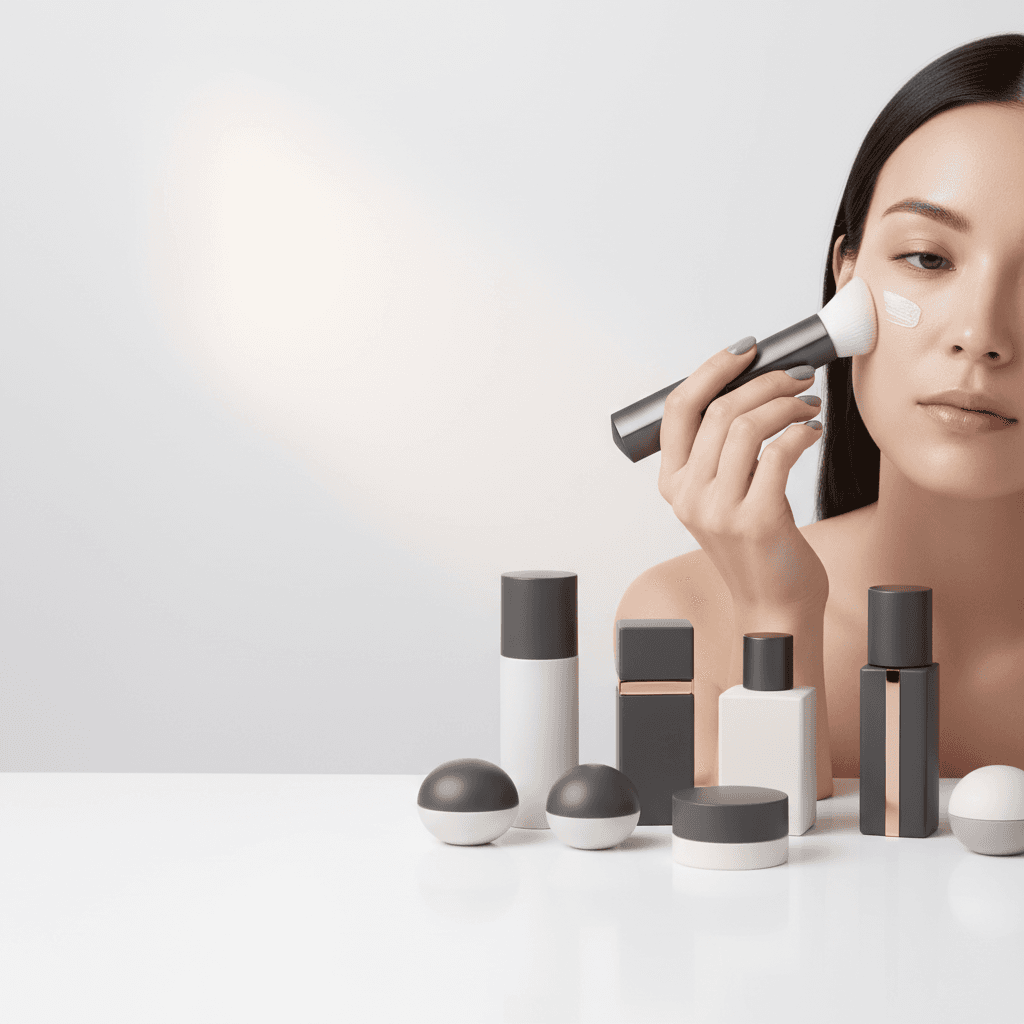
The United States beauty industry closed 2025 on a strong note, demonstrating sustained consumer demand across both prestige and mass market segments. According to comprehensive market research from Circana, the beauty market continues to thrive despite broader economic uncertainties, signaling robust consumer confidence in beauty and personal care products.
Prestige Beauty Segment Shows Steady Growth
The prestige beauty market segment, encompassing high-end cosmetics, skincare, and fragrance products sold through department stores, specialty retailers, and premium beauty outlets, achieved $36 billion in retail sales throughout 2025. This represents a solid 4% year-over-year increase, reflecting consumers' continued willingness to invest in premium beauty products.
This growth in the prestige segment indicates that beauty enthusiasts remain committed to quality formulations and luxury experiences, even as economic conditions fluctuate. Premium skincare, innovative makeup technologies, and exclusive fragrance launches have all contributed to this upward trajectory.
Mass Market Beauty Outpaces Premium Growth
The mass market beauty segment demonstrated even stronger performance, with sales increasing 5% to reach $72.7 billion in 2025. This category includes beauty products available through drugstores, mass retailers, grocery stores, and value-oriented beauty chains.
Particularly noteworthy is the increase in unit sales within the mass market segment, suggesting that consumers are not only spending more but also purchasing greater quantities of products. This trend points to the accessibility and value proposition that mass market beauty brands continue to offer American consumers.
What's Driving Beauty Market Growth?
Several factors contribute to the beauty market performance:
- Social Media Influence: Platforms like TikTok and Instagram drive product discovery and purchasing decisions, particularly among younger demographics
- Clean Beauty Movement: Emphasis on clean formulations, sustainable packaging, and inclusive shade ranges resonates with conscious consumers
- Hybrid Products: The rise of multifunctional products combining skincare benefits with cosmetic applications expands market opportunities
- Value Alignment: Consumers increasingly seek products aligned with their personal values and lifestyle preferences
Implications for Beauty Retailers and Brands
The positive sales data from Circana suggests that beauty retailers and brands should maintain their investment in product innovation and customer experience. The growth across both market segments indicates opportunities exist at every price point.
For prestige brands, the challenge lies in continuing to justify premium pricing through superior formulations, packaging, and brand experiences. Mass market brands, meanwhile, must balance affordability with quality and trend-relevance to capture the growing consumer base.
Looking Ahead to 2026
As the beauty industry enters 2026, these healthy gains provide a strong foundation for continued expansion. Industry observers anticipate that personalization technologies, sustainable beauty innovations, and the integration of artificial intelligence in product recommendations will shape the next phase of growth.
The resilience demonstrated by the beauty market in 2025 reinforces its position as a recession-resistant industry where consumers prioritize self-care and personal expression regardless of broader economic conditions. With total combined sales exceeding $108 billion across prestige and mass segments, the US beauty industry remains a powerful economic force and a testament to Americans' enduring commitment to beauty and wellness.