
The Rise of Upcycled Cosmetics in 2026 Beauty Trends
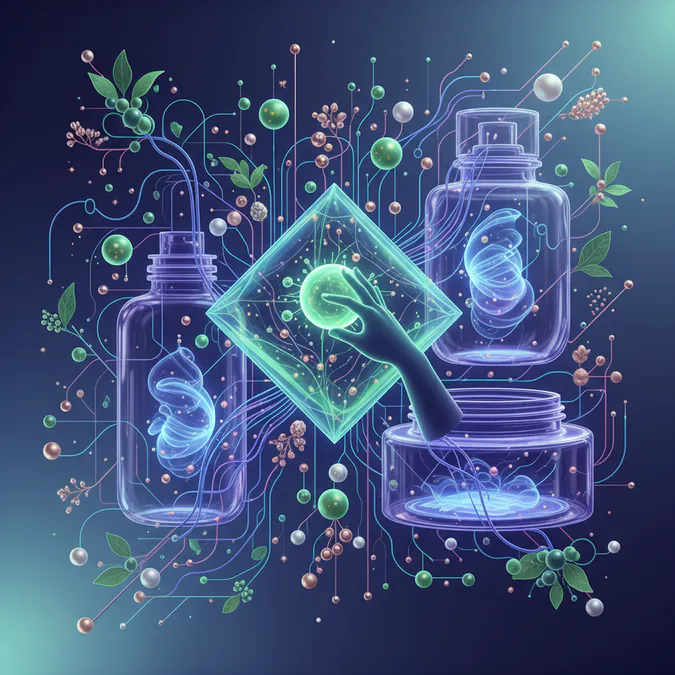
The beauty industry is undergoing a significant transformation as consumers increasingly prioritize sustainability and environmental responsibility. Beauty trends for 2026 are being shaped by a powerful movement toward upcycled cosmetics, marking a pivotal shift in how brands source and develop their products.
According to recent market analysis, the global market for upcycled cosmetic ingredients reached an impressive $254.6 billion valuation in 2024. This substantial market size reflects growing consumer demand for beauty products that not only enhance appearance but also align with eco-conscious values. The trajectory of this market suggests that upcycled cosmetics will continue to dominate beauty trends throughout 2026 and beyond.
What Are Upcycled Cosmetics?
Upcycled cosmetics represent a revolutionary approach to beauty product development. Rather than relying solely on virgin raw materials, these products utilize ingredients that would otherwise be discarded or underutilized. This might include byproducts from food processing, agricultural waste, or surplus materials from other industries that are repurposed into high-quality cosmeti
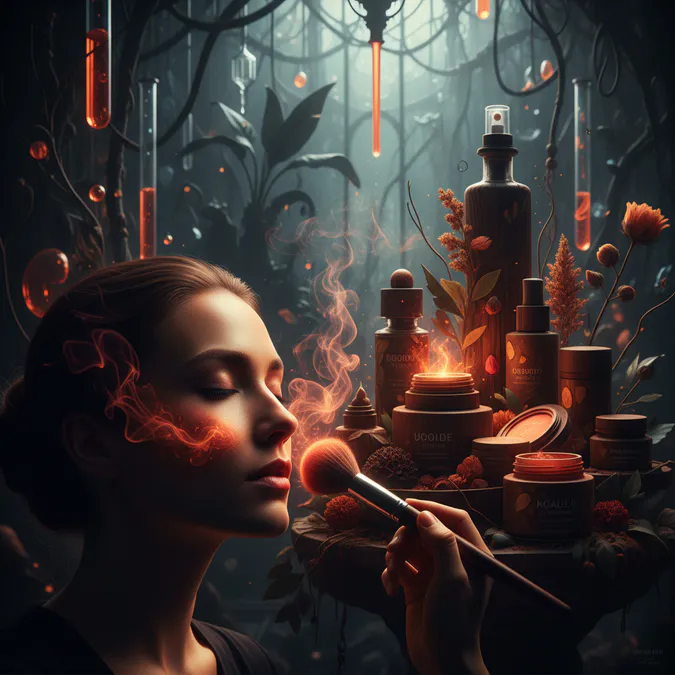
The concept extends beyond simple recycling. Upcycling in the beauty industry involves transforming waste materials into ingredients of equal or greater value than the original products. For example, grape pomace from wine production, coffee grounds from beverage manufacturing, or fruit seeds from juice processing can be converted into potent skincare actives, exfoliants, or antioxidant-rich compounds.
Why Upcycled Cosmetics Are Trending in 2026
Several factors are driving the explosive growth of upcycled cosmetics as a dominant beauty trend. First, environmental consciousness among consumers has reached unprecedented levels. Millennials and Gen Z shoppers, who represent a significant portion of the beauty market, actively seek products that minimize environmental impact. They're willing to invest in premium-priced items if those products demonstrate genuine sustainability commitments.
Second, regulatory pressures are mounting globally. Governments and environmental organizations are increasingly scrutinizing the beauty industry's sourcing practices and waste management. Brands that proactively adopt upcycled ingredients position themselves favorably within evolving regulatory landscapes.
Third, the quality and efficacy of upcycled ingredients have improved dramatically. Advanced extraction and processing technologies now allow manufacturers to create potent actives from waste materials that rival or exceed the performance of traditionally sourced ingredients. This means consumers don't have to compromise on results when choosing sustainable options.
Key Beauty Trends for 2026 Incorporating Upcycled Ingredients
Sustainable Skincare Lines
Major beauty brands are launching dedicated skincare collections featuring upcycled botanical extracts. These products leverage waste-derived ingredients like pomegranate seed oil, rosehip seed extract, and fermented plant compounds that deliver visible anti-aging and hydrating benefits.
Circular Beauty Packaging
Alongside upcycled ingredients, brands are implementing circular packaging solutions. This includes refillable containers, compostable materials, and packaging made from recycled content, creating a complete sustainability story that resonates with conscious consumers.
Transparency and Traceability
Beauty brands are increasingly transparent about their sourcing practices. Many now provide detailed information about where upcycled ingredients originate, how they're processed, and the environmental impact prevented through upcycling. This transparency builds consumer trust and supports informed purchasing decisions.
Multi-Functional Formulations
Upcycled cosmetics are trending toward multi-purpose products that reduce the number of items consumers need. A single serum might combine hydration, anti-aging, and sun protection benefits using various upcycled actives, appealing to minimalist beauty routines.
Color Cosmetics Innovation
Beyond skincare, upcycled ingredients are revolutionizing makeup. Natural pigments derived from fruit waste, vegetable byproducts, and plant materials are creating vibrant, long-lasting color cosmetics without synthetic dyes.
The Market Landscape and Growth Projections
The $254.6 billion valuation of the global upcycled cosmetic ingredients market in 2024 represents substantial growth from previous years. This figure encompasses ingredients, finished products, and related services within the upcycled cosmetics ecosystem. Industry analysts project continued expansion as more brands recognize the competitive advantage of sustainable sourcing and consumers increasingly demand accountability from beauty companies.
Regional variations exist in market adoption rates. North America and Europe lead in upcycled cosmetics adoption, driven by stringent environmental regulations and high consumer awareness. However, emerging markets in Asia-Pacific are rapidly catching up as middle-class consumers in these regions develop stronger environmental consciousness.
How to Identify Authentic Upcycled Cosmetics
With the growing popularity of upcycled cosmetics, consumers should develop discernment to identify genuinely sustainable products from those engaging in "greenwashing." Look for specific certifications from recognized environmental organizations. Legitimate upcycled cosmetics brands provide detailed ingredient sourcing information and can explain exactly how their ingredients are derived from waste streams.
Read product labels carefully. Authentic upcycled cosmetics will list specific waste-derived ingredients rather than vague sustainability claims. For example, "upcycled grape seed extract" is more credible than simply "natural ingredients." Research brand sustainability reports and third-party certifications to verify claims.
Consider the entire product lifecycle, not just ingredients. Truly sustainable beauty brands address packaging, manufacturing processes, distribution, and end-of-life product disposal. This holistic approach indicates genuine commitment to environmental responsibility.
Integrating Upcycled Cosmetics Into Your Beauty Routine
Transitioning to upcycled cosmetics doesn't require overhauling your entire routine simultaneously. Start by replacing one or two products with upcycled alternatives, perhaps a moisturizer or serum. This allows you to assess how your skin responds while gradually building a more sustainable routine.
Combine upcycled skincare with conventional products if needed. Many consumers find success mixing sustainable and traditional products based on their specific skin concerns and preferences. The key is making intentional choices that align with your values and skin needs.
Experiment with different brands and formulations. The upcycled cosmetics market now offers diverse options across price points and product categories. What works beautifully for one person might not suit another, so exploration is part of finding your ideal sustainable beauty routine.
The Future of Beauty Trends Beyond 2026
Upcycled cosmetics represent more than a temporary trend; they reflect a fundamental shift in how the beauty industry operates. As technology advances and consumer demand strengthens, we can expect even more innovative applications of upcycled ingredients. Biotechnology and fermentation science will likely unlock new possibilities for transforming waste into premium cosmetic actives.
Brands that embrace upcycled cosmetics now are positioning themselves as industry leaders for the coming decade. They're building customer loyalty among environmentally conscious consumers and creating business models that are both profitable and sustainable. This alignment of profit and purpose represents the future of beauty.
Key Takeaways
Beauty trends for 2026 are undeniably shaped by the rise of upcycled cosmetics, a market valued at $254.6 billion globally. This movement reflects evolving consumer values, technological advancement, and industry recognition that sustainability and efficacy aren't mutually exclusive. Whether you're a beauty enthusiast seeking high-performance products or an environmentally conscious consumer looking to reduce your impact, upcycled cosmetics offer compelling options. By understanding what makes these products special and how to identify authentic offerings, you can make beauty choices that feel good on your skin and your conscience.
Frequently Asked Questions
What are the benefits of using upcycled cosmetics?
Upcycled cosmetics not only help reduce waste but also often contain high-quality ingredients that provide effective results. They align with sustainable practices, appealing to eco-conscious consumers.
How can I tell if a cosmetic product is truly upcycled?
Look for specific certifications, detailed ingredient sourcing information, and transparent labeling that indicates how ingredients are derived from waste materials.
Are upcycled cosmetics more expensive than traditional products?
While some upcycled cosmetics may be priced higher due to the sourcing and processing of ingredients, many brands offer competitively priced options that provide value through sustainability and efficacy.
Table of Contents
- The Rise of Upcycled Cosmetics in 2026 Beauty Trends
- What Are Upcycled Cosmetics?
- Why Upcycled Cosmetics Are Trending in 2026
- Key Beauty Trends for 2026 Incorporating Upcycled Ingredients
- The Market Landscape and Growth Projections
- How to Identify Authentic Upcycled Cosmetics
- Integrating Upcycled Cosmetics Into Your Beauty Routine
- The Future of Beauty Trends Beyond 2026
- Key Takeaways
- Frequently Asked Questions