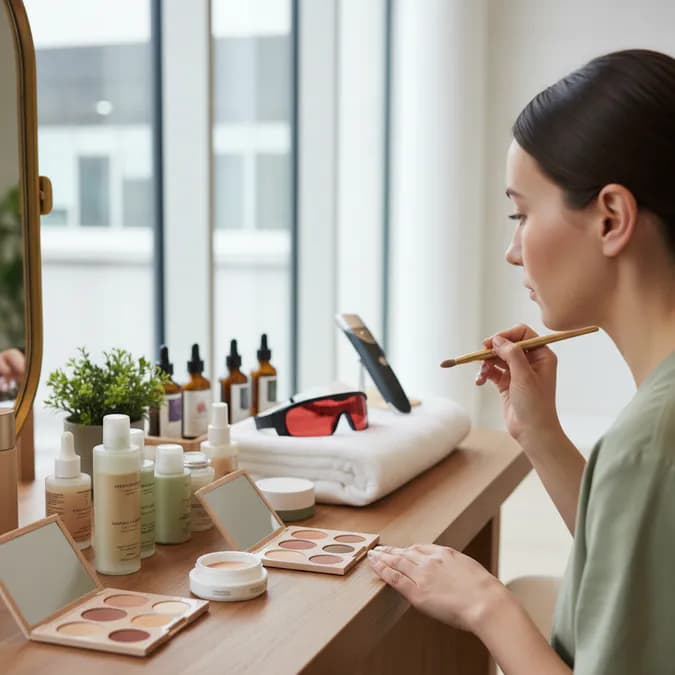
The spa wellness trends 2026 are reshaping how consumers approach beauty and self-care with unprecedented innovation. The spa and wellness industry is undergoing a significant transformation as we approach 2026. Consumers are no longer satisfied with trendy treatments lacking scientific backing. Instead, they're demanding evidence-based wellness experiences that deliver measurable results through personalized, tech-supported approaches.
Korean glass skin facials, biohacking spas, and innovative treatments like cactus massages are leading this revolution. These spa wellness trends 2026 reflect a broader shift in the beauty industry toward combining traditional wellness practices with cutting-edge technology and dermatological science.
Korean Glass Skin: The Science of Luminosity
Korean glass skin has become one of the most sought-after aesthetic goals, characterized by even-toned, plump, elastic skin with a luminous finish. This trend is rooted in dermatological science rather than mere aesthetics. The approach focuses on three core principles: hydration, barrier protection, and cellular regeneration.
The key to achieving glass skin lies in specific, cl

Key Ingredients in Glass Skin Formulations
Niacinamide at concentrations of 5% and above has proven effective for boosting luminosity, while hanbang herbs—traditional Korean medicinal plants—work to reduce inflammation and support overall skin health. According to 2026 K-Beauty Trends analysis, niacinamide 5%+ is a proven concentration for luminosity boost in emerging K-beauty products.
Centella asiatica and polyglutamic acid are also central to K-beauty formulations, emphasizing gentle hydration over harsh exfoliation. This approach prioritizes skin barrier health and long-term skin integrity rather than aggressive treatments that may compromise the skin's protective function.
The Evolution to Cloudglow Skin in Spa Wellness Trends 2026
While glass skin dominated 2025 conversations, 2026 marks an evolution in spa wellness trends 2026. Korean beauty insiders report that glass skin is softening into what's being called "Cloudglow Skin." As trend analysts note, "Glass skin had a legendary run... in 2026, glass skin evolves; or rather, softens. Enter Cloudglow Skin."
This shift moves away from the highly reflective, poreless aesthetic toward a more natural, soft-focus glow that suggests inner luminosity rather than surface shine. Cloudglow skin incorporates exosome essences and advanced technologies like 3D-printed masks customized to individual skin profiles. This represents a maturation of the glass skin trend, prioritizing healthy, functional skin over an idealized aesthetic.
Technology-Driven Customization
The transition to Cloudglow skin demonstrates how the beauty industry is leveraging technology for personalization. 3D-printed masks represent a significant innovation, allowing spas and skincare providers to create treatments tailored to each individual's unique skin topography and needs. This level of customization was impossible just a few years ago.
Biohacking Spas: Technology Meets Personalization
Biohacking spas represent a revolutionary approach to wellness by integrating wearable technology and real-time data analysis into spa treatments. Rather than offering one-size-fits-all services, these facilities use diagnostics to create truly personalized wellness experiences.
Korean beauty retailers are leading this innovation with real-time skin diagnostics that analyze individual skin conditions and recommend bespoke treatments. Some facilities now offer 3D-printed masks formulated specifically for each client's unique skin needs. This data-driven approach ensures that treatments address actual skin concerns rather than assumed ones.
The Data-Driven Wellness Model
The biohacking spa model reflects a broader consumer demand for validated results. People want to understand why they're receiving specific treatments and see measurable improvements in their skin health. This transparency and personalization distinguish modern spa experiences from traditional wellness offerings.
Wearable technology integration allows spas to track treatment efficacy over time, adjusting protocols based on real data rather than guesswork. This scientific approach to wellness represents a fundamental shift in how the industry operates.
Emerging Treatments and Natural Innovations
Beyond glass skin and biohacking, novel treatments are gaining traction. Cactus massages exemplify the industry's exploration of natural, sensory-based therapies that complement high-tech approaches. These treatments highlight consumer interest in diverse wellness modalities that honor both traditional practices and modern innovation.
The industry is also moving toward medical-grade analysis and custom formulations. Real-time skin diagnostics in Korean stores are becoming mainstream, allowing consumers to receive personalized skincare recommendations backed by objective data. This democratization of professional-grade analysis brings spa-quality diagnostics to retail environments.
Balancing Innovation and Tradition
The emergence of treatments like cactus massages alongside high-tech biohacking spas shows that the wellness industry isn't abandoning traditional approaches. Instead, it's creating a complementary ecosystem where natural therapies and technological innovation coexist. This holistic approach appeals to consumers seeking both scientific validation and sensory wellness experiences.
Why Evidence-Based Wellness Matters
Medical professionals emphasize that while Korean skincare is trendy due to its innovation and cultural influence, the focus should remain on healthy skin rather than chasing aesthetic ideals. As experts note, "Korean skincare is trendy due to its uniqueness, innovation, and the influence of Korean culture. Prioritize healthy skin over glass skin."
This philosophy underpins the 2026 spa and wellness trends. Consumers are increasingly skeptical of unsubstantiated claims and gravitating toward treatments with clinical backing. The shift from fads to science-supported wellness represents maturation in the beauty industry.
Clinical Evidence as a Competitive Advantage
Spas and skincare providers that can demonstrate clinical evidence for their treatments gain significant competitive advantages. Consumers are willing to invest in treatments backed by peer-reviewed research and measurable outcomes. This emphasis on evidence creates accountability and encourages innovation grounded in actual science rather than marketing hype.
What This Means for Consumers
If you're considering spa treatments in 2026, look for facilities offering real-time skin diagnostics and personalized treatment plans. Ask about the scientific evidence behind recommended treatments. Seek out products containing clinically-proven ingredients like PDRN, niacinamide, and centella asiatica.
Making Informed Wellness Choices
The future of spa and wellness prioritizes your individual skin needs over universal beauty standards. Whether you're interested in glass skin, Cloudglow skin, or biohacking approaches, the key is choosing treatments backed by dermatological science and customized to your unique profile.
When evaluating spa services, consider these factors:
- Real-time skin diagnostics and analysis capabilities
- Personalized treatment recommendations based on your specific skin profile
- Clinically-proven ingredients and treatment protocols
- Transparency about the science behind recommended treatments
- Integration of technology for tracking results over time
- Professional credentials and training of spa staff
The Bottom Line
The beauty industry's evolution toward evidence-based, personalized wellness represents a positive shift. Consumers now have access to treatments grounded in clinical research, supported by real-time diagnostics, and tailored to their specific needs. This transformation promises more effective results and a more satisfying wellness experience overall. As the spa industry continues to embrace scientific validation and technological innovation, the focus remains on what matters most: healthy, beautiful skin supported by treatments you can trust.
Frequently Asked Questions About Spa Wellness Trends 2026
What exactly is glass skin and how does it differ from Cloudglow skin?
Glass skin refers to smooth, luminous, poreless-looking skin characterized by a highly reflective finish. It emphasizes an idealized aesthetic with maximum shine and clarity. Cloudglow skin, emerging in 2026, represents an evolution of this trend—it maintains the luminosity but with a softer, more natural appearance that suggests inner radiance rather than surface reflection. Cloudglow skin prioritizes healthy, functional skin over an extreme aesthetic ideal.
Which ingredients are most important for achieving the spa wellness trends 2026 aesthetic?
The most clinically-proven ingredients for 2026 spa wellness trends include PDRN (derived from salmon DNA), niacinamide at 5% or higher concentrations, centella asiatica, and polyglutamic acid. These ingredients are backed by peer-reviewed research and are central to K-beauty formulations. PDRN specifically has demonstrated efficacy in improving dermal thickness and reducing fine lines, while niacinamide boosts luminosity and supports skin barrier function.
How do biohacking spas differ from traditional spa treatments?
Biohacking spas integrate wearable technology and real-time data analysis to create personalized wellness experiences. Unlike traditional spas offering standardized treatments, biohacking facilities use skin diagnostics to analyze individual conditions and recommend customized treatments—including 3D-printed masks formulated for each client's unique needs. This data-driven approach allows spas to track treatment efficacy over time and adjust protocols based on measurable results rather than assumptions.
Why is evidence-based wellness becoming so important in the spa industry?
Consumers are increasingly skeptical of unsubstantiated beauty claims and gravitating toward treatments with clinical backing. Evidence-based wellness creates accountability, builds consumer trust, and encourages innovation grounded in actual science rather than marketing hype. Spas and skincare providers that can demonstrate clinical evidence for their treatments gain significant competitive advantages and attract consumers willing to invest in proven, results-driven approaches.
How can I identify a reputable spa offering legitimate spa wellness trends 2026 treatments?
Look for facilities offering real-time skin diagnostics, personalized treatment plans based on your specific profile, and clinically-proven ingredients. Ask about the scientific evidence behind recommended treatments and verify that staff have professional credentials and proper training. Reputable spas will be transparent about the science supporting their treatments and will track your results over time using objective data.
Are natural treatments like cactus massages still relevant in 2026?
Yes. The 2026 spa wellness trends show that the industry is creating a complementary ecosystem where natural therapies and technological innovation coexist. Treatments like cactus massages appeal to consumers seeking sensory wellness experiences alongside scientific validation. This holistic approach recognizes that effective wellness combines both traditional practices and modern innovation.
Sources
- Professional Beauty - Spa and Wellness Trends 2026
- Korean Glass Skin: The Secret Behind Poreless Skin
- Patients are striving for 'glass skin'—here's what that means
- 2026 K-Beauty Trends: Must-Know Skincare and Makeup
- The Science Behind Korea's Most Unconventional Skincare Ingredients
- Proto-col - Glass Skin Routine 2026
- Skin Perfect Medical - The Science Behind Korean Skincare
- Mediators of Inflammation - Peer-Reviewed Research Journal
- Korea International Trade Association (KITA)