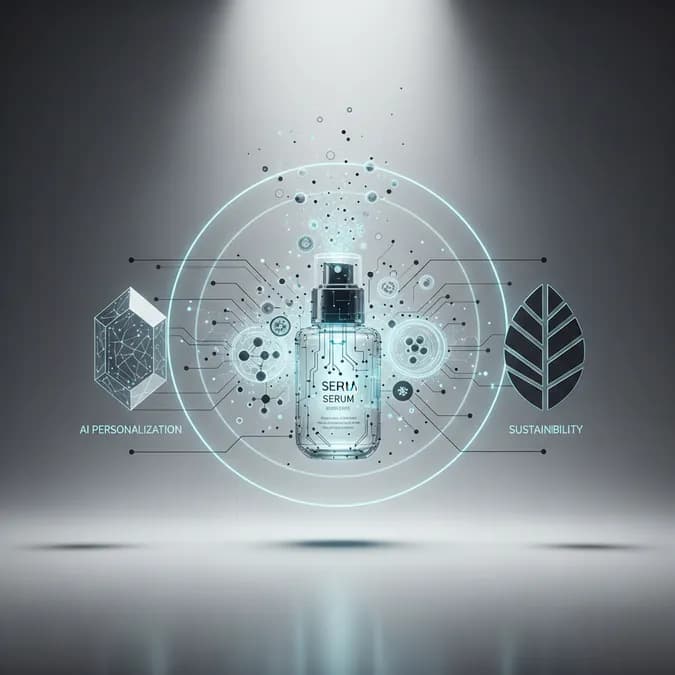
The skincare industry is on the cusp of significant transformation, driven by technological advancements, a deeper understanding of skin health, and a growing consumer demand for sustainable and personalized solutions. According to Clarkston Consulting, key skincare trends in 2026 will include viewing skin health as integral to overall wellness, leveraging AI for personalized and predictive care, prioritizing science-backed beauty, embracing eco-design with refills, and the continued expansion of influencer-led brands. Let's delve into these skincare trends and explore their implications for consumers and the industry.
The Evolution of Skincare in 2026
The skincare landscape in 2026 is characterized by a holistic approach, where skincare is no longer just about aesthetics but an integral part of overall health and well-being. This evolution is fueled by several factors, including advancements in biotechnology, the integration of artificial intelligence, and a heightened awareness of environmental sustainability. Consumers are increasingly seeking products that are not only effective but also align with their values and contribute to a healthier planet. The industry is responding with innovative formulations, eco-friendly packaging, and personalized solutions tailored to individual skin needs.
Skin Health as Overall Health
One of the most significant shifts in the skincare industry is the growing recognition of the link between skin health and overall well-being. Consumers are now more aware that factors such as diet, stress, and sleep can significantly impact their skin's condition. This has led to an increased demand for products that address the root causes of skin issues, rather than just treating the symptoms. The focus is shifting towards a holistic approach that considers the interconnectedness of the body's systems.
The Mind-Body-Skin Connection
- Consumers are seeking products that promote relaxation and reduce stress, recognizing the impact of stress on skin health.
- Ingredients like adaptogens and CBD are gaining popularity for their ability to help the skin cope with environmental stressors.
- Brands are emphasizing the importance of a healthy lifestyle, including a balanced diet and regular exercise, for achieving optimal skin health.
AI-Powered Personalization and Predictive Health
Artificial intelligence is revolutionizing the skincare industry by enabling personalized and predictive health solutions. AI-powered tools can analyze skin data, identify individual needs, and recommend tailored product regimens. This level of personalization is transforming the consumer experience and driving demand for customized skincare solutions.
Personalized Skincare Regimens
- AI algorithms analyze skin type, concerns, and lifestyle factors to create customized product recommendations.
- Smart devices and apps track skin health metrics and provide real-time feedback on product effectiveness.
- Genetic profiling is used to identify predispositions to certain skin conditions, allowing for proactive and targeted care. According to research, 74% of consumers are actively seeking tailored products.
The Rise of Science-Backed Beauty
Consumers are increasingly demanding scientific evidence to support the claims made by skincare brands. The era of unsubstantiated promises is over, as people seek products with proven efficacy and visible results. This trend has led to a surge in demand for science-backed beauty products formulated with clinically tested ingredients.
Biotech Actives and Clinical Trials
- Biotech actives like PDRN, exosomes, and fermented polysaccharides are moving from niche to everyday skincare.
- Brands are investing in clinical trials to demonstrate the effectiveness of their products and build consumer trust.
- Dermatologist-approved and recommended products are gaining popularity as consumers seek expert validation.
- According to Covalo Analysts, "If 2025 was the year beauty embraced biotech buzzwords, 2026 will be the year the science actually lands on the shelf."
Sustainability Through Eco-Design and Refillable Packaging
Sustainability is no longer a niche concern but a mainstream expectation in the skincare industry. Consumers are increasingly aware of the environmental impact of their purchasing decisions and are demanding eco-friendly products and packaging. This has led to a surge in demand for eco-designed products with refillable packaging.
Reducing Environmental Impact
- Refillable packaging is becoming increasingly popular as a way to reduce waste and minimize environmental impact.
- Brands are using sustainable materials, such as recycled plastic and biodegradable alternatives, for their packaging.
- Transparent eco-design practices are gaining traction as consumers seek greater visibility into the environmental footprint of their products.
Influencer-Led Brands: Market Expansion and Consumer Trust
Influencer-led brands continue to exert a significant influence on the skincare market. These brands leverage the trust and credibility of social media personalities to reach a wider audience and drive sales. While the market is becoming more discerning, influencer brands that offer genuine value and effective products are thriving.
The Power of Social Media
- Influencer-led brands are leveraging social media platforms like TikTok and Instagram to connect with consumers and promote their products.
- Authenticity and transparency are key to building trust with consumers in the influencer-led brand space.
- Masstige options are outpacing traditional prestige brands, indicating a shift in consumer preferences. According to Beauty Independent, "Consumers are getting much more selective about which trends are actually worth adopting."
Industry Implications and Consumer Impact
These skincare trends have significant implications for both the skincare industry and consumers. Brands need to adapt to the changing landscape by embracing innovation, prioritizing sustainability, and building trust with consumers. Consumers, in turn, need to be more informed and discerning in their purchasing decisions, seeking products that align with their values and deliver tangible results.
Adapting to the New Normal
- Brands must invest in research and development to create science-backed products that meet consumer expectations.
- Sustainability should be a core value, driving decisions related to product formulation, packaging, and supply chain management.
- Transparency and authenticity are essential for building trust with consumers in an increasingly competitive market.
The Bottom Line
The skincare industry in 2026 is poised for continued growth and innovation. By embracing the trends outlined above, brands can position themselves for success in this dynamic market. Consumers, armed with more information and a greater awareness of their needs, will drive the demand for personalized, science-backed, and sustainable skincare solutions. The global skincare market is projected to grow from $162.11 billion in 2025 to $222.07 billion by 2030, with a CAGR of 6.5% [Source: Tricoci University]. Furthermore, Future Market Insights projects the skincare revenue to increase from USD 215.4 billion in 2026 to USD 467.8 billion by 2036, showcasing a CAGR of 8.1%. Staying informed and adaptable is key to navigating this evolving landscape.
Frequently Asked Questions
What are the main skincare trends for 2026?
The main skincare trends for 2026 include AI-powered personalization, science-backed beauty, sustainability through eco-design, and the rise of influencer-led brands.
How is AI influencing skincare?
AI is influencing skincare by providing personalized recommendations based on individual skin data and needs, enhancing the consumer experience.
Why is sustainability important in skincare?
Sustainability is important in skincare as consumers are increasingly aware of the environmental impact of their choices and demand eco-friendly products.
Sources
- Automated Pipeline
- Top Skincare Trends For 2026—And Those Losing Their Sizzle
- 2026 skincare and beauty forecast: Data-driven insights
- Skincare Industry Statistics 2026 – U.S. Market Overview
- Skincare Market | Global Dermatological Products Industry Outlook
- Global Beauty & Personal Care Predictions: 2026 & Beyond | Mintel
- Source: nielseniq.com
- Source: civicscience.com