Table of Contents
- Personalized Skincare Routines
- The Role of Technology in Personalization
- Innovative Skincare Devices
- The Rise of At-Home Treatments
- Education and Transparency
- Market Growth and Future Outlook
- Emerging Trends to Watch
- Conclusion
- Key Takeaways
- FAQ
Personalized Skincare Routines
In 2026, the skincare industry will prioritize personalization. Brands are utilizing quizzes and algorithms to create tailored skincare routines that cater to individual skin types and concerns. This shift towards customization is driven by the understanding that no two skin types are alike. By analyzing factors such as age, skin type, and specific concerns like acne or dryness, brands can recommend products that are more likely to yield positive results.
For instance, many companies now offer online consultations where consumers can receive personalized advice from skincare experts. This not only enhances customer satisfaction but also fosters brand loyalty as consumers feel more connected to the products they use.
The Role of Technology in Personalization
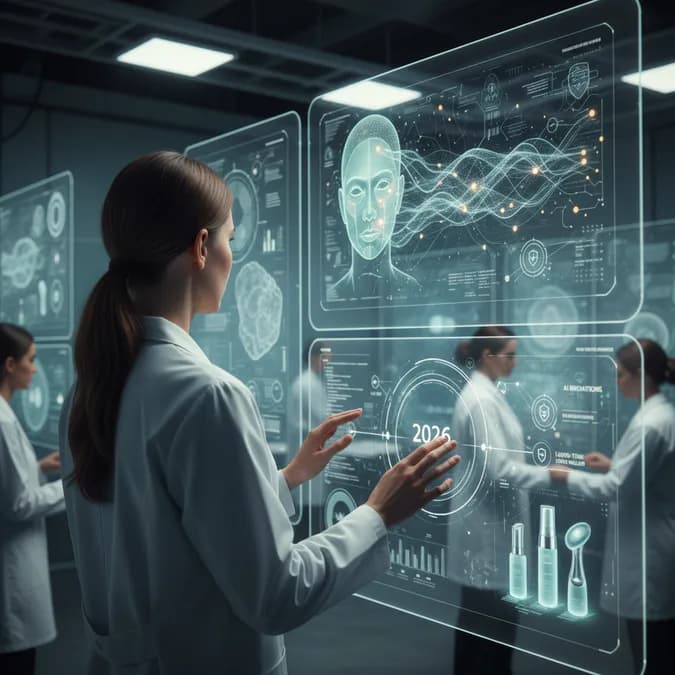
Technology plays a crucial role in the personalization trend within the skincare industry. Artificial intelligence (AI) and machine learning algorithms are being employed to analyze consumer data and predict skincare needs. These technologies help brands refine their product offerings and marketing strategies, ensuring they meet the evolving demands of their customers.
Innovative Skincare Devices
As the demand for spa-like treatments at home continues to rise, innovative skincare devices are becoming increasingly popular. By 2026, consumers will have access to a wide range of tools designed to enhance their skincare routines. Devices such as LED masks and micro-current tools are leading the charge, providing professional-grade treatments in the comfort of one's home.
LED masks, for example, utilize different wavelengths of light to target specific skin issues, such as acne or signs of aging. These masks are not only effective but also convenient, allowing users to incorporate advanced skincare technology into their daily routines.
Micro-Current Tools: A Game Changer
Micro-current tools are another innovative addition to the at-home skincare arsenal. These devices use low-level electrical currents to stimulate facial muscles, promoting a more youthful appearance. As consumers become more educated about skincare, the demand for such tools is expected to grow, making them a staple in many households.
The Rise of At-Home Treatments
The trend towards at-home skincare treatments is not just about convenience; it also reflects a broader shift in consumer behavior. With the ongoing impact of the COVID-19 pandemic, many individuals have become accustomed to performing beauty routines at home. This has led to a surge in the popularity of DIY skincare products and treatments.
Brands are responding to this trend by offering kits and products designed for at-home use. From facial peels to hydrating masks, consumers now have a plethora of options to choose from, allowing them to maintain their skincare routines without the need for salon visits.
Education and Transparency
As consumers become more knowledgeable about skincare ingredients and their effects, there is a growing demand for transparency from brands. In 2026, consumers will expect detailed information about product formulations, sourcing, and the science behind the ingredients used. Brands that prioritize education and transparency will likely gain a competitive edge in the market.
Market Growth and Future Outlook
The skincare industry is projected to experience significant growth in the coming years. Factors such as increasing consumer awareness about skincare, the rise of social media influencers, and the growing popularity of clean beauty products are all contributing to this expansion. By 2026, the U.S. skincare market is expected to reach new heights, driven by innovation and consumer demand.
Emerging Trends to Watch
- Clean Beauty: The clean beauty movement continues to gain traction, with consumers seeking products free from harmful chemicals.
- Sustainable Practices: Brands that adopt sustainable practices in their production processes will appeal to environmentally conscious consumers.
- Inclusivity: The demand for inclusive skincare products that cater to diverse skin tones and types will shape product development.
Conclusion
The skincare industry in 2026 promises to be an exciting landscape filled with innovation and personalization. As brands adapt to meet the needs of consumers, we can expect to see a continued emphasis on technology, education, and sustainability. By embracing these trends, consumers can look forward to a more tailored and effective skincare experience.
As we move closer to 2026, staying informed about these developments will be essential for both consumers and industry professionals alike. The future of skincare is bright, and those who are willing to adapt will thrive in this dynamic market.
Key Takeaways
- Personalization in skincare is becoming essential, driven by technology and consumer demand.
- Innovative devices are transforming at-home skincare routines, making professional treatments accessible.
- Transparency and education about ingredients are crucial for brand loyalty and consumer trust.
- The skincare industry is set for significant growth, influenced by trends like clean beauty and sustainability.
FAQ
What are the key trends in the skincare industry for 2026?
The key trends include personalized skincare routines, innovative devices, at-home treatments, and a focus on education and transparency.
How is technology influencing the skincare industry?
Technology, particularly AI and machine learning, is helping brands analyze consumer data to create tailored skincare solutions.
Why is transparency important in skincare?
Transparency builds trust with consumers, who are increasingly knowledgeable about ingredients and their effects.
What is the future outlook for the skincare industry?
The skincare industry is expected to grow significantly, driven by consumer awareness and the demand for clean and sustainable products. Additionally, industry experts note that the integration of technology and personalized experiences will further shape the market dynamics.
For more insights, refer to authoritative sources such as Forbes and NCBI for the latest research and trends in the skincare industry.