
K-Beauty glass skin facials have emerged as the defining spa trend for 2026, representing a significant evolution in how beauty consumers approach professional skincare. With a remarkable 140% increase in interest, these treatments are no longer a niche phenomenon but a mainstream demand driving the global wellness industry. The trend reflects deeper changes in consumer priorities, moving from quick fixes to regenerative, long-term skin health solutions that combine traditional Korean skincare philosophy with cutting-edge technology. K-Beauty glass skin facials are now synonymous with achieving luminous, healthy skin.
The beauty industry is witnessing unprecedented growth in K-Beauty products and treatments. K-Beauty sales in the United States reached $2 billion over the 52 weeks ended August 9, 2025, representing a 37.2% increase in growth. This explosive expansion is fueled by viral TikTok brands, retail expansion, and a fundamental shift in how consumers view skincare as an investment in their overall wellness. Beyond glass skin facials, emerging wellness treatments like biohacking, sleep retreats, and cactus massages are gaining traction as consumers seek holistic approaches to beauty and health.
The Rise of K-Beauty Glass Skin Facials in 2026
K-Beauty glass skin facials represent the convergence of Korean skincare philosophy and modern aesthetic technology. Originating from South Korea's multi-step skincare routines that emphasize hydration, exfoliation, and barrier repair, these facials have evolved into professional treatments that deliver visible, transformative results. The 140% surge in i
The global influence of K-Beauty continues to expand at an unprecedented pace. In 2024, the United States saw a 54% rise in K-Beauty imports, with the category expanding beyond facial skincare into body care products. Additionally, 1.17 million medical visitors traveled to South Korea in 2024 specifically for dermatology and skin treatments, underscoring the region's reputation as a skincare innovation hub. This international recognition has accelerated the adoption of Korean treatment protocols in spas and dermatology clinics worldwide.
Viral TikTok brands like Anua and Medicube have played a crucial role in democratizing access to K-Beauty treatments. These brands have transformed professional-grade skincare from exclusive spa experiences into accessible at-home solutions, while simultaneously driving demand for professional facial treatments that deliver enhanced results. The synergy between retail products and professional treatments has created a virtuous cycle of consumer engagement and brand loyalty.
Understanding Glass Skin: Technology Meets Tradition
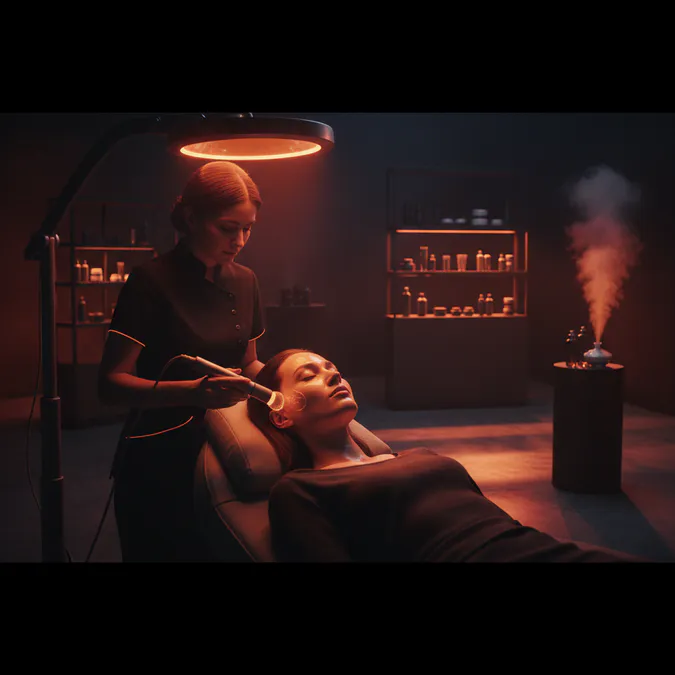
Glass skin facials in 2026 represent a sophisticated blend of classic K-Beauty hydration principles and advanced technological innovations. The traditional foundation remains rooted in multi-step routines emphasizing deep hydration, gentle exfoliation, and barrier repair. However, modern glass skin facials now incorporate cutting-edge technologies including LED therapy, ultrasound, nano-infusion, and AI customization to deliver personalized results that were previously impossible to achieve.
The key ingredients that define glass skin treatments have remained relatively consistent, but their formulations have become increasingly sophisticated. The foundational ingredients include:
- Hyaluronic Acid: Provides deep hydration and plumping effects
- Niacinamide: Refines pores and strengthens the skin barrier
- Peptides: Support skin firmness and elasticity
- Ceramides: Strengthen the skin's lipid barrier
- Cica (Centella Asiatica): Provides soothing and regenerative benefits
What distinguishes 2026 treatments is the integration of biotech actives and lab-engineered botanicals that work synergistically with these foundational ingredients. Professional spas are now utilizing advanced devices to enhance ingredient penetration and efficacy. LED therapy stimulates collagen production and addresses inflammation, ultrasound technology creates micro-vibrations that improve product absorption, and nano-infusion systems deliver active ingredients directly into deeper skin layers. AI customization allows estheticians to tailor treatments to individual skin conditions, analyzing skin type, concerns, and goals to create truly personalized facial experiences. This technological integration has elevated glass skin facials from simple hydrating treatments to comprehensive skin regeneration protocols.
The Evolution: From Glass Skin to Bloom Skin and Cloudglow
While glass skin remains a dominant aesthetic, 2026 is witnessing a significant evolution in how consumers and professionals conceptualize the ideal complexion. The ultra-reflective, poreless finish that defined early glass skin trends is giving way to more nuanced, natural-looking aesthetics that prioritize skin health over appearance alone.
Bloom Skin: The New Standard
Bloom Skin represents the most significant evolution in this space. According to April Brodie, an Integrated Facialist quoted in Refinery29, "The aesthetic is evolving from ultra-reflective glass skin to what I call bloom skin — hydrated, strengthened, even-toned skin that looks naturally luminous rather than glossy." This shift reflects a maturation in beauty standards, where consumers increasingly value authentic radiance over artificial shine. Bloom Skin emphasizes hydration, barrier strength, and even skin tone, creating a complexion that appears healthy and vibrant rather than heavily treated.
Cloudglow: Dimensional Radiance
Cloudglow Skin offers another evolution, characterized by dimensional radiance that mimics the soft-focus glow seen in popular K-dramas. This aesthetic combines the luminosity of glass skin with the softness of natural skin, creating a multidimensional appearance that photographs beautifully while maintaining a skin-like finish. The influence of Korean television and entertainment on beauty trends cannot be overstated, as these shows have become global beauty inspiration sources.
These aesthetic evolutions reflect broader changes in the skincare industry's approach to barrier repair and skin health. Rather than pursuing the harshest exfoliation or the most reflective finish, 2026 treatments prioritize strengthening the skin's natural protective barrier with ceramides, panthenol, and cica. This regenerative approach aligns with the biohacking and biotech trends gaining momentum across the wellness industry.
The Science Behind the Glow: Key Ingredients and Technologies
The efficacy of modern glass skin facials rests on a foundation of scientifically-validated ingredients and delivery systems. Hyaluronic acid remains the cornerstone hydrating ingredient, capable of holding up to 1000 times its weight in water. This ingredient works to plump the skin, reduce the appearance of fine lines, and create the dewy, luminous appearance that defines glass skin aesthetics.
Advanced Ingredient Formulations
Niacinamide, also known as vitamin B3, addresses multiple skin concerns simultaneously. It regulates sebum production, minimizes pore appearance, strengthens the skin barrier, and provides anti-inflammatory benefits. For consumers seeking the refined, poreless appearance associated with glass skin, niacinamide is essential. Peptides stimulate collagen and elastin production, improving skin firmness and elasticity over time. Ceramides restore the skin's lipid barrier, preventing moisture loss and protecting against environmental stressors. Cica, derived from centella asiatica, has been used in traditional Korean medicine for centuries and is now recognized by dermatologists for its wound-healing and anti-inflammatory properties.
Biotechnology and Next-Generation Actives
The next evolution of K-Beauty ingredient innovation focuses on biotechnology. According to April Brodie, "The next evolution of K-beauty is being driven by biotechnology, dermatological research, and ingredient transparency. Lab-engineered botanicals, bio-fermented actives, and advanced cellular-support ingredients are moving into the mainstream." These biotech ingredients represent a significant advancement, offering enhanced stability, efficacy, and sustainability compared to traditional botanical extracts.
Professional Device Technologies
Professional devices have become integral to glass skin facial protocols:
- LED Therapy: Red and near-infrared wavelengths stimulate fibroblasts to produce collagen and elastin. Blue light addresses acne-causing bacteria, making LED facials suitable for diverse skin types.
- Ultrasound Technology: Creates micro-vibrations that enhance product penetration without damaging the skin barrier.
- Nano-Infusion Systems: Use electrical currents to drive active ingredients into deeper skin layers, improving efficacy compared to topical application alone.
- AI Customization: Analyzes skin conditions and recommends specific treatment protocols tailored to individual needs.
Emerging Wellness Trends Beyond Facials
While glass skin facials dominate the 2026 spa landscape, complementary wellness treatments are gaining significant traction among beauty-conscious consumers seeking holistic approaches to health and appearance.
Biohacking for Skin Health
Biohacking has emerged as a major wellness trend, with consumers increasingly interested in optimizing their biology through targeted interventions. In the skincare context, biohacking includes practices like strategic supplementation, sleep optimization, and light exposure management to support skin health from within. This approach recognizes that external treatments are most effective when supported by internal physiological optimization. Consumers are taking a systems-based approach to beauty, understanding that skin health reflects overall wellness.
Sleep Retreats and Recovery
Sleep retreats represent another significant wellness trend, reflecting growing recognition of sleep's critical role in skin health and overall beauty. During sleep, the body increases blood flow to the skin and rebuilds collagen, making quality sleep essential for achieving and maintaining glass skin results. Specialized sleep retreats combine comfortable accommodations, sleep optimization protocols, and skincare treatments to create comprehensive beauty and wellness experiences. This trend acknowledges that professional treatments are most effective when supported by optimal sleep and recovery.
Cactus Massages and Botanical Treatments
Cactus massages exemplify the trend toward unique, botanically-inspired wellness treatments. These massages utilize cactus-derived products or tools to provide gentle exfoliation and hydration, aligning with the broader K-Beauty emphasis on natural, plant-based ingredients. The inclusion of such specialized treatments in spa menus reflects consumer interest in novel experiences and ingredient transparency. These treatments often incorporate traditional wellness practices with modern skincare science.
These emerging trends share a common thread: they represent a shift from reactive, problem-focused treatments to proactive, regenerative approaches to beauty and wellness. Consumers are increasingly viewing skincare and wellness as interconnected aspects of a comprehensive lifestyle approach to health and appearance.
The Future of Professional Skincare
The trajectory of K-Beauty and professional skincare treatments suggests continued innovation and expansion in 2026 and beyond. The $2 billion US K-Beauty market is expected to continue growing as more consumers discover Korean skincare philosophy and professional treatments. The expansion into body care products and dermatological treatments indicates that K-Beauty's influence extends far beyond facial skincare.
Advanced Dermatological Treatments
Professional treatments like Everesse, XERF, and PDRN injections are gaining traction in US dermatology clinics, drawing inspiration from Korea's advanced medical aesthetics industry. These treatments represent the intersection of skincare and medical aesthetics, offering consumers professional-grade results that go beyond traditional facials. The influx of 1.17 million medical tourists to South Korea annually demonstrates the global demand for Korean dermatological expertise and innovation. As these treatments become more accessible in the United States, consumers will have expanded options for professional skin enhancement.
AI and Personalization in Skincare
The integration of AI and personalization into skincare treatments represents a significant frontier. As technology becomes more sophisticated, treatments will become increasingly tailored to individual skin biology, genetics, and lifestyle factors. This personalization will likely extend beyond professional treatments into at-home skincare routines, with AI-powered devices recommending specific products and protocols based on continuous skin analysis. The future of skincare is highly individualized, moving away from one-size-fits-all approaches.
Simplified Efficacy and Routine Optimization
Consumer fatigue with overly complex skincare routines is driving a parallel trend toward streamlined, efficacy-focused products and treatments. While K-Beauty originated with multi-step routines, the industry is responding to consumer demand for simplified protocols that deliver visible results without excessive complexity. This balance between sophistication and simplicity will likely define the next phase of K-Beauty evolution. Brands and spas are recognizing that sustainability in skincare routines requires manageable protocols that consumers can maintain long-term.
Barrier Repair and Long-Term Skin Health
The emphasis on barrier repair and skin health over aggressive treatments reflects a maturation in beauty standards and scientific understanding. As consumers become more educated about skincare science, they increasingly prioritize long-term skin health over short-term aesthetic fixes. This shift benefits both consumers, who achieve more sustainable results, and the industry, which can build deeper customer relationships based on genuine efficacy and health benefits. The future of professional skincare is rooted in dermatological science and sustainable beauty practices.
For more information on K-Beauty trends and treatments, explore resources like I DEW CARE's ultimate guide to Korean skin treatments and Beauty Independent's analysis of 2026 skincare trends.
The Bottom Line
K-Beauty glass skin facials have transcended trend status to become a defining feature of the 2026 spa and skincare landscape. The 140% surge in interest reflects genuine consumer demand for professional treatments that deliver visible, transformative results. As these facials evolve into Bloom Skin and Cloudglow aesthetics, they demonstrate the industry's capacity to refine and improve upon successful concepts. The integration of advanced technologies, biotech ingredients, and AI customization has elevated professional skincare to unprecedented levels of efficacy and personalization. Complementary wellness trends like biohacking, sleep retreats, and specialized massages indicate a broader shift toward holistic, regenerative approaches to beauty and health. For consumers seeking professional skincare treatments in 2026, K-Beauty glass skin facials represent the convergence of tradition, science, and innovation—offering genuine pathways to the luminous, healthy skin that defines contemporary beauty standards.
Sources
- Automated Pipeline
- Ultimate Guide to Korean Skin Treatments in 2026 - I DEW CARE
- 2026 K-Beauty Trends: Must-Know Skincare and Makeup
- 6 Korean Beauty Trends Shaping 2026 Like 'Bloom Skin' - Refinery29
- Top Skincare Trends For 2026—And Those Losing Their Sizzle
- The Korean Skin Treatments About to Take Over U.S. Dermatology - Elle
- Source: happi.com
- Source: koreabeautyforyou.com