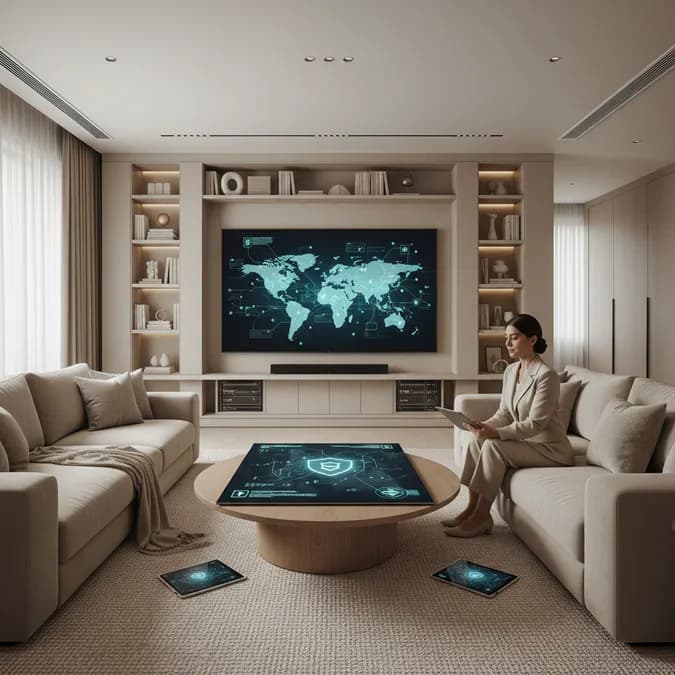
Beige living rooms are experiencing a remarkable renaissance in 2026, shedding their reputation for blandness to emerge as the ultimate expression of sophisticated, calming design. Far from boring, these 26 beige living room ideas showcase how neutral tones can create warm, elegant, and effortlessly versatile spaces that feel both inviting and beautifully styled. The key lies in understanding how to layer soft, timeless tones to create visual depth and psychological comfort in your home.
The shift toward beige interiors reflects a broader movement in design philosophy. As our lives become increasingly digital and fast-paced, homeowners and designers are turning to nature-inspired palettes that promote peace and balance. Beige, with its earth-rooted warmth, has become the foundation for creating serene sanctuaries that support wellness and slow living. This comprehensive guide explores why beige is trending, how to layer it effectively, and practical strategies for avoiding common design pitfalls.
Why Beige is Trending in 2026
Beige has evolved from a safe, predictable choice to a statement of refined taste and intentional design. According to design experts at Neolith, "Beige and earth tones stand out as one of the key aesthetic directions for 2026, valued for their ability to bring warmth, visual continuity and understated elegance."
 https://www.neolith.com/news/beige-tones-define-interior-design-in-2026-and-neolith-drives-this-trend-with-a-wide-range-of-surfaces" target="_blank" rel="noopener">[Neolith Design Team] This shift represents a fundamental change in how designers approach neutral color schemes.
The trend is driven by several factors. First, beige creates visual continuity in open-plan living spaces, a critical consideration in modern home design. Second, it provides a calming backdrop that counters digital overload and supports mental wellness. Third, beige's versatility allows it to work with virtually any design style, from minimalist to maximalist, from contemporary to traditional.
Designers at Kindred Interior Studios note that the 2026 color direction emphasizes "soft blues and colors that feel calm, airy, and rooted in nature. These colors bring in personality without overwhelming a space and create an instant sense of ease." [Homes & Gardens] This philosophy extends to beige applications, where the goal is creating understated elegance rather than visual drama.
The Psychology of Beige in Interior Design
The appeal of beige living rooms extends beyond aesthetics into the realm of psychology. Neutral tones, particularly warm beiges, have been shown to promote relaxation and reduce stress. In spaces where we spend significant time, this psychological benefit translates into tangible improvements in daily well-being.
Beige works as a psychological anchor in busy households. It provides visual rest without creating monotony, allowing other elements—artwork, textiles, lighting—to take center stage without competing for attention. This creates what designers call "visual order," a state where the eye can move through a space without feeling overwhelmed.
The earth-inspired quality of beige also brings nature indoors, a concept central to biophilic design. By incorporating warm, natural tones, living rooms become extensions of the natural world, fostering a sense of connection and groundedness. This is particularly valuable in urban environments where direct access to nature may be limited.
The wellness focus in 2026 design reflects broader cultural shifts toward mental health and intentional living. Beige living rooms support this movement by creating environments that actively promote calm and balance, making them more than just aesthetically pleasing—they become functional tools for well-being.
Layering Techniques for Beige Living Rooms
The secret to sophisticated beige design lies in layering. Rather than painting walls a single beige shade and calling it done, designers create depth through tone-on-tone variations. This approach transforms what could be a flat, one-dimensional space into a serene, elevated environment with visual interest.
Effective layering involves combining multiple beige undertones. Caramelized neutrals—beiges with warm, golden undertones—pair beautifully with soft clays and warmer taupes. The key is selecting shades that sit on the same color temperature spectrum while varying in saturation and depth.
Tactile materials amplify the layering effect. Bouclé upholstery, honed marble surfaces, handwoven textiles, and natural stone create visual texture that prevents beige spaces from feeling flat. These materials introduce subtle variations in light reflection, adding dimension without introducing new colors.
According to design guidance from Domkapa's 2026 Living Room Trends Guide, this approach to earth tones "redefines nuanced palettes for wellness and slow living." The emphasis is on creating spaces that feel intentional and curated rather than accidental or incomplete.
Practical layering strategies include:
- Selecting wall paint in one beige tone and trim in a slightly lighter or darker shade
- Incorporating upholstered furniture in complementary beige fabrics with different textures
- Using area rugs in natural fibers with subtle pattern or weave variation
- Introducing accent pieces in coordinating neutral tones like warm gray or soft taupe
- Combining matte and glossy finishes on surfaces to create visual depth
Beige Color Palettes and Complementary Tones
While beige serves as the foundation, successful living room design incorporates complementary colors and tones that enhance rather than compete. The 2026 approach favors quiet luxury materials and subtle color additions that maintain the serene atmosphere.
Complementary palettes for beige living rooms include:
- Soft greens and sage tones that echo natural foliage
- Warm grays that add sophistication without introducing cool tones
- Muted terracottas and ochres that deepen the earth-inspired aesthetic
- Soft blues that create calm without overwhelming the space
- Cream and ivory accents that provide subtle contrast
The philosophy behind these combinations is restraint. Rather than introducing bold accent colors, 2026 design favors subtle variations that create visual interest through nuance. A single piece of artwork, a textured throw pillow, or a sculptural plant can provide personality without disrupting the calm atmosphere.
Neolith's range of surfaces designed specifically for 2026 trends demonstrates how material choices enhance beige palettes. By selecting surfaces with subtle variations in tone and texture, designers create depth that color alone cannot achieve.
When selecting complementary tones, consider the undertones in your primary beige. Warm beiges pair beautifully with golden yellows, warm terracottas, and soft oranges. Cooler beiges work better with soft greens, cool grays, and muted blues. This attention to undertone harmony creates cohesive, sophisticated spaces.
Furniture and Decor Ideas for Beige Spaces
Furniture selection in beige living rooms should prioritize quality, texture, and timelessness. The goal is creating spaces that feel elevated and intentional rather than temporary or trendy.
Key furniture considerations include:
- Upholstered seating in natural fabrics like linen, wool, or bouclé
- Wooden pieces with warm, honey-toned finishes
- Stone or marble coffee tables that introduce natural materials
- Shelving units in natural wood or painted finishes that coordinate with wall tones
- Area rugs in natural fibers with subtle pattern or texture
Decor elements should emphasize quality over quantity. Rather than filling a beige living room with numerous accessories, select pieces that serve both functional and aesthetic purposes. A carefully chosen ceramic vase, a stack of design books, or a sculptural wooden bowl can provide visual interest while maintaining the serene atmosphere.
Plants play a crucial role in beige living room design, introducing organic shapes and subtle color variation. Potted plants in natural ceramic or terracotta containers complement the earth-inspired aesthetic while improving air quality and psychological well-being.
For those seeking inspiration, Houzz's collection of 75 beige living room ideas showcases diverse approaches to furniture and decor selection. From minimalist Scandinavian-inspired spaces to more maximalist designs with layered textures, these examples demonstrate beige's versatility across design styles.
Material selection is equally important as color. Prioritize natural materials like wood, stone, linen, and wool that age beautifully and develop character over time. These materials also reinforce the earth-inspired aesthetic central to 2026 beige design trends.
Lighting Considerations for Beige Rooms
Lighting dramatically affects how beige tones appear and feel in a living room. The same beige wall can appear warm and inviting under warm lighting or cool and sterile under cool-toned bulbs. Strategic lighting design is essential for achieving the desired atmosphere.
Warm lighting—typically in the 2700K to 3000K color temperature range—enhances the warmth of beige tones and creates an inviting, intimate atmosphere. This is ideal for evening relaxation and entertaining. Layered lighting, combining ambient, task, and accent lighting, allows for flexibility throughout the day.
Natural light also plays a critical role. Beige living rooms benefit from large windows and light-filtering window treatments that allow natural light to showcase the subtle variations in wall tone and material texture. During daylight hours, natural light reveals the depth and complexity of well-designed beige spaces.
Consider incorporating lighting fixtures that complement the beige aesthetic. Warm brass or bronze fixtures, natural wood-based lamps, or sculptural ceramic pieces can serve as both functional and decorative elements.
Practical lighting strategies include:
- Install dimmer switches to adjust lighting intensity throughout the day
- Use warm-toned LED bulbs (2700K-3000K) in all fixtures
- Layer lighting with ceiling fixtures, table lamps, and floor lamps
- Position accent lighting to highlight textured materials and architectural features
- Maximize natural light with sheer window treatments
- Consider uplighting to create ambient glow in the evenings
Common Mistakes to Avoid with Beige Design
While beige offers tremendous design potential, several common mistakes can undermine the sophisticated effect. Understanding these pitfalls helps ensure your beige living room achieves the intended elegance and calm.
The first mistake is treating beige as a blank canvas that requires no thought. Successful beige design requires intentional color selection, material choices, and layering. A single, flat beige wall without texture or variation can feel unfinished rather than serene.
Second, avoid introducing too many competing colors or patterns. While beige provides a neutral foundation, adding multiple bold accent colors disrupts the calm atmosphere and creates visual chaos. Restraint is essential.
Third, neglecting texture and material variety leads to monotonous spaces. Beige living rooms require tactile elements—natural fibers, stone, wood, and varied upholstery fabrics—to create visual interest and prevent flatness.
Fourth, poor lighting choices can make beige spaces feel cold or institutional. Ensure your lighting design enhances warmth and creates the desired atmosphere throughout the day.
Fifth, avoid treating beige as a temporary trend. The most successful beige living rooms are designed with timelessness in mind, incorporating classic furniture and decor that will remain relevant for years.
Additional mistakes to avoid:
- Selecting beige with cool undertones when warm undertones are desired (or vice versa)
- Overcrowding the space with too many furniture pieces or accessories
- Ignoring the importance of natural light and window treatments
- Choosing low-quality materials that won't age well
- Failing to consider how existing architectural features interact with beige tones
- Using only matte finishes without any glossy or reflective surfaces for visual interest
By avoiding these common pitfalls and following the design principles outlined above, you can create a beige living room that achieves the sophisticated, calming aesthetic that defines 2026 interior design trends.
The Bottom Line
The 26 beige living room ideas trending for 2026 represent a sophisticated approach to neutral design that prioritizes warmth, elegance, and psychological well-being. By understanding the principles of layering, selecting complementary tones, incorporating quality materials, and designing thoughtful lighting, you can create a beige living room that feels both timeless and contemporary.
Design resources like Houzz's gallery of 75 beige living room ideas and Domkapa's 2026 Living Room Trends Guide provide inspiration and practical guidance for implementing these concepts. Whether you're renovating an existing space or designing from scratch, the beige trend offers a sophisticated foundation for creating a living room that truly feels like a designer secret—a calm, inviting sanctuary that never goes out of style.
Sources
- Automated Pipeline
- Beige tones define interior design in 2026 and Neolith drives this trend with a wide range of surfaces
- Living Room Trends For 2026: A Designer's Guide To What's Next
- 75 Beige Living Room Ideas You'll Love - March, 2026
- The Colors to Paint Your Living Room in 2026
- Source: youtube.com