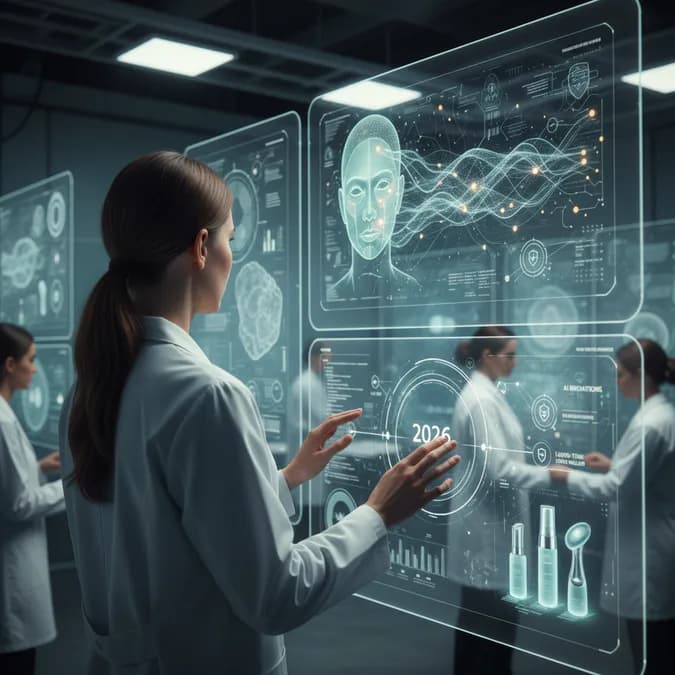
The beauty industry is constantly evolving, and looking ahead to 2026, several key beauty trends are emerging that promise to reshape how we approach skincare, cosmetics, and overall well-being. These trends reflect a growing consumer awareness of health, sustainability, and technological advancements, signaling a shift towards more holistic and personalized beauty experiences. Let's delve into the specific trends that are expected to dominate the beauty landscape in the coming year.
Healthy Beauty Takes Center Stage
One of the most significant shifts is the emphasis on healthy-looking skin as the ultimate beauty goal. This trend moves away from simply masking imperfections and instead focuses on nourishing the skin from within. Consumers are increasingly seeking products and routines that promote skin health, radiance, and resilience.
The Rise of Skinimalism
Skinimalism, a trend that gained traction in recent years, will continue to flourish in 2026. This minimalist approach to skincare involves using fewer products with multi-functional benefits. Instead of layering numerous products, individuals are opting for streamlined routines that prioritize essential ingredients and address specific skin concerns.
Focus on the Skin Barrier
Maintaining a healthy skin barrier is crucial for achieving healthy-looking skin. Consumers are becoming more educated about the importance of protecting the skin's natural barrier function and are actively seeking products that support its integrity. Ingredients like ceramides, hyaluronic acid, and prebiotics are highly sought after for their ability to strengthen and hydrate the skin barrier.
Sensory Experiences Enhance Beauty Rituals
Beyond efficacy, consumers are increasingly seeking beauty products that provide a multi-sensory experience. This trend recognizes the connection between scent, texture, and emotion, and aims to elevate the beauty routine into a more enjoyable and therapeutic ritual.
Aromatherapy Infusion
The use of essential oils and natural fragrances in skincare and cosmetics is becoming increasingly prevalent. Aromatherapy can enhance the mood, reduce stress, and promote relaxation, transforming the beauty routine into a moment of self-care.
Textural Innovations
Brands are experimenting with innovative textures to create unique sensory experiences. From lightweight serums to rich creams and exfoliating scrubs, the feel of a product on the skin can significantly impact its appeal and effectiveness.
Sustainable and Natural Cosmetics Gain Momentum
Sustainability remains a top priority for consumers, and the beauty industry is responding with a growing emphasis on eco-friendly practices and natural ingredients. This trend encompasses everything from sourcing raw materials to packaging and manufacturing processes.
Ethical Sourcing and Fair Trade
Consumers are increasingly demanding transparency and ethical sourcing practices. Brands are prioritizing fair trade partnerships and ensuring that their ingredients are sourced responsibly, with minimal environmental impact.
Eco-Friendly Packaging
The beauty industry is actively seeking alternatives to traditional plastic packaging. Innovations include refillable containers, biodegradable materials, and recycled packaging options. Consumers are also encouraged to recycle or repurpose their beauty product packaging.
Clean Beauty Becomes the New Standard
Clean beauty, which focuses on formulating products without potentially harmful ingredients, is no longer a niche trend but a mainstream expectation. Consumers are becoming more aware of the ingredients in their beauty products and are actively seeking out brands that prioritize safety and transparency.
Ingredient Transparency
Brands are providing detailed information about the ingredients used in their products, allowing consumers to make informed choices. This includes clearly labeling potential allergens and irritants.
"Free-From" Formulations
Clean beauty products are typically formulated without parabens, sulfates, phthalates, synthetic fragrances, and other potentially harmful ingredients. Consumers are actively seeking out "free-from" formulations to minimize their exposure to toxins.
AI Revolutionizes the Beauty Industry
Artificial intelligence (AI) is transforming various aspects of the beauty industry, from personalized skincare recommendations to virtual try-on experiences. AI-powered tools are helping consumers find the perfect products and routines for their individual needs.
Personalized Skincare
AI algorithms can analyze skin data, such as texture, tone, and hydration levels, to provide personalized skincare recommendations. This includes suggesting specific products and routines tailored to individual skin concerns.
Virtual Try-On Experiences
AI-powered virtual try-on tools allow consumers to experiment with different makeup looks and hair colors without physically applying the products. This technology enhances the online shopping experience and helps consumers make more confident purchasing decisions.
K-Beauty Continues to Influence Global Trends
Korean beauty (K-beauty) continues to exert a significant influence on global beauty trends. K-beauty is known for its innovative formulations, gentle ingredients, and focus on achieving a healthy, radiant complexion.
Glass Skin and Dewy Complexions
The pursuit of "glass skin," characterized by a smooth, poreless, and luminous complexion, remains a popular trend. K-beauty products and techniques, such as layering hydrating toners and essences, are often used to achieve this look.
Innovative Ingredients and Formulations
K-beauty is constantly pushing the boundaries of innovation with unique ingredients and formulations. Examples include snail mucin, bee venom, and fermented ingredients, which are known for their hydrating, anti-aging, and skin-repairing properties.
Key Takeaways
- The beauty trends for 2026 emphasize health, sustainability, and personalization.
- Skinimalism and a focus on the skin barrier are key shifts in skincare.
- Sensory experiences, including aromatherapy and innovative textures, enhance beauty rituals.
- Sustainable practices and clean beauty are becoming mainstream expectations.
- AI is revolutionizing personalized skincare and virtual experiences.
- K-beauty continues to influence global beauty trends with innovative formulations.
Frequently Asked Questions (FAQ)
What are the main beauty trends for 2026?
The main beauty trends for 2026 include a focus on healthy beauty, sensory experiences, sustainable cosmetics, clean beauty standards, AI innovations, and K-beauty influences.
How is AI changing the beauty industry?
AI is changing the beauty industry by providing personalized skincare recommendations and enabling virtual try-on experiences, enhancing consumer confidence in product choices.
What is skinimalism?
Skinimalism is a minimalist approach to skincare that emphasizes using fewer products with multi-functional benefits to achieve healthy-looking skin.
Why is sustainability important in beauty?
Sustainability is important in beauty because consumers are increasingly aware of environmental impacts and demand eco-friendly practices and natural ingredients from brands.
What does clean beauty mean?
Clean beauty refers to products formulated without potentially harmful ingredients, focusing on safety, transparency, and ethical sourcing.
How can I achieve glass skin?
To achieve glass skin, focus on hydrating products, including toners and essences, and maintain a consistent skincare routine that promotes a smooth and luminous complexion.
The Bottom Line
The beauty trends for 2026 reflect a growing consumer demand for healthy, sustainable, and personalized beauty experiences. By embracing these trends, brands can cater to the evolving needs of consumers and create products and services that promote both beauty and well-being.
Table of Contents
- Healthy Beauty Takes Center Stage
- Sensory Experiences Enhance Beauty Rituals
- Sustainable and Natural Cosmetics Gain Momentum
- Clean Beauty Becomes the New Standard
- AI Revolutionizes the Beauty Industry
- K-Beauty Continues to Influence Global Trends
- Key Takeaways
- Frequently Asked Questions (FAQ)
- The Bottom Line