
Table of Contents
- Understanding Upcycled Cosmetic Ingredients
- The Rise of Sustainable Beauty Practices
- Innovative Formulations and Technologies
- Inclusivity and Diversity in Beauty
- The Impact of Social Media and Influencer Culture
- What This Means for Consumers
- The Bottom Line
- FAQ
Understanding Upcycled Cosmetic Ingredients
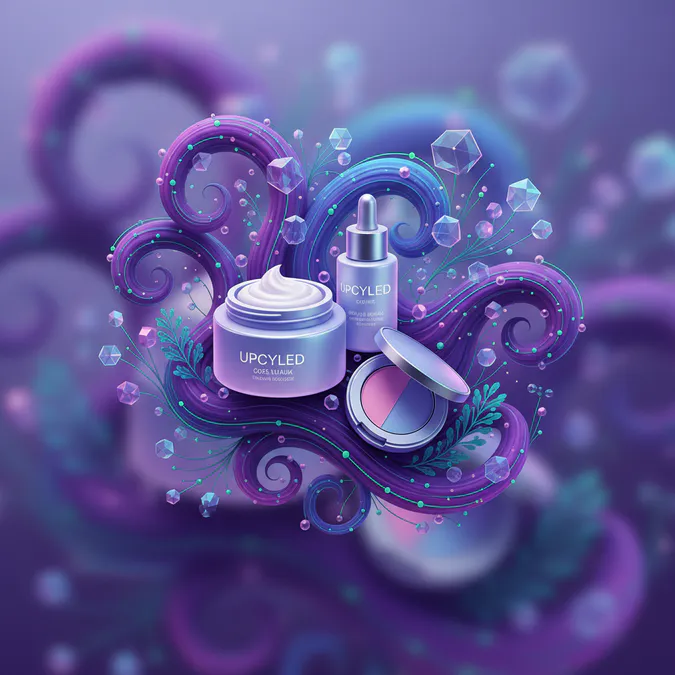
Upcycled cosmetic ingredients are derived from by-products of other industries, such as food and agriculture, that would otherwise go to waste. This practice not only reduces waste but also provides a unique opportunity to harness the benefits of these ingredients in beauty products. For instance, coffee grounds, fruit peels, and even leftover seeds can be transformed into potent skincare
The Rise of Sustainable Beauty Practices
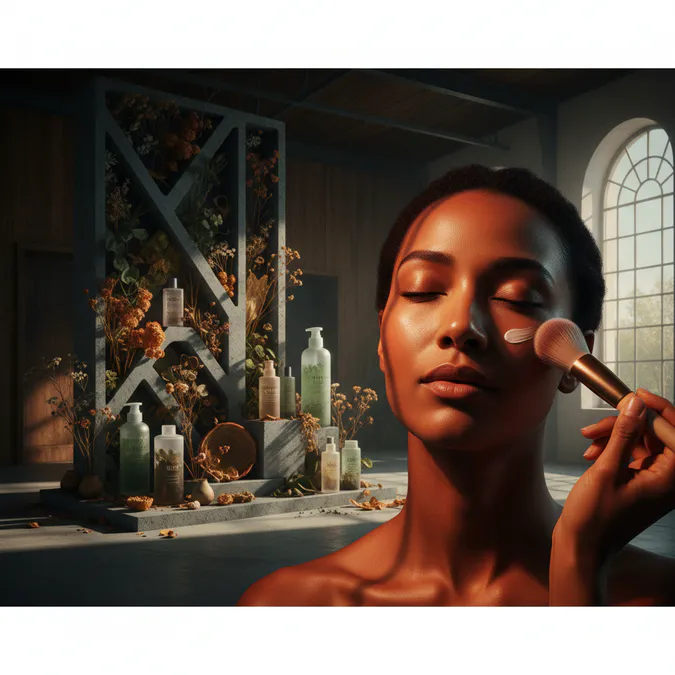
In addition to upcycled ingredients, sustainability is becoming a core principle for beauty brands. This trend encompasses various aspects, including packaging, sourcing, and production methods. Here are some key sustainable practices expected to dominate the beauty landscape in 2026:
- Eco-Friendly Packaging: Brands are increasingly opting for biodegradable, recyclable, or reusable packaging to minimize environmental impact.
- Transparency in Sourcing: Consumers are demanding more information about where ingredients come from and how they are sourced, leading brands to adopt transparent supply chains.
- Waterless Formulations: Water scarcity is a growing concern, prompting brands to create concentrated products that require less water in their formulations.
Innovative Formulations and Technologies
Innovation in product formulation is another trend that will shape the beauty industry in 2026. With advancements in technology, brands are now able to create more effective and personalized products. Key innovations to watch include:
- Biotechnology: The use of biotechnology in skincare allows for the development of ingredients that are more effective and tailored to specific skin concerns.
- AI-Driven Personalization: Artificial intelligence is being utilized to analyze individual skin types and preferences, enabling brands to offer customized beauty solutions.
- Smart Beauty Devices: Devices that integrate with mobile apps to provide personalized skincare routines and track progress are becoming increasingly popular.
Inclusivity and Diversity in Beauty
As the beauty industry evolves, inclusivity and diversity remain at the forefront of consumer demands. Brands are recognizing the importance of catering to a diverse range of skin tones, types, and concerns. In 2026, we can expect to see:
- Expanded Shade Ranges: More brands will offer extensive shade ranges in foundations and concealers to accommodate all skin tones.
- Gender-Neutral Products: The rise of gender-neutral beauty products will continue, with brands creating formulations that appeal to all genders.
- Targeted Solutions: Products designed for specific skin concerns, such as hyperpigmentation or sensitivity, will be more widely available.
The Impact of Social Media and Influencer Culture
Social media continues to play a pivotal role in shaping beauty trends. Platforms like Instagram, TikTok, and YouTube are not only where trends emerge but also where consumers seek validation and inspiration. In 2026, we can expect:
- Short-Form Video Content: Quick tutorials and product reviews will dominate social media, influencing purchasing decisions and brand loyalty.
- Micro-Influencers: Brands will increasingly collaborate with micro-influencers who have niche followings, as they often yield higher engagement rates and authenticity.
- Community Engagement: Brands that foster community through interactive campaigns and user-generated content will resonate more with consumers.
What This Means for Consumers
The beauty trends for 2026 reflect a significant shift towards sustainability, innovation, and inclusivity. As consumers, this means more options that align with personal values and preferences. The rise of upcycled ingredients and sustainable practices indicates a growing awareness of environmental issues, while innovations in formulation and technology promise more effective and personalized products. Moreover, the emphasis on inclusivity ensures that everyone can find products that cater to their unique needs. As we move into 2026, consumers can look forward to a beauty landscape that not only enhances their appearance but also aligns with their ethical values.
The Bottom Line
As we approach 2026, the beauty industry is set to embrace transformative trends that prioritize sustainability, innovation, and inclusivity. The rise of upcycled cosmetic ingredients is just one aspect of a broader movement towards responsible beauty. Brands that adapt to these changes will not only thrive but also contribute positively to the environment and society. For consumers, this means a more diverse and responsible beauty market that caters to individual needs and preferences.
FAQ
What are the key beauty trends for 2026?
The key beauty trends for 2026 include upcycled ingredients, sustainable practices, innovative formulations, and a focus on inclusivity and diversity.
How do upcycled ingredients benefit beauty products?
Upcycled ingredients reduce waste and are often rich in beneficial nutrients like antioxidants and vitamins, enhancing skin health.
Why is sustainability important in the beauty industry?
Sustainability is crucial as it addresses environmental concerns and promotes responsible consumption among consumers.
What are some statistics on beauty trends?
Research indicates that over 70% of consumers prefer brands that use sustainable practices, and 60% are willing to pay more for products with eco-friendly ingredients.
Can you provide expert insights on beauty trends?
Industry experts note that the shift towards inclusivity is not just a trend but a necessary evolution in the beauty market, reflecting the diverse needs of consumers.
For further insights, consider visiting authoritative sources such as World Health Organization or NBC News for the latest updates on beauty trends and sustainability.