Rise of Medical Tourism in Korea
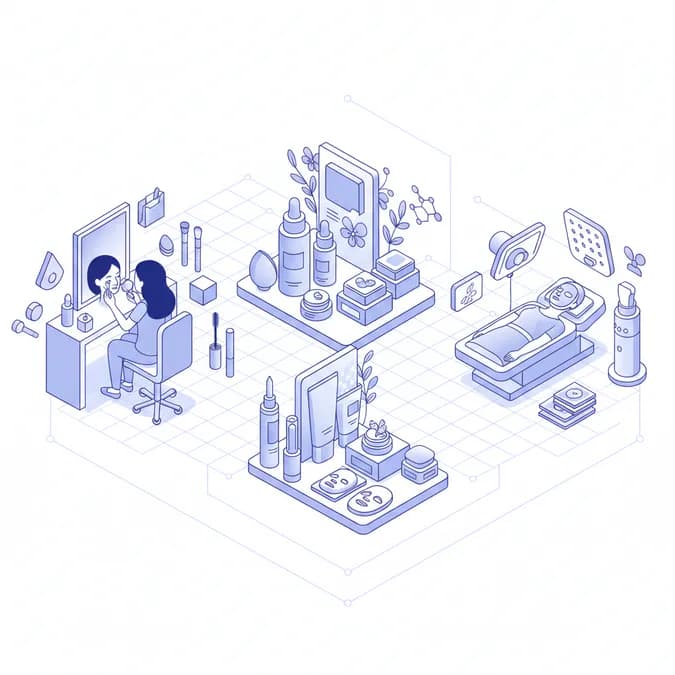
South Korea has become a leading destination for medical tourism, particularly in the realm of beauty treatments. The country is renowned for its cutting-edge technology and skilled practitioners, making it a top choice for those seeking cosmetic enhancements. The influx of Chinese tourists seeking beauty treatments has significantly impacted the Korean economy, with many clinics reporting increased demand during
Beauty Treatment Trends Among Chinese Travelers
Chinese travelers are particularly interested in a variety of beauty treatments, including:
- Facial rejuvenation procedures
- Skin whitening treatments
- Botox and fillers
- Laser treatments for acne scars
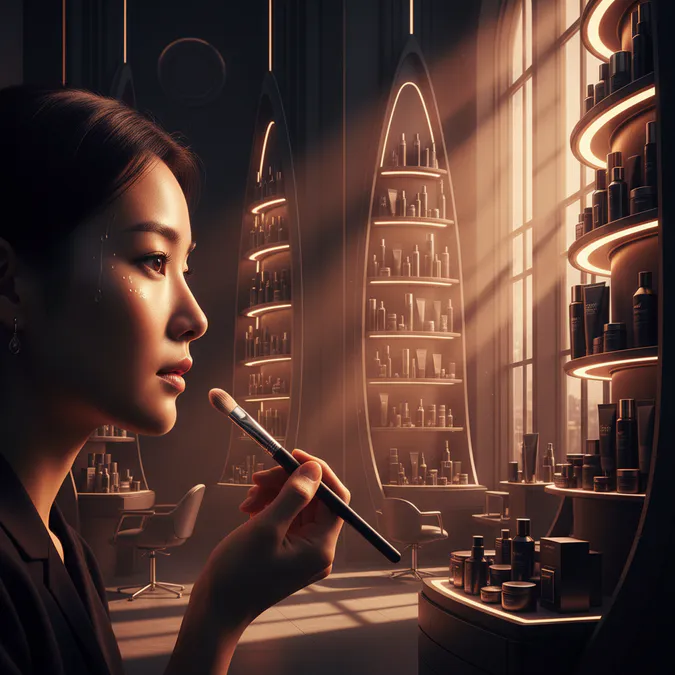
The demand for these beauty treatments has surged as Chinese consumers increasingly prioritize aesthetics, especially before major holidays like the Lunar New Year. Clinics in Korea offer tailored packages that cater specifically to the needs and preferences of Chinese tourists, enhancing their overall experience. The combination of effective treatments and a luxurious environment makes these clinics particularly appealing.
Social Media Marketing in Medical Tourism
To attract Chinese customers, dermatology clinics in Korea are leveraging popular Chinese social media platforms. By creating targeted marketing campaigns, these clinics effectively reach potential clients who are seeking beauty enhancements. Platforms such as WeChat and Weibo play a crucial role in disseminating information about available treatments, pricing, and testimonials from satisfied customers. The impact of social media cannot be overstated; it shapes perceptions and influences travel decisions significantly. According to industry experts, the integration of social media marketing strategies has proven essential for clinics aiming to connect with a younger audience.
Cultural Significance of Beauty Treatments During Lunar New Year
The Lunar New Year is a time of renewal and celebration, making it an ideal period for individuals to invest in their appearance. In many Asian cultures, looking one’s best during this festive season is seen as a way to attract good fortune and positive energy. As such, beauty treatments have become an integral part of the preparations for the holiday. The significance of beauty treatments during this time reflects broader cultural values surrounding beauty and self-care. Experts in cultural studies emphasize that the desire to look one’s best is deeply rooted in the traditions and beliefs surrounding the Lunar New Year.
As the trend of Chinese tourists seeking beauty treatments in Korea continues to grow, it showcases the power of social media in influencing travel decisions and highlights the importance of beauty in cultural celebrations. Clinics are not only providing services but also creating a narrative around beauty that resonates with their clients. This narrative is often shared through social media, further enhancing the visibility of these treatments.
Key Takeaways
- The demand for beauty treatments in Korea is rising among Chinese tourists, especially during the Lunar New Year.
- Social media plays a crucial role in marketing beauty treatments to potential clients.
- Beauty treatments are culturally significant during the Lunar New Year, symbolizing renewal and good fortune.
Frequently Asked Questions (FAQs)
1. Why do Chinese tourists prefer beauty treatments in Korea?
Chinese tourists are attracted to Korea for beauty treatments due to the advanced technology, high-quality care, and the cultural significance of looking good during the Lunar New Year.
2. What types of beauty treatments are popular among Chinese travelers?
Popular treatments include facial rejuvenation, skin whitening, Botox, fillers, and laser treatments for acne scars.
3. How does social media influence the choice of beauty treatments?
Social media platforms like WeChat and Weibo are instrumental in marketing beauty treatments, providing information and testimonials that influence potential clients’ decisions.
In conclusion, the influx of Chinese tourists to Korea for beauty treatments ahead of the Lunar New Year underscores the intersection of cultural significance and modern marketing strategies. As the beauty industry continues to evolve, it will be interesting to see how these trends develop in the coming years. The ongoing dialogue between tradition and modernity in beauty treatments reflects broader societal changes and consumer preferences.