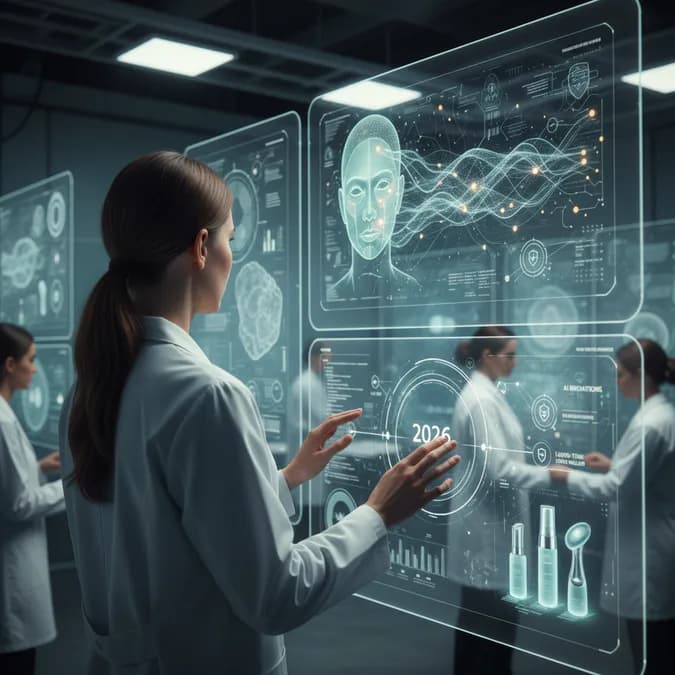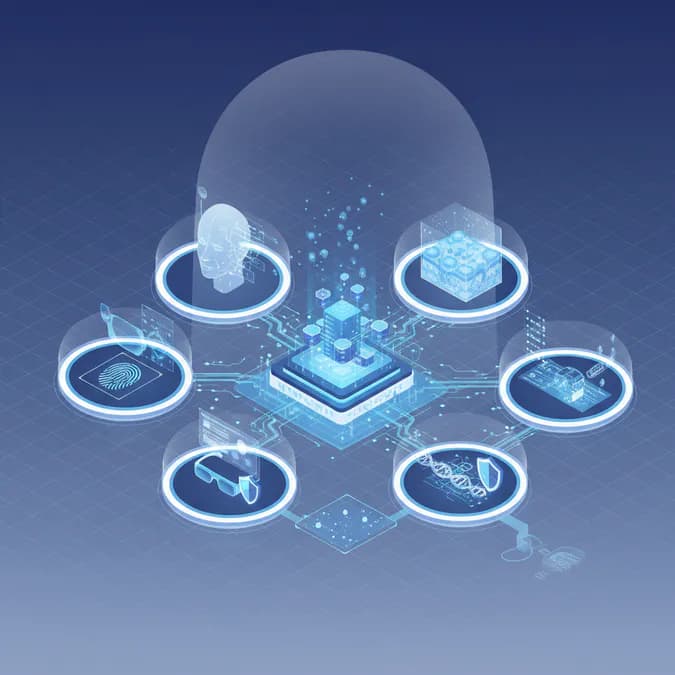
As we move deeper into 2026, the skincare trends landscape continues to evolve with innovative approaches that blend technology, sustainability, and personalized wellness. The beauty industry is experiencing a significant shift toward more sophisticated, science-backed solutions that cater to individual skin needs. Understanding these emerging trends can help you make informed decisions about your skincare routine and investments.
The convergence of artificial intelligence, regenerative beauty practices, and advanced facial treatments is reshaping how consumers approach skincare. These trends reflect a broader movement toward customization, efficacy, and environmental consciousness in the beauty space.
AI-Powered Skincare Analysis
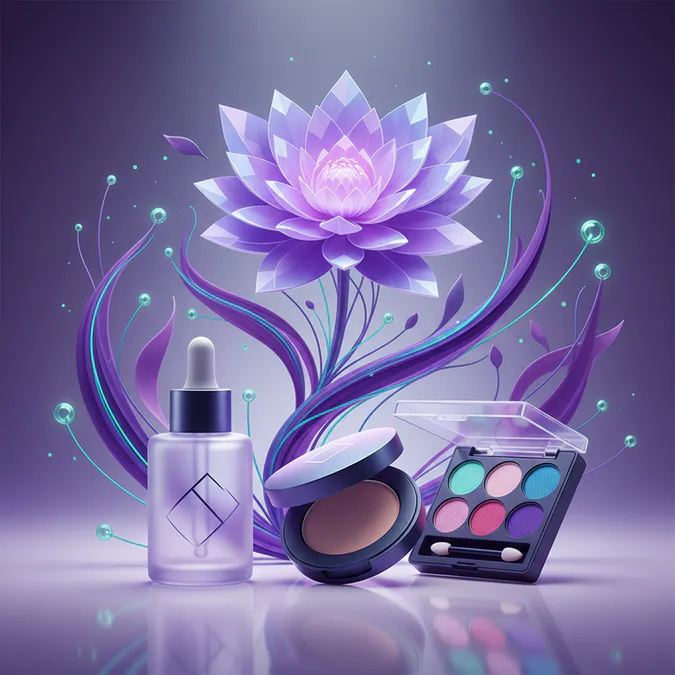
One of the most significant skincare trends emerging in 2026 is the integration of artificial intelligence into skincare analysis and product recommendations. AI technology is revolutionizing how consumers understand their skin by providing detailed, personalized assessments that go beyond traditional skin typing.
AI-powered skincare tools use advanced imaging and machine learning algorithms to analyze skin conditions, identify concerns, and recommend targeted treatments. These systems can detect subtle changes in skin texture, hydration levels, pigmentation, and signs of aging that might not be visible to the naked eye. Many beauty brands are now incorporating AI analysis into their apps and in-store experiences, allowing customers to receive customized skincare routines based on their unique skin profile.
The technology extends beyond simple recommendations. Some platforms use AI to track skin changes over time, adjusting product suggestions as your skin evolves. This level of personalization represents a departure from one-size-fits-all skincare approaches, offering consumers more targeted and potentially more effective solutions.
Layered Facial Treatments
Layered facials have emerged as a dominant skincare trend in 2026, moving away from single-treatment approaches toward comprehensive, multi-step facial protocols. These treatments combine various techniques and products to address multiple skin concerns simultaneously.
Layered facials typically incorporate several components, such as:
- Chemical exfoliation
- Targeted serums and essences
- Specialized masks
- LED light therapy
- Microcurrent technology
- Hydrating treatments
The layering approach allows aestheticians to customize treatments based on individual skin needs, creating a more comprehensive facial experience. This trend reflects a growing understanding that effective skincare requires addressing multiple layers of the skin. By combining different treatment modalities, layered facials can target surface concerns like dullness and texture while also addressing deeper issues such as collagen depletion and cellular turnover.
Regenerative Aesthetics Movement
Regenerative aesthetics represents a fundamental shift in how the beauty industry approaches skincare and anti-aging treatments. Rather than focusing solely on masking signs of aging or temporarily improving appearance, regenerative aesthetics emphasizes stimulating the skin's natural healing and renewal processes.
This approach includes treatments and products designed to:
- Boost collagen production
- Improve skin barrier function
- Enhance cellular repair mechanisms
- Support natural skin regeneration
Ingredients like peptides, growth factors, and plant-derived compounds that support cellular regeneration are becoming increasingly popular in skincare formulations. Regenerative aesthetics also encompasses professional treatments such as microneedling, radiofrequency therapy, and advanced laser treatments that stimulate the body's natural healing response.
Sustainability in Skincare
As consumers become increasingly conscious of environmental impact, sustainability has become a crucial consideration in 2026 skincare trends. Beauty brands are responding by reformulating products with eco-friendly ingredients, reducing packaging waste, and implementing sustainable sourcing practices.
This trend includes a shift toward clean beauty formulations that exclude potentially harmful chemicals while emphasizing natural and organic ingredients. Refillable packaging, biodegradable formulations, and transparent supply chains are becoming standard expectations rather than premium features.
Personalized Skincare Routines
Personalization has evolved from a marketing concept to a fundamental principle in 2026 skincare trends. Rather than following generic skincare routines, consumers are increasingly seeking products and treatments tailored to their specific skin type, concerns, and lifestyle factors.
This personalization extends beyond product selection to include:
- Customized treatment protocols
- Adjusted ingredient concentrations
- Seasonal routine modifications
- Lifestyle-based skincare adjustments
The rise of personalized skincare is supported by advances in skin analysis technology, expanded product ranges from major brands, and a growing number of custom skincare services.
Minimal Yet Effective Formulations
There's a growing trend toward streamlined skincare routines featuring minimal yet highly effective formulations. Rather than using numerous products, consumers are gravitating toward multi-functional items that deliver visible results with fewer steps.
This approach emphasizes quality over quantity, with products containing concentrated active ingredients and advanced delivery systems that maximize efficacy. The minimalist skincare movement appeals to consumers seeking simplicity, cost-effectiveness, and reduced risk of ingredient interactions or irritation.
Technology Integration in Beauty Devices
Home skincare devices have become increasingly sophisticated in 2026, incorporating advanced technologies previously available only in professional settings. Consumers now have access to devices featuring LED light therapy, microcurrent stimulation, sonic vibration, and radiofrequency technology.
These devices are designed to enhance product penetration, stimulate collagen production, and improve overall skin appearance. The integration of smart technology allows many devices to connect to apps that track usage and provide personalized guidance.
Inclusive Beauty Standards
The skincare industry in 2026 is increasingly embracing inclusive beauty standards that celebrate diverse skin types, tones, and conditions. This shift includes expanded shade ranges in color-correcting products, skincare solutions addressing specific concerns for different ethnicities, and representation in marketing and education.
Brands are investing in research specific to various skin types and developing products that address unique concerns such as hyperpigmentation, textural differences, and specific aging patterns across different populations.
Key Takeaways
The 2026 skincare trends reflect a sophisticated, technology-driven approach to beauty that prioritizes personalization, efficacy, and sustainability. From AI-powered analysis and layered facial treatments to regenerative aesthetics and inclusive formulations, the industry is moving toward more targeted, science-backed solutions.
These trends suggest that the future of skincare lies in customization, advanced technology, and a deeper understanding of individual skin needs. Whether you're interested in professional treatments or at-home solutions, staying informed about these trends can help you make choices that align with your skincare goals and values.
The convergence of innovation and personalization in 2026 skincare trends demonstrates that effective beauty routines are increasingly tailored, technology-enhanced, and grounded in scientific understanding of skin health and regeneration.
FAQs about Skincare Trends
What are the most significant skincare trends in 2026?
The most significant skincare trends in 2026 include AI-powered skincare analysis, layered facial treatments, regenerative aesthetics, and sustainability in formulations.
How does AI improve skincare?
AI improves skincare by providing personalized assessments and recommendations based on detailed analysis of skin conditions, allowing for more targeted treatments.
Why is sustainability important in skincare?
Sustainability is important in skincare as consumers are increasingly aware of environmental impacts, leading brands to adopt eco-friendly practices and formulations.
What role does personalization play in skincare?
Personalization in skincare allows consumers to choose products and routines that are specifically tailored to their unique skin types and concerns, enhancing overall effectiveness.
How are technology and skincare devices evolving?
Technology integration in skincare devices is evolving with advanced features like LED therapy and microcurrent technology, making professional-grade treatments accessible at home.
For more information on skincare trends and innovations, visit our skincare trends page for additional insights and resources.