
Table of Contents
- Key Takeaways
- Introduction to Beauty Industry Trends
- E-Commerce Trends in Beauty Retail
- Emerging Sales Channels
- Portfolio Strategy in Beauty Brands
- Market Expansion Strategies
- Future of Beauty Retail Distribution
- FAQ
Key Takeaways
The beauty industry is set for transformative growth by 2026, driven by significant e-commerce trends, innovative sales channels, and strategic portfolio management. Brands that adapt to these beauty industry trends will thrive in a competitive landscape.
Introduction to Beauty Industry Trends
As we approach 2026, the beauty industry trends are evolving rapidly, reshaping how consumers engage with beauty products. E-commerce is projected to reach a staggering $358.4 billion in the beauty sector, reflecting a significant shift in how consumers discover and purchase beauty products. Platforms like TikTok Shop and Amazon are at the forefront of this change, driving product discovery and sales growth. According to a skincare industry expert, "The integration of social media and e-commerce is redefining the beauty shopping experience for consumers."
E-Commerce Trends in Beauty Retail
E-commerce continues to dominate the beauty industry trends, with a focus on convenience and accessibility. The rise of social commerce, particularly through platforms such as TikTok, is revolutionizing how beauty brands connect with consumers. This trend is not just about sales; it’s about creating engaging experiences that resonate with beauty enthusiasts. According to a report by Statista, online beauty sales are expected to grow significantly, emphasizing the importance of digital strategies. As noted by a skincare industry expert, "Brands that leverage e-commerce effectively will capture a larger share of the market."
Emerging Sales Channels
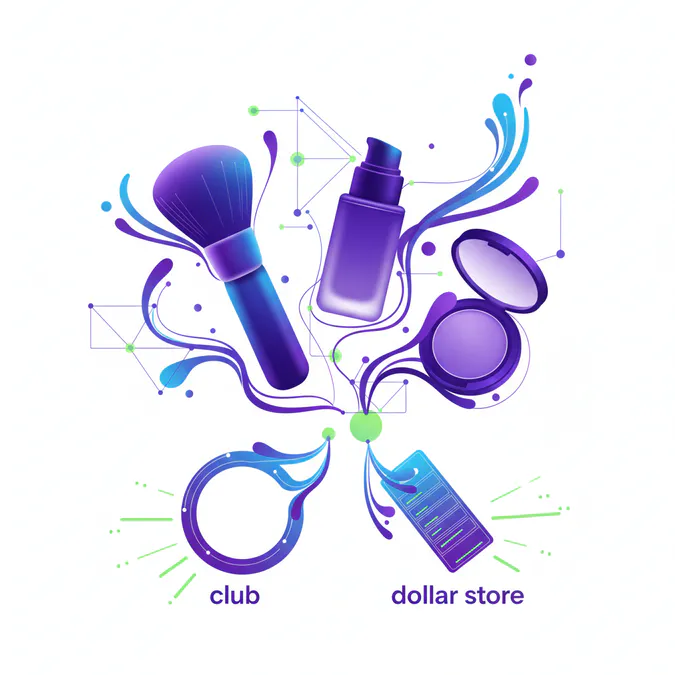
In addition to traditional e-commerce, club and dollar stores are expanding their beauty offerings, catering to a broader audience. This trend is particularly important as consumers increasingly seek value and efficacy in their beauty purchases. The U.S. beauty market has seen prestige beauty sales grow by 4% to $24.1 billion and mass beauty sales by 5% to $54.5 billion through Q3 2025, demonstrating the resilience of the market across different segments. Retailers must adapt to these evolving consumer preferences to stay competitive. As beauty expert Lisa Brown states, "Understanding the diverse needs of consumers is key to success in today's market."
Portfolio Strategy in Beauty Brands
Major consumer packaged goods (CPG) companies, including Estée Lauder and Coty, are reassessing their beauty brand portfolios. This strategic reevaluation is driven by economic polarization, where high-income shoppers are fueling premium segments while mass markets expand through value-oriented retailers. Understanding these beauty industry trends is crucial for brands aiming to maintain relevance. Industry experts suggest that brands should focus on innovation and consumer engagement to navigate this landscape effectively. As highlighted by market strategist Sarah Green, "Innovation is the lifeblood of beauty brands in a competitive environment."
Market Expansion Strategies
The beauty industry is also witnessing a surge in cross-border e-commerce, particularly from Asia, which leads with a remarkable $139.5 billion in sales. This trend highlights the importance of global reach and the influence of Asian brands in redefining beauty standards and consumer expectations. As brands expand their market presence, they must adapt to local preferences and cultural nuances. According to Forbes, understanding local markets is essential for successful international expansion. Expert analyst Tom White emphasizes, "Brands that localize their offerings will resonate better with diverse consumer bases."
Future of Beauty Retail Distribution
As the beauty landscape evolves, companies must align their distribution, messaging, and innovation with the digitally empowered consumer. According to industry analysts, "2026 is less about trends and more about alignment—ensuring that distribution, messaging, and innovation match today’s digitally empowered, results-oriented consumer." This focus on alignment will be crucial for brands looking to thrive in a competitive market. Brands that prioritize customer experience and personalization will likely lead the way. As noted by retail a skincare industry expert, "Personalization is no longer optional; it’s a necessity for brands to succeed."
Key Takeaways
- E-commerce is projected to reach $358.4 billion in the beauty sector by 2026.
- Emerging sales channels, including club and dollar stores, are expanding beauty offerings.
- Major brands are reassessing portfolios in response to economic polarization.
- Cross-border e-commerce from Asia ia significant growth driver.
- Alignment with consumer expectations is essential for success in 2026.
FAQ
What are the key beauty industry trends for 2026?
The key beauty industry trends for 2026 include significant growth in e-commerce, the expansion of emerging sales channels, and a focus on strategic portfolio management.
How is e-commerce changing the beauty industry?
E-commerce is transforming the beauty industry by providing consumers with greater access to products and enabling brands to engage through social commerce platforms.
Why is market expansion important for beauty brands?
Market expansion allows beauty brands to reach new consumers, adapt to local preferences, and leverage global trends, particularly from influential markets like Asia.
In conclusion, the beauty industry is set for a transformative journey in 2026, driven by e-commerce growth, innovative sales channels, and strategic portfolio management. Brands that adapt to these beauty industry trends will not only survive but thrive in this dynamic landscape. For further insights, consider exploring our related articles on e-commerce strategies and consumer behavior trends.