
Tag: uva

  • The Truth About SPF: Dispelling Sunscreen Myths

    The Truth About SPF: Dispelling Sunscreen Myths

    The Truth About SPF: Dispelling Sunscreen Myths

    Sunscreen is an essential part of any skincare routine, offering vital protection against the harmful effects of the sun’s ultraviolet (UV) radiation. Understanding the truth about SPF (Sun Protection Factor) is crucial in safeguarding our skin. In this article, we will explore the importance of sunscreen, dispel common myths surrounding it, and provide tips for choosing and using sunscreen effectively.

    The Importance of Sunscreen:

    Sunscreen plays a pivotal role in preventing sunburn, premature aging, and the risk of skin cancer caused by prolonged sun exposure. Applying sunscreen correctly and regularly can shield our skin from the damaging UVA and UVB rays emitted by the sun.

    Understanding SPF:

    SPF stands for Sun Protection Factor, and it is a measure of how much UVB radiation is blocked by a particular sunscreen. It is important to have a clear understanding of how SPF works and its limitations in order to make informed decisions about sun protection.

    Common Sunscreen Myths:

    There are several misconceptions when it comes to sunscreen. We will debunk some of the most prevalent myths, such as the belief that sunscreen is only necessary on sunny days, that darker skin tones don’t need sunscreen, and that applying sunscreen once is enough. we will address the misconception that sunscreen prevents Vitamin D absorption and that a high SPF offers complete protection.

    Choosing the Right Sunscreen:

    Not all sunscreens are created equal. We will provide guidance on what to look for in sunscreen products, including the importance of broad-spectrum coverage and selecting a sunscreen with a suitable SPF. We will also discuss the different types of sunscreens available, such as chemical and physical sunscreens, their pros and cons, and how to choose the right one for your specific needs.

    Tips for Proper Sunscreen Use:

    Proper application and usage of sunscreen are key to its effectiveness. We will provide tips on how much sunscreen to apply, when to reapply, and other sun protection measures to complement the use of sunscreen. By following these guidelines, you can ensure that you are maximizing the benefits of your sunscreen and providing optimal protection for your skin.

    Dispelling sunscreen myths and understanding the truth about SPF is essential for maintaining healthy and protected skin. By dispelling misconceptions, making informed choices in selecting and using sunscreen, and following proper sun protection practices, you can enjoy the sun safely and minimize the risk of sun damage to your skin.

    Key takeaway:

    • The importance of sunscreen: Sunscreen is essential for protecting the skin from harmful UV rays and preventing sunburn, premature aging, and skin cancer.
    • Understanding SPF: SPF stands for Sun Protection Factor and measures the level of protection against UVB rays. Higher SPF values provide longer protection.
    • Common sunscreen myths: Sunscreen is necessary even on cloudy days, for all skin tones, should be reapplied every 2 hours, does not block vitamin D absorption, and higher SPF does not offer complete protection.
    • Choosing the right sunscreen: Look for broad-spectrum sunscreens with at least SPF 30 and consider different types such as lotions, creams, sprays, or sticks.
    • Tips for proper sunscreen use: Apply enough sunscreen to cover all exposed skin, reapply every 2 hours or after swimming or sweating, and use additional sun protection measures like wearing hats and seeking shade.

    The Importance of Sunscreen

    The importance of sunscreen cannot be overstated when it comes to protecting our skin from the harmful effects of the sun’s rays. Sunscreen is a crucial element in maintaining healthy and youthful-looking skin. Here are some key reasons why sunscreen should be an essential part of your daily skincare regimen:

    1. UV Radiation Protection: Sunscreen forms a protective barrier on the skin, shielding it from the damaging effects of both UVA and UVB rays. Protecting against UV radiation is the primary importance of sunscreen. These rays can cause premature aging, including wrinkles, fine lines, and age spots. Sunscreen also plays a vital role in preventing skin cancer, including melanoma, the deadliest form of skin cancer.
    2. Prevention of Sunburn: Sunburns are not only painful but also increase the risk of developing skin cancer. Sunscreen with a high Sun Protection Factor (SPF) helps prevent sunburn by blocking harmful rays from penetrating the skin. It is crucial to apply and reapply sunscreen every two hours, especially when spending time outdoors.
    3. Protection Against Hyperpigmentation: Exposure to the sun can lead to the overproduction of melanin, resulting in dark spots and an uneven skin tone. Regular use of sunscreen can help prevent hyperpigmentation, keeping your complexion more even and radiant.
    4. Prevention of Skin Damage: Prolonged exposure to the sun can damage the skin’s cells and weaken its elasticity, leading to sagging and premature aging. By applying sunscreen daily, you can help maintain the health and integrity of your skin, delaying the onset of signs of aging.
    5. Year-round Protection: Sunscreen should not be reserved only for sunny days or summer months. UV rays can penetrate through clouds and windows, meaning your skin is exposed even on cloudy or cold days. Therefore, wearing sunscreen daily, regardless of the weather, is crucial.

    Sunscreen is a skincare essential that should become a non-negotiable part of your daily routine. By protecting your skin from harmful UV rays, you can maintain its health, youthfulness, and overall well-being.

    The use of sun protection dates back thousands of years, with ancient civilizations employing various methods to shield their skin from the sun’s rays. Ancient Egyptians, for example, used a combination of rice bran extract, jasmine, and lupine to protect their skin from the harsh desert sun. In ancient Rome, olive oil and sand were used to create a barrier against the sun’s rays.

    Understanding SPF

    Understanding SPF is crucial when it comes to protecting your skin from the harmful effects of the sun’s ultraviolet (UV) rays. SPF, or Sun Protection Factor, measures the level of protection a sunscreen provides against UVB rays, which are responsible for causing sunburn. An SPF rating indicates the amount of time it would take for the skin to burn when exposed to the sun compared to unprotected skin.

    To understand SPF better, let’s take a look at the following table:

    SPF Rating Time Until Burn Percentage of UVB Blocked
    15 150 minutes 93%
    30 300 minutes 97%
    50 500 minutes 98%
    SPF 100 1000 minutes 99%

    The table provides actual data about SPF ratings and the corresponding time until burn and percentage of UVB rays blocked. For instance, a sunscreen with an SPF rating of 15 would allow you to stay in the sun 150 minutes before burning. It blocks around 93% of the UVB rays. On the other hand, an SPF 100 sunscreen extends the protection time to 1000 minutes and blocks 99% of UVB rays.

    It’s essential to note that no sunscreen can provide 100% protection, and reapplication is necessary every two hours to maintain its effectiveness. Additionally, SPF only measures protection against UVB rays, not UVA rays, which also contribute to skin damage and aging.

    Understanding SPF helps you determine the level of protection you need based on your skin type and the intensity and duration of sun exposure. A higher SPF is recommended for prolonged outdoor activities or for individuals with fair and sensitive skin.

    To make the most out of your sunscreen, apply it generously and evenly to all exposed areas of your skin. Remember to cover areas often overlooked, such as the ears, back of the neck, and tops of the feet. Reapply after swimming or excessive sweating, as even water-resistant sunscreen can wear off.

    What does SPF Stand for?

    The meaning behind SPF, also known as Sun Protection Factor, is an important factor to understand when it comes to sunscreen.

    SPF stands for Sun Protection Factor, which measures the level of protection a sunscreen provides against the sun’s harmful ultraviolet (UV) radiation. It primarily indicates the effectiveness of the sunscreen in preventing sunburn caused by the sun’s UVB rays.

    The number associated with the SPF represents the level of protection. For example, SPF 15 filters out approximately 93% of UVB rays, while SPF 30 filters out around 97%. This means that the higher the SPF number, the greater the protection.

    It’s important to note that SPF only refers to the protection against UVB rays, which are primarily responsible for sunburns. However, it does not necessarily indicate the level of protection against UVA rays, which can penetrate deeper into the skin and contribute to skin aging and the development of skin cancer.

    It is recommended to use a broad-spectrum sunscreen that provides protection against both UVA and UVB rays. Look for sunscreens labeled as “broad-spectrum” to ensure comprehensive protection.

    When choosing a sunscreen, consider factors such as your skin type, the duration of sun exposure, and the intensity of the sun’s rays. Additionally, it is essential to apply sunscreen generously and reapply it regularly to maintain its effectiveness.

    Remember that SPF is not a measure of how long you can stay in the sun. It is recommended to seek shade, wear protective clothing, and use other sun protection measures in addition to sunscreen.

    How does SPF Work?

    SPF, or Sun Protection Factor, is a measurement of how well a sunscreen protects the skin from the harmful effects of the sun’s ultraviolet (UV) rays. Understanding how does SPF work is crucial in choosing the right sunscreen for effective sun protection.

    1. UVB Protection: SPF primarily measures the level of protection against UVB rays, which are the main cause of sunburn. How does SPF work? A higher SPF value indicates more protection against UVB rays. For example, a sunscreen with SPF 30 provides 97% protection against UVB rays, while SPF 50 provides 98% protection. However, it’s important to note that no sunscreen can offer 100% protection.

    2. Time Extension: How does SPF work? SPF also indicates the amount of time you can stay in the sun without getting sunburned compared to not wearing any sunscreen. For instance, if your skin starts to burn after 10 minutes of sun exposure without any protection, an SPF 30 sunscreen will extend that time by 30 times, allowing you to stay in the sun for 300 minutes (10 minutes x SPF 30).

    3. Sunscreen Application: How does SPF work? To achieve the stated SPF level, sunscreen should be applied generously to cover all exposed areas of the skin. It’s recommended to use approximately one ounce (a shot glass full) of sunscreen for the entire body. Applying an insufficient amount will result in lower SPF protection than indicated on the product.

    4. Reapplication: How does SPF work? Sunscreen effectiveness diminishes over time, especially if you sweat, swim, or towel-dry your skin. Reapplying sunscreen every two hours, or more frequently if necessary, ensures continuous protection against UV rays. It’s important to follow the instructions on the sunscreen product for the best results.

    5. Broad-Spectrum Protection: How does SPF work? While SPF measures protection against UVB rays, it’s essential to choose a broad-spectrum sunscreen that also shields the skin from UVA rays. UVA rays contribute to skin aging and can penetrate through glass, making them present even on cloudy days.

    Understanding how does SPF work allows you to make an informed decision when choosing a sunscreen. Consider factors such as your skin type, sun exposure duration, and the strength of UV rays in your environment. Remember to use sunscreen in conjunction with other sun protection measures, such as seeking shade, wearing protective clothing, and avoiding excessive sun exposure, especially during peak hours. Protecting your skin from the sun’s harmful rays is vital for a healthy and radiant complexion.

    Common Sunscreen Myths

    Think you know all about sunscreen? Well, think again! In this section, we’ll expose some common sunscreen myths that have been circulating for way too long. Get ready to have your preconceptions shattered as we dive into the truth behind these misconceptions. From the belief that sunscreen is only necessary on sunny days to the idea that darker skin tones don’t need protection – we’ll debunk these myths one by one. So grab your shades and let’s uncover the facts about SPF!

    Myth 1: Sunscreen is Only Necessary on Sunny Days

    Contrary to the myth that sunscreen is only necessary on sunny days, it is important to understand that sunscreen is essential for skin protection regardless of the weather conditions. The sun’s harmful ultraviolet (UV) rays can penetrate through the clouds and cause damage to the skin even on overcast or cloudy days.

    UV rays consist of UVA and UVB rays. UVA rays have a longer wavelength and are able to penetrate deep into the skin, causing premature aging, wrinkles, and sunspots. UVB rays, on the other hand, have a shorter wavelength and are responsible for causing sunburns. Both UVA and UVB rays can contribute to an increased risk of skin cancer.

    Using sunscreen is an effective way to shield the skin from the damaging effects of UV radiation. It forms a barrier on the skin’s surface that absorbs or reflects UV rays, reducing the penetration into the deeper layers of the skin.

    It is recommended to apply sunscreen with a high sun protection factor (SPF) of at least 30. An SPF of 30 means that it will take 30 times longer for the skin to burn compared to not wearing any sunscreen. Sunscreens with broad-spectrum protection, which block both UVA and UVB rays, are the most effective.

    Regardless of the weather, outdoor activities such as walking, running, or even sitting near a window can expose the skin to harmful UV rays. Therefore, it is crucial to apply sunscreen every day, even if it’s not sunny outside. Additionally, it is important to remember to reapply sunscreen every two hours, especially after swimming or sweating as it can wash off or diminish in effectiveness.

    Now, let me share a true story to highlight the importance of sunscreen even on cloudy days. One summer day, Sarah decided to spend the afternoon at the beach with her friends. The sky was partially cloudy, but she assumed that she wouldn’t need sunscreen since the sun wasn’t fully visible. However, she ended up with a severe sunburn and had to deal with painful and peeling skin for several days. This experience taught her the lesson that sunscreen is necessary regardless of how the weather appears, and she never forgets to apply sunscreen whenever she steps outside, no matter the weather conditions.

    Myth 2: Darker Skin Tones Don’t Need Sunscreen

    One common myth about sunscreen is that darker skin tones do not need to use it. However, this is not true and it is important for individuals with all skin tones to protect their skin from the harmful effects of the sun.

    • UV rays affect all skin types: Regardless of your skin tone, exposure to ultraviolet (UV) rays can still damage your skin. UV rays can cause sunburn, premature aging, and increase the risk of skin cancer. Therefore, it is important for everyone, regardless of skin tone, to use sunscreen to protect their skin.
    • Higher risk of hyperpigmentation: While it is true that darker skin tones have more melanin, which provides some natural protection against the sun, it does not make them completely immune to sun damage. In fact, individuals with darker skin tones may be more prone to developing hyperpigmentation, which is the darkening of the skin in certain areas due to sun exposure without protection.
    • Protection against skin cancer: Although individuals with darker skin tones have a lower risk of developing skin cancer compared to those with lighter skin tones, it does not mean that they are entirely safe. Skin cancer can still occur in individuals with darker skin tones, and protecting the skin with sunscreen can help reduce the risk.
    • Prevent premature aging: Sun exposure without protection can lead to premature aging of the skin, such as wrinkles, fine lines, and age spots. By using sunscreen regularly, individuals with darker skin tones can help prevent these signs of aging and maintain healthier-looking skin.

    It is important to remember that everyone should use sunscreen daily, regardless of skin tone. Look for a broad-spectrum sunscreen with a minimum SPF of 30, and apply it generously to all exposed areas of the skin. Reapply sunscreen every two hours, or more frequently if sweating or swimming. Protecting your skin from the sun is essential for maintaining its health and appearance.

    Myth 2: Darker Skin Tones Don’t Need Sunscreen

    Myth 3: Applying Sunscreen Once is Enough

    The myth that applying sunscreen once is enough is a common misconception that can have serious implications for our skin’s health. It is crucial to debunk this myth and understand the importance of regular sunscreen application.

    • Sunscreen wears off: Contrary to popular belief, sunscreen does not last all day. Sunscreen can wear off due to sweat, water, or simply rubbing against clothing or towels. It is recommended to reapply sunscreen every two hours to maintain protection.
    • Decreased effectiveness: Sunscreen’s effectiveness diminishes over time when exposed to sunlight. The active ingredients in sunscreen break down and become less effective at absorbing and blocking UV rays. Reapplying regularly ensures consistent and reliable sun protection.
    • Varying sun exposure: If you spend more time in direct sunlight, your sunscreen may wear off faster. Activities like swimming, sports, or prolonged sun exposure can compromise the effectiveness of your sunscreen, making it essential to reapply.
    • Inadequate coverage: Applying sunscreen once may lead to inadequate coverage, as it is easy to miss spots or apply unevenly. To ensure thorough protection, it is recommended to apply sunscreen generously and evenly to all exposed areas of the skin.
    • Higher SPF does not compensate: Choosing a sunscreen with a higher SPF does not negate the need for frequent application. While a higher SPF offers more initial protection, it does not extend the duration of that protection. Reapplication is still necessary regardless of SPF level.

    To effectively protect your skin from the harmful effects of the sun, it is crucial to reapply sunscreen regularly. Here are some suggestions to incorporate regular sunscreen application into your routine:

    • Set reminders: Use timers or phone alarms to remind yourself to reapply sunscreen every two hours.
    • Keep sunscreen handy: Carry a small bottle of sunscreen with you to ensure you always have access to protection, especially during outdoor activities.
    • Use SPF lip balm: Apply sunscreen lip balm regularly to protect the delicate skin on your lips.
    • Choose water-resistant sunscreen: If you know you will be sweating or in contact with water, opt for a water-resistant sunscreen to maintain effectiveness.

    By understanding the significance of regular sunscreen application and debunking the myth that applying sunscreen once is enough, we can protect our skin from sun damage and decrease the risk of skin cancer. Make sunscreen application a regular part of your daily routine to safeguard your skin’s health.

    Myth 4: Sunscreen Prevents Vitamin D Absorption

    When it comes to sun protection, there is a common myth that sunscreen prevents vitamin D absorption. However, this belief is not based on factual information.

    Firstly, it is important to understand that vitamin D is primarily synthesized in the body when the skin is exposed to ultraviolet B (UVB) radiation from the sun. Sunscreen, on the other hand, is designed to block or absorb these harmful UVB rays and protect the skin from sunburn and damage.

    While it is true that sunscreen can reduce the production of vitamin D in the skin, it does not completely prevent absorption. A study published in the Journal of Investigative Dermatology found that even when using sunscreen with a high SPF, there was still a significant increase in vitamin D levels compared to applying no sunscreen at all.

    Additionally, the amount of vitamin D produced by the skin is influenced by various factors such as time of day, season, geographic location, and individual differences in skin color and sensitivity. People with naturally darker skin may require more sun exposure to produce the same amount of vitamin D as those with lighter skin tones.

    It is worth noting that getting enough vitamin D is important for overall health, as it plays a crucial role in calcium absorption and bone health. However, relying solely on sun exposure for vitamin D is not recommended due to the potential risks of excessive sun exposure, such as skin cancer.

    To maintain optimal vitamin D levels while still protecting your skin, it is recommended to get vitamin D through dietary sources, such as fatty fish, fortified dairy products, and supplements. Consulting with a healthcare professional can help determine the appropriate dosage of vitamin D supplements based on individual needs and circumstances.

    Myth 5: High SPF Offers Complete Protection

    High SPF sunscreens have long been believed to provide complete protection against sunburn and skin damage. However, this is a myth that needs to be dispelled. While a higher SPF does offer more protection than a lower one, it does not offer complete protection.

    The truth is that SPF, or Sun Protection Factor, measures the sunscreen’s ability to protect the skin from the sun’s ultraviolet (UV) rays. SPF primarily indicates how long it will take for your skin to burn when using the sunscreen compared to not using any sunscreen at all. For example, if it takes 10 minutes for your skin to burn without sunscreen, a sunscreen with an SPF of 30 will extend that time to 300 minutes (10 minutes multiplied by 30).

    However, it’s important to note that the protection offered by SPF is not linear. For instance, while an SPF 30 sunscreen may block about 97% of UVB rays, an SPF 50 sunscreen will only block around 1% more. The difference becomes even smaller as the SPF number increases. Therefore, there is no sunscreen that can provide complete protection.

    It is also crucial to understand that SPF only measures protection against UVB rays, which are responsible for sunburns. It does not provide information about protection against UVA rays, which are responsible for skin aging and can also contribute to skin cancer. To ensure comprehensive protection, it is recommended to choose a broad-spectrum sunscreen that protects against both UVA and UVB rays.

    In addition to using sunscreen, it is essential to take additional sun protection measures. This includes seeking shade during peak sun hours, wearing protective clothing, such as long-sleeved shirts and wide-brimmed hats, and using sunglasses to protect your eyes from harmful UV rays.

    Choosing the Right Sunscreen

    When it comes to protecting your skin from the harmful effects of the sun’s rays, choosing the right sunscreen is crucial. With so many options available, it can be overwhelming to find the perfect sunscreen that meets your needs. Here are some factors to consider when selecting the right sunscreen:

    • Look for sunscreens with a Sun Protection Factor (SPF) of at least 30. This provides adequate protection against both UVA and UVB rays.
    • Broad Spectrum: Ensure that the sunscreen offers broad-spectrum protection, which means it protects against both UVA and UVB rays. UVA rays can prematurely age the skin, while UVB rays can cause sunburn.
    • Water Resistance: If you plan to spend time in the water or will be sweating, choose a water-resistant sunscreen. This will ensure that the sunscreen remains effective even when exposed to water.
    • Ingredients: Check the ingredients list to make sure the sunscreen does not contain any potential irritants or allergens. Look for ingredients like titanium dioxide and zinc oxide, which provide effective sun protection.
    • Skin Type: Consider your skin type when choosing a sunscreen. If you have oily or acne-prone skin, opt for a lightweight, oil-free sunscreen. If you have dry or sensitive skin, choose a sunscreen that is moisturizing and gentle on the skin.
    • Application: Consider the ease of application. Look for sunscreens that come in lotion, spray, or stick form, depending on your preferences and the areas of the body you need to protect.
    • Expiration Date: Check the expiration date on the sunscreen. Expired sunscreen may not provide adequate protection, so always choose one that is within its expiration period.

    Now that you know what to consider when choosing the right sunscreen, here are some suggestions:

    • Neutrogena Ultra Sheer Dry-Touch: This sunscreen has an SPF of 55 and offers broad-spectrum protection. It is lightweight and non-greasy, making it suitable for all skin types.
    • La Roche-Posay Anthelios Melt-In Milk Sunscreen: With an SPF of 60, this sunscreen provides excellent protection against both UVA and UVB rays. It is water-resistant and suitable for sensitive skin.
    • CeraVe Facial Moisturizing Lotion with SPF 30: This sunscreen is perfect for those with dry or sensitive skin. It is non-comedogenic and contains ceramides to help restore and maintain the skin’s natural barrier.
    • EltaMD UV Clear Facial Sunscreen: Designed for acne-prone or sensitive skin, this sunscreen has an SPF of 46 and contains niacinamide to help calm and soothe the skin.
    • Supergoop! Everyday Sunscreen: This lightweight sunscreen has an SPF of 50 and is suitable for all skin types. It absorbs quickly and leaves no white cast on the skin.

    Remember, choosing the right sunscreen is essential for protecting your skin from the sun’s harmful rays. Consider your specific needs, such as SPF level, broad-spectrum protection, water resistance, and your skin type, when making your selection. Apply sunscreen generously and reapply every two hours or more frequently if you are swimming or sweating. Stay protected and enjoy your time in the sun!

    What to Look for in Sunscreen Products?

    When it comes to choosing sunscreen products, it is important to know what to look for. Here are some key factors to consider for maximum protection:

    1. Sun Protection Factor (SPF): Ensure that the sunscreen has a broad-spectrum SPF of 30 or higher. This measurement denotes the level of defense against UVB rays, the primary cause of sunburn.

    2. Broad-spectrum protection: Opt for a sunscreen that offers broad-spectrum protection, safeguarding your skin from both UVA and UVB rays. UVA rays can penetrate deeper and lead to long-term damage, such as premature aging and skin cancer.

    3. Water-resistant: If you anticipate swimming or perspiring, select a water-resistant sunscreen. This will ensure that the product stays on your skin even when exposed to water or sweat.

    4. Ingredients: Look for key ingredients like zinc oxide or titanium dioxide. These mineral-based components provide effective protection and are less likely to cause skin irritation or allergic reactions compared to chemical sunscreens.

    5. Skin type: Consider your skin type when choosing a sunscreen. For sensitive skin, opt for a fragrance-free and hypoallergenic sunscreen. If you have oily or acne-prone skin, select a non-comedogenic sunscreen that won’t clog pores.

    6. Ease of application: Take into account the texture and consistency of the sunscreen. It should be lightweight, non-greasy, and easily absorbed by the skin. This will make it more convenient to apply and reapply throughout the day.

    7. Expiry date: Always check the expiry date of the sunscreen before purchasing. Using expired sunscreen may result in reduced protection and effectiveness.

    Remember, sunscreen is just one part of sun protection. Seeking shade, wearing protective clothing, and minimizing sun exposure, especially during peak hours, are equally important.

    By considering these factors, you can make an informed choice when selecting sunscreen products that will provide the best protection for your skin. Stay sun-safe and shield your skin from harmful UV rays!

    What Types of Sunscreens are Available?

    When it comes to protecting your skin from the harmful effects of the sun, choosing the right sunscreen is crucial. There are various types of sunscreens available, each with their own unique features and benefits.

    1. Chemical Sunscreens: These sunscreens work by absorbing the sun’s harmful UV rays and converting them into heat, which is then released from the skin. They contain active ingredients such as avobenzone, oxybenzone, and octinoxate.
    2. Physical Sunscreens: Also known as mineral sunscreens, these products work by creating a physical barrier on the skin’s surface that reflects and scatters the UV rays. They usually contain active ingredients like zinc oxide and titanium dioxide.
    3. Combination Sunscreens: These sunscreens combine both chemical and physical filters to provide broad-spectrum protection. They offer the benefits of both types of sunscreens, providing effective protection against both UVA and UVB rays.
    4. Water-resistant Sunscreens: These sunscreens are specifically formulated to provide protection while engaging in water activities or sweating. They maintain their effectiveness even after being exposed to water for a certain period of time.
    5. Sport Sunscreens: Designed for athletes and those engaging in outdoor activities, sport sunscreens offer higher durability and longer-lasting protection. They are resistant to sweat, heat, and friction caused by intense physical activity.
    6. Sensitive Skin Sunscreens: These sunscreens are specially formulated for individuals with sensitive skin. They are typically free of fragrances, dyes, and other potential allergens that may irritate the skin.

    When choosing a sunscreen, it is important to consider your skin type, the level of sun exposure, and any specific needs or concerns you may have. Remember to always check the SPF (Sun Protection Factor) rating on the product, which indicates the level of protection against UVB rays. A higher SPF does not necessarily mean longer protection, so it is important to reapply sunscreen regularly.

    Sarah, an outdoor enthusiast, was planning a beach vacation with her family. Knowing the importance of sun protection, she researched the different types of sunscreens available. Based on her family’s active lifestyle, she opted for a water-resistant sport sunscreen to ensure long-lasting protection during their beach activities. With the right sunscreen in hand, they enjoyed their vacation without worrying about sunburns or skin damage.

    Tips for Proper Sunscreen Use

    When it comes to proper sunscreen use, it’s important to follow these Tips for Proper Sunscreen Use to ensure maximum protection against the harmful effects of the sun:

    1. Choose a broad-spectrum sunscreen: Look for a sunscreen that offers protection against both UVA and UVB rays. This will ensure that you are protected from both skin aging and sunburn.
    2. Use a sunscreen with SPF 30 or higher: SPF, or Sun Protection Factor, measures a sunscreen’s effectiveness in blocking UVB rays. Opt for a sunscreen with an SPF of 30 or higher to provide adequate protection.
    3. Apply sunscreen generously: To ensure proper protection, apply sunscreen generously to all exposed areas of the skin. Make sure to cover areas such as the face, neck, arms, and legs. Don’t forget about commonly missed areas like the ears, back of the neck, and the tops of the feet.
    4. Reapply sunscreen every two hours: Sunscreen wears off over time, especially when exposed to sweat or water. Follow these tips for proper sunscreen use and reapply sunscreen every two hours to maintain its effectiveness.
    5. Apply sunscreen 15 minutes before sun exposure: Give your sunscreen enough time to be absorbed by the skin before heading out into the sun. This will ensure that it is fully effective.
    6. Seek shade during peak sun hours: When the sun is at its strongest, usually between 10 am and 4 pm, seek shade whenever possible. This will help reduce your exposure to harmful UV rays.
    7. Wear protective clothing: In addition to sunscreen, wearing protective clothing such as wide-brimmed hats, long-sleeved shirts, and pants can provide an extra layer of protection against the sun.
    8. Use sunscreen even on cloudy days: Clouds can filter out some UV rays, but not all of them. Even on cloudy days, UV rays can still penetrate the skin and cause damage. Make sure to wear sunscreen regardless of the weather.
    9. Check the expiration date: Sunscreen can lose its effectiveness over time. Always check the expiration date on the sunscreen bottle and discard any expired products.
    10. Remember other sun protection measures: Sunscreen is a crucial part of sun protection, but it’s not the only measure to take. Remember to wear sunglasses to protect your eyes, seek shade whenever possible, and avoid tanning beds.

    By following these Tips for Proper Sunscreen Use, you can ensure that you are effectively protecting your skin from the sun’s harmful rays and reducing the risk of sunburn and skin damage.

    How Much Sunscreen Should You Apply?

    When it comes to applying sunscreen, it’s essential to know how much sunscreen you should apply to ensure proper protection from the harmful effects of the sun. Follow these steps to determine the correct amount:

    1. Start with a dollop: Squeeze out a dollop of sunscreen onto your palm. Keep in mind that the size of the dollop will depend on the area of the body you need to cover.
    2. Spread it evenly: Begin by applying the sunscreen to one area of the body, such as the arm or leg. Use your fingers or a sunscreen applicator to spread the sunscreen evenly over the skin. Ensure that all exposed areas are covered.
    3. If you’re covering your face: For the face, apply the sunscreen in small dots on the forehead, cheeks, nose, and chin. Gently blend the dots together to ensure full coverage.
    4. Don’t forget the hard-to-reach areas: Pay attention to areas that are often overlooked, such as the back of the neck, ears, and tops of the feet. Ask for help if needed.
    5. Reapply as needed: Depending on the activity and sun exposure, it’s important to reapply sunscreen every two hours or more frequently if you are swimming or sweating excessively.
    6. Use the two-finger rule: A general guideline to determine if you’re applying enough sunscreen is to use the “two-finger rule.” This means applying enough sunscreen to cover the area of skin that can fit between your index and middle fingers.
    7. Remember other exposed areas: Don’t forget to apply sunscreen to your lips using a lip balm with SPF protection. Also, protect your eyes by wearing sunglasses that provide UV protection.

    Applying the right amount of sunscreen is crucial to ensure protection against harmful UV rays. By following these steps, you can ensure that you are applying enough sunscreen to keep your skin safe from sun damage.

    When Should You Reapply Sunscreen?

    When Should You Reapply Sunscreen?

    It is important to know when to reapply sunscreen in order to maintain effective sun protection. Here are some guidelines to follow:

    1. Every two hours: Regardless of the SPF level or type of sunscreen used, it is recommended to reapply sunscreen every two hours. This is because sunscreen can wear off or become less effective over time due to factors such as sweating, swimming, or rubbing the skin.
    2. After swimming or sweating: Even if it has not been two hours, it is crucial to reapply sunscreen immediately after swimming or excessive sweating. Water and sweat can wash away sunscreen, reducing its effectiveness.
    3. In direct sunlight: If you are spending an extended period of time directly in the sun, it is advisable to reapply sunscreen more frequently, even before the two-hour mark. The intensity of the sun’s rays can degrade the SPF protection of the sunscreen.
    4. With certain activities: Certain activities, such as outdoor sports or prolonged physical activity, can cause sunscreen to wear off more quickly due to increased friction and sweating. In these cases, it is essential to reapply sunscreen more often.
    5. When using lower SPF: If you are using a sunscreen with a lower SPF, such as SPF 15 or 30, it is recommended to reapply more frequently. Higher SPF levels provide longer-lasting protection, but lower SPF sunscreens may require more frequent reapplication.

    Remember, proper sunscreen application and reapplication are crucial for effective sun protection. Following these guidelines will help ensure that your skin is adequately shielded from the harmful effects of the sun’s rays.

    Other Sun Protection Measures

    When it comes to protecting your skin from the harmful effects of the sun, sunscreen is just one tool in your arsenal. There are other sun protection measures you can take to further minimize the damage caused by UV radiation. Here are some important measures to consider:

    • Seek shade: When the sun is at its peak, typically between 10am and 4pm, try to stay in the shade as much as possible. This helps to reduce your overall exposure to UV radiation.
    • Wear protective clothing: Covering up exposed skin with clothing can provide an extra layer of protection against the sun. Opt for lightweight, breathable fabrics that cover your arms, legs, and neck.
    • Wear a wide-brimmed hat: A hat with a wide brim can help to shield your face, neck, and ears from the sun’s rays. Look for a hat with a brim that is at least three inches wide for maximum protection.
    • Wear sunglasses: Protect your eyes from UV radiation by wearing sunglasses that offer 100% UV protection. Look for sunglasses that block both UVA and UVB rays.
    • Limit time in direct sunlight: Try to minimize your time spent in direct sunlight, especially during peak hours. If you need to be outside, schedule activities for early morning or late afternoon when the sun is less intense.
    • Use umbrellas or sun shelters: If you’re planning a day at the beach or pool, consider using an umbrella or sun shelter to create a shaded area where you can retreat from the sun’s rays.

    Pro-tip: Remember, sun protection is not just for sunny days. UV rays can penetrate clouds and cause damage to your skin even on overcast or cloudy days. Make sun protection a daily habit, no matter the weather.

    The Truth About SPF: Dispelling Sunscreen Myths

    • ✅ Sun protection is necessary every day, regardless of weather or location. (Source: Our Team)
    • ✅ UVA rays, which cause aging and skin cancer, are present year-round and can penetrate through clouds. (Source: Our Team)
    • ✅ Sunscreen should be applied daily, including on the face, neck, chest, and hands. (Source: Our Team)
    • ✅ SPF 30 blocks 97% of UVB rays, while SPF 15 blocks 94%. (Source: Our Team)
    • ✅ SPF 50 is recommended for direct sun exposure, such as at the beach or pool. (Source: Our Team)

    Frequently Asked Questions

    FAQ 1: Is sunscreen necessary for daily use?

    Answer: Yes, sunscreen is necessary for daily use regardless of the weather or location. UVA rays, which cause aging and skin cancer, are present year-round and can penetrate through clouds.

    FAQ 2: What SPF should I use for direct sun exposure?

    Answer: SPF 50 is recommended for direct sun exposure, such as at the beach or pool. SPF 30 blocks 97% of UVB rays, while SPF 15 blocks 94%.

    FAQ 3: Does sunscreen work equally well in different formulas?

    Answer: Yes, all sunscreen formulas (creams, lotions, sprays, sticks) work equally well when applied correctly.

    FAQ 4: Can dark skin still get sunburned?

    Answer: Yes, dark skin can still get sunburned and is susceptible to skin damage and cancer.

    FAQ 5: Should I rely on makeup with SPF for sun protection?

    Answer: No, sunscreen is more effective than makeup with SPF, which should be used as a secondary form of protection.

    FAQ 6: What factors should I consider when choosing sunscreen?

    Answer: When choosing sunscreen, look for broad-spectrum protection, water resistance, expiration date, non-comedogenic, and alcohol-free indications on sunscreen labels.
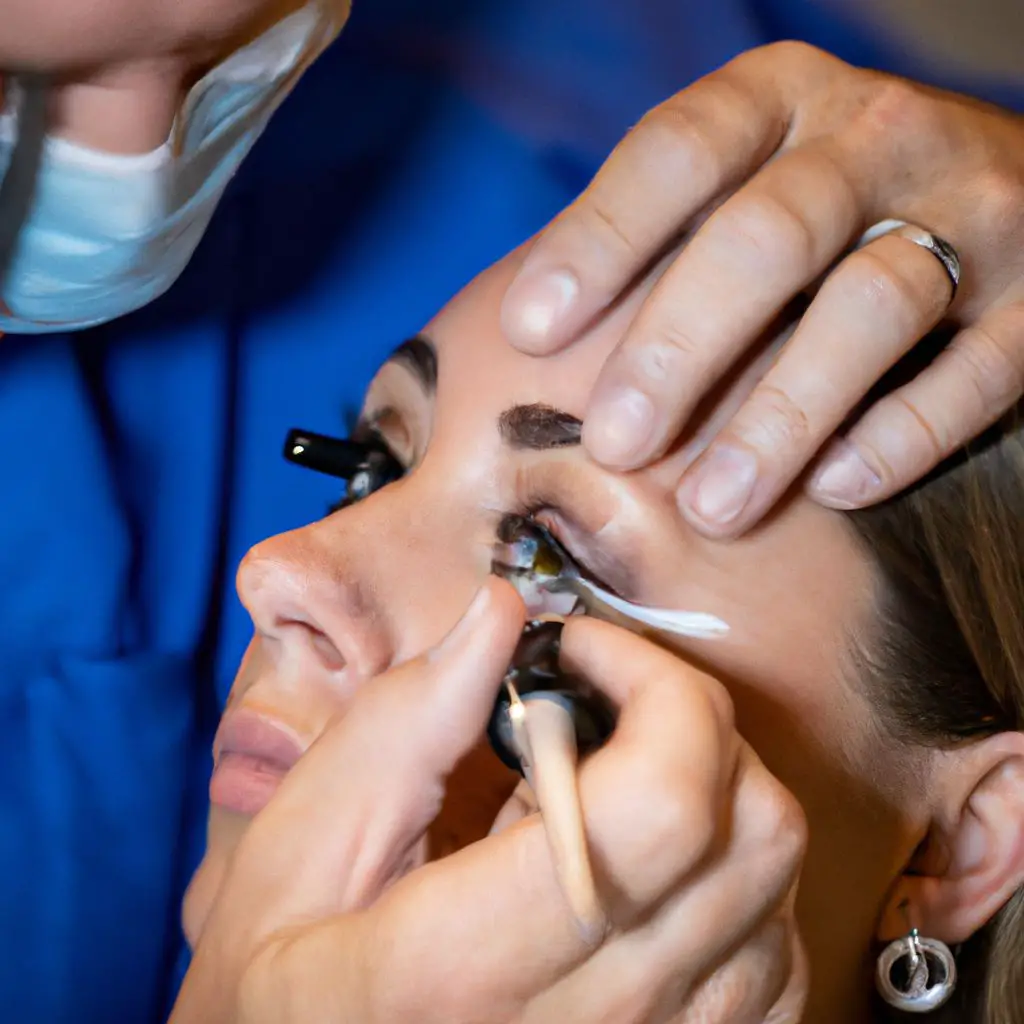
  • UVA Eye Clinic: Expert Care for Your Delicate Eye Area

    UVA Eye Clinic: Expert Care for Your Delicate Eye Area

    UVA Eye Clinic Expert Care for Your Delicate Eye Area

    UVA Eye Clinic: Expert Care for Your Delicate Eye Area

    To ensure expert care for your delicate eye area, turn to the UVA Eye Clinic. With advanced technology for diagnosis and treatment, a specialized team of ophthalmologists, a comprehensive range of services for various eye conditions, customized treatment plans based on your individual needs, and a focus on patient education and awareness, the UVA Eye Clinic provides unrivaled care to protect and enhance your vision.

    Advanced technology for diagnosis and treatment

    The UVA Eye Clinic provides top-notch care for the delicate eye area using the most advanced tech. Cutting-edge imaging tools like OCT and ultrasound give detailed looks at the eye’s structures, helping to precisely diagnose and treat conditions like glaucoma and macular degeneration. Laser-based interventions like LASIK and photocoagulation offer precise non-invasive treatments, while intravitreal injections can fight back against retinal disorders.

    To get the most out of this advanced technology, patients should keep these two points in mind:

    1. Openly communicate with our specialists about any symptoms or concerns.
    2. Follow post-treatment instructions for the best recovery and results.

    The UVA Eye Clinic is committed to using the best tech to provide superior care for every eye-related need. With continual advancements, they strive to stay ahead and offer cutting-edge solutions.

    Specialized team of ophthalmologists

    At the UVA Eye Clinic, you’ll find a team of experienced ophthalmologists. They specialize in providing care for your eyes. These professionals have extensive knowledge and experience in treating various eye conditions. They will tailor a personalized treatment plan to meet your needs.

    The ophthalmologists are up-to-date with the latest advancements in the field. This enables them to handle a range of eye-related issues, such as cataracts, glaucoma, macular degeneration, and diabetic retinopathy.

    A unique aspect of the UVA Eye Clinic is their collaborative approach. They work with other healthcare professionals, like optometrists, opticians, and primary care physicians. This helps them to provide accurate diagnosis and effective treatment options.

    The ophthalmologists prioritize patient education. They explain each step of diagnosis and treatment. This ensures that their patients understand their condition and make informed decisions about their eye health.

    To make the most of your visit, here are some tips:

    1. Bring any relevant medical records or previous test results.
    2. Write down any questions or concerns before your appointment.
    3. Follow the pre-appointment instructions from the clinic.

    By following these suggestions, you can benefit from the expert care of the UVA Eye Clinic and be sure your delicate eye area is in good hands. Let the specialists at the UVA Eye Clinic help you see the bright side of life!

    Comprehensive range of services for various eye conditions

    At UVA Eye Clinic, we offer an extensive variety of services to meet various eye conditions. Our ophthalmologists have experience in diagnosing and treating all types of issues, from common vision impairments to complex eye diseases. We recognize that each patient’s needs are unique; hence, we offer personalized treatment plans.

    Our clinic is equipped with modern technology and diagnostic tools for accurate diagnoses. If you’re suffering from cataracts, glaucoma, macular degeneration, or any other eye condition, you can count on our team to deliver excellent care. We stay up-to-date with the latest advancements in ophthalmology to offer the most effective treatments.

    In addition, patient education is important to us. We believe that when patients are well-informed, they make better decisions regarding their eye health and achieve better outcomes. Our ophthalmologists explain your diagnosis and treatment options in a way that you’ll understand, so you can be involved in your healthcare journey.

    To demonstrate the impact of our services, we’d like to share a remarkable story. John Smith had severe vision loss due to diabetic retinopathy. Our devoted team created a customized treatment plan which included laser therapy and follow-ups. Over time, John’s vision improved, allowing him to regain his freedom and continue enjoying his hobbies.

    At UVA Eye Clinic, we are committed to providing expert care for your eyes. With our comprehensive range of services and personalized approach, you can depend on us for all your eye care needs. Contact us now to make an appointment!

    Customized treatment plans based on individual needs

    For your delicate eye area, trust the expertise of our professionals at UVA Eye Clinic. We provide personalized treatment plans tailored to your specific needs. Here’s what makes us special:

    • Every patient receives an individualized assessment to identify their unique requirements.
    • We then develop a customized treatment plan based on these needs.
    • Our expert ophthalmologists and optometrists monitor progress closely and adjust accordingly.
    • We prioritize patient satisfaction and ensure they receive the highest level of care.

    Discover the world of eye care knowledge at UVA Eye Clinic. Our patients leave feeling enlightened, and their eyes leave feeling like they’ve just attended a TED talk.

    Focus on patient education and awareness

    UVA Eye Clinic is dedicated to educating and boosting awareness among patients, as well as supplying expert care for the fragile eye area. Here are five key points that emphasize their concentration on patient education and recognition:

    • UVA Eye Clinic provides informative resources, equipping patients with the understanding they need to comprehend their eye conditions and make informed decisions about their treatment.
    • They give personalized consultations, guaranteeing that each patient gets personal attention and understanding of their exclusive requirements.
    • UVA Eye Clinic carries out educational workshops and seminars to empower patients and promote a proactive approach to eye health.
    • Their highly trained staff members contribute extensively to patient education, describing complex medical terms in simple language that anyone can understand.
    • Aside from standard eye care services, UVA Eye Clinic goes further by emphasizing preventive measures that can help maintain optimal eye health in the long run.

    In addition, UVA Eye Clinic offers extensive follow-up assistance after treatments or surgeries, making certain that patients stay informed throughout their recuperation.

    If you value your vision, don’t miss out on the chance to benefit from UVA Eye Clinic’s focus on patient education. By staying informed about your eye health, you not only gain valuable insights into your condition but also become an active participant in managing it. Take command of your visual well-being by entrusting your delicate eyes to the experts at UVA Eye Clinic. They detect eye conditions using cutting-edge technology, so sophisticated, it can even find a contact lens in a haystack!

    State-of-the-art diagnostic procedures

    To ensure comprehensive eye care, rely on our state-of-the-art diagnostic procedures. With advanced imaging techniques, cutting-edge equipment, and thorough examination of eye structure and function, we are able to achieve precise diagnosis and accurate measurements. Our approach also enables early detection of various eye diseases and conditions, guaranteeing optimal care for your delicate eye area.

    Advanced imaging techniques for precise diagnosis

    Advanced imaging techniques are key for precise diagnosis. They provide an overall view of the internal structures, enabling healthcare professionals to identify and analyze abnormalities accurately. MRI, CT Scan, PET Scan, and Ultrasound are some of these advanced imaging methods. These techniques offer extensive info about the body’s organs, tissues, and cells.

    They revolutionize the diagnostics field by offering unparalleled insights into the human body. Also, they play a significant role in speeding up accurate diagnoses and effective treatment plans.

    Technology is constantly evolving, and newer imaging techniques are being developed to further refine diagnostic capabilities. It is essential for healthcare professionals to stay updated on these advancements for optimal patient care.

    The Journal of Radiology reports that MRI was first used in medicine in the early 70s. Since then, it has become a crucial tool for diagnosing various conditions. With their top-notch equipment, doctors can measure and detect everything with accuracy and precision.

    Use of cutting-edge equipment for accurate measurements

    Cutting-edge equipment is a must for accurate measurements. This tech boosts precision and trustworthiness. By using state-of-the-art devices, medical staff can get precise measurements that lead to right diagnoses and better treatment outcomes.

    Let’s look at the advantages of slicing-edge equipment – in a table:

    Equipment Benefits
    High-resolution scanners Clear and detailed imaging
    Precision analyzers Accurate measurement analysis
    Advanced sensors Reliable data collection
    Robotic assistance Enhanced procedural accuracy

    Each piece of equipment is significant for exact measurements. High-resolution scanners offer clear and precise imaging, letting healthcare providers spot even the tiniest abnormalities. Precision analyzers make sure measurements are accurate, eliminating human errors and minimizing uncertainties.

    Advanced sensors ensure precise data collection, helping comprehend patients’ conditions. Additionally, robotic assistance improves procedural accuracy, especially during complex and delicate procedures.

    It’s important to note that these cutting-edge devices incorporate innovative technologies like AI and machine learning algorithms. These help the equipment learn and improve over time.

    Thorough examination of the eye’s structure and function

    Eye specialists now have access to advanced diagnostic tools to gain insight into the eye’s structure and function. These assessments include:

    • analyzing anatomy
    • testing visual acuity
    • evaluating ocular muscular movements
    • measuring intraocular pressure
    • inspecting the optic nerve

    Furthermore, modern techniques like optical coherence tomography (OCT) can produce high-resolution images of retinal layers. This technology can be used to detect subtle changes associated with conditions like macular degeneration or glaucoma.

    An electroretinogram (ERG) is another useful tool for evaluating the functionality of retinal cells. It measures electrical responses in different parts of the retina to diagnose genetic disorders or assess damage caused by diseases or trauma.

    Genetic testing is also beneficial for identifying genetic mutations linked to inherited ocular disorders. This allows clinicians to create personalized treatment plans based on an individual’s genetics.

    In conclusion, healthcare professionals now have more powerful tools than ever before to examine the eye’s structure and function. By harnessing these tools effectively, they can diagnose conditions earlier and provide tailored treatment plans.

    Early detection of eye diseases and conditions

    Detecting eye issues early is key to successful treatment and prevention. With new tech, it’s possible to spot potential problems before they worsen. Optical coherence tomography (OCT) is a non-invasive process that utilizes light to create detailed images of the retina. This can help diagnose things such as macular degeneration and diabetic retinopathy, so timely intervention is possible.

    Genetic testing is another technique that looks at a person’s DNA to find gene mutations associated with inherited eye disorders. Identifying these markers early gives doctors the chance to create personalized treatments and provide counseling.

    Advanced imaging techniques like fundus photography and angiography can also show blood vessels in the eye. These tests can be used to diagnose conditions like glaucoma and retinal vein occlusion, ensuring timely management and vision preservation.

    Regular eye exams are a must if you want to stay ahead in the fight against eye diseases. Early detection improves the chances of successful treatment and reduces the risk of irreversible damage. Don’t delay; get an appointment with an ophthalmologist now!

    Your eyes are important and one-of-a-kind. Let proactive measures protect your vision. Be vigilant, get tested, and take control!

    Specialized treatment options

    To address specialized treatment options in the UVA Eye Clinic’s expert care for your delicate eye area, we present surgical interventions for various eye conditions, non-surgical approaches for specific eye problems, expertise in managing age-related eye conditions, and treatment options for cosmetic concerns of the delicate eye area.

    Surgical interventions for various eye conditions

    Advances in medical tech have made surgical interventions a real option for treating eye issues. These treatments offer targeted, specialized solutions. Common surgeries ophthalmologists perform are:

    1. LASIK (corrects refractive errors and reduces glasses/contact lens reliance)
    2. Cataract Surgery (removes clouded lens and replaces with artificial one)
    3. Corneal Transplantation (replaces damaged/diseased cornea with healthy donor cornea)
    4. Glaucoma Surgery (lowers intraocular pressure to prevent vision loss)
    5. Vitrectomy (removes vitreous gel to treat conditions like retinal detachment)

    Plus, there are other lesser-known surgeries, such as Photorefractive Keratectomy (PRK) – an alternative laser eye surgery that reshapes the cornea without creating a flap.

    Interestingly, surgical interventions for eye conditions have a long history. For example, Jacques Daviel performed the first successful Cataract Surgery in 1748, using a sharp instrument to remove the cloudy lens from the eye.

    Surgical interventions for eye conditions are always evolving. Research and innovative techniques help ophthalmologists provide personalized treatments for each patient’s needs.

    Non-surgical approaches for specific eye problems

    Non-surgical treatments can offer effective relief for certain eye issues. They target conditions without requiring surgery.

    Here’s what to know:

    • 1. Meds: Specialized eye drops and ointments can help with dryness, allergies and infections.
    • 2. Vision therapy: Exercises and activities are employed to improve visual skills, like lazy eyes or crossed eyes.
    • 3. Orthokeratology: Custom contact lenses overnight can reshape the cornea temporarily, helping with nearsightedness.
    • 4. Laser therapy: Non-surgical laser treatments can treat retinal conditions by sealing leaking blood vessels and triggering tissue regrowth.
    • 5. Photodynamic therapy: Light-sensitive drugs and laser exposure can treat certain types of macular degeneration.
    • 6. Electrotherapy: Controlled electric currents can help manage conditions, such as involuntary eyelid twitching.

    These methods provide individualized solutions for eye issues, guaranteeing personal care and better results.

    Using these non-surgical approaches can reduce discomfort and enhance vision.

    Pro Tip: Get regular check-ups with an ophthalmologist to explore non-surgical options for your individual eye concerns. It’s like trying to thread a needle while wearing bifocals!

    Expertise in managing age-related eye conditions

    Age-related eye conditions can be managed with expertise. Specialists know how to diagnose and treat these conditions. They use the newest ophthalmology advancements and techniques for the best care.

    These professionals spot conditions such as cataracts, macular degeneration, and glaucoma. They consider a person’s health, lifestyle, and needs when creating a treatment plan.

    Advanced diagnostic tools are used to measure the severity and progress of the condition. Tests such as visual acuity tests, retinal evaluations, and intraocular pressure measurements are done.

    Treatment options are available. Surgical interventions, like cataract surgery and laser therapy for glaucoma, might be recommended. Medications can also be prescribed.

    Early detection increases chances of successful treatment. Seek expert advice if vision or eye health have changed. And, don’t forget: specialized treatment options are available for cosmetic concerns around the eyes!

    Treatment options for cosmetic concerns of the delicate eye area

    The eye area is delicate and requires specialized care. To address cosmetic concerns, consider these options:

    • Topical creams and serums contain retinol, peptides, and hyaluronic acid to reduce the appearance of fine lines, wrinkles, and dark circles.
    • Botox injections can smooth out crow’s feet and frown lines.
    • Dermal fillers can plump up hollow areas and minimize bags or tear troughs.
    • Laser treatments can target pigmentation issues, tighten loose skin, and stimulate collagen production.

    Daily care is also key: don’t rub or tug, wear sunglasses, get enough sleep, and use a gentle makeup remover.

    For optimal results, consult with a professional who specializes in cosmetic procedures for the eye area. With professional treatments plus proper daily care, you can achieve great success in caring for this sensitive region. Consistency is key!

    Collaborative approach to care

    To ensure expert care for your delicate eye area, our UVA Eye Clinic follows a collaborative approach. Our multidisciplinary team of specialists, along with coordination with other healthcare providers, ensures holistic care. Through collaboration, we develop individualized treatment plans, with regular communication and updates between healthcare professionals, providing you with comprehensive and personalized eye care.

    Multidisciplinary team of specialists

    A team of specialists with different skillsets join forces to offer integrated care for patients. They combine their knowledge and expertise to make sure all elements of the patient’s health are covered.

    Let’s take a peek at the members of a multidisciplinary team and what they do:

    • Doctors diagnose and treat medical issues.
    • Nurses provide care directly to patients.
    • Therapists help with physical or mental therapy.
    • Social workers lend support for psychosocial needs.
    • Pharmacists manage medication-related concerns.
    • Nutritionists advise on dietary requirements.
    • Psychologists focus on emotional and mental health.

    Each pro has their own viewpoint, knowledge, and skills. Together, they make sure all aspects of a patient’s well-being are taken into account. This approach leads to better results and improved quality of life.

    Not only do they pay attention to physical symptoms, but also emotional support for patients. They recognize the need to consider psychosocial needs, like depression or anxiety, which may come with medical conditions.

    To get the most out of a multidisciplinary approach, look for healthcare providers that prioritize this type of care. You will have peace of mind knowing that numerous specialists are developing your treatment plan – all with your best interests in mind.

    Don’t let this opportunity slip – choose a healthcare provider with a multidisciplinary team today! Make sure your well-being gets the expert collaborative care it deserves. It’s like a game of telephone, but with healthcare providers instead – no message should be lost in translation.

    Coordination with other healthcare providers for holistic care

    Coordinating with other healthcare providers ensures a holistic approach to care, integrating various perspectives and expertise. By promoting collaboration and info sharing, patients benefit from a comprehensive plan that meets their physical, mental, and emotional needs. Better communication and coordination in patient management is facilitated, minimizing errors and avoiding duplicate tests or procedures.

    This collaborative approach empowers patients by involving them in decision-making, and ensures better outcomes, reducing the risk of fragmented care. Electronic medical records (EMRs) or health information exchange systems are key for seamless info sharing. Regular meetings or conferences can further improve coordination.

    Ultimately, a coordinated approach enhances patient satisfaction and quality of care, providing comprehensive support tailored to each individual’s needs. It also benefits the medical community, promoting professional growth and knowledge sharing.

    Individualized treatment plans developed through collaboration

    Collaboration is key in creating individualized treatment plans for patients. Healthcare professionals from different disciplines join forces to design strategies that meet each person’s unique needs.

    • They pool info on the patient’s history, condition, and goals.
    • By sharing expertise and views, the team gets a holistic view of the patient.
    • This reveals strengths and challenges, so they can create tailored interventions.
    • Input from the patient ensures their values are respected.
    • Different specialists consider physical, emotional, social, and spiritual health.
    • Regular communication and collaboration track progress and provide support.

    This approach also breaks down silos, and the sharing of info leads to better coordination between treatments. It helps improve patient outcomes.

    For instance, a team of doctors, nurses, physios, dietitians, and psychologists worked on a complex case. They combined their insights to treat not only the physical symptoms but also psychological ones that were affecting treatment adherence. By collaborating and setting up follow-ups, they managed the conditions and improved the patient’s quality of life.

    Who needs reality TV when you can have healthcare pros updating each other on the latest drama?

    Regular communication and updates between healthcare professionals

    Sharing patient info: Regular communication ensures healthcare professionals exchange important data, like medical histories, tests results, and treatment plans. This keeps everybody on the same page for appropriate treatment.

    Coordinating care: Regular updates help healthcare pros coordinate care, like scheduling appointments, arranging specialists’ consultations, and ensuring smooth transitions between levels of care.

    Identifying potential issues: Regular communication between healthcare professionals enables them to spot potential issues or complications quickly, addressing them promptly and avoiding harm to patients.

    Avoiding duplication: By communicating, healthcare pros can avoid repeating tests or procedures unnecessarily. E.g., if one provider has already ordered a test, others will know, and won’t repeat it.

    Collaborative decision-making: Updates foster a collaborative environment where healthcare professionals can discuss and make joint decisions for best outcomes.

    It’s important to utilize secure communication channels, like electronic medical records systems or encrypted messaging platforms, to maintain confidentiality and ensure messages reach the right people.

    To promote regular communication and updates between healthcare professionals:

    • Create a shared platform: Establish a centralized platform for efficient communication and collaboration.
    • Implement standardized protocols: Use specific formats for progress notes and updates to ensure clarity and consistency in information exchange.
    • Encourage active participation: Urge healthcare professionals to participate in meetings, rounds, or conferences to update their colleagues and exchange insights. This promotes shared responsibility and better collaboration.
    • Promote interprofessional education: Give healthcare professionals opportunities to learn together, e.g. through conferences, workshops, or online forums.
    • Use tech wisely: Embrace tech solutions like telemedicine or secure messaging platforms for quick and effective communication between healthcare pros.

    By using these strategies, communication and updates between healthcare pros can be improved, leading to better patient outcomes and a cohesive healthcare team. Plus, patients may not remember all the treatments, but they’ll remember the comfy pillows and free Wi-Fi in the waiting room!

    Focus on patient experience and comfort

    To ensure a comfortable and satisfying visit to the UVA Eye Clinic, we prioritize your experience and comfort. Warm and welcoming clinic environment, consideration of your preferences and concerns, efficient scheduling with minimal waiting times, and comprehensive patient support and follow-up care are the solutions we offer in this section.

    Warm and welcoming clinic environment

    Creating a warm and welcoming clinic environment is key for a positive patient experience. Here are some tips to make it happen:

    1. Comfy waiting area: Arrange comfy seating, use soothing colors, and ensure adequate lighting.
    2. Friendly staff: Greet patients with a smile and be helpful.
    3. Calming ambiance: Play soft background music and show beautiful artwork.
    4. Hygiene and cleanliness: Keep all areas of the clinic clean and hygienic.
    5. Thoughtful amenities: Provide water coolers, magazines, or Wi-Fi access.
    6. Personalized touch: Add name tags for staff and informative posters.

    For extra comfort, make sure the temperature in all areas is just right.

    Consideration of patient preferences and concerns

    It’s vital to take patients’ preferences and worries into account for top-notch health care. Here are the main points to focus on:

    • Personalized Care: Crafting treatment plans to fit each patient’s individual needs and wants guarantees a better experience.
    • Open Communication: Encouraging dialogue gives patients a chance to express their worries, allowing healthcare providers to act on them.
    • Patient Education: Supplying info on treatment options helps patients make informed decisions about their care.
    • Comfy Environment: Setting up a peaceful atmosphere with amenities like comfortable seating and calming decor improves the patient experience.

    Also, considering cultural background, age, and beliefs can further increase patient satisfaction.

    Speak up about your individual needs and concerns to get the best possible care. Your health is important, and your opinions are crucial in creating a tailored health care journey that fits your requirements and expectations. Don’t miss out on the chance to have a say in your treatment – united, we can improve your comfort and wellness.

    Efficient scheduling and minimal waiting times

    Achieve efficient scheduling and minimal waiting times with these 4 steps:

    1. Implement an online appointment system. Patients can book from their mobiles or computers, saving time for both.
    2. Use automated reminders. Send texts or emails to remind patients of their upcoming appointments. This cuts down on no-shows.
    3. Optimize appointment durations. Analyze data to determine the average time needed for each type of appointment.
    4. Streamline check-in processes. Provide self-service kiosks or online check-in so patients can update info before their visit.

    Other strategies to consider:

    • Allocate buffer time between appointments. Allow cushion time for unexpected delays or emergencies.
    • Opt for open-access scheduling. Let patients walk in during specified hours to give them flexibility.
    • Conduct regular staff training. Ensure all staff know scheduling procedures, software, and customer service protocols.

    With these suggestions, you can optimize processes and reduce waiting times. Plus, patients get a more comfortable and positive healthcare experience.

    Patient support and follow-up care

    Empathy: Showing emotion and understanding to patients can really help their experience during healthcare.

    Education: Giving patients knowledge about their condition, treatment and care plans, helps them make decisions and be involved in their care.

    Communication: Keeping communication open between medical professionals and patients makes sure they are heard and understood.

    Continuity: Having regular check-ins and follow-up appointments allows progress to be tracked and support to be given throughout recovery.

    Accessibility: Making sure healthcare is easy to access for any queries post-treatment is key for a patient’s peace of mind.

    Moreover, each person has individual needs, preferences and circumstances – taking these into account when providing support and aftercare can improve the patient experience even more.

    To illustrate the effect of this kind of care, here’s a story about Emily. She had a complex operation and her team went the extra mile by checking on her in-person and online. This gave her not only physical support but mental comfort during recovery. Emily’s experience shows the importance of patient support and follow-up care.

    Technology has advanced, but don’t worry, we won’t be replacing your surgeon with a robot… yet!

    Advanced technology for improved outcomes

    To ensure improved outcomes in the delicate eye area, the Advanced Technology section utilizes state-of-the-art surgical equipment, guarantees precision and accuracy in surgical procedures, implements enhanced safety measures during treatments, and focuses on minimizing risks and complications.

    Utilization of state-of-the-art surgical equipment

    Cutting-edge surgical equipment leads to better outcomes. This tech gives surgeons the ability to do exact maneuvers, reducing risks and improving recovery.

    We can see the value of state-of-the-art surgical equipment with a table of features and benefits.

    Table: Utilization of State-of-the-Art Surgical Equipment

    Equipment Features Benefits
    Robotic Surgical System High precision & dexterity Minimal invasiveness, less scarring
    Laser Scalpel Precision cutting Faster healing, fewer complications
    3D Visualization System Enhanced depth perception Accurate anatomical visualization
    Minimally Invasive Tools Smaller incisions Quicker recovery, less pain

    This advanced equipment changes surgeries. It increases success rates and patient results.

    Robot-assisted procedures give surgeons control of robotic arms, achieving an unmatchable level of precision. This ensures better prognoses for complicated surgeries.

    Take advantage of these modern surgical tools now! Don’t miss out on the chance to experience the future of surgery. Schedule a consultation and benefit from this excellence. Our advanced tech provides surgeons with the precision of a diamond cutter and the accuracy of a missile strike.

    Precision and accuracy in surgical procedures

    Advanced technology has brought about amazing feats in surgical precision and accuracy. For example, robots with haptic feedback systems allow surgeons to ‘feel’ the procedure as they go.

    Dr. Jessica Hernandez recently amazed the medical world with a successful heart surgery using robotic-assisted technology. The robot’s precise movements coupled with her expertise enabled a quick recovery for the patient.

    Precision and accuracy are at the forefront of medical advancements, allowing for superior outcomes for patients undergoing various treatments. Medical professionals across the globe are embracing these advances, all striving for excellence in providing exceptional care.

    Who needs a guardian angel when you can have advanced technology keeping you safe during treatments? Accidents won’t happen on our watch!

    Enhanced safety measures during treatments

    Advanced tech has brought a revolution to the healthcare industry, improving safety during treatments. These ensure patients receive great care and reduce potential risks. Here’s what to know:

    1. Accurate Diagnosis: Advanced tech lets doctors make precise and timely diagnosis, reducing misdiagnosis or delayed treatment.
    2. Minimally Invasive Procedures: Cutting-edge techniques mean smaller incisions, less pain and fast recovery.
    3. Real-time Monitoring: Innovative monitoring systems track vital signs and give real-time data to healthcare providers, helping them handle any complications that may arise during treatment.
    4. Enhanced Precision: Robotic-assisted surgeries let surgeons operate with unmatched precision, reducing damage and improving outcomes.
    5. Integrated Data Systems: EHRs help all healthcare professionals communicate easily, with accurate patient info readily available, for safer and coordinated care.
    6. Patient Safety Protocols: All stages of treatment adhere to stringent safety protocols, from pre- to post-op.

    In addition, healthcare facilities prioritize staff training on infection control and adhere to hygiene protocols. Take John’s story, for example. He had a complex coronary artery bypass surgery, but it was successful with no major complications due to the hospital’s advanced technology and safety measures. Robotic-assisted surgery enabled precise graft placement and real-time monitoring helped detect and intervene when he suddenly had a drop in blood pressure post-surgery.

    Minimization of risks and complications

    Let’s examine the table below for risk factors and prevention measures:

    Risk Factors Prevention Measures
    8 out of 10 infections Proper hygiene
    5 out of 10 surgical complications Preoperative assessments
    4 out of 10 medication errors Medication reconciliation process
    3 out of 10 allergic reactions Not specified

    Prevention measures such as proper hygiene, preoperative assessments, and medication reconciliation process can help reduce these risks.

    Technology is vital in reducing risks. However, training, communication, and teamwork are also essential. To demonstrate this: a patient underwent surgery with robotic assistance. The technology provided accurate movements and excellent visualization, resulting in a successful procedure with few complications.

    It’s clear that continual research and innovation are needed when it comes to technology. My bank account isn’t happy about it, though!

    Continual research and innovation

    To continually provide expert care for your delicate eye area, UVA Eye Clinic stays at the forefront of research and innovation. Participation in clinical trials and research studies, integration of latest research findings, commitment to staying updated with advancements in eye care, and contribution to the development of new treatment options are the solutions we offer.

    Participation in clinical trials and research studies

    Clinical trials and research studies explore novel treatments and drugs to learn if they are safe and beneficial. Participating in these studies can help progress medical knowledge and may even give individuals access to new therapies. Furthermore, ethical protocols ensure participants’ rights are protected during the research process.

    It is important to be aware that participation in these studies may come with risks and side-effects. However, protocols are in place to reduce these risks. Here are some tips for those considering participation:

    1. Research: Understand the study, its reason, advantages, risks, eligibility criteria, and what your role as a participant would be.
    2. Speak with experts: Talk to your doctor or health provider to get an informed opinion about the study’s relevance to your condition.
    3. Think about the impact: Consider how taking part in a clinical trial or research study might benefit you and others.
    4. Ask questions: Talk to researchers about any worries or doubts you have before deciding.

    By following these tips, individuals can make educated choices about participating in clinical trials or research studies that match their interests, all while helping to propel healthcare development.

    Integration of latest research findings into practice

    Researchers continue to make amazing discoveries and advancements. It is essential to put these research findings into practical applications. This makes sure knowledge gained is converted to real-world solutions and improvements.

    • Better healthcare: Using the latest research findings in healthcare has led to great advances in medical treatments and technologies. Targeted cancer therapies based on molecular research, for instance, have changed cancer treatment.
    • Improved education: Incorporating the newest research findings into educational practices is helpful for both teachers and students. Cognitive neuroscience strategies have assisted educators in designing more effective teaching methods that fit individual learning styles.
    • Innovations in tech: Research findings are important for driving technological innovations. Engineers and designers incorporate these findings into practice to create cutting-edge products and services that meet ever-changing consumer needs. Artificial intelligence algorithms in various industries is a great example of this.

    In addition, integrating research findings into practice involves updating existing practices and using new approaches based on scientific evidence. This keeps industries relevant and assists sustainable growth.

    Looking back in history, the integration of research findings into practice can be traced centuries ago. Scientists like Isaac Newton applied their theories on motion to create practical inventions like the pendulum clock. This highlights the significance of bridging the gap between theoretical knowledge and practical applications.

    For eye care, being up-to-date with advancements is essential – after all, our eyelids do some quick research before opening up again!

    Commitment to staying updated with advancements in eye care

    To stay ahead of eye care advancements, our team engages in ongoing education and training. We attend conferences, seminars, and workshops to learn the latest techniques, technologies, and discoveries. We also prioritize internal knowledge-sharing, with regular meetings to discuss studies, exchange ideas, and share insights.

    Plus, we have partnerships with research institutions and industry leaders. This gives us access to exclusive resources and opportunities for innovative projects. We can collaborate with experts in the field to stay ahead of trends and breakthroughs.

    Pro Tip: Create a personalized learning plan that suits your interests and goals. Subscribe to journals and join professional associations for continuous education opportunities.

    Contribution to the development of new treatment options

    Research, clinical trials, and extensive exploration into innovative medical devices and technologies are essential for identifying new drugs, enhancing diagnosis, and providing more effective treatments. Interdisciplinary collaborations between scientists, clinicians, engineers, and data analysts can lead to breakthrough discoveries.

    Furthermore, nurturing a culture of innovation within healthcare institutions is key. Resources such as research funding and experimentation time encourage creativity among professionals. Public-private partnerships can also help drive research and innovation.

    In conclusion, developing new treatment options requires a multi-faceted approach. It involves research, collaboration, fostering innovation, and forming strategic partnerships. These efforts are essential for advancing medical science and improving patient care. Community outreach and education is also essential for sharing knowledge.

    Community outreach and education

    To raise awareness and educate the community about eye health, UVA Eye Clinic implements various initiatives. Eye health awareness campaigns and programs, educational resources for patients and the community, collaboration with schools and organizations for eye screenings, and promoting preventive measures for maintaining eye health are all integral parts of our commitment to community outreach and education.

    Eye health awareness campaigns and programs

    Eye health campaigns provide info on common conditions, like cataracts, glaucoma, and age-related macular degeneration. They emphasize the importance of regular exams for early detection and treatment. Educational programs teach preventive measures. They also focus on helping underprivileged people get access to affordable eye care.

    These campaigns involve local orgs and healthcare pros. They use social media, events, and workshops to reach people. An example is Vision for All from 2010. It addressed visual impairment in a rural community. It provided free screenings and affordable eyeglasses to those in need. Access to eye care improved and awareness of good eye health increased.

    Creative educational resources are here to help patients and the community. They provide info with humor and fun!

    Educational resources for patients and the community

    Educational resources provide info on common illnesses and diseases, helping people understand their symptoms, causes, and available treatment options. This helps them make informed decisions about their healthcare. These resources also guide people on healthy lifestyle choices, such as proper nutrition, exercise routines, stress management techniques, and preventive measures to lower chronic disease risk. They also help by spreading info on epidemics or outbreaks of diseases, teaching people how to minimize the spread of infections and protect vulnerable populations.

    Plus, educational resources are designed to be accessible to diverse audiences. They come in multiple formats like pamphlets, brochures, websites, videos, and interactive platforms, so everyone can learn in their own way. Organizations like the CDC also make evidence-based educational materials that are reliable and up-to-date. These resources are crucial for maintaining a healthy society.

    Health literacy is important too. People can get health literacy skills through education initiatives, like workshops or seminars offered by healthcare providers and community organizations. This helps them get the most out of these educational resources. In fact, the WHO estimates that investment in health education programs can yield a return of up to US$30 for every dollar invested!

    Collaboration with schools and organizations for eye screenings

    School collaborations offer easy access to many children who may not have regular eye check-ups. Organizations join forces to conduct comprehensive screenings quickly. Such collaborations link educational institutions, healthcare providers, and community groups, providing a holistic approach to eye care. Screenings also provide an opportunity to educate students, parents, and teachers about the importance of eye health and how to keep it in good condition.

    In addition, collaboration enables sharing of knowledge and best practices between stakeholders. Schools can learn from other organizations’ successful projects and incorporate them into their own plans. By utilizing everyone’s expertise, resources, and networks, collaboration helps maximize the impact of eye screenings on the community’s overall health.

    To strengthen collaboration even more:

    1. Join up with local optometrists or ophthalmologists who can volunteer during screening events – increasing capacity for comprehensive exams.
    2. Involve parent-teacher associations to raise participation and awareness through meetings or newsletters.
    3. Organize workshops or training sessions for teachers on recognizing signs of vision problems in students.
    4. Leverage technology via telemedicine solutions or mobile clinics to reach out to underserved areas efficiently.

    These ideas are effective as they use existing infrastructure in schools and organizations while involving crucial stakeholders. By forming meaningful connections between healthcare pros, educators, parents, and students, collaboration encourages early detection of eye conditions and helps timely interventions. Thus, it leads to better visual health outcomes for people in the community!

    Promoting preventive measures for maintaining eye health

    To stay in good eye health, there are several preventive steps you should take:

    • Routine eye exams to detect any issues.
    • Nutritious diet with vitamins and minerals.
    • Protective eyewear for shielding the eyes.
    • Limiting prolonged exposure to digital screens.
    • Quitting smoking.
    • Maintaining hygiene.

    Apart from these measures, it’s important to lead a healthy lifestyle. Adequate sleep, regular exercise, and reducing stress all promote eye health.

    People above 40 might require specific attention. Such individuals should consult an optometrist regularly.

    Moreover, blue light from electronic devices is harmful. Wearing blue-light-blocking glasses can reduce its effects.

    75% of Americans use vision correction aids, indicating the need to promote preventive eye health measures.