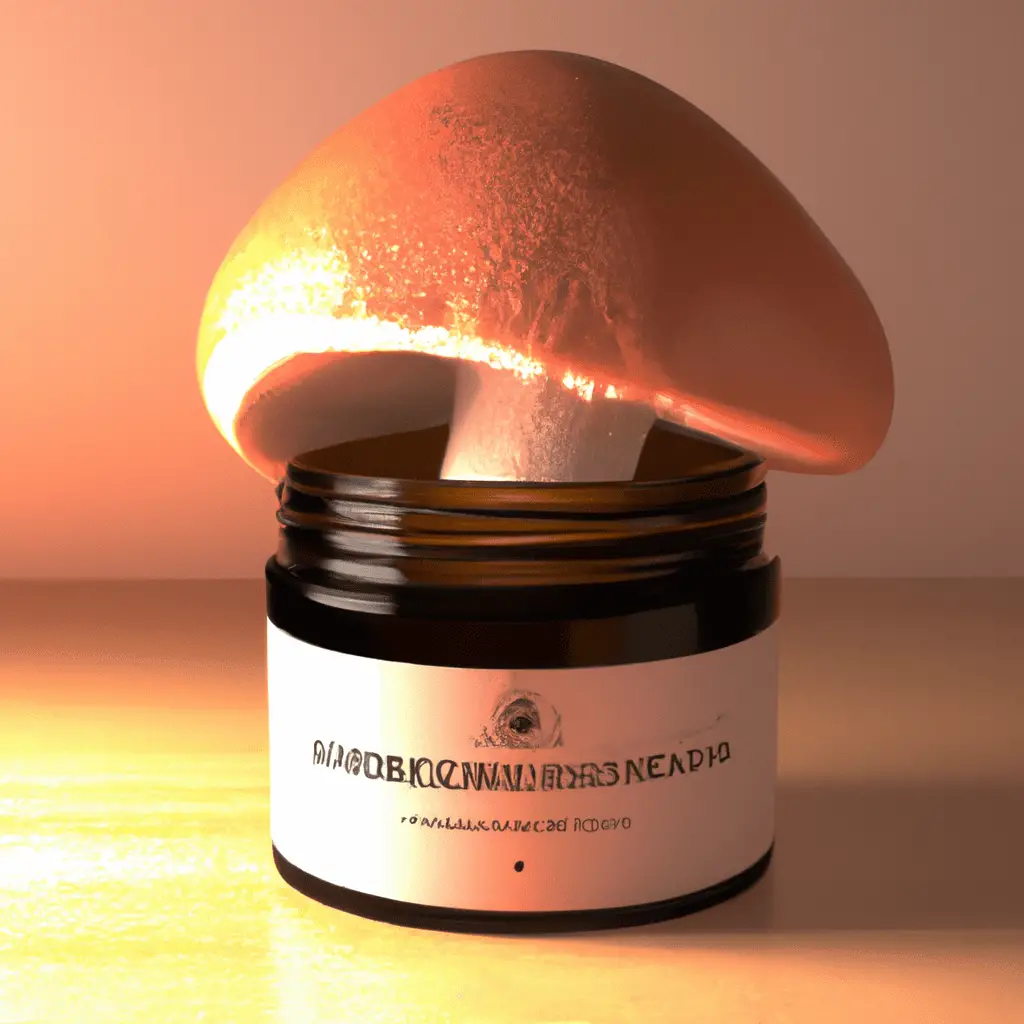
Tag: unleashing

  • Unleashing Mature Elegance: Age-Defying Skincare Tips

    Unleashing Mature Elegance: Age-Defying Skincare Tips

    Unleashing Mature Elegance AgeDefying Skincare Tips

    Essential Skincare Routine for Mature Skin

    To achieve an essential skincare routine for mature skin with the goal of unleashing mature elegance, follow these tips. Begin with cleansing and toning your skin, followed by exfoliating and moisturizing. Don’t forget to apply sunscreen and incorporate antioxidants. Lastly, include retinol in your routine for optimal results.

    Cleansing and Toning

    Cleanse and tone: the two steps crucial for mature skin in a skincare routine. These steps are vital for keeping skin clean and healthy, plus prepping it for other product application.

    1. Choose a gentle cleanser that’s made specifically for mature skin, massage it in upward circular motions, and rinse with lukewarm water.
    2. After cleansing, use an alcohol-free toner to restore your skin’s pH balance and remove any dirt or impurities. Apply it on a cotton pad and wipe it over your face, skipping the eye area, for a refreshed feeling.

    Lastly, don’t forget to moisturize! Opt for a moisturizer rich in hydrating ingredients like hyaluronic acid and ceramides.

    Exfoliate at least once or twice a week to remove dead skin cells and increase cell turnover. Be cautious not to overdo it though, as too much can irritate the skin.

    Adopt this cleansing and toning routine daily for youthful and radiant skin that will last for years to come!

    Exfoliating and Moisturizing

    Exfoliating and moisturizing are must-dos in any mature skincare routine. They reinvigorate the skin, aid cell turnover, and help keep hydration levels up for a radiant and youthful look. Here’s four points to consider:

    • Choose gentle exfoliators: Use chemical exfoliants like AHAs or BHAs that take away dead skin cells without causing irritation. Say no to harsh physical scrubs that can harm the skin.
    • Moisturize with anti-aging ingredients: Go for moisturizers with hyaluronic acid, ceramides, peptides, or retinol. These help with elasticity, reduce fine lines, and promote smoother texture.
    • Exfoliate regularly but not too much: Depending on your skin type, exfoliate 1-3 times a week. Over-exfoliation leads to dryness, redness, and sensitivity.
    • Follow the right order: Apply exfoliants after cleansing and toning. Then use a moisturizer to seal in hydration. This sequence ensures maximum effect from the products.

    To make your skincare routine even better:

    • Think about using a hydrating face mask once or twice a week. Masks with antioxidants or collagen can give moisture levels a boost and improve overall skin health.
    • Don’t forget the delicate eye area. Use an eye cream with ingredients like caffeine or peptides to target dark circles, puffiness, and fine lines.
    • Don’t go overboard: While regular exfoliation is essential, too much might disrupt the skin’s barrier function. Keep an eye on your skin’s reaction and adjust as needed.
    • Apply sunscreen daily: Protecting the skin from UV rays is key to keeping it looking youthful. Look for broad-spectrum sunscreens with an SPF of 30 or higher.

    Rejuvenate your skincare routine today and unlock your skin’s potential. Don’t miss out on the opportunity to have glowing skin that oozes confidence and vitality. Take steps to care for your mature skin and reap the rewards. Start exfoliating and moisturizing now, and get ready to be amazed!

    Remember, applying sunscreen is like wearing a Harry Potter cloak, shielding your skin from UV rays and making you look magically fabulous!

    Applying Sunscreen

    Protect your mature skin from the sun’s harmful rays – crucial for maintaining its health and youth. Follow these steps for max sun protection:

    1. Begin with a clean face and use a moisturizer made for mature skin. This provides hydration and creates a base for sunscreen.
    2. Choose a broad-spectrum sunscreen with SPF 30+. Apply generously to face, neck, and exposed areas. Don’t forget ears!
    3. Be extra careful around eyes, lips, and décolletage. Use sunscreens specifically made for these areas or a brush or sponge for precise application.

    Reapplication is key. Do it every two hours or after swimming/sweating. My friend, Susan, in her 60s, kept her complexion radiant and youthful-looking. Her secret: daily sunscreen application. Let her be an inspiration to prioritize sun protection in our skincare regimen. Sunscreen is essential for mature skin that wants to stay youthful and healthy. Antioxidants too, like a sword to fight free radicals.

    Incorporating Antioxidants

    Antioxidants are a must for mature skin care. They battle oxidative stress and keep the skin from aging too fast due to free radicals. Adding antioxidants to your day-to-day skincare is key for a healthy, young look.

    To give you a better idea of how to use antioxidants in skincare, here’s a table with some antioxidant-rich ingredients often found in skincare products:

    Ingredient Benefits
    Vitamin C Brightens skin tone & reduces pigmentation
    Retinol Stimulates collagen & reduces wrinkles
    Green tea extract Soothes inflammation & protects from UV
    Coenzyme Q10 Boosts collagen & improves elasticity

    Each of these antioxidant ingredients has something special for mature skin. Vitamin C evens out tone and decreases pigmentation, while retinol builds collagen and reduces wrinkles. Green tea extract calms inflammation and guards against UV, and Coenzyme Q10 boosts collagen and makes the skin more elastic.

    When using antioxidants for your routine, you need to pick products that fit your needs. Search for serums or creams with these ingredients to get the most out of them.

    The American Academy of Dermatology has shown that regular use of antioxidant-rich skincare can greatly improve the look and feel of mature skin.

    Ready to go back in time? Adding retinol to your skincare will have you looking like a youthful vampire!

    Including Retinol in the Routine

    Retinol, an important component for mature skin, provides lots of benefits in your skincare. It boosts collagen and reduces fine lines and wrinkles. It also evens skin tone and minimizes discoloration. It encourages cell turnover for a smoother and younger look.

    A special tip: start using it slowly to avoid skin sensitivity. Pro Tip: Retinol products are best at night, as they can make the skin more sensitive to sunlight during the day.

    Nourish your skin from within! You can’t only rely on clever comebacks to stay looking fresh and fabulous.

    Nourishing the Skin from Within

    To nourish your skin from within, Unleashing Mature Elegance: Age-Defying Skincare Tips provides a solution with the section “Nourishing the Skin from Within” and sub-sections aligned as your answer. Discover the importance of a balanced diet, explore foods rich in antioxidants, and understand the significance of hydration and water intake to unlock a mature elegance.

    Importance of Balanced Diet

    A balanced diet is key to nourish skin from within. Food we eat impacts skin health, providing essential nutrients for a healthy complexion. It is thus important to have a varied diet.

    Fruits and veggies should be the stars of your plate! Packed with vitamins, minerals and antioxidants, these natural wonders protect skin from free radical damage. Foods rich in omega-3 fatty acids like salmon and walnuts reduce inflammation and improve skin health.

    Whole grains can provide energy and essential nutrients like vitamin E. This acts as an antioxidant protecting skin from stress. Lean proteins aid collagen production, keeping skin firm and youthful.

    Hydration is vital for supple, clear skin. Drink plenty of water to flush out toxins and keep skin moisturized. Sugary drinks and excessive caffeine dehydrate and harm skin.

    Consult healthcare professional/dietician to ensure dietary choices are right for you. Being aware of what you put in your body helps achieve healthy-looking skin.

    Pro Tip: Load up on colourful fruits and veggies for their vitamins and antioxidants. These work wonders for radiant skin. No superheroes required!

    Foods Rich in Antioxidants

    Antioxidants are necessary for giving skin nutrition from within. They help battle free radicals and defend the skin from harm. Eating foods loaded in antioxidants is key for keeping healthy and glowing skin.

    Here are three major points to think about when it comes to foods with antioxidants:

    • Berries: Blueberries, strawberries, and raspberries are full of antioxidants such as vitamin C, anthocyanins, and flavonoids. These strong compounds aid in cancelling out damaging free radicals and backing up youthful-looking skin.
    • Dark chocolate: Yay for chocolate fans! Dark chocolate contains high levels of cocoa, which has antioxidants called flavonoids. The flavonoids shield the skin from sun harm and enhance its overall look.
    • Spinach: This leafy green vegetable is a powerhouse of antioxidants like vitamins A, C, and E, as well as beta-carotene. These nutrients come together to mend damaged skin cells and keep skin looking vibrant.

    In addition to these well-known choices, other less-recognized yet equally helpful foods include artichokes, pecans, and kidney beans. These foods also provide a range of antioxidants that add to skin health.

    To maximize the advantages of these antioxidant-rich foods:

    1. Include them in your daily diet regularly.
    2. Combine them with other nutritious foods for a balanced approach.
    3. Prepare or consume them in ways that keep their antioxidant properties. For instance, lightly steaming spinach instead of boiling it can help maintain its nutrient content.

    By following these recommendations and including an array of antioxidant-rich foods in your diet often, you can boost your overall health while nourishing your skin from within. And drinking water is like moisturizing your insides, so drink up and stay hydrated for that glowing skin – just make sure you can still fit into your favorite jeans!

    Hydration and Water Intake

    Staying hydrated is essential for healthy skin. Adequate water intake nourishes the skin and helps it glow. Here are key points to consider:

    • Drink 8 glasses of water a day.
    • Sip water throughout the day.
    • Check your urine color.
    • Try herbal teas and infused waters.
    • Eat fruits and veg with high water content.

    It’s not only good for skin, but overall health too. Hydration helps regulate body temperature, aids digestion and transports nutrients. Here’s how to enhance hydration and improve skin health:

    • Add citrus or herbs to water for flavor.
    • Set reminders or create a schedule.
    • Carry a reusable water bottle with you.

    Well-hydrated skin looks plump, smooth and youthful. So keep it nourished with adequate water intake – and be a dermatologist on a microscopic scale!

    Targeting Specific Skin Concerns

    To address specific skin concerns, target them with focused solutions. Combat wrinkles and fine lines, deal with age spots and hyperpigmentation, address dryness and loss of elasticity, and treat under-eye circles and puffiness. Each sub-section will provide actionable tips tailored to the respective concern, helping you unleash a mature elegance that defies age.

    Combatting Wrinkles and Fine Lines

    Tired of wrinkles and fine lines? Don’t worry! There are plenty of effective solutions to help you achieve smooth, youthful skin.

    Anti-aging creams are formulated to target signs of aging such as collagen loss and skin dehydration. Incorporating these creams into your routine can reduce wrinkles and lines over time.

    Or try non-invasive cosmetic procedures like Botox or dermal fillers for quick results. These treatments can give you a refreshed, rejuvenated look without any downtime.

    In addition, facial exercises are a natural way to combat wrinkles. These movements help strengthen facial muscles, providing firmer and more youthful-looking skin.

    Don’t let wrinkles and fine lines hold you back from feeling confident. Take action today and start addressing your skin concerns. Achieve smoother skin free from wrinkles and lines and regain your confidence!

    Dealing with Age Spots and Hyperpigmentation

    Age spots and hyperpigmentation can be a source of frustration. These dark patches appear on the face, hands, and other parts of the body. They are caused by an overproduction of melanin, the pigment that gives our skin color. Sun exposure, hormonal changes, and genetics can affect this.

    Treatments for age spots and hyperpigmentation include topical creams or serums with hydroquinone or kojic acid. They reduce melanin production in the skin to help fade these dark spots. Laser therapy is another option. It disperses excess melanin with light energy.

    Prevent further damage by wearing sunscreen, avoiding sun exposure, and regularly exfoliating and moisturizing. Take action today to target these issues and reveal a more even-toned complexion. Speak to a dermatologist or skincare professional to get personalized recommendations. Enjoy youthful skin and confidence for years to come!

    Addressing Dryness and Loss of Elasticity

    Dryness and loss of elasticity are common skin issues. Causes include aging, environmental stressors, or bad skincare routines. To tackle them, hydrating products, gentle exfoliation, sun protection, and patience are key.

    Hydration is key. Moisturisers with hyaluronic acid, glycerin, and ceramides can help. Serums and facial oils are also great for a moisture boost.

    Exfoliation can remove dead skin cells that make skin dull. But be careful not to over-exfoliate as it can damage the skin barrier. Milder chemical exfoliants like AHAs or BHAs are better.

    Sun protection is essential for preventing further damage and maintaining elasticity. Use a broad-spectrum sunscreen with SPF 30 daily.

    Facial massages can help too. They boost blood circulation and stimulate collagen production.

    Consistency and patience are key. Results may take time, but stick to the routine and improvements will be seen.

    Treating Under-eye Circles and Puffiness

    Are you done with dark circles and puffiness? We’ve got treatments to target these skin issues! Try these tips:

    • Eye creams with caffeine, vitamin K, and hyaluronic acid. These help improve circulation and plump up the under-eye area.
    • Cold compresses or chilled cucumber slices. These constrict blood vessels, reducing swelling and puffiness.
    • Elevate your head while sleeping. This prevents fluid from pooling under your eyes.
    • Drink plenty of water. Dehydration can worsen under-eye circles and puffiness.
    • Limit salt intake. Too much salt can cause water retention, bloating, and puffiness around the eyes.
    • Try cold tea bags. Chamomile or green tea can help reduce circles and puffiness.

    Plus, get enough sleep, manage stress, and wear sunglasses for sun protection. For best results, be consistent with your chosen remedies! Don’t give up if results are slow, just keep up with your routine and witness the magic!

    Enhancing Skin’s Natural Defenses

    To enhance your skin’s natural defenses and achieve a mature elegance, apply these age-defying skincare tips. Emphasizing the importance of proper sleep, stress management techniques, and regular exercise, this section provides effective solutions to improve your skin health. Discover how these sub-sections can help you maintain youthful and radiant skin.

    Importance of Proper Sleep

    Proper sleep is key for keeping skin’s defences strong. Without quality sleep, your body can’t repair and regenerate, meaning your skin health suffers. Deep sleep is when key processes like collagen production and cell turnover happen, helping to keep skin looking youthful and radiant.

    Plus, proper sleep can prevent skin conditions such as acne, eczema and psoriasis. This is because lack of sleep can cause inflammation in the body, which can lead to these issues.

    Poor sleep habits can also speed up aging. Chronic lack of sleep can reduce the amount of hyaluronic acid in your skin, which gives it hydration and plumpness. Without enough hyaluronic acid, skin can look dull, dehydrated and wrinkled.

    To get the best skin health, aim for regular sleep and make sure you get enough quality rest each night. Make your sleeping environment comfortable, practice relaxation techniques before bed and avoid caffeine before bedtime.

    These habits will help your overall well-being and make sure your skin stays youthful-looking. A study published in the Journal of Clinical Sleep Medicine found that people who get less than six hours of sleep per night are more likely to show signs of aging earlier than those who get seven or more hours of sleep nightly.

    Stress Management Techniques

    Navigating modern life can be stressful. Combat stress with stress management techniques! These help us cope, promote overall wellness, and enhance quality of life. Some common techniques include:

    • Deep breathing
    • Physical activity
    • Meditation/mindfulness
    • Journaling
    • Time management
    • Social support

    Everyone is unique, so find what works best for you.

    Consistency is key for implementation. Regular practice ensures maximum benefits. Knowing how the techniques work will help with commitment. Make these part of your daily routine – they reduce immediate stress and contribute to long-term well-being. Exercise is also great for mental and physical health – so grab your running shoes and get ready to take on the day!

    Regular Exercise for Skin Health

    Exercise is a great way to keep skin looking and feeling its best. Here’s why:

    • Increased blood flow
    • Detoxification
    • Stress reduction
    • Improved collagen production
    • Enhanced sleep quality
    • Plus, it can reduce inflammation, protect against environmental damage, improve acne-prone skin, and even make you look younger!

    For best results, aim for 30 minutes of moderate-intensity exercise most days of the week. Make it a priority – your skin will thank you with a beautiful, confident glow!

    Professional Treatments for Age-Defying Results

    To achieve age-defying results with professional treatments, embrace facial treatments and chemical peels, microdermabrasion and dermaplaning, and laser therapy for skin rejuvenation. These solutions offer effective ways to unleash mature elegance and turn back the hands of time for rejuvenated and youthful-looking skin.

    Facial Treatments and Chemical Peels

    Ready for a glow up? Exfoliation treatments and chemical peels gently remove the outer layer of skin, getting rid of impurities and unclogging pores. Plus, they stimulate collagen production, reducing the look of fine lines and wrinkles. You can also target specific skin concerns, like acne, hyperpigmentation, and texture.

    For the best results, check with a skincare pro to customize the treatment. And don’t forget to use the products they recommend in your post-treatment routine.

    Ready for a fab face? Microdermabrasion and dermaplaning are just like a mini plastic surgery makeover – minus the high cost.

    Microdermabrasion and Dermaplaning

    Age-Defying Results with Professional Treatments!

    Microdermabrasion & Dermaplaning – two great skincare procedures for youthful-looking skin.

    Microdermabrasion exfoliates the outer layer to improve texture & reduce flaws.

    Dermaplaning removes dead skin cells and facial hair to leave a radiant complexion.

    These treatments promote collagen production & enhance product absorption.

    Plus, they’re non-invasive & require minimal downtime.

    Book an appointment with a qualified professional to determine the best option for you!

    Laser therapy: zap away wrinkles & reveal your youthful glow with just one laser beam!

    Laser Therapy for Skin Rejuvenation

    Text:

    Laser therapy is a great way to rejuvenate skin! It uses light beams to tackle issues such as wrinkles, fine lines, sun spots, and acne scars. Here are 6 things to know:

    • It can target multiple skin concerns.
    • The device emits high-energy light pulses onto the skin.
    • There are ablative and non-ablative lasers.
    • A trained expert will perform the treatment.
    • It may cause redness and swelling.
    • It stimulates collagen growth and offers long-term results.

    However, it’s not suitable for everyone. Consult with a qualified pro to assess your needs before undergoing the treatment.

    Plus, discuss any worries or goals with your specialist beforehand. This will help you achieve the best results and have a successful aftercare routine.

    For an extra layer of protection, just live in a bubble and avoid all human contact!

    Lifestyle Habits for Ageless Skin

    To ensure ageless skin, incorporate these lifestyle habits into your routine: avoiding smoking and excessive alcohol consumption, protecting skin from environmental factors, and getting sufficient rest and relaxation. Embracing these habits will help you maintain a mature elegance and radiant complexion effortlessly.

    Avoiding Smoking and Excessive Alcohol Consumption

    Smoking and too much boozing can really wreck your skin. Here’s why you should steer clear:

    • Smoking accelerates ageing by breaking down collagen and elastin, which leads to wrinkles and sagging.
    • Alcohol dehydrates the skin, making it look dull and wrinkly.
    • Smoking decreases blood flow to the skin, not giving it enough oxygen and nutrients.
    • Alcohol causes redness, broken capillaries and acne breakouts on the face.

    Having healthy skin involves more than just avoiding bad habits. But you’ve gotta keep away from the cigarettes and the booze.

    Did you know? According to the American Academy of Dermatology, smoking reduces the production of collagen in the skin, which makes it lose its elasticity. So why opt for pollution when you can age gracefully? Let nature take its course with some smog and a sprinkle of acid rain!

    Protecting Skin from Environmental Factors

    Shield your skin from environmental factors for a youthful look! Sun’s UV rays can lead to aging and damage – always wear SPF 30 sunscreen, even on cloudy days. Get shade between 10 am and 4 pm, and wear protective clothing like hats and long sleeves. Pollution causes inflammation and dark spots – use antioxidants in your skincare routine to fight free radicals.

    Plus, a healthy lifestyle helps protect your skin. Stay hydrated and eat a balanced diet with fruits and veggies. Exercise increases oxygen flow to the tissues and flushes away toxins.

    To sum it all up: wear sunscreen, seek shade, wear protective clothing, use antioxidants, practice good hydration habits, eat nutritious food, get physical activity – that’s the way to go! Studies show that consistent protection from UV rays reduces the risk of premature aging and skin cancer.

    Get a good night’s sleep, but don’t wake up looking like Sleeping Beauty’s evil stepmother!

    Getting Sufficient Rest and Relaxation

    Rest & relaxation are key to ageless skin. Sleep helps repair & regenerate skin cells for a radiant complexion. It also reduces stress, which can age your skin prematurely.

    Incorporate relaxation techniques into your daily routine. Activities like yoga, meditation & deep breathing exercises can decrease cortisol & increase blood flow to the skin.

    Essential oils can also rejuvenate your skin. Lavender oil, for example, is calming & helps promote better sleep quality. Apply a few drops to your pillow before bedtime.

    Practice good sleep hygiene: have a consistent schedule, create a comfortable sleeping environment & avoid stimulants before bedtime. This helps create an optimal environment for restful sleep & natural skin regeneration.

    Prioritize stress-reducing activities throughout the day. Do things that bring joy & lower stress levels, like reading, walking in nature & spending time with loved ones.

    Remember that taking care of yourself is key to having healthy & beautiful skin. So, skincare products are not the only thing that comes between you & your wrinkles, aside from Botox!

    Choosing the Right Skincare Products

    To ensure you unleash mature elegance with age-defying skincare, the key lies in choosing the right skincare products. Understanding ingredients to look for, tailoring products to specific skin concerns, and the importance of patch testing new products will be explored as solutions to help you make informed choices for radiant and youthful-looking skin.

    Understanding Ingredients to Look for

    Skincare products are vital for having healthy, glowing skin. But with the variety of options available, it can be overwhelming to decide which one is best. It’s important to understand what goes into these products. Check out this table below for some key ingredients to look for!

    Ingredient Benefit Suitable for
    Hyaluronic Acid Hydrates & plumps skin All skin types
    Vitamin C Brightens & evens skin tone Dull, uneven skin
    Retinol Reduces wrinkles & fine lines Aging skin
    Salicylic Acid Clears acne & unclogs pores Oily, acne-prone skin
    Glycolic Acid Promotes exfoliation Rough, uneven texture

    Apart from these popular ingredients, there are other lesser-known ones worth exploring. Niacinamide can help strengthen the skin’s barrier function and lessen redness. Peptides can stimulate collagen production, leading to a younger look. These one-of-a-kind ingredients can offer added benefits tailored to specific skincare needs.

    Fun fact! According to a study in the Journal of Cosmetic Dermatology, skincare products containing antioxidants like vitamins C and E have proven to protect the skin from environmental damage.

    By learning about the ingredients used in skincare products, you can make wiser decisions that fit your individual desires and goals. Make sure to consult a dermatologist or skincare professional for personalized advice. No matter if you’re trying to battle acne, dryness, or just general dissatisfaction with your skin, we’ve got the skincare products that will make your skin happy!

    Tailoring Products to Specific Skin Concerns

    Tailoring skincare is essential to get the best results for your skin. By customizing your routine, you can deal with acne, dryness, or aging skin.

    Check out this table for common skin concerns and recommended ingredients:

    Skin Concern Recommended Ingredients
    Acne Salicylic acid, Benzoyl peroxide
    Dryness Hyaluronic acid, Ceramides
    Aging Retinol, Peptides
    Hyperpigmentation Vitamin C, Niacinamide

    Knowing these ingredients can aid you in choosing the right products for your skin. Ensure you visit a dermatologist if you have specific sensitivities or concerns.

    Everyone’s skin is unique; it may need different products. It may take some trial and error to find the correct balance of serums, treatments, and moisturizers.

    Tailoring skincare has been around for centuries. Ancient civilizations used natural elements such as honey and clay to treat various skin issues. As time passed, research and technology advancements made it possible to find more specific solutions.

    You can address any unique concerns by tailoring your skincare routine. Consider incorporating the recommended ingredients into your regimen and seek advice from professionals. With consistent care that is tailored to your skin type and concerns, you can obtain a healthier complexion. Lastly, patch test new products to avoid any unexpected reactions.

    Importance of Patch Testing New Products

    Patch testing new skincare products is a must! Our skin can respond differently to various ingredients. What’s good for one person, may not be the same for another. Not patch testing can cause issues like redness, itching, or even an allergic reaction.

    Patch testing helps us find out what irritants and allergens our skin doesn’t like. We can test a small amount of the product on a tiny area of skin. This simple step can help us avoid skin problems and pick the right products for us.

    Did you know? Patch testing was first introduced by dermatologist Albert Kligman in the 1960s. It was to check if cosmetics were safe and effective to use. Patch testing has grown over the years and now it’s a part of many people’s skincare routines. Making informed decisions about skincare products, leads to better overall skin health.

    But who needs regular skincare when you can just use a filter and call it a day?

    Benefits of Regular Skincare Routine

    To maintain youthful and radiant skin, boost confidence and self-esteem, indulge in a regular skincare routine. Discover the benefits of this routine in unleashing a mature elegance. Maintain your skin’s natural glow while enhancing your overall appearance and self-assurance.

    Maintaining Youthful and Radiant Skin

    Consistent skincare is essential for youthful, radiant skin. Cleanse, tone, and moisturize regularly to keep the skin fresh and pure. SPF is a must to guard against damaging sun rays. Anti-aging products can help reduce wrinkles and other signs of aging.

    Moreover, regular skincare can also improve skin texture by boosting collagen production and reducing breakouts. Studies have revealed that those with a consistent routine have healthier skin. The Journal of Cosmetic Dermatology states that participants with a strict regimen experienced notable improvements in their skin health.

    So what are you waiting for? Begin your skincare journey today and be rewarded with glowing skin! Keep in mind, consistency is key! Who needs therapy when you can simply apply a face mask and feel like a superstar?

    Boosting Confidence and Self-esteem

    Consistent skincare can have an immense effect on increasing our self-confidence and self-esteem. Taking care of our skin not only enhances its appearance, but also helps us to feel more positive about ourselves. Here are three ways a regular skincare routine can boost our confidence and self-esteem:

    1. Clear and Radiant Skin: Following a skincare regimen can keep our skin clear and glowing. Cleanse, exfoliate, and moisturize regularly to remove dirt, dead skin cells, and extra oil. This will give you a healthy complexion, making you more confident due to your skin’s appearance.

    2. Addressing Skin Concerns: A dedicated skincare routine lets us address skin concerns that might affect our confidence. Whether it’s acne, dryness, dark spots, or signs of aging – incorporating the right products can help improve these issues over time. As we witness improvement, our self-esteem rises.

    3. Rituals for Self-care: Taking part in a skincare routine creates a sense of self-care. It’s important to take time out of our day to care for ourselves. This not only benefits our physical appearance, but also gives us time to relax and be mindful. This can have a great effect on our mental state and boost our confidence from within.

    It’s key to stay consistent with skincare. Find products that suit your skin type and stick to them for the best results. Additionally, consulting a dermatologist or esthetician can give personalized advice based on individual needs. Finally, accept aging with grace and elegance – because wrinkles are just maps of a life well-lived.

    Conclusion: Embracing the Journey of Aging with Grace and Elegance

    To age gracefully requires a holistic approach to skincare. This means creating a tailored routine, nourishing from inside and maintaining a positive mindset.

    Start with understanding your skin type and using gentle cleansers, moisturizers and sunscreen. Exfoliation helps remove old skin cells.

    Nourish your body, too. Foods like fruits, veggies, whole grains and lean proteins give you antioxidants, vitamins and minerals.

    Focus on inner beauty. Self-care activities like meditation, yoga and quality time with loved ones help you feel good.

    Aging is natural and trends should not be followed blindly. Establish a consistent routine based on your needs and seek professional advice if needed.

    Hydration is vital – drink enough water daily to keep your skin hydrated.

  • Greens for Skin: Unleashing the Power of Natural Ingredients for Radiant Complexion

    Greens for Skin: Unleashing the Power of Natural Ingredients for Radiant Complexion

    Benefits of Greens for Skin

    To unlock the full potential of greens for your skin, you need to know their benefits. Nourishment, hydration, reduced inflammation, and improved collagen production are the key to a radiant complexion, and you can achieve all of them with natural ingredients. In this section, we’ll discuss how each of these sub-sections can improve your skin’s overall health.

    Nourishment

    Greens can bring about a state of skin food! They provide incredible nourishment giving you radiant skin, hair and nails. Check out the table for the various nutrients found in leafy greens and their functions.

    Nutrient Functions
    Vitamin C Boosts collagen production for firmer skin
    Vitamin K Helps reduce puffiness and under-eye circles
    Iron Reduces dark under-eye circles and restores glow
    Magnesium Alleviates skin allergies and inflammation

    Eating leafy greens such as spinach, kale or broccoli can make your skin look younger by reducing wrinkles and pigmentation issues.

    Jamie Oliver shares his experience in his memoir. Incorporating veggies into his family’s meals led to clearer skin for everyone, including his wife Jools, their children and even their nanny! Hydration is key for healthy skin, but sometimes it’s more tempting to have a margarita!

    Hydration

    Leafy greens can boost skin’s hydration. They contain plenty of water and help fight dryness, reducing signs of aging. Plus, their antioxidants protect skin from external stressors that cause dehydration. This keeps skin’s moisture balance healthy and glowing.

    Surprising news: A study by the American Academy of Dermatology found that drinking green tea could also improve skin hydration. It has anti-inflammatory effects on the skin barrier.

    So, eat your greens! They can reduce inflammation, just like an umbrella stops rain.

    Reduced Inflammation

    Greens have many benefits. One of the most important is reducing inflammation. This can give you a healthier and brighter complexion.

    Spinach, kale, and collard greens are filled with antioxidants. These help fight inflammation by neutralizing harmful free radicals. Plus, they are high in Vitamin C which helps make collagen.

    Greens also have chlorophyll, which has anti-inflammatory properties. Fiber in greens helps gut health – reducing inflammation in the body.

    Ancient cultures used plants to heal various ailments because of their anti-inflammatory effects. For example, Egyptians used aloe vera 6,000 years ago to soothe skin irritations.

    Glow your skin naturally and reduce wrinkles with greens. Who needs Botox when you can just eat a salad?

    Improved Collagen Production

    Leafy greens offer several benefits, including enhanced production of structural protein, collagen. This helps increase skin elasticity and firmness, which gives a youthful appearance. The vitamins in greens are key for producing collagen. Eating greens also helps preserve collagen by fighting off free radicals, which cause inflammation and damage the tissue, leading to premature ageing. Carotenoids, vitamin C, sulfur compounds and vitamin E in greens can help maintain youthful skin.

    But it is hard to be sure these components are responsible for the benefits without further study. A diet full of greens has been related to better health since ancient times. Doctors have prescribed greens for many medical issues, such as scurvy, anemia and other diseases, due to their nutritional value. So why not skip the expensive skincare products and get a natural glow from your kitchen instead?

    Natural Ingredients for Radiant Complexion

    To unleash the power of natural ingredients for a radiant complexion, explore the sub-sections of spinach, kale, avocado, cucumber, broccoli, aloe vera, matcha, and spirulina. These ingredients offer unique benefits for your skin and can be incorporated into your skincare routine for a healthy glow.

    Spinach

    Leafy Greens with Radiant Skin Benefits!

    Spinach is packed with vitamins and minerals that can help you achieve a glowing complexion. Here’s why:

    • It’s rich in antioxidants. These protect the skin from free radical damage and reduce signs of aging.
    • Vitamin C promotes collagen production and helps keep skin firm and youthful-looking.
    • Iron, folate, and vitamin K nourish and rejuvenate skin cells.
    • Anti-inflammatory properties soothe irritated or acne-prone skin.
    • Its high water content helps keep the skin hydrated and moisturized.
    • Vitamins A, C, E, and K improve blood circulation to the skin, giving it a natural glow.

    Spinach also aids digestion. It can improve gut health which leads to healthier-looking skin. Add this vegetable to your smoothies or sauté it as a side dish. You’ll soon see your complexion radiating! Kale: who needs a social life when you can have radiant skin?

    Kale

    Kale is packed with Vitamins A and C to help remove toxins from our skin. Plus, it has antioxidants to ward off free radicals and protect cells. Plus, it aids collagen production for firm, tight skin. Its anti-inflammatory properties can even combat acne-prone skin. Vitamin K in Kale reduces dark circles too.

    But, did you know it has over ten other vitamins and minerals? Mix Kale into a smoothie or salad. You’ll see the complexion benefits if you don’t over do it. With Kale, you can keep your skin glowing for years!

    Avocado

    Avocado is a powerhouse of nutrients, full of vitamins and minerals to benefit your skin.

    It contains high levels of Vitamin E, protecting from sun damage. Plus, oleic acid keeps skin moisturized and reduces signs of aging. It’s also rich in antioxidants, soothing inflammation and reducing redness. And its fatty acids maintain skin’s elasticity, keeping it supple.

    Consuming avocado means brighter complexion. Vitamin C helps collagen synthesis. Use it in a homemade face mask with honey or yogurt. Regular application brings soft, hydrated skin and a natural glow. No need for expensive procedures – cucumber works wonders for your complexion!

    Cucumber

    This veggie is a must-have for glowing skin! It contains Vitamin C to brighten, fade dark spots, and reduce hyperpigmentation. Plus, it’s rich in antioxidants. These protect the skin from environmental stressors and reduce signs of aging.

    It has anti-inflammatory properties too, so it’s perfect for soothing irritated and acne-prone skin. Plus, it boosts collagen production for firm, elastic skin. As a natural toner, it tightens pores and leaves the skin smooth and blemish-free. And, its cooling effect even reduces puffiness around the eyes.

    Ready to get maximum benefits from this gem? Slice it thinly or use as juice on your face – let it rest for 10-15 mins before washing. Then, enjoy a glowing complexion! Don’t miss out – why bother with expensive skincare when all you need is a daily serving of broccoli?

    Broccoli

    Are you searching for natural ingredients to boost your radiance? Consider Broccoli! Here’s why:

    • It’s packed with vitamins A, C and K. These can help brighten and even out skin tone.
    • It has antioxidants that fight environmental stressors and protect against premature aging.
    • The compounds in broccoli help reduce redness and irritation.

    Note that cooking it can reduce its nutrition. So, eat it raw or lightly steamed.

    Incorporating broccoli into your diet is not only good for skin health but overall wellbeing too! Add it to salads, roasted dishes, or have it as a snack with hummus. Who needs a genie in a bottle when you can have Broccoli for radiant skin that grants your wishes!

    Aloe Vera

    This plant has been around for centuries – and for good reason! It contains a plethora of vitamins, minerals, and antioxidants that help you achieve healthy skin. Aloe is a natural moisturizer that soothes and calms your skin, reducing inflammation. Its antibacterial properties make it useful in treating acne-prone skin.

    Aloe Vera gel can be used topically on the face or ingested as a supplement. When applied to the face, it reduces fine lines, wrinkles, and dark spots – giving you that radiant complexion! The gel can also be used as an aftershave to prevent razor burn and soothe irritated skin. Moreover, Aloe Vera has anti-inflammatory effects – making it great for treating sunburns and minor burns. It helps to reduce redness and pain caused by sun exposure or burns. It can also be used to treat dry scalp and promote hair growth.

    In ancient Egypt, Aloe Vera was known as ‘the plant of immortality’ due to its rejuvenating effects on the skin. Pharaohs used it as part of their beauty routine – and it is still being used in many skincare products today for its effectiveness.

    All in all, Aloe Vera is a must-have ingredient if you’re looking for flawless, glowing skin without resorting to harsh chemicals or synthetic ingredients.

    Matcha: Get that complexion glowing without harsh chemicals – grab a cup of green tea for some extra pampering!

    Matcha

    Discover the many benefits of Matcha – derived from Camellia sinensis leaves! High in antioxidants & anti-inflammatory, it’s an effective skincare remedy. Matcha has over 10x more antioxidants than typical green tea. Use it in face masks to detox & regulate hormones. It gives blemish-free, supple skin & protects from sun damage.

    Unique to Matcha is its preparation technique. Stems & veins are removed, then leaves are grown under shade to up chlorophyll content. Concentrated powder retains all healthy components. Incorporate Matcha into your daily routine & see visible results. Use organic Matcha to strengthen your immune system & enjoy its beauty benefits. For a green boost, try Spirulina on your face!

    Spirulina

    Spirulina has many benefits for skin! It is rich in antioxidants like Vitamin E and beta-carotene. It also contains Chlorophyll which cleanses and detoxifies. Plus, it provides essential amino acids which help build collagen and improve elasticity. Additionally, Spirulina reduces inflammation and redness, and protects against free radical damage.

    For athletes, Spirulina is a great supplement due to its high protein content. It also improves gut health, which can lead to clearer skin. Studies have shown that taking Spirulina daily can reduce inflammation and foster healthy gut bacteria.

    Interestingly, Spirulina has been consumed as food by different cultures for centuries. The Aztecs even used it as a major source of protein. Forget spa days – you can DIY your way to beautiful skin with Spirulina facial mask recipes!

    DIY Recipes for Facial Masks

    To pamper your skin, explore DIY recipes for facial masks with natural ingredients. Moisturize your skin with avocado and aloe vera, detox with spinach and matcha, and brighten with broccoli and cucumber. Discover the perfect combination for a radiant complexion that will leave you glowing.

    Moisturizing Mask with Avocado and Aloe Vera

    This DIY facial mask offers ultimate skin hydration with its combination of Avocado and Aloe Vera. Here’s how to make it:

    1. Mash 1/4th ripe avocado.
    2. Add 2 tablespoons of pure aloe vera gel.
    3. Mix until a paste forms.
    4. Apply the paste to your face for 15-20 minutes.
    5. Rinse off with lukewarm water.
    6. Dab dry using a soft towel.

    This mask is great for deep moisturization. Avocado is packed with healthy fats and vitamins which nourish and protect the skin. Aloe Vera is full of antioxidants that calm irritated skin. Plus, it has antibacterial properties which help cleanse clogged pores. Why not forget the green juice and smother your face with spinach and matcha?

    Detox Mask with Spinach and Matcha

    This face mask is a great choice for detoxifying skin. It’s packed with Spinach and Matcha goodness! Here’s a 5-step guide to make your own ‘Green Mask for Detoxification’.

    1. Mix two tablespoons of finely chopped spinach with half a teaspoon of matcha in a bowl.
    2. Add one tablespoon of honey and form thick paste.
    3. Gently apply onto cleansed face with fingers or brush.
    4. Relax with the mask on for 15-20 minutes, then rinse with lukewarm water.
    5. Pat dry and add moisturizer if needed.

    This mask is special because of its antioxidants. These fight free radicals, reducing fine lines and wrinkles. Plus, it gives you a beautiful glow!

    A friend tried this after a long night out. She said it reduced redness and dullness, leaving her skin hydrated and refreshed. Wouldn’t it be nice if broccoli and cucumber could brighten our personalities as easily?

    Brightening Mask with Broccoli and Cucumber

    Try this unique facial mask – a mix of Broccoli and Cucumber!

    1. Blend a few cucumber slices and one broccoli floret to form a paste.
    2. Apply the mixture to your face and let it sit for 15-20 minutes.
    3. Rinse with lukewarm water, pat dry, and follow up with moisturizer.

    Benefits? Broccoli has high levels of Vitamin C and cucumbers have anti-inflammatory effects. For an extra glow, add a tablespoon of honey to the mixture before applying.

    Remember: Do a patch test first to ensure you’re not allergic to any of the ingredients. And why not add apples to your diet? Apples help fight wrinkles too!

    Eating Habits to Boost Skin Health

    To boost your skin health, it is vital to focus on your eating habits. With our section on “Eating Habits to Boost Skin Health,” we provide you with effective solutions. By incorporating greens into your daily diet, cutting down on processed foods, and limiting sugar intake, you can unleash the power of natural ingredients for a radiant complexion.

    Incorporating Greens in Daily Diet

    Green Leafy Veggies to Improve Skin Health!

    Eating greens daily is super beneficial for your skin and overall health. Here’s how you can add them to your diet:

    • Toss some spinach, kale or lettuce in your salad for lunch or snacks.
    • Blend a smoothie with spinach or kale to stay full for longer.
    • Add broccoli florets in your garlic-stir-fry veggies bowl for crunch.
    • Puree spinach or finely chop coriander into soups and gravies for flavor.
    • Steam broccoli and asparagus with other veggies, proteins, herbs & spices like dill leaves, parsley leaves for a low-calorie meal.
    • Mix green veggies with cauliflower rice to make a fusion gravy with fewer calories.

    Get creative with different types of green leafy veggies like mustard greens, collard greens, bok choy, etc. These veggies are packed with vitamins C and E, essential for healthy skin. Plus, Harvard School of Public Health states that they enhance cognitive functioning too!

    Processed food may be delicious, but it won’t do your skin any good.

    Cutting Down Processed Foods

    Decrease Processed Foods for Clearer, Healthier Skin.

    Processed foods are high in sugar, salt, and unhealthy fats. These can cause inflammation and aggravate acne. Plus, they lack essential nutrients like:

    • Antioxidants
    • Vitamins
    • Minerals

    These things promote healthy skin.

    Processed snacks, like chips and candies, don’t contain fiber. This leads to overeating and weight gain.

    Eating whole foods, like fruits, veg, nuts, lean proteins, and grains, can enhance skin appearance. This reduces inflammation and acne breakouts.

    A balanced diet of whole foods helps with digestion and nutrient absorption.

    For clear skin, don’t forget to drink lots of water.

    Ditch processed snacks! One friend did it before her wedding and got perfect skin by the time she said “I do”! Even if there’s a bit of bitterness, at least your skin will be sweet if you cut down on sugar.

    Limiting Sugar

    Cutting down on sugar can help with skin health and reduce the risk of acne. Sugar causes blood sugar levels to spike, resulting in inflammation and collagen destruction, causing premature aging. Eating processed foods with added sugars should be restricted to reduce daily sugar intake. Natural sweeteners like honey, stevia, and maple syrup can be great alternatives to refined sugars.

    It is clear that reducing sugar can lead to a healthier lifestyle and a lower body weight, which will positively affect skin health. Excessive sugar intake can cause the skin to produce more sebum, leading to inflammatory acne and other skin issues.

    It is time to make wise choices when it comes to sugary foods! San Francisco recently became the first major US city to require businesses to post warning labels on ads for sugary drinks, as part of an initiative “to encourage people to reduce consumption of these beverages.”

    If you want to improve your skin, try focusing on healthier habits rather than just relying on costly creams.

    Lifestyle Changes for Better Skin

    To achieve a better skin naturally, learn to make a few lifestyle changes. In order to improve your complexion and radiance, try incorporating regular exercise, managing your stress levels, and getting enough sleep. We’ll explore the sub-sections in more detail to show how they can have a significant impact on your skin’s health.

    Regular Exercise

    Physical activity is essential for healthy skin. Exercise boosts blood circulation, bringing oxygen and nutrients to skin cells for a youthful glow. Sweat during exercise flushes out toxins that might cause breakouts. Exercise also reduces stress levels, which helps prevent acne and other skin conditions.

    Choose activities you enjoy and make them part of your routine. Aim for at least 30 minutes of moderate-intensity exercise most days of the week. Strength training can help tone muscles and give skin a firmer appearance.

    Regular exercise helps manage weight. This can lower the risk of skin issues like stretch marks and cellulite. Exercise brings better overall health and glowing skin. My friend noticed improvements to her acne-prone skin after only a few weeks of consistent exercise. Staying active is key to having good skin health.

    Managing Stress

    Psychological pressure affects our skin. We can promote skin health by managing emotional stressors. Deep breathing, meditation and yoga can aid in balancing hormones and reducing inflammation. Studies show yoga can increase the production of natural skin moisturizers!

    Physical exercise increases endorphin levels, which help regulate mood and boost collagen. Endorphins also reduce cortisol and minimize inflammation.

    Pro Tip: Unmanaged stress can cause unhealthy skin behaviors like face-touching. Cultivate lifestyle practices and mindfully make daily life choices. Sleep is important too – beauty sleep can give you real-life fairy-tale skin!

    Getting Enough Sleep

    Adequate Rest: Our Skin’s Bestie!

    Sufficient sleep is a must-have that affects our skin in a big way. It helps to reduce inflammation, dark circles, and increases collagen production. Result? A beautiful complexion!

    When we sleep, our skin cells work hard to repair and regenerate. Not enough sleep? Dullness, uneven texture, reduced elasticity, and flare-ups in pre-existing skin conditions are sure to follow.

    So, get on the good sleep hygiene train. Stick to a routine, say no to late night screens and caffeine before bedtime. The rewards? Increased energy and mental clarity, plus, a boost to your active lifestyle.

    Maria’s story is proof. She noticed a difference in her skin after just two weeks of consistent rest. Less acne, and a healthier-looking glow! Say goodbye to chemical-laden skincare routines and hello to natural ingredients – your skin will thank you.

    Conclusion: Embracing Natural Ingredients for Healthy Skin

    Natural ingredients have great advantages for a healthy and glowing complexion. Kale, spinach, cucumber, turmeric, honey, and coconut oil can all nourish skin naturally. These remedies are effective in managing skin issues, with no side effects.

    You can find natural ingredients as powders, oils, or pureed, and they are easy to use. Superfoods like aloe vera and lemon are great for skin regeneration. Citrus fruits extract exfoliates skin while aloevera maintains hydration levels. Natural ingredients are much more accessible and inexpensive compared to chemical-based products.

    It is critical to include natural green products into your daily skincare routine for beautiful skin. Natural remedies do not contain artificial scents or chemicals that can cause long-term injury! NCBI research shows that natural extracts have antioxidant properties that can slow down aging signs.

    Frequently Asked Questions

    1. What are some green ingredients that are good for the skin?

    Some green ingredients that are good for the skin include aloe vera, matcha, green tea, kale, broccoli, cucumber, and spirulina.

    2. How do green ingredients benefit the skin?

    Green ingredients are loaded with vitamins, minerals, and antioxidants that can help protect the skin from damage, reduce inflammation, and promote a healthy glow. They can also help soothe and hydrate the skin, which is beneficial for individuals with dry or sensitive skin.

    3. Can green ingredients help with aging?

    Yes, green ingredients can help with aging. They contain antioxidants that help fight free radicals, which can damage the skin and accelerate the aging process. Additionally, some green ingredients like kale and broccoli contain vitamin C, which can help boost collagen production and reduce the appearance of fine lines and wrinkles.

    4. How can I incorporate green ingredients into my skincare routine?

    You can incorporate green ingredients into your skincare routine by using products that contain these ingredients, such as serums, moisturizers, and face masks. You can also make your own DIY skincare products using green ingredients like aloe vera gel, matcha powder, or cucumber slices.

    5. Are there any potential side effects of using green ingredients on the skin?

    Generally, green ingredients are safe for most people to use on their skin. However, some individuals may be allergic or sensitive to certain ingredients. It’s important to patch test a new product or ingredient on a small area of skin before using it on your face or body.

    6. What is the best way to reap the benefits of green ingredients for skin?

    The best way to reap the benefits of green ingredients for skin is to eat a healthy diet that includes these ingredients as well as using skincare products that contain them. It is also important to stay hydrated by drinking plenty of water and protecting your skin from sun damage by wearing sunscreen.

  • Acid Art: Unleashing the Power of Exfoliating Acids in Skincare

    Acid Art: Unleashing the Power of Exfoliating Acids in Skincare

    Introduction to Exfoliating Acids in Skincare

    Exfoliating acids – the popular skincare trend – break bonds between skin cells, allowing for faster turnover rates. Common types include glycolic acid, lactic acid, and salicylic acid. Results? Smoother texture, reduced pore size, and a brighter complexion. But be careful! Not all exfoliating acids are suitable for every skin type, and overuse can strip natural oils. Consult a dermatologist before incorporating them into your skincare routine. And don’t miss out on this effective skincare regimen – get glowing skin today! Just remember: these acids may not be suitable for house cleaning, but they’ll definitely make your skin sparkle!

    Types of Exfoliating Acids Used in Skincare

    To understand how acids are used in skincare, explore the different types of exfoliating acids. Glycolic Acid, Salicylic Acid, Lactic Acid, Mandelic Acid, Citric Acid, and Malic Acid are the most commonly used acids in skincare products. Discover the unique benefits each of these acids provides for your skin by exfoliating away dead skin cells and promoting cell turnover.

    Glycolic Acid

    Glycolic Acid – the smallest molecule of alpha-hydroxy acids – is one of the most efficient exfoliating acids used in skincare. It penetrates deeply into the skin & breaks down dead skin cells, revealing brighter & smoother skin.

    It also boosts collagen production for a younger look & has anti-aging benefits. These include minimizing fine lines & wrinkles caused by photoaging, reducing hyperpigmentation & improving skin tone & texture.

    To maximize the benefits, build up tolerance & start with lower concentrations. Use sunscreen daily, as glycolic acid can make your skin more sensitive to the sun.

    Glycolic Acid can give visible results when used correctly. So, if you’re looking to improve your skin’s texture & appearance, it’s an excellent choice!

    Salicylic Acid

    Salicylic acid is a beta-hydroxy acid (BHA) derived from willow bark. It has a smaller molecular size than AHAs like glycolic or lactic acid. This lets it penetrate deep into pores and exfoliate from within. Perfect for oily or acne-prone skin types.

    It works by dissolving the glue-like substance that holds dead skin cells together, allowing them to be removed easily. Salicylic acid also helps regulate oil production, reducing breakouts and large pores.

    My friend had severe acne for years until she tried salicylic acid-based products. With consistent use, her complexion cleared up dramatically. Boosting her confidence and quality of life. Don’t let the name fool you, lactic acid is udderly amazing too!

    Lactic Acid

    Lactic Acid, a natural alpha-hydroxy acid (AHA) derived from milk, is a popular skincare exfoliating agent. It breaks down dead skin cells, making it gentle even for sensitive skin types. It speeds up cell turnover, brightens skin tone, evens out hyperpigmentation and smooths fine lines.

    Regular use of lactic acid boosts skin texture, overall health and hydration. It’s an excellent choice for those who want a more youthful appearance. Varying percentages of concentration are available, based on desired results or sensitivities. Start slow to avoid irritation or redness.

    Pro Tip: When using any type of exfoliating acid, always wear sunscreen afterwards to protect your delicate new skin from UV damage. Take your skincare to the next level with Mandelic Acid. A little exfoliation never hurt nobody!

    Mandelic Acid

    Mandelic acid, from bitter almonds, is an AHA with a larger molecular size. It makes it kinder to sensitive skin types. It breaks down keratin, cleans pores and can reduce acne, hyperpigmentation and fine lines. Plus, it has antibacterial properties that fight against acne-causing bacteria. It also improves skin texture and tone.

    Research suggests it could help with certain skin conditions like rosacea and melasma. This is due to its ability to reduce inflammation and inhibit tyrosinase activity. In addition, a study in the Journal of Investigative Dermatology claims it can stimulate collagen production.

    Mandelic acid is a great ingredient for your skincare routine. It exfoliates gently and has lots of skin benefits.

    Citric Acid

    Citrus Acid is a common exfoliating ingredient that encourages skin regeneration. It’s extracted from citrus fruits like oranges, lemons and limes. This AHA is used in lots of skincare products due to its natural and gentle exfoliating properties.

    • Citric acid can unclog pores by breaking down dead skin cells and impurities.
    • It lightens skin, improves texture, reduces wrinkles and fine lines.
    • This acid also increases collagen production, resulting in firmer and smoother skin.

    Plus, it has antioxidant features which protect the skin from free radicals and environmental damage. Regular use of Citrus Acid can bring about brighter, smoother and healthier-looking skin.

    Throughout history, people have been using Citric Acid to clean wounds and preserve food for centuries. In the late 18th century, a Swedish chemist discovered how to separate citric acid from lemon juice. Ever since then, it has become a popular ingredient for cosmetics, skincare and cleaning products.

    Malic Acid: Just like it helps make apples tart, this acid can help exfoliate dead skin cells.

    Malic Acid

    This AHA is derived from fruits! It works by removing dead skin cells, resulting in smoother and brighter skin. Malic Acid has a larger molecular size, so it’s less irritating. It’s found in apples, pears, grapes and more. It can penetrate deeply, stimulating collagen production. Collagen keeps skin firm and youthful. Ancient Greeks used it for cleansing and it remains a popular choice today. So, say goodbye to dull skin and hello to a glowing complexion with Malic Acid!

    Benefits of Exfoliating Acids in Skincare

    To unleash the power of exfoliating acids in skincare, explore the benefits they offer. Removing dead skin cells, improving texture and tone, reducing acne and blackheads, brightening dull skin, and stimulating collagen production are some of the perks you can experience through these acids.

    Removes Dead Skin Cells

    Exfoliating acids are the key to a complexion that’s smooth and toned. Fight back against gravity with these five simple steps:

    1. Select the right acid for your skin type
    2. Test it on a small patch of skin
    3. Wait 24 hours to check for adverse reactions
    4. Begin with a low concentration and increase gradually over time
    5. Use sunscreen every day

    These steps will give you the results you want without harming your skin.

    AHAs and BHAs have other advantages too. They can reduce the look of fine lines, stimulate collagen production, and make other products more effective. By adding exfoliating acids into your skincare routine, you can enjoy clear, youthful-looking skin in the long-term.

    Don’t miss out! Incorporate exfoliating acids like AHAs or BHAs into your skincare regime now for gorgeous, radiant skin.

    Improves Skin Texture and Tone

    Exfoliating acids, such as glycolic, salicylic and lactic, give skin a refine texture and enhance its radiance. These acids help clear away dead skin cells and impurities that can clog pores, resulting in smoother, clearer, brighter skin.

    Glycolic acid is an alpha-hydroxy acid that deeply cleanses while reducing wrinkles and fine lines. Salicylic acid is a beta-hydroxy acid that’s perfect for acne-prone and oily skin. It unclogs pores and reduces inflammation. Lactic acid is milder but just as effective in removing dead skin cells.

    Boosting collagen production from cell turnover is another benefit of exfoliating acids. Plumper, firmer-looking skin with fewer signs of aging is the result. Always take into account your skin type’s sensitivity level when deciding how frequently to use these acids.

    For best results, patch test before using exfoliating acids on your face or body. Get ready for an amazing transformation!

    Reduces Acne and Blackheads

    Exfoliating acids can help reduce blemishes and impurities. They get rid of dead skin cells which clog pores, leading to acne and blackheads. This clears away bacteria that cause breakouts, making skin clearer and brighter.

    Exfoliating acids also help regulate sebum production. Sebum is a waxy substance which, when mixed with dead cells and bacteria, can clog pores and lead to breakouts. Exfoliating acids reduce excess sebum and clear clogged pores, leading to clear skin texture.

    Exfoliation has been used for centuries as a beauty ritual all over the world. Even Cleopatra, in ancient Egypt, used milk baths for exfoliation to keep her skin smooth and glowing.

    Incorporating exfoliating acid into skincare routines can provide many benefits – including less acne, clearer skin, and less visible blackheads. Everyone’s skin is different, though, so it’s important to speak to a dermatologist or licensed esthetician before trying new products. Get rid of dull skin with exfoliating acids – nobody has time for lackluster!

    Brightens Dull Skin

    Exfoliating acids such as glycolic acid and lactic acid can help to revitalize dull skin. These acids eliminate dead skin cells and promote cell turnover, giving you brighter and smoother skin. In only one use, you’ll already start to see brighter skin! Plus, ongoing use can lead to long-term improvement in skin tone.

    Not only that, but exfoliating acids can also reduce hyperpigmentation and increase hydration levels. You can get glowing skin with minimal effort by incorporating these acids into your skincare routine.

    Thanks to modern science, exfoliating acids are now available for skincare. You don’t need harsh physical scrubs or abrasive tools. The advantages of using exfoliating acids are clear – and they’re becoming more and more popular among people searching for skin solutions! Who needs Botox when you have exfoliating acids? Stimulate collagen production and stay wrinkle-free without the frozen face.

    Stimulates Collagen Production

    Exfoliating acids can ignite collagen synthesis in the skin. This causes an increase in cell turnover. It triggers fibroblasts to produce collagen. Collagen is vital for elasticity and firmness of the skin.

    As we age, collagen production decreases. This leads to sagging skin. Exfoliating acids can help counter this. They can jump-start collagen production. This can help reduce fine lines, wrinkles and uneven texture.

    Physical exfoliation may also stimulate collagen production. But it should be avoided. It can cause micro-tears on the skin. This is more harmful.

    Exfoliating acids can provide many benefits. Dermatologists suggest gradually incorporating them into your routine for best results.

    Glycolic acid-based products can help get rid of hyperpigmentation spots. Not only do they fade away, they help make skin brighter and plumper. All thanks to stimulated collagen production.

    But don’t overdo it. You don’t want to end up like a shedding snake. Learn to exfoliate like a pro!

    How to Use Exfoliating Acids in Skincare

    To effectively and safely use exfoliating acids in your skincare routine, follow these steps. Prepping Your Skin, Applying Exfoliating Acids, and Post-Exfoliation Care are the sub-sections that will help you unleash the power of exfoliating acids.

    Prepping Your Skin

    Before you jump into using exfoliating acids, it’s important to prep your skin properly. Here’s a simple 3-step guide:

    1. Wash your face with a gentle cleanser.
    2. Dry your face with a clean towel.
    3. Apply a toner with AHA or BHA to unclog and remove dead skin.

    Be careful not to overdo the preparation. Using highly-drying products with exfoliating acids can strip your skin of natural oils, and create a barrier that won’t let them penetrate. Instead, use hydrating moisturizers and sunscreens to protect and nourish the skin.

    Pro Tip – Start mild! Introduce milder acid concentrations before moving on to stronger ones if you’re a beginner. This’ll help your skin adjust gradually and reduce the risk of irritation or inflammation. Now go ahead and shed the years with exfoliating acids, but take care, you might start feeling like a shedding snake!

    Applying Exfoliating Acids

    Incorporating exfoliating acids into your skincare routine can be beneficial – but do it with care! Here are some tips to get you started:

    • Start slow – begin with a low concentration and slowly increase as your skin adjusts.
    • Choose the right type – different acids target different skin concerns, so find the one that works for you.
    • Put on protection – sunscreen is a must when using exfoliating acids, as they can make your skin more sensitive to sun.
    • Avoid overuse – too much exfoliation can harm your skin barrier, so don’t use acids more than twice a week.

    Mixing different types of acids is a no-no. Follow up with hydration afterwards to soothe and protect your skin. Take things slow and build up gradually for the best results. Give it a go and see the difference for yourself! Treat your freshly exfoliated skin with hydration and SPF – your skin will thank you!

    Post-Exfoliation Care

    Exfoliate to get your skin glowing! Afterwards, hydrate, protect from the sun and avoid harsh products. Cool water is best for your face – no hot water! And, use a gentle moisturizer to lock in moisture. SPF 30 or higher fifteen minutes before sun exposure helps reduce hyperpigmentation. Fragranced products are a no-no immediately after exfoliating. Make post-exfoliation care a habit for soft, supple skin. Exfoliate and answer all your questions!

    Frequently Asked Questions About Exfoliating Acids in Skincare

    To answer your questions on exfoliating acids in skincare, we present the Frequently Asked Questions section. If you often wonder if exfoliating acids are suitable for sensitive skin or how often you should use them, we have the solution. We also address concerns about skin damage caused by exfoliating acids and whether any downtime is associated with their use.

    Can Exfoliating Acids Be Used on Sensitive Skin?

    Are you considering using exfoliating acids? Proceed with caution! If you have sensitive skin, use lactic or mandelic acid, as they are milder forms of AHAs (alpha-hydroxy acids). Or opt for PHAs (poly-hydroxy acids), which are gentler on the skin. Always remember to apply a moisturizer and sunscreen after using the acid.

    Also, space out your treatments. Use the acid once or twice a week instead of every day or every other day. This will give your skin time to adjust and reduce the risk of irritation.

    A study published in the Journal of Cosmetic Science found that a formulation containing glycolic and lactic acid at a concentration of 10% improved wrinkles, pigmentation, and overall texture after 12 weeks of use. So, if you’re using exfoliating acids too often, it’s time to reevaluate your priorities!

    How Often Should You Use Exfoliating Acids?

    Exfoliating acids are a must in skincare. But, be aware of the optimal frequency for usage – too much may cause skin irritation. It’s best to use them 1-2 times a week.

    Remember to consider your skin type. For instance, sensitive skin? Stick with once a week. And, if you have dry skin or are new to acids, start with a lesser frequency.

    Too much exfoliation could lead to inflammation or burns. So, follow product instructions and increase frequency based on your skin’s response.

    Don’t let FOMO control your skincare decision making. Using exfoliating acids too often can do more harm than good. Follow the suggested usage frequency, monitor your skin, and be patient – you’ll soon have healthy, glowing skin!

    Can Exfoliating Acids Cause Skin Damage?

    Can exfoliating acids wreak havoc on your skin? Fear not! When used properly, these products are safe for most skin types. It’s important to not overuse, as this can cause irritation, redness, and dryness. Start with a low concentration and work up.

    Additionally, exfoliating acids make the skin more sensitive to the sun. Always use sunscreen after using these products! Don’t let fear get in the way of healthy-looking skin – start using acid-based products today! Exfoliating acids can give your dead skin a one-way ticket to oblivion!

    Is There any Downtime Associated with Using Exfoliating Acids?

    Exfoliating acids can cause downtime. Your skin may be red or flaky for a few hours to two days. The intensity of downtime depends on your skin sensitivity and the amount of acid used. It’s best to follow directions and start with a low concentration.

    Also, don’t use physical exfoliation while experiencing downtime. To reduce side effects:

    1. Try low concentrations of exfoliating acids and increase slowly.
    2. Use AHAs at night since they make your skin more sensitive to the sun.
    3. Avoid other products such as retinoids and vitamin C while using exfoliating acid.

    It’s not hard to see why exfoliating acids are so beneficial for your skin – they’re like superheroes for your pores!

    Conclusion: The Power of Exfoliating Acids in Skincare.

    Acid-based skincare boasts impressive potential. These acids act by removing dead skin cells, boosting cell renewal and spurring collagen production, resulting in a rejuvenated, radiant complexion. Use caution when using acids since overuse can cause irritation and inflammation. It’s essential to know your skin type and the type and concentration of your acid products.

    Regular acid use can help with fine lines, wrinkles, acne, hyperpigmentation and rough texture. Glycolic acid or lactic acid toners or serums used daily can show results in weeks.

    Using acids with other active ingredients is known to increase their effectiveness. Vitamin C serums with ascorbic acid plus retinoids work together to tackle multiple signs of aging.

    Frequently Asked Questions

    Q: What is acid art?
    A: Acid art is a term used to describe the use of exfoliating acids in skincare. These acids help to remove dead skin cells, unclog pores, and improve skin texture and tone.

    Q: How does acid art benefit the skin?
    A: Acid art benefits the skin by exfoliating and removing dead skin cells, unclogging pores, reducing the appearance of fine lines and wrinkles, and promoting cell turnover. This can lead to smoother, brighter, and more even-toned skin.

    Q: What are some examples of exfoliating acids used in acid art?
    A: Some examples of exfoliating acids used in acid art include alpha-hydroxy acids (AHAs) like glycolic acid and lactic acid, beta-hydroxy acids (BHAs) like salicylic acid, and polyhydroxy acids (PHAs) like lactobionic acid.

    Q: Who should use acid art?
    A: Acid art is suitable for most skin types, but it is especially beneficial for those with dull, dry, or rough skin, as well as those with acne-prone or aging skin. It is important to start with a low concentration of acid and patch test before incorporating it into your skincare routine.

    Q: Can acid art be harmful to the skin?
    A: While acid art can be beneficial for the skin, it can also be harmful if not used correctly. It is important to follow instructions carefully, start with a low concentration of acid, and avoid over-exfoliating. Those with sensitive skin may need to be cautious when using exfoliating acids.

    Q: Should acid art be used in the morning or at night?
    A: Exfoliating acids can make the skin more sensitive to the sun, so it is recommended to use acid art at night. It is also important to use sunscreen during the day to protect the skin from UV damage.

  • Agarikon Mushroom: Unleashing the Power of Fungi for Skincare

    Agarikon Mushroom: Unleashing the Power of Fungi for Skincare

    The Power of Agarikon Mushroom

    The potential of Agarikon mushroom in skincare is extraordinary. Here are some facts that can help you tap into its power. The polysaccharides contain beta-glucans, which boost collagen production and help skin become more elastic. Melanin in this mushroom protects skin from damaging UV radiation. It’s no wonder why people use it in their skincare!

    Power of Agarikon Mushroom Benefits
    Antiviral Fights viruses and infections
    Antibacterial Inhibits bacteria and decreases acne
    Antioxidant Protects from free radicals
    Anti-inflammatory Soothes inflammation and eczema

    Pro Tip: Agarikon mushroom can be used for skincare products and tea. Drinking the tea can provide great health benefits too! To get smooth skin like a baby’s bottom – without diapers – make Agarikon mushroom a part of your routine.

    Benefits of Agarikon Mushroom for Skincare

    Agarikon Mushroom is a versatile natural ingredient that has a plethora of benefits for the skincare industry. It is a potent source of antioxidants, anti-inflammatory, and nutritional compounds that can enhance the overall appearance and health of the skin.

    Here are four benefits of Agarikon Mushroom for skincare:

    • Anti-aging Properties: Agarikon Mushroom contains high levels of antioxidants that help in reversing the damage caused by environmental factors and free radicals, thereby reducing signs of aging like wrinkles and fine lines.
    • Moisturizes the Skin: The mushroom’s polysaccharides provide deep hydration to the skin and can help in preventing dryness and flakiness.
    • Anti-inflammatory: Agarikon Mushroom can reduce inflammation caused by acne, eczema, and rosacea, making it an excellent ingredient for sensitive skin types.
    • Improves Skin Texture: The mushroom’s high nutritional content can help in skin regeneration, making it smoother and more radiant.

    Apart from its skincare benefits, Agarikon Mushroom has been used for centuries by indigenous tribes for medicinal purposes due to its immune-boosting and anti-cancer properties. Its extract is used in some traditional medicine to treat respiratory infections, flu, and TB.

    Agarikon Mushroom gained the attention of ancient Egyptian pharaohs, who considered it a symbol of immortality and longevity. Its use in traditional medicine and skin remedies dates back to the ancient Greeks and Romans. Today, it continues to be a sought-after ingredient in the skincare industry, with research conducted to uncover its full potential.

    Who needs Botox when you can smear Agarikon all over your face? #antiaging #fungipower

    Anti-Aging Properties

    This wonderous mushroom has remarkable properties to support cell regeneration. This can help reduce the signs of aging like fine lines and wrinkles.

    Agarikon is full of antioxidants like beta-glucans and triterpenoids, which protect against environmental pollutants and UV radiation. It also stimulates collagen production and blocks enzymes that break down collagen. Collagen is important for firm and elastic skin.

    This fantastic mushroom makes a great natural skincare choice. It grows on trees in Canada and the US.

    Hydration isn’t just for drinking water; your skin will thank you if you use Agarikon mushroom!

    Skin Hydration

    Maintaining optimal moisture on the skin is essential to having a healthy look. Environmental and internal factors can make skin dry, leading to cracking, irritation, and dullness. Agarikon mushrooms are known for potentially providing the skin with moisture. Composed of mainly polysaccharides, they bind water to skin cells without a greasy feeling.

    Agarikon mushrooms are effective at maintaining moisture deep in the epidermal layers, providing long-term hydration. Furthermore, they reduce inflammation and redness due to their anti-inflammatory properties, and their antioxidants, like ergosterol peroxide, protect from cellular oxidation.

    As far back as the Bronze Age, Agarikon mushrooms were used to treat multiple diseases, including topical application on wounds and infections. Native Americans also made use of their anti-inflammatory benefits. Today, agarikon extract is used to rejuvenate, hydrate, and give a glowing appearance to the skin. So, why pay high prices for skin treatments when you can just rub Agarikon mushroom on your face and scare away those pigmentation demons?

    Reduction of Pigmentation

    Agarikon mushrooms possess remarkable skincare benefits, such as reducing pigmentation damage. It contains melanin, which helps to brighten and smooth the skin’s tone, as well as promote regeneration of cells.

    To make the most of Agarikon skincare, here are a few tips:

    • Use products consistently to see results in a few weeks.
    • Use products with high concentrations of Agarikon extracts.
    • Protect skin from UV damage with SPF-infused moisturizers of at least SPF32.

    Agarikon may just give you the glowing complexion you desire – so why take pills for inflammation when you can just mushroom slap it away?

    Calming of Inflammation

    The Agarikon Mushroom is famed for its anti-inflammatory benefits, making it a perfect ingredient for skincare. Beta-glucans in the mushroom help reduce redness, swelling and discomfort.

    Plus, the mushroom contains polysaccharides and triterpenoids that benefit skin elasticity, hydration and health. Its therapeutic effects have been known to Indigenous cultures for centuries.

    Modern research has verified these benefits. A study published in the Journal of Ethnopharmacology showed the mushroom’s powerful antioxidant properties. This could protect skin from environmental stressors like pollution and UV rays.

    So, who needs a knight in shining armor when you can have the agarikon mushroom defending your skin barrier?

    Protection of Skin Barrier

    Agarikon mushroom has remarkable skin benefits. It contains beta-glucans, which boosts your immune system and strengthens the skin’s barrier. Beta-glucans also stimulate collagen production to regenerate skin.

    Plus, it reduces water loss through TEWL, leading to improved hydration, elasticity and suppleness. This mushroom also has anti-inflammatory properties that soothe inflammation and redness.

    Skincare users report a healthier complexion and reduced fine lines and wrinkles after using Agarikon mushroom products. Take your skincare routine to the next level with this magical ingredient!

    How to Incorporate Agarikon Mushroom into Skincare Routine

    Agarikon Mushroom is a promising skincare ingredient due to its antiviral, antibacterial, and anti-inflammatory properties. To incorporate this powerful fungi into your skincare routine, follow these steps:

    1. Look for skincare products that contain Agarikon Mushroom extract or oil.
    2. Begin with a patch test to check for any allergic reactions.
    3. Use Agarikon Mushroom-infused products as directed on the label or as recommended by your dermatologist.
    4. Pair Agarikon Mushroom with other beneficial skincare ingredients such as Vitamin C and hyaluronic acid for added benefits.
    5. Maintain a consistent skincare routine to see optimal results.

    For those looking to reap the full benefits of Agarikon Mushroom, consider using it alongside other medicinal fungi in skincare products. A blend of different fungi can provide a range of benefits, including moisture retention and improved skin texture.

    Pro Tip: Always consult with a dermatologist before introducing new skincare ingredients into your routine to avoid potential sensitivities or allergic reactions.

    Get ready to say goodbye to bad skin days with Agarikon Mushroom-infused products – now your skincare routine can be fungi-tastic!

    Use of Agarikon Mushroom-infused Products

    Agarikon Mushroom has been used for years in traditional medicine. Adding Agarikon Mushroom-infused items to your skincare plan has multiple advantages. Here’s how you can use them:

    • Using creams infused with Agarikon can decrease wrinkles.
    • Masks with Agarikon extract can improve skin elasticity and firmness.
    • Agarikon toners can help battle acne and cure skin inflammation.
    • Haircare products with Agarikon extracts can encourage hair growth and thickness.
    • Agarikon-infused body lotions can soothe dry and itchy skin.

    Using Agarikon Mushroom in your skincare plan not only boosts its potency but also helps your overall wellness. It contains polysaccharides that activate the immune system, combat viruses, and reduce inflammation.

    Pro Tip: Before using any new product, always do a patch test to make sure you aren’t allergic or having an adverse reaction.

    Forget costly skincare items; why not make your own mushroom-infused potions with Agarikon?

    DIY Skincare Recipes with Agarikon Mushroom

    Fire up your skincare game with Agarikon Mushroom! Incorporate this wonder ingredient into your routine for a natural glow and a boost of confidence. You can create your own DIY recipes with Agarikon Mushroom. Here is a guide to get you started:

    Recipe Ingredients Benefits
    Cleansing Balm Agarikon Mushroom Extract, Cocoa Butter, Coconut Oil Melts away dirt & makeup + Promotes cell regeneration.
    Hydrating Toner Agarikon Mushroom Infused Witch Hazel, Aloe Vera Gel, Rose Water Restores moisture + Soothes inflammation.
    Face Serum Agarikon Mushroom Extract, Vitamin C, Hyaluronic Acid Brightens skin tone + Hydrates deeper layers.

    Agarikon Mushroom has antiviral & immune-boosting properties. It also contains antioxidants that are essential for healthy & youthful skin. Don’t miss out! Get creative and give your skin the love it deserves. But be careful – using Agarikon Mushroom for skincare can be like playing with fire – don’t get burned!

    Precautions while Using Agarikon Mushroom for Skincare

    Using Agarikon Mushrooms for skincare? Here are some precautions to take!

    1. Always do a patch test to avoid any adverse reactions.
    2. Consult with a dermatologist if you have sensitive or allergic skin.
    3. Don’t exceed the recommended usage.
    4. Monitor any changes, and discontinue usage if there are negative effects.
    5. Research the product’s safety and benefits.
    6. Don’t expose it to direct sunlight.

    Pacific Northwest Indian Tribes used it to treat disease due to its antiviral and healing properties.

    Frequently Asked Questions

    1. What is Agarikon Mushroom?

    Agarikon Mushroom, scientifically known as Fomitopsis Offcinalis, is a rare medicinal mushroom that has been used for centuries in traditional medicines to treat various ailments.

    2. How is Agarikon Mushroom beneficial for skincare?

    Agarikon Mushroom contains high levels of antioxidants, beta-glucans, and antiviral polysaccharides that can aid in reducing inflammation, hyperpigmentation, and age spots, thus promoting healthy skin.

    3. Does Agarikon Mushroom have any side effects?

    There have been no reported side effects with the use of Agarikon Mushroom. However, it is always recommended to consult with a dermatologist before trying any new skincare regimens.

    4. How can I include Agarikon Mushroom in my skincare routine?

    Agarikon Mushroom can be found in a variety of skincare products such as serums, moisturizers, and face masks. Look out for products that contain this ingredient and incorporate them into your daily skincare routine.

    5. What skin types can use Agarikon Mushroom?

    Agarikon Mushroom is safe for all skin types, including sensitive skin. It is considered a natural ingredient and is gentle on the skin.

    6. Where can I find Agarikon Mushroom products?

    Agarikon Mushroom products can be found at health food stores, beauty retailers, and online. Do your research and read reviews before purchasing to ensure the product is reputable and effective.