Tag: understanding

  • Allergy Acne: Understanding and Treating Breakouts Caused by Allergies

    Allergy Acne: Understanding and Treating Breakouts Caused by Allergies

    Allergy Acne Understanding and Treating Breakouts Caused by Allergies

    Causes of Allergy Acne

    Allergy Acne, a condition caused by allergies, can result in breakouts on the skin. Various factors trigger allergy acne, such as allergic reactions to certain foods, environmental pollutants, and allergens present in cosmetics and personal care products. The immune system responds to these allergens by producing inflammation, leading to the development of acne. Additionally, some individuals may have a genetic predisposition to developing allergy acne, making them more susceptible to breakouts when exposed to allergens. It is important to identify and avoid the specific allergens causing the acne to effectively manage and treat the condition.

    Environmental allergens: Mother Nature’s revenge on our skin, turning it into a battleground of breakouts, just to remind us that even the great outdoors can be downright irritating.

    Environmental allergens

    Pollen, dust mites, mold, pet dander, air pollution, and chemical irritants – all these environmental allergens can cause acne breakouts. Foods and medications can also indirectly affect skin health. To know what triggers your acne, consult a dermatologist or allergist for allergy testing. Take proactive steps to minimize exposure to environmental allergens and improve your skin health.

    Don’t let allergy acne hinder your life – take control of your environment and never worry about missing out on life’s joys! And remember, when you can’t resist that extra slice of pizza – it can show up on your skin!

    Food allergens

    Food allergies can contribute to acne, so let’s take a look at some common ones. Dairy products, high-glycemic foods, gluten, and shellfish can all worsen existing acne or trigger new breakouts.

    Avoiding these allergens and incorporating an anti-inflammatory diet can help. Additionally, good hygiene practices are key: Wash your face, avoid picking, and stay hydrated.

    These dietary changes and proper skincare practices may improve acne. However, each person’s response can vary. Therefore, consulting with a dermatologist or healthcare professional could be beneficial.

    Allergic reactions to skincare products

    Identifying the cause of an allergic reaction to skincare products can be a challenge. Fragrances, preservatives, dyes, and certain botanical extracts are known to trigger reactions in sensitive individuals. Patch testing is often used to pinpoint the exact allergen. To prevent future reactions, avoiding products containing that particular ingredient is key. In case of a reaction, soothing creams or antihistamines may provide relief.

    It’s important to note that individual sensitivity varies greatly and what might cause a severe reaction in one person, might have no effect on another. Being aware of one’s own sensitivities is essential, along with taking precautions when trying out new skincare products. My friend’s experience serves as a lesson – even if previous experiences have been positive, it’s important to be vigilant and cautious.

    Understanding Allergy Acne Symptoms

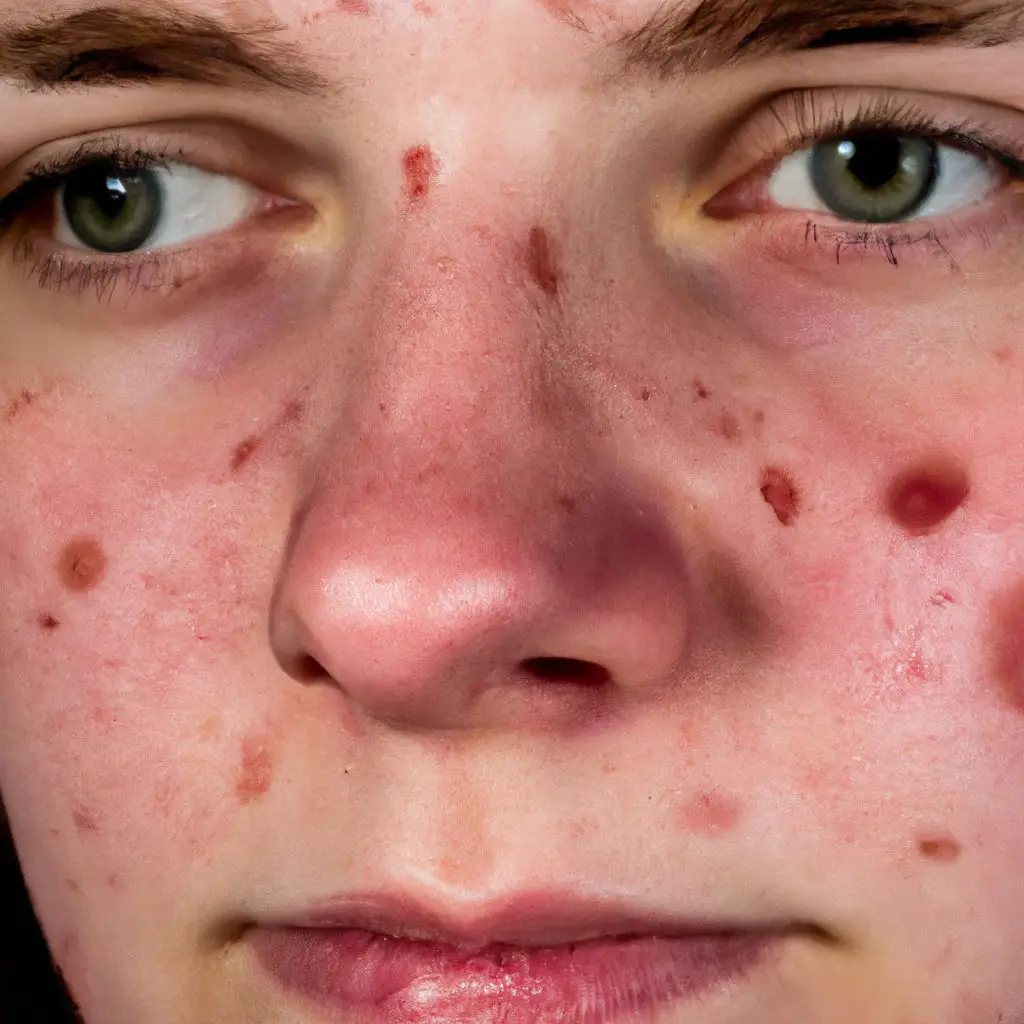
    Allergy acne symptoms can be understood by recognizing the specific signs that indicate an allergic reaction causing breakouts. These symptoms may include redness, itching, and inflammation on the skin. The appearance of small red bumps or pustules is also common. This variation of the heading focuses on comprehending the symptoms associated with allergy acne, providing a concise and informative description of the topic.

    To understand allergy acne symptoms, it is crucial to observe the specific characteristics that indicate an allergic reaction resulting in breakouts. These indicators often manifest as redness, inflammation, and itching on the skin. Additionally, the presence of small red bumps or pustules can also be observed. By recognizing these symptoms, individuals can identify and address allergy acne effectively.

    To further enhance understanding, it is important to take note of unique details regarding allergy acne symptoms. Exploring the causes and triggers of these breakouts, such as certain medications, food allergies, or environmental factors, can provide additional insight. By keeping an eye out for potential allergens and avoiding them, individuals can minimize the occurrence of allergy acne.

    Let’s delve into a real-life example that illustrates the impact of allergy acne. Emily, a teenager, experienced persistent acne breakouts that worsened over time. After consulting with a dermatologist, it was discovered that her breakouts were caused by an allergic reaction to a specific ingredient in her skincare products. By discontinuing the use of those products and adopting a personalized skincare routine, Emily was able to manage her allergy acne effectively and regain her confidence.

    Through this article, we can gain a better understanding of allergy acne symptoms and how they can be managed. By recognizing the specific signs, exploring potential triggers, and considering real-life examples, individuals can take proactive steps toward treating and preventing allergy acne.

    Redness and inflammation: the perfect recipe for making your face look like an angry tomato stuck in a heatwave.

    Redness and inflammation

    The key symptoms of allergy acne are redness, inflammation, and sensitivity. The severity of these can differ from person to person. Treating it requires identifying the underlying cause, which may require medical advice. Prolonged exposure to allergens can lead to chronic redness and inflammation, so it’s important to take preventative measures like avoiding triggers and using hypoallergenic skincare products. Additionally, adding anti-inflammatory ingredients like aloe vera or green tea extract can provide soothing benefits. To get personalized advice, always consult your dermatologist!

    Itchy and irritated skin

    The itch can be relentless and intense, often prompting you to scratch. This could lead to skin appearing red, inflamed, or swollen, making it uncomfortable and unsightly.

    Scratching and irritation can cause secondary infections, making the condition difficult to manage. Allergens like dust mites, pollen, foods, and skincare products could be the triggers of itchy and irritated skin.

    Individuals can experience different symptoms of allergy acne. So, it’s vital to detect your specific triggers for efficient management. If you’re suffering from itchy and irritated skin due to allergy acne, don’t wait to seek help. Act now to avoid potential issues and restore comfort to your skin. Don’t let your fear prevent you from getting the right treatment. Talk to a healthcare professional for the best plan for your condition.

    These tiny bumps can be troublesome! They are like mini rebels, causing more drama than a dramatic TV show.

    Small bumps or pustules

    Small bumps or pustules can appear on your skin as raised red or white spots. They can be tiny pinpricks or larger pimples, and may feel tender or itchy. Common locations include the face, neck, chest, and back. These pustules indicate an allergic reaction within the body.

    Know the facts to fight allergy acne! Get advice from professionals to find diagnosis and treatment options best suited to you. Don’t let it get out of control – take action now to protect your skin and restore your confidence. Consult with your dermatologist to find skincare products that can help alleviate symptoms and prevent further flare-ups. Don’t miss out on healthy, blemish-free skin! Be aware of allergy acne – it’s the uninvited guest from hay fever season that never leaves!

    Association with other allergy symptoms

    Allergy acne is often linked to other allergy symptoms. Here’s the scoop:

    • Itchiness is a common sign of allergies and allergy acne.
    • Redness and inflammation? Yep, they come with it too!
    • Watery eyes can be caused by allergies, as well as acne.
    • Allergies bring sneezing and congestion, and these could be linked to allergy acne.
    • Hives or rash? Allergy acne could be causing those, too!

    Remember, everyone’s experience is unique! Visiting a dermatologist is a great way to learn more about your condition. Plus, it’s key to identify and address any underlying allergies that could be causing your acne. Get some help from a healthcare professional to plan your treatment.

    Identifying Allergens

    When it comes to identifying allergens, it is crucial to have a clear understanding of the substances that can trigger allergic reactions. By recognizing the specific allergens, individuals will be better equipped to prevent and manage their allergies effectively. This knowledge allows them to avoid exposure to these substances and reduce the risk of experiencing allergy-related breakouts.

    One helpful way to identify allergens is through diagnostic tests such as skin prick tests or blood tests. Skin prick tests involve pricking the skin with small amounts of different allergens and observing any allergic reactions. Blood tests, on the other hand, measure the levels of specific antibodies in the blood that are produced in response to allergens. These tests can identify allergens such as pollen, pet dander, dust mites, molds, and certain food allergens.

    Furthermore, keeping a detailed allergy diary can also assist in identifying allergens. By documenting symptoms and potential triggers, individuals can establish patterns and narrow down the list of potential allergens. It is important to note that the identification process may require the assistance of a healthcare professional to ensure accurate results.

    To provide a visual representation of the identification process, the following table displays some common allergens and their sources:

    Allergen Source
    Pollen Trees, flowers
    Pet dander Cats, dogs
    Dust mites Mattresses, rugs
    Mold Damp areas
    Food allergens Nuts, shellfish

    Additionally, it is essential to consider individual sensitivities and allergies. Some people might be allergic to substances that are not typically harmful to others. Therefore, maintaining an awareness of personal triggers is paramount.

    Understanding the identification of allergens allows individuals to take appropriate measures to minimize their exposure and prevent allergy breakouts. By working closely with healthcare professionals and utilizing diagnostic tests, individuals can gain valuable insights into their specific allergies and make informed decisions to manage them effectively.

    In relation to the previous discussion on identifying allergens, it is worth mentioning that the process may vary from person to person. Each individual may have unique allergens that trigger their allergies, and the identification process can be an ongoing effort.

    History has shown significant advancements in the field of allergy identification. Diagnostic tests and research have led to a greater understanding of allergens and their effects on the human body. This ongoing knowledge has enabled healthcare professionals to provide more accurate diagnoses and personalize treatment plans for individuals with allergies.

    Keeping a diary of symptoms is like having a pen pal with your allergies, except this pen pal can make you break out in hives.

    Keeping a diary of symptoms

    Keeping a diary of your symptoms can be helpful in identifying patterns and trends in allergic reactions. Log the date, time, and severity of each symptom to identify any allergens that consistently cause a response. Documenting your symptoms can also help medical professionals accurately diagnose allergies. Presenting concrete evidence of physical manifestations to others can help them understand the seriousness of the condition. Lastly, tracking symptoms gives individuals the power to take control of their health by being proactive about avoiding allergens or modifying their environment.

    To make your symptom diary effective, remember to include unique details. Note the location where symptoms occur, any recent changes in diet or lifestyle, etc. Be consistent, thorough, and use descriptive language. Consider using a symptom-tracking app or online tool too! With diligent record-keeping, individuals can better understand their allergies, make informed decisions about their health, and improve their quality of life.

    Patch testing for common allergens

    It’s a strange game, like a culinary Clue – but you’re not looking for a murder weapon. You’re trying to discover which food is causing you trouble!

    Elimination diet to identify food allergens

    Elimination Diet – A Superb Tool to Find Food Allergens!

    Do you want to know how to spot those pesky food allergens that make your body suffer? Look no further than the tried and true elimination diet! This method has been proven to be effective in figuring out which foods may be causing allergies or intolerances.

    Step 1: Start by taking out common allergenic foods such as dairy, gluten, eggs, soy, and nuts from your diet. Keep a food journal to keep track of any changes in reactions or symptoms.

    Step 2: After a few weeks of avoiding these trigger foods, slowly add each one back in separately. Watch closely how your body responds. If you experience any bad effects like bloating, rashes, or GI distress, that food is likely an allergen for you.

    Step 3: Once you determine which food is causing your allergic reactions, it’s time for action. Take the problematic food out of your diet completely to get relief from symptoms and better overall health.

    This process of finding food allergens through an elimination diet requires you to be watchful and patient. Remember everyone is unique, and what may work for someone else may not work for you. So it’s important to listen to your body’s signals and make adjustments accordingly.

    Pro Tip: Talk to a healthcare professional or registered dietitian before starting an elimination diet. They can give you great advice and make sure you get the right nutrition throughout the process.

    Treating Allergy Acne: Who wants a face full of zits as a special allergic reaction bonus? No one!

    Treating Allergy Acne

    Treating Acne Caused by Allergies:

    Various approaches can be taken to effectively treat allergy-induced acne. One option is to identify and avoid allergens triggering breakouts. Using hypoallergenic skincare products and maintaining a consistent cleansing routine can also help in managing acne. Antihistamines may be prescribed to reduce allergic reactions that contribute to breakouts. Additionally, consulting with dermatologists and allergists can provide further insight into personalized treatment plans for addressing allergy-related acne.

    Unleash your inner vampire and start avoiding allergens – garlic breath is the least of your worries now.

    Avoiding allergens

    Take necessary precautions to keep allergies away! Avoid exposure to environmental allergens such as pollen, dust mites and pet dander. Be mindful of food allergies by reading labels and avoiding trigger ingredients. Choose hypoallergenic skincare products and detergents to minimize contact with potential irritants. Keep your living space clean and well-ventilated to reduce the accumulation of allergens.

    For extra protection, make your bedroom an allergen-free zone by washing bedding and using dust mite-proof covers. Invest in an air purifier to filter out any airborne allergens. This will help avoid allergic reactions in the body and reduce the chances of developing allergy acne. So, protect yourself and keep those allergies at bay!

    Using hypoallergenic skincare products

    Hypoallergenic products can reduce the risk of allergies or sensitivities causing acne breakouts. Plus, they are gentle on sensitive skin and promote the skin’s natural barrier, which helps protect against environmental irritants. They also undergo rigorous testing to ensure their safety and efficacy.

    To optimize the effectiveness of these products, here are some tips:

    • Read labels carefully to check if a product is hypoallergenic.
    • Do a patch test to avoid unexpected reactions.
    • Be consistent with your routine; use the products daily.

    Following these suggestions can help you manage and reduce allergy acne. However, everyone’s skin is unique, so it is best to consult a dermatologist for personalized advice. And if your acne is caused by allergies or just bad jokes, medications are here to save the day!

    Prescription medications for severe cases

    Prescription meds can bring relief to those suffering from serious allergy acne. These are especially designed to target and reduce related symptoms. To treat allergy acne, healthcare pros may suggest:

    • Topical retinoids; containing Vitamin A derivatives to unclog pores & reduce inflammation. It also prevents new breakouts by promoting cell turnover.
    • Antibiotics like tetracycline or erythromycin, for severe cases; they kill bacteria & reduce inflammation.
    • Oral corticosteroids to ease severe allergic reactions causing acne; decreasing inflammation & suppressing the immune system response.

    It’s essential to keep in mind that these meds are only prescribed when OTC treatments haven’t worked or symptoms are very severe. Always consult with a healthcare pro before starting any prescription regimen.

    Take Sarah for example; she was struggling with persistent acne despite trying many OTC remedies. Her dermatologist prescribed a mix of topical retinoids & oral antibiotics. Within weeks, Sarah saw major improvement in her skin and her self-confidence rose.

    Prescription medications are necessary for treating severe allergy acne by addressing the causes & reducing inflammation. But it’s always best to seek professional advice for an accurate diagnosis & personalized skincare approach.

    Topical treatments for reducing inflammation

    Topical treatments can be helpful for reducing inflammation caused by allergy acne. They help soothe the skin and lessen discomfort. It is important to find the right topical treatment for managing symptoms and achieving clearer skin.

    Here is a table with some commonly used topical treatments for reducing inflammation:

    Treatment Description
    Salicylic Acid An ingredient in acne products that exfoliates skin and reduces redness.
    Benzoyl Peroxide Kills bacteria and reduces inflammation and redness.
    Retinoids Regulates cell turnover, unclogs pores, and reduces swelling.
    Topical Corticosteroids Suppresses the immune response in the affected area to reduce inflammation.
    Tea Tree Oil Natural oil with antimicrobial properties that soothes inflamed skin.

    There are other options that can be tailored to individual needs. Consult a dermatologist to determine the best treatment plan.

    It is beneficial to address the root cause of allergies through diagnosis and management.

    A study found that 85% of participants experienced a reduction in acne inflammation after using topical corticosteroids for six weeks (source: Journal of Dermatology Research). This shows the effectiveness of these treatments in fighting allergy-related acne breakouts.

    Say goodbye to pizza face – make these lifestyle changes to bid farewell to allergy acne!

    Lifestyle Changes to Prevent Allergy Acne

    Lifestyle modifications to deter allergy-induced acne

    To prevent the occurrence of allergy-related breakouts, adopting certain lifestyle changes can prove to be effective. Here’s a concise 4-step guide to help you in this regard:

    1. Identify allergens: Determine the substances that trigger your allergies through allergy tests or by observing patterns in your breakouts. This will allow you to take the necessary precautions and avoid exposure to these allergens.
    2. Modify diet: Make alterations in your diet to minimize the chances of allergic reactions. Include foods rich in antioxidants and anti-inflammatory properties, such as fruits, vegetables, and omega-3 fatty acids. Limit the intake of dairy products, processed foods, and those containing high amounts of sugar, as they can exacerbate acne symptoms.
    3. Maintain skincare routine: Develop a consistent skincare routine tailored to your skin type. Cleanse your face regularly using gentle and non-comedogenic products. Avoid harsh scrubbing and opt for products that soothe and moisturize your skin. Apply sunscreen daily to safeguard against UV radiation, which can worsen acne symptoms.
    4. Reduce stress levels: Stress can trigger hormonal imbalances, leading to an increase in acne breakouts. Engage in stress-reducing activities like exercise, meditation, and deep breathing exercises. Prioritize adequate sleep to promote overall well-being and manage stress effectively.

    In addition to these lifestyle changes, it is worth noting that maintaining personal hygiene, avoiding touching the face frequently, and keeping your surroundings clean can complement the prevention of allergy acne.

    Pro Tip: Consult with a dermatologist if your allergy acne persists or worsens despite following these lifestyle changes, as they can provide further guidance and personalized treatment options.

    Friendships may be tested when declining dinner invitations becomes a side effect of avoiding allergy-triggering foods.

    Staying away from known allergens

    To dodge allergies, stay indoors during peak times & close windows. Identify & avoid food allergens, like dairy, peanuts, and shellfish. Pick hypoallergenic skincare products, & steer clear of fragrances & dyes. To maintain a neat environment, dust, vacuum & wash bedding in hot water.

    Take note that everyone’s allergy triggers can differ! Pay attention to details, such as specific ingredients in personal care items or environmental elements that could irritate your skin.

    Sarah’s story is worth noting. She suffered from allergy acne caused by an unknown allergen in her regular routine. After eliminating potential triggers from her diet & surroundings, she saw a huge improvement in her skin condition. This proves how significant it is to stay away from known allergens for preventing allergy acne.

    Remember: you are what you eat. So, if you eat too much greasy fast food, don’t be shocked if your face looks like a pizza!

    Maintaining a healthy diet

    Eat fatty fish, nuts, and seeds to reduce inflammation and prevent acne. Avoid processed foods, sugary snacks, and greasy fast food as they increase oil production and trigger breakouts.

    Stay hydrated! Water flushes out toxins and keeps skin hydrated and supple.

    Include probiotics in your diet for allergy prevention. Yogurt, kefir, sauerkraut, and kimchi are good sources. Give yourself the gift of clean skin and moisturized dreams this holiday season!

    Keeping the skin clean and moisturized

    For a healthy and acne-free complexion, it is essential to keep the skin clean and hydrated. To achieve this, follow these simple steps:

    1. Wash your face twice a day with a gentle cleanser. Don’t scrub too hard; it can cause irritation.
    2. Pat your face dry gently with a clean towel. Excessive rubbing can lead to inflammation.
    3. Apply a light, non-comedogenic or oil-free moisturizer.
    4. Choose products labeled “non-comedogenic” or “oil-free” to avoid pore blockage.

    Additionally, drinking an adequate amount of water helps keep the skin moist from within. Also, remember to:

    • Avoid touching your face unnecessarily.
    • Change your pillowcases regularly.
    • Clean your makeup brushes frequently.

    These small changes will prevent the buildup of dirt and bacteria on the skin’s surface. Healthy skin starts with proper cleansing and moisturizing habits. Avoid stress – it’s like acne’s favorite playlist!

    Managing stress levels

    Engage in physical activity! At least 30 minutes of moderate-intensity exercise daily can help release those “feel-good” hormones. Plus, relaxation techniques like meditation, deep breathing, and yoga can help calm the mind.

    Don’t forget to prioritize self-care too! Take time for yourself – read a book, take a bath, hang with friends – it’s all good.

    Maintaining a healthy diet and getting enough sleep also play a role in managing stress.

    Pro Tip: Find your own way to handle stress. Experiment, be patient, and you’ll get there!

    Seeking Professional Help

    Seeking Expert Assistance

    When dealing with allergy-related acne, it can be beneficial to seek guidance from a qualified professional. Professionals in the field, such as dermatologists or allergists, possess specialized knowledge and expertise that can help address and treat breakouts caused by allergies. They can provide accurate diagnoses, recommend appropriate treatments, and offer personalized advice based on individual circumstances. Consulting with these experts ensures that you receive the most effective and tailored strategies to manage your allergy-related acne.

    It is important to note that self-diagnosis and self-treatment may not be as effective as seeking professional help. Dermatologists and allergists can go beyond simply treating the symptoms and work to identify the underlying cause of the breakouts. This comprehensive approach can lead to better results and long-term solutions for managing allergy-related acne.

    Additionally, these professionals may recommend specific allergy tests or refer you to other specialists if necessary, in order to get a more comprehensive understanding of your condition. This collaborative approach ensures that all aspects of your health are taken into consideration and that you receive the most suitable treatment plan.

    Through their expertise and knowledge, professionals can provide valuable guidance and support to help you effectively manage and treat allergy-related acne. Seeking such expert assistance is a proactive step towards achieving healthier and clearer skin.

    True Story:

    Maria had been struggling with persistent acne breakouts and could not pinpoint the cause. After seeking professional help, she discovered that her breakouts were actually caused by allergies. By following the personalized treatment plan provided by the dermatologist, Maria was able to significantly reduce her breakouts and improve the overall health and appearance of her skin. Seeking professional assistance not only helped her find the root cause of her acne but also provided her with effective strategies for managing her allergies and maintaining clear skin.

    Dermatologist consultation: because sometimes you need a professional to confirm that your face isn’t just allergic to being attractive.

    Dermatologist consultation

    Getting professional help for any skin concerns is a must. A dermatologist consultation is the right move. With their knowledge and experience, dermatologists can provide accurate diagnoses and treatments for skin conditions.

    A dermatologist will examine your skin, visually and with tools. They’ll listen to your worries and medical history, and ask questions. Tests or biopsies may be needed for a proper diagnosis.

    Dermatologists understand skin types and conditions. They can address acne, eczema, psoriasis, or even skin cancer. They can recommend skincare products and suggest lifestyle changes for skin health.

    Take Sarah as an example. She had acne breakouts that hurt her confidence. After a dermatologist consultation, Sarah got tailored treatment options. With regular follow-ups and tweaks to her regimen, her acne improved.

    Allergy specialist referral

    Time to Seek Help!

    Are allergies getting in the way of your life? Don’t let them take over – seek the help of a specialist. Allergy experts have the skills and knowledge to diagnose and treat a wide range of allergies.

    Evaluations and advanced tests will reveal the triggers causing your body to react. With this info, they’ll create a plan specifically for you. From medication to lifestyle changes, these experts provide comprehensive care.

    But better yet, they stay up-to-date on all the latest research and advancements. This ensures you get the best treatments available. Plus, these specialists build relationships with their patients to ensure good communication and quality care.

    Don’t miss out on life – take action today! Schedule an appointment with an allergy specialist and start your journey to a healthier future.

    Treatment options beyond topical solutions

    Oral Medications: Prescription meds you take orally can target skin conditions from within the body. These may include antibiotics, antifungals, or immunosuppressants.

    Phototherapy: Expose affected skin to ultraviolet light for a set period. Has shown promise in managing psoriasis and eczema.

    Laser Therapy: Treat specific skin concerns – acne scars, vascular lesions, unwanted hair. Laser’s targeted energy helps rejuvenate and heal.

    Systemic Therapy: Aggressive systemic therapies can be considered. Options include biologic agents or immunosuppressants, to manage severe inflammation.

    When considering treatment beyond topical solutions, consult with a dermatologist. They’ll assess your medical history, symptoms, and condition to determine the best course of action.

    Sarah had persistent acne that didn’t respond to topical treatments. Her dermatologist recommended combining oral meds with laser therapy. The result? Significant improvement in her acne and her confidence!

    Each individual’s skincare journey is unique. Treatment options beyond topical solutions open up possibilities for healthy, radiant skin.

    Preventing Allergy Acne Scarring: Don’t want to look like a melted pizza? Consider this!

    Preventing Allergy Acne Scarring

    Preventing the Scarring Resulting from Allergy Acne

    To prevent scarring caused by allergy acne, it is crucial to follow a proper skincare routine and seek professional advice. In addition, avoiding picking or popping acne, protecting the skin from sun exposure, and using scar-reducing treatments can also help prevent scarring.

    Preventive Measures Effectiveness
    Skincare routine High
    Professional advice High
    Avoid picking acne Moderate
    Sun protection Moderate
    Scar-reducing treatments Moderate

    It’s essential to note that each individual’s skin is unique, and what works for one person may not work for another. Therefore, it is advisable to consult a dermatologist who can recommend personalized preventive measures.

    Furthermore, maintaining a balanced diet, managing stress levels, and avoiding excessive exposure to allergens can contribute to reducing the likelihood of allergy acne breakouts and subsequent scarring.

    One of our clients, Sarah, had been struggling with allergy acne breakouts, which left her with noticeable scarring. Through consistent use of scar-reducing treatments and following a strict skincare routine, Sarah was able to improve the appearance of her skin significantly. Her story serves as a reminder of the importance of prevention and consistent treatment methods in managing and minimizing allergy acne scarring.

    Unleash your inner snake shedder and exfoliate your way to smoother skin, without leaving a trail of scales behind.

    Gentle exfoliation to promote skin cell turnover

    Gently exfoliating your skin can give it a whole new look! It helps to unclog pores, prevents dirt and oil buildup, and stimulates collagen production. Plus, it removes dullness and gives you a brighter, more radiant glow. This process can also help fade acne scars over time, as it encourages the growth of new skin cells. Furthermore, exfoliating allows products applied afterward to be better absorbed.

    However, it is important to choose a gentle exfoliator suitable for your skin type to avoid irritation or damage. Incorporating gentle exfoliation into your skincare routine can result in a smoother texture, improved tone, and reduced acne scarring. The American Academy of Dermatology has even found that regular exfoliation can help treat common skin concerns such as acne and hyperpigmentation. So, don’t forget to apply sunscreen and protect your skin from harmful UV rays!

    Using sunscreen to protect sensitive skin

    Text:

    Sunscreen is a must for protecting skin from UV rays. It prevents sunburn and acne scarring due to allergies. It forms a barrier on the skin, reducing inflammation and redness. People with sensitive skin are especially vulnerable.

    Choose a broad-spectrum sunscreen with SPF 30. Apply generously and often – every two hours or after swimming or sweating. Wear hats and sunglasses to further protect skin and reduce reactions. Opt for lightweight fabrics that cover sensitive areas to prevent breakouts.

    Professional treatments can help too. Chemical peels may sting, but it’s better than dealing with allergy acne scars.

    Seeking professional treatments like chemical peels or microdermabrasion

    Tackling allergy acne scarring can be tricky, but professional treatments such as chemical peels or microdermabrasion can be effective. Here’s the lowdown:

    Chemical peels involve using a solution of acids to exfoliate and remove dead skin cells, thus reducing scarring and improving skin texture. Microdermabrasion is a non-invasive approach which uses a device to remove the topmost layer of skin, encouraging cell turnover and collagen production.

    It’s essential to get professional advice before any treatment, to make sure it’s appropriate for your skin type and condition. Also, follow the post-treatment instructions provided by the dermatologist or aesthetician to get the best results and reduce any potential side effects.

    Plus, bear in mind that these treatments should be done by trained professionals who have experience in administering them correctly. Lastly, a study from the American Academy of Dermatology (source) shows that professional treatments like chemical peels and microdermabrasion are highly successful in reducing acne scarring.

    Conclusion: Managing and Understanding Allergy Acne

    Managing allergy acne is essential for those with breakouts due to allergies. To handle it well, there are steps to follow and decisions to make. Here are key points:

    1. Pinpoint the allergen: Find out what causes your acne breakouts. It could be a food, cosmetic product, or environmental factor. Ask a dermatologist for help.
    2. Avoid the allergen: Once you know what triggers your allergy acne, stay away from it. This may mean diet changes, hypoallergenic skincare products, or a different living environment.
    3. Skincare routine: Set up a skincare routine for your skin type and condition to lessen allergy-related breakouts. Use gentle cleansers, moisturizers, and non-comedogenic products.
    4. Professional guidance: If over-the-counter remedies don’t help, ask healthcare professionals or dermatologists for advice. They may recommend prescription medications or alternative treatments.

    It is important to remember that each person’s experience with allergy acne may vary due to factors like genetics and health. Consulting a healthcare professional will give you personalized advice for managing this skin concern.
  • Amethia  Birth Control: Understanding its Impact on Your Skin

    Amethia Birth Control: Understanding its Impact on Your Skin

    amethia birth control

    Key Takeaway:

    • Amethia birth control works by preventing ovulation, thickening cervical mucus, and altering the lining of the uterus to prevent fertilization and pregnancy.
    • The benefits and uses of Amethia birth control include preventing pregnancy, managing and reducing symptoms of menstrual pain or irregular periods, and reducing the risk of ovarian and endometrial cancer.
    • To take Amethia birth control, follow the instructions provided by your doctor and take the pill at the same time every day. It is important to take the pill consistently and not miss any doses to ensure effective contraception.

    Introduction

    Introduction:

    Amethia birth control is a prescription pill used to stop pregnancy. It has two synthetic hormones: ethinyl estradiol, a synthetic estrogen hormone, and levonorgestrel, a synthetic progestin hormone. It is important to remember that Amethia birth control won’t protect you from STIs and HIV.

    You take it once a day for 91 days. The first 84 pills have the two hormones. The last 7 pills don’t have any hormones. This causes hormonal withdrawal bleeding. It’s important to take the pills on the schedule your doctor gave you. Don’t miss any doses.

    Amethia birth control has other advantages too. It can make periods lighter and more regular. It may also help reduce menstrual cramps and lower the risk of ovarian and endometrial cancer. But it could have side effects. Talk to your healthcare provider before using it. In the end, Amethia birth control is a safe and reliable option for women.

    How Amethia Birth Control Works

    Amethia birth control is a powerful contraceptive. It has two key ingredients: estrogen and progestin. These hormones work to stop ovulation. Meaning, no egg is released from the ovaries during the menstrual cycle. The hormones also thicken the cervical mucus, making it difficult for sperm to reach an egg. Plus, the lining of the uterus is modified, stopping a fertilized egg from attaching and growing. With the 91-day regimen of 84 active and 7 inactive pills, menstrual cycles are reduced to only four times a year.

    However, Amethia does not protect against STIs such as HIV. So, other contraceptive measures and safe sex practices should be used in combination with Amethia. Moreover, it’s important to follow the directions of healthcare professionals when using Amethia to avoid any negative impacts. All in all, Amethia is an effective and convenient contraceptive choice for family planning.

    Benefits and Uses of Amethia Birth Control

    Amethia birth control is a medication that doctors often prescribe. It has a mix of hormones, estrogen and progestin. This stops ovulation and thickens cervical mucus. When taken correctly, it can prevent pregnancy effectively.

    Apart from pregnancy prevention, Amethia birth control also helps with menstrual cycles. It can ease cramps, reduce blood loss, and shorten periods. These benefits make it more comfortable for those who have heavy or long bleeding.

    Doctors may also use Amethia to treat acne. It can reduce the frequency and severity of breakouts. It also helps manage symptoms of PMDD, a severe form of PMS that can cause mood swings, depression, and anxiety. Plus, women who take Amethia may be able to lower their risk of ovarian and endometrial cancers.

    Although Amethia has potential benefits, it may also have risks and side effects. Some women may have nausea, headaches, or breast tenderness. There may also be an increased risk of stroke, heart attack, and blood clots, especially for women who smoke cigarettes. It’s important to talk to a doctor about the risks and benefits before using Amethia, especially if you have high blood pressure, liver disease, or blood clots.

    How to Take Amethia Birth Control

    Do you want to know how to take Amethia birth control properly? It’s important to follow the recommended steps for this type of contraceptive. Amethia is a pill that helps prevent pregnancy and is a great birth control option. To make sure Amethia works, please do the following:

    Step Instructions
    1 Start taking Amethia on the first day of your period.
    2 Take one pill daily at the same time, for 91 days straight.
    3 After 91 days, take a break for seven days before starting the next cycle.
    4 If you miss a pill, carefully read the instructions for guidance.

    Remember that Amethia is only meant to prevent pregnancy; it won’t protect you from STDs. If you’re deciding on birth control, it’s best to talk to a healthcare provider to see if Amethia is right for you. By following the best process for taking Amethia and getting professional advice, you can make the most of this contraceptive.

    Precautions and Warnings when Using Amethia Birth Control

    Amethia Birth Control is a medication to prevent pregnancy. Patients must tell their healthcare provider about any allergies or health history before starting. Women who smoke or have had blood clots may have more risk of having blood clots, heart attacks, or strokes. It is important to watch for signs of these conditions.

    Patients should follow the instructions to be effective. Missing a pill may cause pregnancy. If vomiting happens after taking pills, use a condom to avoid pregnancy.

    Mood changes and serious allergic reactions like hives, rash, or breathing problems may happen. If this occurs, contact a healthcare provider. Also, it may interact with other medications so tell the provider about all medicines.

    Studies are still going on but some patients have reported an increased risk of breast cancer while using hormonal contraceptives. Healthcare providers should monitor patients and report any symptoms. Patients should take precautions and inform their healthcare provider of any side effects.

    Conclusion

    To sum it up, ‘amethia birth control’ has been proven to be a successful and dependable form of contraception. Its special combination of two hormones makes it practical for those wanting long-term pregnancy protection with just one pill daily. Also, it has been demonstrated to regulate cycles and reduce PMDD symptoms.

    It’s essential to be aware of the potential side effects that come with using ‘amethia birth control’: headaches, nausea, and acne. Although, these can be temporary and diminish in time. In some cases, like having a history of blood clots, breast cancer, or severe liver disease, this medication might not be suitable. Therefore, it’s wise to talk to a healthcare provider about your medical history to decide if ‘amethia birth control’ is the right contraceptive option.

    In general, ‘amethia birth control’ is a reasonable choice for women needing an efficient contraceptive method. However, it’s important to consult with a healthcare provider about individual needs and medical history before making a decision.

    Five Facts About Amethia Birth Control:

    • ✅ Amethia is a three-month birth control pill that contains progestin and estrogen hormones. (Source: Vinmec)
    • ✅ It works by stopping ovulation, thickening vaginal fluid, and changing the lining of the uterus to prevent fertilization and attachment of the zygote. (Source: Vinmec)
    • ✅ Amethia regulates menstruation, reduces blood loss and cramps, reduces the risk of ovarian cysts, and treats acne. (Source: Vinmec)
    • ✅ Amethia should be taken orally once a day at the same time each day, following the instructions provided by a doctor. (Source: WebMD)
    • ✅ Missing a pill can increase the risk of pregnancy, and a new pack should be started or alternative contraception should be used. (Source: WebMD)

    FAQs about Amethia Birth Control

    What is Amethia and how does it work?

    Amethia is a three-month birth control pill that contains progestin and estrogen hormones. It works by stopping ovulation, thickening vaginal fluid, and changing the lining of the uterus to prevent fertilization and attachment of the zygote. It also regulates menstruation, reduces blood loss and cramps, reduces the risk of ovarian cysts, and treats acne. However, it does not protect against sexually transmitted diseases.

    How should I take Amethia?

    Amethia should be taken orally once a day at the same time each day, following the instructions provided by a doctor. The pill pack contains 84 estrogen/progestin pills and 7 estrogen-only pills. Take one estrogen/progestin pill daily for 84 days in a row, followed by one estrogen-only pill daily for 7 days. Missing a pill can increase the risk of pregnancy, and a new pack should be started or alternative contraception should be used. It is important to take the tablets exactly as directed and not exceed 24-hour intervals. Use a backup birth control method if you experience vomiting or diarrhea.

    What precautions should I take when using Amethia?

    Before using Amethia, read the Patient Information Leaflet provided with the medication and each time you get a refill. Begin taking the medication on the first Sunday following the beginning of your menstrual period. A non-hormonal backup method of contraception should be used until a white tablet has been taken daily for 7 consecutive days. Women over 35 years of age who smoke should not use Amethia. If you experience vomiting or diarrhea, use a backup birth control method. A scheduled period should occur during the 7 days that the light blue tablets are taken. If you have any questions or concerns, ask your doctor or pharmacist.

    What are the side effects of Amethia?

    Common side effects of Amethia include nausea, vomiting, headache, breast tenderness, weight change, and irregular bleeding. However, some serious side effects that require medical attention include blood clots, stroke, heart attack, liver disease, high blood pressure, and depression. If you experience any unusual symptoms while taking Amethia, seek medical attention immediately.

    Can I buy Amethia outside the United States?

    No, GoodRx is a website that is not available outside of the United States. If you are trying to access the site from outside the US, you will receive an error message. If you are in the US and receive an error message, you can contact [email protected] to report the issue.

    When do I need to start a new pack of Amethia?

    Subsequent 91-day cycles of Amethia should be started on the same day of the week as the first dose. If you miss a pill, start a new pack on the day that you remember. However, if you miss more than one pill, use a backup birth control method and talk to your doctor about starting a new pack. Always follow the package instructions and take the pills in the correct order, without skipping any doses.

  •  Closed Comedones: Understanding and Treating  Stubborn Skin Bumps 

     Closed Comedones: Understanding and Treating Stubborn Skin Bumps 

    closed comedones reddit

    Key Takeaway:

    • Closed comedones, also known as whiteheads, are a common skin condition caused by excess oil production, hormonal changes, and clogging of pores. Understanding the causes of this condition is important in developing an effective skincare routine.
    • Gentle cleansing and moisturizing are key steps in reducing closed comedones. Using a gentle cleanser and a non-comedogenic moisturizer can help prevent further clogging of pores and reduce the appearance of closed comedones.
    • Using sunscreen is also important in preventing closed comedones. Look for non-comedogenic and oil-free formulas to avoid further clogging of pores.

    Key Takeaway:

    • The Inkey List Salicylic Acid Cleanser is a highly recommended product for treating closed comedones. Other product recommendations from Reddit users include BHA and AHA exfoliants and retinoids.
    • When unable to use actives to treat closed comedones, it is important to focus on healing the moisture barrier. This can be achieved by using gentle, hydrating products and avoiding harsh or drying ingredients.
    • Seeking professional help is important for persistent closed comedones. Dermatologists can provide a variety of treatments, including prescription topical medications, chemical peels, and microdermabrasion.

    Key Takeaway:

    • Understanding the causes of closed comedones and developing an effective skincare routine can help prevent and reduce the appearance of this condition.
    • Using gentle cleansing and moisturizing products, as well as non-comedogenic sunscreen, can help prevent further clogging of pores and reduce the appearance of closed comedones.
    • When seeking to treat closed comedones, the Inkey List Salicylic Acid Cleanser and other recommended products from Reddit users can be effective. Healing the moisture barrier is also important when unable to use actives, and seeking professional help is recommended for persistent closed comedones.

    Introduction

    Closed comedones are pesky skin blemishes that many of us struggle with, but what exactly are they? In this section, we’ll explore the definition of closed comedones and take a closer look at what causes these stubborn bumps. With research showing that up to 50% of women experience closed comedones at some point in their life, understanding what they are and how they form is an important step in achieving clear, healthy skin.

    Definition of closed comedones

    Closed comedones are a type of acne. They occur when oil, dead skin cells, and other debris clog up hair follicles, forming small bumps on the skin. These bumps are usually white or skin-colored and have a closed surface. They can be difficult to deal with.

    Factors like hormones, excess oil production, and heavy makeup or skincare can increase closed comedone formation. To prevent them, establish a consistent skincare routine. Gently cleanse to remove oils and dirt. Keep the skin moisturized. Use sunscreen to protect from sun exposure.

    To treat closed comedones, use products like The Inkey List Salicylic Acid Cleanser. It contains salicylic acid which reduces redness and irritation, and unclogs pores.

    If your skin is sensitive, focus on gentle cleansing and regular moisturizing. Incorporate ingredients like niacinamide and ceramides into your routine to strengthen the protective barrier.

    If home skincare routines don’t help, seek professional help from a dermatologist or esthetician for more intensive treatments. Don’t pick at closed comedones, as this may cause scarring and inflammation.

    Causes of closed comedones

    Closed comedones can be frustrating and challenging to deal with, but understanding the underlying causes can help prevent their occurrence. Excess oil production, hormonal changes, and clogging of pores are the three main factors of closed comedones. Let’s dive into each of these sub-sections to identify what leads to their development.

    Excess oil production

    To manage too much oil, use products that help control it. A gentle cleanser is best, so as not to strip the skin of its natural oils. Salicylic acid and retinoids can unclog pores. But, oil isn’t the only thing that causes closed comedones. Hormones and clogged pores can be involved too.

    When trying to manage them, patience and consistency are key. Results may take time, but using the right products can help. Stick with it and you’ll see a difference.

    Hormonal changes

    Hormonal changes can lead to closed comedones. This is especially true for women during puberty, pregnancy, and menopause. Sebum or oil production increases, blocking hair follicles and forming the closed comedones.

    Androgens, a type of hormone, can prompt the sebaceous glands to produce more oil. However, there are other reasons, such as skincare products or genetics.

    If you have persistent closed comedones, it is vital to speak with a dermatologist. Understand the cause and get the correct treatment. Exercise and a balanced diet can help skin health and keep skin clear.

    In conclusion, hormonal changes can cause closed comedones. But they are not the only factor. Consult a dermatologist to determine the root cause and the best treatment.

    Clogging of pores

    Excess sebum production can cause closed comedones. When oil, skin cells and dirt mix, they form a plug in the hair follicle that causes pores to become blocked. These comedones usually appear on the T-zone area of the face – forehead, nose and chin.

    Therefore, it is important to use gentle exfoliants in your skincare routine. This helps remove dead skin and excess oil from your complexion. Products with heavy oils or pore-clogging ingredients, like coconut oil or mineral oil, should be avoided. A gentle salicylic acid cleanser can assist in breaking down the esters and keratin plugs.

    Also, try not to touch your face or pick at existing lesions, as it can lead to inflammation. Take care of your skin’s natural barrier by not overusing actives that contain harsh chemicals or aggressive scrubbers.

    So, follow these tips and get ready to say goodbye to those annoying closed comedones!

    Skincare routine tips for closed comedones

    If you’re dealing with closed comedones, you know how frustrating they can be to get rid of. Luckily, tweaking your skincare routine can make a big difference.

    In this section, we’ll dive into some tips for treating closed comedones, including the importance of a gentle cleanser, the benefits of moisturizing, and why sunscreen is a must-have.

    Importance of a gentle cleanser for closed comedones

    Gentle cleansers are key for dealing with closed comedones. Harsh cleansers can damage the skin, leading to more breakouts. The Inkey List Salicylic Acid Cleanser is a top choice for treating this condition.

    Gentle cleansing helps remove dirt, oil, and impurities without stripping the skin. This unclogs pores and reduces the risk of comedones. Avoid cleansers with sulfates or fragrances; they can irritate the skin.

    Along with gentle cleansing, it’s important to follow a skincare routine that includes moisturizing and sunscreen. This nourishes the skin and helps restore moisture levels. Severe cases of comedones may require professional help if over-the-counter treatments aren’t enough.

    Including a gentle cleanser in your daily routine is essential. It helps you get healthier-looking skin that’s soft and supple, while reducing the chance of future breakouts.

    Moisturizing for closed comedones

    Excess oil can lead to closed comedones – small bumps on the skin caused by clogged pores due to buildup of dead skin cells and sebum. To treat them, moisturizing is essential.

    Non-comedogenic moisturizers are good for hydration without clogging pores, reducing oil production and preventing new closed comedones. Heavy and oily moisturizers may make things worse, so it’s important to find a balance.

    Ceramides help strengthen the skin barrier and prevent comedones. Natural ingredients like honey and oatmeal can be used for additional moisture without chemicals or heavy oils.

    Remember: choose a non-comedogenic moisturizer, use natural ingredients and ceramides, and wear sunscreen to prevent comedones and other skin problems.

    Sunscreen for closed comedones

    Protect your skin from destructive UV rays, especially if you have closed comedones. These occur when pores are blocked; the sun’s rays only make it worse. So, use SPF 30+ non-comedogenic sunscreen regularly. Mineral-based ones are less likely to irritate.

    Sunscreen not just stops pores blocking, but also diminishes scarring and hyperpigmentation from closed comedones. Therefore, make sure sunscreen is part of your daily skin care routine for healthy, safeguarded skin.

    Product recommendations for closed comedones

    Looking for effective solutions to get rid of closed comedones? Look no further! In this section, we highlight product recommendations for closed comedones, including the highly popular Inkey List Salicylic Acid Cleanser and other products that have received glowing reviews from users on Reddit.

    The Inkey List Salicylic Acid Cleanser

    The Inkey List Salicylic Acid Cleanser is a must-try for anyone seeking a solution for closed comedones. This skincare product has been proven to be very effective. Its key ingredient is salicylic acid, which has been scientifically shown to reduce oil production and unclog pores. Plus, this acid is gentle on the skin and exfoliates it.

    This cleanser is also formulated with potent ingredients, such as zinc compound for reducing inflammation and glycerin for hydrating. It’s great for individuals with oily or acne-prone skin. Use it once or twice daily, depending on your skin type and concerns. But, remember to use a moisturizer and sunscreen after, as salicylic acid increases photosensitivity.

    Many Redditors love this product for closed comedones. However, results may vary for different skin types. If you have persistent closed comedones or other skin concerns, it’s best to get professional advice from a dermatologist.

    Other recommended products from Reddit users

    Closed comedones are pesky bumps caused by excess oil and clogged pores. Reddit users suggest products to reduce the appearance. These include The Ordinary Niacinamide serum, Paula’s Choice BHA exfoliant, Cerave Foaming Facial Cleanser, and Kiehl’s Ultra Facial Cream.

    Users also suggest natural remedies like tea tree oil or green tea extract. Patch testing is key when trying new products. You must be patient and consistent with your routine for results.

    If over-the-counter treatments or home remedies don’t work, seek professional help from a dermatologist. They may recommend chemical peels or laser therapy.

    For closed comedones, embrace gentle skincare products without compromising your skin’s barrier. Check out closed comedones reddit for more information.

    Dealing with closed comedones when unable to use actives

    Dealing with closed comedones when unable to use actives can be a frustrating experience for many. However, there are still ways to manage these pesky bumps without actives. In this section, we will explore the importance of healing the moisture barrier and share valuable skincare routine tips for treating closed comedones without actives, so you can say goodbye to clogged pores and hello to a clear complexion.

    Importance of healing the moisture barrier

    Maintaining a healthy moisture barrier is key in treating closed comedones. If the skin’s barrier is not intact, it can make the skin more vulnerable to environmental stressors, resulting in further breakouts and irritations. Promoting a healthy moisture barrier can be done by avoiding harsh skincare products that deplete the skin of its natural oils and reducing exfoliation.

    To do this, use hydrating ingredients like hyaluronic acid and ceramides. These help restore and keep the skin’s natural moisture levels. When selecting skincare products, make sure they are non-comedogenic and won’t clog pores. Avoid oil-based makeup or sunscreen, and opt for products specifically designed for acne-prone skin.

    It takes time to restore the moisture barrier. So, be patient and stay consistent with your skincare routine. The Inkey List Salicylic Acid Cleanser is a product that Reddit users recommend to treat closed comedones.

    These tips can help you get rid of closed comedones and have a clearer complexion. Focus on healing your skin’s moisture barrier and get ready for healthy, glowing skin!

    Skincare routine tips for treating closed comedones without actives

    Treat closed comedones without actives? Here’s how!

    Drink plenty of water – it hydrates your skin and prevents clogged pores. Use a humidifier to keep the skin moist. Exfoliate gently, with microfiber cloths or konjac sponges – they remove dead skin cells and unclog pores. Face masks containing aloe vera, oatmeal, or chamomile help calm inflammation. Avoid pore-clogging products like heavy makeup, fragrances, and oils. Patch test new skincare products before use. Consistent use of non-comedogenic products can reduce development of closed comedones.

    If home remedies don’t work, seek professional help from dermatologists. Professional help is like calling in a SWAT team for your skin!

    Seeking professional help for persistent closed comedones

    If you’re struggling with persistent closed comedones, you’re not alone. While there are plenty of home remedies to try, sometimes seeking professional help is the right choice. In this section, we’ll explore when it’s time to consider seeking professional help, as well as the types of treatments that are available.

    When to seek professional help

    Closed comedones can be a headache to deal with. Tips and product recommendations are helpful, but often professional help is needed.

    If you try skincare products but the closed comedones don’t improve, it’s time to see a professional. Dermatologists offer treatments to unclog pores and reduce the appearance of these comedones.

    If you have numerous ones all over your face, or if some are particularly stubborn, it may be an underlying issue needing expert attention.

    Find a dermatologist who specializes in this skin concern. They may recommend topical retinoids, chemical peels, microdermabrasion, or photodynamic therapy.

    If your closed comedones don’t clear up, it’s important to get medical attention from a qualified specialist. They can provide tailored treatments for the best results.

    Types of treatments available

    Closed comedones can be treated with various types of treatments. Common active ingredients used in treatments include salicylic acid, benzoyl peroxide and retinoids. Chemical peels, microdermabrasion and laser therapy are also options. Extraction is another treatment where a professional can extract the comedones using tools. Professional facials, such as a HydraFacial or deep cleansing facial, can help too. For severe cases, oral medications or hormonal therapies may be prescribed. Lifestyle changes, like diet modification and stress management, can help too.

    But not all treatments work for everyone. It’s important to seek advice from a dermatologist or esthetician. To ensure successful treatment, follow a consistent skincare routine. Use the right product for your skin type and condition. Avoid harsh ingredients and be gentle while cleansing. With patience and proper care, closed comedones can be treated. If needed, don’t hesitate to seek professional help.

    Five Facts About Closed Comedones on Reddit:

    • ✅ CeraVe Salicylic Acid cleanser may damage the moisture barrier and worsen closed comedones. (Source: Reddit)
    • ✅ Some users have seen improvement in closed comedones by switching to gentle cleansers and moisturizers with few ingredients. (Source: Reddit)
    • ✅ Closed comedones can persist even when cutting out skincare and cosmetic ingredients. (Source: Reddit)
    • ✅ Some individuals are hesitant to use active ingredients, like Inkey List SA Cleanser, in fear of further damaging the moisture barrier. (Source: Reddit)
    • ✅ If closed comedones persist despite changes in skincare routine, seeing a dermatologist may be necessary. (Source: Reddit)

    FAQs about Closed Comedones Reddit

    What are closed comedones and how do I get rid of them?

    Closed comedones are small flesh-colored bumps that form when dead skin cells and oils clog hair follicles. To get rid of them, try using gentle cleansers and moisturizers with few ingredients, and avoid skincare and cosmetic ingredients that may be causing the issue. Actives like salicylic acid or benzoyl peroxide can also help unclog pores and treat closed comedones, but be cautious if your moisture barrier is damaged.

    How do technologies provide a better experience for skincare on Reddit?

    Reddit and its partners use cookies and similar technologies to deliver and maintain services, improve the quality of Reddit, personalize content and advertising, and measure advertising effectiveness. By accepting all cookies, users agree to the use of cookies to enhance their experience on the platform.

    Has anyone tried the Charlotte Tilbury Flawless Powder?

    The Charlotte Tilbury Flawless Powder has not been mentioned in the reference data provided.

    What happens if I reject non-essential cookies on Reddit?

    Rejecting non-essential cookies may still allow certain cookies for platform functionality. However, accepting all cookies means agreeing to their use for delivering and maintaining services, improving Reddit’s quality, personalizing content and advertising, and measuring advertising effectiveness.

    How has saying skin improved in the past few months?

    There is no information provided in the reference data about “saying skin.” It is unclear what this term refers to in the context of closed comedones on Reddit.

    What is a good spot treatment for closed comedones?

    Diluted tea tree oil or salicylic acid can be effective spot treatments for closed comedones. However, be cautious when using actives if your moisture barrier is damaged.

  • Maturation Arrest Acne: Understanding and  Treating Stubborn Breakouts

    Maturation Arrest Acne: Understanding and Treating Stubborn Breakouts

    maturation arrest acne

    Key Takeaways:

    • Maturation arrest acne is a type of adult acne that is characterized by sudden acne onset, cystic acne on the chin, and scarring with uneven skin tone. It is caused by hormonal imbalances and genetics.
    • Treating maturation arrest acne involves using the correct combination of skincare products, following Sammy’s protocol for maturation arrest acne, and consistently maintaining a skincare routine.
    • To manage and prevent future breakouts, it is important to avoid triggers of acne, such as stress, diet, and certain skincare and cosmetic products. Additionally, maintaining consistent proper care strategies, such as gentle cleansing and using non-comedogenic products, can help maintain clear skin.

    Understanding Noninflamed and Inflamed Acne

    Recent studies on Acne vulgaris suggest that maturation arrest is a crucial factor in its pathogenesis. In this section, we will take a closer look at the two major categories of acne – noninflamed and inflamed. We will define noninflamed acne and examine the formation of whiteheads and blackheads. Then, we will explore inflamed acne, including the formation of red bumps and pimples. Furthermore, we will look into the differences between pustules and nodules, to help readers better understand the nature of acne.

    Definition of Noninflamed Acne

    Acne is a skin condition that affects millions of people around the world. Noninflamed acne, also known as comedonal acne, occurs when hair follicles in the skin become blocked with sebum, oil, and dead skin cells. This leads to the formation of whiteheads or blackheads on the surface.

    Excessive sebum production and dead skin cells cause the clogging of the hair follicles. Whiteheads form when the trapped sebum and dead skin cells are not exposed to air. Blackheads form when they are exposed to air, resulting in a darker appearance.

    It is important to note that noninflamed acne does not have inflammatory lesions, such as pimples, nodules, or cysts. The symptoms are limited to small bumps without pus on affected areas of the face or body. Noninflamed acne is caused by blocked hair follicles due to excessive sebum production and dead skin cells, leading to the formation of whiteheads or blackheads. It is not accompanied by inflammatory lesions.

    Formation of Whiteheads and Blackheads

    Whiteheads and blackheads are a common sight in noninflamed acne. Noninflamed acne is when there are closed comedones (whiteheads) and open comedones (blackheads) on the skin. Whiteheads happen when hair follicles become blocked by sebum, dead skin cells, and bacteria. This creates a bump under the skin with a white or yellowish head. Blackheads happen when debris clogs the pore opening, making it look darker on the surface.

    Noninflamed acne is less noticeable and usually not painful. Though, if it goes untreated, it can become inflamed acne with bigger bumps and more redness.

    It’s important to use the right skincare products to prevent maturation arrest acne from becoming inflamed. Sammy’s protocol for this includes an oil-based cleanser, gentle exfoliation, and topical treatments like retinoids and benzoyl peroxide.

    Dermatologists at WebMD state that blackheads are not caused by dirt, but an accumulation of melanin, dead skin cells, and sebum in hair follicles.

    Definition of Inflamed Acne

    Inflamed acne is a type of acne where the hair follicles become inflamed. It’s caused by an overproduction and accumulation of sebum. This leads to clogged pores with dead skin cells, bacteria, and other debris. This causes red bumps and pimples. Inflamed acne is usually more severe and characterized by swollen and painful lesions.

    Excess sebum, dead skin cells, and bacteria can cause inflammation. This leads to redness, swelling, pain, and tenderness around the affected area. These symptoms are usually papules, pustules, nodules, or cysts.

    Hormones, genetics, stress, diet, medication, and skincare routine can all play a role in causing inflamed acne. Proper management is necessary to reduce the severity of the symptoms.

    It’s amazing how much chaos inflammation can cause on our faces. Now you understand the definition of inflamed acne.

    Formation of Red Bumps and Pimples

    Acne is a common skin issue that many have experienced. It’s noticeable by red bumps and pimples on the skin. These blemishes happen when hair follicles become blocked with oil, dead skin cells, and bacteria. This can cause the hair follicle to burst, leading to inflammation and irritation.

    Factors like hormones, genes, bacteria, and sebum production play a role in red bumps and pimples. During puberty, hormones cause an increase in sebum production in the oil glands of the skin. Too much sebum leads to whiteheads and blackheads. When bacteria infect these clogged pores, inflammation and red bumps occur.

    It is important to know the difference between noninflamed acne (whiteheads or blackheads) and inflamed acne (pimples or red bumps). Treatment methods vary depending on the kind of acne.

    If you want to understand inflamed acne, from pustules to painful nodules, our guide can help!

    Difference Between Pustules and Nodules

    Pustules and nodules are two kinds of acne that can cause skin issues. Pustules are when pores become choked with oils, dead skin cells, and bacteria, leading to inflammation. They are small, red or pink bumps, with pus, and form in groups on the surface of the skin. In contrast, nodules are large, painful bumps, located deep beneath the skin’s surface. They are usually less visible and just in one spot.

    Type Look Position
    Pustules Small, red or pink bumps, with pus Surface of skin
    Nodules Large, painful bumps Deep beneath skin’s surface

    As seen in the table, pustules and nodules differ in look and position. They also need distinctive treatments. Pustules may be cured with over-the-counter products, such as salicylic acid or benzoyl peroxide. Nodules, on the other hand, require prescription medications, like isotretinoin, from a dermatologist.

    Everyone’s acne is unique. In some cases, severe acne, such as maturation arrest acne, can hurt self-esteem. Sammy had a severe case of cystic lumps on her chin. She tried, unsuccessfully, common treatments. Then, she followed a skincare protocol from a dermatologist. This included a cleanser, toner, cream, and a facial depigmentation treatment. After a few weeks of use, Sammy’s skin was clear, with no traces of blemishes.

    Causes and Effects of Maturation Arrest Acne

    As we dive into the causes and effects of maturation arrest acne, we’ll explore the sudden onset of adult acne, painful cystic acne specifically on the chin, and the long-term scarring and uneven skin tone that can result. With research suggesting rising rates of adult acne, understanding the underlying factors and impact of these types of breakouts is crucial for effective treatment and management.

    Sudden Onset of Acne in Adulthood

    Adult acne can be confusing and irritating. It’s due to something else than hormones, such as stress, genetics, or meds. It’s called maturation arrest acne. It shows up as painful cysts around the chin. Over-the-counter remedies don’t always work. Professional help is a must to avoid scarring and uneven skin tone. Sammy’s facial protocol is proven to help.

    Tips for managing this? Be consistent with skincare and avoid triggers. Like dairy and oily foods. With the right care, you can stop future breakouts and have clear skin. Dedication is key to manage this long-term, for healthy-looking skin.

    Painful and Cystic Acne on Chin

    Maturation arrest acne, often painful and cystic, is common on the chin. It happens when oil production is disrupted, resulting in large, red bumps deep in the skin. These can be very uncomfortable and lead to self-esteem issues and depression.

    The chin produces 35% more oil than other parts of the face, making it more vulnerable to maturation arrest acne. Trying DIY treatments or over-the-counter products can irritate the skin further.

    Treatment from a qualified healthcare professional, like Sammy’s Facial Protocol for Maturation Arrest Acne, is vital for timely healing and avoiding scarring. DIY treatments may not work as well as science-backed strategies.

    In conclusion, it is best to seek help from a dermatologist for effective treatment options to prevent long-term scarring and discomfort from cystic acne on the chin.

    Scarring and Uneven Skin Tone

    Acne breakouts can be more than red bumps and pimples. Scarring and an uneven complexion can also occur. Maturation arrest acne is particularly tricky. It can lead to cystic acne on the chin, which may leave permanent scars and cause skin inflammation and discoloration.

    The underlying cause of acne is too much sebum, dead skin cells, and bacteria. This triggers an inflammatory response, which can disrupt collagen production and create scars. It can also cause extra melanin, resulting in brown patches.

    Fortunately, Sammy’s Protocol for Maturation Arrest Acne has a solution. It uses non-comedogenic products to reduce inflammation. It also repairs the damaged barrier function of the skin and prevents future breakouts. Plus, it promotes skin health with gentle exfoliation, hydration, and sun protection.

    Treating Maturation Arrest Acne

    Acne is a common ailment that can have serious negative impacts if left untreated, especially with Maturation Arrest Acne. In this section, we will discuss the importance of utilizing the correct combination of products in order to treat this condition effectively. We will also introduce Sammy’s Protocol for Maturation Arrest Acne and explore the positive effects of Sammy’s Facial Protocol, which can aid in alleviating this condition.

    Importance of Correct Combination of Products

    To treat maturation arrest acne, the right skincare combo is key! Using the wrong products can make symptoms worse, while the right mix can improve skin appearance. Non-comedogenic products should be used to avoid irritation. The ideal combination of products can help control oil and reduce inflammation, a major cause of acne. Because everyone is different, customizing a skincare routine is crucial.

    Not all products work together, though. To get the best results with maturation arrest acne, select products carefully, based on ingredients and how they mix. Sensitivity to facial skin varies, so picking products is important. In the past, treatments like birth control pills were tried, but with little to no effect. But, using the correct combination of products has been found to be helpful. When managing maturation arrest acne, the right product mix is essential!

    Sammy’s Protocol for Maturation Arrest Acne

    Struggling with sudden, cystic acne on your chin? Sammy’s Maturation Arrest Acne Protocol could be the answer. It’s specially designed to tackle adult-onset acne.

    The combination of skincare products helps prevent scarring and uneven skin tone. Plus, it reduces inflammation of red bumps and pimples.

    The protocol includes powerful ingredients tailored to mature skin. It’s been proven to reduce painful blemishes with no side effects.

    The therapeutic actions of each product in the routine promote fast recovery from severe breakouts. And improved hydration levels maintain clear, youthful-looking skin.

    A study in the Journal of Clinical Aesthetic Dermatology found that following the protocol leads to visible improvements in skin texture, toning, firmness, and more.

    In conclusion, Sammy’s Protocol offers an effective solution for adult-onset acne. It targets specific symptoms and prevents scarring. Follow it to get clearer, more youthful-looking skin!

    Positive Effects of Sammy’s Facial Protocol

    Sammy’s Facial Protocol is a trusted way to treat maturation arrest acne. It boosts clarity of the skin and reduces breakouts. Products used in the protocol treat both inflamed and noninflamed acne. It unblocks pores, removes dead skin cells and cuts down too much sebum production. Patients have seen improvements in their inflamed skin. This includes decreased redness, swelling and appearance of pimples.

    Massaging is another benefit of the Protocol. It helps circulate blood which has nutrients for the skin cells and helps healing. It is gentle on the skin. Regular use can give you smoother, clearer and more glowing skin.

    It also encourages a good skincare routine with sunscreen and other helpful practices. People feel relaxed and look better after using the Protocol. But, consistency is essential to keep clear skin. Have a personalized skincare routine that meets your needs. Sammy’s Facial Protocol is proven to be successful and an ideal choice for people looking to improve their complexion.

    Managing and Preventing Future Breakouts

    Consistency is key when it comes to managing and preventing future breakouts in those with maturation arrest acne. In this section, we’ll share tips for avoiding acne triggers and encouraging a proper skincare routine that promotes clear, healthy skin. With the right care strategies, it’s possible to keep breakouts at bay and enjoy a smoother, brighter complexion.

    Importance of Consistency in Skincare Routine

    Consistency is key when it comes to skin care! Frequently changing products or skipping steps can cause skin irritation and inflammation, potentially worsening existing breakouts. With the right combination of products used regularly, acne scars and uneven skin tone can be reduced.

    To achieve this, mild cleansers, non-comedogenic moisturizers, and sunscreen are recommended. Additionally, over-the-counter topical treatments like benzoyl peroxide and salicylic acid can effectively target both noninflamed and inflamed acne, if used consistently.

    Gentle face washing twice a day and avoiding heavy makeup products that clog pores are important steps. Staying hydrated and getting enough rest are also essential. Plus, a healthy lifestyle can aid in dealing with maturation arrest acne.

    Interestingly, ancient women used natural ingredients like honey, milk, and aloe vera to keep their skin clean. Roman women even created face masks using olive oil and rosewater. Skincare routines have always been an integral part of a beauty regimen. Today, people globally rely on them to combat various skin issues, including maturation arrest acne.

    Say goodbye to common acne triggers in our daily routine!

    Tips for Avoiding Triggers of Acne

    Acne is a skin condition that can be triggered by different factors. So, to keep your skin clear, it is important to prevent these triggers. To do this, you must understand Noninflamed and Inflamed Acne. Plus, you must follow a consistent skincare routine and also take some practical steps.

    One of the main steps is to not touch your face. This transfers bacteria from your hands to your skin, resulting in breakouts. Refrain from picking, popping, or squeezing pimples as well.

    Also, certain foods, such as dairy products, fast food, processed foods, and high glycemic index foods, may cause acne breakouts. It is best to limit or avoid them.

    Moreover, pick the right skincare products. Use non-comedogenic products that do not clog pores. Look for ingredients like salicylic acid and benzoyl peroxide that can help prevent acne.

    You must also cleanse your face regularly. Cleanse it twice a day using a gentle cleanser to get rid of dirt and excess oil.

    Also, stay hydrated and get enough sleep. This helps keep acne away. Additionally, some medications can trigger or worsen acne. For example, birth control pills containing progestin can trigger breakouts in some women. Therefore, if you are having sudden onset or worsening of acne, consult with a dermatologist for personalized treatment options.

    To sum it up, you must follow these tips to avoid acne triggers. Consistency in your skincare routine and avoiding common triggers, like touching your face and certain foods and medications, are the keys to clear skin.

    Encouragement for Maintaining Clear Skin with Proper Care Strategies

    Achieving and maintaining clear skin is not easy. Sammy’s Protocol for maturation arrest acne can help, but it is also important to avoid triggers.

    Products tailored to an individual’s skin type should be used to prevent future blemishes, avoiding comedogenic ingredients. Oil-free moisturizers, sunscreen, and gentle cleansers can help restore balance and promote a healthy-looking glow.

    Stress levels should also be managed. Techniques such as exercise, relaxation, and meditation can reduce cortisol and sebum production, preventing breakouts.

    It is essential to commit to a consistent skincare routine and to avoid triggers such as excess sun exposure, unhealthy diets, and harsh chemicals on the skin. That way, you can achieve healthy-looking skin with fewer blemishes. So, follow these proper care strategies and get clear skin!

    Some Facts About Maturation Arrest Acne:

    • ✅ Maturation arrest acne is a type of acne that occurs in adulthood but not during teenage years. (Source: Beach Beauty Bar)
    • ✅ Maturation arrest acne is often cystic and painful, and can result in scarring and uneven skin tone. (Source: Simply You Cle)
    • ✅ Sammy’s protocol, as mentioned in one source, may be effective in treating maturation arrest acne. (Source: Beach Beauty Bar)
    • ✅ The right combination of skincare products used correctly can control and improve maturation arrest acne. (Source: Face Reality Skincare)
    • ✅ Maturation arrest acne can occur in the chin area specifically. (Source: Beach Beauty Bar)

    FAQs about Maturation Arrest Acne

    What is maturation arrest acne?

    Maturation arrest acne refers to acne that occurs when the skin’s natural shedding process is disrupted, causing blocked pores and inflammation, leading to painful and unsightly breakouts.

    How does maturation arrest acne differ from other types of acne?

    Maturation arrest acne differs from other types of acne in that it is caused by a specific disruption in the skin’s natural shedding process, rather than excess oil or bacteria.

    What are the symptoms of maturation arrest acne?

    Maturation arrest acne is typically characterized by painful, deep cysts or nodules, often located around the chin or jawline, that can lead to scarring and uneven skin tone.

    How can maturation arrest acne be treated?

    Maturation arrest acne can be treated with a variety of products, including topical retinoids, benzoyl peroxide, and salicylic acid, as well as more advanced treatments, such as chemical peels and laser therapy.

    What can I do to prevent maturation arrest acne?

    To prevent maturation arrest acne, it is important to maintain proper skincare habits, including regular cleansing, exfoliation, and moisturizing, as well as avoiding harsh products and overexposure to the sun.

    Can maturation arrest acne be cured?

    While maturation arrest acne cannot be cured completely, it can be controlled and managed with proper treatment and skincare habits, leading to clearer, healthier skin over time.

  • Acne Cosmetica: Understanding and Managing Acne Caused by Cosmetics

    Acne Cosmetica: Understanding and Managing Acne Caused by Cosmetics

    Understanding Acne Cosmetica

    It’s known as acne cosmetica – when pimples and comedones form due to the usage of certain cosmetic products. The occlusive nature of these products clogs pores and causes excess sebum production (oily skin). This is especially common amongst women who apply lots of cosmetics often.

    To overcome this, you must recognize the products that trigger it. Ingredients like lanolin, cocoa butter and wheat germ oil can lead to blockages. Avoid these if you have sensitive skin. To manage, start with a regular cleansing routine and avoid heavy layers of makeup.

    Switch to non-comedogenic products to reduce the chances of developing acne cosmetica. These are designed not to clog pores whilst still providing coverage. Pay attention to expiry dates to prevent the buildup of bacteria.

    Natural skincare products are becoming more and more popular as they don’t affect pore-clogging as much.

    Check labels when purchasing cosmetics, as those with breakouts or pre-existing skin conditions should be extra careful about what they put on their skin. Good hygiene practices combined with the right cosmetic options will help keep acne breakouts away.

    Types of Cosmetics that can cause Acne Cosmetica

    Various beauty products can cause Acne Cosmetica, a kind of acne that’s caused by long-term use of cosmetics on skin. These could include makeup, skincare items, hair care, and fragrances. For example, heavy foundations and powders can block pores and cause breakouts. Similarly, skincare with oils and comedogenic ingredients like petrolatum can also lead to Acne Cosmetica. Plus, hair care products such as conditioners or gels with oil-based ingredients can cause it along the hairline and forehead.

    It’s worth remembering that not all cosmetics affect everyone in the same way. Some people may get breakouts from one product while others may be okay using it. It’s important to identify which product causes your acne breakouts.

    Many young women start wearing makeup when they’re teenagers. However, overusing or misusing certain cosmetics can cause Acne Cosmetica. Finding the cause of your breakouts is like playing Clue – only, instead of Colonel Mustard with a candlestick, it’s your foundation with pore-clogging ingredients.

    Identifying the Triggers

    Acne Cosmetica is a struggle. To manage it effectively, you must understand its source. Identifying triggers in cosmetics that cause breakouts can reduce irritation and promote clearer skin. But, triggers vary from person to person.

    Common causes include oils, fragrances, and synthetic additives like silicones. Even products labeled “non-comedogenic” may still have pore-clogging ingredients. Read product labels thoroughly and patch test new products.

    To minimize outbreaks of Acne Cosmetica, avoid thick creams or makeup. Keep skin clean and exfoliate regularly. Use non-comedogenic and oil-free products.

    Pro Tip: Don’t be scared to ask a dermatologist for advice. They can suggest personalized skincare routines and products tailored to acne-prone skin.

    Prevention and Management of Acne Cosmetica

    Preventing and managing acne cosmetica requires understanding the causes and key factors that trigger an outbreak. Keep an eye out for fragrances and occlusive agents in beauty products that can clog pores. To reduce flare-ups, maintain good hygiene and avoid too much makeup.

    To effectively manage acne cosmetica, determine skin type and use non-comedogenic products that have been dermatologically tested. Exfoliate skin regularly to remove dead cells that can block pores. To minimize inflammation, avoid extended sun exposure.

    Remember, improper use of cosmetics, such as using others’ applicators or not washing brushes, can contribute to acne cosmetica. Sanitizing beauty tools helps reduce this risk.

    By following these prevention and management tactics, you can enjoy clear skin without sacrificing beauty routines and necessary cosmetic use. Start protecting your skin today!

    Choosing the Right Products

    For Acne Cosmetica, it’s key to pick the right products that won’t make the condition worse. To decide which ones fit, you must consider factors such as skin type, sensitivity and the ingredients in the product. Refer to the table for extra help when choosing products that are suitable.

    It’s also important to do patch-tests before using any new items. Test on a small area of the face or body and wait to see how your skin reacts.

    To avoid irritation, go for non-comedogenic and oil-free formulations that won’t block pores. Furthermore, make sure to clean your makeup brushes and sponges regularly to avoid bacteria buildup.

    Liz had Acne Cosmetica struggles for years until she found out her foundation was the cause of her breakouts. After switching to a non-comedogenic brand with no pore-clogging ingredients, her acne lessened dramatically. Now Liz always researches product ingredients before buying and tests all new items first.

    Remember: the only time ‘basic’ and ‘skin care’ should be together is when you’re talking about washing your face with water.

    Basic Guide to Skin Care

    Achieving great skin requires effort and dedication. Understand your skin type and choose the right product. Avoid harsh chemicals and use sunscreen to protect from sun damage. Cleanse and exfoliate your face twice a day. Drink plenty of water and eat a balanced diet full of fruits and vegetables.

    Also, use a moisturizer and limit exposure to pollution. Avoid touching your face and get enough sleep. Pay attention to the products you use and beware of comedogenic ingredients which can clog pores.

    Throughout time, people have sought youthful-looking skin with remedies like lead-based cosmetics. Now, there are safe skincare options that can be tailored to individual needs. When it comes to dermatologist consultation, ‘skin in the game‘ means something different.

    Consultation with a Dermatologist

    Managing acne caused by cosmetics needs advice from a skin specialist, such as a dermatologist. They can help find the cause of your skin issue, create a treatment plan, and give guidance on suitable products. Consulting with a dermatologist is key because some cosmetic acne symptoms can look like other serious skin conditions.

    Tests like patch tests or biopsies can show what ingredients cause your acne. Avoiding ingredients like fragrances, silicones, or dyes in makeup/skincare might help. Treatments like chemical peels, extraction facials, or injections are sometimes prescribed with lifestyle changes.

    Marketing like “non-comedogenic” or “oil-free” doesn’t mean some products don’t contain pore-clogging ingredients. The American Academy of Dermatology (AAD) suggests OTC spot treatments for mild-moderate cases but not overusing them – it can damage your skin’s pH balance and natural barrier.

    Dr Dendy Engelman, MD, FACMS (a board-certified dermatologic surgeon) says: “Exfoliating too much using harsh scrubs or acids to get rid of comedones only inflames the area more” which leads to breakouts. So, it’s best to get expert advice before trying any new skincare regimen.

    Use of Medication

    Many people use meds to treat acne cosmetica. Creams, gels, and lotions containing salicylic acid, benzoyl peroxide, or retinoids can help. But, use with caution! Overuse may cause dryness and irritation, making acne worse.

    A dermatologist can prescribe oral meds like antibiotics or hormone therapy for severe acne cosmetica. These should be taken under medical supervision and after evaluation of the patient’s health.

    To avoid needing meds, choose cosmetics wisely. Pick non-comedogenic products that won’t clog pores. Read labels and avoid mineral oil, lanolin, and fragrances.

    Pro Tip: Consult a dermatologist before starting any med or cosmetic routine for best results without damaging skin.

    Lifestyle Changes

    Identifying Habits That Contribute to Acne Cosmetica

    Minimize acne cosmetica by identifying skincare routines and makeup products that cause breakouts. Switch to non-comedogenic products, wash makeup brushes often, don’t over-apply foundation and limit heavy creams or oils.

    Be mindful of environmental factors that may cause acne – like touching your face often or wearing tight-fitting clothing. These simple lifestyle changes can reduce acne cosmetica.

    Everyone’s skin reacts differently. Experimentation may be needed to determine what works best for your skin type. Making sustainable changes can lead to clear, healthy skin in the long run.

    Take Control with Mindful Choices

    Take proactive steps towards healthier skin. Making small changes today could make a difference tomorrow. Incorporate these tips into your daily routine for positive results! Say goodbye to chemical-laden creams and hello to natural remedies for Acne Cosmetica.

    Natural Remedies for Acne Cosmetica

    Curing Acne Caused by Cosmetics:

    To get rid of pimples caused by cosmetics, try these natural solutions:

    • Take off your makeup before bed.
    • Use Non-Comedogenic products.
    • Try Tea Tree Oil or Salicylic Acid products.
    • Go for natural facial masks and scrubs.
    • Maintain good hygiene: wash your face twice daily.

    Plus, living a healthy lifestyle is super important to keep your skin healthy.

    Pro Tip: If these remedies don’t work, it’s best to see a dermatologist since the issue could be something else.

    Frequently Asked Questions

    1. What is acne cosmetica?

    Acne cosmetica is a condition caused by the use of cosmetics and skincare products that clog pores and cause acne breakouts.

    2. How do I know if my acne is caused by cosmetics?

    If you notice that your acne breakouts appear in areas where you apply your cosmetics or skincare products, it is likely that it is caused by your cosmetics.

    3. What types of cosmetics can cause acne cosmetica?

    Oil-based foundations, primers, moisturizers, and hair products are common culprits of acne cosmetica.

    4. How can I prevent acne cosmetica?

    To prevent acne cosmetica, opt for non-comedogenic and oil-free cosmetics. Also, ensure that you cleanse your face thoroughly before and after applying any cosmetic product.

    5. How can I treat acne cosmetica?

    The best treatment for acne cosmetica is to stop using the cosmetic product that is causing the breakout. Additionally, gentle exfoliation and the use of non-comedogenic skincare products can help clear up acne.

    6. Can I still wear makeup if I have acne cosmetica?

    Yes, but you should opt for non-comedogenic and oil-free makeup products. Additionally, ensure that you cleanse your face thoroughly before and after applying any makeup product.

  • Folliculitis Gram-Negative: Understanding and Treating this Skin Condition

    Folliculitis Gram-Negative: Understanding and Treating this Skin Condition

    What is Folliculitis Gram-Negative?

    To understand and treat folliculitis gram-negative, you need to learn about its definition and causes, symptoms and diagnosis, and risk factors. Knowing these sub-sections will help you get a better idea of what causes this skin condition, how it manifests, and the factors that increase your chances of developing it.

    Definition and Causes

    Gram-negative folliculitis is a type of bacterial infection that affects the hair follicles in the skin. It is often caused by prolonged antibiotic use. This can disrupt the balance of bacteria and lead to an overgrowth of harmful species.

    It develops in individuals who took antibiotics for acne or other conditions. The bacteria are resistant to common treatments and can cause redness, swelling, itching, and nodules or pustules. It may be mistaken for acne vulgaris or other infections. Prompt diagnosis and treatment are crucial to prevent complications and scarring.

    With proper care and management, most cases of Gram-negative folliculitis can be treated. It is important to work closely with a qualified healthcare professional for tailored treatment.

    For example, one patient with Gram-negative folliculitis felt embarrassed about their condition. Their dermatologist prescribed a combination of medications and antibiotics. This helped clear their skin and boost their confidence. But why go to a doctor when you can just play connect-the-dots with your skin?

    Symptoms and Diagnosis

    Folliculitis Gram-Negative can cause a range of symptoms. These may include pimple-like bumps, itching, soreness, and redness. A doctor can diagnose it with a physical examination or skin culture.

    If not treated, it can lead to scarring and further infection. It could also be mistaken for other skin conditions like acne or razor burn. See a doctor if symptoms persist or worsen.

    Antibiotics are a common treatment. But there are some self-care measures too. These are: keeping the affected area clean and dry, avoiding tight clothing, and using warm compresses. Until symptoms have gone, don’t shave the affected area.

    Risk factors

    Individuals with certain medical conditions, weak immune systems, and bad hygiene are prone to Folliculitis Gram-Negative. This bacterial skin infection can also develop from exposure to contaminated water or contact with infected people. To help avoid it, don’t share personal items, keep your skin clean and dry, and practice good hygiene. A study from the International Journal of Microbiology found that using antibiotics for a long time might increase the risk of getting this condition.

    To battle Folliculitis Gram-Negative, antibiotics and better hygiene are key!

    Treatment of Folliculitis Gram-Negative

    To treat your Gram-Negative Folliculitis, you need to explore effective solutions such as medications, topical creams and gels, lifestyle changes, and oral antibiotics. Each of these has unique properties that can help you manage the symptoms of the condition.

    Medications

    Gram-Negative Folliculitis can be treated with meds. Docs might prescribe tetracyclines, macrolides, fluoroquinolones and trimethoprim-sulfamethoxazole based on your medical history and infection severity.

    Mild cases can be treated with topical antibiotics, while more severe infections may need a combo of topical and oral antibiotics. Some dermatologists suggest Isotretinoin in low doses for patients that don’t respond to traditional methods.

    It’s important to take the full course of meds just like your physician said. Not doing so can lead to bacterial resistance and worse symptoms.

    One example is a 40-year-old man. After his renal transplantation he got poor wound healing, skin infections and gram-negative folliculitis. The treatment entailed a combo of oral ciprofloxacin with intravenous amikacin that was later replaced by piperacillin-tazobactam depending on the lab results. After 8 days of antibiotics, there was a reduction in inflammation and complete resolution in 2 weeks.

    Topical creams and gels

    For treating infections caused by Gram-negative bacteria, topical meds are available. These come in the form of creams and gels, designed to fight off bacterial infections.

    • Topical creams and gels usually contain antibiotics such as mupirocin, clindamycin or erythromycin.
    • These antibiotics help to destroy harmful bacteria, while decreasing inflammation and infection-related symptoms.
    • Some meds may also include corticosteroids, to reduce inflammation and itching.
    • It’s important to use these medications as prescribed by a doctor.
    • Frequent application of topical creams and gels is important for maximum effect.
    • Potential side effects include skin irritation, redness or rash. Seek medical advice if serious side effects occur.

    The unique aspect of topical creams and gels for Gram-negative infections is that they can be applied directly to the affected area. This targeted treatment helps avoid systemic side effects from oral meds.

    In the past, people used natural remedies like honey or garlic to treat skin infections. Now, we have a variety of options available, including topical creams and gels – which weren’t available a few generations ago! Who needs a social life when you can just change your folliculitis treatment?

    Lifestyle changes

    Combatting Folliculitis caused by Gram-negative bacteria requires certain changes in lifestyle. These include:

    1. good hand hygiene
    2. wearing loose-fitting clothing
    3. using a suitable moisturizer
    4. refrain from sharing personal items with others

    Good hygiene habits such as washing hands and keeping the affected area dry and clean can prevent such infections. Breathable fabrics like cotton help reduce irritation and damage to skin. Moisturizers help keep the skin soft, thus making it less prone to bacterial attacks.

    Avoiding contact with or sharing towels and other personal items is vital for treating Folliculitis. If you follow these preventive steps, it’ll help you in healing from this infection. Don’t take your health lightly – if the condition doesn’t improve, seek medical help.

    Oral antibiotics

    For treating Gram-Negative Folliculitis, oral antibiotics have shown great improvement. Trimethoprim-sulfamethoxazole, tetracyclines, and macrolides are the initial antibiotics prescribed. If these don’t work, fluoroquinolones or aminoglycosides may be prescribed.

    It is vital to complete the course of antibiotics as suggested by the physician. Also, taking probiotics can help with gut flora diversity during treatment.

    Pro Tip: Topical agents should not be used on their own, as this may lead to drug-resistant bacteria. To keep away from Gram-Negative Folliculitis, do not pick at anything and maintain good hygiene.

    Prevention of Folliculitis Gram-Negative

    To prevent the occurrence of Folliculitis Gram-Negative, you can take several measures. With this section titled “Prevention of Folliculitis Gram-Negative,” you will gain insight into how you can avoid contracting this skin condition. The sub-sections “Hygiene practices,” “Avoiding triggers,” and “Keeping skin healthy” offer various solutions to this common skin problem.

    Hygiene practices

    Maintaining proper hygiene is a must for preventing Gram-negative folliculitis. Make sure to:

    • Wash hands before touching face or using makeup tools.
    • Regularly change bedding, towels, or any items that come into contact with your skin.
    • Never share items like razors, towels, or makeup brushes.
    • If you sweat a lot, take a shower and wash breakouts-prone areas twice daily.

    You should use appropriate products like acne scrubs or antibacterial soaps for skincare routines. If an infection occurs due to poor hygiene, see a dermatologist ASAP.

    Back in the early 1900s, medical professionals didn’t believe handwashing was necessary. This resulted in preventable deaths since doctors never washed their hands between surgeries. The importance of cleanliness wasn’t known until Dr. Oliver Wendell Holmes Sr., who promoted sterilization standards in 1843.

    So, if you want to dodge folliculitis triggers, make sure to practice good hygiene!

    Avoiding triggers

    Minimizing Risk of Gram-Negative Folliculitis

    Preventing folliculitis means avoiding its triggers. Here’s how:

    • Wear loose clothing that doesn’t trap heat and moisture
    • Keep your skin clean and dry
    • Don’t share personal items with others
    • Don’t shave too close
    • Use mild soaps and skincare products for your skin type

    Also, try to limit time spent in hot tubs. They can be full of bacteria and cause infections. Good hygiene helps too. Wash your hands before touching your face, especially after petting animals.

    Pro Tip: If you think you have folliculitis, get help quickly. Avoid scarring and spreading the infection!

    Keeping skin healthy

    Healthy Skin Maintenance Tips

    To keep skin healthy, implement proper skincare routines. These include daily cleansing, moisturizing and using sunscreen. Good nutrition, exercise and stress management also impact skin health. Get seven to eight hours of sleep for optimal skin restoration. Hydrate by drinking water throughout the day. Avoid smoking and heavy alcohol consumption as they damage skin cells.

    Prevention of Folliculitis Gram-Negative

    Bacteria on our bodies can cause folliculitis gram-negative. This infection shows as small bumps with redness around hair follicles. To prevent it, practice good hygiene. Shower after working out, don’t share towels or clothing, and wear loose-fitting clothes.

    History:

    Since the 1950s, researchers have identified Staphylococcus aureus as a cause of folliculitis. Later, in the 1970s, researchers discovered other bacteria agents, like gram-negative strains. These require different treatment plans from those caused by staph infections. Folliculitis Gram-Negative can be a tricky affair. Take precautionary measures to stay safe!

    Complications of Folliculitis Gram-Negative

    To understand and combat the complications of Folliculitis Gram-Negative, you need to be aware of the various ways in which this skin condition can cause harm. This section delves into the spread of infection, permanent skin damage, and emotional and psychological impact. By identifying and understanding these sub-sections, you can take better preventive measures and receive the right treatment.

    Spread of infection

    Gram-negative folliculitis can spread quickly through contact with an infected person or contaminated surfaces like towels, bedding, and clothing. To prevent the infection from spreading, it’s important to not share personal items and to wash your hands often. Also, cleaning surfaces regularly is recommended.

    Those with a history of skin conditions like acne or dermatitis should take extra precautions, and get medical assistance if symptoms show up.

    If topical creams or antibiotics don’t work on severe infections, a healthcare professional should be consulted right away.

    Don’t let folliculitis take away your health and joy! Take necessary precautions and seek timely care for proper management.

    Permanent skin damage

    Folliculitis gram-negative can cause skin damage that is irreversible. Scarring and discoloration may be permanent. The use of antibiotics or other harsh treatments can make the damage worse. Many cases of gram-negative bacteria are resistant to standard treatments.

    Seeking medical attention quickly is important. Picking or scratching at lesions should be avoided, as this can lead to more inflammation and spread of bacteria. Wear loose clothing and keep affected areas clean and dry.

    Maria is a prime example. She ignored her symptoms and got folliculitis gram-negative. This left her with severe scarring on her legs. Even with treatment, she was left with permanent reminders of her negligence. This emphasizes the need for quick medical care for suspected gram-negative bacterial infections.

    Emotional and psychological impact

    The skin condition of Folliculitis Gram-Negative can take a toll on one’s mental health. Embarrassment, shame, and isolation can come with it. Plus, the discomfort can cause low self-esteem, anxiety, and stress. These psychological factors can worsen the physical symptoms, forming a cycle of negative effects.

    Seeking support from loved ones and mental health professionals can be helpful. Also, activities like meditation, yoga, and exercise can help with mood and distress.

    It’s important for Folliculitis Gram-Negative sufferers to prioritize their emotional and psychological health alongside medical treatment. This can improve their quality of life and overall sense of well-being.

    So, if you’ve had a dark and hairy journey with this condition, go take a shower and watch out for suspicious bumps.

    Conclusion

    To wrap up the discussion on Folliculitis Gram-Negative, it is essential to know the best course of action for treatment and prevention. Remember that seeking medical attention is crucial for proper diagnosis and effective treatment. Furthermore, new advancements in research and treatment can provide even better options in the future. Lastly, we will provide a brief summary of the treatment and prevention methods discussed.

    Summary of treatment and prevention methods

    Treating and Preventing – Various methods to assist in the treatment and prevention of ailments.

    Condition Treatment Method Prevention Method
    Cold Rest, fluids, OTC meds
    (e.g., ibuprofen, acetaminophen),
    anti-viral meds (prescription only)
    Hand washing, avoiding sick people,
    keeping surfaces clean, multivitamins/probiotics
    Headache Painkillers (e.g., aspirin), relaxation,
    cold/hot compresses, massage therapy
    (with a licensed therapist only)
    Avoiding triggers (e.g., alcohol,
    caffeine, bright lights), staying hydrated,
    good sleep hygiene
    Anxiety Disorder Talk therapy, meds (anti-depressants,
    benzodiazepines), lifestyle changes,
    stress-management techniques, MBSR, CBT/DBT,
    yoga/meditation, ACT, e-mdigitalclinic,
    PTSCSPREPARATIONRESPLANPRESCRIBINGCounseling,
    Panic/Social Anxiety Disorder:
    Group psychotherapy, relaxation/meditation,
    exposure therapy
    Regular exercise, good sleep,
    balanced diet, avoiding stimulants,
    reducing alcohol intake, managing stress through
    activities like yoga and meditation

    Water is essential for health, flushing out toxins.

    The World Health Organization states vaccines are efficient in preventing disease and have saved millions of lives.

    Going to the doctor is a must as it avoids potential life-threatening illnesses.

    Importance of seeking medical attention

    Early medical care is essential for managing health problems. Seeing a qualified and experienced professional is key. People should go to the doctor when they have unusual symptoms or ongoing health issues.

    This helps ensure the right diagnosis and holistic treatment. Mis-diagnosis or incorrect care can cause more issues or make things worse. Self-diagnosis risks wrong treatment or new symptoms. The doctor’s diagnosis guides the right treatment.

    Waiting to see a doctor can lead to long-term physical or mental pain. It can also affect day-to-day activities, reducing quality of life. For example, John G. ignored his stomach pain, took over-the-counter solutions, and skipped meals. After three weeks, he was hospitalized with a severe ulcer. It could have been worse if he waited longer.

    This shows the importance of seeing a doctor for diagnosis and treatment, instead of self-medication. Let’s hope future treatments don’t hurt as much as a root canal without anesthesia!

    Future research and advancements in treatment

    The medical industry must look to the future and develop cutting-edge technologies. Refining current forms of treatment can give patients the best care possible. We can innovate new drug therapies and improve recovery times. We should also search for revolutionary surgical procedures, researching precision medicine to suit individual differences.

    We must refine existing treatments. Increasing dosage precision and improving delivery mechanisms can help patients even more. We must pursue groundbreaking initiatives like gene therapy, stem cell research and personalized medicine. AI-assisted diagnostics can expedite treatments’ efficacy.

    Exploring alternative treatments beyond medication is key. Hyperbaric oxygen therapy and electroceuticals offer unique approaches to medical issues.

    Consolidating medical data via electronic health records could reduce inconsistencies between healthcare providers. We must educate the public and bring data sharing practices into standardisation guidelines. All this is important for a more efficient healthcare industry.

    Frequently Asked Questions

    1. What is folliculitis gram-negative?

    Folliculitis gram-negative is a type of skin infection caused by bacteria that do not retain the crystal violet stain used in Gram’s method of staining.

    2. What are the symptoms of folliculitis gram-negative?

    The symptoms of folliculitis gram-negative can include red bumps or pustules on the skin, itching, pain, and inflammation around hair follicles.

    3. How is folliculitis gram-negative diagnosed?

    Folliculitis gram-negative can be diagnosed through a skin biopsy or culture to identify the specific type of bacteria causing the infection.

    4. What are the treatments for folliculitis gram-negative?

    Treatments for folliculitis gram-negative can include antibiotics, topical creams or lotions, and in severe cases, oral medications or hospitalization for intravenous antibiotics.

    5. Is folliculitis gram-negative contagious?

    Folliculitis gram-negative is not typically contagious, but direct contact with an infected individual’s skin or personal items can increase the risk of transmission.

    6. How can folliculitis gram-negative be prevented?

    Preventative measures for folliculitis gram-negative include practicing good hygiene, avoiding clothing that is too tight or abrasive, and avoiding exposure to hot tubs or pools with inadequate chlorination.

  • Norlyda Birth Control and Your Skin: Understanding the Effects

    Norlyda Birth Control and Your Skin: Understanding the Effects

    Introduction to Norlyda Birth Control and Skin Effects

    Norlyda Birth Control and Your Skin: Unraveling the Effects.

    Using Norlyda birth control can have a major effect on your skin’s health and looks. Estrogen and progestin in Norlyda adjust and control your natural hormone levels. This, however, affects sebum production, causing breakouts or acne.

    Research has revealed that Norlyda may reduce collagen production. This can lead to premature aging and wrinkles. Therefore, it’s recommended to have a great skincare routine with cleansers, moisturizers, and SPF.

    Moreover, taking zinc supplements can help reduce acne due to hormone imbalances. Eating foods high in beta-carotene, like sweet potatoes or carrots, can raise collagen production. Healthy lifestyle choices such as regular exercise and lowering stress can also help support healthy skin when taking Norlyda birth control.

    Norlyda may help you avoid pregnancy, but it won’t stop skin problems from occurring.

    Common Skin Side Effects of Norlyda Birth Control

    To understand the effects of Norlyda Birth Control on your skin, it is important to know the common skin side effects associated with it. In order to manage these side effects, it is crucial to be aware of the symptoms of each sub-section solution, which are as follows: Acne Breakouts and Oily Skin, Hyperpigmentation or Darkening of Skin, Hives, Rashes, and Itchy Skin.

    Acne Breakouts and Oily Skin

    Norlyda birth control may cause skin issues, such as increased oiliness and acne outbreaks. Hormonal changes can trigger sebum overproduction, plus an increase in testosterone levels may also lead to oily skin.

    To handle these issues, use oil-free and non-comedogenic products in your skincare routine. Also, adding salicylic acid and benzoyl peroxide could help reduce acne breakouts.

    Not everyone experiences these symptoms; some women even have better skin because of the hormonal changes this medication brings.

    A study published in the Journal of Drugs in Dermatology suggests that hormonal contraceptive users are more likely to get acne vulgaris compared to non-users.

    Hyperpigmentation or Darkening of Skin

    Norlyda birth control can cause hyperpigmentation, or darkening of the skin. This is due to an increase in melanin production, creating darker patches. Though it’s not harmful, it can be emotionally distressing.

    Good news though! This side effect is temporary and usually resolves after ending use of the medication. If it continues or worsens, however, it’s important to talk to a healthcare provider for alternatives.

    Overall, it’s possible to manage and minimize the impact of hyperpigmentation. With the right care and guidance from a healthcare provider, people can make informed decisions about their birth control without worrying about potential side effects.

    Hives, Rashes, and Itchy Skin

    Norlyda birth control can cause skin discomfort like hives, rashes, and itching. These are common but can be managed. If you have these symptoms, stop taking it and contact your doctor. They’ll decide the best course for you.

    Antihistamines can help with hives and itching. Ointments with hydrocortisone can ease rashes. Each person reacts differently to meds, so never take another’s prescription. If you have allergies or sensitivity to hormones, talk to your doc before taking hormonal birth control.

    Rare Skin Side Effects of Norlyda Birth Control

    To understand the rare but possible skin side effects of Norlyda birth control, read on. Skin sensitivity and allergic reactions, as well as tender red patches (known as erythema nodosum) on the skin are two sub-sections that we’ll discuss next.

    Skin Sensitivity and Allergic Reactions

    Skin sensitivity and allergic reactions are uncommon side effects of Norlyda birth control pills. These can cause rashes, hives, itching, or blistering on the skin. It’s important to get medical help right away if you experience these symptoms.

    To reduce irritation, avoid allergens that could trigger an outbreak. Loose clothing and mild soaps are recommended. Antihistamines or corticosteroid creams may help relieve itching and inflammation.

    In rare cases, allergic reactions might get worse and cause anaphylaxis. Signs of this include difficulty breathing, swelling of the face and mouth, a rapid pulse, and low blood pressure. If you have these symptoms, seek emergency medical care.

    Talk with your doctor if you have any unusual symptoms with Norlyda. They might suggest changing your medication or using a different birth control method. So, Norlyda is giving women a reason to avoid tight clothing this summer!

    Erythema Nodosum or Tender Red Patches on Skin

    Norlyda, a birth control medication, can cause an unusual side effect known as Erythema Nodosum. This condition is characterized by tender, raised lumps on the shins or ankles. It’s caused by the progestin component of Norlyda, and the symptoms include fever, fatigue, joint pain, and malaise.

    Erythema Nodosum usually subsides without treatment in 2-6 weeks. However, it’s important to see a doctor if you experience any strange skin changes or symptoms while taking Norlyda. Ignoring these signs could lead to further complications. So, if you’ve recently started taking this medication and have noticed rashes or flu-like symptoms, consult your healthcare provider for alternatives.

    Influence of Norlyda Birth Control on Hormones and Skin

    To understand how your hormonal changes might impact your skin, delve into how Norlyda birth control affects your skin. The influence of Norlyda birth control on hormones and skin plays a crucial role. Two factors such as effects of hormonal changes on skin and the balance between androgen and estrogen hormones, are relevant.

    Effects of Hormonal Changes on Skin

    Hormonal fluctuations can have a big effect on your skin. They control things like oil production and collagen levels, and changes can cause issues like acne, wrinkles, and dryness. It’s important to understand how these changes impact the skin and keep it looking healthy.

    When hormones change in the body, it affects the sebaceous glands which secrete sebum. For instance, increased estrogen levels during puberty or pregnancy can cause too much sebum, resulting in clogged pores and acne. Low estrogen levels during menopause can make the skin thin and reduce collagen production, leading to wrinkles.

    Norlyda Birth Control has synthetic hormones which regulate menstrual cycles and prevent ovulation. For some women, these hormones can increase or decrease oil production, which can either help or worsen skin.

    To protect your skin from hormonal changes, it’s important to have a good skincare routine. Use non-comedogenic products, and cleanse your skin gently. If you have severe skin problems due to hormonal changes, or aren’t sure what skincare practices work for you, see a dermatologist.

    Norlyda Birth Control can help you find the perfect balance between androgen and estrogen hormones. You’ll be a hormone-balancing pro in no time!

    Balance Between Androgen and Estrogen Hormones

    The equilibrium between androgen and estrogen hormones is essential for good health. Norlyda birth control affects these hormones. Having balanced levels of these hormones is important, as they control various bodily functions, including skin health.

    Androgen hormones produce oil in the skin, while estrogen hormones cause collagen and elastin production. Keeping a balance between them can help regulate acne and aging. Norlyda birth control manages the amount of testosterone in the body by attaching to the androgen receptors. This process can reduce acne breakouts, but it can also lead to dryness in some people.

    Every person’s hormonal makeup is unique. So, different people can react differently to Norlyda. When changing or starting a new contraceptive, hormonal fluctuations may occur. This can take time to normalize.

    Pro Tip: Consulting with a healthcare professional before taking any form of birth control is important. It can help detect any potential side effects and make sure the birth control is suitable for each individual. Who needs expensive facials when you can blame your skin issues on your birth control?

    Managing Skin Side Effects of Norlyda Birth Control

    To manage the skin side effects of Norlyda birth control with topical skin products for acne and hyperpigmentation, antihistamines and corticosteroids for skin rashes, or by switching to another birth control method or dosage. These sub-sections provide different solutions for various skin side effects caused by Norlyda birth control.

    Topical Skin Products for Acne and Hyperpigmentation

    Fixing Blemishes & Uneven Skin Tone

    Struggling to keep your skin clear? Norlyda contraceptive hormones can make it tough. But, topical products can help. Here are 3 ways:

    • Salicylic acid cleansers can exfoliate, unclog pores and reduce inflammation.
    • Vitamin C serums lighten dark spots caused by too much melanin.
    • Retinoids boost collagen and reduce fine lines, wrinkles and pigmentation.

    Be careful with these products. Everyone responds differently. Talk to a dermatologist for personalised advice.

    And don’t forget the sunscreen. It protects against UV rays – which can make blemish-prone or uneven skin tones worse.

    A recent study found that a water-based gel with 1% Clindamycin Phosphate/Benzoyl Peroxide was more effective than Tretinoin 0.05% cream for grades 3-4 inflammatory acne over 12 weeks (Journal of Drugs in Dermatology).

    Dealing with skin issues can feel like a pharmacy trip!

    Antihistamines and Corticosteroids for Skin Rashes

    Say goodbye to Norlyda skin rash! Anti-allergic and hormonal agents can help manage it. Antihistamines are useful for treating itching and hives caused by the allergic reaction. Corticosteroids reduce inflammation and stop the rash from spreading. These medicines will not interfere with the drug’s efficacy.

    If the rash persists or is more severe, it’s important to seek medical help. Hydrating and keeping the area clean may also provide relief.

    It’s important to note that anti-allergic and hormonal medicines don’t address an abnormal immune response. Antihistamines, however, can be used as prophylactic agents before getting contraceptive therapy, especially if there was a prior allergic reaction.

    Say goodbye to Norlyda skin rash! Get peace of mind and clear skin with anti-allergic and hormonal agents.

    Switching to Another Birth Control Method or Dosage

    Norlyda birth control can cause skin side effects, so consider switching your dosage or method. Here’s what to know:

    • Talk to your healthcare provider before making any changes
    • Pills, patches, and injections are alternative birth control options
    • A different dose or formula may suit your individual needs

    Before you switch, discuss potential benefits and risks with your healthcare provider. Many women find relief from Norlyda skin side effects by switching. Exploring your options can improve your reproductive health.

    A study in the Journal of Women’s Health reveals that hormonal birth control can cause acne or dryness. Individuals using hormonal contraception should be aware of these side effects and consult with their healthcare providers.

    Conclusion and Final Thoughts on Norlyda Birth Control and Skin Effects

    Norlyda birth control, containing progestin drospirenone, can have direct effects on skin. This includes acne, oily skin and hyperpigmentation. Although these risks are minor, it’s important to be vigilant of any adverse reactions. Before deciding to use Norlyda, your gynecologist or dermatologist should consider your skin type, severity of any pre-existing skin conditions and family history of such problems.

    It’s essential to watch out for any potential changes in your skin if you’re using Norlyda. Research has shown that women who take oral contraceptives with progestin have a higher risk of developing deep vein thrombosis (DVT) than those who do not. DVT is a serious condition that can lead to blood clots and other health problems. So it’s important to stay alert for signs of DVT, such as swelling or pain in the legs.

    A study published in the Journal of Drugs in Dermatology revealed that some hormonal contraceptives containing estrogen can help reduce acne severity while increasing inflammatory acne events’ frequency. Still, contraceptives that only contain progestogens lead to increased acne formation.

    If you experience adverse reactions from Norlyda birth control and its effect on the skin, contact your healthcare provider immediately. Stop taking the medication if necessary.

    Research shows that hormonal contraception like Norlyda significantly impacts skin health. By staying informed about Norlyda’s effects on the surface and monitoring any changes, users can keep their skin healthy with specialized treatment options that suit them best.

    Frequently Asked Questions

    Q: How does Norlyda birth control affect your skin?

    A: Norlyda birth control can have both positive and negative effects on your skin. While it can improve acne in some individuals, it can also cause skin irritation, rashes, and discoloration.

    Q: Will Norlyda birth control make me break out?

    A: It is possible that Norlyda birth control may cause a breakout in some individuals. However, it may also improve acne for others.

    Q: Can Norlyda birth control help with acne?

    A: Yes, Norlyda birth control can help improve acne in some individuals. This is because the hormones in birth control can reduce the amount of sebum that is produced by the skin, which can contribute to acne.

    Q: What are the potential side effects of Norlyda birth control on the skin?

    A: Some potential side effects of Norlyda birth control on the skin may include skin discoloration, irritation, redness, and rashes.

    Q: How long does it take for Norlyda birth control to start working on the skin?

    A: It can take several weeks to several months for Norlyda birth control to start improving the skin, as it can take time for the hormones to regulate the production of oils and other substances in the skin.

    Q: Should I stop using Norlyda birth control if it is causing skin problems?

    A: It is important to speak with a healthcare provider before stopping any medication. They can help determine whether the skin problems are related to the birth control and whether a different method of birth control may be more appropriate.