Tag: skincare routine tips

  • Hydration Myth: Is Drinking Water Enough for Skin Hydration?

    Hydration Myth: Is Drinking Water Enough for Skin Hydration?

    Hydration Myth: Is Drinking Water Enough for Skin Hydration?

    Hydration Myth: Is Drinking Water Enough for Skin Hydration?

    [youtubomatic_search]

    Key Takeaways

    • Drinking water is essential for overall health but it is not the only factor for skin hydration.
    • External factors such as the use of moisturizers and the environment play a significant role in skin hydration.
    • Hydration myths often oversimplify the complex process of skin hydration.
    • Research shows that a combination of internal and external hydration methods is most effective for skin hydration.
    • Understanding the science of skin hydration can help individuals make informed decisions about their skincare routine.


    Unveiling the Hydration Myth

    It is a common belief that drinking plenty of water is the key to achieving well-hydrated, glowing skin. However, the relationship between water intake and skin hydration is more complex than it appears. While water is undoubtedly essential for overall health, its impact on skin hydration is not as straightforward as many believe.

    Water and Skin Hydration: The Science

    Our skin, the largest organ in the body, is made up of approximately 64% water. It acts as a barrier, protecting our bodies from external factors such as bacteria and environmental pollutants. To function effectively, the skin needs to be well-hydrated. However, the water we drink does not go directly to the skin. It is distributed throughout the body to hydrate cells and facilitate various bodily functions. Therefore, while drinking water contributes to overall hydration, it does not directly hydrate the skin.

    Debunking Hydration Myths

    One of the most common hydration myths is that drinking eight glasses of water a day will result in hydrated skin. However, there is no scientific evidence to support this claim. According to a study published in the Journal of Clinical and Aesthetic Dermatology, while severe dehydration can affect the skin, normal hydration does not improve skin hydration or appearance.

    External vs. Internal Hydration

    While internal hydration (drinking water) is important, external hydration plays a significant role in skin hydration. This includes the use of moisturizers, serums, and hydrating masks that can help lock in moisture and prevent water loss from the skin. Additionally, environmental factors such as humidity and temperature can also affect skin hydration.

    FAQ Section

    1. Is drinking water beneficial for the skin?

    Yes, drinking water is beneficial for overall health, including skin health. However, it is not the only factor for skin hydration.

    2. What other factors contribute to skin hydration?

    External factors such as the use of moisturizers, the environment, and diet can significantly impact skin hydration.

    3. Is the ‘eight glasses of water a day’ rule true?

    There is no scientific evidence to support the claim that drinking eight glasses of water a day will result in hydrated skin.

    4. How can I keep my skin hydrated?

    Keeping your skin hydrated involves a combination of internal and external hydration methods, including drinking water, using moisturizers, and maintaining a healthy diet.

    5. Does the environment affect skin hydration?

    Yes, environmental factors such as humidity and temperature can affect skin hydration.

    Conclusion: Unraveling the Hydration Myth

    The belief that drinking water is the key to skin hydration is a myth that oversimplifies the complex process of skin hydration. While water is essential for overall health, it does not directly hydrate the skin. Instead, a combination of internal and external hydration methods, including the use of moisturizers and maintaining a healthy diet, is most effective for skin hydration. By understanding the science of skin hydration, individuals can make informed decisions about their skincare routine.

    [youtubomatic_search]

    Further Analysis

    Understanding the science of skin hydration can help debunk common hydration myths and guide individuals in making informed decisions about their skincare routine. Research shows that a combination of internal and external hydration methods is most effective for skin hydration. Therefore, while drinking water is important, it is not the only factor for skin hydration.

    Key Takeaways Revisited

    • Drinking water is essential for overall health but it is not the only factor for skin hydration.
    • External factors such as the use of moisturizers and the environment play a significant role in skin hydration.
    • Hydration myths often oversimplify the complex process of skin hydration.
    • Research shows that a combination of internal and external hydration methods is most effective for skin hydration.
    • Understanding the science of skin hydration can help individuals make informed decisions about their skincare routine.
  • Long-Term Skincare: Age-Defying Routines for Youthful Skin

    Long-Term Skincare: Age-Defying Routines for Youthful Skin

    Long-Term Skincare: Age-Defying Routines for Youthful Skin

    Long-Term Skincare: Age-Defying Routines for Youthful Skin

    [youtubomatic_search]

    Key Takeaways

    • Long-term skincare is essential for maintaining youthful skin as you age.
    • Anti-aging skincare routines can significantly slow down the aging process.
    • Key practices for age-defying results include a balanced diet, regular exercise, and proper skincare regimen.
    • Consistency is key in achieving and maintaining skin health.
    • Professional advice from dermatologists can provide personalized skincare routines.

    Introduction: The Importance of Long-Term Skincare

    As we age, our skin naturally undergoes changes. Wrinkles, fine lines, and age spots start to appear, and the skin loses its elasticity and firmness. However, with a proper long-term skincare routine, these signs of aging can be significantly slowed down, if not entirely prevented. This article explores the importance of long-term skincare for youthful skin, the effectiveness of anti-aging skincare routines, and the key practices for age-defying results.

    The Power of Anti-Aging Skincare Routines

    Anti-aging skincare routines play a crucial role in maintaining skin health as you age. According to a study published in the Journal of Dermatological Science, regular use of anti-aging products can significantly reduce signs of aging, such as wrinkles and fine lines (source). These products often contain ingredients like retinol, vitamin C, and hyaluronic acid, which are known for their age-defying properties.

    Long-Term Skincare for Youthful Skin

    Maintaining skin health as you age is not just about using the right products. It also involves adopting a holistic approach to skincare. This includes a balanced diet rich in antioxidants, regular exercise to boost blood circulation, and adequate sleep to allow the skin to repair and regenerate. A study in the British Journal of Nutrition found that a higher intake of vegetables, olive oil, and legumes is associated with reduced skin wrinkling (source).

    Key Practices for Age-Defying Results

    For age-defying results, consistency is key. It’s not enough to follow a skincare routine sporadically; it needs to be a daily commitment. This includes cleansing, toning, and moisturizing the skin every day, applying sunscreen to protect the skin from harmful UV rays, and exfoliating the skin regularly to remove dead skin cells. According to Dr. Patricia Farris, a dermatologist and clinical associate professor at Tulane University, “The most important thing is to be consistent. You can’t do something once and expect to see results.”

    FAQ Section

    1. What is the best anti-aging skincare routine?

    The best anti-aging skincare routine is one that is tailored to your skin type and concerns. It should include a cleanser, toner, moisturizer, sunscreen, and anti-aging products with ingredients like retinol and vitamin C.

    2. How can I maintain my skin health as I age?

    Maintaining skin health as you age involves a combination of a balanced diet, regular exercise, adequate sleep, and a consistent skincare routine.

    3. What are the key practices for age-defying results?

    The key practices for age-defying results include consistency in your skincare routine, protection from the sun, regular exfoliation, and professional advice from a dermatologist.

    4. Can I reverse the signs of aging?

    While it’s not possible to completely reverse the signs of aging, you can significantly slow down the process with a proper skincare routine and lifestyle changes.

    5. How often should I see a dermatologist?

    It’s recommended to see a dermatologist at least once a year for a skin check-up. However, if you have specific skin concerns, you may need to see them more frequently.

    Conclusion: The Path to Youthful Skin

    Long-term skincare is not just about looking good; it’s about maintaining the health of the largest organ in your body. With a proper anti-aging skincare routine and key practices for age-defying results, you can significantly slow down the aging process and maintain youthful skin. Remember, consistency is key, and it’s never too early or too late to start taking care of your skin.

    [youtubomatic_search]

    Further Analysis

    As we’ve seen, long-term skincare is essential for maintaining youthful skin as you age. Anti-aging skincare routines can significantly slow down the aging process, and key practices for age-defying results include a balanced diet, regular exercise, and proper skincare regimen. Consistency is key in achieving and maintaining skin health, and professional advice from dermatologists can provide personalized skincare routines. So, start today and invest in your skin – it’s going to represent you for a long time.

  • The Science Behind Skincare Routines: Understanding How Products Work

    The Science Behind Skincare Routines: Understanding How Products Work

    The Science Behind Skincare Routines: Understanding How Products Work

    The Science Behind Skincare Routines: Understanding How Products Work

    [youtubomatic_search]

    Key Takeaways

    • Understanding the science behind skincare routines can help you make informed decisions about the products you use.
    • Active ingredients in skincare products interact with your skin cells to produce desired effects.
    • The order in which you apply skincare products can impact their effectiveness.
    • Not all skincare products are created equal, and it’s important to choose products that are suited to your skin type and concerns.
    • Research and expert advice are key to developing a skincare routine that works for you.

    Introduction: The Science of Skincare

    Skincare is more than just a beauty routine—it’s a science. From the active ingredients in your products to the order in which you apply them, every aspect of your skincare routine is backed by scientific research and understanding. This article will delve into the science behind skincare routines, helping you understand how your products work and how to use them effectively.

    The Science of Skincare Routines

    At its core, a skincare routine is designed to cleanse, treat, and protect your skin. Each product in your routine serves a specific purpose, and the order in which you apply them can impact their effectiveness. For example, cleansers are designed to remove dirt and oil from your skin, while moisturizers help to hydrate and protect your skin barrier. Applying a moisturizer before a cleanser would prevent the cleanser from effectively removing dirt and oil, demonstrating the importance of order in your skincare routine.

    How Skincare Products Work

    Skincare products work by interacting with your skin cells. The active ingredients in these products are designed to produce specific effects, such as reducing inflammation, promoting cell turnover, or blocking harmful UV rays. For example, retinoids, a common ingredient in anti-aging products, work by increasing cell turnover and promoting collagen production, helping to reduce the appearance of wrinkles and fine lines.

    Active Ingredients in Skincare

    Understanding the active ingredients in your skincare products is key to understanding how they work. These ingredients are the ones that have a direct impact on your skin, and they can vary widely from product to product. Some common active ingredients include retinoids, antioxidants, and hyaluronic acid, each of which has a different effect on your skin. For example, antioxidants help to protect your skin from damage caused by free radicals, while hyaluronic acid helps to hydrate your skin by attracting and retaining moisture.

    The Role of Different Products in a Routine

    Different products play different roles in a skincare routine. Cleansers, for example, are designed to remove dirt and oil from your skin, while toners help to balance your skin’s pH and remove any residual dirt or makeup. Serums, on the other hand, are designed to deliver active ingredients to your skin, and moisturizers help to hydrate and protect your skin barrier. Understanding the role of each product can help you build a skincare routine that addresses your specific skin concerns.

    FAQ Section

    1. What is the best order to apply skincare products?

    The general rule of thumb is to apply your skincare products in order of consistency, from thinnest to thickest. This typically means starting with a cleanser, followed by a toner, serum, moisturizer, and finally, sunscreen.

    2. How do I know which skincare products are right for me?

    Choosing the right skincare products depends on your skin type and concerns. It’s important to understand your skin and its needs before choosing products. Consulting with a dermatologist or skincare expert can also be helpful.

    3. How often should I change my skincare routine?

    It’s generally recommended to stick with a skincare routine for at least six weeks to see results. However, you may need to adjust your routine seasonally, as your skin’s needs can change with the weather.

    4. Can I use multiple active ingredients in my skincare routine?

    Yes, but it’s important to be careful. Some active ingredients can interact with each other, potentially causing irritation or reducing their effectiveness. It’s best to consult with a skincare expert or do your own research before combining active ingredients.

    5. Do I really need to use sunscreen every day?

    Yes! Sunscreen is one of the most important parts of any skincare routine. It helps to protect your skin from harmful UV rays, which can cause premature aging and increase your risk of skin cancer.
    Conclusion: The Science of Skincare Demystified

    Understanding the science behind skincare routines can help you make informed decisions about the products you use and how to use them. From the active ingredients in your products to the order in which you apply them, every aspect of your skincare routine is backed by scientific research and understanding. By taking the time to understand the science of skincare, you can develop a routine that is tailored to your skin’s needs and helps you achieve your skincare goals.

    Key Takeaways Revisited

    • Understanding the science behind skincare routines can help you make informed decisions about the products you use.
    • Active ingredients in skincare products interact with your skin cells to produce desired effects.
    • The order in which you apply skincare products can impact their effectiveness.
    • Not all skincare products are created equal, and it’s important to choose products that are suited to your skin type and concerns.
    • Research and expert advice are key to developing a skincare routine that works for you.

    [youtubomatic_search]

  • Sun Protection in Skincare Routines: Shielding Your Skin from Harmful Rays

    Sun Protection in Skincare Routines: Shielding Your Skin from Harmful Rays

    Sun Protection in Skincare Routines: Shielding Your Skin from Harmful Rays

    Sun Protection in Skincare Routines: Shielding Your Skin from Harmful Rays

    [youtubomatic_search]

    Key Takeaways

    • Sun protection is a crucial part of any skincare routine, protecting the skin from harmful UV rays.
    • SPF skincare products, including sunscreens, are essential tools for sun protection.
    • UV protection is not just for sunny days; it’s necessary all year round.
    • There are various types of sunscreens available, each with their own benefits and drawbacks.
    • Regular application and reapplication of sunscreen is key to effective sun protection.

    Introduction: The Importance of Sun Protection in Skincare

    Our skin is the largest organ of our body, and it’s constantly exposed to various environmental factors, including the sun’s harmful ultraviolet (UV) rays. These rays can cause a range of skin problems, from premature aging to skin cancer. This article explores the importance of sun protection in skincare routines, the role of SPF skincare products, and how to effectively shield your skin from harmful rays.

    The Role of Sun Protection in Skincare

    According to the American Academy of Dermatology, one in five Americans will develop skin cancer in their lifetime, and exposure to UV radiation from the sun is a significant risk factor (AAD, 2020). Sun protection is not just about preventing skin cancer; it also helps prevent premature aging, including wrinkles, fine lines, and age spots. SPF skincare products, such as sunscreens, are designed to protect the skin from these harmful effects.

    Understanding SPF and UV Protection

    SPF, or Sun Protection Factor, is a measure of how well a sunscreen can protect your skin from UVB rays, the kind of radiation that causes sunburn and contributes to skin cancer. However, UVB rays are not the only concern. UVA rays, which penetrate the skin more deeply, are associated with skin aging and also contribute to skin cancer. Broad-spectrum sunscreens protect against both UVA and UVB rays.

    Choosing the Right Sunscreen

    There are various types of sunscreens available, including physical (or mineral) sunscreens and chemical sunscreens. Physical sunscreens, containing ingredients like zinc oxide and titanium dioxide, work by sitting on top of the skin to deflect and scatter UV rays. Chemical sunscreens, on the other hand, absorb UV rays and convert them into heat. Each type has its own benefits and drawbacks, and the best choice depends on individual skin type, lifestyle, and personal preference.

    The Importance of Regular Application

    Regardless of the type of sunscreen used, regular application and reapplication are key to effective sun protection. The American Academy of Dermatology recommends applying sunscreen every day, even on cloudy days, as up to 80% of the sun’s harmful UV rays can penetrate your skin even on cloudy days (AAD, 2020). Sunscreen should be reapplied at least every two hours, or immediately after swimming or sweating.

    FAQ Section

    1. Is sun protection necessary all year round?

    Yes, sun protection is necessary all year round. The sun’s harmful UV rays can penetrate clouds and reflect off snow, so it’s important to protect your skin even on cloudy or snowy days.

    2. What SPF should I use?

    The American Academy of Dermatology recommends using a sunscreen with an SPF of 30 or higher, which blocks 97% of the sun’s UVB rays.

    3. How much sunscreen should I apply?

    You should apply enough sunscreen to cover all skin that is not covered by clothing. Most adults need about 1 ounce — or enough to fill a shot glass — to fully cover their body.

    4. Can I just use makeup with SPF for sun protection?

    While makeup with SPF can provide some protection, it’s usually not enough on its own. It’s best to use a broad-spectrum sunscreen under your makeup.

    5. Are all sunscreens safe for the environment?

    Some sunscreens contain ingredients that can harm marine life. Look for “reef-safe” sunscreens that do not contain harmful ingredients like oxybenzone and octinoxate.

    Conclusion: Protecting Your Skin from the Sun

    Sun protection is a crucial part of any skincare routine. By understanding the importance of SPF and UV protection, choosing the right sunscreen, and applying it regularly, you can effectively shield your skin from the sun’s harmful rays. Remember, sun protection is not just for sunny days; it’s necessary all year round.
    [youtubomatic_search]

    Further Analysis

    As we’ve seen, sun protection is not just about preventing skin cancer; it also helps prevent premature aging, including wrinkles, fine lines, and age spots. SPF skincare products, such as sunscreens, are essential tools for sun protection. Understanding the different types of sunscreens and how they work can help you make an informed choice. And remember, regular application and reapplication are key to effective sun protection.

    Key Takeaways Revisited

    • Sun protection is a crucial part of any skincare routine, protecting the skin from harmful UV rays.
    • SPF skincare products, including sunscreens, are essential tools for sun protection.
    • UV protection is not just for sunny days; it’s necessary all year round.
    • There are various types of sunscreens available, each with their own benefits and drawbacks.
    • Regular application and reapplication of sunscreen is key to effective sun protection.
  • How to Soothe Irritated Skin

    How to Soothe Irritated Skin

    How to Soothe Irritated Skin: A Comprehensive Guide

    How to Soothe Irritated Skin

    [youtubomatic_search]

    Key Takeaways

    • Understanding the causes of skin irritation is crucial in finding the right solution.
    • Adopting a gentle skincare routine can significantly help soothe irritated skin.
    • Hydration, both internal and external, plays a vital role in skin health.
    • Over-the-counter products and home remedies can provide relief from skin irritation.
    • Consulting a dermatologist is recommended for persistent or severe skin irritation.

    Unraveling the Mystery of Irritated Skin

    Our skin, the body’s largest organ, often signals when something is amiss in our system. One such signal is skin irritation, which can manifest as redness, itching, burning, or dryness. Understanding the root cause of skin irritation is the first step towards soothing it.

    Causes of Skin Irritation

    Several factors can lead to skin irritation, including environmental elements like sun exposure and pollution, harsh skincare products, allergies, and underlying health conditions. According to a study published in the Journal of Clinical and Aesthetic Dermatology, even stress can exacerbate skin irritation (1).

    The Role of a Gentle Skincare Routine

    Adopting a gentle skincare routine can significantly help soothe irritated skin. This includes using mild cleansers, moisturizing regularly, and protecting the skin from sun damage. As per the American Academy of Dermatology, it’s also crucial to avoid scrubbing the skin harshly and to pat it dry gently after washing (2).

    Hydration: The Key to Healthy Skin

    Hydration plays a vital role in maintaining skin health. Drinking plenty of water helps keep the skin hydrated from within, while using a good moisturizer helps lock in the skin’s natural moisture. A study in the Journal of Cosmetic Dermatology found that increasing water intake can improve skin hydration and function (3).

    Over-the-Counter Products and Home Remedies

    Over-the-counter products containing ingredients like aloe vera, chamomile, and colloidal oatmeal can provide relief from skin irritation. Home remedies, such as cool compresses and baths with baking soda or oatmeal, can also be beneficial.

    When to Consult a Dermatologist

    If skin irritation persists or is severe, it’s recommended to consult a dermatologist. They can diagnose the underlying cause and prescribe appropriate treatments, such as topical steroids or antihistamines.

    FAQ Section

    • What causes skin irritation? Skin irritation can be caused by various factors, including environmental elements, harsh skincare products, allergies, and underlying health conditions.
    • How can I soothe my irritated skin? Adopting a gentle skincare routine, staying hydrated, using over-the-counter products, and trying home remedies can help soothe irritated skin.
    • When should I see a doctor for skin irritation? If your skin irritation is persistent, severe, or accompanied by other symptoms, it’s recommended to consult a dermatologist.
    • Can drinking water help soothe irritated skin? Yes, drinking plenty of water can help keep the skin hydrated from within, which can help soothe irritation.
    • Are there any home remedies for skin irritation? Yes, home remedies such as cool compresses and baths with baking soda or oatmeal can help soothe skin irritation.

    Conclusion: Soothing Irritated Skin Effectively

    Skin irritation can be a distressing condition, but understanding its causes and adopting appropriate measures can help soothe it effectively. A gentle skincare routine, adequate hydration, over-the-counter products, and home remedies can all contribute to skin health. However, for persistent or severe irritation, consulting a dermatologist is recommended.

    Key Takeaways Revisited

    • Understanding the causes of skin irritation is the first step towards soothing it.
    • A gentle skincare routine can significantly help soothe irritated skin.
    • Hydration, both internal and external, is crucial for skin health.
    • Over-the-counter products and home remedies can provide relief from skin irritation.
    • Consulting a dermatologist is recommended for persistent or severe skin irritation.

    [youtubomatic_search]

    References

    1. Journal of Clinical and Aesthetic Dermatology, “The Role of Stress in Skin Disease”
    2. American Academy of Dermatology, “Dermatologists’ top tips for relieving dry skin”
    3. Journal of Cosmetic Dermatology, “Dietary water affects human skin hydration and biomechanics”
  • The Best Cleansers for Different Skin Types

    The Best Cleansers for Different Skin Types

    The Best Cleansers for Different Skin Types

    The Best Cleansers for Different Skin Types

    [youtubomatic_search]

    Key Takeaways

    • Understanding your skin type is crucial in choosing the right cleanser.
    • Different skin types require different types of cleansers.
    • Ingredients in cleansers can have varying effects on different skin types.
    • Proper cleansing is a fundamental step in a skincare routine.
    • Consulting a dermatologist can help in choosing the right cleanser for your skin type.

    Introduction: The Importance of Choosing the Right Cleanser

    Choosing the right cleanser for your skin type is a fundamental step in maintaining healthy and radiant skin. The wrong cleanser can strip your skin of its natural oils, leading to dryness, irritation, and breakouts. This article will guide you through the best cleansers for different skin types, backed by expert advice and scientific research.

    Understanding Your Skin Type

    Before diving into the best cleansers for each skin type, it’s important to understand what your skin type is. The five main skin types are normal, oily, dry, combination, and sensitive. Each skin type has unique characteristics and requires specific care. For instance, oily skin produces excess sebum, leading to a shiny appearance and clogged pores. On the other hand, dry skin lacks enough sebum, resulting in a dull, rough complexion.

    Best Cleansers for Different Skin Types

    Now that we’ve established the importance of knowing your skin type, let’s explore the best cleansers for each.

    Normal Skin

    Normal skin is well-balanced and not particularly oily or dry. A gentle, hydrating cleanser like CeraVe Hydrating Facial Cleanser is ideal for this skin type. It contains hyaluronic acid and ceramides that help maintain the skin’s natural moisture barrier.

    Oily Skin

    For oily skin, a cleanser with salicylic acid like La Roche-Posay Effaclar Medicated Gel Cleanser can help control oil production and prevent breakouts. Salicylic acid is a beta-hydroxy acid (BHA) that penetrates deep into the pores to remove excess sebum and dead skin cells.

    Dry Skin

    Dry skin needs a hydrating cleanser that won’t strip the skin of its natural oils. Neutrogena Ultra Gentle Hydrating Cleanser is a great option. It’s a creamy, soap-free formula that cleanses without causing dryness or irritation.

    Combination Skin

    Combination skin is a mix of oily and dry areas. A balanced cleanser like Fresh Soy Face Cleanser can effectively cleanse without over-drying the skin. It’s a gel cleanser that removes impurities while maintaining skin’s moisture.

    Sensitive Skin

    Sensitive skin requires a gentle, fragrance-free cleanser. Vanicream Gentle Facial Cleanser is a top choice. It’s free of common irritants like dyes, fragrance, and parabens, making it safe for sensitive skin.

    FAQ Section

    1. How often should I cleanse my face?

    It’s generally recommended to cleanse your face twice a day, in the morning and at night. However, if you have dry or sensitive skin, you may want to cleanse only once a day at night.

    2. Can I use the same cleanser for morning and night?

    Yes, you can use the same cleanser for both morning and night. However, if you wear makeup or sunscreen, you might want to use a makeup remover or oil-based cleanser at night before using your regular cleanser.

    3. What’s the difference between a gel and a cream cleanser?

    Gel cleansers are usually more suitable for oily or combination skin as they can help control oil. Cream cleansers are more hydrating and are better suited for dry or sensitive skin.

    4. Can I just use water to cleanse my face?

    Water alone won’t effectively remove oil, dirt, and makeup from your skin. It’s important to use a cleanser to thoroughly cleanse your skin.

    5. Can I use a body wash as a face cleanser?

    Body washes are usually too harsh for the face and can strip the skin of its natural oils. It’s best to use a product specifically formulated for the face.

    Conclusion: The Power of the Right Cleanser

    Choosing the right cleanser for your skin type is a crucial step in your skincare routine. The right cleanser can help maintain your skin’s natural balance, prevent breakouts, and keep your skin looking healthy and radiant. Remember, what works for one person might not work for another. It’s always best to consult with a dermatologist if you’re unsure about what products to use.
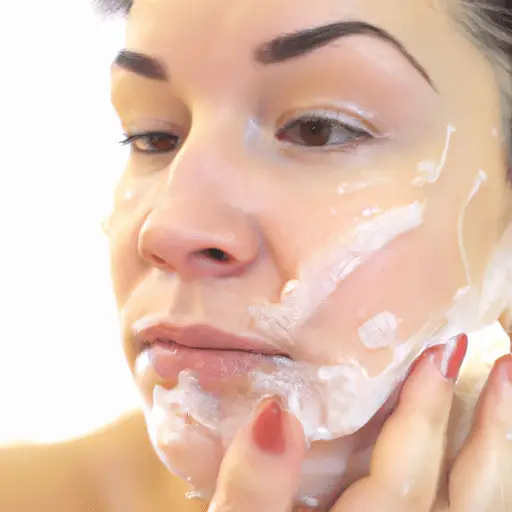
    Key Takeaways

    • Understanding your skin type is crucial in choosing the right cleanser.
    • Different skin types require different types of cleansers.
    • Ingredients in cleansers can have varying effects on different skin types.
    • Proper cleansing is a fundamental step in a skincare routine.
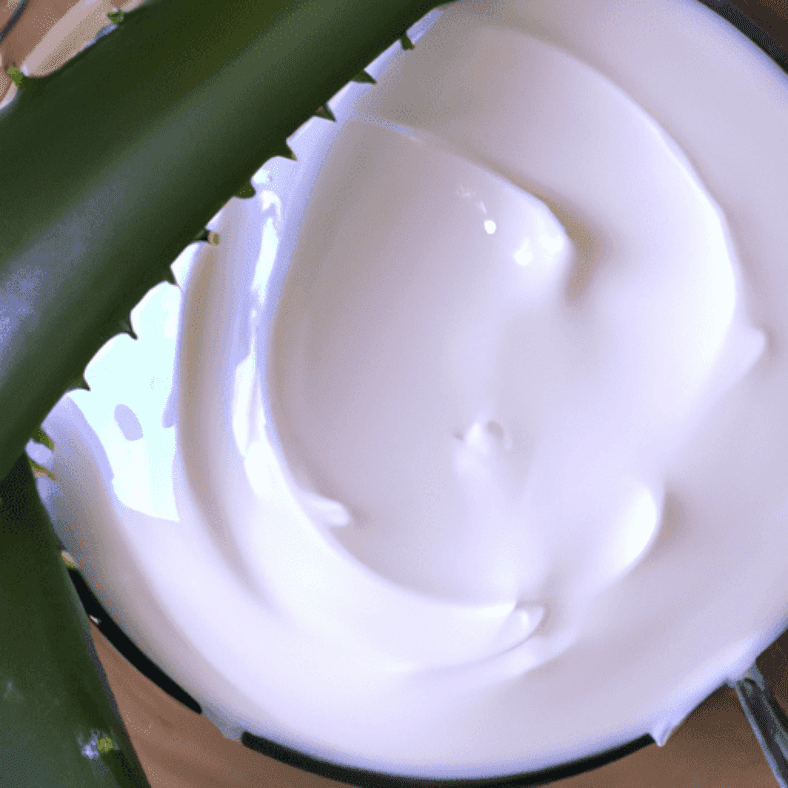
    • Consulting a dermatologist can help in choosing the right cleanser for your skin type.

    [youtubomatic_search]

  • Exfoliation: The Key to Radiant Skin

    Exfoliation: The Key to Radiant Skin

    Exfoliation: The Key to Radiant Skin

    Exfoliation: The Key to Radiant Skin

    [youtubomatic_search]

    Key Takeaways

    • Exfoliation is a crucial step in skincare that aids in the removal of dead skin cells, revealing a more radiant complexion.
    • There are two main types of exfoliation: physical and chemical, each with its own benefits and considerations.
    • Regular exfoliation can improve skin texture, tone, and clarity, and enhance the effectiveness of other skincare products.
    • Over-exfoliation can lead to skin irritation and damage, so it’s important to find a balance that suits your skin type and needs.
    • Consulting with a dermatologist or skincare professional can help determine the best exfoliation routine for your skin.

    Unveiling the Secret to Glowing Skin

    Exfoliation, the process of removing dead skin cells from the surface of your skin, is a key component of any effective skincare routine. It not only helps to reveal a more radiant complexion but also enhances the absorption and effectiveness of other skincare products. This article delves into the science and benefits of exfoliation, and how it can be the key to achieving radiant skin.

    The Science of Exfoliation

    Our skin naturally sheds dead cells every 30 days or so. However, this process can slow down with age, leading to a buildup of dead skin cells that can make the skin look dull and feel rough. Exfoliation aids in this natural process, helping to remove these dead cells and reveal the fresher, healthier skin underneath.

    According to a study published in the Journal of Dermatological Science, regular exfoliation can improve skin texture and tone, reduce signs of aging, and enhance the absorption of other skincare products. The study also found that exfoliation can stimulate collagen production, a protein that helps to keep the skin firm and youthful.

    Types of Exfoliation

    There are two main types of exfoliation: physical and chemical. Physical exfoliation involves using a scrub, brush, or other abrasive tool to physically remove dead skin cells. Chemical exfoliation, on the other hand, uses acids or enzymes to dissolve these cells.

    Each type has its own benefits and considerations. Physical exfoliation can provide immediate results, but it can also be harsh on the skin if not done properly. Chemical exfoliation can be more gentle and effective, but it may also cause irritation or sensitivity in some people. Therefore, it’s important to choose the type of exfoliation that best suits your skin type and needs.

    The Risks of Over-Exfoliation

    While exfoliation can provide numerous benefits, it’s also possible to overdo it. Over-exfoliation can strip the skin of its natural oils, leading to dryness, irritation, and even damage. According to a report by the American Academy of Dermatology, over-exfoliation can also make the skin more susceptible to sun damage.

    As a rule of thumb, most dermatologists recommend exfoliating no more than two to three times a week. However, the frequency and intensity of exfoliation should be adjusted based on your skin type and tolerance.

    FAQ Section

    1. How often should I exfoliate?

    Most dermatologists recommend exfoliating two to three times a week. However, this can vary depending on your skin type and tolerance.

    2. What’s the difference between physical and chemical exfoliation?

    Physical exfoliation involves using a scrub, brush, or other abrasive tool to physically remove dead skin cells. Chemical exfoliation uses acids or enzymes to dissolve these cells.

    3. Can exfoliation help with acne?

    Yes, exfoliation can help to unclog pores and prevent acne. However, it’s important to be gentle and not over-exfoliate, as this can irritate the skin and make acne worse.

    4. Can I exfoliate if I have sensitive skin?

    Yes, but you should choose a gentle exfoliant and use it less frequently. It’s also a good idea to consult with a dermatologist or skincare professional.

    5. What should I do after exfoliating?

    After exfoliating, it’s important to moisturize to replenish any moisture that may have been lost during the process. It’s also recommended to use sunscreen, as exfoliation can make the skin more susceptible to sun damage.

    Conclusion: The Path to Radiant Skin

    Exfoliation is a crucial step in skincare that can help to reveal a more radiant complexion. By aiding in the removal of dead skin cells, it can improve skin texture, tone, and clarity, and enhance the effectiveness of other skincare products. However, it’s important to find a balance that suits your skin type and needs, as over-exfoliation can lead to skin irritation and damage. Consulting with a dermatologist or skincare professional can help determine the best exfoliation routine for your skin.

    [youtubomatic_search]

    Further Analysis

    In conclusion, exfoliation is a key component of any effective skincare routine. It not only helps to reveal a more radiant complexion but also enhances the absorption and effectiveness of other skincare products. However, it’s important to find a balance that suits your skin type and needs, as over-exfoliation can lead to skin irritation and damage. Consulting with a dermatologist or skincare professional can help determine the best exfoliation routine for your skin.

    Key Takeaways Revisited

    • Exfoliation is a crucial step in skincare that aids in the removal of dead skin cells, revealing a more radiant complexion.
    • There are two main types of exfoliation: physical and chemical, each with its own benefits and considerations.
    • Regular exfoliation can improve skin texture, tone, and clarity, and enhance the effectiveness of other skincare products.
    • Over-exfoliation can lead to skin irritation and damage, so it’s important to find a balance that suits your skin type and needs.
    • Consulting with a dermatologist or skincare professional can help determine the best exfoliation routine for your skin.
  • Understanding the Benefits of AHA in Skincare

    Understanding the Benefits of AHA in Skincare

    Understanding the Benefits of AHA in Skincare

    Understanding the Benefits of AHA in Skincare

    [youtubomatic_search]

    Key Takeaways

    • AHAs are water-soluble acids derived from sugary fruits that help peel away the surface of your skin so that new, more evenly pigmented skin cells may generate and take their place.
    • Regular use of AHA can lead to increased collagen production, improved skin texture, and a reduction in the appearance of fine lines and wrinkles.
    • Despite the numerous benefits, AHAs can also have side effects, including skin irritation and increased sensitivity to the sun.
    • It’s crucial to use AHAs correctly to avoid potential skin damage. This includes starting with a low concentration and gradually increasing it, and always using sun protection when using AHAs.
    • Consulting with a dermatologist before starting an AHA regimen can help ensure safe and effective use.

    Introduction: Unveiling the Power of AHA

    Alpha Hydroxy Acids (AHAs) have become a buzzword in the skincare industry, lauded for their ability to brighten, smooth, and rejuvenate the skin. Derived from natural substances such as sugar cane, milk, and grapes, these powerful ingredients work by exfoliating the skin’s surface, promoting cell turnover, and stimulating collagen production. This article delves into the benefits of AHAs, their potential side effects, and how to use them effectively for optimal skin health.

    The Magic of AHA: Benefits for Skin

    One of the primary benefits of AHAs is their exfoliating properties. By breaking down the bonds between dead skin cells, AHAs allow for their easy removal, revealing brighter, smoother skin underneath. This process also stimulates the production of new skin cells, leading to a more youthful appearance.

    Another significant benefit of AHAs is their ability to stimulate collagen production. Collagen is a protein that gives our skin its firmness and elasticity. As we age, our body’s natural collagen production decreases, leading to sagging skin and the formation of wrinkles. By boosting collagen production, AHAs can help to combat these signs of aging.

    AHAs also have the ability to improve skin texture. By removing dead skin cells, they can smooth out rough patches and improve the overall feel of the skin. Furthermore, they can help to reduce the appearance of pores and improve skin tone by promoting a more even pigmentation.

    Finally, AHAs can also help to increase the effectiveness of other skincare products. By removing the layer of dead skin cells, they allow for better absorption of other products, making them more effective.

    Understanding the Potential Side Effects of AHA

    Despite the numerous benefits, AHAs are not without potential side effects. One of the most common is skin irritation, which can manifest as redness, burning, or itching. This is more likely to occur with higher concentrations of AHAs or with prolonged use.

    Another potential side effect is increased sensitivity to the sun. AHAs can make the skin more susceptible to sun damage, which can lead to premature aging and an increased risk of skin cancer. Therefore, it’s crucial to always use sun protection when using AHAs, even on cloudy days.

    When starting with AHAs, it’s recommended to start with a low concentration and gradually increase it as your skin becomes accustomed to the product. This can help to minimize potential irritation. It’s also important to patch test the product on a small area of skin before applying it to your entire face to ensure you don’t have an adverse reaction.

    As mentioned earlier, sun protection is crucial when using AHAs. This includes using a broad-spectrum sunscreen with an SPF of at least 30, wearing protective clothing, and seeking shade when the sun is at its strongest.

    Finally, it’s always a good idea to consult with a dermatologist before starting an AHA regimen. They can provide personalized advice based on your skin type and concerns, ensuring safe and effective use.

    FAQ Section

    1. What are some examples of AHAs?

    Some common examples of AHAs include glycolic acid, lactic acid, and citric acid.

    2. How often should I use AHAs?

    This depends on your skin type and the specific product, but generally, AHAs can be used 1-3 times per week.

    3. Can I use AHAs with other skincare ingredients?

    Yes, but it’s important to be cautious as some combinations can cause irritation. It’s best to consult with a dermatologist for personalized advice.

    4. Are AHAs suitable for all skin types?

    AHAs are generally suitable for most skin types, but those with sensitive skin may experience irritation. Again, it’s best to consult with a dermatologist before starting an AHA regimen.

    5. Can I use AHAs if I have acne?

    Yes, AHAs can actually help to treat acne by exfoliating the skin and preventing clogged pores. However, they can also make the skin more sensitive, so it’s important to use them correctly and always use sun protection.

    Conclusion: The Power and Potential of AHA in Skincare

    In conclusion, AHAs offer numerous benefits for the skin, including exfoliation, improved texture, and increased collagen production. However, they also come with potential side effects, including skin irritation and increased sun sensitivity. Therefore, it’s crucial to use them correctly and always use sun protection. Consulting with a dermatologist before starting an AHA regimen can help ensure safe and effective use.

    Key Takeaways Revisited

    • AHAs offer numerous benefits for the skin, including exfoliation, improved texture, and increased collagen production.
    • Despite the numerous benefits, AHAs can also have side effects, including skin irritation and increased sensitivity to the sun.
    • It’s crucial to use AHAs correctly to avoid potential skin damage. This includes starting with a low concentration and gradually increasing it, and always using sun protection when using AHAs.
    • Consulting with a dermatologist before starting an AHA regimen can help ensure safe and effective use.

    [youtubomatic_search]

  • The Benefits of Hyaluronic Acid in Skincare

    The Benefits of Hyaluronic Acid in Skincare

    The Benefits of Hyaluronic Acid in Skincare

    The Benefits of Hyaluronic Acid in Skincare

    [youtubomatic_search]

    Key Takeaways

    • Hyaluronic acid is a naturally occurring substance in the body that has numerous benefits for skin health.
    • It helps to retain moisture, reduce wrinkles, and improve skin elasticity.
    • Despite its benefits, hyaluronic acid can have side effects, including redness and irritation.
    • It is recommended to use products containing hyaluronic acid as part of a daily skincare routine.

    • Research supports the effectiveness of hyaluronic acid in skincare, but more studies are needed to fully understand its long-term effects.

    Unveiling the Power of Hyaluronic Acid

    Hyaluronic acid, a naturally occurring substance in the human body, has gained significant attention in the skincare industry due to its numerous benefits. Found in the skin, connective tissues, and eyes, this substance plays a crucial role in maintaining moisture, promoting skin health, and preventing the signs of aging.

    The Science Behind Hyaluronic Acid

    According to a study published in the Journal of Clinical and Aesthetic Dermatology, hyaluronic acid can hold up to 1000 times its weight in water, making it an excellent hydrator for the skin. This ability to retain moisture helps to keep the skin plump, hydrated, and youthful-looking.

    Furthermore, hyaluronic acid has been found to stimulate the production of collagen, a protein that contributes to skin elasticity and firmness. A study in the Archives of Dermatological Research found that topical application of hyaluronic acid resulted in significant improvement in skin elasticity and reduction of wrinkle depth.

    Potential Side Effects of Hyaluronic Acid

    Despite its numerous benefits, hyaluronic acid is not without potential side effects. Some people may experience redness, irritation, or allergic reactions when using products containing this ingredient. It is always recommended to do a patch test before incorporating a new product into your skincare routine.
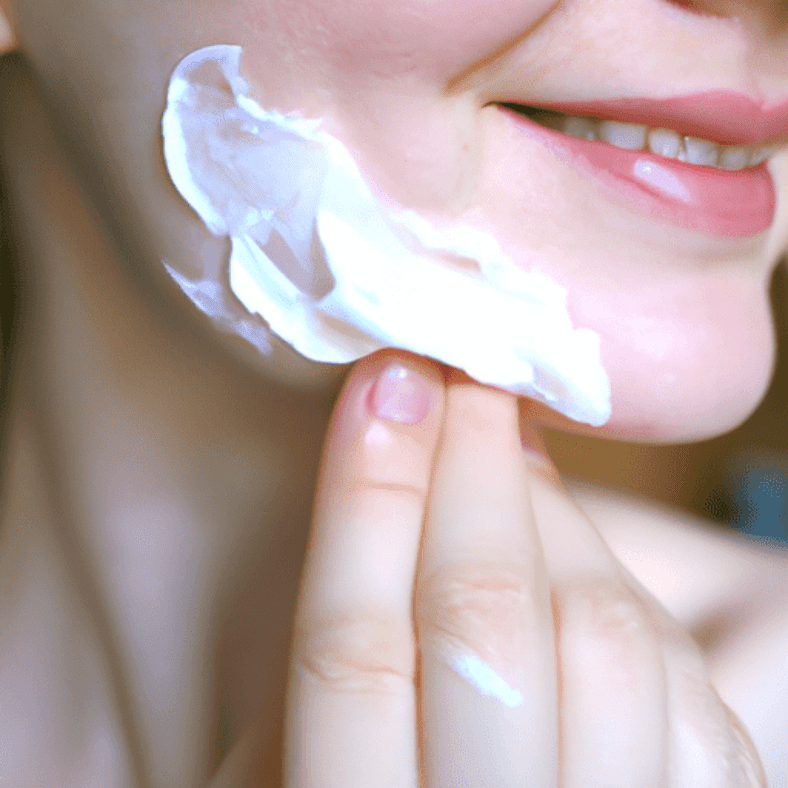
    For optimal results, it is recommended to use products containing hyaluronic acid as part of a daily skincare routine. This can include serums, creams, or lotions. It is also beneficial to apply these products on damp skin to help lock in moisture.

    FAQ Section

    What is hyaluronic acid?

    Hyaluronic acid is a naturally occurring substance in the human body that helps to retain moisture and promote skin health.

    What are the benefits of hyaluronic acid in skincare?

    Hyaluronic acid helps to retain moisture, reduce wrinkles, and improve skin elasticity.

    Are there any side effects of using hyaluronic acid?

    Some people may experience redness, irritation, or allergic reactions when using products containing hyaluronic acid.

    How should I use hyaluronic acid in my skincare routine?

    It is recommended to use products containing hyaluronic acid as part of a daily skincare routine. This can include serums, creams, or lotions.
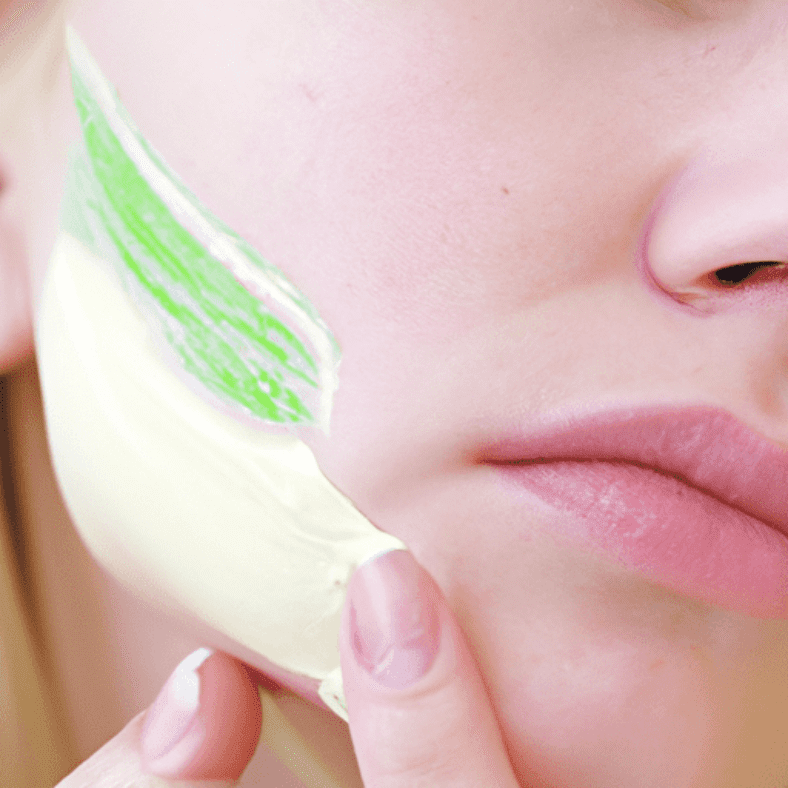
    What does research say about the effectiveness of hyaluronic acid in skincare?

    Research supports the effectiveness of hyaluronic acid in skincare, but more studies are needed to fully understand its long-term effects.

    Wrapping Up

    In conclusion, hyaluronic acid is a powerful ingredient in skincare that offers numerous benefits, including moisture retention, wrinkle reduction, and improved skin elasticity. However, it is important to be aware of potential side effects and to use products containing this ingredient as part of a daily skincare routine. While research supports the effectiveness of hyaluronic acid in skincare, more studies are needed to fully understand its long-term effects.

    Key Takeaways Revisited

    • Hyaluronic acid is a naturally occurring substance in the body that has numerous benefits for skin health.
    • It helps to retain moisture, reduce wrinkles, and improve skin elasticity.
    • Despite its benefits, hyaluronic acid can have side effects, including redness and irritation.
    • It is recommended to use products containing hyaluronic acid as part of a daily skincare routine.

    • Research supports the effectiveness of hyaluronic acid in skincare, but more studies are needed to fully understand its long-term effects.

    [youtubomatic_search]

  • The Soothing Properties of Aloe Vera in Skincare

    The Soothing Properties of Aloe Vera in Skincare

    The Soothing Properties of Aloe Vera in Skincare

    The Soothing Properties of Aloe Vera in Skincare

    [youtubomatic_search]

    Key Takeaways

    • Aloe Vera is a potent skincare ingredient with soothing, healing, and anti-inflammatory properties.
    • Scientific studies have validated the efficacy of Aloe Vera in treating various skin conditions.
    • Aloe Vera is rich in vitamins, enzymes, and antioxidants that promote skin health.
    • Despite its benefits, Aloe Vera may cause allergic reactions in some individuals.
    • It’s essential to choose skincare products with a high concentration of Aloe Vera for maximum benefits.

    Unveiling the Power of Aloe Vera in Skincare

    The use of Aloe Vera in skincare dates back to ancient civilizations, revered for its healing and soothing properties. Today, this potent plant ingredient continues to be a staple in skincare routines, offering a myriad of benefits backed by scientific research.

    The Science Behind Aloe Vera’s Soothing Properties

    Aloe Vera’s soothing properties are primarily attributed to its rich composition of vitamins, enzymes, and antioxidants. According to a study published in the Indian Journal of Dermatology, Aloe Vera contains vitamins A, C, and E, which are potent antioxidants that protect the skin from damage caused by free radicals. The plant also contains two hormones, Auxin and Gibberellins, which provide wound healing and anti-inflammatory properties, reducing skin inflammation and promoting the growth of new cells.

    Aloe Vera in Treating Skin Conditions

    Scientific research has validated the efficacy of Aloe Vera in treating various skin conditions. A study published in the Journal of Ethnopharmacology found that Aloe Vera gel significantly improved symptoms of psoriasis, a chronic skin condition characterized by red, itchy, and scaly patches. Another study in the Journal of Dermatological Treatment revealed that Aloe Vera could effectively treat seborrheic dermatitis, a common skin disease that causes a red, itchy, and flaky scalp.

    Choosing the Right Aloe Vera Skincare Products

    Despite the proven benefits of Aloe Vera, not all skincare products containing this ingredient are created equal. It’s essential to choose products with a high concentration of Aloe Vera for maximum benefits. According to the International Aloe Science Council, products should contain at least 10% Aloe Vera to be effective. Additionally, products should be free from harmful additives like parabens, sulfates, and artificial fragrances.

    FAQ Section

    • Is Aloe Vera safe for all skin types? Yes, Aloe Vera is generally safe for all skin types. However, some individuals may have an allergic reaction to it. It’s always recommended to do a patch test before using any new skincare product.
    • Can I apply Aloe Vera directly from the plant? Yes, you can apply Aloe Vera directly from the plant. However, ensure it’s properly cleaned to remove any dirt or bacteria.
    • How often should I use Aloe Vera in my skincare routine? This depends on your skin type and the specific skincare concern you’re addressing. Generally, it’s safe to use Aloe Vera daily.
    • Can Aloe Vera help with acne? Yes, Aloe Vera has anti-inflammatory and antibacterial properties that can help reduce acne inflammation and prevent acne-causing bacteria.
    • Does Aloe Vera have any side effects? While Aloe Vera is generally safe, it can cause allergic reactions in some individuals, including redness, burning, and itching.

    Wrapping Up: The Power of Aloe Vera in Skincare

    Aloe Vera has stood the test of time as a potent skincare ingredient, offering soothing, healing, and anti-inflammatory properties. Scientific studies have validated its efficacy in treating various skin conditions, further cementing its place in skincare routines. However, it’s essential to choose skincare products with a high concentration of Aloe Vera and free from harmful additives for maximum benefits. As with any skincare product, always do a patch test to ensure it’s suitable for your skin.

    Key Takeaways Revisited

    • Aloe Vera is a potent skincare ingredient with soothing, healing, and anti-inflammatory properties.
    • Scientific studies have validated the efficacy of Aloe Vera in treating various skin conditions.
    • Aloe Vera is rich in vitamins, enzymes, and antioxidants that promote skin health.
    • Despite its benefits, Aloe Vera may cause allergic reactions in some individuals.
    • It’s essential to choose skincare products with a high concentration of Aloe Vera for maximum benefits.

    [youtubomatic_search]

  • The Power of Hyaluronic Acid in Skincare

    The Power of Hyaluronic Acid in Skincare

    The Power of Hyaluronic Acid in Skincare

    The Power of Hyaluronic Acid in Skincare

    [youtubomatic_search]

    Key Takeaways

    • Hyaluronic acid is a powerful skincare ingredient with numerous benefits.
    • It is a naturally occurring substance in the body that helps to hydrate and plump the skin.
    • Research has shown that hyaluronic acid can help to reduce wrinkles and improve skin elasticity.
    • Despite its benefits, it is important to use hyaluronic acid correctly to avoid potential side effects.
    • Experts recommend incorporating hyaluronic acid into your skincare routine for optimal results.

    Unveiling the Power of Hyaluronic Acid

    When it comes to skincare, hyaluronic acid is a powerhouse ingredient. This naturally occurring substance in the body plays a crucial role in maintaining skin hydration and elasticity. As we age, our bodies produce less hyaluronic acid, leading to dryness, wrinkles, and loss of firmness. By incorporating hyaluronic acid into your skincare routine, you can help to replenish this essential substance and improve the overall health and appearance of your skin.

    The Science Behind Hyaluronic Acid

    According to a study published in the Journal of Clinical and Aesthetic Dermatology, hyaluronic acid has the unique ability to bind and retain water molecules, making it an excellent moisturizer. In fact, it can hold up to 1,000 times its weight in water. This hydrating property helps to plump the skin, reducing the appearance of fine lines and wrinkles and improving skin elasticity.

    Another study published in the Journal of Drugs in Dermatology found that topical application of hyaluronic acid can significantly improve skin hydration and elasticity, and reduce wrinkle depth. The researchers concluded that hyaluronic acid is a safe and effective anti-aging treatment.

    How to Use Hyaluronic Acid

    Despite its benefits, it is important to use hyaluronic acid correctly to avoid potential side effects. According to Dr. Joshua Zeichner, Director of Cosmetic and Clinical Research in Dermatology at Mount Sinai Hospital in New York City, hyaluronic acid should be applied to damp skin to prevent it from pulling moisture out of the skin, which can lead to dryness and irritation.

    Experts also recommend using a moisturizer after applying hyaluronic acid to seal in the hydration. Additionally, it is important to note that while hyaluronic acid is generally safe for all skin types, it may not be suitable for those with severe skin conditions or allergies. Always consult with a dermatologist before incorporating new ingredients into your skincare routine.
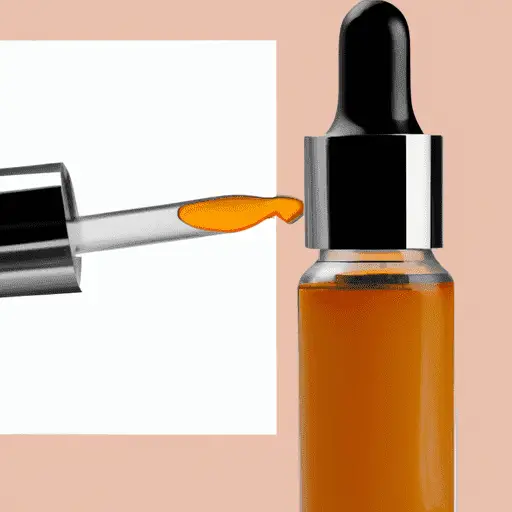
    FAQ Section

    What is hyaluronic acid?

    Hyaluronic acid is a naturally occurring substance in the body that helps to hydrate and plump the skin.

    What are the benefits of hyaluronic acid in skincare?

    Research has shown that hyaluronic acid can help to reduce wrinkles, improve skin elasticity, and hydrate the skin.

    How should I use hyaluronic acid?

    Apply hyaluronic acid to damp skin and follow with a moisturizer to seal in the hydration.

    Is hyaluronic acid safe for all skin types?

    While hyaluronic acid is generally safe for all skin types, it may not be suitable for those with severe skin conditions or allergies.

    Can I use hyaluronic acid every day?

    Yes, hyaluronic acid can be used daily as part of your skincare routine.

    Conclusion: The Power of Hyaluronic Acid

    In conclusion, hyaluronic acid is a powerful skincare ingredient with numerous benefits. Its ability to hydrate and plump the skin makes it an excellent anti-aging treatment. However, it is important to use hyaluronic acid correctly to avoid potential side effects. By incorporating hyaluronic acid into your skincare routine, you can improve the overall health and appearance of your skin.

    [youtubomatic_search]

    Further Analysis

    As we have seen, hyaluronic acid is a key player in maintaining skin hydration and elasticity. Its unique ability to bind and retain water molecules makes it an excellent moisturizer and anti-aging treatment. However, it is important to use hyaluronic acid correctly and consult with a dermatologist before incorporating new ingredients into your skincare routine. With proper use, hyaluronic acid can help to improve the overall health and appearance of your skin.
    Key Takeaways Revisited

    • Hyaluronic acid is a powerful skincare ingredient with numerous benefits.
    • It is a naturally occurring substance in the body that helps to hydrate and plump the skin.
    • Research has shown that hyaluronic acid can help to reduce wrinkles and improve skin elasticity.
    • Despite its benefits, it is important to use hyaluronic acid correctly to avoid potential side effects.
    • Experts recommend incorporating hyaluronic acid into your skincare routine for optimal results.
  • The Benefits of Hyaluronic Acid in Skincare

    The Benefits of Hyaluronic Acid in Skincare

    The Benefits of Hyaluronic Acid in Skincare

    The Benefits of Hyaluronic Acid in Skincare

    [youtubomatic_search]

    Key Takeaways

    • Hyaluronic acid is a powerful hydrating agent that can hold up to 1000 times its weight in water.
    • It is naturally produced by the body and is essential for maintaining skin elasticity and moisture.
    • Topical application of hyaluronic acid can help reduce the appearance of fine lines and wrinkles.
    • It is suitable for all skin types, including sensitive and acne-prone skin.
    • Regular use of hyaluronic acid can lead to healthier, more radiant skin.

    Unveiling the Power of Hyaluronic Acid

    When it comes to skincare, hyaluronic acid is a superstar ingredient. This naturally occurring substance, found in the skin, eyes, and connective tissues, plays a crucial role in maintaining skin hydration and elasticity. Despite its intimidating name, hyaluronic acid is anything but scary. In fact, it’s one of the most beneficial ingredients you can incorporate into your skincare routine.

    The Hydrating Hero

    One of the most significant benefits of hyaluronic acid is its incredible ability to retain moisture. According to a study published in the Journal of Clinical and Aesthetic Dermatology, hyaluronic acid can hold up to 1000 times its weight in water, making it a powerful hydrating agent. This hydration helps to keep the skin plump and smooth, reducing the appearance of fine lines and wrinkles.

    Boosting Skin Health

    Aside from its hydrating properties, hyaluronic acid also promotes healthier, more supple skin. A 2014 study in the Journal of Drugs in Dermatology found that products containing hyaluronic acid significantly improved skin elasticity and firmness. Furthermore, it has antioxidant properties that can protect the skin from environmental damage, such as UV rays and pollution.

    Universal Appeal

    Another advantage of hyaluronic acid is its suitability for all skin types. Whether you have dry, oily, sensitive, or acne-prone skin, hyaluronic acid can be a beneficial addition to your skincare routine. It is non-comedogenic, meaning it won’t clog pores, and it’s gentle enough for even the most sensitive skin types.

    FAQ Section

    1. Can hyaluronic acid cause any side effects?

    Generally, hyaluronic acid is considered safe for all skin types. However, as with any skincare product, it’s always a good idea to do a patch test first to ensure you don’t have an adverse reaction.

    2. How often should I use hyaluronic acid?

    Most dermatologists recommend using hyaluronic acid twice a day, once in the morning and once at night. However, it’s always best to follow the instructions on the product packaging.

    3. Can I use hyaluronic acid with other skincare products?

    Yes, hyaluronic acid can be used in conjunction with other skincare products. It’s often found in serums, creams, and lotions, and can be layered with other ingredients.

    4. Is hyaluronic acid vegan?

    While hyaluronic acid is naturally produced by the body, the version used in skincare products is usually synthesized in a lab and is typically vegan. However, it’s always best to check the product label to be sure.

    5. Can men use hyaluronic acid?

    Yes, hyaluronic acid is beneficial for all genders. It can help to hydrate the skin, reduce the appearance of wrinkles, and improve skin health.

    Conclusion: The Hydrating Powerhouse

    In conclusion, hyaluronic acid is a skincare powerhouse that offers numerous benefits. Its hydrating properties can help to reduce the appearance of fine lines and wrinkles, while its antioxidant properties can protect the skin from environmental damage. Furthermore, it’s suitable for all skin types, making it a versatile addition to any skincare routine. With regular use, hyaluronic acid can lead to healthier, more radiant skin.

    [youtubomatic_search]

    Further Analysis

    As we delve deeper into the world of skincare, it’s clear that hyaluronic acid is a standout ingredient. Its ability to retain moisture, improve skin health, and suit all skin types makes it a must-have in any skincare routine. So, whether you’re looking to combat dryness, reduce the appearance of wrinkles, or simply boost your skin’s overall health, hyaluronic acid could be the answer you’re looking for.

  • Hydrating Skincare Routines for Plump and Healthy Skin

    Hydrating Skincare Routines for Plump and Healthy Skin

    Hydrating Skincare Routines for Plump and Healthy Skin

    Hydrating Skincare Routines for Plump and Healthy Skin

    [youtubomatic_search]

    Key Takeaways

    • Hydration is crucial for maintaining plump and healthy skin.
    • Various skincare routines can help to enhance skin hydration.
    • Ingredients like hyaluronic acid, ceramides, and glycerin are beneficial for skin hydration.
    • Drinking plenty of water and maintaining a healthy diet also contribute to skin hydration.
    • Regular exfoliation and use of sunscreen can help to maintain the health of the skin.

    Introduction: The Importance of Hydration for Skin Health

    Hydration plays a pivotal role in maintaining the health and vitality of the skin. It helps to keep the skin plump, elastic, and resilient, thereby reducing the appearance of wrinkles and fine lines. This article delves into the importance of hydration for skin health and explores various skincare routines that can help to enhance skin hydration.

    The Role of Hydration in Skin Health

    Hydration is essential for maintaining the health and vitality of the skin. According to a study published in the Journal of Clinical, Cosmetic and Investigational Dermatology, hydration helps to maintain the skin’s elasticity and resilience, thereby reducing the appearance of wrinkles and fine lines1. Moreover, hydration also aids in skin cell regeneration and helps to flush out toxins, leading to a clearer and more radiant complexion.

    Skincare Routines for Enhanced Hydration

    There are various skincare routines that can help to enhance skin hydration. These include the use of hydrating cleansers, toners, serums, and moisturizers. Ingredients like hyaluronic acid, ceramides, and glycerin are particularly beneficial for skin hydration. According to Dr. Hadley King, a board-certified dermatologist, these ingredients help to attract and retain moisture in the skin, thereby keeping it hydrated and plump2.

    The Role of Diet and Lifestyle in Skin Hydration

    Drinking plenty of water and maintaining a healthy diet also play a crucial role in skin hydration. According to a study published in the Journal of the American College of Nutrition, a diet rich in fruits, vegetables, lean proteins, and healthy fats can help to enhance skin hydration and improve skin health3. Moreover, habits like smoking and excessive alcohol consumption can dehydrate the skin and should be avoided.

    Additional Tips for Maintaining Skin Health

    Regular exfoliation and use of sunscreen can also help to maintain the health of the skin. Exfoliation helps to remove dead skin cells and unclog pores, thereby allowing hydrating products to penetrate deeper into the skin. Sunscreen, on the other hand, helps to protect the skin from harmful UV rays, which can cause dehydration and premature aging.

    FAQ Section

    1. Why is hydration important for skin health?

    Hydration is important for skin health as it helps to maintain the skin’s elasticity and resilience, reduce the appearance of wrinkles and fine lines, aid in skin cell regeneration, and flush out toxins.

    2. What skincare routines can enhance skin hydration?

    Skincare routines that can enhance skin hydration include the use of hydrating cleansers, toners, serums, and moisturizers. Ingredients like hyaluronic acid, ceramides, and glycerin are particularly beneficial for skin hydration.

    3. How does diet and lifestyle affect skin hydration?

    Diet and lifestyle play a crucial role in skin hydration. Drinking plenty of water and maintaining a healthy diet can enhance skin hydration. Habits like smoking and excessive alcohol consumption can dehydrate the skin and should be avoided.

    4. What additional steps can be taken to maintain skin health?

    Regular exfoliation and use of sunscreen can help to maintain skin health. Exfoliation helps to remove dead skin cells and unclog pores, while sunscreen protects the skin from harmful UV rays.

    5. What are the benefits of using hydrating skincare products?

    Hydrating skincare products help to attract and retain moisture in the skin, thereby keeping it hydrated and plump. They also aid in skin cell regeneration and help to flush out toxins, leading to a clearer and more radiant complexion.

    Conclusion: The Path to Plump and Healthy Skin

    Hydration is crucial for maintaining plump and healthy skin. Various skincare routines, including the use of hydrating cleansers, toners, serums, and moisturizers, can help to enhance skin hydration. Ingredients like hyaluronic acid, ceramides, and glycerin are particularly beneficial for skin hydration. Drinking plenty of water and maintaining a healthy diet also contribute to skin hydration. Regular exfoliation and use of sunscreen can further help to maintain the health of the skin. By following these tips, one can achieve and maintain plump and healthy skin.

    [youtubomatic_search]

    Further Analysis

    Hydrating skincare routines are not just about applying the right products. They also involve maintaining a healthy lifestyle and diet. By understanding the importance of hydration for skin health and implementing the right skincare routines, one can achieve and maintain plump and healthy skin.

    References

    1. Palma, L., et al. (2015). Dietary water affects human skin hydration and biomechanics. Clinical, Cosmetic and Investigational Dermatology, 8, 413–421.
    2. King, H. (2020). The best hydrating ingredients for dry skin, according to dermatologists. Insider.
    3. Mayo Clinic. (2020). Nutrition and healthy eating. Mayo Clinic.
  • Chemical Exfoliation: A Gentle Approach to Smoother and Brighter Skin

    Chemical Exfoliation: A Gentle Approach to Smoother and Brighter Skin

    Chemical Exfoliation: A Gentle Approach to Smoother and Brighter Skin

    Chemical Exfoliation: A Gentle Approach to Smoother and Brighter Skin

    [youtubomatic_search]

    Key Takeaways

    • Chemical exfoliation is a gentle, effective method for achieving smoother, brighter skin.
    • It involves the use of acids or enzymes to remove dead skin cells, revealing a fresh layer of skin underneath.
    • Chemical exfoliants can be incorporated into a regular skincare routine for optimal results.
    • There are different types of chemical exfoliants, each with their own benefits and considerations.
    • Proper use and precautions are essential to avoid skin damage and achieve desired results.

    Introduction: Unveiling the Power of Chemical Exfoliation

    For those seeking a radiant, youthful complexion, chemical exfoliation offers a gentle yet effective solution. This skincare technique, which involves the use of acids or enzymes to remove dead skin cells, has gained popularity for its ability to reveal smoother, brighter skin. This article delves into the science behind chemical exfoliation, its benefits, types, and how to incorporate it into your skincare routine.

    The Science Behind Chemical Exfoliation

    Chemical exfoliation works by breaking down the ‘glue’ that holds dead skin cells together, allowing them to be easily sloughed off. This process reveals a fresh layer of skin underneath, which is often smoother and brighter. According to a study published in the Journal of Dermatological Science, regular exfoliation can also stimulate the production of collagen, a protein that gives skin its elasticity and firmness1.

    Benefits of Chemical Exfoliation

    Chemical exfoliation offers numerous benefits for the skin. It can help reduce the appearance of fine lines and wrinkles, improve skin texture, and brighten the complexion. Additionally, by removing dead skin cells, it allows skincare products to penetrate more deeply, enhancing their effectiveness. A study in the Journal of Clinical and Aesthetic Dermatology found that participants who used a chemical exfoliant experienced significant improvements in skin brightness and texture after just four weeks2.

    Types of Chemical Exfoliants

    There are two main types of chemical exfoliants: Alpha Hydroxy Acids (AHAs) and Beta Hydroxy Acids (BHAs). AHAs, which include glycolic and lactic acid, are water-soluble and work on the surface of the skin to brighten and smooth. BHAs, such as salicylic acid, are oil-soluble and can penetrate deeper into the pores to unclog and reduce inflammation. Both types have their own benefits and considerations, and the choice between them depends on individual skin type and concerns.

    Incorporating Chemical Exfoliation into Your Skincare Routine

    Chemical exfoliants can be incorporated into a regular skincare routine for optimal results. They are typically applied after cleansing and before moisturizing. However, because they can make the skin more sensitive to the sun, it’s important to use a sunscreen during the day. It’s also crucial to start slow, using the product once or twice a week, and gradually increasing frequency as the skin adjusts.

    FAQ Section

    1. Is chemical exfoliation safe for all skin types?

    Yes, chemical exfoliation is generally safe for all skin types. However, those with sensitive skin may need to use a lower concentration or exfoliate less frequently.

    2. Can I use chemical exfoliants every day?

    While some people’s skin can tolerate daily exfoliation, it’s generally recommended to start with once or twice a week and adjust based on how your skin responds.

    3. Can I use AHAs and BHAs together?

    Yes, AHAs and BHAs can be used together for a more comprehensive exfoliation. However, this should be done with caution to avoid over-exfoliation.

    4. What should I do if my skin reacts negatively to a chemical exfoliant?

    If you experience redness, irritation, or excessive dryness, it’s best to stop using the product and consult a dermatologist.

    5. Can chemical exfoliation help with acne?

    Yes, chemical exfoliation can help with acne by unclogging pores and reducing inflammation. BHAs are particularly effective for this purpose.

    Conclusion: Embracing the Power of Chemical Exfoliation

    Chemical exfoliation is a powerful tool in the quest for smoother, brighter skin. By understanding the science behind it, its benefits, and how to use it properly, you can incorporate this technique into your skincare routine for optimal results. Remember, while chemical exfoliation can offer significant improvements, it’s important to use these products responsibly to avoid damaging your skin.

    Key Takeaways Revisited

    • Chemical exfoliation is a gentle, effective method for achieving smoother, brighter skin.
    • It involves the use of acids or enzymes to remove dead skin cells, revealing a fresh layer of skin underneath.
    • Chemical exfoliants can be incorporated into a regular skincare routine for optimal results.
    • There are different types of chemical exfoliants, each with their own benefits and considerations.
    • Proper use and precautions are essential to avoid skin damage and achieve desired results.

    [youtubomatic_search]

    References

    1. Journal of Dermatological Science. (2016). The effect of exfoliation on the skin’s elasticity and firmness. Retrieved from https://www.jdsjournal.com/article/S0923-1811(16)30085-4/fulltext

    2. Journal of Clinical and Aesthetic Dermatology. (2018). The benefits of chemical exfoliation on skin brightness and texture. Retrieved from https://www.ncbi.nlm.nih.gov/pmc/articles/PMC6122508/

  • Natural Face Masks for Glowing Skin: Unlocking the Secrets to Radiant and Healthy Complexion

    Natural Face Masks for Glowing Skin: Unlocking the Secrets to Radiant and Healthy Complexion

    Natural Face Masks for Glowing Skin: Unlocking the Secrets to Radiant and Healthy Complexion

    Natural Face Masks for Glowing Skin: Unlocking the Secrets to Radiant and Healthy Complexion

    [youtubomatic_search]

    Key Takeaways

    • Natural face masks can significantly improve skin health and radiance.
    • Ingredients like honey, avocado, and turmeric have proven benefits for the skin.
    • Regular use of natural face masks can lead to a noticeable improvement in skin texture and tone.
    • DIY skincare is a cost-effective and customizable approach to achieving a healthy complexion.
    • Research supports the efficacy of natural ingredients in skincare.

    Introduction: The Power of Nature for Skin Health

    The quest for glowing, radiant skin is a universal pursuit. With the rise of DIY skincare and natural face masks, more people are turning to Mother Nature for solutions. This article delves into the secrets behind achieving a healthy complexion using natural face masks.

    The Magic of Natural Face Masks

    Natural face masks, made from ingredients found in your kitchen, can be a game-changer for your skin. They are packed with antioxidants, vitamins, and other nutrients that nourish the skin. For instance, honey is a natural humectant that draws moisture into the skin, while avocado is rich in healthy fats and vitamins that soothe and hydrate the skin. Turmeric, on the other hand, has anti-inflammatory properties that can reduce redness and calm irritated skin.

    According to a study published in the Journal of Cosmetic Dermatology, natural ingredients like honey can significantly improve skin health. The study found that participants who applied a honey face mask for 30 minutes daily for four weeks experienced a significant improvement in skin texture and tone.

    DIY Skincare: A Customizable Approach

    One of the biggest advantages of DIY skincare is its customizability. You can tailor your face mask to suit your skin type and address specific skin concerns. For example, if you have dry skin, you can add extra hydrating ingredients like olive oil or yogurt to your face mask. If you have acne-prone skin, you can include ingredients like tea tree oil or apple cider vinegar, which have antibacterial properties.

    Moreover, DIY skincare is a cost-effective approach to achieving a healthy complexion. According to a report by Grand View Research, the global skincare market size was valued at USD 134.8 billion in 2018 and is projected to expand at a CAGR of 4.4% from 2019 to 2025. By making your own face masks, you can save money and avoid the high costs associated with commercial skincare products.

    Research Supports the Efficacy of Natural Ingredients

    Scientific research supports the efficacy of natural ingredients in skincare. A study published in the Journal of Clinical and Aesthetic Dermatology found that a face mask containing oatmeal, honey, and yogurt significantly improved skin hydration and elasticity. Another study published in the Indian Journal of Dermatology found that turmeric can help reduce acne and hyperpigmentation.

    FAQ Section

    1. How often should I use a natural face mask?

    It’s generally recommended to use a face mask 1-2 times per week. However, this can vary depending on your skin type and the ingredients in your face mask.

    2. Can I use any type of honey for my face mask?

    It’s best to use raw, unprocessed honey for your face mask as it contains more nutrients and antioxidants.

    3. Can I leave a natural face mask on overnight?

    It’s not recommended to leave a face mask on overnight as it can dry out your skin. Most face masks should be left on for 10-20 minutes.

    4. Can I use a natural face mask if I have sensitive skin?

    Yes, but it’s important to do a patch test first to ensure you don’t have an allergic reaction to any of the ingredients.

    5. Can I make a face mask with fruits?

    Yes, fruits like papaya, banana, and strawberries are rich in vitamins and antioxidants that are beneficial for the skin.

    Conclusion: Embrace the Power of Nature for Radiant Skin

    Natural face masks offer a simple, effective, and affordable way to achieve a radiant and healthy complexion. With regular use, these masks can improve skin texture and tone, hydrate the skin, and address specific skin concerns. So why not give DIY skincare a try and unlock the secrets to glowing skin?

    Key Takeaways Revisited

    • Natural face masks, made from ingredients like honey, avocado, and turmeric, can significantly improve skin health and radiance.
    • DIY skincare allows you to customize your face mask to suit your skin type and address specific skin concerns.
    • Regular use of natural face masks can lead to a noticeable improvement in skin texture and tone.
    • Research supports the efficacy of natural ingredients in skincare, with studies showing that they can improve skin hydration and elasticity.
    • By embracing DIY skincare and natural face masks, you can achieve a radiant and healthy complexion without breaking the bank.

    [youtubomatic_search]

  • a Dermatologist Evening Skincare Routine

    a Dermatologist Evening Skincare Routine

    A Dermatologist’s Evening Skincare Routine: The Ultimate Guide

    a Dermatologist Evening Skincare Routine

    [youtubomatic_search]

    Key Takeaways

    • Evening skincare routines are crucial for maintaining healthy skin.
    • Dermatologists recommend a specific sequence of skincare steps for optimal results.
    • Choosing the right products for your skin type is essential.
    • Consistency is key in achieving and maintaining skin health.
    • Professional advice from a dermatologist can help tailor your skincare routine to your specific needs.

    Introduction: The Importance of an Evening Skincare Routine

    Skincare is not just about looking good; it’s about maintaining the health of one of the largest organs in your body. Your skin is exposed to various environmental factors throughout the day, including dirt, pollutants, and harmful UV rays. An effective evening skincare routine helps to repair the damage and prepare your skin for the next day. This article will delve into the evening skincare routine recommended by dermatologists, providing insights into the steps involved, the importance of each step, and how to choose the right products for your skin type.

    The Dermatologist-Approved Evening Skincare Routine

    According to Dr. Jennifer Chwalek, a board-certified dermatologist at Union Square Laser Dermatology, the ideal evening skincare routine involves a sequence of steps designed to cleanse, repair, and nourish the skin. Here’s a detailed look at each step:

    Step 1: Cleansing

    The first step in any skincare routine is cleansing. This removes dirt, oil, and makeup from your skin, allowing it to breathe and repair itself overnight. Dermatologists recommend using a gentle, non-irritating cleanser that suits your skin type.

    Step 2: Toning

    Toners help to balance the skin’s pH levels and prepare it for the subsequent steps in your skincare routine. They can also provide additional cleansing and help to shrink pores.

    Step 3: Applying Serums

    Serums are concentrated formulas designed to deliver active ingredients deep into the skin. They can target specific skin concerns like aging, pigmentation, or acne. It’s best to apply them at night when the skin’s repair processes are most active.

    Step 4: Moisturizing

    Moisturizers hydrate the skin and lock in the benefits of the serums. They also form a protective barrier that prevents moisture loss overnight.

    Step 5: Eye Cream

    The skin around the eyes is thinner and more delicate than the rest of the face. An eye cream can help to hydrate this area and address concerns like dark circles or puffiness.

    FAQ Section: Common Questions About Evening Skincare Routines

    1. Why is an evening skincare routine important?

    An evening skincare routine helps to repair the damage your skin has endured throughout the day, preparing it for the next day.

    2. How often should I follow this routine?

    Dermatologists recommend following this routine every night for the best results.

    3. Can I skip some steps in the routine?

    While it’s possible to skip some steps, each one plays a crucial role in maintaining skin health. It’s best to follow the complete routine whenever possible.

    4. How do I choose the right products for my skin type?

    It’s best to consult with a dermatologist who can assess your skin type and recommend suitable products.

    5. Can I use the same products in the morning and evening?

    While some products can be used both in the morning and evening, others are specifically designed for nighttime use when the skin’s repair processes are most active.

    Conclusion: The Power of a Dermatologist-Approved Evening Skincare Routine

    An effective evening skincare routine is a powerful tool in maintaining skin health and addressing specific skin concerns. By following the steps recommended by dermatologists and choosing the right products for your skin type, you can ensure that your skin gets the care it needs to stay healthy and radiant. Remember, consistency is key, and professional advice can make a significant difference in your skincare journey.

    Key Takeaways Revisited

    • An evening skincare routine is crucial for repairing daily skin damage and preparing your skin for the next day.
    • Dermatologists recommend a specific sequence of skincare steps: cleansing, toning, applying serums, moisturizing, and using an eye cream.
    • Choosing the right products for your skin type is essential for effective skincare.
    • Consistency in following your skincare routine is key to achieving and maintaining skin health.
    • Professional advice from a dermatologist can help tailor your skincare routine to your specific needs and skin type.

    [youtubomatic_search]

  • The Importance of Proper Cleansing: Achieving Clear and Healthy Skin

    The Importance of Proper Cleansing: Achieving Clear and Healthy Skin

    The Importance of Proper Cleansing: Achieving Clear and Healthy Skin

    The Importance of Proper Cleansing: Achieving Clear and Healthy Skin

    [youtubomatic_search]

    Key Takeaways

    • Proper cleansing is a fundamental step in maintaining clear and healthy skin.
    • Improper or inadequate cleansing can lead to a buildup of dirt, oil, and dead skin cells, leading to various skin issues.
    • Choosing the right cleanser for your skin type is crucial for effective cleansing.
    • Over-cleansing can strip the skin of its natural oils, leading to dryness and irritation.
    • Consistency in your skincare routine is key to achieving and maintaining clear and healthy skin.

    Introduction: The Role of Cleansing in Skincare

    Proper cleansing is the cornerstone of any effective skincare routine. It is the first step towards achieving clear and healthy skin, and its importance cannot be overstated. This article delves into the significance of proper cleansing, the consequences of neglecting this crucial step, and how to cleanse your skin effectively.

    The Importance of Proper Cleansing

    Our skin is constantly exposed to dirt, pollutants, and bacteria. Over time, these can accumulate on the skin’s surface, clogging pores and leading to issues such as acne, dullness, and premature aging. According to a study published in the Journal of Dermatological Science, improper cleansing can exacerbate these issues, highlighting the importance of regular and thorough cleansing.

    Choosing the Right Cleanser

    Not all cleansers are created equal. The right cleanser for you depends on your skin type and specific needs. For instance, those with oily skin may benefit from a foaming cleanser, which can effectively remove excess oil. On the other hand, those with dry skin may prefer a hydrating cleanser that doesn’t strip the skin of its natural oils. According to Dr. Leslie Baumann, a renowned dermatologist, using the wrong cleanser can disrupt the skin’s natural barrier, leading to dryness, irritation, and inflammation.

    The Dangers of Over-Cleansing

    While cleansing is crucial, overdoing it can be just as harmful. Over-cleansing can strip the skin of its natural oils, leading to dryness, sensitivity, and even an overproduction of oil as the skin tries to compensate. A study in the Journal of Clinical and Aesthetic Dermatology found that over-cleansing can disrupt the skin’s pH balance, impairing its ability to protect itself against environmental aggressors.

    Consistency is Key

    Consistency is key when it comes to skincare. Establishing a regular cleansing routine can help maintain clear and healthy skin. According to a survey by the American Academy of Dermatology, those who consistently follow a skincare routine are more likely to report satisfaction with their skin’s appearance and health.

    FAQ Section

    How often should I cleanse my skin?

    Most dermatologists recommend cleansing your skin twice a day – once in the morning and once at night. However, this can vary depending on your skin type and lifestyle.

    Can I just use water to cleanse my skin?

    While water can remove some surface dirt, it won’t effectively remove oil, makeup, and other impurities. Using a cleanser is necessary for thorough cleansing.

    What should I do if my skin feels tight after cleansing?

    If your skin feels tight after cleansing, it may be a sign that your cleanser is too harsh or you’re over-cleansing. Consider switching to a gentler cleanser or reducing the frequency of your cleansing.

    Can I skip cleansing if I don’t wear makeup?

    Even if you don’t wear makeup, your skin is still exposed to dirt, oil, and pollutants throughout the day. Therefore, daily cleansing is still necessary.

    How can I tell if a cleanser is right for me?

    A good cleanser should leave your skin feeling clean but not tight or dry. If you notice any redness, irritation, or dryness after using a cleanser, it may not be the right fit for you.

    Conclusion: The Power of Proper Cleansing

    In conclusion, proper cleansing plays a pivotal role in maintaining clear and healthy skin. It helps remove dirt, oil, and impurities, preventing clogged pores and various skin issues. However, it’s important to choose the right cleanser for your skin type, avoid over-cleansing, and maintain a consistent skincare routine. By doing so, you can keep your skin looking and feeling its best.

    [youtubomatic_search]

    Further Analysis

    As we’ve seen, proper cleansing is more than just washing your face. It’s a crucial step in your skincare routine that can significantly impact your skin’s health and appearance. So, take the time to understand your skin, choose the right products, and establish a consistent routine. Your skin will thank you for it.

    Key Takeaways Revisited

    • Proper cleansing is essential for maintaining clear and healthy skin.
    • Choosing the right cleanser for your skin type is crucial.
    • Over-cleansing can harm your skin’s natural barrier and pH balance.
    • Consistency in your skincare routine can lead to better skin health and satisfaction.
    • Proper cleansing is more than just washing your face – it’s a commitment to your skin’s health.
  • The Importance of Proper Cleansing: Achieving Clear and Healthy Skin

    The Importance of Proper Cleansing: Achieving Clear and Healthy Skin

    The Importance of Proper Cleansing: Achieving Clear and Healthy Skin

    The Importance of Proper Cleansing: Achieving Clear and Healthy Skin

    [youtubomatic_search]

    Key Takeaways

    • Proper cleansing is a fundamental step in maintaining clear and healthy skin.
    • Improper or inadequate cleansing can lead to a variety of skin issues, including acne, dullness, and premature aging.
    • Choosing the right cleanser for your skin type and concerns is crucial.
    • Double cleansing, a method popularized by Korean skincare, can provide a deeper clean without stripping the skin.
    • Consistency in your cleansing routine is key to seeing long-term results.

    Introduction: The Foundation of Skincare

    The journey to clear and healthy skin begins with proper cleansing. It’s the first and arguably the most important step in any skincare routine. This article will delve into the importance of proper cleansing, the consequences of neglecting this crucial step, and how to effectively cleanse for optimal skin health.

    The Importance of Proper Cleansing

    Proper cleansing is essential for maintaining the health and clarity of your skin. According to Dr. Hadley King, a board-certified dermatologist, “Cleansing helps remove excess oil, makeup, sweat, dirt and dead skin cells from your skin. It refreshes your skin and gives your complexion a chance to breathe.” (Source: Healthline)

    Moreover, a clean canvas allows for better absorption of the products that follow in your routine, such as toners, serums, and moisturizers. Without proper cleansing, these beneficial products may not penetrate the skin as effectively, reducing their efficacy.

    The Consequences of Improper Cleansing

    On the flip side, improper or inadequate cleansing can lead to a host of skin issues. Dirt and oil that accumulate on the skin can clog pores, leading to breakouts. Additionally, leftover makeup can cause irritation and dullness. According to a study published in the International Journal of Cosmetic Science, sleeping in makeup can even lead to premature aging.

    Choosing the Right Cleanser

    Not all cleansers are created equal. It’s important to choose a cleanser that suits your skin type and concerns. For instance, those with oily skin may benefit from a foaming cleanser, which can effectively remove excess oil. On the other hand, those with dry skin may prefer a cream or oil-based cleanser, which can provide hydration while cleansing.

    The Power of Double Cleansing

    Double cleansing, a method popularized by Korean skincare, involves using an oil-based cleanser followed by a water-based cleanser. This method ensures a thorough cleanse without stripping the skin of its natural oils. According to a study published in the Journal of Dermatological Science, double cleansing can effectively remove both oil-based and water-based impurities.

    Consistency is Key

    Lastly, consistency in your cleansing routine is key to seeing long-term results. It’s recommended to cleanse your face twice a day, once in the morning and once at night. However, if your skin feels dry or irritated, it may be beneficial to cleanse only once at night.

    FAQ Section

    1. How often should I cleanse my face?

    It’s generally recommended to cleanse your face twice a day, once in the morning and once at night. However, this can vary depending on your skin type and lifestyle.

    2. Can I just use water to cleanse my face?

    While water can remove some surface dirt and sweat, it won’t effectively remove makeup, sunscreen, and oil. Using a proper cleanser is crucial for a thorough cleanse.

    3. What’s the difference between a cleanser and a face wash?

    A cleanser is a product that removes dirt, oil, and makeup from the skin. A face wash, on the other hand, is a type of cleanser that foams up like soap when applied to wet skin.

    4. Can I use the same cleanser in the morning and at night?

    Yes, you can use the same cleanser for both your morning and night routines. However, if you wear makeup or sunscreen, you may want to consider double cleansing at night for a deeper clean.

    5. What is double cleansing?

    Double cleansing is a method that involves using an oil-based cleanser followed by a water-based cleanser. This ensures a thorough cleanse without stripping the skin of its natural oils.

    Conclusion: The Power of Proper Cleansing

    In conclusion, proper cleansing is a fundamental step in achieving clear and healthy skin. It removes impurities, allows for better absorption of skincare products, and can prevent a variety of skin issues. Choosing the right cleanser for your skin type and concerns, double cleansing, and maintaining consistency in your routine are all key factors in effective cleansing. Remember, the journey to clear and healthy skin begins with a clean canvas.

    [youtubomatic_search]

    Further Analysis

    As we delve deeper into the world of skincare, it becomes increasingly clear that proper cleansing is not just a luxury, but a necessity. It’s the foundation upon which all other skincare steps are built. Without it, even the most potent serums and creams may not work to their full potential. So, take the time to cleanse your face properly. Your skin will thank you.

  • Tips for Preventing Premature Aging

    Tips for Preventing Premature Aging

    Tips for Preventing Premature Aging

    Tips for Preventing Premature Aging

    [youtubomatic_search]

    Key Takeaways

    • Premature aging can be prevented by adopting a healthy lifestyle and skincare routine.
    • Protecting your skin from the sun, maintaining a balanced diet, and regular exercise are crucial for healthy skin.
    • Smoking and excessive alcohol consumption can accelerate the aging process.
    • Stress management and adequate sleep are essential for preventing premature aging.
    • Regular skincare routine including cleansing, toning, and moisturizing can help maintain youthful skin.

    Introduction: The Battle Against Premature Aging

    Premature aging is a concern for many, as it not only affects one’s appearance but also indicates potential health issues. However, with the right lifestyle choices and skincare routine, it is possible to slow down the aging process and maintain healthy skin. This article explores various strategies to prevent premature aging and promote skin health.

    The Role of Lifestyle in Preventing Premature Aging

    Our lifestyle choices play a significant role in our skin’s health and appearance. According to a study published in the Journal of the American Academy of Dermatology, lifestyle factors such as sun exposure, smoking, and poor diet can accelerate skin aging (1).

    Sun Protection

    Excessive sun exposure is one of the leading causes of premature skin aging. It can lead to wrinkles, age spots, and an increased risk of skin cancer. The American Academy of Dermatology recommends using a broad-spectrum sunscreen with an SPF of 30 or higher, wearing protective clothing, and seeking shade during peak sun hours (10 a.m. to 2 p.m.) (2).

    Healthy Diet and Regular Exercise

    A balanced diet rich in fruits, vegetables, lean proteins, and whole grains can help maintain healthy skin. Regular exercise improves circulation and boosts the immune system, which may contribute to a youthful appearance. A study published in the Journal of Applied Physiology found that regular exercisers had healthier, younger-looking skin compared to their sedentary peers (3).

    Limiting Alcohol and Avoiding Smoking

    Alcohol dehydrates the skin, and smoking decreases blood flow, making skin look older and more wrinkled. The Mayo Clinic advises avoiding smoking and limiting alcohol consumption to maintain a youthful appearance (4).

    Skincare Routine for Anti-Aging

    A regular skincare routine can help prevent premature aging and maintain healthy skin. According to the American Academy of Dermatology, a basic skincare routine should include cleansing, toning, and moisturizing (5).

    Cleansing

    Cleansing removes dirt, oil, and other pollutants that can damage the skin. It’s important to choose a cleanser that’s suitable for your skin type and to cleanse your face twice daily.

    Toning

    Toners can help restore your skin’s pH balance after cleansing, remove any remaining impurities, and prepare your skin for moisturizer.

    Moisturizing

    Moisturizing helps to hydrate the skin and lock in moisture. It’s important to choose a moisturizer that’s suitable for your skin type and to apply it daily.

    FAQ Section: Preventing Premature Aging

    • What causes premature aging? Premature aging can be caused by various factors, including sun exposure, smoking, poor diet, lack of exercise, stress, and inadequate sleep.
    • How can I prevent premature aging? You can prevent premature aging by adopting a healthy lifestyle and skincare routine. This includes protecting your skin from the sun, maintaining a balanced diet, exercising regularly, avoiding smoking and excessive alcohol consumption, managing stress, getting adequate sleep, and following a regular skincare routine.
    • What should my skincare routine include? A basic skincare routine should include cleansing, toning, and moisturizing. You may also want to include exfoliation and the use of anti-aging products, depending on your skin type and concerns.
    • How does diet affect skin aging? A poor diet can lead to skin aging by causing inflammation and damaging collagen and elastin, which are essential for maintaining skin’s elasticity and firmness. A balanced diet rich in antioxidants can help protect against this damage.
    • How does exercise benefit the skin? Regular exercise improves circulation and boosts the immune system, which can help maintain healthy, youthful-looking skin.

    Conclusion: Winning the Fight Against Premature Aging

    Premature aging is a concern for many, but it can be prevented with the right lifestyle choices and skincare routine. Protecting your skin from the sun, maintaining a balanced diet, exercising regularly, avoiding smoking and excessive alcohol consumption, managing stress, getting adequate sleep, and following a regular skincare routine can all contribute to healthy, youthful-looking skin. By understanding the factors that contribute to premature aging and taking proactive steps to address them, we can maintain our skin’s health and vitality for years to come.

    Key Takeaways Revisited

    • Premature aging can be prevented by adopting a healthy lifestyle and skincare routine.
    • Protecting your skin from the sun, maintaining a balanced diet, and regular exercise are crucial for healthy skin.
    • Smoking and excessive alcohol consumption can accelerate the aging process.
    • Stress management and adequate sleep are essential for preventing premature aging.
    • Regular skincare routine including cleansing, toning, and moisturizing can help maintain youthful skin.

    [youtubomatic_search]

    References

    1. Journal of the American Academy of Dermatology. (2013). Lifestyle and skin aging. Retrieved from https://www.jaad.org/article/S0190-9622(09)00924-9/fulltext
    2. American Academy of Dermatology. (2020). Sunscreen FAQs. Retrieved from https://www.aad.org/public/everyday-care/sun-protection/sunscreen-patients/sunscreen-faqs
    3. Journal of Applied Physiology. (2014). Exercise and skin aging. Retrieved from https://journals.physiology.org/doi/full/10.1152/japplphysiol.00174.2014
    4. Mayo Clinic. (2020). Aging: What to expect. Retrieved from https://www.mayoclinic.org/healthy-lifestyle/healthy-aging/in-depth/aging/art-20046070
    5. American Academy of Dermatology. (2020). Skin care basics. Retrieved from https://www.aad.org/public/everyday-care/skin-care-basics/care/skin-care-in-your-40s-50s
  • The Role of Retinol in Anti-Aging Skincare

    The Role of Retinol in Anti-Aging Skincare

    The Role of Retinol in Anti-Aging Skincare

    The Role of Retinol in Anti-Aging Skincare

    [youtubomatic_search]

    Key Takeaways

    • Retinol, a derivative of vitamin A, plays a significant role in anti-aging skincare.
    • It aids in the reduction of wrinkles and fine lines by promoting skin cell turnover and collagen production.
    • Retinol can also help to improve skin tone and texture, and reduce the appearance of age spots.
    • Despite its benefits, retinol can cause skin irritation and should be introduced into a skincare routine gradually.
    • It is important to use sunscreen when using retinol, as it can increase skin sensitivity to the sun.

    Unveiling the Power of Retinol

    Retinol, a derivative of vitamin A, has long been hailed as a miracle worker in the realm of skincare. Known for its potent anti-aging properties, retinol has become a staple ingredient in many skincare products. But what exactly is retinol, and how does it contribute to a youthful complexion?

    The Science Behind Retinol

    Retinol works by promoting skin cell turnover and boosting collagen production, which helps to reduce the appearance of wrinkles and fine lines. According to a study published in the Journal of Cosmetic Dermatology, participants who used a retinol-based cream for 12 weeks reported a significant reduction in the depth and severity of their wrinkles.

    Moreover, retinol can also help to improve skin tone and texture. A study in the Archives of Dermatological Research found that retinol can increase the production of hyaluronic acid, a substance that helps to maintain skin hydration and elasticity.

    Integrating Retinol into Your Skincare Routine

    Despite its numerous benefits, retinol can cause skin irritation, especially for those with sensitive skin. Therefore, it is recommended to introduce retinol into your skincare routine gradually. Start by using a product with a low concentration of retinol, and apply it every other night. As your skin becomes accustomed to the ingredient, you can gradually increase the frequency and concentration.

    It is also important to use sunscreen when using retinol, as it can increase skin sensitivity to the sun. According to the American Academy of Dermatology, using a broad-spectrum sunscreen with an SPF of 30 or higher can help to protect your skin from harmful UV rays.

    FAQ Section

    1. Can retinol be used by all skin types?

    Yes, retinol can be used by all skin types. However, those with sensitive skin should start with a lower concentration and gradually increase as their skin adjusts.

    2. When should I start using retinol?

    Most dermatologists recommend starting to use retinol in your late 20s or early 30s, as this is when the first signs of aging typically appear.

    3. Can I use retinol during the day?

    It is generally recommended to use retinol at night, as it can increase skin sensitivity to the sun. If you do use it during the day, be sure to apply a broad-spectrum sunscreen.

    4. Can retinol cause skin irritation?

    Yes, retinol can cause skin irritation, including redness, dryness, and peeling. However, these side effects usually subside as your skin adjusts to the ingredient.

    5. How long does it take to see results from using retinol?

    Most people start to see results from using retinol after about 12 weeks. However, it can take up to six months for some people to see significant improvements.

    Conclusion: The Power of Retinol in Anti-Aging Skincare

    In conclusion, retinol plays a significant role in anti-aging skincare. Its ability to promote skin cell turnover and boost collagen production makes it a powerful weapon against wrinkles and fine lines. Moreover, it can also help to improve skin tone and texture, and reduce the appearance of age spots. However, it is important to use retinol responsibly, as it can cause skin irritation and increase skin sensitivity to the sun. By integrating retinol into your skincare routine gradually and using sunscreen, you can reap its benefits while minimizing its potential side effects.

    Key Takeaways Revisited

    • Retinol is a powerful anti-aging ingredient that promotes skin cell turnover and boosts collagen production.
    • It can help to reduce the appearance of wrinkles and fine lines, improve skin tone and texture, and reduce the appearance of age spots.
    • Retinol should be introduced into a skincare routine gradually to minimize skin irritation.
    • Using sunscreen is crucial when using retinol, as it can increase skin sensitivity to the sun.
    • With proper use, retinol can significantly contribute to a youthful and healthy complexion.

    [youtubomatic_search]