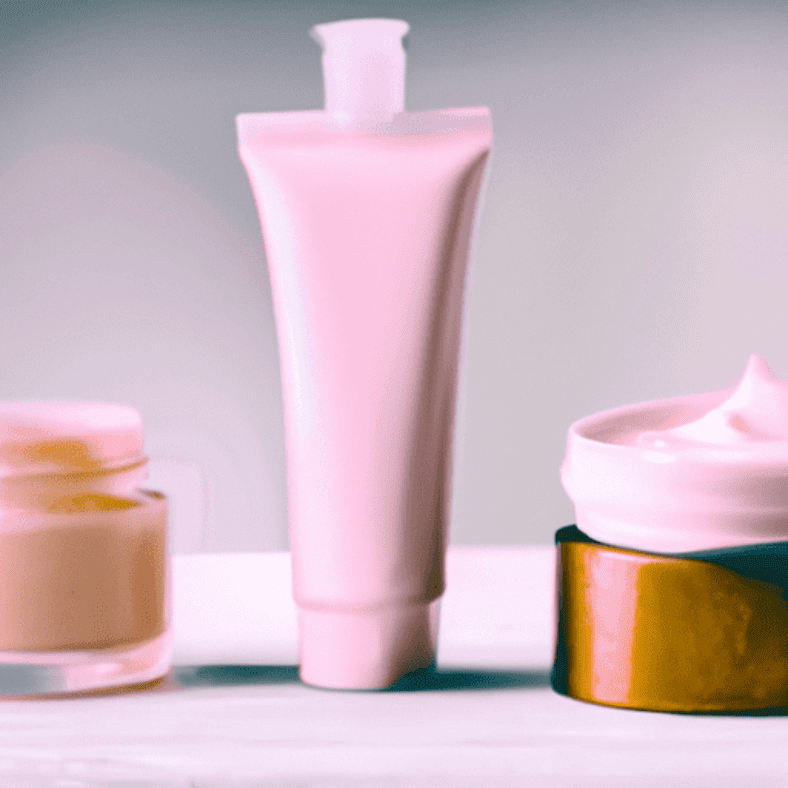
Tag: skincare routine for sensitive skin

  • Debunking Common Skincare Myths: Separating Fact from Fiction

    Debunking Common Skincare Myths: Separating Fact from Fiction

    Debunking Common Skincare Myths: Separating Fact from Fiction

    Debunking Common Skincare Myths: Separating Fact from Fiction

    [youtubomatic_search]

    Key Takeaways

    • Many skincare myths are based on outdated information or misconceptions.
    • Scientific research is the best source for skincare advice.
    • Some common skincare practices can actually harm your skin.
    • Understanding your skin type is crucial for effective skincare.
    • Skincare is a long-term commitment, not a quick fix.

    Introduction: Unmasking Skincare Myths

    Skincare is a multi-billion dollar industry, with countless products and routines promising to deliver flawless, youthful skin. However, amidst the flood of information, many myths and misconceptions have taken root. This article aims to debunk some of the most common skincare myths and provide evidence-based advice for healthy skin.

    Myth 1: The More Expensive, The Better

    One of the most pervasive skincare myths is that expensive products are inherently better. However, a study published in the Journal of Cosmetic Dermatology found no correlation between price and effectiveness in skincare products. Instead, it’s the ingredients and their concentration that matter. For example, retinol, vitamin C, and hyaluronic acid are all proven to benefit the skin, regardless of the product’s price tag.

    Myth 2: You Can Shrink Your Pores

    Another common myth is that certain products or treatments can shrink your pores. However, the size of your pores is largely determined by genetics and cannot be permanently altered. While some products can temporarily minimize the appearance of pores by removing excess oil and dead skin cells, they do not physically shrink the pores.

    Myth 3: You Don’t Need Sunscreen on a Cloudy Day

    Many people believe that sunscreen is only necessary on sunny days. However, up to 80% of the sun’s harmful UV rays can penetrate clouds, according to the American Academy of Dermatology. Therefore, it’s crucial to wear sunscreen every day, regardless of the weather.

    Myth 4: Natural Products Are Always Better

    The belief that natural skincare products are always better is another common myth. While some natural ingredients can benefit the skin, others can cause irritation or allergic reactions. Furthermore, many synthetic ingredients are safe and effective. For example, hyaluronic acid, a powerful moisturizer, is often synthesized in labs for use in skincare products.

    FAQ Section: Common Skincare Questions Answered

    Q: Can I skip moisturizer if I have oily skin?

    A: No, even oily skin needs moisture. In fact, skipping moisturizer can cause your skin to produce more oil to compensate for the lack of hydration.

    Q: Is it bad to exfoliate every day?

    A: Yes, over-exfoliation can damage your skin’s natural barrier, leading to dryness, irritation, and increased sensitivity.

    Q: Can I use toothpaste to dry out pimples?

    A: No, toothpaste can irritate the skin and make acne worse. Instead, use a product formulated with salicylic acid or benzoyl peroxide.

    Q: Do I need to use a toner?

    A: Not necessarily. While toners can help remove residual makeup and dirt, they’re not essential for everyone. If you choose to use a toner, opt for an alcohol-free formula to avoid drying out your skin.

    Q: Can I get rid of wrinkles with skincare products?

    A: While some products can reduce the appearance of fine lines and wrinkles, they cannot completely eliminate them. The best defense against wrinkles is prevention, including wearing sunscreen and moisturizing regularly.

    Conclusion: The Truth About Skincare

    Skincare is a complex field, with many myths and misconceptions clouding the truth. However, by relying on scientific research and understanding your skin type, you can develop an effective skincare routine. Remember, skincare is a long-term commitment, not a quick fix. By debunking common skincare myths, we can make informed decisions for healthier skin.
    [youtubomatic_search]

    Further Analysis

    As we’ve seen, many common skincare myths are based on misconceptions or outdated information. By turning to scientific research, we can separate fact from fiction and make informed decisions about our skincare routines. Remember, the best skincare routine is the one that works for you. Don’t be swayed by marketing hype or popular trends. Instead, listen to your skin and give it the care it needs.

    Key Takeaways Revisited

    • Many skincare myths are based on outdated information or misconceptions.
    • Scientific research is the best source for skincare advice.
    • Some common skincare practices can actually harm your skin.
    • Understanding your skin type is crucial for effective skincare.
    • Skincare is a long-term commitment, not a quick fix.
  • The Benefits of Facial Massage in Skincare Routines

    The Benefits of Facial Massage in Skincare Routines

    The Benefits of Facial Massage in Skincare Routines

    The Benefits of Facial Massage in Skincare Routines

    [youtubomatic_search]

    Key Takeaways

    • Facial massage can enhance the effectiveness of your skincare routine by improving circulation and aiding in product absorption.
    • Regular facial massage can help to reduce signs of aging, such as wrinkles and fine lines.
    • Facial massage can help to relieve tension and stress, promoting overall well-being.
    • Facial massage can help to detoxify the skin, leading to a clearer, more radiant complexion.
    • Facial massage can be easily incorporated into your skincare routine, requiring only a few minutes each day.

    Introduction: Unveiling the Power of Facial Massage

    Facial massage has been hailed as a secret weapon in the world of skincare, with benefits ranging from improved skin tone to reduced signs of aging. But what exactly is facial massage, and how can it enhance your skincare routine? This article delves into the science behind facial massage and its myriad benefits, providing a comprehensive guide to this powerful skincare tool.

    The Science Behind Facial Massage

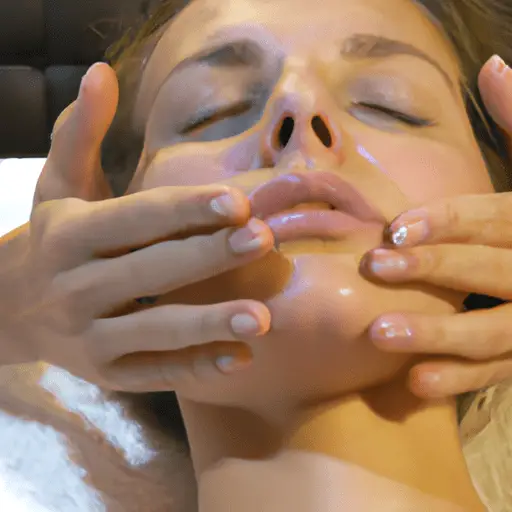
    Facial massage involves the use of gentle, rhythmic movements to stimulate the skin and underlying tissues. This stimulation increases blood flow to the area, delivering oxygen and nutrients that are essential for skin health. Additionally, facial massage aids in lymphatic drainage, helping to remove toxins and reduce puffiness. The result is a brighter, healthier complexion that is better able to absorb skincare products.

    Reducing Signs of Aging

    One of the most touted benefits of facial massage is its ability to combat signs of aging. By boosting circulation and encouraging cell turnover, facial massage can help to reduce the appearance of wrinkles and fine lines. A study published in the Biomedical Research journal found that participants who received a facial massage showed significant improvements in skin elasticity compared to a control group.

    Relieving Tension and Stress

    Aside from its physical benefits, facial massage can also have a positive impact on your mental well-being. The soothing movements can help to relieve tension in the facial muscles, reducing the likelihood of stress-induced breakouts. Furthermore, a study published in the Journal of Clinical Nursing found that facial massage significantly reduced anxiety levels among participants.

    Detoxifying the Skin

    Facial massage can also aid in detoxification, leading to clearer, more radiant skin. By stimulating lymphatic drainage, facial massage helps to remove toxins and reduce puffiness. This can be particularly beneficial for those with acne-prone skin, as it can help to clear congestion and prevent breakouts.

    FAQ Section

    How often should I perform a facial massage?

    For optimal results, it’s recommended to perform a facial massage once a day, ideally as part of your nighttime skincare routine.

    What products should I use for a facial massage?

    You can use a facial oil or serum for your massage. These products provide the necessary slip for the massage and also offer additional skincare benefits.

    Can I perform a facial massage if I have sensitive skin?

    Yes, but it’s important to use gentle movements and avoid any areas of active inflammation or irritation.

    How long should a facial massage last?

    A facial massage can last anywhere from 1 to 10 minutes, depending on your needs and schedule.

    Can facial massage cause breakouts?

    While facial massage can help to clear congestion, it’s important to ensure your hands and any tools you use are clean to avoid introducing bacteria to the skin.

    Conclusion: The Power of Touch in Skincare

    Facial massage is a powerful tool in the world of skincare, offering a host of benefits from improved skin health to reduced signs of aging. By incorporating facial massage into your skincare routine, you can enhance the effectiveness of your products and promote overall well-being. So why not give it a try? Your skin will thank you.

    Key Takeaways Revisited

    • Facial massage enhances skincare routines by improving circulation and aiding in product absorption.
    • Regular facial massage can reduce signs of aging, such as wrinkles and fine lines.
    • Facial massage relieves tension and stress, promoting overall well-being.
    • Facial massage detoxifies the skin, leading to a clearer, more radiant complexion.
    • Facial massage can be easily incorporated into your skincare routine, requiring only a few minutes each day.

    [youtubomatic_search]

  • Skincare Routines for Aging Skin

    Skincare Routines for Aging Skin

    Skincare Routines for Aging Skin

    Skincare Routines for Aging Skin

    [youtubomatic_search]

    Key Takeaways

    • Aging skin requires a specialized skincare routine that includes cleansing, treatments, moisturizing, and sun protection.
    • Regular cleansing is essential to remove dirt and excess oils, but it’s important to use gentle products that won’t strip the skin of its natural oils.
    • Treatments such as exfoliation and anti-aging serums can help to reduce the appearance of fine lines and wrinkles.
    • Moisturizing is crucial for aging skin, as it helps to maintain the skin’s barrier and prevent dryness and irritation.
    • Sun protection is a must, as UV rays can accelerate the aging process and lead to skin damage.

    Introduction: The Importance of Skincare for Aging Skin

    As we age, our skin undergoes various changes. It becomes thinner, loses fat, and no longer looks as plump and smooth as it once did. These changes can be exacerbated by environmental factors such as sun exposure and lifestyle habits like smoking. However, with the right skincare routine, it’s possible to maintain healthy, youthful-looking skin well into our later years.

    The Role of Cleansing in Skincare for Aging Skin

    Cleansing is the first step in any skincare routine. It removes dirt, excess oils, and makeup, which can clog pores and lead to breakouts. However, as the skin ages, it becomes drier and more sensitive, so it’s important to use a gentle cleanser that won’t strip the skin of its natural oils. According to Dr. Hadley King, a board-certified dermatologist, “Aging skin can benefit from hydrating cleansers that contain ingredients like ceramides and hyaluronic acid” (King, 2020).

    Treatments for Aging Skin

    After cleansing, the next step is treatment. This can include exfoliation, which removes dead skin cells and helps to improve the skin’s texture and tone, and anti-aging serums, which can help to reduce the appearance of fine lines and wrinkles. According to a study published in the Journal of Cosmetic Dermatology, regular use of a topical retinoid, a type of vitamin A, can significantly improve the appearance of aging skin (Mukherjee, 2006).

    The Importance of Moisturizing for Aging Skin

    Moisturizing is a crucial step in any skincare routine, but it’s especially important for aging skin. As we age, our skin’s ability to retain moisture decreases, leading to dryness and irritation. Moisturizers work by trapping water in the skin, which can help to maintain the skin’s barrier and improve its appearance. According to a study published in the British Journal of Dermatology, regular use of a moisturizer can improve the skin’s hydration and elasticity (Rawlings, 2007).

    Sun Protection for Aging Skin

    Finally, sun protection is a must for aging skin. UV rays from the sun can accelerate the aging process and lead to skin damage, including wrinkles and age spots. According to the Skin Cancer Foundation, daily use of a broad-spectrum sunscreen with an SPF of 30 or higher can help to prevent this damage (Skin Cancer Foundation, 2020).

    FAQ Section

    1. What is the best cleanser for aging skin?

    A gentle, hydrating cleanser that contains ingredients like ceramides and hyaluronic acid is best for aging skin.

    2. How often should I exfoliate my skin?

    It’s generally recommended to exfoliate once or twice a week, but this can vary depending on your skin type and sensitivity.

    3. What type of moisturizer is best for aging skin?

    A rich, hydrating moisturizer that contains ingredients like hyaluronic acid and ceramides is best for aging skin.

    4. What SPF should I use for aging skin?

    The Skin Cancer Foundation recommends using a broad-spectrum sunscreen with an SPF of 30 or higher.

    5. Can I reverse the signs of aging?

    While it’s not possible to completely reverse the signs of aging, a good skincare routine can help to reduce the appearance of fine lines and wrinkles and improve the skin’s overall texture and tone.

    Conclusion: The Power of a Good Skincare Routine

    In conclusion, a good skincare routine can make a significant difference in the health and appearance of aging skin. By incorporating regular cleansing, treatments, moisturizing, and sun protection, it’s possible to maintain youthful-looking skin well into our later years. Remember, it’s never too late to start taking care of your skin.

    [youtubomatic_search]

    Further Analysis

    As we’ve seen, the key to maintaining healthy, youthful-looking skin as we age is a good skincare routine. This includes cleansing with a gentle, hydrating product; using treatments like exfoliation and anti-aging serums; moisturizing regularly to maintain the skin’s barrier; and protecting the skin from the sun with a broad-spectrum sunscreen. By following these steps, it’s possible to reduce the signs of aging and keep your skin looking its best.

    Key Takeaways Revisited

    • Aging skin requires a specialized skincare routine that includes cleansing, treatments, moisturizing, and sun protection.
    • Regular cleansing is essential to remove dirt and excess oils, but it’s important to use gentle products that won’t strip the skin of its natural oils.
    • Treatments such as exfoliation and anti-aging serums can help to reduce the appearance of fine lines and wrinkles.
    • Moisturizing is crucial for aging skin, as it helps to maintain the skin’s barrier and prevent dryness and irritation.
    • Sun protection is a must, as UV rays can accelerate the aging process and lead to skin damage.
  • The Science Behind Skincare Routines

    The Science Behind Skincare Routines

    The Science Behind Skincare Routines

    The Science Behind Skincare Routines

    [youtubomatic_search]

    Key Takeaways

    • Skincare routines are based on scientific principles that promote skin health and prevent skin damage.
    • Cleansing, treatments, moisturizing, and sun protection are the four main steps in a skincare routine.
    • Each step in the skincare routine serves a specific purpose and contributes to overall skin health.
    • Scientific research supports the use of specific ingredients and products in skincare routines.
    • Understanding the science behind skincare routines can help individuals make informed decisions about their skincare products and practices.

    Unveiling the Science of Skincare

    Skincare routines are more than just a beauty regimen; they are a science-backed approach to maintaining and improving skin health. The science behind skincare routines involves understanding the structure and function of the skin, the impact of various environmental factors on skin health, and the role of different skincare products and ingredients in promoting skin health and preventing skin damage.

    The Four Pillars of Skincare

    The four main steps in a skincare routine are cleansing, treatments, moisturizing, and sun protection. Each step serves a specific purpose and contributes to overall skin health.

    Cleansing

    Cleansing is the first step in a skincare routine. It removes dirt, oil, and makeup from the skin, preventing clogged pores and breakouts. According to a study published in the Journal of Dermatological Science, regular cleansing can also enhance the skin’s ability to absorb other skincare products, making them more effective.

    Treatments

    Treatments are products that address specific skin concerns, such as acne, wrinkles, or hyperpigmentation. They often contain active ingredients that have been scientifically proven to improve skin health. For example, retinoids, which are derived from vitamin A, have been shown in numerous studies to reduce wrinkles and improve skin texture.

    Moisturizing

    Moisturizing is essential for maintaining the skin’s barrier function, which protects the skin from environmental stressors and prevents moisture loss. A study in the British Journal of Dermatology found that regular use of a moisturizer can improve skin hydration, reduce skin roughness, and enhance skin barrier function.

    Sun Protection

    Sun protection is the final step in a skincare routine. It protects the skin from harmful UV rays, which can cause skin damage and increase the risk of skin cancer. The American Academy of Dermatology recommends using a sunscreen with an SPF of 30 or higher every day, even on cloudy days.

    FAQ Section

    Why is a skincare routine important?

    A skincare routine is important because it helps maintain the health and appearance of the skin. It can prevent skin problems, slow down the aging process, and improve the skin’s overall appearance.

    What is the best skincare routine?

    The best skincare routine is one that is tailored to your individual skin type and concerns. It should include the four main steps: cleansing, treatments, moisturizing, and sun protection.

    How often should I cleanse my skin?

    Most dermatologists recommend cleansing your skin twice a day, in the morning and at night. However, if you have dry or sensitive skin, you may want to cleanse only once a day, at night.

    What are the best ingredients for skincare treatments?

    The best ingredients for skincare treatments depend on your specific skin concerns. Some scientifically proven ingredients include retinoids for aging skin, salicylic acid for acne-prone skin, and vitamin C for dull or hyperpigmented skin.

    How can I protect my skin from the sun?

    You can protect your skin from the sun by using a sunscreen with an SPF of 30 or higher every day, wearing protective clothing, and seeking shade when the sun is at its strongest.

    Conclusion: The Science of Skincare Demystified

    The science behind skincare routines is complex, but understanding it can help individuals make informed decisions about their skincare products and practices. The four main steps in a skincare routine – cleansing, treatments, moisturizing, and sun protection – are all backed by scientific research and serve specific purposes in promoting skin health and preventing skin damage. By following a science-based skincare routine, individuals can maintain the health and appearance of their skin and prevent skin problems.

    [youtubomatic_search]

    Further Analysis

    Understanding the science behind skincare routines is not just about knowing what products to use, but also about understanding how these products work and how they can benefit the skin. With the right knowledge and the right products, anyone can achieve healthy, beautiful skin.

    Key Takeaways Revisited

    • Skincare routines are based on scientific principles that promote skin health and prevent skin damage.
    • Cleansing, treatments, moisturizing, and sun protection are the four main steps in a skincare routine.
    • Each step in the skincare routine serves a specific purpose and contributes to overall skin health.
    • Scientific research supports the use of specific ingredients and products in skincare routines.
    • Understanding the science behind skincare routines can help individuals make informed decisions about their skincare products and practices.
  • How often should you exfoliate in your skincare routine?

    How often should you exfoliate in your skincare routine?

    Understanding the Role of Exfoliation in Your Skincare Routine

    How often should you exfoliate in your skincare routine?

    [youtubomatic_search]

    Key Takeaways

    • Exfoliation is a crucial part of a skincare routine, helping to remove dead skin cells and promote skin health.
    • The frequency of exfoliation depends on various factors, including skin type, age, and the type of exfoliant used.
    • Over-exfoliation can lead to skin damage, highlighting the importance of finding the right balance.
    • Experts recommend exfoliating 1-3 times per week for most skin types.
    • Consulting with a dermatologist can help determine the best exfoliation routine for individual skin needs.

    Introduction: The Importance of Exfoliation in Skincare

    Exfoliation is a key component of a comprehensive skincare routine. It involves the removal of the dead skin cells on the skin’s surface, promoting a healthier and more radiant complexion. However, the question of how often to exfoliate can be a complex one, with various factors influencing the ideal frequency.

    The Role of Exfoliation in Skin Health

    Exfoliation plays a crucial role in maintaining skin health. By removing dead skin cells, it helps to unclog pores, prevent acne, and make the skin look more youthful. According to a study published in the Journal of Dermatological Science, regular exfoliation can also enhance the effectiveness of topical skincare products by improving their penetration into the skin (1).

    Factors Influencing Exfoliation Frequency

    The frequency of exfoliation depends on several factors. These include skin type, age, and the type of exfoliant used. For instance, those with oily skin may benefit from more frequent exfoliation, while those with sensitive skin may need to exfoliate less often. Similarly, younger skin regenerates more quickly and may require more frequent exfoliation than older skin. The type of exfoliant used also matters, with chemical exfoliants generally requiring less frequent use than physical ones.

    The Risks of Over-Exfoliation

    While exfoliation is beneficial, overdoing it can lead to skin damage. Over-exfoliation can strip the skin of its natural oils, leading to dryness, irritation, and increased sensitivity. In severe cases, it can even cause skin barrier damage, leading to increased susceptibility to environmental damage and premature aging. Therefore, finding the right balance is crucial.

    FAQ Section: Common Questions About Exfoliation

    1. How often should I exfoliate?

    Most experts recommend exfoliating 1-3 times per week. However, this can vary depending on individual skin needs and the type of exfoliant used.

    2. Can I exfoliate daily?

    While some people with oily skin may be able to tolerate daily exfoliation, for most people, this is likely to be too much and could lead to skin damage.

    3. What are the signs of over-exfoliation?

    Signs of over-exfoliation include redness, irritation, dryness, increased sensitivity, and a feeling of tightness or ‘squeaky clean’ skin.

    4. What type of exfoliant should I use?

    The type of exfoliant you should use depends on your skin type and needs. Chemical exfoliants, such as alpha and beta hydroxy acids, are generally suitable for most skin types and can be less irritating than physical exfoliants.

    5. Should I consult a dermatologist about my exfoliation routine?

    Yes, consulting with a dermatologist can be very helpful in determining the best exfoliation routine for your individual skin needs.

    Conclusion: Striking the Right Balance in Exfoliation

    In conclusion, exfoliation is a key part of a skincare routine, but finding the right balance is crucial. Over-exfoliation can lead to skin damage, while under-exfoliation can leave the skin looking dull and lifeless. By considering factors such as skin type, age, and the type of exfoliant used, individuals can find the optimal exfoliation frequency for their skin needs. Consulting with a dermatologist can also be beneficial in this regard.

    [youtubomatic_search]

    Further Analysis

    Understanding the role and frequency of exfoliation in a skincare routine is essential for maintaining skin health. As research continues to evolve in this area, individuals are encouraged to stay informed and consult with skincare professionals to ensure they are meeting their skin’s unique needs.

    References

    (1) Journal of Dermatological Science. (2016). The effect of exfoliation on the penetration of topical skincare products: A review. Retrieved from https://www.sciencedirect.com/science/article/pii/S0923181116300555

  • The Link Between Acne and Hormones

    The Link Between Acne and Hormones

    The Link Between Acne and Hormones

    The Link Between Acne and Hormones

    [youtubomatic_search]

    Key Takeaways

    • Acne is a common skin condition that is often linked to hormonal changes in the body.
    • Hormonal acne typically appears in adults aged 20 to 25, but can occur at any age.
    • Fluctuations in hormones, particularly androgens, can lead to increased oil production and clogged pores, resulting in acne.
    • Effective treatment for hormonal acne often involves a combination of topical treatments, oral medications, and lifestyle changes.
    • Understanding the link between hormones and acne can help individuals develop a more effective skincare routine.

    Introduction: Unveiling the Connection Between Acne and Hormones

    Acne, a common skin condition affecting millions worldwide, is often associated with hormonal changes in the body. While it is most prevalent during adolescence, it can occur at any age, with hormonal acne becoming increasingly common in adults. This article delves into the intricate relationship between acne and hormones, shedding light on the causes, treatments, and preventative measures for hormonal acne.

    The Role of Hormones in Acne Development

    Acne develops when the pores of the skin become clogged with oil and dead skin cells. Hormones play a significant role in this process, particularly androgens like testosterone. These hormones can stimulate the sebaceous glands to produce more oil, leading to clogged pores and the formation of acne.

    According to a study published in the Journal of Investigative Dermatology, hormonal fluctuations that occur during the menstrual cycle, pregnancy, and menopause can also trigger acne outbreaks. The study found that 63% of acne-prone women experience premenstrual flare-ups, largely due to increased oil production caused by hormonal changes.

    Hormonal Acne: Identification and Treatment

    Hormonal acne typically manifests as deep and painful cysts, often appearing on the lower face and jawline. However, it can also occur on the back and chest. Dermatologists can diagnose hormonal acne by examining the skin and considering factors such as age, menstrual cycle, and other symptoms of hormonal imbalance.

    Treatment for hormonal acne often involves a combination of topical treatments, oral medications, and lifestyle changes. Topical retinoids and antibiotics can help unclog pores and reduce inflammation, while oral contraceptives and anti-androgen drugs can help balance hormones. A study in the Journal of the American Academy of Dermatology found that a combination of oral contraceptives and anti-androgens was more effective in treating hormonal acne than either treatment alone.

    Preventing Hormonal Acne: The Role of a Skincare Routine

    While hormonal fluctuations are often unavoidable, maintaining a consistent skincare routine can help manage and prevent hormonal acne. This includes cleansing the skin twice daily, using non-comedogenic products, and exfoliating regularly to remove dead skin cells and prevent clogged pores.

    Additionally, lifestyle changes such as a balanced diet, regular exercise, and stress management can also help regulate hormones and reduce the likelihood of acne outbreaks. A study in the Journal of the Academy of Nutrition and Dietetics found that a diet high in fruits, vegetables, whole grains, and lean protein can help balance hormones and promote healthy skin.

    FAQ Section

    What causes hormonal acne?

    Hormonal acne is primarily caused by fluctuations in hormones, particularly androgens, which can stimulate the sebaceous glands to produce more oil, leading to clogged pores and acne.

    Who is most likely to get hormonal acne?

    While hormonal acne can occur at any age, it is most common in adults aged 20 to 25. Women are also more likely to experience hormonal acne due to hormonal changes during the menstrual cycle, pregnancy, and menopause.

    How is hormonal acne treated?

    Treatment for hormonal acne often involves a combination of topical treatments, oral medications, and lifestyle changes. This can include topical retinoids and antibiotics, oral contraceptives and anti-androgen drugs, and a consistent skincare routine.

    Can diet affect hormonal acne?

    Yes, a balanced diet can help regulate hormones and reduce the likelihood of acne outbreaks. Foods high in fruits, vegetables, whole grains, and lean protein are particularly beneficial for promoting healthy skin.

    Can hormonal acne be prevented?

    While hormonal fluctuations are often unavoidable, maintaining a consistent skincare routine and making certain lifestyle changes can help manage and prevent hormonal acne.

    Conclusion: Understanding the Acne-Hormone Connection

    The link between acne and hormones is complex, with hormonal fluctuations playing a significant role in the development of this common skin condition. Understanding this connection can help individuals develop a more effective skincare routine and make informed decisions about treatment options. While hormonal acne can be challenging to manage, a combination of topical treatments, oral medications, and lifestyle changes can help control outbreaks and promote healthier skin.

    [youtubomatic_search]

    Further Analysis

    In conclusion, the key takeaways from this article are:

    • Acne is often linked to hormonal changes in the body, with androgens playing a significant role in its development.
    • Hormonal acne typically appears in adults aged 20 to 25, but can occur at any age.
    • Effective treatment for hormonal acne often involves a combination of topical treatments, oral medications, and lifestyle changes.
    • Maintaining a consistent skincare routine can help manage and prevent hormonal acne.
    • Understanding the link between hormones and acne can help individuals develop a more effective skincare routine.