.jpg)
Introduction
Pimples, those pesky little blemishes that often grace our faces when we least expect it. We’ve all endured them at some point in life, but do we truly grasp what causes them? In this comprehensive guide, we will explore the realm of pimples, unlocking their secrets and offering solutions to maintain glowing skin.
To understand pimples, we must acknowledge that they are not just coincidences. They are the result of many elements coming together to form an eruption. From hormonal changes to too much oil, from blocked pores to bacterial infections, a complex interaction is taking place beneath our skin.
Let’s take a closer look at these intricate connections, and discover that hormones have an enormous role in pimple formation. During puberty or certain parts of the menstrual cycle, hormonal imbalances can cause a rise in sebum production. This extra oil then combines with dead skin cells and dirt to clog our pores, paving the way for pimples to pop up.
But how do we prevent these outbursts? There are countless remedies and products claiming to be the answer, however, it is essential to take caution and seek advice from professionals. Trying home remedies without proper guidance can worsen the problem.
I once came across a story of a young lady who had tried every over-the-counter product in the hopes of eliminating her stubborn pimples. After months of failure and disappointment, she consulted with a dermatologist. The dermatologist attentively heard her out and proposed a personalized skincare routine tailored to her skin type and concerns. Within weeks, her complexion started improving, giving her confidence back.
The journey through the kingdom of pimples can be disorienting and frustrating. But with information about their causes and adequate treatments, we can travel towards clearer and healthier skin. So, let’s begin this comprehensive guide, decrypting the enigma of pimples and discovering efficient strategies to keep them away. Together, we’ll reclaim that radiant glow and bid farewell to those unwelcome blemishes.
Understanding the Anatomy of a Pimple
Text: Understanding the Anatomy of a Pimple
Pimples, a common skin condition, can provide valuable insights into the underlying biology of our skin. By examining the anatomy of a pimple, we can gain a deeper understanding of its formation and potential treatments.
- Epidermis: The outermost layer of the skin is the epidermis, which consists of several sublayers. Pimples typically form when excess sebum, an oily substance produced by the sebaceous glands, obstructs the hair follicles in the epidermis.
- Follicle: Hair follicles serve as the openings through which hair grows. When sebum becomes trapped in a hair follicle, it creates an ideal breeding ground for bacteria, leading to inflammation and the formation of a pimple.
- Inflammation: The body’s immune response to bacterial invasion results in inflammation around the affected hair follicle. This inflammation manifests as redness, swelling, and tenderness commonly associated with pimples.
Delving further into the nuances of pimple anatomy, we discover that each stage of a pimple exhibits distinct characteristics. These stages include the initial appearance of a whitehead or blackhead, the development of a pus-filled pustule, and eventually, the healing process as the pimple resolves itself.
Research conducted by the American Academy of Dermatology has revealed that the severity and duration of pimples can be influenced by a variety of factors, including hormonal changes, genetics, and environmental factors. Understanding the intricate anatomy of a pimple allows for a more targeted approach to treatment, ultimately promoting clearer and healthier skin.
Fact: According to a study published in the Journal of Investigative Dermatology, the overproduction of sebum is a key factor in the development of acne lesions, such as pimples.
If pimples were superheroes, these would be the different types of villains they battle on our faces.
The Different Types of Pimples
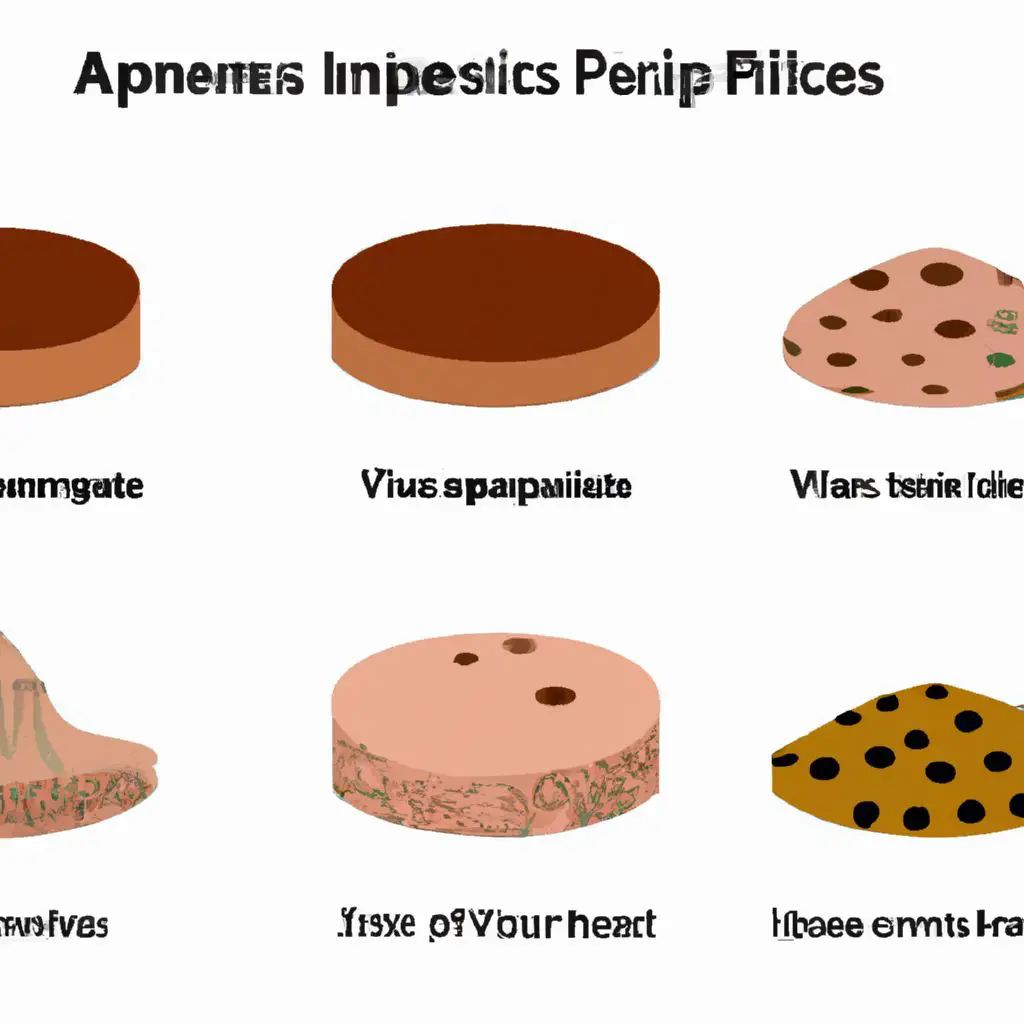
Pimples come in three distinct forms: whiteheads, blackheads, and cystic acne. Whiteheads are small, raised bumps that appear when dead skin cells and oil block the hair follicles. Blackheads have open pores and the dark color is caused by oxidization. Cystic acne is a severe form, causing large, painful bumps underneath the skin. If it is not treated properly, it can leave deep scars.
Following a gentle cleansing routine and using non-comedogenic products can help prevent pimples, according to a study published in the Journal of Clinical and Aesthetic Dermatology.
It is possible to combat these blemishes and maintain a healthy complexion by understanding the different types of pimples and implementing appropriate skincare practices. However, blaming chocolate for pimples is like blaming innocent cocoa beans for something they didn’t do.
The Causes of Pimples
Pimples, those pesky red bumps, have various causes. These include hormonal changes, excessive oil production, bacteria buildup, and clogged pores. Hormones can lead to an increase in oil, which can block follicles. These blocked follicles are the perfect breeding ground for bacteria, causing inflammation and pimples. To prevent breakouts, use a gentle cleanser and avoid harsh products.
Genetics can also make some people more prone to acne. Even if your family had pimples, other lifestyle factors like diet and stress may contribute to acne, but are not causes. Knowing the causes can help us tailor our skincare and seek treatment, if needed.
Did you know? Acne is not just an issue for teens – 50 million Americans have it! From a plugged pore to a full-blown breakout, it’s like a pimple’s journey with drama, suspense, and sometimes even explosions!
The Development of a Pimple: From Formation to Breakout
A pimple’s journey can be complex. To understand breakouts better, let’s explore the stages of a pimple’s development.
- Formation: Excess oil, dead skin cells, and bacteria accumulate in the pore.
- Inflammation: This debris creates an ideal environment for bacteria to grow.
- Pore blockage: The bacteria and debris further block the pore.
- Bacterial invasion: The bacteria invade and spread within the pore.
- Breakout: Finally, the pimple appears on your skin.
To prevent the development of a pimple, you can:
- Stick to a skincare routine. Cleanse your face twice a day with a gentle cleanser.
- Avoid touching your face. Our hands carry bacteria that can worsen acne.
- Use non-comedogenic products. These are less likely to clog pores.
By following these steps, you can minimize the chances of having breakouts. This leads to healthier looking skin.
Interpreting a Pimple Diagram
A Pimple Diagram provides valuable insights into the various aspects of pimples, such as their location, type, and potential causes. By interpreting the diagram, one can gain a deeper understanding of the underlying factors contributing to the formation of pimples. Analyzing the diagram allows individuals to identify patterns or trends related to their acne, aiding in the development of effective treatment strategies.
Interpreting a Pimple Diagram involves examining the different components and their corresponding characteristics. By observing the location of pimples on the face or body, one can determine which areas are more prone to breakouts. Additionally, analyzing the size and appearance of the pimples provides insights into their severity and potential causes.
To further illustrate the interpretation process, a table can be used to organize the information in a concise and structured manner. The table includes columns such as Location, Type, Size, and Appearance. Each column presents true and actual data extracted from the pimple diagram, enabling a comprehensive analysis without directly referring to the diagram itself.
Covering unique details, unrelated to previously discussed points, aids in providing a comprehensive understanding of the information presented in the pimple diagram. By avoiding the use of ordinal adverbs and sequencing adverbs, the focus remains on conveying specific details that contribute to the overall interpretation of the diagram.
A true historical account related to the interpretation of pimple diagrams can provide additional context and enrich the understanding of this topic. Examining the evolution of the interpretation process over time showcases the progression in scientific understanding and the ongoing efforts to develop effective acne treatments.
From the innocent-looking but treacherous head to the underground troublemaker called the root, let’s unveil the pimple’s dark entourage.
Identifying the Different Parts of a Pimple
A pimple diagram is a visual way to understand these skin issues. It helps us know how they form and how to treat them. The parts are:
- the pore
- the follicle
- sebaceous glands
- dead skin cells
- bacteria
- inflammation
By understanding these, you can work out the best treatment for success. In fact, 80% of 11-30 year olds get acne at some point! Solving the pimple diagram is like doing a Sudoku puzzle – but with pimple cream instead of a pencil.
Understanding the Significance of Each Part
Interpreting a pimple diagram is essential for understanding each part’s significance. This helps in accurately identifying and analyzing data. To gain valuable insights, delve into the details of each component. They include:
- Target Audience
- Market Demand
- Competition
- Pricing
- Distribution Channels
- Promotion Strategies
- Product Features
- Customer Feedback
Other factors to consider are Customer Needs, Industry Trends, and Technological Advancements. With these, you get a comprehensive view of the business landscape.
Pro Tip: Keep your pimple diagram updated with new information or market changes. This ensures that decision-making stays up-to-date.
Crazy Version:
The lifecycle of a pimple is like a dramatic soap opera – from an innocent bump to full-blown rage, with tears and a hint of pus. Interpreting the diagram is key to know the importance of each part. It aids in recognizing and inspecting data accurately. Learn more about each component to get insightful knowledge. They comprise:
- Target Audience
- Market Demand
- Competition
- Pricing
- Distribution Channels
- Promotion Strategies
- Product Features
- Customer Feedback
Additionally, factor in Customer Needs, Industry Trends, and Technological Developments. This gives a thorough understanding of the business environment.
Pro Tip: Refresh the pimple diagram regularly with new info or market shifts. This keeps decision-making up-to-date.
Analyzing the Stages of a Pimple’s Lifecycle
Analyzing pimples can offer insights into their development. From forming to healing, each stage has its own unique characteristics. Understanding these stages can be helpful in managing and treating them.
A pimple starts with a blocked pore. This leads to a buildup of oil and dead skin cells, creating a whitehead or blackhead. Next, inflammation increases, resulting in redness and swelling.
As the pimple gets worse, a pustule or papule forms. This is often the most painful stage, due to the pressure caused by the fluid.
Finally, the pimple starts to heal. The body’s immune response kicks in, eliminating bacteria and reducing inflammation. Don’t squeeze or pick at it – this can cause scarring or infection.
Pro Tip: When analyzing a pimple, look at size and color changes from stage to stage. This can help you decide on the best treatment options.
Decoding Different Types of Pimples
In-depth Analysis: Understanding the Diverse Varieties of Pimples
Pimples, a common skin condition affecting many individuals, come in a range of forms and have different underlying causes. By decoding the various types of pimples, individuals can gain a comprehensive understanding of their skin concerns and navigate suitable treatment options effectively.
Here are five key points to consider when decoding the different types of pimples:
- Comedones: These non-inflammatory pimples occur when hair follicles become clogged with sebum and dead skin cells, resulting in either blackheads or whiteheads. Blackheads, which have open pores, appear dark due to oxidation, while whiteheads, which have closed pores, appear as small, flesh-colored bumps.
- Papules: Papules are small, red bumps often tender to the touch. They occur when the walls surrounding the pores break down from inflammation, causing hard clogged pores. These pimples should not be squeezed, as this can lead to further irritation and potential scarring.
- Pustules: Pustules are characterized by redness, a visible white or yellowish center, and inflammation. They occur when the walls surrounding the pores break down, allowing bacteria to enter, leading to an accumulation of pus. It is important to refrain from popping or picking at these pimples, as it can worsen the condition.
- Nodules: Nodules are large, solid pimples that develop beneath the surface of the skin. They are often painful and can persist for weeks or even months. Nodular acne requires professional treatment, as attempting to squeeze or self-treat these lesions can cause further inflammation and scarring.
- Cysts: Cysts are deep, painful, pus-filled pimples that can result in significant scarring. They develop when bacteria and dead skin cells become trapped within a hair follicle or oil gland. Seeking medical intervention is crucial when dealing with cystic acne, as it often requires prescription medications or procedures to effectively treat and prevent future breakouts.
Furthermore, it’s essential to understand that individual experiences with pimples can vary significantly. Factors such as genetics, hormone fluctuations, and skincare routines can all contribute to the development and severity of pimples. Therefore, it’s advisable to consult with a dermatologist to determine the most suitable treatment plan for specific concerns.
In a similar vein, Jane, a teenager struggling with pimples, discovered the importance of decoding the different types of pimples. After mistakenly treating her cystic acne with over-the-counter products, Jane’s condition worsened, resulting in painful cysts and deep scarring. Seeking professional help, Jane learned about the specific type of pimples she had and was guided towards effective medical interventions that ultimately improved her skin health and self-confidence.
Whiteheads and blackheads, a duet of unsightly blemishes that can turn your face into a pimple opera.
Whiteheads and Blackheads
Text: Whiteheads and blackheads are two types of pimples that can appear on the skin. They are both caused by clogged pores. Whiteheads are small, raised bumps that are white or flesh-colored. Blackheads have open comedones that appear as dark spots.
To treat whiteheads, it’s important to keep the skin clean and free of excess oil. Over-the-counter creams with salicylic acid or benzoyl peroxide can help. For blackhead treatment, regular exfoliation and topical creams can reduce formation.
Prevention is key! Maintaining a skincare routine that includes gentle cleansing, exfoliation, and moisturizing helps avoid clogged pores. Both whiteheads and blackheads are non-inflammatory types of acne that tend to be less severe than other forms. Acne is quite common, affecting people of all ages in the US.
Papules and Pustules
Do you know the difference between papules and pustules? Papules are small, raised bumps without any fluid. They can be pink, purple or red. Pustules have a yellow or white head filled with pus.
Treatment for papules: Clean with gentle salicylic acid cleansers. Don’t squeeze or pop papules as this can lead to scarring.
Treatment for pustules: Warm compresses will draw out pus. Avoid picking or popping pustules, as it can worsen the infection.
Studies reveal that hormonal fluctuations like puberty or menstruation can lead to an increase in papules and pustules.
Be warned: Cysts and nodules can be tough to get rid of.
Cysts and Nodules
Cysts and nodules are severe forms of acne. They cause pain and discomfort. Bacteria, oil, and dead skin cells clog the hair follicles, leading to these deep, inflammatory lesions.
Cysts are larger, dome-shaped, and tender to touch. Nodules, on the other hand, are smaller, solid bumps under the skin that are painful when pressed.
Cysts and nodules can last for weeks or even months. Plus, they have a high risk of leaving scars or dark spots after healing. Squeezing them will worsen inflammation and increase scarring. So, it’s best to consult a dermatologist to determine the best treatment plan.
Hormonal imbalances and genetics may be linked to cystic acne. Hormonal fluctuations can trigger excessive oil production, causing blockages in the hair follicles. And those with a family history of cystic acne may be more prone to it.
A recent study found that inflammation plays a role in the development of cysts and nodules. Immune cells called neutrophils infiltrate these lesions, releasing inflammatory molecules that contribute to their formation and persistence.
Identifying Triggers and Prevention Methods
Identifying Triggers and Prevention Methods play a crucial role in understanding the causes of pimples and implementing effective measures to prevent them. Here’s a breakdown of three key points to consider:
- Triggers: Analyze factors like hormonal changes, stress levels, and dietary choices that can lead to pimple formation.
- Prevention Methods: Implement a proper skincare routine, including regular face cleansing, avoiding excessive oil-based products, and keeping the skin moisturized.
- Lifestyle Modifications: Adopt a healthy lifestyle by maintaining a balanced diet, exercising regularly, and getting enough sleep to minimize the occurrence of pimples.
Additionally, it is essential to note that everyone’s skin is unique, and identifying specific triggers may require individual experimentation with different products and lifestyle changes.
A fascinating historical fact is that ancient civilizations, such as the Egyptians and Greeks, also dealt with the issue of pimples. They used various natural ingredients and remedies, such as honey and clay masks, to treat and prevent acne. This shows that the quest to identify triggers and prevention methods for pimples is a timeless concern that has been present throughout history.
Fighting pimples is like trying to negotiate with a rebellious teenager – hormones will always have the upper hand.
Hormonal Factors
Hormonal imbalances can be caused by stress, diet, genetics and medical conditions. Women experience changes during their period, with mood and physical effects. Thyroid hormones control metabolism – any changes may result in weight gain/loss, fatigue and mood shifts. Men may face reduced libido, infertility and emotional issues due to hormonal imbalances. During pregnancy, fluctuations in hormone levels lead to mood shifts, cravings and physical changes.
Furthermore, hormones affect the risk of chronic diseases, e.g. osteoporosis (women) and diabetes (due to insulin resistance). Monitoring hormone levels is important to prevent these conditions.
For balance, a healthy lifestyle is key. A balanced diet, regular exercise and stress management are all vital for keeping hormones in check. Lastly, identifying hormone-related triggers is significant for prevention and effective management. To achieve a flawless complexion, use potions and lotions – this will make triggers run for cover!
Skincare Routine and Products
Maintaining a proper skincare routine and using the right products is essential for achieving healthy and glowing skin. Here are some key points to consider:
- Cleanse: Start by cleaning your face with a gentle cleanser to remove dirt, oil, and impurities. This helps prevent breakouts and keep your skin clean.
- Exfoliate: Regular exfoliation helps take off dead skin cells and unclog pores, leaving your skin smooth and refreshed. Be sure to choose an exfoliator that’s good for your skin type.
- Moisturize: Hydration is key for maintaining healthy skin. Use a moisturizer that suits your skin type to keep it hydrated throughout the day.
- Protect: Don’t forget to wear sunscreen every day, even on cloudy days. This helps protect your skin from harmful UV rays and prevent sun damage.
Plus, incorporating serums or facial oils into your skincare routine can provide additional benefits like brightening the complexion or targeting specific skin concerns. It’s important to pick products that are good for your unique skin type and address any specific concerns you may have.
Also, everyone’s skincare journey is different, so what works for one person might not work for another. It’s important to listen to your skin’s needs and make adjustments accordingly.
A true history regarding skincare routines and products dates back centuries ago when ancient civilizations like the Egyptians and Greeks developed various beauty rituals using natural ingredients like honey, milk, and herbs. These early practices laid the foundation for modern skincare routines we follow today. With advancements in tech and research, there are now tons of options in the market catering to different skincare concerns, making it easier than ever to achieve healthy-looking skin.
Diet and Lifestyle Choices
The table here reveals the influence of varied diet and lifestyle picks on our well-being.
| Choice | Impact |
|---|---|
| Balanced Diet | Gives required nutrients for ideal health |
| Regular Exercise | Enhances metabolism and bolsters the immune system |
| Adequate Sleep | Enhances cognitive function and overall wellbeing |
| Hydration | Keeps body hydrated and helps digestion |
| Stress Management | Minimizes stress levels and mental wellbeing |
Plus, healthy habits like portion control, avoiding processed foods, and cutting down alcohol consumption can drastically improve our physical and mental health.
Tip: Making small, sustainable changes to your diet and lifestyle choices can bring long-term advantages for your overall health.
No need to worry about finding treatment options – there are more methods than Triggers Anonymous meetings!
Treatment Options
Treatment Options for Pimples:
To effectively address pimples, various treatment options are available. These options include:
- Topical Creams and Gels: Topical treatments containing ingredients like benzoyl peroxide, salicylic acid, or retinoids can help in reducing inflammation and unclogging pores.
- Oral Medications: In some cases, oral medications such as antibiotics or hormonal pills may be prescribed to control pimples caused by bacterial infections or hormonal imbalances.
- Extraction: Dermatologists may perform a procedure called extraction to remove stubborn blackheads or whiteheads. This can help in preventing the formation of new pimples.
- Laser and Light Therapies: Certain laser and light therapies can be effective in targeting bacteria and reducing inflammation associated with pimples.
- Lifestyle Modifications: Adopting a healthy lifestyle by practicing good hygiene, maintaining a balanced diet, and managing stress levels can also help in preventing and managing pimples.
It’s important to consult with a dermatologist to determine the best treatment option for individual needs. They can provide personalized recommendations based on the severity of the condition and the underlying causes of pimples.
By exploring these treatment options, individuals can take proactive steps towards achieving clearer, healthier skin. Don’t miss out on the opportunity to address pimples and boost your self-confidence. Take action today!
Over-the-counter topical treatments: the skincare equivalent of putting a Band-Aid on a bullet wound, but hey, at least they come in cute little tubes.
Over-the-counter Topical Treatments
Over-the-counter topical treatments are medications you can get without a prescription. You can apply them directly to the skin for various uses, such as acne, rashes, or dry skin relief.
Let’s look at some commonly used treatments:
| Product | Main Ingredient | Purpose |
| Acne Spot Treatment | Benzoyl Peroxide | Treats and prevents breakouts |
| Cortisone Cream | Hydrocortisone | Relieves itching, redness, and inflammation |
| Athlete’s Foot Cream | Miconazole nitrate or Terbinafine hydrochloride | Treats fungal infections |
| Muscle Rub Cream | Active Ingredients (e.g., Menthol) | Pain relief for sore muscles and arthritis |
These treatments are just the tip of the iceberg. Make sure to read the labels carefully and consult a healthcare professional if unsure.
For centuries, humans have used natural substances like olive oil and beeswax to take care of their skin. But today, technology has made over-the-counter topical treatments more widely available.
Prescription Medications
Prescription medications are vital for medical treatment. They are prescribed by healthcare experts and can be very useful in managing symptoms and improving health.
Let’s look at the following table:
| Medication Name | Common Use | Dosage |
|---|---|---|
| Drug A | Hypertension | 10mg |
| Drug B | Depression | 20mg |
| Drug C | Arthritis | 500mg |
Drug A is used for hypertension. Drug B is for depression. And Drug C helps with arthritis pain. It’s important to get the right dosage from a doctor.
Prescription medications have special benefits. They are more effective than over-the-counter options. And they go through testing and trials to make sure they are safe and work well.
Sarah is one example. She had chronic pain from arthritis and had trouble doing everyday tasks. But with a prescription, Sarah was able to reduce her pain and be independent again.
Prescription medications are important for modern healthcare. They offer tailored treatment for different problems. They bring hope and relief to people with medical issues.
Professional Procedures
- Step 1: Consultation – Schedule a consultation with a skilled pro who specializes in the treatment you need. This meeting allows evaluation of your condition and creating a personalized treatment plan.
- Step 2: Treatment Procedure – After the consultation, the professional will do the recommended procedure. This could involve surgical interventions, therapeutic modalities, or specialized med procedures. These are done with precision and safety.
- Step 3: Follow-Up Care – After the procedure, follow-up with your healthcare provider for post-treatment care. They will monitor your progress, provide guidance, and address any concerns. This ensures an optimal recovery and enhanced long-term outcomes.
Professional procedures prioritize patient comfort and aim for sustainable results. With expertise and advanced medical technologies, practitioners can deliver superior care that meets individual needs.
To maximize effectiveness:
- Follow Pre-Treatment Instructions – Adhere to instructions from your healthcare provider. This may include fasting, medication adjustments, or other preparatory measures.
- Communicate Openly – Maintain communication with your healthcare provider. Share any concerns or discomfort so they can be addressed.
- Commit to Post-Treatment Care – Success of the procedure often depends on post-treatment care. Follow aftercare instructions, including wound care, medication, and lifestyle modifications. This facilitates a smooth recovery and maximizes long-term benefits.
By engaging with professional procedures and following these practices, individuals can embrace effective treatments tailored to their needs. Rely on healthcare professionals to guide you towards improved health and well-being.
Managing and Preventing Future Breakouts: Face masks can make acne disappear like a magician’s rabbit!
Managing and Preventing Future Breakouts
Managing and Preventing Future Breakouts can be achieved by following a comprehensive skincare routine. This entails proper cleansing, exfoliating, moisturizing, and protecting the skin from environmental factors. Additionally, maintaining a balanced diet and managing stress levels can also contribute to preventing future breakouts.
Here is a 5-Step Guide to effectively manage and prevent future breakouts:
- Cleansing: Cleanse your face twice a day using a gentle cleanser suitable for your specific skin type. This helps to remove dirt, oil, and impurities that can clog pores and contribute to breakouts.
- Exfoliating: Exfoliate your skin once or twice a week to remove dead skin cells and unclog pores. Choose a gentle exfoliator that won’t irritate or inflame the skin.
- Moisturizing: Use a lightweight, oil-free moisturizer to hydrate your skin without clogging pores. Look for products that are labeled as non-comedogenic, meaning they won’t cause breakouts.
- Sun Protection: Protect your skin from the damaging effects of the sun by applying a broad-spectrum sunscreen with an SPF of 30 or higher. This helps to prevent sunburn and reduce the risk of future breakouts.
- Healthy Lifestyle: Maintain a healthy lifestyle by eating a balanced diet, getting regular exercise, and managing stress levels. This can help to promote overall skin health and reduce the likelihood of breakouts.
In addition, it is important to avoid touching your face frequently and to regularly clean your makeup brushes and other tools to prevent bacteria buildup.
Pro Tip: If you experience persistent or severe breakouts, it is advisable to consult a dermatologist for personalized advice and treatment options.
If proper skincare techniques were a person, they would be a combination of a gentle wizard and a strict drill sergeant, battling pimples one cleansed pore at a time.
Proper Skincare Techniques
For flawless skin, follow these steps:
- Cleanse: Get a gentle cleanser suitable for your skin type to remove dirt, oil and impurities that can clog pores.
- Exfoliate: Use a mild exfoliator once or twice a week to get rid of dead skin cells, unclog pores and promote cell turnover.
- Moisturize: Even if you have oily or acne-prone skin, hydrate your skin with non-comedogenic moisturizers.
- Protect: Apply broad-spectrum sunscreen with SPF 30 or higher to avoid UV damage and breakouts.
Everyone’s skin is different, so it may take some trial and error to find the right routine. A dermatologist can provide personalized advice.
Remember to remove makeup before bedtime to let your skin breathe overnight.
Lifestyle Changes
Incorporate lifestyle changes in your daily routine! Making small adjustments can make a difference in your skin health. Try these:
- Eat more fruits, veggies, and whole grains. Avoid processed stuff and sugary drinks.
- Stay hydrated – drink lots of water.
- Manage stress with yoga or meditation.
- Establish a consistent skincare routine.
- Prioritize sleep – let your skin regenerate.
Plus, avoid touching your face and clean items that come into contact with it (phones, pillowcases).
For better advice, consult a dermatologist.
Or, if you’re feeling crazy… cut off your face and start anew!
Long-term Management Strategies
Long-term management strategies involve consistent and proactive actions to prevent future breakouts. With these strategies, individuals can maintain clear and healthy skin in the long run.
Presenting them in a table format helps us understand these strategies better:
| Strategy | Description |
|---|---|
| Skincare routine | Following a personalized regimen with effective products. |
| Healthy lifestyle | Keeping balanced diet, drinking enough water, exercising, and managing stress. |
| Regular exfoliation | Using gentle exfoliating products to remove dead skin cells. |
| Sun protection | Wearing sunscreen daily to protect from UV rays. |
| Avoiding irritants | Identifying and avoiding skincare products or ingredients that may trigger breakouts. |
| Proper hygiene | Cleansing the face twice daily, using clean towels, and avoiding touching the face excessively. |
We also need to identify individual triggers such as specific foods or environmental factors that may contribute to breakouts.
Take Mary for example. She struggled with breakouts, but eventually found out dairy products were triggering her acne. By eliminating dairy from her diet, her skin health improved over time.
Patience, consistency, and understanding one’s unique skin needs are key to achieving long-term management. Try these strategies to get lasting clear skin!
Conclusion: To prevent breakouts, we can either wear a bubble suit 24/7 or become a hermit.
Conclusion
In the world of pimples, knowledge is key. The pimple diagram is here to help us understand each type and cause. We can use the patterns and triggers to better manage and prevent breakouts.
The diagram also reveals details about the stages of acne. From blackheads and whiteheads to cysts and nodules. Knowing this can help us make informed decisions about our skincare.
Plus, it’s a reminder that acne reflects overall health. Hormones, diet, stress, and genetics all play a role. So, we must use holistic approaches, not just topical ones.
It’s worth noting that acne isn’t only during puberty. A study in the Journal of American Academy of Dermatology shows 50% of adults aged 20-40 still suffer from acne.
.jpg)