“moisturization in Skincare Routines: Dive into Deep Hydration, Embrace Nourished Radiance!”
moisturization in skincare routines is a fundamental step that plays a crucial role in maintaining the health and vitality of the skin. It involves the application of moisturizers to hydrate the skin and lock in its natural moisture, preventing dryness, flakiness, and premature aging. moisturizers come in various forms, including creams, lotions, and oils, and they work by creating a barrier on the skin’s surface that reduces its moisture loss. Regular moisturization not only nourishes the skin but also protects it from environmental factors such as wind, sun, and cold weather. Regardless of your skin type, incorporating moisturization into your skincare routine can help you maintain a youthful, radiant complexion.
Exploring the Importance of Moisturization in Hydrating Skincare Routines
moisturization is a fundamental aspect of skincare routines that is often overlooked. It plays a crucial role in maintaining the health and vitality of the skin, acting as a protective barrier against environmental aggressors such as pollution, harsh weather conditions, and harmful UV rays. moisturization is not merely about applying a cream or lotion to the skin; it is about nourishing and hydrating the skin to ensure its optimal health and appearance.
The skin is the largest organ of the body, and it requires constant care and attention to maintain its health and functionality. It is composed of several layers, each with its unique role in protecting the body from external harm. The outermost layer, known as the stratum corneum, is primarily responsible for maintaining the skin’s moisture balance. It is composed of dead skin cells and natural oils that form a protective barrier to prevent moisture loss and protect the skin from external aggressors.
However, various factors can disrupt this delicate balance, leading to dry, dehydrated skin. These factors include environmental conditions, aging, and the use of harsh skincare products. When the skin is dry and dehydrated, it becomes more susceptible to damage, premature aging, and various skin conditions such as eczema and psoriasis. Therefore, it is essential to incorporate moisturization into your skincare routine to replenish the skin’s moisture levels and maintain its health and vitality.
moisturizers work by creating a protective barrier on the skin’s surface, preventing moisture loss and locking in hydration. They also replenish the skin with essential nutrients and hydration, promoting a healthy, radiant complexion. There are various types of moisturizers available in the market, each formulated to address specific skin concerns. For instance, oil-free moisturizers are ideal for oily or acne-prone skin, while rich, creamy moisturizers are suitable for dry or mature skin.
In addition to choosing the right moisturizer for your skin type, it is also essential to apply it correctly to maximize its benefits. The best time to apply a moisturizer is immediately after cleansing when the skin is still damp. This helps to lock in the moisture and allows the moisturizer to penetrate deeper into the skin, providing long-lasting hydration.
Moreover, it is crucial to remember that moisturization is not a one-size-fits-all solution. Each person’s skin is unique, and what works for one person may not work for another. Therefore, it is essential to understand your skin type and needs and choose a moisturizer that suits them. It may take some trial and error to find the right product, but the results are well worth the effort.
In conclusion, moisturization is a vital aspect of skincare routines that should not be overlooked. It nourishes and hydrates the skin, maintaining its health and vitality. By choosing the right moisturizer for your skin type and applying it correctly, you can ensure that your skin remains healthy, radiant, and youthful. So, make moisturization a non-negotiable part of your skincare routine, and your skin will thank you for it.
Unlocking Skin Nourishment: The Role of Moisturizers in Healthy Skin
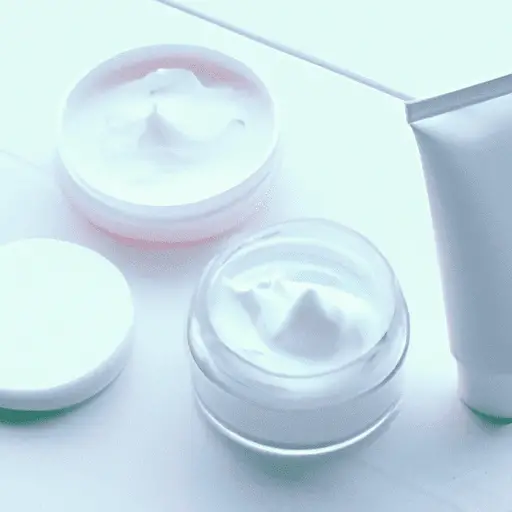
moisturization in skincare routines is a fundamental aspect that cannot be overlooked. It plays a pivotal role in maintaining the health and vitality of the skin, ensuring it remains nourished and hydrated. The skin, being the largest organ of the body, is exposed to various environmental factors such as sun, wind, and pollution, which can cause dryness and damage. moisturizers serve as a protective barrier, shielding the skin from these harsh elements and preventing moisture loss.
The primary function of moisturizers is to retain water in the skin. They achieve this by forming an occlusive layer on the skin’s surface, which reduces water evaporation and increases the skin’s hydration levels. This process is crucial as it helps maintain the skin’s elasticity and suppleness, preventing the formation of fine lines and wrinkles. Moreover, moisturizers are packed with essential nutrients and vitamins that nourish the skin, promoting cell regeneration and improving skin texture.
The importance of moisturization extends beyond merely hydrating the skin. It also plays a significant role in maintaining the skin’s natural protective barrier. The skin’s barrier function is vital for keeping out harmful bacteria and environmental irritants. When the skin is dry and dehydrated, it can lead to a compromised skin barrier, making the skin more susceptible to infections and inflammation. Regular application of moisturizers helps reinforce this barrier function, ensuring the skin remains healthy and resilient.
Furthermore, moisturizers are instrumental in balancing the skin’s natural oil production. Overly dry skin can trigger an overproduction of sebum, leading to oily skin and potential breakouts. Conversely, moisturizers help regulate this oil production, preventing the skin from becoming excessively oily or dry. This balance is particularly important for individuals with acne-prone skin, as it can help manage breakouts and promote clearer skin.
The choice of moisturizer is also crucial in achieving optimal skin health. Different skin types require different types of moisturizers. For instance, individuals with dry skin may benefit from heavier, oil-based moisturizers that provide intense hydration. On the other hand, those with oily skin may prefer lighter, water-based moisturizers that hydrate the skin without leaving a greasy residue. It’s also essential to consider the ingredients in the moisturizer. Ingredients such as hyaluronic acid, ceramides, and glycerin are known for their exceptional hydrating properties and can significantly enhance the moisturizer’s effectiveness.
In conclusion, moisturization is a critical component of any skincare routine. It not only hydrates and nourishes the skin but also protects it from environmental damage, maintains its natural barrier function, and balances oil production. Regular use of a suitable moisturizer can significantly improve the skin’s health and appearance, leaving it soft, supple, and radiant. Therefore, it’s essential to invest time and effort in finding the right moisturizer that meets your skin’s specific needs and incorporating it into your daily skincare routine. After all, nourished and hydrated skin is the foundation of a healthy, youthful complexion.
Moisturization: The Key to Nourish and Hydrate Your Skin Effectively
moisturization is a fundamental aspect of skincare routines, playing a pivotal role in maintaining the health and vitality of the skin. It is a process that involves the application of moisturizers to the skin to prevent dryness, maintain its balance, and enhance its appearance. The importance of moisturization cannot be overstated, as it helps to nourish and hydrate the skin effectively, thereby promoting a youthful and radiant complexion.
The skin, being the largest organ of the body, is exposed to various environmental factors such as sun, wind, and pollution, which can strip it of its natural oils, leading to dryness and damage. This is where moisturization comes into play. By replenishing the skin’s moisture content, it helps to create a protective barrier against these harmful elements, thereby preventing skin damage and premature aging.
moisturizers are typically composed of ingredients such as water, oils, and emollients, which work together to hydrate the skin and lock in moisture. They also contain humectants, which attract water molecules from the air and draw them into the skin, thereby increasing its water content. This not only helps to hydrate the skin but also plumps it up, reducing the appearance of fine lines and wrinkles.
However, it’s important to note that not all moisturizers are created equal. Different skin types require different types of moisturizers. For instance, those with dry skin may benefit from cream-based moisturizers that are rich in oils and emollients, while those with oily skin may prefer water-based or gel-based moisturizers that are lightweight and non-greasy. Therefore, it’s crucial to choose a moisturizer that is suitable for your skin type to ensure optimal results.
Moreover, the timing of moisturization also plays a significant role in its effectiveness. It’s generally recommended to apply moisturizer immediately after cleansing when the skin is still damp. This helps to trap the water on the skin’s surface and allows the moisturizer to penetrate deeper into the skin, thereby maximizing its hydrating effects.
In addition to daily moisturization, it’s also beneficial to incorporate exfoliation into your skincare routine. Exfoliation helps to remove dead skin cells from the skin’s surface, which can otherwise prevent the moisturizer from being fully absorbed into the skin. By exfoliating regularly, you can ensure that your skin is able to fully reap the benefits of moisturization.
In conclusion, moisturization is a key component of skincare routines, serving to nourish and hydrate the skin effectively. By choosing the right moisturizer for your skin type and applying it at the right time, you can help to maintain the health and beauty of your skin. Furthermore, by complementing moisturization with exfoliation, you can enhance its effectiveness and promote a more radiant and youthful complexion. Therefore, if you want to keep your skin looking its best, don’t underestimate the power of moisturization.
Incorporating Moisturizers into Your Skincare Routine for Optimal Skin Nourishment
moisturization is a fundamental aspect of skincare routines that cannot be overlooked. It plays a crucial role in maintaining the skin’s health, vitality, and youthful appearance. The skin, being the largest organ of the body, is exposed to various environmental factors such as sun, wind, and pollution, which can cause dryness, irritation, and premature aging. Therefore, incorporating moisturizers into your skincare routine is essential for optimal skin nourishment and hydration.
moisturizers are specially formulated to improve the skin’s hydration by reducing evaporation and promoting water retention in the skin. They contain key ingredients such as humectants, which attract water molecules from the air and draw them into the skin, and emollients, which fill in the gaps between skin cells, creating a smooth surface. These ingredients work together to restore the skin’s natural moisture barrier, preventing water loss and keeping the skin hydrated and plump.
Incorporating moisturizers into your skincare routine is a simple process that can yield significant results. It is recommended to apply moisturizer twice a day, in the morning and at night, to ensure continuous hydration. After cleansing your face with a gentle cleanser, pat your skin dry with a soft towel. Then, while your skin is still slightly damp, apply a generous amount of moisturizer. This helps to lock in the moisture and keeps your skin hydrated for longer periods.
The type of moisturizer you choose should be tailored to your skin type and specific needs. For instance, if you have dry skin, opt for a cream-based moisturizer that is rich in oils and emollients. On the other hand, if you have oily skin, a water-based moisturizer that is lightweight and non-comedogenic (won’t clog pores) would be more suitable. For sensitive skin, hypoallergenic and fragrance-free moisturizers are the best options to avoid irritation.
Moreover, it is important to note that moisturization is not just for the face. The skin on the rest of your body also needs hydration to stay healthy and supple. Therefore, after showering or bathing, it is advisable to apply a body lotion or cream to damp skin to seal in moisture. Pay special attention to areas that tend to get dry easily, such as the elbows, knees, and heels.
In addition to daily moisturization, it is also beneficial to exfoliate your skin once or twice a week. Exfoliation removes the layer of dead skin cells on the surface of your skin, allowing the moisturizer to penetrate more deeply and work more effectively. However, be careful not to over-exfoliate as this can strip the skin of its natural oils and cause irritation.
In conclusion, moisturization is a key component of skincare routines that provides numerous benefits, including hydration, nourishment, and protection against environmental damage. By incorporating moisturizers into your skincare routine, you can maintain the health and vitality of your skin, promoting a radiant and youthful appearance. Remember, healthy skin is not just about looking good, it’s also about feeling good. So, nourish and hydrate your skin with the right moisturizer, and enjoy the glow of well-moisturized skin.
Q&A
1. Question: What is the importance of moisturization in skincare routines?
Answer: moisturization is crucial in skincare routines as it helps to keep the skin hydrated, maintain its elasticity, prevent dryness, and create a protective layer against environmental factors such as pollution and temperature changes.
2. Question: How does moisturization nourish the skin?
Answer: moisturization nourishes the skin by providing essential nutrients and vitamins. It also helps to restore the skin’s natural barrier, which can be damaged by factors like harsh weather, pollution, and certain skincare products.
3. Question: What are the benefits of hydrating the skin?
Answer: Hydrating the skin helps to maintain its plumpness and elasticity, reduce the appearance of wrinkles and fine lines, promote a healthy glow, and aid in the prevention of skin conditions like eczema and psoriasis.
4. Question: How often should one moisturize their skin?
Answer: It’s generally recommended to moisturize the skin twice a day, once in the morning and once at night. However, the frequency can vary depending on the skin type and the climate. Dry skin may require more frequent moisturization, while oily skin may require less.In conclusion, moisturization plays a crucial role in skincare routines. It helps nourish and hydrate the skin, maintaining its health and vitality. Regular moisturization can prevent dryness, flakiness, and premature aging, while promoting a smooth, glowing complexion. Regardless of skin type, moisturizing is an essential step that should not be overlooked for optimal skin health.