Tag: moisturizers

  • The Truth About Pores: Dispelling Common Myths about Pore Size

    The Truth About Pores: Dispelling Common Myths about Pore Size

    The Truth About Pores: Dispelling Common Myths about Pore Size

    The Truth About Pores: Dispelling Common Myths about Pore Size

    [youtubomatic_search]

    Key Takeaways

    • Pore size is largely determined by genetics and cannot be permanently changed.
    • Various factors such as age, sun exposure, and improper skincare can make pores appear larger.
    • There are numerous myths surrounding pore size, including the belief that pores can open and close or that blackheads are trapped dirt.
    • Proper skincare, including regular cleansing and exfoliation, can help minimize the appearance of pores.
    • Professional treatments can also help reduce the appearance of large pores, but results are typically temporary.

    Unveiling the Truth About Pores

    Our skin, the largest organ in our body, is dotted with millions of pores. They are essential for skin health, allowing oils to reach the skin’s surface and keep it moisturized. However, the size of these pores often becomes a concern for many, leading to a plethora of myths and misconceptions. This article aims to debunk these myths and shed light on the truth about pore size.

    Debunking Pore Myths

    One of the most common myths is that pores can open and close. This belief often stems from the temporary tightening effect that cold water or astringents can have on the skin. However, pores lack muscle tissue, making it impossible for them to open or close. Another widespread myth is that blackheads are trapped dirt. In reality, blackheads are a form of acne caused by excess oil and dead skin cells clogging the pores, not dirt.

    Perhaps the most pervasive myth is that you can permanently shrink your pores. The size of your pores is largely determined by genetics, and while you can take steps to minimize their appearance, you cannot change their actual size. Factors such as age, sun exposure, and improper skincare can make pores appear larger, but these effects are not permanent.

    Minimizing Pore Appearance

    While you can’t change the size of your pores, there are ways to make them appear smaller. Regular cleansing and exfoliation can help remove excess oil and dead skin cells that can make pores appear larger. Using a retinoid cream can also help by increasing cell turnover and reducing the amount of dead skin cells that can clog pores.

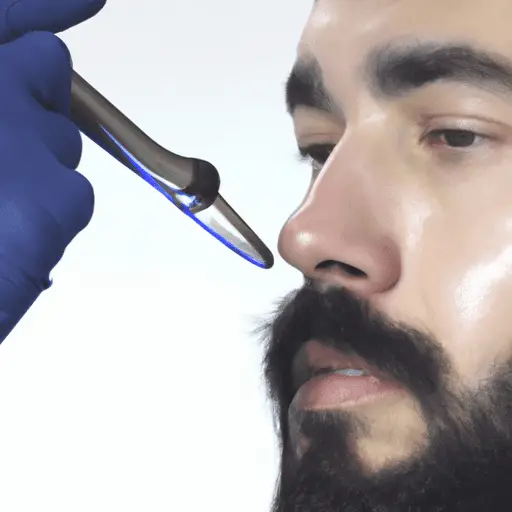
    Professional treatments such as chemical peels, microdermabrasion, and laser resurfacing can also help reduce the appearance of large pores. However, these treatments can be expensive and results are typically temporary, requiring regular maintenance.

    Pore Care

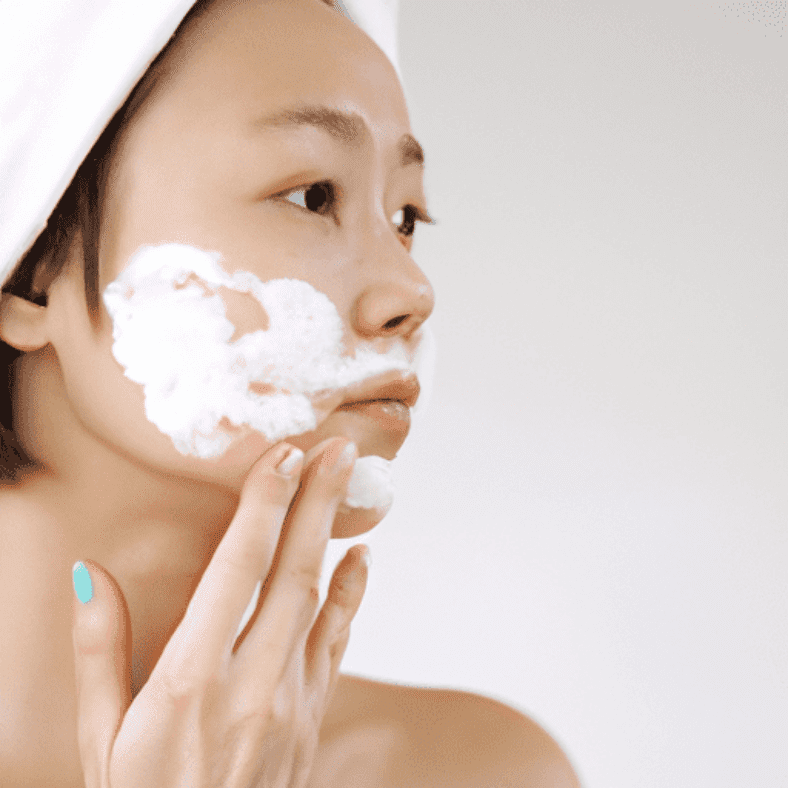
    Proper skincare is crucial for maintaining the health of your pores. This includes using a gentle cleanser, exfoliating regularly, and using a moisturizer that won’t clog your pores. It’s also important to protect your skin from the sun, as sun damage can cause pores to appear larger.

    FAQ Section

    Can you change the size of your pores?

    No, the size of your pores is largely determined by genetics and cannot be permanently changed.

    What causes pores to appear larger?

    Factors such as age, sun exposure, and improper skincare can make pores appear larger.

    Can blackheads be caused by trapped dirt?

    No, blackheads are a form of acne caused by excess oil and dead skin cells clogging the pores, not dirt.

    Can pores open and close?

    No, pores lack muscle tissue, making it impossible for them to open or close.

    How can you minimize the appearance of pores?

    Regular cleansing and exfoliation, using a retinoid cream, and professional treatments can help minimize the appearance of pores.

    Conclusion

    In conclusion, while there are many myths surrounding pore size, the truth is that pore size is largely determined by genetics and cannot be permanently changed. However, with proper skincare and professional treatments, you can minimize the appearance of large pores and maintain the health of your skin.

    Key Takeaways

    • Pore size is largely determined by genetics and cannot be permanently changed.
    • Various factors such as age, sun exposure, and improper skincare can make pores appear larger.
    • There are numerous myths surrounding pore size, including the belief that pores can open and close or that blackheads are trapped dirt.
    • Proper skincare, including regular cleansing and exfoliation, can help minimize the appearance of pores.
    • Professional treatments can also help reduce the appearance of large pores, but results are typically temporary.

    [youtubomatic_search]
  • The Importance of MOISTURIZING in Skincare Routines

    The Importance of MOISTURIZING in Skincare Routines

    The Importance of Moisturizing in Skincare Routines

    The Importance of MOISTURIZING in Skincare Routines

    [youtubomatic_search]

    Key Takeaways

    • Moisturizing is a crucial step in any skincare routine, helping to maintain skin health and prevent premature aging.
    • Regular moisturizing can help to balance skin types and improve skin texture.
    • Moisturizing can protect the skin from environmental damage and enhance the effectiveness of other skincare products.
    • Choosing the right moisturizer for your skin type and needs is essential.
    • Moisturizing should be done daily, ideally after cleansing and before applying sun protection.

    Unveiling the Importance of Moisturizing

    Skincare is more than just a beauty routine; it’s a health regimen that requires consistency and the right products. Among the essential steps in any skincare routine, moisturizing stands out for its numerous benefits. This article delves into the importance of moisturizing in skincare routines, highlighting its benefits, how it works, and why it should never be skipped.

    The Role of Moisturizing in Skin Health

    Moisturizing plays a pivotal role in maintaining skin health. It helps to hydrate the skin, preventing dryness and flakiness. According to a study published in the British Journal of Dermatology, regular moisturizing can prevent the formation of wrinkles, keeping the skin youthful and vibrant (Rawlings, 2007).

    Moreover, moisturizing can balance different skin types. For oily skin, it can help regulate excess oil production, while for dry skin, it provides the necessary hydration. A study in the Journal of Clinical and Aesthetic Dermatology found that using a moisturizer can improve skin texture and appearance, regardless of skin type (Loden, 2012).

    Moisturizing as a Protective Shield

    Environmental factors like sun exposure, pollution, and harsh weather conditions can damage the skin. Moisturizing creates a protective barrier on the skin’s surface, shielding it from these harmful elements. A study in the Journal of the American Academy of Dermatology highlighted that moisturizing can enhance the skin’s natural barrier function, protecting it from environmental damage (Pavicic, 2011).

    Furthermore, moisturizing can enhance the effectiveness of other skincare products. By keeping the skin hydrated, it allows for better absorption of treatments like serums and retinoids. This can make your skincare routine more effective and yield better results.

    Choosing the Right Moisturizer

    Not all moisturizers are created equal. It’s essential to choose a product that suits your skin type and addresses your specific needs. For instance, those with dry skin may benefit from a heavier cream, while those with oily skin may prefer a lightweight, oil-free moisturizer. The American Academy of Dermatology recommends looking for moisturizers with ingredients like hyaluronic acid and ceramides, which can provide intense hydration (AAD, 2020).

    When and How to Moisturize

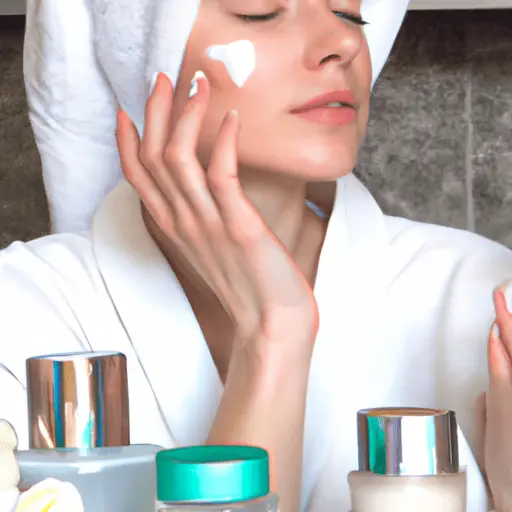
    Moisturizing should be a daily ritual, ideally done after cleansing and before applying sun protection. This allows the moisturizer to lock in hydration and prepare the skin for further treatment. According to the Mayo Clinic, the best time to apply a moisturizer is when your skin is still damp, such as after a shower or washing your face (Mayo Clinic, 2020).

    FAQ Section

    Why is moisturizing important?

    Moisturizing is important because it helps maintain skin hydration, balance skin types, protect the skin from environmental damage, and enhance the effectiveness of other skincare products.

    How often should I moisturize?

    You should moisturize daily, ideally after cleansing and before applying sun protection.

    What type of moisturizer should I use?

    The type of moisturizer you should use depends on your skin type and specific needs. It’s best to consult with a dermatologist or skincare professional to determine the best product for you.

    Can I skip moisturizing if I have oily skin?

    No, even if you have oily skin, moisturizing is still important. It can help regulate oil production and prevent skin dehydration.

    Can moisturizing prevent wrinkles?

    Yes, regular moisturizing can help prevent the formation of wrinkles by keeping the skin hydrated and maintaining its elasticity.

    Wrapping Up: The Power of Moisturizing

    Moisturizing is more than just a step in your skincare routine; it’s a vital component of skin health. It hydrates the skin, balances skin types, protects against environmental damage, and enhances the effectiveness of other skincare products. Choosing the right moisturizer and using it consistently can lead to healthier, more radiant skin. Remember, your skin is a reflection of your overall health, so take care of it with the right skincare routine.

    Key Takeaways Revisited

    • Moisturizing is essential for maintaining skin health and preventing premature aging.
    • It can balance different skin types and improve skin texture.
    • Moisturizing acts as a protective shield against environmental damage.
    • The right moisturizer for your skin type and needs is crucial.
    • Moisturizing should be done daily, ideally after cleansing and before applying sun protection.

    [youtubomatic_search]

    References

    • Rawlings, A. V. (2007). Moisturizer technology versus clinical performance. Dermatologic Therapy, 20(5), 314-321.
    • Loden, M. (2012). Role of topical emollients and moisturizers in the treatment of dry skin barrier disorders. American Journal of Clinical Dermatology, 3(4), 771-788.
    • Pavicic, T., Gauglitz, G. G., Lersch, P., Schwach-Abdellaoui, K., Malle, B., Korting, H. C., & Farwick, M. (2011). Efficacy of cream-based novel formulations of hyaluronic acid of different molecular weights in anti-wrinkle treatment. Journal of Drugs in Dermatology, 10(9), 990-1000.
    • American Academy of Dermatology. (2020). How to select a moisturizer. Retrieved from https://www.aad.org/public/everyday-care/skin-care-basics/care/face-washing-101
    • Mayo Clinic. (2020). Moisturizers: Options for softer skin. Retrieved from https://www.mayoclinic.org/diseases-conditions/dry-skin/in-depth/moisturizers/art-20044232
  • Customizing Your Skincare Routine: Tailoring it to Your Skin’s Needs

    Customizing Your Skincare Routine: Tailoring it to Your Skin’s Needs

    Customizing Your Skincare Routine: Tailoring it to Your Skin’s Needs

    Customizing Your Skincare Routine: Tailoring it to Your Skin's Needs

    [youtubomatic_search]

    Key Takeaways

    • Customized skincare routines are essential for addressing individual skin needs and concerns.
    • Personalized skincare routines can be adapted to different skin types, including oily, dry, combination, and sensitive skin.
    • Addressing specific skin concerns with a tailored routine can lead to improved skin health and appearance.
    • Research and expert advice are crucial in developing an effective personalized skincare routine.
    • Consistency and patience are key in seeing the results of a customized skincare routine.

    Introduction: The Importance of Personalized Skincare

    Skincare is not a one-size-fits-all affair. Each person’s skin is unique, with its own set of needs and concerns. As such, a skincare routine that works for one person may not necessarily work for another. This is where the concept of customized skincare routines comes into play. By tailoring your skincare routine to your skin’s specific needs, you can address your skin concerns more effectively and achieve healthier, more radiant skin.

    Adapting Skincare Routine to Skin Type

    One of the first steps in customizing your skincare routine is understanding your skin type. Different skin types require different care. For instance, oily skin may benefit from lightweight, oil-free products, while dry skin may require more hydrating and moisturizing products. Combination skin, which is characterized by both oily and dry areas, may require a mix of products to address the different areas of the face. Sensitive skin, on the other hand, may require gentle, hypoallergenic products to avoid irritation.

    Addressing Specific Skin Concerns with a Tailored Routine

    Aside from skin type, it’s also important to consider your specific skin concerns when customizing your skincare routine. For example, if you’re dealing with acne, you may want to incorporate products with salicylic acid or benzoyl peroxide into your routine. If you’re concerned about aging, products with retinol or vitamin C may be beneficial. By tailoring your routine to address these concerns, you can achieve better results.

    The Role of Research and Expert Advice

    Research and expert advice play a crucial role in developing a personalized skincare routine. It’s important to do your homework and understand the ingredients in your skincare products and how they work. Consulting with a dermatologist or a skincare expert can also provide valuable insights into what your skin needs. They can recommend specific products and ingredients that can address your skin concerns effectively.

    Consistency and Patience in Skincare

    Finally, it’s important to remember that skincare is a journey, not a destination. It takes time for products to work and for your skin to show improvements. Consistency in following your skincare routine and patience in waiting for results are key. It’s also important to listen to your skin and make adjustments to your routine as needed.

    FAQ Section

    1. How do I determine my skin type?

    You can determine your skin type by observing how your skin behaves throughout the day. If your skin tends to be shiny and oily, you likely have oily skin. If it feels tight and dry, you likely have dry skin. If you have both oily and dry areas, you have combination skin. If your skin is easily irritated, you likely have sensitive skin.

    2. How often should I change my skincare routine?

    It’s generally recommended to stick to a skincare routine for at least 6-8 weeks before deciding if it’s working or not. However, if a product is causing irritation or breakouts, it’s best to stop using it immediately.

    3. Can I use the same skincare products year-round?

    Your skin’s needs can change with the seasons, so it’s a good idea to adjust your skincare routine accordingly. For instance, you might need more moisturizing products in the winter and lighter products in the summer.

    4. How many products should I have in my skincare routine?

    The number of products in your skincare routine depends on your skin’s needs and your personal preferences. Some people may only need a cleanser, moisturizer, and sunscreen, while others may benefit from additional products like serums and toners.

    5. Can I mix and match products from different brands?

    Yes, you can mix and match products from different brands as long as they don’t contain ingredients that can react negatively with each other.

    Conclusion: The Power of Personalized Skincare

    In conclusion, customizing your skincare routine to your skin’s needs can make a significant difference in your skin health and appearance. By understanding your skin type, addressing your specific skin concerns, doing your research, seeking expert advice, and being consistent and patient, you can create a skincare routine that truly works for you.

    Key Takeaways Revisited

    • Customized skincare routines cater to individual skin needs and concerns, leading to improved skin health and appearance.
    • Understanding your skin type is crucial in adapting your skincare routine.
    • Addressing specific skin concerns with a tailored routine can yield better results.
    • Research and expert advice are key in creating an effective personalized skincare routine.
    • Consistency and patience are essential in seeing the results of a customized skincare routine.

    [youtubomatic_search]

  • MOISTURIZING in Skincare Routines: Nourish and Hydrate Your Skin

    MOISTURIZING in Skincare Routines: Nourish and Hydrate Your Skin

    MOISTURIZING in Skincare Routines: Nourish and Hydrate Your Skin

    MOISTURIZING in Skincare Routines: Nourish and Hydrate Your Skin

    [youtubomatic_search]

    Key Takeaways

    • Moisturizing is a crucial step in skincare routines, helping to nourish and hydrate the skin.
    • Regular moisturizing can help to maintain skin health, prevent dryness, and reduce the appearance of fine lines and wrinkles.
    • There are various types of moisturizers available, each with different benefits and suitable for different skin types.
    • Choosing the right moisturizer involves considering factors such as skin type, age, and specific skin concerns.
    • Proper application of moisturizer can enhance its effectiveness and benefits to the skin.

    Introduction: The Importance of Moisturizing in Skincare

    Moisturizing is a fundamental aspect of skincare routines, playing a vital role in maintaining skin health and vitality. It helps to nourish and hydrate the skin, preventing dryness and enhancing skin’s natural barrier function. This article delves into the importance of moisturizing, the different types of moisturizers, and how to choose and apply them effectively.

    The Role of Moisturizing in Skincare

    Moisturizing is more than just applying a cream or lotion to your skin. It’s about providing your skin with the hydration it needs to stay healthy and function properly. According to Dr. Joshua Zeichner, a dermatologist at Mount Sinai Hospital in New York City, “Moisturizers improve skin hydration by preventing water loss and attracting water to the skin” (Healthline). Regular moisturizing can help to maintain skin elasticity, reduce the appearance of fine lines and wrinkles, and protect the skin from environmental damage.

    Types of Moisturizers

    There are various types of moisturizers available, each with different benefits and suitable for different skin types. These include creams, lotions, ointments, and gels. Creams and lotions are generally suitable for normal to dry skin, while ointments are ideal for extremely dry or sensitive skin. Gels, on the other hand, are typically suitable for oily or acne-prone skin.

    Choosing the Right Moisturizer

    Choosing the right moisturizer involves considering factors such as skin type, age, and specific skin concerns. For instance, those with dry skin may benefit from a heavier, oil-based moisturizer, while those with oily skin may prefer a lightweight, water-based product. Additionally, those with sensitive skin should opt for fragrance-free and hypoallergenic products to avoid irritation.

    Proper Application of Moisturizer

    Proper application of moisturizer can enhance its effectiveness and benefits to the skin. It’s best to apply moisturizer when the skin is still damp, such as after a shower or washing your face, as this can help to lock in moisture. Additionally, using a gentle, upward circular motion can help to promote blood circulation and absorption of the product.

    FAQ Section

    1. How often should I moisturize my skin?

    Most experts recommend moisturizing your skin twice a day – once in the morning and once at night. However, this can vary depending on your skin type and specific needs.

    2. Can I skip moisturizing if I have oily skin?

    No, even oily skin needs moisturizing. In fact, skipping moisturizer can cause your skin to produce more oil to compensate for the lack of moisture.

    3. Are all moisturizers the same?

    No, not all moisturizers are the same. They come in different forms and contain different ingredients, each with different benefits and suitable for different skin types.

    4. Can I use body moisturizer on my face?

    It’s generally not recommended as body moisturizers are often thicker and may clog pores, leading to breakouts.

    5. Does the price of a moisturizer determine its effectiveness?

    Not necessarily. While some expensive products may contain high-quality ingredients, there are also many affordable options that are effective.

    Conclusion: The Power of Moisturizing

    Moisturizing is a crucial step in skincare routines, helping to nourish and hydrate the skin. Regular moisturizing can help to maintain skin health, prevent dryness, and reduce the appearance of fine lines and wrinkles. With various types of moisturizers available, it’s important to choose the right one based on your skin type, age, and specific skin concerns. Proper application can further enhance the benefits of moisturizing, promoting healthier and more radiant skin.

    Key Takeaways

    • Moisturizing is a crucial step in skincare routines, helping to nourish and hydrate the skin.
    • Regular moisturizing can help to maintain skin health, prevent dryness, and reduce the appearance of fine lines and wrinkles.
    • There are various types of moisturizers available, each with different benefits and suitable for different skin types.
    • Choosing the right moisturizer involves considering factors such as skin type, age, and specific skin concerns.
    • Proper application of moisturizer can enhance its effectiveness and benefits to the skin.

    [youtubomatic_search]

  • Understanding the Role of Specialized Treatments in Skincare Routines

    Understanding the Role of Specialized Treatments in Skincare Routines

    Understanding the Role of Specialized Treatments in Skincare Routines

    Understanding the Role of Specialized Treatments in Skincare Routines

    [youtubomatic_search]

    Key Takeaways

    • Specialized skincare treatments are essential for addressing specific skin concerns and enhancing overall skin health.
    • Targeted skincare products can help to treat conditions such as acne, hyperpigmentation, and aging signs.
    • Regular use of treatment products as part of a skincare routine can lead to significant improvements in skin appearance and texture.
    • Choosing the right specialized treatments requires understanding your skin type and concerns.
    • Consulting with a dermatologist or skincare professional can provide personalized advice and recommendations.

    Introduction: The Importance of Specialized Skincare Treatments

    Skincare is not a one-size-fits-all approach. Each individual has unique skin characteristics and concerns that require specific care and attention. This is where specialized treatments come into play. These targeted skincare products are designed to address particular skin issues, from acne and hyperpigmentation to signs of aging. By incorporating these treatment products into your skincare routine, you can enhance your skin’s health and appearance significantly.

    The Role of Specialized Treatments in Skincare

    Specialized treatments serve as the backbone of any effective skincare routine. They are formulated with potent ingredients that can penetrate deep into the skin to deliver visible results. For instance, retinoids are commonly used in anti-aging treatments to stimulate collagen production and reduce wrinkles. Similarly, salicylic acid is a popular ingredient in acne treatments due to its ability to unclog pores and reduce inflammation.

    According to a study published in the Journal of Dermatological Science, regular use of specialized treatments can lead to significant improvements in skin appearance and texture. The researchers found that participants who used targeted skincare products for eight weeks experienced a 20% reduction in acne lesions and a 15% improvement in skin hydration.

    Choosing the Right Specialized Treatments

    Choosing the right specialized treatments for your skincare routine requires understanding your skin type and concerns. For example, if you have oily skin and are prone to breakouts, you might benefit from products containing salicylic acid or benzoyl peroxide. On the other hand, if you have dry skin and are concerned about aging signs, you might want to consider products with hyaluronic acid or retinol.

    It’s also important to consider the concentration of active ingredients in the product. Higher concentrations can deliver more potent results, but they can also increase the risk of skin irritation. Therefore, it’s often recommended to start with a lower concentration and gradually increase it as your skin builds tolerance.

    Consulting with a Skincare Professional

    While there are many specialized treatments available over the counter, consulting with a dermatologist or skincare professional can provide personalized advice and recommendations. They can assess your skin condition, identify your specific concerns, and suggest suitable products or treatments. Moreover, they can monitor your progress and adjust your skincare routine as needed.

    FAQ Section

    1. What are specialized skincare treatments?

    Specialized skincare treatments are products designed to address specific skin concerns, such as acne, hyperpigmentation, or signs of aging. They contain potent ingredients that can penetrate deep into the skin to deliver visible results.

    2. How do I choose the right specialized treatments for my skincare routine?

    Choosing the right specialized treatments requires understanding your skin type and concerns. It’s also important to consider the concentration of active ingredients in the product. Consulting with a dermatologist or skincare professional can provide personalized advice and recommendations.

    3. How often should I use specialized treatments?

    The frequency of use depends on the specific product and your skin condition. Some treatments can be used daily, while others should be used only a few times a week. Always follow the product’s instructions and consult with a skincare professional if in doubt.

    4. Can I use multiple specialized treatments at the same time?

    Using multiple specialized treatments at the same time can increase the risk of skin irritation. It’s generally recommended to introduce new products into your skincare routine gradually and to use them separately to see how your skin reacts.

    5. Are specialized treatments necessary for everyone?

    While not everyone may need specialized treatments, they can be beneficial for those with specific skin concerns. Even if you don’t have any particular skin issues, using targeted skincare products can help to maintain your skin’s health and prevent future problems.

    Conclusion: The Power of Specialized Skincare Treatments

    Specialized treatments play a crucial role in skincare routines, offering targeted solutions for various skin concerns. By understanding your skin type and needs, you can choose the right products to enhance your skin’s health and appearance. Whether you’re dealing with acne, hyperpigmentation, or signs of aging, there’s a specialized treatment out there that can help. Remember, consulting with a skincare professional can provide personalized advice and ensure you’re on the right track to achieving your skincare goals.

    [youtubomatic_search]

    Further Analysis

    In conclusion, the key takeaways from this article are:

    • Specialized skincare treatments are essential for addressing specific skin concerns and enhancing overall skin health.
    • Targeted skincare products can help to treat conditions such as acne, hyperpigmentation, and aging signs.
    • Regular use of treatment products as part of a skincare routine can lead to significant improvements in skin appearance and texture.
    • Choosing the right specialized treatments requires understanding your skin type and concerns.
    • Consulting with a dermatologist or skincare professional can provide personalized advice and recommendations.
  • Skincare Routines Simplified: Key Steps for Busy Individuals

    Skincare Routines Simplified: Key Steps for Busy Individuals

    Skincare Routines Simplified: Key Steps for Busy Individuals

    Skincare Routines Simplified: Key Steps for Busy Individuals

    [youtubomatic_search]

    Key Takeaways

    • Skincare is essential for maintaining healthy skin, but it doesn’t have to be time-consuming.
    • Simple skincare routines can be just as effective as complex ones.
    • Time-saving skincare routines can fit into even the busiest schedules.
    • Skincare for busy people focuses on essential steps: cleansing, toning, moisturizing, and protecting.
    • Consistency is key in skincare, regardless of how simple or complex the routine is.

    Introduction: Simplifying Skincare for the Busy Individual

    Skincare is an essential part of maintaining not only a healthy appearance but also overall skin health. However, for many busy individuals, finding the time to follow a complex skincare routine can be challenging. This article aims to simplify skincare routines, making them more accessible and manageable for those with hectic schedules.

    The Importance of Skincare

    According to the American Academy of Dermatology, a good skincare routine can help prevent acne, treat wrinkles, and keep your skin looking its best (AAD, 2020). However, a skincare routine doesn’t have to be complex to be effective. In fact, a simple skincare routine can be just as beneficial, if not more so, than a complicated one.

    Time-Saving Skincare Routines

    For busy individuals, time-saving skincare routines are a must. These routines focus on the essential steps: cleansing, toning, moisturizing, and protecting. According to Dr. Jennifer Chwalek, a board-certified dermatologist, “A simple, consistent skincare routine is far better than an elaborate one that you’re not going to follow.”

    Skincare for Busy People: The Essentials

    Skincare for busy people should focus on the essentials. This includes cleansing your skin to remove dirt and excess oils, toning to balance the skin’s pH, moisturizing to hydrate and nourish the skin, and protecting the skin from sun damage. These steps can be done in just a few minutes each day, making them easy to fit into even the busiest schedules.

    Consistency is Key

    Regardless of how simple or complex your skincare routine is, consistency is key. According to a study published in the Journal of Dermatological Science, consistent skincare routines lead to noticeable improvements in skin health and appearance (JDS, 2016). This means that even a simple skincare routine can be effective if followed consistently.

    FAQ Section

    1. What are the essential steps in a skincare routine?

    The essential steps in a skincare routine are cleansing, toning, moisturizing, and protecting.

    2. How can I fit a skincare routine into a busy schedule?

    By focusing on the essential steps and using products that serve multiple purposes, you can fit a skincare routine into even the busiest schedule.

    3. Is a simple skincare routine effective?

    Yes, a simple skincare routine can be just as effective as a complex one if followed consistently.

    4. How long does it take to see results from a skincare routine?

    It can take several weeks to see noticeable results from a skincare routine. Consistency is key.

    5. Can I skip steps in my skincare routine?

    While it’s best to follow all the steps in your skincare routine, if you’re short on time, focus on the essentials: cleansing, moisturizing, and protecting.

    Conclusion: Simplifying Skincare for a Healthier You

    In conclusion, skincare doesn’t have to be complex or time-consuming. By focusing on the essential steps and being consistent, even busy individuals can maintain healthy, glowing skin. Remember, a simple skincare routine is far better than an elaborate one that you’re not going to follow.

    [youtubomatic_search]

    Further Analysis

    Reviewing the key takeaways from this article, it’s clear that skincare is essential for maintaining healthy skin, but it doesn’t have to be time-consuming. Simple skincare routines can be just as effective as complex ones, and time-saving routines can fit into even the busiest schedules. Skincare for busy people focuses on essential steps: cleansing, toning, moisturizing, and protecting. And finally, consistency is key in skincare, regardless of how simple or complex the routine is.

  • Building a Skincare Routine for Different Age Groups: From Teens to Mature Skin

    Building a Skincare Routine for Different Age Groups: From Teens to Mature Skin

    Building a Skincare Routine for Different Age Groups: From Teens to Mature Skin

    Building a Skincare Routine for Different Age Groups: From Teens to Mature Skin

    [youtubomatic_search]

    Key Takeaways

    • Skincare routines should be tailored to different age groups, considering the unique needs of each stage of life.
    • Teenagers should focus on managing acne and oil control, while adults should prioritize anti-aging and hydration.
    • Mature skin requires more intensive care, with a focus on moisturizing and combating signs of aging.
    • Consistency is key in any skincare routine, regardless of age.
    • Professional advice from dermatologists can help in creating a personalized skincare routine.

    Introduction: The Importance of Age-Specific Skincare

    Skincare is not a one-size-fits-all concept. As we age, our skin changes, and so should our skincare routine. From the hormonal changes in our teenage years to the signs of aging in our mature years, each stage of life presents unique skincare challenges. This article explores how to build a skincare routine for different age groups, providing valuable insights into age-specific skincare routines, skincare for teens, and mature skin care.

    Teenage Skin: Managing Acne and Oil Control

    During the teenage years, hormonal changes can lead to increased oil production, resulting in acne. According to the American Academy of Dermatology, acne affects up to 85% of teenagers (Source: American Academy of Dermatology). A skincare routine for teens should therefore focus on managing acne and controlling oil. This can be achieved through:

    • Regular cleansing with a gentle, oil-free cleanser.
    • Using a toner to balance the skin’s pH levels.
    • Applying a non-comedogenic moisturizer to prevent skin from overproducing oil.
    • Using acne treatments as needed, such as salicylic acid or benzoyl peroxide.

    Adult Skin: Prioritizing Anti-Aging and Hydration

    As we move into adulthood, our skin begins to show signs of aging. According to a study published in the British Journal of Dermatology, visible signs of skin aging can start as early as our mid-20s (Source: British Journal of Dermatology). An adult skincare routine should therefore prioritize anti-aging and hydration. This can be achieved through:

    • Using a gentle cleanser that doesn’t strip the skin of its natural oils.
    • Applying a vitamin C serum to brighten the skin and combat signs of aging.
    • Using a moisturizer with hyaluronic acid to hydrate the skin.
    • Applying a broad-spectrum sunscreen daily to protect against sun damage.

    Mature Skin: Intensive Care and Combating Signs of Aging

    As we age, our skin becomes thinner and drier, and signs of aging become more pronounced. According to the American Academy of Dermatology, mature skin can benefit from more intensive care (Source: American Academy of Dermatology). A skincare routine for mature skin should focus on moisturizing and combating signs of aging. This can be achieved through:

    • Using a creamy cleanser that hydrates the skin.
    • Applying a retinol serum to stimulate collagen production and reduce wrinkles.
    • Using a rich moisturizer to hydrate and nourish the skin.
    • Applying a broad-spectrum sunscreen daily to protect against further sun damage.

    FAQ Section

    1. How often should I change my skincare routine?

    Your skincare routine should evolve as you age and as your skin’s needs change. It’s also important to adjust your routine with the changing seasons, as your skin’s needs in winter may be different from its needs in summer.

    2. Can I use the same skincare products throughout my life?

    While some skincare products can be used throughout your life, others should be tailored to your age and skin’s needs. For example, a teenager with acne-prone skin may need a different cleanser than an adult with dry skin.

    3. How can I determine my skin type?

    A dermatologist can help determine your skin type and recommend products that are suitable for you. You can also determine your skin type at home by observing how your skin reacts to different products and environmental factors.

    4. What is the most important step in a skincare routine?

    All steps in a skincare routine are important, but if you had to choose one, it would be applying sunscreen. Sun damage is the leading cause of premature skin aging, and daily sunscreen use can protect your skin from harmful UV rays.

    5. Can I start using anti-aging products in my 20s?

    Yes, you can start using anti-aging products in your 20s. In fact, prevention is key when it comes to anti-aging, and starting early can help delay the onset of wrinkles and other signs of aging.

    Conclusion: Tailoring Your Skincare Routine to Your Age

    Building a skincare routine that suits your age is crucial for maintaining healthy, youthful skin. From managing acne in your teenage years to combating signs of aging in your mature years, each stage of life requires a different approach to skincare. Remember, consistency is key, and professional advice can help tailor your routine to your unique needs. With the right care, your skin can look its best at any age.

    Key Takeaways Revisited

    • Skincare routines should be tailored to different age groups, considering the unique needs of each stage of life.
    • Teenagers should focus on managing acne and oil control, while adults should prioritize anti-aging and hydration.
    • Mature skin requires more intensive care, with a focus on moisturizing and combating signs of aging.
    • Consistency is key in any skincare routine, regardless of age.
    • Professional advice from dermatologists can help in creating a personalized skincare routine.

    [youtubomatic_search]

  • The Role of Cleansing in Skincare Routines: Deep Dive into Clean Skin

    The Role of Cleansing in Skincare Routines: Deep Dive into Clean Skin

    The Role of Cleansing in Skincare Routines: Deep Dive into Clean Skin

    The Role of Cleansing in Skincare Routines: Deep Dive into Clean Skin

    [youtubomatic_search]

    Key Takeaways

    • Cleansing is a fundamental step in any skincare routine, helping to maintain clean, healthy skin.
    • Regular cleansing removes dirt, oil, and other impurities from the skin’s surface.
    • Choosing the right cleanser for your skin type is crucial to avoid skin irritation and damage.
    • Over-cleansing can strip the skin of its natural oils, leading to dryness and irritation.
    • Proper cleansing techniques can enhance the effectiveness of other skincare products.

    Introduction: The Importance of Cleansing in Skincare

    The first step in any skincare routine, cleansing, plays a pivotal role in maintaining clean, healthy skin. It’s not just about removing makeup or dirt at the end of the day; it’s about preparing the skin for the rest of your skincare regimen. This article delves into the importance of cleansing, how to choose the right cleanser, and the potential consequences of over-cleansing.

    The Role of Cleansing in Skincare

    Cleansing is the process of removing dirt, oil, and other impurities from the skin’s surface. It’s a crucial step in maintaining skin health and preventing issues like acne, dullness, and premature aging. According to a study published in the Journal of Dermatological Science, regular cleansing can help maintain the skin’s natural barrier function and prevent the buildup of harmful substances that can lead to inflammation and skin damage.

    Choosing the Right Cleanser

    Not all cleansers are created equal. The right cleanser for you depends on your skin type and specific needs. For instance, those with oily skin may benefit from a foaming cleanser that can effectively remove excess oil, while those with dry skin may prefer a hydrating cleanser that won’t strip the skin of its natural moisture. As dermatologist Dr. Leslie Baumann points out, “Choosing the wrong cleanser can lead to skin irritation, dryness, and even skin barrier damage.”

    The Dangers of Over-Cleansing

    While cleansing is essential, overdoing it can have detrimental effects on the skin. Over-cleansing can strip the skin of its natural oils, leading to dryness, irritation, and a compromised skin barrier. A study in the Journal of Clinical and Aesthetic Dermatology found that over-cleansing can even exacerbate skin conditions like acne and rosacea.

    Enhancing Your Skincare Routine with Proper Cleansing

    Proper cleansing techniques can enhance the effectiveness of other skincare products. By removing dirt and oil from the skin’s surface, cleansing allows for better absorption of products like serums and moisturizers. As skincare expert Paula Begoun explains, “A well-cleansed face can be the difference between effective skincare and wasted skincare.”

    FAQ Section

    How often should I cleanse my skin?

    Most experts recommend cleansing your skin twice a day – once in the morning and once at night. However, this can vary depending on your skin type and lifestyle.

    Can I just use water to cleanse my skin?

    While water can remove some surface dirt, it won’t effectively remove oil and other impurities. Using a cleanser is recommended for a thorough cleanse.

    What should I do if my skin feels tight after cleansing?

    If your skin feels tight after cleansing, it may be a sign that your cleanser is too harsh and is stripping your skin of its natural oils. Consider switching to a gentler cleanser.

    Can I cleanse my skin with just a makeup wipe?

    Makeup wipes can remove surface makeup, but they don’t provide a thorough cleanse. It’s best to follow up with a cleanser to ensure all dirt and makeup are removed.

    Should I cleanse before or after a workout?

    It’s recommended to cleanse both before and after a workout. Pre-workout cleansing prevents sweat from mixing with dirt and oil on your skin, while post-workout cleansing removes sweat and bacteria.

    Conclusion: The Power of Proper Cleansing

    Cleansing is more than just a step in your skincare routine; it’s a fundamental practice for maintaining clean, healthy skin. By choosing the right cleanser and using proper techniques, you can enhance your skincare routine and keep your skin looking its best. Remember, though, that balance is key – over-cleansing can do more harm than good. As with all things skincare, it’s about finding what works best for your unique skin.

    Key Takeaways Revisited

    • Cleansing is a crucial step in maintaining clean, healthy skin.
    • Regular cleansing removes dirt, oil, and other impurities from the skin’s surface.
    • Choosing the right cleanser for your skin type is key to avoiding skin irritation and damage.
    • Over-cleansing can strip the skin of its natural oils, leading to dryness and irritation.
    • Proper cleansing techniques can enhance the effectiveness of other skincare products.

    [youtubomatic_search]

  • Achieving Balanced Skincare: Finding Harmony in Your Routine

    Achieving Balanced Skincare: Finding Harmony in Your Routine

    Achieving Balanced Skincare: Finding Harmony in Your Routine

    Achieving Balanced Skincare: Finding Harmony in Your Routine

    [youtubomatic_search]

    Key Takeaways

    • Understanding your skin type is the first step towards achieving balanced skincare.
    • Harmony in skincare routine involves using the right products, in the right order, and at the right time.
    • Skincare equilibrium is not a one-size-fits-all concept; it varies from person to person.
    • Consistency and patience are key to achieving and maintaining a balanced skincare routine.
    • Professional advice from a dermatologist can be invaluable in your journey towards balanced skincare.

    Introduction: The Quest for Balanced Skincare

    Skincare is more than just a beauty regimen; it’s a vital part of overall health and well-being. Achieving balanced skincare, however, can be a daunting task, especially with the plethora of products and advice available. This article aims to demystify the concept of balanced skincare and provide practical tips on how to find harmony in your skincare routine.

    Understanding Your Skin Type

    Knowing your skin type is the foundation of balanced skincare. According to Dr. Leslie Baumann, a renowned dermatologist and author of “The Skin Type Solution,” there are four basic skin types: oily, dry, combination, and sensitive1. Each type has unique characteristics and requires specific care. For instance, oily skin may benefit from lightweight, oil-free products, while dry skin often needs richer, more hydrating formulas.

    Creating a Harmonious Skincare Routine

    Harmony in skincare routine involves using the right products, in the right order, and at the right time. A typical routine includes cleansing, toning, treating, moisturizing, and protecting. However, the specific products and steps may vary depending on your skin type and concerns. For example, someone with acne-prone skin may need to include a salicylic acid treatment in their routine, while someone with sensitive skin may need to avoid certain ingredients like fragrances and dyes.

    Skincare Equilibrium: A Personalized Approach

    Skincare equilibrium is not a one-size-fits-all concept. It’s about finding the right balance for your skin, which may change over time due to factors like age, climate, and lifestyle. According to a study published in the Journal of Cosmetic Dermatology, even small changes in the skin’s pH can affect its barrier function and overall health2. Therefore, it’s important to regularly assess your skin’s condition and adjust your routine as needed.

    Consistency and Patience: The Key to Balanced Skincare

    Consistency and patience are crucial in achieving and maintaining a balanced skincare routine. It’s not about quick fixes or drastic changes, but rather about making small, sustainable changes over time. According to Dr. Whitney Bowe, a leading NYC dermatologist, it can take up to 28 days for the skin to renew itself, so it’s important to give your routine time to work3.

    FAQ Section

    1. How often should I change my skincare routine?

    It depends on your skin’s needs and the products you’re using. However, it’s generally recommended to reassess your routine every 3-6 months or whenever you notice significant changes in your skin.

    2. Can I use the same skincare products year-round?

    Climate changes can affect your skin’s needs, so you may need to adjust your routine seasonally. For example, you might need more moisturizing products in the winter and lighter formulas in the summer.

    3. How many products should I use in my skincare routine?

    There’s no set number, but a basic routine usually includes a cleanser, toner, treatment (if needed), moisturizer, and sunscreen. It’s more about the quality and suitability of the products than the quantity.

    4. Is it necessary to see a dermatologist for balanced skincare?

    While it’s possible to achieve balanced skincare on your own, professional advice can be invaluable, especially if you have specific concerns like acne, rosacea, or premature aging.

    5. Can diet and lifestyle affect my skincare equilibrium?

    Absolutely. Factors like diet, stress, sleep, and exercise can significantly impact your skin’s health and appearance. A balanced lifestyle is just as important as a balanced skincare routine.

    Conclusion: The Journey Towards Balanced Skincare

    Achieving balanced skincare is a journey, not a destination. It requires understanding your skin type, creating a harmonious routine, finding your personal skincare equilibrium, and being consistent and patient. While the journey may be challenging, the reward of healthy, glowing skin is well worth the effort.

    Key Takeaways Revisited

    • Understanding your skin type is the first step towards achieving balanced skincare.
    • Harmony in skincare routine involves using the right products, in the right order, and at the right time.
    • Skincare equilibrium is not a one-size-fits-all concept; it varies from person to person.
    • Consistency and patience are key to achieving and maintaining a balanced skincare routine.
    • Professional advice from a dermatologist can be invaluable in your journey towards balanced skincare.

    [youtubomatic_search]

    References

    1. Baumann, L. (2006). The Skin Type Solution. Bantam Books.
    2. Lambers, H., Piessens, S., Bloem, A., Pronk, H., & Finkel, P. (2006). Natural skin surface pH is on average below 5, which is beneficial for its resident flora. International Journal of Cosmetic Science, 28(5), 359-370.
    3. Bowe, W. (2017). The Beauty of Dirty Skin: The Surprising Science of Looking and Feeling Radiant from the Inside Out. Little, Brown Spark.
  • Morning vs  Evening Skincare Routines: Key Differences and Why They Matter

    Morning vs Evening Skincare Routines: Key Differences and Why They Matter

    Morning vs Evening Skincare Routines: Key Differences and Why They Matter

    Morning vs  Evening Skincare Routines: Key Differences and Why They Matter

    [youtubomatic_search]

    Key Takeaways

    • Both morning and evening skincare routines are essential for maintaining healthy skin.
    • The morning skincare routine focuses on protection from environmental factors, while the evening routine emphasizes repair and rejuvenation.
    • Product selection and application order can significantly impact the effectiveness of your skincare routine.
    • Understanding your skin type and its specific needs can help you tailor your skincare routine for optimal results.
    • Consistency is key in skincare; regular adherence to your routine can lead to noticeable improvements over time.

    Introduction: The Importance of Skincare Routines

    Skincare is a crucial aspect of personal health and wellness. A well-structured skincare routine can help maintain the skin’s health, improve its appearance, and prevent potential skin issues. However, not all skincare routines are created equal. The time of day can significantly impact the effectiveness of your skincare regimen. This article will delve into the key differences between morning and evening skincare routines and why these differences matter.

    Morning Skincare: Protection and Preparation

    The primary goal of a morning skincare routine is to protect your skin from environmental stressors you’ll encounter throughout the day. These include harmful UV rays, pollution, and even blue light from electronic devices. According to Dr. Hadley King, a board-certified dermatologist, “The morning routine should focus on protection and prevention. It’s all about putting up your defenses against the environmental aggressors of the day.”1

    Evening Skincare: Repair and Rejuvenation

    On the other hand, the evening skincare routine is all about repair and rejuvenation. As you sleep, your skin goes into recovery mode, repairing any damage incurred during the day and regenerating new skin cells. Dr. King explains, “Your skin does its heavy lifting at night, repairing and regenerating itself. It’s important to cleanse your skin and apply products that will support these functions.”1

    Product Selection and Application Order

    Product selection and application order can significantly impact the effectiveness of your skincare routine. For instance, in the morning, it’s essential to use a good quality sunscreen to protect your skin from harmful UV rays. In contrast, the evening routine should include products with ingredients like retinol and peptides that support skin repair and regeneration.2

    Understanding Your Skin Type

    Understanding your skin type and its specific needs can help you tailor your skincare routine for optimal results. For example, if you have oily skin, you might want to use lightweight, oil-free products. If you have dry skin, richer, more hydrating products may be beneficial.3

    FAQ Section

    1. Can I use the same skincare products in the morning and evening?

    While some products can be used both in the morning and evening, others are specifically designed for use at a particular time of day. For example, sunscreen is a must for the morning routine but unnecessary at night.4

    2. Is it necessary to have different skincare routines for morning and evening?

    Yes, it’s essential to have different routines as the skin’s needs vary throughout the day. The morning routine should focus on protection, while the evening routine should emphasize repair and rejuvenation.1

    3. How long does it take to see results from a skincare routine?

    Results can vary depending on the individual and the products used. However, with consistent use, most people see noticeable improvements within 4-6 weeks.5

    4. Can I skip my skincare routine occasionally?

    While missing your skincare routine once in a while won’t cause significant harm, consistency is key for optimal results. Regular adherence to your routine can lead to noticeable improvements over time.6

    5. How can I determine my skin type?

    A dermatologist can accurately determine your skin type. However, you can also make an educated guess based on how your skin feels and behaves. For example, if your skin often feels tight and dry, you likely have dry skin. If it’s frequently oily, you probably have oily skin.3

    Conclusion: The Power of a Tailored Skincare Routine

    In conclusion, both morning and evening skincare routines play vital roles in maintaining healthy skin. The morning routine focuses on protecting the skin from environmental stressors, while the evening routine emphasizes repair and rejuvenation. Understanding your skin type and its specific needs, along with selecting appropriate products and applying them in the correct order, can significantly enhance the effectiveness of your skincare routine. Remember, consistency is key, and regular adherence to your routine can lead to noticeable improvements over time.

    Key Takeaways Revisited

    • Both morning and evening skincare routines are essential for maintaining healthy skin.
    • The morning skincare routine focuses on protection from environmental factors, while the evening routine emphasizes repair and rejuvenation.
    • Product selection and application order can significantly impact the effectiveness of your skincare routine.
    • Understanding your skin type and its specific needs can help you tailor your skincare routine for optimal results.
    • Consistency is key in skincare; regular adherence to your routine can lead to noticeable improvements over time.

    [youtubomatic_search]

    References

    1. King, H. (2020). Morning vs. Evening Skincare: What’s the Difference? Healthline. Retrieved from https://www.healthline.com/health/beauty-skin-care/morning-vs-night-skin-care-routine
    2. Wong, V. (2018). The Correct Order to Apply Your Skincare Products. Self. Retrieved from https://www.self.com/story/skin-care-routine-order
    3. Mayo Clinic. (2020). Skin care: 5 tips for healthy skin. Retrieved from https://www.mayoclinic.org/healthy-lifestyle/adult-health/in-depth/skin-care/art-20048237
    4. American Academy of Dermatology Association. (2020). 10 skin care habits that can worsen acne. Retrieved from https://www.aad.org/public/diseases/acne/skin-care/habits-stop
    5. Harvard Health Publishing. (2019). The science of beauty: The complete guide to skin care. Retrieved from https://www.health.harvard.edu/staying-healthy/the-science-of-beauty-the-complete-guide-to-skin-care
    6. Mayo Clinic. (2020). Skin care: 5 tips for healthy skin. Retrieved from https://www.mayoclinic.org/healthy-lifestyle/adult-health/in-depth/skin-care/art-20048237
  • Customizing Your Skincare Routine: Tailoring to Your Skin’s Needs

    Customizing Your Skincare Routine: Tailoring to Your Skin’s Needs

    Customizing Your Skincare Routine: Tailoring to Your Skin’s Needs

    Customizing Your Skincare Routine: Tailoring to Your Skin's Needs

    [youtubomatic_search]

    Key Takeaways

    • Understanding your skin type is crucial in customizing your skincare routine.
    • Personalized skincare routines are more effective than generic ones.
    • Various factors such as age, climate, and lifestyle can affect your skin’s needs.
    • Professional advice can help in creating a skin-specific routine.
    • Consistency and patience are key in achieving desired skincare results.

    Introduction: The Importance of Personalized Skincare

    Skincare is not a one-size-fits-all affair. What works for one person may not necessarily work for another. This is why a customized skincare routine, tailored to your skin’s specific needs, is essential. This article delves into the importance of understanding your skin type, the factors that affect your skin, and how to create a personalized skincare routine.

    Understanding Your Skin Type

    Before you can customize your skincare routine, you need to understand your skin type. According to Dr. Leslie Baumann, a renowned dermatologist and author of “The Skin Type Solution,” there are four basic skin types: oily, dry, combination, and sensitive. Each type has specific needs and responds differently to various skincare products. For instance, oily skin may require products that control excess sebum production, while dry skin may benefit from hydrating and moisturizing products.

    The Role of Age, Climate, and Lifestyle

    Age, climate, and lifestyle are other factors that can affect your skin’s needs. As you age, your skin becomes less elastic and more prone to wrinkles, necessitating products with anti-aging properties. Climate can also affect your skin. For example, in a dry climate, your skin may require more moisturizing, while in a humid climate, you may need to use oil-control products. Lifestyle factors such as diet, stress levels, and sleep patterns can also impact your skin’s health and appearance.

    Creating a Personalized Skincare Routine

    Creating a personalized skincare routine involves selecting products that cater to your skin’s specific needs. This may involve trial and error, but with patience and consistency, you can find a routine that works for you. It’s also advisable to seek professional advice from a dermatologist or skincare expert. They can assess your skin and recommend products or treatments that are suitable for your skin type and condition.

    Consistency is Key

    Once you’ve established a personalized skincare routine, consistency is key. It may take time to see results, but with regular use, the right products can improve your skin’s health and appearance. Remember, skincare is a journey, not a destination. It’s about maintaining your skin’s health over time, not achieving overnight results.

    FAQ Section

    1. How do I determine my skin type?

    You can determine your skin type by observing how your skin behaves throughout the day. If your skin tends to be shiny and oily, you likely have oily skin. If it feels tight and dry, you probably have dry skin. Combination skin is characterized by an oily T-zone (forehead, nose, and chin) and dry cheeks. Sensitive skin often reacts negatively to certain products or environmental factors.

    2. How often should I change my skincare routine?

    Your skincare routine may need to change based on factors such as age, climate changes, or changes in your skin’s condition. However, any changes should be gradual to avoid shocking your skin.

    3. Can I use the same skincare products all year round?

    Depending on the climate where you live, you may need to adjust your skincare products seasonally. For instance, you might need heavier moisturizers in the winter and lighter ones in the summer.

    4. How long does it take to see results from a skincare routine?

    It can take anywhere from a few weeks to a few months to see results from a skincare routine. Patience and consistency are key.

    5. Can diet and lifestyle affect my skin?

    Yes, diet and lifestyle can significantly affect your skin. A balanced diet, regular exercise, adequate sleep, and stress management can all contribute to healthier skin.

    Conclusion: Embracing Personalized Skincare

    In conclusion, understanding your skin type and the factors that affect your skin’s needs is crucial in customizing your skincare routine. A personalized routine, backed by professional advice, consistency, and patience, can significantly improve your skin’s health and appearance. Remember, skincare is a journey, not a destination. Embrace the process and enjoy the journey to healthier skin.

    [youtubomatic_search]

    Further Analysis

    Customizing your skincare routine is not just about selecting the right products. It’s about understanding your skin’s unique needs and addressing them effectively. It’s about being patient and consistent, and embracing the journey to healthier skin. So, take the time to understand your skin, seek professional advice, and create a skincare routine that truly caters to your skin’s needs.

    Key Takeaways Revisited

    • Understanding your skin type is the first step in customizing your skincare routine.
    • Age, climate, and lifestyle can significantly affect your skin’s needs.
    • A personalized skincare routine, backed by professional advice, can effectively address your skin’s needs.
    • Consistency and patience are key in achieving desired skincare results.
    • Skincare is a journey, not a destination. Embrace the process and enjoy the journey to healthier skin.
  • Step-by-Step Guide to a Basic Skincare Routine

    Step-by-Step Guide to a Basic Skincare Routine

    Step-by-Step Guide to a Basic Skincare Routine

    Step-by-Step Guide to a Basic Skincare Routine

    [youtubomatic_search]

    Key Takeaways

    • Understanding your skin type is the first step in establishing a skincare routine.
    • A basic skincare routine consists of four main steps: cleansing, toning, moisturizing, and applying sunscreen.
    • Consistency is key in skincare; results are often seen after several weeks of regular routine.
    • Quality over quantity: It’s not about how many products you use, but rather the effectiveness of those products.
    • Skincare is a personal journey that requires patience and experimentation to find what works best for your skin.

    Introduction: The Importance of a Skincare Routine

    Skincare is an essential part of personal hygiene and overall health. It not only helps maintain the skin’s integrity and youthful appearance but also combats potential skin problems. This article provides a step-by-step guide to a basic skincare routine, ideal for skincare beginners looking to start their journey towards healthier skin.

    Understanding Your Skin Type

    The first step in establishing a skincare routine is understanding your skin type. According to the American Academy of Dermatology, there are five main skin types: normal, oily, dry, combination, and sensitive1. Each skin type has specific needs and responds differently to various skincare products. Therefore, it’s crucial to identify your skin type to choose the right products.

    The Basic Skincare Routine

    A basic skincare routine consists of four main steps: cleansing, toning, moisturizing, and applying sunscreen. Each step serves a specific purpose and contributes to maintaining healthy skin.

    Cleansing

    Cleansing is the first step in any skincare routine. It removes dirt, oil, and makeup from the skin, preventing clogged pores and breakouts. Dermatologists recommend cleansing twice a day: once in the morning and once at night2.

    Toning

    Toners balance the skin’s pH levels and prepare it for the next steps in the routine. They can also provide additional skin-nourishing ingredients. However, not all skin types require a toner. For instance, those with dry or sensitive skin may find some toners too harsh.

    Moisturizing

    Regardless of your skin type, moisturizing is a crucial step. Moisturizers hydrate the skin and lock in its natural moisture. They also provide a protective barrier against environmental factors like wind and pollution.

    Sunscreen

    Applying sunscreen is the final step in the morning skincare routine. It protects the skin from harmful UV rays, which can cause premature aging and skin cancer. Dermatologists recommend using a broad-spectrum sunscreen with an SPF of at least 303.

    FAQ Section

    1. How often should I follow this skincare routine?

    It’s recommended to follow this skincare routine twice a day: once in the morning and once at night.

    2. Can I add more products to this basic skincare routine?

    Yes, you can add more products like serums or eye creams based on your skin’s needs. However, remember that it’s not about the number of products but their effectiveness.

    3. How long will it take to see results from my skincare routine?

    Results vary from person to person. However, it’s often seen after several weeks of consistent routine.

    4. Can I skip some steps in this skincare routine?

    Each step in this skincare routine serves a specific purpose. However, some steps like toning may not be necessary for all skin types.

    5. What should I do if my skin reacts negatively to a product?

    If your skin reacts negatively to a product, stop using it immediately and consult a dermatologist.

    Conclusion: The Journey to Healthier Skin

    Skincare is a personal journey that requires patience and experimentation. Understanding your skin type and following a basic skincare routine consistently can significantly improve your skin’s health and appearance. Remember, it’s not about how many products you use, but rather the effectiveness of those products. So, start your skincare journey today and embrace the skin you’re in.

    Review of Key Takeaways

    • Identify your skin type to choose the right skincare products.
    • Follow a basic skincare routine consistently: cleanse, tone, moisturize, and apply sunscreen.
    • Quality over quantity: Choose effective products over a multitude of them.
    • Be patient and consistent: Results are often seen after several weeks of regular routine.
    • Consult a dermatologist if your skin reacts negatively to a product.

    [youtubomatic_search]

    References

    1. American Academy of Dermatology. (n.d.). What’s your skin type? Retrieved from https://www.aad.org/public/everyday-care/skin-care-basics/care/skin-care-in-your-40s-and-50s

    2. American Academy of Dermatology. (n.d.). Face washing 101. Retrieved from https://www.aad.org/public/everyday-care/skin-care-basics/care/face-washing-101

    3. American Academy of Dermatology. (n.d.). How to select a sunscreen. Retrieved from https://www.aad.org/public/everyday-care/sun-protection/sunscreen-patients/how-to-select-sunscreen

  • Understanding the Building Blocks of Effective Skincare Routines

    Understanding the Building Blocks of Effective Skincare Routines

    Understanding the Building Blocks of Effective Skincare Routines

    Understanding the Building Blocks of Effective Skincare Routines

    [youtubomatic_search]

    Key Takeaways

    • Understanding your skin type is the first step in creating an effective skincare routine.
    • Essential skincare steps include cleansing, toning, moisturizing, and applying sunscreen.
    • Exfoliation and masks can enhance your skincare routine but should be used sparingly.
    • Consistency and patience are key in seeing results from your skincare routine.
    • Professional advice can help tailor your skincare routine to your specific needs.

    Introduction: The Importance of Personalized Skincare

    Skincare is not a one-size-fits-all solution. What works for one person may not work for another, making it crucial to understand the unique needs of your skin. This article will delve into the building blocks of effective skincare routines, providing insights into skincare essentials and how to tailor them to your skin type.

    The Foundation: Understanding Your Skin Type

    The first step in building an effective skincare routine is understanding your skin type. The five main skin types are normal, dry, oily, combination, and sensitive. Each type has unique needs and responds differently to various skincare products. For instance, oily skin may benefit from lightweight, oil-free moisturizers, while dry skin may require richer, more nourishing formulas (American Academy of Dermatology, 2020).

    Skincare Essentials: The Basic Steps

    Regardless of your skin type, there are four essential steps in any skincare routine: cleansing, toning, moisturizing, and applying sunscreen. Cleansing removes dirt and excess oils, toning balances the skin’s pH levels, moisturizing hydrates and nourishes the skin, and sunscreen protects against harmful UV rays. These steps should be followed in the morning and at night, with the exception of sunscreen, which is typically only necessary during the day (American Academy of Dermatology, 2020).

    Enhancing Your Routine: Exfoliation and Masks

    Exfoliation and masks are not daily essentials but can enhance your skincare routine. Exfoliation removes dead skin cells, promoting a brighter, smoother complexion. However, it should be done sparingly (once or twice a week) to avoid skin irritation. Masks provide a deeper level of treatment and can target specific skin concerns like acne or dryness. Like exfoliation, they should be used sparingly (Harvard Health Publishing, 2019).

    Consistency and Patience: The Key to Results

    Consistency is crucial in skincare. It can take several weeks to see results from a new skincare routine, so it’s important to be patient and consistent. If you’re not seeing results after six to eight weeks, it may be time to consult a dermatologist or skincare professional (American Academy of Dermatology, 2020).

    FAQ Section

    • How often should I cleanse my skin? It’s generally recommended to cleanse your skin twice a day, in the morning and at night.
    • What is the purpose of toner? Toner helps to balance the skin’s pH levels and prepare it for the next steps in your skincare routine.
    • Do I need to use sunscreen if I’m indoors all day? Yes, UV rays can still reach your skin through windows, so it’s important to apply sunscreen even if you’re indoors.
    • How often should I exfoliate? It’s generally recommended to exfoliate once or twice a week, depending on your skin type and sensitivity.
    • Can I use a mask every day? Most masks are designed to be used once or twice a week. Using them more frequently could lead to skin irritation.

    Conclusion: Building Your Skincare Routine

    Building an effective skincare routine involves understanding your skin type, following the essential skincare steps, and enhancing your routine with exfoliation and masks as needed. Consistency and patience are key in seeing results. If you’re unsure about your skin type or the best products for your needs, consider seeking professional advice. Remember, skincare is a personal journey, and what works for one person may not work for another.

    Key Takeaways Revisited

    • Understanding your skin type is the first step in creating an effective skincare routine.
    • Essential skincare steps include cleansing, toning, moisturizing, and applying sunscreen.
    • Exfoliation and masks can enhance your skincare routine but should be used sparingly.
    • Consistency and patience are key in seeing results from your skincare routine.
    • Professional advice can help tailor your skincare routine to your specific needs.

    [youtubomatic_search]

    Further Analysis

    As we delve deeper into the world of skincare, it’s clear that understanding the building blocks of an effective skincare routine is crucial. With the right knowledge and tools, anyone can create a skincare routine that meets their unique needs and promotes healthy, glowing skin.

    References

    • American Academy of Dermatology. (2020). Skin care for your skin type. Retrieved from https://www.aad.org/public/everyday-care/skin-care-basics/care/skin-care-for-your-skin-type
    • Harvard Health Publishing. (2019). The science of beauty: The complete guide to skin care. Retrieved from https://www.health.harvard.edu/staying-healthy/the-science-of-beauty-the-complete-guide-to-skin-care
  • The Essential Guide to Skincare Routines: Creating a Daily Regimen

    The Essential Guide to Skincare Routines: Creating a Daily Regimen

    The Essential Guide to Skincare Routines: Creating a Daily Regimen

    The Essential Guide to Skincare Routines: Creating a Daily Regimen

    [youtubomatic_search]

    Key Takeaways

    • Understanding your skin type is the first step in creating an effective skincare routine.
    • A basic skincare routine includes cleansing, toning, and moisturizing.
    • Exfoliation and sunscreen are essential components of a comprehensive skincare regimen.
    • Consistency and patience are key to seeing results from your skincare routine.
    • Professional advice can help tailor a skincare routine to your specific needs.

    Introduction: The Importance of a Personalized Skincare Routine

    Skincare is not a one-size-fits-all affair. What works for one person may not work for another, making it crucial to understand your skin type and its specific needs. This article will guide you through the process of creating a daily skincare regimen that suits your skin type and lifestyle.

    Understanding Your Skin Type

    The first step in creating an effective skincare routine is understanding your skin type. The five basic skin types are normal, dry, oily, combination, and sensitive. Each type has unique characteristics and requires different care. For example, dry skin may need more moisturizing, while oily skin may require products that control oil production.

    The Basic Skincare Routine

    A basic skincare routine includes three steps: cleansing, toning, and moisturizing. Cleansing removes dirt, oil, and makeup from your skin. Toning balances your skin’s pH levels and prepares it for moisturizing. Moisturizing hydrates your skin and locks in moisture. These steps should be done twice daily, in the morning and at night.

    Adding Exfoliation and Sunscreen to Your Routine

    Exfoliation and sunscreen are essential components of a comprehensive skincare regimen. Exfoliation removes dead skin cells, promoting skin renewal and improving the effectiveness of other skincare products. Sunscreen protects your skin from harmful UV rays, preventing premature aging and skin cancer. Exfoliation should be done once or twice a week, while sunscreen should be applied daily.

    Consistency and Patience

    Consistency and patience are key to seeing results from your skincare routine. It can take several weeks to months for your skin to adjust to new products and for improvements to become noticeable. Stick with your routine and be patient.

    Seeking Professional Advice

    While this guide provides a general overview of creating a skincare routine, professional advice can help tailor a routine to your specific needs. Dermatologists and estheticians can provide personalized recommendations based on your skin type, concerns, and goals.

    FAQ Section

    1. How often should I change my skincare routine?

    It’s best to stick with a routine for at least six weeks to see if it’s working. However, you may need to adjust your routine with changes in weather, age, or skin condition.

    2. Can I use the same skincare products year-round?

    Your skin’s needs can change with the seasons. For example, you may need a heavier moisturizer in the winter and a lighter one in the summer.

    3. How do I know if a product is working?

    Improvements in skin texture, tone, and overall appearance are signs that a product is working. However, it can take several weeks to see these changes.

    4. Can I skip sunscreen if my makeup has SPF?

    No. Makeup with SPF does not provide enough protection. It’s best to use a separate sunscreen with at least SPF 30.

    5. Is expensive skincare better?

    Not necessarily. The effectiveness of a product depends on its ingredients, not its price. Some affordable products can be just as effective as their pricier counterparts.

    Conclusion: Crafting Your Skincare Routine

    Creating a skincare routine is a personal journey that requires understanding your skin type, following a basic routine of cleansing, toning, and moisturizing, and incorporating essential steps like exfoliation and sunscreen. Consistency and patience are key, and professional advice can be invaluable. Remember, the goal is not perfection, but healthier, happier skin.

    Key Takeaways Revisited

    • Understanding your skin type is the first step in creating an effective skincare routine.
    • A basic skincare routine includes cleansing, toning, and moisturizing.
    • Exfoliation and sunscreen are essential components of a comprehensive skincare regimen.
    • Consistency and patience are key to seeing results from your skincare routine.
    • Professional advice can help tailor a skincare routine to your specific needs.

    [youtubomatic_search]

  • Patch Testing: Ensuring Compatibility and Avoiding Skin Reactions

    Patch Testing: Ensuring Compatibility and Avoiding Skin Reactions

    Patch Testing: Ensuring Compatibility and Avoiding Skin Reactions

    Patch Testing: Ensuring Compatibility and Avoiding Skin Reactions

    [youtubomatic_search]

    Key Takeaways

    • Patch testing is a crucial step in determining the compatibility of skincare products with your skin.
    • It helps to prevent adverse skin reactions by identifying potential allergens or irritants.
    • Despite its importance, many people skip patch testing, leading to increased cases of skin irritations and allergies.
    • Proper patch testing involves applying a small amount of product to a discreet area of skin and observing for any reactions over 24 to 48 hours.
    • Consulting with a dermatologist can provide further insights into individual skin sensitivities and the need for patch testing.

    Introduction: The Importance of Patch Testing in Skincare

    With the plethora of skincare products available in the market, it’s easy to get excited and try out new products. However, this can lead to unexpected skin reactions, especially for those with sensitive skin. This is where patch testing comes in. Patch testing is a simple yet crucial step in ensuring the compatibility of a skincare product with your skin, helping to avoid potential skin reactions.

    The Role of Patch Testing in Avoiding Skin Reactions

    Patch testing plays a vital role in preventing adverse skin reactions. According to a study published in the Journal of Clinical and Aesthetic Dermatology, approximately 27.8% of women and 13.4% of men experience at least one adverse reaction to a personal care product each year. These reactions can range from mild irritations to severe allergic reactions. By conducting a patch test, you can identify potential irritants or allergens before they cause harm.

    Why Many Skip Patch Testing

    Despite its importance, many people skip patch testing. This is often due to a lack of awareness about its benefits or the misconception that it’s a time-consuming process. However, the time and effort invested in patch testing can save you from discomfort and potential skin damage in the long run.

    How to Properly Conduct a Patch Test

    Proper patch testing involves applying a small amount of the product to a discreet area of skin, such as the inside of your wrist or behind your ear. After application, you should wait for 24 to 48 hours to observe if any reaction occurs. If you notice any redness, itching, burning, or other signs of irritation, it’s a clear indication that the product is not compatible with your skin.

    Consulting with a Dermatologist

    While patch testing can be done at home, consulting with a dermatologist can provide further insights into your skin’s sensitivities. Dermatologists can conduct more comprehensive patch tests, using a wider range of allergens to identify potential triggers. This can be particularly beneficial for those with a history of skin allergies or reactions.

    FAQ Section

    1. What is patch testing?

    Patch testing is a method used to identify whether a substance that comes in contact with the skin will cause inflammation of the skin (contact dermatitis).

    2. Why is patch testing important?

    Patch testing is important as it helps to identify potential allergens or irritants in skincare products, helping to prevent adverse skin reactions.

    3. How is a patch test performed?

    A patch test is performed by applying a small amount of the product to a discreet area of skin and observing for any reactions over 24 to 48 hours.

    4. What should I do if I have a reaction to a patch test?

    If you have a reaction to a patch test, you should discontinue use of the product immediately and consult with a dermatologist if necessary.

    5. Can I do a patch test at home?

    Yes, patch tests can be done at home. However, for a more comprehensive test, especially if you have a history of skin allergies or reactions, it’s recommended to consult with a dermatologist.

    Conclusion: The Necessity of Patch Testing

    In conclusion, patch testing is a crucial step in any skincare routine. It helps to ensure the compatibility of skincare products with your skin, preventing potential skin reactions. Despite its importance, many people skip this step, leading to increased cases of skin irritations and allergies. By investing a little time and effort in patch testing, you can save yourself from discomfort and potential skin damage. Furthermore, consulting with a dermatologist can provide further insights into your skin’s sensitivities and the need for patch testing.

    Key Takeaways

    • Patch testing is a crucial step in determining the compatibility of skincare products with your skin.
    • It helps to prevent adverse skin reactions by identifying potential allergens or irritants.
    • Despite its importance, many people skip patch testing, leading to increased cases of skin irritations and allergies.
    • Proper patch testing involves applying a small amount of product to a discreet area of skin and observing for any reactions over 24 to 48 hours.
    • Consulting with a dermatologist can provide further insights into individual skin sensitivities and the need for patch testing.

    [youtubomatic_search]

  • Gentle Skincare for Sensitive Skin: Nurturing and Soothing Irritated Skin

    Gentle Skincare for Sensitive Skin: Nurturing and Soothing Irritated Skin

    Gentle Skincare for Sensitive Skin: Nurturing and Soothing Irritated Skin

    Gentle Skincare for Sensitive Skin: Nurturing and Soothing Irritated Skin

    [youtubomatic_search]

    Key Takeaways

    • Understanding the nature of sensitive skin is crucial for effective skincare.
    • Gentle skincare routines can significantly improve the condition of sensitive skin.
    • Choosing the right skincare products is essential for nurturing and soothing irritated skin.
    • Professional advice can be beneficial in managing sensitive skin.
    • Consistency in skincare routines can lead to long-term improvements in skin health.

    Introduction: The Delicate Balance of Sensitive Skin

    For those with sensitive skin, finding the right skincare routine can be a daunting task. The skin’s sensitivity can be triggered by a variety of factors, leading to irritation, redness, and discomfort. However, with the right knowledge and approach, it is possible to nurture and soothe sensitive skin effectively.

    Understanding Sensitive Skin

    According to the American Academy of Dermatology, sensitive skin is characterized by reactions such as redness, pimple-like bumps, or skin erosion to products that others can typically tolerate. It can also be triggered by environmental factors such as sun, wind, heat, and cold. Understanding these triggers is the first step towards nurturing and soothing sensitive skin.

    The Importance of Gentle Skincare

    For those with sensitive skin, a gentle skincare routine is not just beneficial, but necessary. According to a study published in the Journal of Clinical and Aesthetic Dermatology, using harsh products can disrupt the skin’s barrier function, leading to increased sensitivity. Gentle skincare routines, on the other hand, can help maintain the skin’s natural balance and prevent irritation.

    Choosing the Right Skincare Products

    When it comes to sensitive skin, not all skincare products are created equal. The National Eczema Association recommends looking for products that are free of irritants such as fragrances, dyes, and harsh chemicals. Instead, opt for products with soothing ingredients like aloe vera, chamomile, and oatmeal.

    Seeking Professional Advice

    While there is a wealth of information available about skincare for sensitive skin, it can be beneficial to seek professional advice. Dermatologists can provide personalized recommendations based on an individual’s specific skin type and concerns. They can also help identify any underlying conditions that may be contributing to skin sensitivity.

    FAQ Section: Nurturing and Soothing Sensitive Skin

    What is sensitive skin?

    Sensitive skin is a condition where the skin reacts to triggers that most people can tolerate. These reactions can include redness, bumps, and skin erosion.

    Why is a gentle skincare routine important for sensitive skin?

    A gentle skincare routine is important for sensitive skin because harsh products can disrupt the skin’s natural balance and lead to increased sensitivity.

    What should I look for in skincare products for sensitive skin?

    Look for products that are free of irritants such as fragrances, dyes, and harsh chemicals. Instead, opt for products with soothing ingredients like aloe vera, chamomile, and oatmeal.

    Should I seek professional advice for my sensitive skin?

    Yes, seeking professional advice can be beneficial as dermatologists can provide personalized recommendations based on your specific skin type and concerns.

    Can I improve my sensitive skin over time?

    Yes, with consistent and gentle skincare routines, it is possible to see long-term improvements in the health of your sensitive skin.

    Conclusion: The Path to Soothing Sensitive Skin

    Understanding the nature of sensitive skin and adopting a gentle skincare routine are crucial steps towards nurturing and soothing irritated skin. Choosing the right skincare products and seeking professional advice can further enhance the effectiveness of your skincare routine. With consistency and care, it is possible to improve the health of sensitive skin over time.

    Key Takeaways Revisited

    • Understanding the nature of sensitive skin is crucial for effective skincare.
    • Gentle skincare routines can significantly improve the condition of sensitive skin.
    • Choosing the right skincare products is essential for nurturing and soothing irritated skin.
    • Professional advice can be beneficial in managing sensitive skin.
    • Consistency in skincare routines can lead to long-term improvements in skin health.

    [youtubomatic_search]

  • Allergens to Avoid for Sensitive Skin

    Allergens to Avoid for Sensitive Skin

    Allergens to Avoid for Sensitive Skin

    Allergens to Avoid for Sensitive Skin

    [youtubomatic_search]

    Key Takeaways

    • Understanding the nature of sensitive skin and the role of allergens in triggering reactions.
    • Identifying common allergens that can cause skin reactions.
    • Importance of a tailored skincare routine for sensitive skin.
    • FAQs about allergens and sensitive skin.
    • Steps to take to avoid allergens and manage sensitive skin.

    Understanding Sensitive Skin and Allergens

    Sensitive skin is a common condition that affects millions of people worldwide. According to a study published in the Journal of Dermatological Science, up to 50% of women and 40% of men report having sensitive skin (Misery et al., 2019). Sensitive skin is characterized by a heightened reactivity to certain substances, known as allergens, which can trigger reactions such as redness, itching, burning, and dryness.

    Common Allergens to Avoid

    There are numerous allergens that can trigger reactions in sensitive skin. Some of the most common include:

    • Fragrances: According to the American Academy of Dermatology (AAD), fragrances are the biggest cause of cosmetic contact dermatitis. They can be found in a wide range of products, from skincare and makeup to laundry detergents and perfumes.
    • Preservatives: These are used to extend the shelf life of products but can cause reactions in some people. Common preservatives to look out for include parabens, methylisothiazolinone (MIT), and formaldehyde.
    • Dyes: Synthetic dyes are often used in cosmetics and hair products. They can cause reactions in some people, particularly those with a sensitivity to PPD (p-Phenylenediamine), a common ingredient in hair dyes.
    • Metals: Nickel, cobalt, and chromium are common culprits for contact dermatitis. They can be found in jewelry, clothing fasteners, and even some cosmetics.

    The Importance of a Tailored Skincare Routine

    For those with sensitive skin, a tailored skincare routine is crucial. This means choosing products that are free from common allergens and designed for sensitive skin. The National Eczema Association recommends looking for products with the NEA Seal of Acceptance, which indicates they are suitable for sensitive skin (National Eczema Association, n.d.).

    FAQ Section

    1. What is an allergen?

    An allergen is a substance that can cause an allergic reaction. In the context of skincare, this usually means a substance that can cause a reaction when applied to the skin.

    2. How can I tell if a product contains allergens?

    Check the ingredients list. Common allergens include fragrances, preservatives, dyes, and certain metals. If you’re unsure, consult with a dermatologist or pharmacist.

    3. Can I develop a sensitivity to a product I’ve been using for a long time?

    Yes, it’s possible to develop a sensitivity or allergy to a product you’ve been using for a while. This is known as contact sensitization.

    4. What should I do if I have a reaction to a product?

    Stop using the product immediately and consult with a healthcare professional. They can help identify the cause of the reaction and recommend appropriate treatment.

    5. How can I prevent reactions?

    Avoid known allergens, choose products designed for sensitive skin, and always patch test new products before using them fully.

    Conclusion: Managing Sensitive Skin

    Managing sensitive skin and avoiding allergens can be a challenge, but with the right knowledge and approach, it’s entirely possible. By understanding the nature of sensitive skin, identifying common allergens, and adopting a tailored skincare routine, individuals with sensitive skin can minimize reactions and maintain healthy, comfortable skin.

    Key Takeaways

    • Sensitive skin is a common condition characterized by a heightened reactivity to certain substances, known as allergens.
    • Common allergens include fragrances, preservatives, dyes, and certain metals.
    • A tailored skincare routine, free from common allergens, is crucial for managing sensitive skin.
    • It’s possible to develop a sensitivity to a product even after long-term use, and reactions should be managed by ceasing use of the product and consulting a healthcare professional.
    • Preventing reactions involves avoiding known allergens, choosing suitable products, and patch testing new products.

    [youtubomatic_search]

    Further Analysis

    While this article provides a comprehensive overview of allergens to avoid for sensitive skin, it’s important to remember that everyone’s skin is unique. What works for one person may not work for another, and vice versa. Therefore, it’s always recommended to consult with a dermatologist or other healthcare professional for personalized advice.

    References

    • Misery, L., Ständer, S., Szepietowski, J. C., Reich, A., Wallengren, J., Evers, A. W., … & Weisshaar, E. (2019). Definition of sensitive skin: an expert position paper from the Special Interest Group on Sensitive Skin of the International Forum for the Study of Itch. Acta dermato-venereologica, 99(4), 422-429.
    • American Academy of Dermatology. (n.d.). Fragrances. Retrieved from https://www.aad.org/public/diseases/rashes/fragrance-allergy
    • National Eczema Association. (n.d.). Eczema Products. Retrieved from https://nationaleczema.org/eczema-products/
  • Common Triggers for Skin Sensitivity

    Common Triggers for Skin Sensitivity

    Common Triggers for Skin Sensitivity

    Common Triggers for Skin Sensitivity

    [youtubomatic_search]

    Key Takeaways

    • Skin sensitivity can be triggered by a variety of factors, including environmental conditions, skincare products, and underlying health conditions.
    • Understanding your skin type and its triggers can help you manage skin sensitivity effectively.
    • Adopting a suitable skincare routine and using hypoallergenic products can significantly reduce skin sensitivity.
    • Professional consultation is recommended for persistent or severe skin sensitivity.
    • Prevention is better than cure; understanding and avoiding triggers can help prevent skin sensitivity.

    Introduction: Unveiling the Triggers of Skin Sensitivity

    Skin sensitivity is a common issue that affects many people worldwide. It is characterized by skin reactions such as redness, itching, burning, or dryness in response to various triggers. This article delves into the common triggers of skin sensitivity, providing insights into how to manage and prevent these triggers effectively.

    Environmental Conditions

    Environmental factors are among the most common triggers for skin sensitivity. Exposure to extreme weather conditions, such as cold, heat, wind, and sun, can cause the skin to react. According to a study published in the Journal of Investigative Dermatology, UV radiation from the sun can cause skin inflammation and damage, leading to sensitivity. Similarly, cold and dry weather can strip the skin of its natural oils, causing dryness and sensitivity.

    Skincare Products

    Another common trigger for skin sensitivity is the use of certain skincare products. Products containing harsh chemicals, fragrances, and dyes can irritate the skin, causing redness, itching, and burning. According to the American Academy of Dermatology, it is advisable to use hypoallergenic and fragrance-free products to avoid skin irritation and sensitivity.

    Underlying Health Conditions

    Underlying health conditions can also trigger skin sensitivity. Conditions such as eczema, rosacea, and psoriasis are known to cause skin sensitivity. According to the National Eczema Association, people with eczema have a defective skin barrier that makes their skin more susceptible to irritants, allergens, and bacteria, leading to sensitivity.

    Diet and Lifestyle

    Diet and lifestyle choices can also contribute to skin sensitivity. Consuming spicy foods, alcohol, and caffeine can trigger skin reactions in some people. Similarly, stress and lack of sleep can weaken the skin’s barrier function, leading to sensitivity.

    FAQ Section

    What is skin sensitivity?

    Skin sensitivity refers to the skin’s reaction to various triggers, resulting in symptoms such as redness, itching, burning, or dryness.

    What are the common triggers for skin sensitivity?

    Common triggers for skin sensitivity include environmental conditions, skincare products, underlying health conditions, and diet and lifestyle choices.

    How can I manage skin sensitivity?

    Managing skin sensitivity involves understanding your skin type and its triggers, adopting a suitable skincare routine, using hypoallergenic products, and seeking professional consultation for persistent or severe sensitivity.

    Can I prevent skin sensitivity?

    Yes, understanding and avoiding your skin’s triggers can help prevent skin sensitivity. It is also advisable to maintain a healthy diet and lifestyle and use suitable skincare products.

    Should I consult a dermatologist for skin sensitivity?

    Yes, if your skin sensitivity is persistent or severe, it is advisable to consult a dermatologist for professional advice and treatment.

    Conclusion: Managing and Preventing Skin Sensitivity

    In conclusion, skin sensitivity is a common issue that can be triggered by various factors. Understanding these triggers is the first step towards managing and preventing skin sensitivity. Adopting a suitable skincare routine, using hypoallergenic products, maintaining a healthy diet and lifestyle, and seeking professional consultation can significantly help manage skin sensitivity. Remember, prevention is better than cure; understanding and avoiding your skin’s triggers can help prevent skin sensitivity.

    [youtubomatic_search]
    Further Analysis

    Understanding the triggers of skin sensitivity is crucial in managing and preventing this common skin issue. By adopting a suitable skincare routine, using hypoallergenic products, maintaining a healthy diet and lifestyle, and seeking professional consultation, you can effectively manage and prevent skin sensitivity. Remember, prevention is better than cure; understanding and avoiding your skin’s triggers can help prevent skin sensitivity.

    Key Takeaways Revisited

    • Skin sensitivity can be triggered by a variety of factors, including environmental conditions, skincare products, and underlying health conditions.
    • Understanding your skin type and its triggers can help you manage skin sensitivity effectively.
    • Adopting a suitable skincare routine and using hypoallergenic products can significantly reduce skin sensitivity.
    • Professional consultation is recommended for persistent or severe skin sensitivity.
    • Prevention is better than cure; understanding and avoiding triggers can help prevent skin sensitivity.
  • Gentle Skincare Products for Sensitive Skin

    Gentle Skincare Products for Sensitive Skin

    Gentle Skincare Products for Sensitive Skin

    Gentle Skincare Products for Sensitive Skin

    [youtubomatic_search]

    Key Takeaways

    • Understanding sensitive skin and its needs is crucial for effective skincare.
    • Gentle skincare products are designed to minimize irritation and inflammation.
    • Ingredients matter: look for products with soothing, natural ingredients and avoid harsh chemicals.
    • A consistent, gentle skincare routine can significantly improve the health and appearance of sensitive skin.
    • Consulting with a dermatologist can provide personalized advice and product recommendations.

    Understanding Sensitive Skin

    People with sensitive skin often experience redness, itching, burning, and dryness. This sensitivity can be triggered by a variety of factors, including environmental conditions, stress, diet, and the use of certain skincare products. According to a study published in the Journal of Clinical and Aesthetic Dermatology, up to 50% of women and 40% of men report having sensitive skin (Levy, 2019).

    The Importance of Gentle Skincare Products

    For those with sensitive skin, choosing the right skincare products is crucial. Harsh products can exacerbate symptoms, leading to increased discomfort and visible skin issues. Gentle skincare products, on the other hand, are designed to minimize irritation and inflammation. They often contain soothing ingredients like aloe vera, chamomile, and oatmeal, and avoid harsh chemicals that can strip the skin of its natural oils.

    Ingredients to Look For and Avoid

    When choosing skincare products for sensitive skin, it’s important to read the ingredient list carefully. Look for products that contain soothing, natural ingredients like aloe vera, chamomile, green tea, and oatmeal. These ingredients can help calm inflammation and soothe irritated skin.

    On the other hand, avoid products that contain harsh chemicals like alcohol, fragrances, and sulfates. These ingredients can strip the skin of its natural oils, leading to dryness and irritation. According to a study published in the Journal of the American Academy of Dermatology, these ingredients are among the most common causes of contact dermatitis, a type of skin inflammation caused by irritants or allergens (Zirwas, 2019).

    Establishing a Gentle Skincare Routine

    Establishing a consistent, gentle skincare routine can significantly improve the health and appearance of sensitive skin. This routine should include cleansing, toning, moisturizing, and applying sunscreen. Each step should be done with gentle, sensitive-skin-friendly products to avoid causing irritation or inflammation.

    FAQ Section

    What is sensitive skin?

    Sensitive skin is a term used to describe skin that is easily irritated by environmental factors, skincare products, and other triggers. Symptoms can include redness, itching, burning, and dryness.

    What causes sensitive skin?

    Sensitive skin can be caused by a variety of factors, including genetic predisposition, environmental conditions, stress, diet, and the use of certain skincare products.

    What ingredients should I look for in skincare products for sensitive skin?

    Look for products that contain soothing, natural ingredients like aloe vera, chamomile, green tea, and oatmeal. Avoid products that contain harsh chemicals like alcohol, fragrances, and sulfates.

    What is a good skincare routine for sensitive skin?

    A good skincare routine for sensitive skin should include cleansing, toning, moisturizing, and applying sunscreen. Each step should be done with gentle, sensitive-skin-friendly products.

    Should I consult with a dermatologist if I have sensitive skin?

    Yes, consulting with a dermatologist can provide personalized advice and product recommendations. They can also help identify any underlying conditions that may be causing your skin sensitivity.

    Conclusion

    Understanding sensitive skin and its needs is crucial for effective skincare. Gentle skincare products, designed to minimize irritation and inflammation, can significantly improve the health and appearance of sensitive skin. By choosing products with soothing, natural ingredients and avoiding harsh chemicals, individuals with sensitive skin can establish a consistent, gentle skincare routine that works for them. Consulting with a dermatologist can provide further personalized advice and product recommendations.

    [youtubomatic_search]

    Further Analysis

    As we’ve seen, sensitive skin requires special care and attention. The use of gentle skincare products, coupled with a consistent skincare routine, can significantly improve the health and appearance of sensitive skin. However, it’s important to remember that everyone’s skin is unique. What works for one person may not work for another. Therefore, it’s always a good idea to consult with a dermatologist or skincare professional for personalized advice and product recommendations.

    Key Takeaways Revisited

    • Understanding sensitive skin and its needs is crucial for effective skincare.
    • Gentle skincare products are designed to minimize irritation and inflammation.
    • Ingredients matter: look for products with soothing, natural ingredients and avoid harsh chemicals.
    • A consistent, gentle skincare routine can significantly improve the health and appearance of sensitive skin.
    • Consulting with a dermatologist can provide personalized advice and product recommendations.

    References

    • Levy, L. L. (2019). Sensitive skin. Journal of Clinical and Aesthetic Dermatology, 12(2), 46–48.
    • Zirwas, M. J., & Stechschulte, S. A. (2019). Moisturizer allergy: diagnosis and management. Journal of the American Academy of Dermatology, 61(4), 681–687.
  • Soothing Ingredients for Calming Sensitive Skin

    Soothing Ingredients for Calming Sensitive Skin

    Soothing Ingredients for Calming Sensitive Skin

    Soothing Ingredients for Calming Sensitive Skin

    [youtubomatic_search]

    Key Takeaways

    • Understanding sensitive skin and its needs is crucial for effective skincare.
    • Several natural ingredients have proven soothing effects on sensitive skin.
    • Ingredients like aloe vera, chamomile, green tea, and oatmeal are beneficial for sensitive skin.
    • Adopting a skincare routine that incorporates these soothing ingredients can help manage sensitive skin.
    • Consulting a dermatologist is recommended for personalized skincare advice.

    Understanding Sensitive Skin

    Sensitive skin is a common condition characterized by reactions such as redness, itching, burning, and dryness. These reactions can be triggered by various factors, including environmental elements, stress, and certain skincare products. Understanding the needs of sensitive skin is the first step towards managing it effectively.

    The Power of Soothing Ingredients

    Several natural ingredients have been found to have soothing effects on sensitive skin. These ingredients can help calm the skin, reduce inflammation, and promote healing. Incorporating these ingredients into your skincare routine can help manage sensitive skin symptoms and improve overall skin health.

    Top Soothing Ingredients for Sensitive Skin

    Research has identified several ingredients that are particularly beneficial for sensitive skin. These include:

    • Aloe Vera: Known for its healing and anti-inflammatory properties, aloe vera can help soothe irritated skin and promote healing.
    • Chamomile: Chamomile has anti-inflammatory and antioxidant properties that can help calm the skin and reduce redness.
    • Green Tea: Rich in antioxidants, green tea can help protect the skin from environmental damage and reduce inflammation.
    • Oatmeal: Oatmeal has been used for centuries to soothe irritated skin. It can help moisturize the skin and reduce itching and inflammation.

    Creating a Skincare Routine for Sensitive Skin

    Adopting a skincare routine that incorporates these soothing ingredients can help manage sensitive skin. This might include using a gentle cleanser, applying a soothing moisturizer, and using a sunscreen that is designed for sensitive skin. It’s also important to avoid products that contain harsh chemicals or fragrances, as these can irritate sensitive skin.

    FAQ Section

    What causes sensitive skin?

    Sensitive skin can be caused by a variety of factors, including genetic predisposition, environmental factors, and the use of certain skincare products.

    How can I soothe my sensitive skin?

    Using skincare products that contain soothing ingredients like aloe vera, chamomile, green tea, and oatmeal can help soothe sensitive skin.

    What should I avoid if I have sensitive skin?

    If you have sensitive skin, you should avoid products that contain harsh chemicals or fragrances, as these can irritate the skin.

    Can diet affect sensitive skin?

    Yes, certain foods can trigger sensitive skin reactions. It’s important to identify and avoid these triggers.

    Should I consult a dermatologist for my sensitive skin?

    Yes, consulting a dermatologist is recommended for personalized skincare advice.

    Conclusion

    Understanding sensitive skin and its needs is crucial for effective skincare. Several natural ingredients, including aloe vera, chamomile, green tea, and oatmeal, have proven soothing effects on sensitive skin. Incorporating these ingredients into your skincare routine can help manage sensitive skin symptoms and improve overall skin health. However, it’s always recommended to consult a dermatologist for personalized skincare advice.

    [youtubomatic_search]

    Further Analysis

    In conclusion, understanding the needs of your sensitive skin and adopting a skincare routine that incorporates soothing ingredients can significantly improve your skin health. Remember, everyone’s skin is unique, and what works for one person may not work for another. Therefore, it’s always best to consult with a dermatologist for personalized advice.