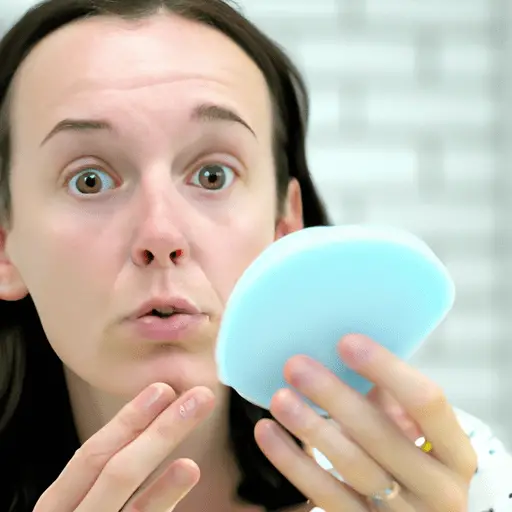
“consistency: The Secret Ingredient to Flawless Skincare.”
The Importance of consistency in skincare routines highlights the crucial role that regularity plays in maintaining skin health and achieving desired results. consistency in applying skincare products and following a specific routine daily allows the active ingredients in these products to effectively work on the skin. It also helps in addressing specific skin concerns such as acne, pigmentation, or aging signs more efficiently. This concept underscores the fact that sporadic skincare efforts may not yield significant results, emphasizing the need for discipline and patience in skincare regimens.
The Role of Consistency in Effective Skincare Routines
The importance of consistency in skincare routines cannot be overstated. It is a fundamental principle that underpins the effectiveness of any skincare regimen. The skin, being the largest organ of the body, is constantly exposed to various environmental factors such as sunlight, pollution, and harsh weather conditions. These factors can cause damage to the skin, leading to issues such as premature aging, acne, and other skin conditions. Therefore, maintaining a consistent skincare routine is crucial in protecting the skin from these harmful elements and ensuring its overall health and vitality.
consistency in skincare routines is primarily about adhering to a regular schedule of skincare practices. This includes daily activities such as cleansing, toning, moisturizing, and applying sunscreen, as well as weekly or bi-weekly activities such as exfoliating and using face masks. These activities should be performed regularly and consistently to achieve the best results.
The reason for this is that the skin undergoes a natural regeneration process, typically on a 28-day cycle. During this cycle, new skin cells are produced and old, dead skin cells are shed. By maintaining a consistent skincare routine, you can support this natural process and ensure that your skin is always in its best possible condition.
Moreover, many skincare products, particularly those designed to address specific skin issues such as acne or aging, require consistent use over a period of time to be effective. This is because these products work by gradually altering the structure or function of the skin. For example, retinoids, which are commonly used to treat acne and signs of aging, work by increasing the rate of cell turnover in the skin. However, this process takes time, and it may be several weeks or even months before noticeable results are seen. Therefore, it is important to use these products consistently and as directed to achieve the desired results.
In addition to the benefits for your skin’s health and appearance, maintaining a consistent skincare routine can also have psychological benefits. The act of taking care of your skin can be a form of self-care, providing a sense of control and routine in your day. This can be particularly beneficial in times of stress or uncertainty, helping to provide a sense of normalcy and stability.
However, it’s important to note that consistency doesn’t mean rigidity. It’s crucial to listen to your skin and adjust your routine as needed. For instance, you might need to switch to a heavier moisturizer in the winter months when the air is drier, or you might need to use a different cleanser if your skin is reacting to a new medication. The key is to maintain the core elements of your routine while making adjustments as necessary to meet your skin’s changing needs.
In conclusion, consistency plays a pivotal role in effective skincare routines. It supports the skin’s natural regeneration process, allows skincare products to work effectively, and provides psychological benefits. By maintaining a consistent skincare routine and making adjustments as necessary, you can ensure that your skin is healthy, vibrant, and well-protected against environmental damage.
Understanding the Importance of Consistency in Maintaining Skincare Habits

The importance of consistency in skincare routines is a topic that often goes unnoticed, yet it is a crucial aspect of maintaining healthy and radiant skin. The skin, being the largest organ of the body, is constantly exposed to various environmental factors such as pollution, UV rays, and harsh weather conditions. These factors can cause damage to the skin, leading to issues such as premature aging, acne, and dryness. Therefore, it is essential to establish a consistent skincare routine to protect and nourish the skin.
consistency in skincare routines is not merely about applying products to the skin. It involves understanding the specific needs of your skin and using suitable products regularly to address these needs. For instance, if you have dry skin, it is important to consistently use moisturizing products to keep your skin hydrated. On the other hand, if you have oily skin, using products that control oil production regularly can help prevent acne and other skin issues.
Moreover, consistency in skincare routines is about giving your skin time to adapt and respond to the products you use. Skincare products often contain active ingredients that work to improve the skin’s health and appearance. However, these ingredients need time to show their effects. Using a product sporadically or switching between different products frequently can disrupt the skin’s adaptation process, preventing you from seeing the desired results. Therefore, it is important to stick to a routine and give your skin time to adjust to the products.
In addition, consistency in skincare routines can also help you monitor the effects of the products you use. By using the same products regularly, you can observe how your skin reacts to these products over time. This can help you identify any adverse reactions or improvements in your skin’s condition, allowing you to adjust your routine accordingly.
Furthermore, consistency in skincare routines can contribute to the formation of healthy habits. Just like brushing your teeth or eating a balanced diet, maintaining a regular skincare routine can become a part of your daily routine. This can help you develop a habit of taking care of your skin, which can contribute to overall health and well-being.
However, it is important to note that consistency in skincare routines does not mean sticking to a routine that is not working for you. If you notice that your skin is not improving or is getting worse despite following a consistent routine, it may be time to reevaluate your routine and consider seeking professional advice. A dermatologist or a skincare professional can provide guidance on the best skincare routine for your specific skin type and concerns.
In conclusion, consistency in skincare routines is a key factor in maintaining healthy and beautiful skin. It involves understanding your skin’s needs, using suitable products regularly, giving your skin time to adapt to these products, and monitoring the effects of these products on your skin. By maintaining a consistent skincare routine, you can protect your skin from environmental damage, address specific skin issues, and develop healthy skincare habits. Therefore, it is important to understand the importance of consistency in maintaining skincare habits and incorporate it into your daily routine.
How Consistency in Skincare Routines Leads to Healthier Skin
The importance of consistency in skincare routines cannot be overstated. It is a fundamental aspect that significantly contributes to the health and vitality of the skin. The skin, being the largest organ of the body, requires regular care and attention to maintain its optimal function and appearance. A consistent skincare routine is a key factor in achieving this goal.
The skin is a complex organ with a dynamic nature, constantly regenerating and renewing itself. It is exposed to various environmental factors such as sunlight, pollution, and harsh weather conditions, which can cause damage and accelerate the aging process. Therefore, it is essential to provide the skin with the necessary care and protection it needs to combat these challenges. This is where a consistent skincare routine comes into play.
A consistent skincare routine involves using the right products in the correct order and frequency. This routine typically includes cleansing, toning, moisturizing, and applying sunscreen, each step serving a specific purpose. Cleansing removes dirt and excess oil, toning balances the skin’s pH level, moisturizing hydrates and nourishes the skin, and sunscreen protects the skin from harmful UV rays. Consistently following this routine ensures that the skin receives the necessary care and protection it needs on a daily basis.
Moreover, consistency in skincare routines allows the active ingredients in skincare products to work effectively. Most skincare products contain active ingredients that target specific skin concerns such as acne, wrinkles, or hyperpigmentation. These ingredients need time to penetrate the skin and deliver their benefits. Using these products sporadically or inconsistently will not yield the desired results. On the other hand, using these products consistently allows the active ingredients to build up in the skin, leading to noticeable improvements over time.
In addition, consistency in skincare routines helps to maintain the skin’s natural balance. The skin has a natural protective barrier known as the acid mantle, which helps to keep the skin healthy and protected from harmful bacteria and other environmental aggressors. Disrupting this balance by frequently changing skincare products or routines can lead to skin problems such as dryness, irritation, and breakouts. Therefore, sticking to a consistent skincare routine helps to maintain this balance and promote healthier skin.
Furthermore, consistency in skincare routines promotes discipline and self-care. Taking the time to care for your skin daily not only benefits your skin but also contributes to your overall well-being. It encourages you to take a few minutes each day to focus on yourself, which can have a positive impact on your mental health.
In conclusion, consistency in skincare routines is crucial for healthier skin. It ensures that the skin receives the necessary care and protection it needs, allows the active ingredients in skincare products to work effectively, maintains the skin’s natural balance, and promotes discipline and self-care. Therefore, it is important to establish and stick to a consistent skincare routine that suits your skin type and concerns. Remember, skincare is not a one-time event but a lifelong commitment. Your skin will thank you for it.
The Impact of Regular Skincare Habits on Long-Term Skin Health
The importance of consistency in skincare routines cannot be overstated, particularly when considering the impact of regular skincare habits on long-term skin health. The skin, being the largest organ of the body, serves as the first line of defense against environmental aggressors such as pollution, UV rays, and harsh weather conditions. Therefore, it is crucial to maintain a consistent skincare routine to ensure the skin remains healthy and resilient.
To begin with, consistency in skincare routines allows for the gradual improvement of the skin’s overall health and appearance. The skin undergoes a natural regeneration process approximately every 28 days, where old cells are shed and replaced with new ones. By consistently following a skincare routine, you are essentially supporting this natural process, ensuring that your skin is regularly cleansed, exfoliated, and nourished. Over time, this can lead to noticeable improvements in skin texture, tone, and clarity.
Moreover, many skincare products, particularly those designed to address specific skin concerns such as acne, hyperpigmentation, or aging, require consistent use over a period of time to yield visible results. For instance, retinoids, a popular ingredient in anti-aging skincare products, can take several weeks to months of regular use before noticeable improvements in skin texture and fine lines are observed. Similarly, products containing ingredients like salicylic acid or benzoyl peroxide, commonly used to treat acne, may take several weeks of consistent use to effectively reduce breakouts.
In addition to facilitating gradual improvements, consistency in skincare routines also helps to maintain the skin’s natural barrier function. The skin barrier serves to protect the skin from environmental stressors and prevent moisture loss. Regular cleansing, moisturizing, and application of sunscreen can help to strengthen this barrier, thereby preventing skin dryness, sensitivity, and damage caused by UV rays.
Furthermore, consistency in skincare routines can also contribute to the prevention of skin issues in the future. Regular exfoliation, for example, can help to prevent the buildup of dead skin cells, which can lead to clogged pores and breakouts. Similarly, consistent use of sunscreen can help to prevent premature skin aging and reduce the risk of skin cancer.
However, it is important to note that consistency does not equate to complexity. A skincare routine does not need to consist of numerous steps or products to be effective. Rather, it should be tailored to your individual skin needs and lifestyle. The key is to find a routine that you can stick to consistently, whether it consists of just three steps – cleansing, moisturizing, and applying sunscreen – or includes additional steps like exfoliation and targeted treatments.
In conclusion, the importance of consistency in skincare routines lies in its potential to improve skin health and appearance over time, maintain the skin’s natural barrier function, and prevent future skin issues. By committing to a regular skincare routine, you are investing in the long-term health of your skin, ensuring that it remains resilient and radiant for years to come.
Q&A
1. Question: Why is consistency important in a skincare routine?
Answer: consistency is important in a skincare routine because it allows the skin to establish a routine and respond accordingly. Regular use of skincare products can help maintain the skin’s health, improve its appearance, and prevent potential issues such as acne, dryness, or premature aging.
2. Question: What can happen if you’re not consistent with your skincare routine?
Answer: If you’re not consistent with your skincare routine, it can lead to various skin issues. These can include breakouts, increased sensitivity, dryness, oiliness, and even premature aging. It can also make it harder for your skin to recover from these issues.
3. Question: How long does it take to see results from a consistent skincare routine?
Answer: It typically takes about 4 to 6 weeks to see noticeable results from a consistent skincare routine. This is because the skin naturally renews itself every 30 days. For deeper skin concerns like wrinkles or hyperpigmentation, it may take several months or more to see significant changes.
4. Question: Can changing products frequently affect the skin?
Answer: Yes, changing products frequently can affect the skin. It can lead to skin irritation, breakouts, and other adverse reactions. It’s recommended to introduce new products gradually and allow the skin to adjust to one product before adding another.In conclusion, consistency in skincare routines is crucial as it allows the skin to maintain a balance and improve its overall health and appearance. Regularly following a skincare routine helps in combating potential skin issues, aids in the skin’s regeneration process, and ensures the effectiveness of the products used. It also helps in preventing premature aging, maintaining hydration, and promoting a radiant complexion. Therefore, consistency is a key factor in achieving and maintaining healthy and beautiful skin.