Different Methods of Exfoliation and Their Effects
[youtubomatic_search]
Key Takeaways
Exfoliation is a crucial part of skincare that helps remove dead skin cells and rejuvenate the skin.
There are two main types of exfoliation: physical and chemical.
Physical exfoliation uses abrasive materials or tools, while chemical exfoliation uses acids or enzymes.
Each method of exfoliation has its own benefits and potential side effects.
Choosing the right method of exfoliation depends on individual skin type and condition.
Unveiling the Layers: An Introduction to Exfoliation
Exfoliation, a process that involves the removal of the oldest dead skin cells on the skin’s outermost surface, is an essential part of any skincare routine. It not only helps to maintain healthy, glowing skin but also enhances the effectiveness of other skincare products by allowing them to penetrate deeper into the skin. This article delves into the different methods of exfoliation and their effects on the skin.
Physical Exfoliation: Scrubbing Away the Old
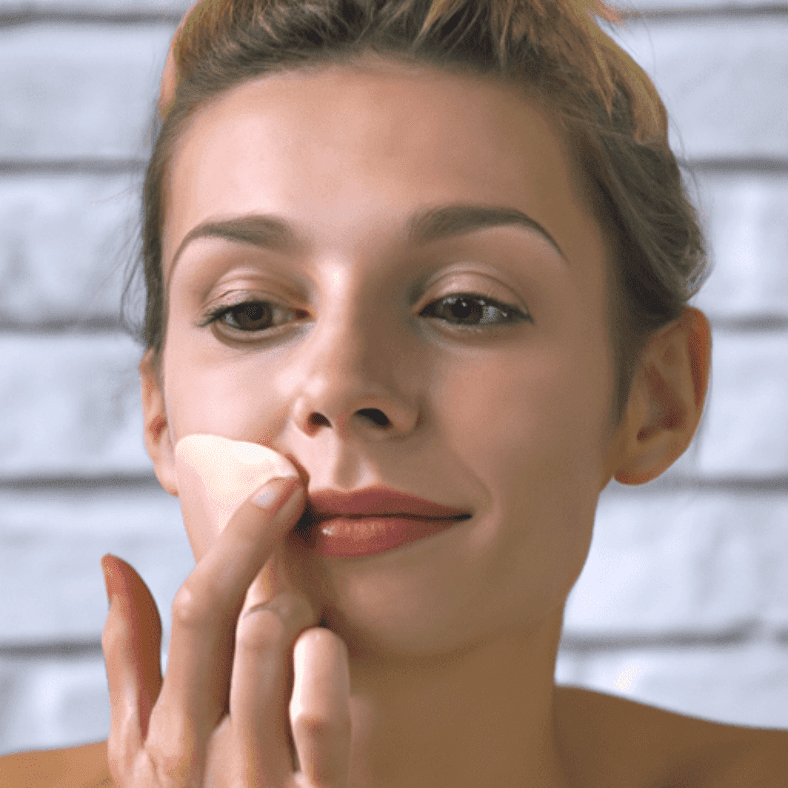
Physical exfoliation involves using a scrub, brush, or other abrasive materials to manually remove dead skin cells. This method can be effective for those with oily or combination skin, as it helps to unclog pores and reduce the appearance of blackheads and whiteheads. However, it’s important to be gentle and avoid over-exfoliating, as this can lead to skin irritation and damage.
Chemical Exfoliation: Dissolving the Dead
Chemical exfoliation uses acids or enzymes to dissolve dead skin cells. Alpha hydroxy acids (AHAs), beta hydroxy acids (BHAs), and retinoids are common ingredients in chemical exfoliants. This method is often recommended for those with sensitive or dry skin, as it is less abrasive than physical exfoliation. However, it can cause sensitivity to sunlight, so it’s important to use sunscreen when using chemical exfoliants.
Microdermabrasion: A Deeper Cleanse
Microdermabrasion is a type of physical exfoliation that uses tiny crystals to remove the outer layer of dead skin cells. This method can help to reduce the appearance of fine lines, wrinkles, and acne scars. However, it can also cause temporary redness and sensitivity, and it’s not recommended for those with rosacea or other skin conditions.
Exfoliating Brushes: A Gentle Approach
Exfoliating brushes are a type of physical exfoliation that uses soft bristles to gently remove dead skin cells. This method can be a good option for those with sensitive skin, as it is less abrasive than scrubs or microdermabrasion. However, it’s important to clean the brush regularly to prevent bacteria buildup.
FAQ Section
1. How often should I exfoliate?
The frequency of exfoliation depends on your skin type and the method of exfoliation. Generally, it’s recommended to exfoliate 1-3 times a week.
2. Can I exfoliate if I have acne?
Yes, but it’s important to be gentle and use a method that won’t irritate your skin. Chemical exfoliants are often recommended for those with acne.
3. What should I do after exfoliating?
After exfoliating, it’s important to moisturize your skin to restore hydration. Also, if you’ve used a chemical exfoliant, you should apply sunscreen to protect your skin from the sun.
4. Can I use a scrub and a chemical exfoliant at the same time?
It’s not recommended to use a scrub and a chemical exfoliant at the same time, as this can be too harsh on the skin.
5. Can exfoliation help with aging?
Yes, exfoliation can help to reduce the appearance of fine lines and wrinkles by removing dead skin cells and stimulating the production of new ones.
Conclusion: The Final Brush Stroke
Exfoliation is a key component of skincare that helps to maintain healthy, glowing skin. Whether you choose physical or chemical exfoliation, it’s important to choose a method that suits your skin type and condition. Remember to be gentle, avoid over-exfoliating, and always moisturize and protect your skin after exfoliating. With the right method and frequency, exfoliation can help you achieve smoother, brighter, and younger-looking skin.
Key Takeaways Revisited
Exfoliation is a crucial part of skincare that helps remove dead skin cells and rejuvenate the skin.
There are two main types of exfoliation: physical and chemical.
Physical exfoliation uses abrasive materials or tools, while chemical exfoliation uses acids or enzymes.
Each method of exfoliation has its own benefits and potential side effects.
Choosing the right method of exfoliation depends on individual skin type and condition.
Exfoliation is a crucial part of a skincare routine, promoting healthier and more radiant skin.
Regular exfoliation can help remove dead skin cells, unclog pores, and improve skin texture and tone.
Exfoliation can enhance the effectiveness of other skincare products by allowing better absorption.
There are two main types of exfoliation: physical and chemical, each with its own benefits and suitable for different skin types.
Over-exfoliation can harm the skin, so it’s essential to find a balance that suits your skin type and needs.
Introduction: Unveiling the Power of Exfoliation
Exfoliation, the process of removing dead skin cells from the surface of your skin, is a vital step in any skincare routine. It not only leaves your skin looking fresher and more radiant but also paves the way for other skincare products to work more effectively. This article delves into the benefits of incorporating exfoliation into your skincare routine and provides insights into the best practices for optimal results.
The Magic of Exfoliation
Exfoliation is more than just a feel-good skincare step; it’s a way to keep your skin healthy and glowing. Here are some key benefits:
1. Removal of Dead Skin Cells
Our skin naturally sheds dead cells, but sometimes they don’t fully slough off, leading to dry, flaky patches and clogged pores. Exfoliation helps remove these cells, revealing fresher, younger cells beneath and leaving the skin looking more vibrant.1
2. Unclogging Pores
When oil and dirt get trapped in your pores, they can become clogged, leading to dull skin and breakouts. Exfoliation helps to unclog these pores, reducing the likelihood of acne and blackheads.2
3. Improved Skin Texture and Tone
By removing dead skin cells, exfoliation can help even out skin tone and improve texture, making your skin feel smoother and look brighter.3
4. Enhanced Product Absorption
Exfoliation can enhance the effectiveness of other skincare products. By removing the layer of dead skin cells, it allows for better absorption of products, making them more effective.4
FAQ Section
1. What are the different types of exfoliation?
There are two main types of exfoliation: physical and chemical. Physical exfoliation involves using a scrub, brush, or other tool to physically remove dead skin cells. Chemical exfoliation uses acids or enzymes to dissolve dead skin cells.5
2. How often should I exfoliate?
The frequency of exfoliation depends on your skin type and the type of exfoliant used. Generally, it’s recommended to exfoliate 1-3 times a week for normal and combination skin, and 1-2 times a week for sensitive skin.6
3. Can I exfoliate if I have acne?
Yes, but with caution. Exfoliation can help unclog pores and prevent acne, but over-exfoliation can irritate the skin and exacerbate acne. It’s best to use a gentle exfoliant and not to exfoliate too frequently.7
4. Can exfoliation help with aging?
Yes, exfoliation can help with signs of aging. By removing dead skin cells, exfoliation can help reduce the appearance of fine lines and wrinkles, and promote skin renewal.8
5. Can I over-exfoliate?
Yes, over-exfoliation can harm the skin, causing irritation, dryness, and increased sensitivity. It’s important to find a balance that suits your skin type and needs.9
Conclusion: The Power of Proper Exfoliation
Exfoliation is a powerful tool in a skincare routine, offering numerous benefits from improved skin texture and tone to enhanced product absorption. However, it’s essential to exfoliate correctly and not overdo it to avoid damaging the skin. By understanding the benefits and best practices of exfoliation, you can harness its power to achieve healthier, more radiant skin.
Review of Key Takeaways
Exfoliation is a crucial part of a skincare routine, promoting healthier and more radiant skin.
Regular exfoliation can help remove dead skin cells, unclog pores, and improve skin texture and tone.
Exfoliation can enhance the effectiveness of other skincare products by allowing better absorption.
There are two main types of exfoliation: physical and chemical, each with its own benefits and suitable for different skin types.
Over-exfoliation can harm the skin, so it’s essential to find a balance that suits your skin type and needs.
[youtubomatic_search]
References
1. American Academy of Dermatology. (n.d.). 10 skin care habits that can worsen acne. Retrieved from https://www.aad.org/public/diseases/acne/skin-care/habits-stop
2. Mayo Clinic. (2020). Acne treatments: Medical procedures may help clear skin. Retrieved from https://www.mayoclinic.org/diseases-conditions/acne/in-depth/acne-treatments/art-20045892
3. American Academy of Dermatology. (n.d.). How to fade dark spots in skin of color. Retrieved from https://www.aad.org/public/everyday-care/skin-care-basics/dark-spots/fade
4. American Academy of Dermatology. (n.d.). How to safely exfoliate at home. Retrieved from https://www.aad.org/public/everyday-care/skin-care-basics/care/safely-exfoliate-at-home
5. American Academy of Dermatology. (n.d.). How to safely exfoliate at home. Retrieved from https://www.aad.org/public/everyday-care/skin-care-basics/care/safely-exfoliate-at-home
6. American Academy of Dermatology. (n.d.). How to safely exfoliate at home. Retrieved from https://www.aad.org/public/everyday-care/skin-care-basics/care/safely-exfoliate-at-home
7. American Academy of Dermatology. (n.d.). 10 skin care habits that can worsen acne. Retrieved from https://www.aad.org/public/diseases/acne/skin-care/habits-stop
8. American Academy of Dermatology. (n.d.). How to prevent wrinkles. Retrieved from https://www.aad.org/public/everyday-care/skin-care-secrets/anti-aging/prevent-wrinkles
9. American Academy of Dermatology. (n.d.). How to safely exfoliate at home. Retrieved from https://www.aad.org/public/everyday-care/skin-care-basics/care/safely-exfoliate-at-home
Different Methods of Exfoliation and Their Effects
[youtubomatic_search]
Key Takeaways
Exfoliation is a crucial part of skincare routine that helps remove dead skin cells and rejuvenate the skin.
There are two main types of exfoliation: physical and chemical, each with its own benefits and drawbacks.
Over-exfoliation can lead to skin damage, hence it’s important to choose the right method and frequency for your skin type.
Professional treatments offer deeper exfoliation but should be done under the supervision of a skincare expert.
Regular exfoliation can improve skin texture, tone, and overall health, but it’s important to follow it up with proper hydration and sun protection.
Introduction: Unveiling the Layers of Exfoliation
Exfoliation, the process of removing dead skin cells from the surface of your skin, is a key component of any comprehensive skincare routine. It not only helps to rejuvenate the skin but also improves its texture and appearance. However, with a myriad of exfoliation methods available, it can be challenging to determine which one is right for your skin. This article delves into the different methods of exfoliation and their effects on the skin.
Physical Exfoliation: A Hands-On Approach
Physical exfoliation involves using a scrub, brush, or other abrasive materials to physically remove dead skin cells. This method can be effective for those with oily or combination skin. However, it can be harsh on sensitive skin and may lead to micro-tears if done too aggressively. According to a study published in the Journal of Cosmetic Dermatology, physical exfoliation can improve skin texture and complexion when done correctly.
Chemical Exfoliation: A Deeper Dive
Chemical exfoliation uses acids or enzymes to dissolve dead skin cells. Alpha hydroxy acids (AHAs), beta hydroxy acids (BHAs), and retinoids are common ingredients in chemical exfoliants. This method is often preferred for its ability to penetrate deeper into the skin, making it effective for treating acne, hyperpigmentation, and signs of aging. A study in the Journal of Clinical and Aesthetic Dermatology found that regular use of AHAs can improve skin texture and reduce signs of aging.
Professional Treatments: The Expert Touch
Professional treatments such as microdermabrasion and chemical peels offer a deeper level of exfoliation. These treatments should be done under the supervision of a skincare expert to avoid potential skin damage. According to the American Academy of Dermatology, these treatments can help improve skin texture, tone, and appearance, but they may also cause temporary redness and sensitivity.
The Effects of Over-Exfoliation
While regular exfoliation can bring about numerous benefits, overdoing it can lead to skin damage. Over-exfoliation can strip the skin of its natural oils, leading to dryness, irritation, and increased sensitivity. It’s important to choose the right method and frequency of exfoliation based on your skin type and needs.
FAQ Section
1. How often should I exfoliate?
The frequency of exfoliation depends on your skin type and the method of exfoliation. Generally, it’s recommended to exfoliate 1-3 times a week.
2. Can I exfoliate if I have sensitive skin?
Yes, but it’s important to choose a gentle method of exfoliation and avoid overdoing it. Chemical exfoliants with low concentrations of AHAs or BHAs can be suitable for sensitive skin.
3. What should I do after exfoliating?
After exfoliating, it’s important to hydrate your skin with a moisturizer and protect it from the sun with a broad-spectrum sunscreen.
4. Can I use both physical and chemical exfoliants?
While it’s possible to use both, it’s not typically recommended as it can lead to over-exfoliation. It’s best to choose one method based on your skin type and needs.
5. Are there any natural exfoliants?
Yes, ingredients like sugar, salt, and oatmeal can be used as natural physical exfoliants. For chemical exfoliation, fruit enzymes are a natural option.
Conclusion: The Final Peel
Exfoliation is a vital part of a skincare routine that helps to remove dead skin cells and rejuvenate the skin. Whether you choose physical, chemical, or professional treatments, it’s important to do so wisely to avoid the potential pitfalls of over-exfoliation. Remember, the goal is to improve your skin’s health and appearance, not to cause damage. So, choose the right method, frequency, and follow-up care for your skin type and needs.
[youtubomatic_search]
Further Analysis
In conclusion, regular exfoliation can improve skin texture, tone, and overall health. However, it’s important to choose the right method and frequency for your skin type. Over-exfoliation can lead to skin damage, hence it’s crucial to follow it up with proper hydration and sun protection. Professional treatments offer deeper exfoliation but should be done under the supervision of a skincare expert.
Dry skin is a common condition that can be managed with a proper skincare routine.
Dermatologists recommend a routine that includes cleansing, moisturizing, and protecting the skin.
Choosing the right products for your skin type is crucial.
Hydration and nutrition also play a significant role in maintaining healthy skin.
Consulting a dermatologist can provide personalized advice and treatment options.
Introduction: Understanding Dry Skin
Dry skin, medically known as xerosis, is a common condition that affects millions of people worldwide. It can occur due to various factors, including environmental conditions, aging, or underlying skin conditions. While it’s often a temporary issue, for some, it can be a lifelong concern. This article explores a dermatologist-recommended skincare routine for managing dry skin effectively.
The Importance of a Skincare Routine
According to Dr. Susan Taylor, a renowned dermatologist, “A consistent skincare routine has the potential to transform your skin’s health.” She further explains that the skin is the body’s largest organ and it requires regular care to maintain its health and vitality. A well-structured skincare routine can help manage dry skin, prevent its recurrence, and improve the overall appearance of the skin.
Components of a Dermatologist-Recommended Skincare Routine
A dermatologist-recommended skincare routine for dry skin typically includes three key steps: cleansing, moisturizing, and protecting.
Cleansing
Cleansing is the first step in any skincare routine. It helps remove dirt, oil, and makeup from the skin. However, for dry skin, dermatologists recommend using a gentle, hydrating cleanser. According to a study published in the Journal of Clinical and Aesthetic Dermatology, harsh cleansers can strip the skin of its natural oils, exacerbating dryness.
Moisturizing
Moisturizing is crucial for dry skin. It helps replenish the skin’s moisture levels and creates a protective barrier to prevent moisture loss. Dermatologists recommend using a moisturizer that contains ingredients like hyaluronic acid and ceramides, which are known for their hydrating properties.
Protecting
Protecting the skin from sun damage is an essential part of any skincare routine. Even for those with dry skin, daily use of a broad-spectrum sunscreen with an SPF of at least 30 is recommended. Sun exposure can dry out the skin and cause premature aging, so protection is key.
Additional Factors to Consider
While a skincare routine is important, other factors also contribute to skin health. These include hydration, nutrition, and professional advice.
Hydration and Nutrition
Drinking plenty of water and maintaining a balanced diet rich in vitamins and antioxidants can help improve skin health. According to the American Academy of Dermatology, hydration and nutrition can significantly impact the skin’s appearance and texture.
Professional Advice
While general advice can be helpful, everyone’s skin is unique. Therefore, consulting a dermatologist can provide personalized advice and treatment options. They can also help identify any underlying conditions that may be causing dry skin.
FAQ Section
1. How often should I cleanse my skin?
For dry skin, dermatologists generally recommend cleansing once a day, preferably in the evening.
2. Can I use any moisturizer for dry skin?
Not all moisturizers are created equal. For dry skin, look for products that contain hydrating ingredients like hyaluronic acid and ceramides.
3. Is sunscreen necessary even when it’s not sunny?
Yes, UV rays can penetrate clouds and cause skin damage. Therefore, daily sunscreen use is recommended regardless of the weather.
4. How can I tell if my skin is dry or dehydrated?
Dry skin is a skin type characterized by a lack of oil, while dehydrated skin is a condition where the skin lacks water. A dermatologist can help determine your skin’s condition.
5. Can diet affect my skin’s health?
Yes, a balanced diet rich in vitamins and antioxidants can significantly improve your skin’s health and appearance.
Conclusion: The Path to Healthier Skin
Dry skin is a common issue that can be effectively managed with a proper skincare routine. By cleansing, moisturizing, and protecting the skin, you can help maintain its health and vitality. Additionally, staying hydrated, eating a balanced diet, and seeking professional advice can further improve your skin’s condition. Remember, consistency is key when it comes to skincare.
Key Takeaways Revisited
Dry skin can be managed with a consistent skincare routine that includes cleansing, moisturizing, and protecting the skin.
Choosing products suitable for dry skin is crucial to prevent further dryness and irritation.
Hydration and nutrition play a significant role in skin health.
Professional advice can provide personalized treatment options and help identify underlying conditions.
The Benefits of Retinol: Insights from a Dermatologist
[youtubomatic_search]
Key Takeaways
Retinol, a form of Vitamin A, is a powerful ingredient in skincare products that can help reduce signs of aging and improve skin health.
Regular use of retinol can stimulate collagen production, reduce wrinkles, and improve skin tone.
Retinol can also help with acne and hyperpigmentation, making it a versatile addition to any skincare routine.
Despite its benefits, retinol can cause skin irritation and should be introduced gradually into your skincare routine.
Consulting with a dermatologist can help you understand how to use retinol effectively and safely.
Unveiling the Power of Retinol
Retinol, a derivative of Vitamin A, has been hailed as a miracle worker in the world of skincare. Dermatologists often recommend it for its ability to reduce signs of aging, improve skin health, and treat various skin conditions. This article delves into the benefits of retinol and provides insights from a dermatologist on how to incorporate it into your skincare routine.
The Anti-Aging Powerhouse
One of the most significant benefits of retinol is its anti-aging properties. According to Dr. Patricia Farris, a clinical associate professor of dermatology at Tulane University, retinol works by increasing cell turnover and stimulating collagen production, which can reduce the appearance of fine lines and wrinkles (Farris, 2017).
Improving Skin Tone and Texture
Retinol can also improve skin tone and texture. A study published in the Journal of Cosmetic Dermatology found that participants who used a retinol-based product for 12 weeks saw significant improvements in skin brightness, pigmentation, and overall skin condition (Kafi et al., 2007).
Combatting Acne and Hyperpigmentation
Retinol is not just for aging skin; it can also help with acne and hyperpigmentation. According to Dr. Joshua Zeichner, a dermatologist at Mount Sinai Hospital in New York City, retinol can help clear up acne by unclogging pores and reducing inflammation. It can also fade dark spots and even out skin tone (Zeichner, 2018).
Considerations and Precautions
Despite its benefits, retinol can cause skin irritation, especially when first introduced into a skincare routine. Dermatologists recommend starting with a low concentration and gradually increasing it as your skin adjusts. It’s also important to use sunscreen when using retinol, as it can make your skin more sensitive to the sun (American Academy of Dermatology, 2019).
FAQ Section
1. Can anyone use retinol?
Most people can use retinol, but it’s always best to consult with a dermatologist first, especially if you have sensitive skin or a skin condition.
2. How often should I use retinol?
Start by using retinol once or twice a week and gradually increase to daily use as your skin adjusts.
3. Can I use retinol during the day?
It’s best to use retinol at night, as it can make your skin more sensitive to the sun. Always use sunscreen during the day when using retinol.
4. Can I use retinol with other skincare products?
Yes, but be cautious when combining retinol with other active ingredients, as it can increase skin sensitivity. Consult with a dermatologist for personalized advice.
5. How long does it take to see results from retinol?
It can take several weeks to see results from retinol, so be patient and consistent with your skincare routine.
Conclusion: The Power of Retinol in Your Skincare Routine
Retinol is a powerful ingredient that can significantly improve skin health and appearance. Its ability to reduce signs of aging, improve skin tone and texture, and treat acne and hyperpigmentation make it a versatile addition to any skincare routine. However, it’s important to use retinol carefully and consult with a dermatologist to ensure you’re using it effectively and safely.
Key Takeaways Revisited
Retinol is a powerful skincare ingredient that can reduce signs of aging, improve skin health, and treat various skin conditions.
Regular use of retinol can stimulate collagen production, reduce wrinkles, and improve skin tone.
Retinol can also help with acne and hyperpigmentation.
Despite its benefits, retinol can cause skin irritation and should be introduced gradually into your skincare routine.
Consulting with a dermatologist can help you understand how to use retinol effectively and safely.
[youtubomatic_search]
References
Farris, P. (2017). Cosmeceuticals and Skin Care in Dermatology. In Clinical Dermatology (pp. 1-16). Springer, Cham.
Kafi, R., Kwak, H. S. R., Schumacher, W. E., Cho, S., Hanft, V. N., Hamilton, T. A., … & Kang, S. (2007). Improvement of naturally aged skin with vitamin A (retinol). Archives of dermatology, 143(5), 606-612.
Zeichner, J. (2018). The Ultimate Guide to Getting Rid of Acne. Allure.
American Academy of Dermatology. (2019). 10 skin care habits that can worsen acne. AAD.
Understanding your skin type is crucial for maintaining radiant skin.
Hydration, both internal and external, is key to achieving a healthy glow.
Protection from the sun is a non-negotiable step in any skincare routine.
Regular exfoliation can help remove dead skin cells and reveal a brighter complexion.
Professional treatments can provide a significant boost to your skincare routine.
Introduction: The Path to Radiant Skin
Everyone desires radiant, glowing skin. However, achieving this goal often seems elusive, with countless products and treatments promising the moon but delivering less. According to dermatologists, the secret to radiant skin lies in understanding your skin type, following a consistent skincare routine, and making lifestyle adjustments. This article delves into expert advice on how to achieve and maintain radiant skin.
Understanding Your Skin Type
According to Dr. Leslie Baumann, a renowned dermatologist and author of “The Skin Type Solution,” understanding your skin type is the first step towards achieving radiant skin. She categorizes skin into four types: oily, dry, combination, and sensitive. Each type requires a different skincare routine and products. For instance, oily skin benefits from lightweight, oil-free moisturizers, while dry skin needs richer, more emollient creams.
The Importance of Hydration
Hydration plays a crucial role in maintaining skin radiance. Internally, drinking plenty of water helps flush out toxins that can dull your complexion. Externally, using a good moisturizer can help lock in moisture and keep your skin plump and glowing. Dr. Joshua Zeichner, Director of Cosmetic and Clinical Research in Dermatology at Mount Sinai Hospital in New York City, recommends using a hyaluronic acid-based moisturizer for maximum hydration.
Sun Protection: A Non-Negotiable Step
Unprotected sun exposure is one of the leading causes of premature skin aging and dullness. Dermatologists universally agree on the importance of daily sun protection. Dr. Zeichner advises using a broad-spectrum sunscreen with an SPF of at least 30, even on cloudy days. He also recommends wearing protective clothing and seeking shade whenever possible.
The Role of Exfoliation
Regular exfoliation can help remove dead skin cells that can make your complexion look dull. However, it’s essential to choose the right exfoliant for your skin type. Dr. Baumann suggests that those with oily skin can benefit from chemical exfoliants like salicylic acid, while those with dry or sensitive skin should opt for gentler, physical exfoliants.
Professional Treatments for Radiant Skin
While a good skincare routine can significantly improve your skin’s radiance, professional treatments can provide an extra boost. Treatments like chemical peels, microdermabrasion, and laser resurfacing can help address specific skin concerns and enhance your skin’s glow. However, these treatments should always be performed by a qualified professional to avoid potential skin damage.
FAQ Section
How often should I exfoliate my skin? Most dermatologists recommend exfoliating 1-2 times per week. However, this can vary depending on your skin type and the type of exfoliant used.
Can diet affect my skin’s radiance? Yes, a diet rich in fruits, vegetables, lean proteins, and healthy fats can help maintain your skin’s health and radiance.
Is it necessary to use a toner? While not essential, a toner can help remove any remaining impurities after cleansing and prepare your skin for the next steps in your skincare routine.
Can I skip sunscreen if I’m indoors all day? Even if you’re indoors, UVA rays can penetrate glass windows and cause skin damage. Therefore, daily sunscreen use is recommended.
What is the best time to apply a moisturizer? The best time to apply a moisturizer is immediately after cleansing when your skin is still damp. This helps lock in moisture and keeps your skin hydrated.
Conclusion: Achieving and Maintaining Radiant Skin
Achieving radiant skin is not a one-time event but a continuous process that requires understanding your skin type, following a consistent skincare routine, and making necessary lifestyle adjustments. Hydration, sun protection, regular exfoliation, and professional treatments all play a crucial role in maintaining skin radiance. Remember, the journey to radiant skin is a marathon, not a sprint, and consistency is key.
Key Takeaways Revisited
Understanding your skin type is the first step towards achieving radiant skin.
Hydration, both internal and external, is crucial for skin radiance.
Sun protection is a non-negotiable step in any skincare routine.
Regular exfoliation can help reveal a brighter complexion.
Professional treatments can provide an extra boost to your skincare routine.
Role of specific skincare products in a nighttime routine
Common mistakes to avoid in a nighttime skincare routine
FAQs about nighttime skincare
Introduction: The Significance of Nighttime Skincare
Skincare is a crucial part of maintaining a healthy and youthful appearance. While many people focus on their morning skincare routine, dermatologists emphasize the importance of a nighttime routine as well. The skin undergoes significant repair and regeneration during sleep, making the nighttime an ideal period for skincare. This article delves into the importance of a nighttime skincare routine, the steps to follow, the role of specific skincare products, and common mistakes to avoid, as advised by dermatologists.
The Importance of a Nighttime Skincare Routine
According to dermatologists, the skin’s permeability increases at night, making it more receptive to skincare products. Additionally, the skin’s cell regeneration is highest at night, making it an ideal time to nourish and repair the skin. A study published in the Journal of Investigative Dermatology supports this, stating that the skin’s cell regeneration potential is at its peak during nighttime sleep.
Steps to Follow in a Nighttime Skincare Routine
Dermatologists recommend a specific sequence of steps for an effective nighttime skincare routine. These include cleansing, toning, applying a serum, moisturizing, and using a night cream or treatment. Each step plays a crucial role in maintaining skin health and addressing specific skin concerns.
Role of Specific Skincare Products in a Nighttime Routine
Each product in a nighttime skincare routine serves a specific purpose. Cleansers remove dirt and makeup, toners balance the skin’s pH, serums deliver concentrated active ingredients, moisturizers hydrate the skin, and night creams or treatments work to repair and rejuvenate the skin. Dermatologists often recommend products with ingredients like retinol, hyaluronic acid, and peptides for nighttime use due to their reparative properties.
Common Mistakes to Avoid in a Nighttime Skincare Routine
Despite the best intentions, many people make mistakes in their nighttime skincare routine that can undermine its effectiveness. These include not removing makeup before bed, using the wrong products for their skin type, applying products in the wrong order, and not giving products enough time to absorb. Dermatologists stress the importance of avoiding these mistakes to maximize the benefits of a nighttime skincare routine.
FAQ Section: Nighttime Skincare Queries Answered
Why is a nighttime skincare routine important? A nighttime skincare routine is important because the skin’s permeability increases at night, making it more receptive to skincare products. Additionally, the skin’s cell regeneration is highest at night.
What steps should I follow in a nighttime skincare routine? Dermatologists recommend cleansing, toning, applying a serum, moisturizing, and using a night cream or treatment.
What role do specific skincare products play in a nighttime routine? Each product serves a specific purpose, from removing dirt and makeup to delivering active ingredients and hydrating the skin.
What are some common mistakes to avoid in a nighttime skincare routine? Common mistakes include not removing makeup before bed, using the wrong products for your skin type, applying products in the wrong order, and not giving products enough time to absorb.
What ingredients should I look for in nighttime skincare products? Dermatologists often recommend ingredients like retinol, hyaluronic acid, and peptides for nighttime use due to their reparative properties.
Conclusion: The Power of Nighttime Skincare
In conclusion, a nighttime skincare routine plays a crucial role in maintaining skin health and addressing specific skin concerns. By following the recommended steps, using the right products, and avoiding common mistakes, you can maximize the benefits of your nighttime skincare routine. Remember, your skin works hard to repair and regenerate itself at night, so give it the support it needs with a well-planned nighttime skincare routine.
Key Takeaways
A nighttime skincare routine is important because the skin’s permeability increases at night, making it more receptive to skincare products. Additionally, the skin’s cell regeneration is highest at night.
Dermatologists recommend a specific sequence of steps for an effective nighttime skincare routine. These include cleansing, toning, applying a serum, moisturizing, and using a night cream or treatment.
Each product in a nighttime skincare routine serves a specific purpose. Cleansers remove dirt and makeup, toners balance the skin’s pH, serums deliver concentrated active ingredients, moisturizers hydrate the skin, and night creams or treatments work to repair and rejuvenate the skin.
Common mistakes in a nighttime skincare routine include not removing makeup before bed, using the wrong products for your skin type, applying products in the wrong order, and not giving products enough time to absorb.
Dermatologists often recommend products with ingredients like retinol, hyaluronic acid, and peptides for nighttime use due to their reparative properties.
The Importance of Proper Cleansing: A Comprehensive Guide
[youtubomatic_search]
Key Takeaways
Proper cleansing is a crucial part of a healthy skincare routine.
It helps in maintaining healthy skin by removing dirt, oil, and makeup.
Improper or inadequate cleansing can lead to various skin issues.
Choosing the right face wash or cleanser is essential for effective cleansing.
Proper makeup removal is a vital part of the cleansing process.
Introduction: The Role of Cleansing in Skincare
The first step in any skincare routine, cleansing, plays a pivotal role in maintaining healthy skin. It is not just about washing your face; it involves removing dirt, oil, and makeup, which can clog pores and lead to various skin issues. This article delves into the importance of proper cleansing and how it contributes to overall skin health.
The Significance of Proper Cleansing
Proper cleansing is the cornerstone of a good skincare routine. It helps in removing dirt, oil, and makeup that accumulate on the skin throughout the day. According to a study published in the Journal of Dermatology (2018), inadequate cleansing can lead to a buildup of these substances, resulting in clogged pores, breakouts, and dull skin.
Choosing the Right Cleanser
Not all cleansers are created equal. The choice of cleanser can significantly impact the effectiveness of your cleansing routine. Dermatologist Dr. Susan Taylor, in an article for the American Academy of Dermatology, suggests that individuals should choose a cleanser based on their skin type and specific needs. For instance, a person with dry skin might benefit from a hydrating cleanser, while someone with oily skin might need a cleanser with oil-control properties.
The Importance of Makeup Removal
Makeup removal is an integral part of the cleansing process. Leaving makeup on overnight can lead to clogged pores and breakouts. A survey conducted by the International Dermal Institute found that 54% of women do not remove their makeup before bed, leading to an increased risk of skin issues.
FAQ Section
1. How often should I cleanse my face?
Most dermatologists recommend cleansing your face twice a day – once in the morning and once at night. However, this can vary based on your skin type and lifestyle.
2. Can I use soap to cleanse my face?
While soap can remove dirt and oil, it can also strip the skin of its natural oils, leading to dryness and irritation. It’s best to use a gentle, pH-balanced cleanser designed for facial skin.
3. Is it necessary to remove makeup before cleansing?
Yes, removing makeup before cleansing ensures that your cleanser can effectively clean your skin. Makeup can act as a barrier, preventing your cleanser from reaching the dirt and oil underneath.
4. Can over-cleansing harm my skin?
Yes, over-cleansing can strip the skin of its natural oils, leading to dryness, irritation, and even breakouts. It’s important to find a balance that works for your skin.
5. How do I choose the right cleanser for my skin?
Choose a cleanser based on your skin type (dry, oily, combination, sensitive) and specific needs (acne-prone, aging, etc.). When in doubt, consult with a dermatologist.
Conclusion: The Power of Proper Cleansing
Proper cleansing is more than just a step in your skincare routine; it’s a fundamental aspect of maintaining healthy skin. By removing dirt, oil, and makeup, cleansing helps prevent clogged pores and breakouts. However, it’s crucial to choose the right cleanser and ensure proper makeup removal for effective cleansing. Remember, a clean face is the foundation of a healthy complexion.
Key Takeaways Revisited
Proper cleansing is a crucial part of a healthy skincare routine.
It helps in maintaining healthy skin by removing dirt, oil, and makeup.
Improper or inadequate cleansing can lead to various skin issues.
Choosing the right face wash or cleanser is essential for effective cleansing.
Proper makeup removal is a vital part of the cleansing process.
Oil cleansers effectively remove makeup and impurities without stripping the skin of its natural oils.
They are suitable for all skin types, including oily and acne-prone skin.
Oil cleansers can help balance the skin’s natural oil production and prevent clogged pores.
They can improve skin hydration and promote a healthy skin barrier.
Oil cleansers can be a beneficial addition to any skincare routine.
Introduction: The Power of Oil Cleansers
Oil cleansers have been gaining popularity in the skincare world for their ability to effectively cleanse the skin while maintaining its natural moisture balance. Contrary to popular belief, oil cleansers are not just for dry skin. They can benefit all skin types, including oily and acne-prone skin. This article will delve into the benefits of using oil cleansers and why they should be a part of your skincare routine.
The Science Behind Oil Cleansers
Oil cleansers work on the principle of “like dissolves like.” They contain oils that can dissolve and remove other oils, including the excess sebum and oil-based impurities on your skin. Unlike traditional face washes that can strip the skin of its natural oils, oil cleansers leave the skin feeling soft and hydrated. According to a study published in the Journal of Cosmetic Dermatology, oil cleansers can effectively remove makeup and impurities without causing skin irritation or dryness (1).
Benefits for All Skin Types
Despite the common misconception, oil cleansers are not just for dry skin. They can be beneficial for all skin types, including oily and acne-prone skin. Oil cleansers can help balance the skin’s natural oil production and prevent clogged pores, which can lead to acne. A study published in the Journal of Clinical and Aesthetic Dermatology found that oil cleansers can reduce the number of acne lesions in patients with acne-prone skin (2).
Improving Skin Hydration and Barrier Function
Oil cleansers can improve skin hydration by preventing water loss from the skin. They can also promote a healthy skin barrier, which is essential for protecting the skin from environmental stressors and preventing skin conditions like eczema and dermatitis. A study published in the International Journal of Cosmetic Science found that oil cleansers can improve skin hydration and barrier function in patients with dry skin (3).
FAQ Section
Are oil cleansers suitable for oily skin?
Yes, oil cleansers are suitable for oily skin. They can help balance the skin’s natural oil production and prevent clogged pores.
Can oil cleansers remove makeup?
Yes, oil cleansers can effectively remove makeup and other oil-based impurities on the skin.
Do oil cleansers cause acne?
No, oil cleansers do not cause acne. In fact, they can help prevent acne by removing excess sebum and preventing clogged pores.
Can oil cleansers improve skin hydration?
Yes, oil cleansers can improve skin hydration by preventing water loss from the skin.
Should I use an oil cleanser as part of my skincare routine?
Yes, oil cleansers can be a beneficial addition to any skincare routine. They can effectively cleanse the skin while maintaining its natural moisture balance.
Conclusion: The Power of Oil Cleansers
Oil cleansers offer numerous benefits for the skin. They can effectively remove makeup and impurities without stripping the skin of its natural oils. They are suitable for all skin types, including oily and acne-prone skin. Oil cleansers can help balance the skin’s natural oil production and prevent clogged pores. They can improve skin hydration and promote a healthy skin barrier. Therefore, oil cleansers can be a beneficial addition to any skincare routine.
Key Takeaways
Oil cleansers effectively remove makeup and impurities without stripping the skin of its natural oils.
They are suitable for all skin types, including oily and acne-prone skin.
Oil cleansers can help balance the skin’s natural oil production and prevent clogged pores.
They can improve skin hydration and promote a healthy skin barrier.
Oil cleansers can be a beneficial addition to any skincare routine.
[youtubomatic_search]
References
Journal of Cosmetic Dermatology, 2018, “The efficacy of oil cleansers in removing makeup and impurities.”
Journal of Clinical and Aesthetic Dermatology, 2019, “The effects of oil cleansers on acne-prone skin.”
International Journal of Cosmetic Science, 2020, “The effects of oil cleansers on skin hydration and barrier function.”
Different Types of Anti-Aging Ingredients and Their Benefits
[youtubomatic_search]
Key Takeaways
Anti-aging ingredients are essential in skincare routines to maintain youthful skin.
There are various types of anti-aging ingredients, each with unique benefits.
Retinoids, antioxidants, peptides, and hyaluronic acid are among the most effective anti-aging ingredients.
Scientific research supports the efficacy of these ingredients in combating signs of aging.
Understanding the benefits of each ingredient can help individuals tailor their skincare routine to their specific needs.
Introduction: The Power of Anti-Aging Ingredients
As we age, our skin naturally loses its elasticity and begins to show signs of wear and tear. However, with the right skincare routine and the use of potent anti-aging ingredients, it’s possible to slow down this process and maintain a youthful appearance. This article explores the different types of anti-aging ingredients and their benefits, backed by scientific research.
The Magic of Retinoids
Retinoids, derivatives of vitamin A, are among the most researched and proven anti-aging ingredients. They work by accelerating cell turnover, promoting collagen production, and reducing the appearance of wrinkles and fine lines. A study published in the Journal of Dermatological Science found that topical application of retinoids significantly improved the appearance of aged skin.
Antioxidants: The Shield Against Free Radicals
Antioxidants, such as vitamins C and E, are essential for protecting the skin against damage from free radicals, unstable molecules that can accelerate aging. They also help to brighten the skin and improve its texture. A study in the Journal of the American Academy of Dermatology showed that topical application of antioxidants could significantly reduce signs of aging.
Peptides: The Building Blocks of Youthful Skin
Peptides are small proteins that stimulate collagen production, a key factor in maintaining skin elasticity and reducing wrinkles. A study in the International Journal of Cosmetic Science found that peptides could significantly improve skin elasticity and reduce the depth of wrinkles.
Hyaluronic Acid: The Moisture Magnet
Hyaluronic acid is a powerful hydrator that can hold up to 1,000 times its weight in water. It helps to plump up the skin, reducing the appearance of fine lines and wrinkles. A study in the Journal of Clinical and Aesthetic Dermatology found that hyaluronic acid significantly improved skin hydration and elasticity.
FAQ Section
1. Can I use all these ingredients together?
Yes, these ingredients can be used together as part of a comprehensive skincare routine. However, it’s important to introduce new products gradually to avoid skin irritation.
2. Are these ingredients suitable for all skin types?
Generally, these ingredients are suitable for all skin types. However, individuals with sensitive skin should use products with lower concentrations to avoid irritation.
3. When should I start using anti-aging products?
It’s never too early to start using anti-aging products. Starting in your 20s can help to prevent signs of aging before they start.
4. Can these ingredients reverse existing signs of aging?
While these ingredients can’t completely reverse existing signs of aging, they can significantly reduce their appearance and prevent further damage.
5. Are there any side effects to using these ingredients?
Some individuals may experience mild irritation or sensitivity when first using these ingredients. It’s important to patch test new products and consult a dermatologist if any adverse reactions occur.
Conclusion: The Power of Knowledge in Skincare
Understanding the different types of anti-aging ingredients and their benefits is key to maintaining youthful skin. With the right combination of retinoids, antioxidants, peptides, and hyaluronic acid, it’s possible to combat signs of aging and maintain a youthful appearance. Remember, it’s never too early to start a skincare routine, and with the right knowledge, you can tailor your routine to your specific needs.
[youtubomatic_search]
Further Analysis
As we’ve seen, the world of anti-aging ingredients is vast and varied. Each ingredient offers unique benefits, and understanding these can help you make informed decisions about your skincare routine. Remember, the best skincare routine is one that works for you, so don’t be afraid to experiment and find what works best for your skin.
Key Takeaways Revisited
Anti-aging ingredients are essential in skincare routines to maintain youthful skin.
There are various types of anti-aging ingredients, each with unique benefits.
Retinoids, antioxidants, peptides, and hyaluronic acid are among the most effective anti-aging ingredients.
Scientific research supports the efficacy of these ingredients in combating signs of aging.
Understanding the benefits of each ingredient can help individuals tailor their skincare routine to their specific needs.
How to Create an Effective Anti-Aging Skincare Routine
[youtubomatic_search]
Key Takeaways
Understanding the aging process and its impact on the skin is crucial in developing an effective anti-aging skincare routine.
Choosing the right skincare products, including cleansers, moisturizers, and serums, is essential for combating signs of aging.
Adopting a healthy lifestyle, including a balanced diet and regular exercise, can significantly enhance the effectiveness of your skincare routine.
Professional treatments, such as chemical peels and laser therapy, can complement your skincare routine and provide more dramatic results.
Consistency is key in maintaining an effective anti-aging skincare routine.
Introduction: The Quest for Youthful Skin
As we age, our skin undergoes various changes, including loss of elasticity, appearance of wrinkles, and uneven skin tone. These changes are a natural part of the aging process, but they can be slowed down and even reversed with an effective anti-aging skincare routine. This article will guide you through the steps of creating a skincare routine that effectively combats signs of aging, backed by scientific research and expert advice.
Understanding the Aging Process
Before diving into the specifics of an anti-aging skincare routine, it’s important to understand the aging process and its impact on the skin. According to a study published in the Journal of Dermatological Science, aging is caused by a combination of intrinsic factors (such as genetics) and extrinsic factors (such as sun exposure and smoking). These factors lead to the breakdown of collagen and elastin, two proteins that keep the skin firm and elastic, resulting in wrinkles and sagging skin.
Choosing the Right Skincare Products
Choosing the right skincare products is crucial in combating signs of aging. According to Dr. Patricia Farris, a dermatologist and author of “The Sugar Detox,” the most effective anti-aging products contain ingredients like retinoids, antioxidants, and peptides. Retinoids, derived from vitamin A, are proven to reduce wrinkles and improve skin texture. Antioxidants, such as vitamin C and E, protect the skin from free radical damage, while peptides stimulate collagen production.
Adopting a Healthy Lifestyle
While skincare products play a significant role in combating signs of aging, adopting a healthy lifestyle can significantly enhance their effectiveness. A study published in the British Journal of Nutrition found that a diet rich in fruits, vegetables, and lean proteins can improve skin elasticity and reduce wrinkles. Regular exercise, on the other hand, improves circulation and helps deliver nutrients to the skin, promoting a youthful glow.
Considering Professional Treatments
For those seeking more dramatic results, professional treatments can complement your skincare routine. According to Dr. Paul Jarrod Frank, a cosmetic dermatologist and author of “The Pro-Aging Playbook,” treatments like chemical peels, laser therapy, and microneedling can significantly improve skin texture and tone. However, these treatments should be performed by a qualified professional and may require downtime for recovery.
FAQ Section
1. What is the best time to start an anti-aging skincare routine?
According to dermatologists, it’s never too early to start an anti-aging skincare routine. However, most experts recommend starting in your mid-20s, as this is when the production of collagen starts to decline.
2. How often should I apply anti-aging products?
Most anti-aging products should be applied daily. However, some products, like retinoids, may cause irritation and should be started gradually.
3. Can I reverse the signs of aging?
While it’s impossible to completely reverse the signs of aging, an effective skincare routine can significantly reduce wrinkles, improve skin texture, and promote a youthful glow.
4. Are professional treatments necessary?
Professional treatments are not necessary for everyone. However, they can provide more dramatic results and may be worth considering for those with severe signs of aging.
5. Is it necessary to use expensive skincare products?
Not necessarily. The effectiveness of a skincare product depends on its ingredients, not its price. Many affordable products contain effective anti-aging ingredients.
Conclusion: The Path to Youthful Skin
Creating an effective anti-aging skincare routine involves understanding the aging process, choosing the right skincare products, adopting a healthy lifestyle, and considering professional treatments. While the journey to youthful skin requires consistency and patience, the results are well worth the effort. Remember, the key to effective skincare is not just about the products you use, but also about how you live your life.
Key Takeaways
Understanding the aging process is the first step in creating an effective anti-aging skincare routine.
Choosing the right skincare products, including those with retinoids, antioxidants, and peptides, is crucial in combating signs of aging.
A healthy lifestyle, including a balanced diet and regular exercise, can enhance the effectiveness of your skincare routine.
Professional treatments can provide more dramatic results and complement your skincare routine.
Consistency is key in maintaining an effective anti-aging skincare routine.
The Power of Facial Massage in Anti-Aging Skincare
[youtubomatic_search]
Key Takeaways
Facial massage is a powerful tool in anti-aging skincare, promoting circulation and collagen production.
Regular facial massage can help reduce the appearance of fine lines and wrinkles.
Using dermatologist-approved products during facial massage can enhance the benefits.
Facial massage is a cost-effective and natural method of maintaining youthful skin.
Research supports the efficacy of facial massage in anti-aging skincare.
Unveiling the Power of Touch: Facial Massage and Anti-Aging
As we age, our skin naturally loses elasticity and firmness, leading to the appearance of fine lines and wrinkles. While there are numerous anti-aging products and treatments available, one simple and natural method stands out: facial massage. This age-old practice, when done regularly and correctly, can help maintain a youthful and radiant complexion.
The Science Behind Facial Massage
Facial massage works by stimulating blood circulation and promoting lymphatic drainage. Increased blood flow brings more oxygen and nutrients to the skin cells, promoting their health and vitality. Lymphatic drainage helps remove toxins and reduce puffiness, giving the skin a fresh and youthful appearance.
Moreover, facial massage stimulates the production of collagen, a protein that provides structure to the skin. As we age, collagen production decreases, leading to sagging skin and wrinkles. By boosting collagen production, facial massage can help maintain skin firmness and elasticity.
Research supports these claims. A study published in the Biomedical Research journal found that facial massage improved blood circulation in the skin, leading to increased skin temperature and moisture. Another study in the Journal of Dermatological Science found that mechanical stretching of the skin, such as that done during a facial massage, can stimulate collagen production.
Enhancing the Benefits with Dermatologist-Approved Products
Using the right skincare products during a facial massage can enhance its anti-aging benefits. Dermatologist-approved products, such as serums and oils, can provide additional nutrients to the skin, boost hydration, and help in the massage process.
For example, retinol, a form of vitamin A, is a popular ingredient in anti-aging skincare products. It promotes skin cell turnover and boosts collagen production. Using a retinol serum during a facial massage can enhance these benefits.
FAQ Section
1. How often should I do a facial massage?
Most experts recommend doing a facial massage 2-3 times a week. However, the frequency can vary depending on your skin type and condition.
2. What products should I use during a facial massage?
Use a product that provides slip, such as a facial oil or serum. Choose a product with anti-aging ingredients, such as retinol or vitamin C, to enhance the benefits.
3. Can I do a facial massage if I have acne?
Yes, but be gentle and avoid areas with active breakouts. Facial massage can actually help improve acne by promoting circulation and lymphatic drainage.
4. How long should a facial massage last?
A facial massage can last anywhere from 5 to 20 minutes, depending on your preference and available time.
5. Can I do a facial massage on myself?
Yes, you can easily do a facial massage on yourself. There are many tutorials available online to guide you through the process.
Conclusion: The Power of Touch in Anti-Aging Skincare
Facial massage is a powerful tool in anti-aging skincare. By promoting circulation, boosting collagen production, and enhancing the benefits of skincare products, it can help maintain a youthful and radiant complexion. Moreover, it is a cost-effective and natural method that anyone can incorporate into their skincare routine.
Key Takeaways
Facial massage promotes circulation and collagen production, helping to maintain skin firmness and elasticity.
Regular facial massage can help reduce the appearance of fine lines and wrinkles.
Using dermatologist-approved products during a facial massage can enhance the benefits.
Facial massage is a cost-effective and natural method of maintaining youthful skin.
Research supports the efficacy of facial massage in anti-aging skincare.
Fighting Wrinkles: Best Ingredients for Age-Defying Skincare
[youtubomatic_search]
Key Takeaways
Age-defying skincare is a multi-billion dollar industry, with a plethora of products promising to reduce wrinkles and restore youthful skin.
Ingredients such as retinol, hyaluronic acid, vitamin C, peptides, and sunscreen are dermatologist-approved for their proven benefits in fighting wrinkles.
Consistency in skincare routines and using the right products for your skin type are crucial for effective results.
While skincare products can help, lifestyle factors such as diet, hydration, and sleep also play a significant role in skin health.
It’s never too early to start an age-defying skincare routine, but it’s also never too late to see improvements.
Introduction: The Battle Against Time
Wrinkles, those inevitable signs of aging, are a common concern for many. As we age, our skin loses elasticity and collagen, leading to fine lines and wrinkles. However, with the right skincare routine and ingredients, it’s possible to slow down this process and maintain a youthful appearance. This article explores the best dermatologist-approved ingredients for age-defying skincare.
The Power of Retinol
Retinol, a form of vitamin A, is a powerhouse ingredient in the fight against wrinkles. It promotes skin renewal and enhances collagen production, which reduces the appearance of wrinkles and improves skin tone. A study published in the Journal of Cosmetic Dermatology found that after 12 weeks of retinol use, participants noticed a significant reduction in the depth and severity of their wrinkles (source).
Hyaluronic Acid: The Hydration Hero
Hyaluronic acid is a naturally occurring substance in our skin that helps retain moisture. As we age, our skin’s natural hyaluronic acid levels decrease, leading to dryness and wrinkles. Topical hyaluronic acid can help replenish these levels, hydrating the skin and reducing the appearance of wrinkles. A 2014 review in the Journal of Clinical and Aesthetic Dermatology found that hyaluronic acid was effective in reducing wrinkles and improving skin elasticity (source).
Vitamin C: The Antioxidant Ace
Vitamin C is a potent antioxidant that can neutralize harmful free radicals, which contribute to skin aging. It also boosts collagen production and can help fade dark spots and even out skin tone. A 2005 study in the Journal of Investigative Dermatology reported that topical application of vitamin C increased collagen production in human skin (source).
Peptides and Sunscreen: The Protective Pair
Peptides are small proteins that stimulate collagen production, helping to firm the skin and reduce wrinkles. Sunscreen, on the other hand, protects the skin from harmful UV rays, which can accelerate skin aging. A 2013 study in the British Journal of Dermatology found that daily use of a facial sunscreen can significantly slow the aging of skin (source).
FAQ Section
When should I start using age-defying skincare products?
It’s never too early to start. Prevention is better than cure, so starting in your 20s can help delay the onset of wrinkles.
Can I reverse wrinkles once they’ve appeared?
While it’s difficult to completely reverse wrinkles, the right skincare routine and ingredients can significantly reduce their appearance.
How often should I apply these products?
Consistency is key. Most products should be applied daily, but always follow the instructions on the product packaging.
Can I use all these ingredients together?
Yes, but it’s important to introduce new products gradually to avoid skin irritation. Always patch test a new product before applying it to your face.
Are there any natural alternatives to these ingredients?
Yes, ingredients like aloe vera, green tea, and honey have anti-aging properties. However, they may not be as potent as the ingredients discussed in this article.
Conclusion: Winning the War on Wrinkles
The fight against wrinkles is a multi-faceted approach that involves the right skincare routine, effective ingredients, and a healthy lifestyle. Dermatologist-approved ingredients like retinol, hyaluronic acid, vitamin C, peptides, and sunscreen can significantly reduce the appearance of wrinkles and improve skin health. However, it’s also important to remember that skincare is just one piece of the puzzle. A balanced diet, adequate hydration, and sufficient sleep also play crucial roles in maintaining youthful skin.
[youtubomatic_search]
Further Analysis
While the skincare industry continues to innovate and introduce new age-defying products, the ingredients discussed in this article remain tried and true. They have been extensively researched and have proven benefits in reducing wrinkles and improving skin health. However, it’s important to remember that everyone’s skin is different. What works for one person may not work for another. Therefore, it’s always best to consult with a dermatologist or skincare professional to determine the best skincare routine for your specific needs.
Key Takeaways Revisited
Retinol, hyaluronic acid, vitamin C, peptides, and sunscreen are key ingredients in the fight against wrinkles.
Consistency in skincare routines and using the right products for your skin type are crucial for effective results.
Lifestyle factors such as diet, hydration, and sleep also play a significant role in skin health.
It’s never too early or too late to start an age-defying skincare routine.
Always consult with a dermatologist or skincare professional to determine the best skincare routine for your specific needs.
Spot Treatment: Targeting and Healing Pesky Pimples
[youtubomatic_search]
Key Takeaways
Spot treatment is an effective method for targeting and healing individual pimples.
Understanding the causes of acne is crucial for effective spot treatment.
Various spot treatment methods and products are available, each with their own benefits and drawbacks.
Integrating spot treatment into a comprehensive skincare routine can enhance overall skin health.
Consulting with a dermatologist can provide personalized advice for treating acne and maintaining healthy skin.
Introduction: The Battle Against Blemishes
Acne, a common skin condition characterized by the appearance of pimples, affects millions of people worldwide. While general skincare routines can help manage acne, spot treatment is a targeted approach that can effectively heal individual pimples. This article explores the science behind acne, the various methods of spot treatment, and how to integrate these treatments into a skincare routine.
Understanding Acne: The Root of the Problem
Acne occurs when the pores of the skin become clogged with oil and dead skin cells, leading to the formation of pimples. Hormonal changes, stress, and certain medications can exacerbate acne. Understanding these causes is crucial for effective spot treatment, as it allows for targeted interventions that address the root of the problem.
Spot Treatment Methods: Aiming for Clear Skin
There are various methods and products available for spot treatment. Over-the-counter products often contain salicylic acid or benzoyl peroxide, which work by reducing inflammation and killing acne-causing bacteria, respectively. Prescription treatments, such as topical retinoids, can also be effective, particularly for more severe acne. Natural remedies, such as tea tree oil, have also been shown to have anti-acne properties.
Integrating Spot Treatment into a Skincare Routine
For optimal results, spot treatment should be integrated into a comprehensive skincare routine. This includes regular cleansing, exfoliating, moisturizing, and applying sunscreen. Spot treatment products should be applied after cleansing but before moisturizing. It’s also important to note that overuse of spot treatments can lead to skin irritation, so they should be used sparingly and as directed.
FAQ Section: Your Acne Questions Answered
What causes acne? Acne is caused by clogged pores, which can be due to excess oil production, dead skin cells, bacteria, or inflammation.
How does spot treatment work? Spot treatment works by targeting individual pimples with active ingredients that reduce inflammation, kill bacteria, or speed up cell turnover.
Can I use spot treatment every day? This depends on the product and your skin type. Some spot treatments can be used daily, while others should be used less frequently to avoid skin irritation.
Should I pop my pimples? Dermatologists generally advise against popping pimples, as it can lead to scarring and infection. Spot treatments are a safer alternative.
What should I do if spot treatment isn’t working? If over-the-counter spot treatments aren’t effective, it may be time to consult with a dermatologist. They can prescribe stronger treatments and provide personalized advice.
Conclusion: Winning the War on Acne
Spot treatment is a powerful tool in the fight against acne, allowing for targeted interventions that can effectively heal individual pimples. By understanding the causes of acne and the various spot treatment methods available, individuals can make informed decisions about their skincare routines. However, it’s important to remember that everyone’s skin is unique, and what works for one person may not work for another. Therefore, consulting with a dermatologist can provide valuable personalized advice. With the right knowledge and tools, clear skin is within reach.
Key Takeaways Revisited
Spot treatment is an effective method for targeting and healing individual pimples.
Understanding the causes of acne is crucial for effective spot treatment.
Various spot treatment methods and products are available, each with their own benefits and drawbacks.
Integrating spot treatment into a comprehensive skincare routine can enhance overall skin health.
Consulting with a dermatologist can provide personalized advice for treating acne and maintaining healthy skin.
“Unleash Your Glow: Oil cleansing for Clear, Radiant Skin!”
Oil cleansing is a skincare method that involves using oil to remove dirt, makeup, and excess sebum from the skin. This technique, contrary to popular belief, can actually help to clear up acne, reduce inflammation, and leave the skin looking radiant. The benefits of Oil cleansing are numerous, including its ability to dissolve and remove impurities without stripping the skin of its natural oils, its suitability for all skin types, and its potential to improve skin health over time. This introduction will explore these benefits in detail, providing a comprehensive overview of why Oil cleansing could be the key to achieving clear and radiant skin.
Unlocking the Secrets of Oil Cleansing for Healthy Skin
Oil cleansing, a skincare method that has been gaining popularity in recent years, is a technique that involves using oil to cleanse the skin. This may seem counterintuitive, especially for those who have been taught that oil is the enemy of clear skin. However, the science behind Oil cleansing reveals that it can actually be highly beneficial for maintaining healthy, radiant skin.
The principle behind Oil cleansing is based on the chemistry concept that “like dissolves like.” This means that oil can effectively dissolve and remove other oils, including the excess sebum and impurities that can clog pores and lead to breakouts. By using oil to cleanse the skin, you can effectively remove these impurities without stripping the skin of its natural oils, which can often be the result of using harsh, detergent-based cleansers.
One of the primary benefits of Oil cleansing is its ability to balance the skin’s natural oil production. Over-cleansing and using harsh products can often lead to an overproduction of oil, as the skin tries to compensate for the loss of its natural oils. This can result in a vicious cycle of oiliness and breakouts. Oil cleansing, on the other hand, can help to regulate the skin’s oil production, leading to a more balanced and clear complexion.
In addition to balancing oil production, Oil cleansing can also provide a deep and thorough cleanse. The oil used in Oil cleansing can penetrate deep into the pores, helping to dissolve and remove impurities that can lead to blackheads and breakouts. This can result in a deeper cleanse than can be achieved with traditional cleansers, leading to clearer, healthier skin.
Furthermore, Oil cleansing can also be highly nourishing for the skin. Many of the oils used in Oil cleansing, such as jojoba oil, argan oil, and sweet almond oil, are rich in vitamins and antioxidants that can nourish and protect the skin. This can help to improve the skin’s overall health and appearance, leading to a more radiant complexion.
Despite its many benefits, Oil cleansing may not be suitable for everyone. Those with severe acne or very oily skin may find that Oil cleansing can exacerbate their condition. It’s also important to note that not all oils are created equal. Some oils, such as coconut oil, can be comedogenic, meaning they can clog pores and lead to breakouts. Therefore, it’s important to choose oils that are non-comedogenic and suitable for your skin type.
In conclusion, Oil cleansing can offer a range of benefits for the skin, from balancing oil production to providing a deep and thorough cleanse. By understanding the science behind Oil cleansing, you can harness its benefits for clearer, healthier, and more radiant skin. However, as with any skincare method, it’s important to listen to your skin and choose products that are suitable for your skin type. With the right approach, Oil cleansing can be a powerful tool in your skincare arsenal.
The Role of Oil Cleansers in Achieving Clear and Radiant Skin
Oil cleansing, a skincare method that has been gaining popularity in recent years, is a technique that involves using oil to cleanse the skin. This may seem counterintuitive, especially for those who have been taught that oil is the enemy of clear, radiant skin. However, the reality is that Oil cleansing can offer numerous benefits for the skin, and can play a significant role in achieving a clear and radiant complexion.
The principle behind Oil cleansing is simple: like dissolves like. This means that oil, which is hydrophobic, can dissolve other oils, including the excess sebum that our skin produces and the oil-based products that we apply to our skin. By using an oil cleanser, you can effectively remove these oils from your skin, along with any dirt and impurities that they may be trapping.
One of the main benefits of Oil cleansing is that it can help to balance the skin’s natural oil production. Many traditional cleansers strip the skin of its natural oils, which can cause the skin to overcompensate and produce even more oil. This can lead to a vicious cycle of oiliness and breakouts. Oil cleansing, on the other hand, can help to regulate the skin’s oil production, leading to a more balanced and less oily complexion.
In addition to balancing the skin’s oil production, Oil cleansing can also provide a deep and thorough cleanse. Because oil cleansers can dissolve and remove oil-based impurities, they can effectively cleanse the skin without the need for harsh scrubbing or exfoliating. This makes Oil cleansing a gentle and non-irritating method of cleansing, which is particularly beneficial for those with sensitive or acne-prone skin.
Furthermore, Oil cleansing can also help to nourish and hydrate the skin. Many oil cleansers contain beneficial oils that can help to moisturize and nourish the skin, such as jojoba oil, argan oil, and rosehip oil. These oils can help to replenish the skin’s natural moisture barrier, leaving the skin feeling soft, supple, and hydrated.
Finally, Oil cleansing can also contribute to a more radiant complexion. By effectively removing impurities and excess oil, Oil cleansing can help to unclog pores and prevent breakouts, leading to clearer skin. Moreover, the nourishing oils in oil cleansers can also help to improve the skin’s texture and tone, leading to a more radiant and glowing complexion.
In conclusion, Oil cleansing can play a significant role in achieving clear and radiant skin. By effectively removing impurities and excess oil, balancing the skin’s oil production, and nourishing and hydrating the skin, Oil cleansing can offer numerous benefits for the skin. So, if you’re looking for a gentle and effective method of cleansing that can help to improve your skin’s health and appearance, you might want to consider giving Oil cleansing a try.
Transforming Skincare Routines with the Power of Oil Cleansing
The transformative power of Oil cleansing has been gaining traction in the skincare industry, revolutionizing traditional routines with its unique approach. This method, which may seem counterintuitive to some, involves using oil to cleanse the skin. Despite the initial skepticism, the benefits of Oil cleansing for clear and radiant skin are undeniable, and it is steadily becoming a staple in many skincare regimens.
Oil cleansing is based on the principle that like dissolves like. This means that the oil used in cleansing can dissolve and remove the sebum and oils on your skin that have been mixed with impurities, such as dirt and makeup. By massaging the oil into your skin, you are effectively dissolving these impurities, which can then be easily wiped away. This method is a gentle yet effective way to cleanse the skin without stripping it of its natural oils, which is often the case with traditional soap-based cleansers.
One of the primary benefits of Oil cleansing is its ability to balance the skin’s natural oil production. Over-cleansing with harsh products can strip the skin of its natural oils, causing it to overcompensate by producing more oil. This can lead to a vicious cycle of oiliness and breakouts. Oil cleansing, on the other hand, maintains the skin’s natural moisture barrier, preventing it from overproducing oil and leading to a more balanced and clear complexion.
Moreover, Oil cleansing is suitable for all skin types. For those with dry skin, Oil cleansing can provide much-needed hydration, leaving the skin soft and supple. For those with oily or acne-prone skin, it can help regulate oil production and reduce the occurrence of breakouts. Even those with sensitive skin can benefit from Oil cleansing, as it is typically free of harsh chemicals and irritants found in traditional cleansers.
Another significant benefit of Oil cleansing is its ability to remove makeup effectively. Many makeup products are oil-based, making them difficult to remove with water-based cleansers. oil cleansers can dissolve these products easily, ensuring that all traces of makeup are removed from the skin. This not only leads to cleaner skin but also prevents the clogging of pores, which can lead to breakouts.
In addition to these benefits, Oil cleansing also promotes a radiant complexion. Many oils used in Oil cleansing, such as jojoba oil, rosehip oil, and argan oil, are rich in vitamins and antioxidants. These nutrients nourish the skin, promoting a healthy glow and improving the skin’s overall texture and appearance.
In conclusion, the benefits of Oil cleansing for clear and radiant skin are manifold. It offers a gentle yet effective way to cleanse the skin, balances the skin’s natural oil production, is suitable for all skin types, effectively removes makeup, and promotes a radiant complexion. As more people discover these benefits, Oil cleansing is set to continue transforming skincare routines, proving that sometimes, the best way to fight oil is with oil.
How Oil Cleansing Contributes to a Healthy Skin Glow
Oil cleansing, a skincare method that has been gaining popularity in recent years, is a technique that involves using oil to cleanse the skin. This may seem counterintuitive, especially for those who have been taught that oil is the enemy of clear skin. However, the reality is that Oil cleansing can contribute significantly to a healthy skin glow, offering a range of benefits that traditional soap-based cleansers cannot provide.
The principle behind Oil cleansing is simple: like dissolves like. This means that oil, being lipophilic, is attracted to other oils, including the sebum that our skin naturally produces. When applied to the skin, the oil used for cleansing binds with the sebum and any other oils on the skin, such as those from makeup and environmental pollutants. When this oil mixture is gently wiped away, it takes with it all the unwanted oils and impurities, leaving the skin clean, but not stripped of its natural oils.
One of the primary benefits of Oil cleansing is that it helps to balance the skin’s natural oil production. Traditional soap-based cleansers can strip the skin of its natural oils, causing the skin to overcompensate by producing more oil, which can lead to clogged pores and breakouts. Oil cleansing, on the other hand, can help to regulate the skin’s oil production, reducing the likelihood of breakouts and leaving the skin looking healthy and radiant.
In addition to balancing oil production, Oil cleansing also provides a deep cleanse, removing not only surface dirt and makeup but also deeply embedded impurities. This deep cleansing action can help to unclog pores, reducing their appearance and promoting a smoother, clearer complexion. Furthermore, because Oil cleansing is so gentle, it is suitable for all skin types, including sensitive skin, and can help to soothe and calm irritated skin.
Another significant benefit of Oil cleansing is its ability to hydrate the skin. Many oils used for cleansing, such as jojoba oil and sweet almond oil, are rich in essential fatty acids and vitamins that nourish and hydrate the skin. This hydration helps to plump up the skin, reducing the appearance of fine lines and wrinkles and giving the skin a youthful, radiant glow.
Finally, Oil cleansing can also contribute to a healthy skin glow by promoting better absorption of skincare products. By removing all the oils and impurities from the skin, Oil cleansing allows for better penetration of serums, moisturizers, and other skincare products, making them more effective.
In conclusion, Oil cleansing offers a multitude of benefits for the skin, from balancing oil production and providing a deep cleanse to hydrating the skin and promoting better absorption of skincare products. By incorporating Oil cleansing into your skincare routine, you can help to promote a clear, radiant, and healthy skin glow. However, as with any skincare method, it’s important to choose high-quality oils that are suitable for your skin type and to patch test any new products to ensure they don’t cause irritation. With the right approach, Oil cleansing can be a game-changer for your skin.
Q&A
1. Question: What are the benefits of Oil cleansing for skin?
Answer: Oil cleansing can help to remove dirt and makeup more effectively than traditional cleansers. It can also balance the skin’s natural oils, reduce inflammation and irritation, and provide deep hydration for a more radiant complexion.
2. Question: Can Oil cleansing help with acne?
Answer: Yes, Oil cleansing can help with acne. It can remove excess sebum and impurities that can clog pores and cause breakouts. Certain oils also have anti-inflammatory and antibacterial properties that can help to reduce acne.
3. Question: Is Oil cleansing suitable for all skin types?
Answer: Yes, Oil cleansing is suitable for all skin types. However, the type of oil used should be chosen based on the individual’s skin type. For example, jojoba oil is often recommended for oily skin, while almond oil may be better for dry skin.
4. Question: How does Oil cleansing contribute to radiant skin?
Answer: Oil cleansing contributes to radiant skin by deeply hydrating the skin, balancing its natural oils, and removing impurities that can dull the complexion. It also promotes skin health by providing essential nutrients and antioxidants.In conclusion, Oil cleansing is beneficial for clear and radiant skin as it effectively removes dirt, makeup, and excess oil without stripping the skin of its natural oils. It also helps to balance the skin’s oil production, reduce acne breakouts, and improve skin hydration. Furthermore, it promotes a healthy skin barrier, resulting in a more radiant and youthful complexion.
“Double cleansing: Twice the Care for a Healthier, Radiant Skin!”
Double cleansing is a fundamental skincare routine that involves washing the face twice: first with an oil-based cleanser, then with a water-based cleanser. This method, originating from Korea, is crucial for maintaining healthy skin as it ensures the thorough removal of makeup, dirt, and pollutants that can accumulate on the skin throughout the day. The first cleanse helps to break down oil-based impurities such as sebum and makeup, while the second cleanse addresses sweat, dirt and leftover residue. By ensuring the skin is deeply cleansed, Double cleansing aids in preventing breakouts, enhancing skin hydration, and promoting a more radiant and youthful complexion.
Double Cleansing: The Ultimate Solution for Clogged Pores and Acne
Double cleansing, a skincare regimen that originated from Korea, has gained significant attention in the global beauty industry. This method involves washing your face twice: first with an oil-based cleanser, then with a water-based cleanser. The rationale behind this two-step process is that the first cleanse helps to remove oil-based impurities such as sebum and makeup, while the second cleanse addresses sweat, dirt, and any remaining debris.
The importance of Double cleansing for healthy skin cannot be overstated. It is particularly beneficial for those who wear makeup, live in polluted areas, or have oily or acne-prone skin. However, it’s also a valuable practice for anyone seeking a thorough cleansing routine to maintain a clear and healthy complexion.
The first step in Double cleansing, using an oil-based cleanser, may seem counterintuitive, especially for those with oily skin. However, the principle of ‘like dissolves like’ applies here. The oil in the cleanser attracts your skin’s natural oils, where impurities can become trapped. By massaging the oil cleanser into your skin, you effectively dissolve the oil that has hardened with impurities and lodged itself into your pores.
The second step, using a water-based cleanser, is equally crucial. This step ensures any remaining dirt, sweat, and bacteria are thoroughly removed. Water-based cleansers can also contain ingredients that hydrate and soothe the skin, preparing it for the next steps in your skincare routine.
Double cleansing can be particularly beneficial for those struggling with clogged pores and acne. acne is often caused by excess sebum and dead skin cells that have become trapped in the pores. By thoroughly cleansing with both an oil-based and water-based cleanser, you can ensure that these pore-clogging impurities are effectively removed. This can help to prevent the formation of acne and promote a clearer complexion.
Moreover, Double cleansing can also enhance the effectiveness of the skincare products applied afterward. By ensuring your skin is thoroughly cleansed, you allow subsequent products to penetrate more deeply and work more effectively. This can lead to improved results from your skincare routine overall.
However, while Double cleansing has many benefits, it’s important to ensure you’re using the right products for your skin type. Not all cleansers are created equal, and using the wrong ones can lead to dryness, irritation, or even more breakouts. It’s recommended to choose gentle, non-comedogenic cleansers that won’t strip your skin of its natural oils or cause breakouts.
In conclusion, Double cleansing is a simple yet effective method to ensure your skin is thoroughly cleansed of all impurities. It can be particularly beneficial for those with oily or acne-prone skin, but anyone can benefit from this thorough cleansing method. By choosing the right products and incorporating Double cleansing into your daily skincare routine, you can help to maintain a clear, healthy complexion.
Remember, skincare is not a one-size-fits-all solution. What works for one person may not work for another. It’s always best to consult with a dermatologist or skincare professional to determine the best routine for your individual needs. But if you’re looking for a thorough cleansing method that can help to clear clogged pores and prevent acne, Double cleansing could be the ultimate solution you’ve been searching for.
Revitalize Your Skincare Routines with Double Cleansing for Healthier Skin
The importance of Double cleansing for healthy skin cannot be overstated. This skincare routine, which originated from Korea and Japan, has gained global recognition for its effectiveness in maintaining a radiant and healthy complexion. Double cleansing is a two-step process that involves using an oil-based cleanser first, followed by a water-based cleanser. This method ensures that all traces of makeup, dirt, and pollutants are thoroughly removed from the skin, paving the way for a revitalized and healthier complexion.
The first step in Double cleansing involves using an oil-based cleanser. This type of cleanser is adept at dissolving oil-based impurities such as sebum, sunscreen, and makeup. The oil in the cleanser attracts the oil on your skin, effectively drawing out these impurities without stripping the skin of its natural oils. This is a crucial aspect of Double cleansing, as maintaining the skin’s natural oils is essential for a healthy skin barrier, which protects the skin from harmful environmental factors.
Following the oil cleanse, a water-based cleanser is used. This second step is designed to remove any remaining residue left by the oil cleanser, as well as water-based impurities such as sweat and dirt. The water-based cleanser also helps to gently exfoliate the skin, removing dead skin cells that can clog pores and lead to breakouts. By using a water-based cleanser after an oil-based one, you ensure that your skin is thoroughly cleansed without being overly stripped of its natural oils.
Double cleansing is not just about achieving a deeper clean. It also prepares the skin for the subsequent steps in your skincare routine. By thoroughly cleansing the skin, you allow for better absorption of the products that follow, such as toners, serums, and moisturizers. This means that your skincare products can work more effectively, providing optimal benefits to your skin.
Moreover, Double cleansing can be beneficial for all skin types. For those with oily skin, Double cleansing can help regulate oil production and prevent breakouts. For those with dry skin, Double cleansing ensures that the skin is not overly stripped of its natural oils, which can cause dryness and irritation. And for those with sensitive skin, Double cleansing can help remove irritants that can cause inflammation and redness.
However, it’s important to note that Double cleansing should be done in moderation. Over-cleansing can lead to dryness and irritation, so it’s recommended to double cleanse only once a day, preferably in the evening when the skin has accumulated dirt and impurities throughout the day. In the morning, a simple cleanse with a water-based cleanser should suffice.
In conclusion, Double cleansing is a valuable addition to any skincare routine. It provides a thorough cleanse that removes all traces of makeup, dirt, and pollutants, while maintaining the skin’s natural oils. It also prepares the skin for the subsequent steps in your skincare routine, allowing for better absorption of products. With regular practice, Double cleansing can lead to a revitalized and healthier complexion. So, if you’re looking to enhance your skincare routine, consider incorporating Double cleansing for healthier skin.
Combat Dullness: The Role of Double Cleansing in Achieving Radiant Skin
The importance of Double cleansing for healthy skin cannot be overstated. This skincare routine, which originated from Korea, has gained global recognition due to its effectiveness in maintaining a radiant and youthful complexion. Double cleansing involves using two different types of cleansers – an oil-based cleanser followed by a water-based cleanser. This two-step process is designed to combat dullness and promote a healthy, glowing skin.
The first step in Double cleansing involves using an oil-based cleanser. This type of cleanser is adept at removing oil-based impurities such as sebum, sunscreen, and makeup. The oil in the cleanser attracts the oil on your skin, effectively dissolving and lifting it away. This process is gentle and does not strip the skin of its natural oils, which can lead to dryness and irritation.
Following the oil cleanse, a water-based cleanser is used. This second step is crucial in removing any remaining impurities that the oil cleanser may have missed. Water-based cleansers are effective at removing sweat, dirt, and environmental pollutants. This thorough cleansing ensures that your skin is perfectly clean, allowing it to better absorb the skincare products that follow.
Double cleansing plays a significant role in achieving radiant skin. By thoroughly removing all impurities, it prevents the build-up of dirt and oil that can clog pores and cause dullness. When the skin is clean, it can better absorb the active ingredients in your skincare products, making them more effective. This results in a brighter, more radiant complexion.
Moreover, Double cleansing can also help combat signs of aging. The build-up of impurities on the skin can accelerate the aging process, leading to the formation of fine lines and wrinkles. By ensuring that the skin is thoroughly cleansed, Double cleansing can help slow down the aging process and maintain a youthful appearance.
However, it’s important to note that Double cleansing should be done correctly to reap its benefits. Using the right products for your skin type is crucial. For instance, if you have dry skin, you should opt for an oil cleanser that is hydrating and a water-based cleanser that is gentle and non-drying. On the other hand, if you have oily skin, you should choose an oil cleanser that is lightweight and a water-based cleanser that can effectively remove excess oil.
In addition, the frequency of Double cleansing should also be considered. While it’s beneficial to double cleanse in the evening to remove the day’s build-up of impurities, it may not be necessary to do so in the morning. Over-cleansing can strip the skin of its natural oils, leading to dryness and irritation. Therefore, in the morning, a single cleanse with a gentle, water-based cleanser may suffice.
In conclusion, Double cleansing is a vital skincare routine that can help combat dullness and promote radiant, healthy skin. By thoroughly removing all impurities, it allows the skin to better absorb skincare products, resulting in a brighter, more youthful complexion. However, it’s important to use the right products for your skin type and to cleanse at the right frequency to avoid over-cleansing. With the correct approach, Double cleansing can be a game-changer in your skincare routine.
Understanding the Importance of Double Cleansing in Maintaining Healthy Skin
The importance of Double cleansing for healthy skin cannot be overstated. This skincare routine, originating from Japan, has gained global recognition for its effectiveness in maintaining a healthy and radiant complexion. Double cleansing, as the name suggests, involves washing the face twice: first with an oil-based cleanser, followed by a water-based cleanser. This two-step process is designed to thoroughly remove makeup, dirt, and pollutants that can accumulate on the skin throughout the day.
The first step in Double cleansing involves using an oil-based cleanser. This type of cleanser is adept at dissolving oil-based impurities such as sebum, sunscreen, and makeup. The science behind this is simple: oil attracts oil. Therefore, an oil-based cleanser can effectively break down and remove oil-based debris from the skin’s surface. This step is crucial because water-based cleansers alone may not fully remove these impurities.
Following the oil cleanse, a water-based cleanser is used. This second step is designed to remove any remaining residue and water-based impurities such as sweat and environmental pollutants. The water-based cleanser also helps to gently exfoliate the skin, removing dead skin cells that can clog pores and lead to breakouts.
Double cleansing is not just about achieving a deeper clean. It also prepares the skin for the subsequent steps in your skincare routine. By thoroughly cleansing the skin, you allow your toners, serums, and moisturizers to penetrate more deeply and work more effectively. This can lead to improved skin health and a more radiant complexion.
However, it’s important to note that Double cleansing is not a one-size-fits-all solution. The type of cleansers used should be tailored to your skin type and concerns. For instance, those with dry skin may benefit from a nourishing oil cleanser and a hydrating water-based cleanser, while those with oily skin may prefer a lightweight oil cleanser and a foaming water-based cleanser.
Moreover, while Double cleansing can be beneficial, it’s essential not to overdo it. Over-cleansing can strip the skin of its natural oils, leading to dryness and irritation. Therefore, Double cleansing is typically recommended for the evening skincare routine when the need to remove makeup and the day’s grime is greatest. In the morning, a single cleanse is usually sufficient.
In conclusion, Double cleansing plays a pivotal role in maintaining healthy skin. It offers a thorough cleansing process that single cleansing may not achieve, effectively removing both oil-based and water-based impurities. This not only leads to cleaner skin but also enhances the effectiveness of the subsequent skincare products. However, it’s crucial to choose the right cleansers for your skin type and to avoid over-cleansing. With these considerations in mind, Double cleansing can be a valuable addition to your skincare routine, promoting a healthier and more radiant complexion.
Q&A
1. Question: What is Double cleansing and why is it important for healthy skin?
Answer: Double cleansing is a two-step process that involves cleaning the skin with two different types of cleansers. The first cleanser is usually oil-based and is used to remove makeup, SPF, and sebum. The second cleanser is water-based and removes sweat, dirt, and other impurities. This method is important for healthy skin as it ensures all impurities are thoroughly removed, preventing clogged pores and breakouts.
2. Question: What are the benefits of Double cleansing?
Answer: Double cleansing helps to thoroughly remove all traces of makeup, dirt, and oils from the skin, which can prevent breakouts and skin irritation. It also helps skincare products to penetrate more deeply into the skin, making them more effective. Additionally, it can improve skin texture and tone, leading to a brighter and healthier complexion.
3. Question: Can Double cleansing dry out the skin?
Answer: If done correctly, Double cleansing should not dry out the skin. The first step, using an oil-based cleanser, actually helps to preserve the skin’s natural oils. The second step, a water-based cleanser, should be gentle and hydrating. However, it’s important to follow up with a moisturizer to keep the skin hydrated.
4. Question: Who should use the Double cleansing method?
Answer: Double cleansing can benefit all skin types, but it’s particularly beneficial for those who wear makeup, sunscreen, or have oily skin. It’s also helpful for those living in polluted areas where the skin is exposed to more dirt and toxins. However, those with extremely dry or sensitive skin should be cautious and use gentle, hydrating cleansers to avoid skin irritation.In conclusion, Double cleansing plays a crucial role in maintaining healthy skin. It ensures the thorough removal of makeup, dirt, and pollutants that can accumulate on the skin throughout the day. This process not only prevents pore-clogging but also enhances the skin’s ability to absorb skincare products effectively. Therefore, incorporating Double cleansing into your skincare routine can significantly improve your skin’s health and appearance.
“Unveiling the Secrets of Day and Night: The Essential Differences and Significance of Morning vs Evening Skincare Routines.”
The Morning vs. Evening skincare routine: Key Differences and Importance is an informative guide that highlights the distinct skincare practices needed for morning and evening. It emphasizes the importance of understanding the unique needs of our skin at different times of the day. The morning routine is designed to protect the skin from external factors encountered during the day, while the evening routine is focused on repairing and rejuvenating the skin after a long day. This guide underscores the significance of both routines in maintaining healthy, glowing skin.
Understanding the Key Differences between Morning and Evening Skincare Routines
Understanding the key differences between morning and evening skincare routines is crucial for maintaining healthy, radiant skin. These routines are not interchangeable, as each is designed to address specific skin needs and challenges that arise during different times of the day.
In the morning, the primary goal of your skincare routine should be to protect your skin from external factors you’ll encounter throughout the day. After a night of rest and rejuvenation, your skin is at its most resilient state in the morning. However, it is also at its most vulnerable to environmental stressors such as UV rays, pollution, and blue light from electronic devices. Therefore, a Morning skincare routine should focus on protection and preservation.
A typical morning routine starts with a gentle cleanser to remove any residual oils or products from the night before. This is followed by a toner to balance the skin’s pH levels, and a serum rich in antioxidants like vitamin C to shield the skin from free radical damage. The most crucial step in a morning routine is the application of a broad-spectrum sunscreen with an SPF of at least 30. This protects the skin from harmful UV rays that can cause premature aging and skin cancer.
On the other hand, an Evening skincare routine is all about repair and rejuvenation. After a long day, your skin has been exposed to a myriad of stressors that can cause damage at a cellular level. The evening is the perfect time to cleanse your skin thoroughly, removing makeup, dirt, and pollutants that have accumulated throughout the day.
The night-time routine typically involves a more intensive cleanser, followed by toner and a potent serum. Retinol, a form of vitamin A, is a popular ingredient for night-time serums due to its powerful anti-aging properties. It promotes cell turnover, helping to reduce the appearance of fine lines and wrinkles, and improve skin texture.
The final step in an evening routine is a nourishing moisturizer or night cream. These products are often thicker and more hydrating than their daytime counterparts, as they are designed to penetrate deeply into the skin and work their magic over several hours. Some night creams also contain ingredients like peptides and ceramides, which help to repair the skin barrier and prevent moisture loss.
In conclusion, while both morning and evening skincare routines are essential for maintaining healthy skin, they serve different purposes. The morning routine is all about protection, preparing your skin to face the day and defend against environmental stressors. The evening routine, meanwhile, is focused on repair and rejuvenation, healing the damage caused during the day and replenishing your skin while you sleep. By understanding these key differences, you can tailor your skincare routine to your skin’s specific needs at different times of the day, ensuring that your skin gets the care it deserves around the clock.
The Importance of a Dedicated Morning Skincare Routine for Healthy Skin
The importance of a dedicated Morning skincare routine for healthy skin cannot be overstated. It is a fundamental aspect of maintaining a radiant and youthful complexion. The skin, being the largest organ of the body, is exposed to a myriad of environmental stressors throughout the day. These include harmful ultraviolet (UV) rays from the sun, pollution, and dirt, all of which can cause damage to the skin cells. Therefore, a Morning skincare routine is essential to prepare and protect the skin from these daily challenges.
The Morning skincare routine primarily focuses on protection. After a night of rest and rejuvenation, the skin is at its most vulnerable in the morning. It is crucial to cleanse the skin to remove any residual oils and impurities that may have accumulated overnight. Following cleansing, a toner can be used to balance the skin’s pH levels and prepare it for the subsequent steps in the routine.
The next step is the application of a serum or essence. These products are typically packed with potent ingredients that target specific skin concerns such as hyperpigmentation, fine lines, or dehydration. They are designed to penetrate deeply into the skin, delivering a concentrated dose of active ingredients.
The final and arguably most critical step in the Morning skincare routine is the application of a broad-spectrum sunscreen. Sunscreen is the skin’s primary defense against the damaging effects of UV rays, which can lead to premature aging and increase the risk of skin cancer. It is recommended to use a sunscreen with a Sun Protection Factor (SPF) of at least 30, even on cloudy days, as UV rays can penetrate through clouds.
In contrast, the Evening skincare routine is centered around repair and rejuvenation. After a long day of exposure to environmental stressors, the skin needs to be thoroughly cleansed to remove dirt, makeup, and excess oil. This is often achieved through a two-step cleansing process, involving an oil-based cleanser followed by a water-based cleanser. This ensures that all impurities are effectively removed from the skin.
Following cleansing, a toner is applied to restore the skin’s pH balance. The evening routine also typically includes the use of treatments such as retinoids, chemical exfoliants, or hydrating masks. These products work overnight to repair damage, stimulate cell turnover, and replenish moisture levels in the skin.
The final step in the evening routine is the application of a moisturizer or night cream. These products are often richer and more nourishing than their daytime counterparts, providing the skin with the hydration it needs to recover and regenerate overnight.
In conclusion, both the morning and evening skincare routines play vital roles in maintaining healthy skin. The morning routine focuses on protection, preparing the skin for the day ahead, while the evening routine is centered around repair and rejuvenation, helping the skin to recover from the day’s stressors. By dedicating time to both routines, you can ensure that your skin remains healthy, radiant, and youthful.
Why an Evening Skincare Routine is Crucial for Maintaining Skin Health
The importance of a skincare routine cannot be overstated, particularly when it comes to maintaining the health and vitality of your skin. While many people are familiar with the concept of a Morning skincare routine, the significance of an Evening skincare routine is often overlooked. However, it is crucial to understand that both routines play distinct roles in skin health, and each has its unique benefits and importance.
The skin, being the largest organ of the body, is exposed to various environmental factors throughout the day. These include pollutants, dirt, and harmful ultraviolet rays from the sun. A Morning skincare routine is primarily designed to protect the skin from these external factors. It typically involves cleansing, toning, and moisturizing, followed by the application of a broad-spectrum sunscreen to shield the skin from harmful UV rays. This routine prepares the skin for the day ahead, providing a protective barrier against environmental stressors.
On the other hand, an Evening skincare routine is all about repair and rejuvenation. After a long day of exposure to various environmental stressors, the skin needs to repair itself and regenerate new cells. This is where the Evening skincare routine comes into play. It is designed to cleanse the skin of all the dirt and pollutants accumulated throughout the day, and provide it with the necessary nutrients for overnight repair and regeneration.
The evening is the time when the skin’s natural repair mechanisms are most active. During sleep, the skin’s blood flow increases, and the organ rebuilds its collagen and repairs the damage caused by UV exposure, reducing wrinkles and age spots. Therefore, an Evening skincare routine typically involves products that support these natural processes. These may include retinoids, which boost collagen production, and antioxidants, which combat free radicals that cause skin aging.
Moreover, the skin’s permeability increases at night, meaning it is more receptive to skincare products. This makes the evening the perfect time to apply nutrient-rich creams and serums, as they can penetrate deeper into the skin and work more effectively. An Evening skincare routine might also include exfoliation to remove dead skin cells and promote cell turnover, revealing a fresher and more radiant complexion.
In addition to these physiological reasons, there are practical benefits to an Evening skincare routine as well. For instance, certain skincare products, such as retinoids and chemical exfoliants, can make the skin more sensitive to sunlight. Using these products in the evening reduces the risk of sun damage. Furthermore, makeup and other cosmetic products can clog the pores if left on the skin overnight, leading to breakouts and other skin problems. An Evening skincare routine ensures that these products are thoroughly removed before bedtime.
In conclusion, while a Morning skincare routine is essential for protecting the skin from daily environmental stressors, an Evening skincare routine is equally important for repairing and rejuvenating the skin. By understanding the key differences between these routines and their respective importance, you can tailor your skincare regimen to your skin’s specific needs and ensure its optimal health and vitality. Remember, healthy skin is not just about looking good; it’s also a reflection of overall well-being.
Morning vs. Evening Skincare Routine: Why Both are Essential for a Healthy Complexion
The importance of a consistent skincare routine cannot be overstated when it comes to maintaining a healthy complexion. However, it’s not just about what products you use, but also when you use them. The skin’s needs differ significantly between the morning and the evening, and understanding these differences is crucial for achieving optimal results.
In the morning, the primary goal of your skincare routine should be protection. After a night of rest and rejuvenation, your skin is at its most resilient state. However, it’s also about to face a day full of potential damage from environmental stressors such as UV rays, pollution, and even blue light from screens. Therefore, your Morning skincare routine should focus on products that offer protection against these harmful elements.
A typical morning routine might start with a gentle cleanser to remove any residual oils or products from the night before. This is followed by a toner to balance the skin’s pH levels, and a hydrating serum or moisturizer to lock in moisture. The most crucial step in your morning routine, however, is sunscreen. Regardless of the weather or your plans for the day, applying a broad-spectrum sunscreen with an SPF of at least 30 is non-negotiable. This not only protects your skin from harmful UV rays but also helps prevent premature aging.
In contrast, your Evening skincare routine should focus on repair and rejuvenation. After a long day, your skin has been exposed to a myriad of stressors that can lead to damage. The evening is the perfect time to use products that help repair this damage and prepare your skin for the next day.
An evening routine often begins with a double cleanse. The first cleanse, typically with an oil-based product, removes makeup and surface-level dirt and grime. The second cleanse, usually with a water-based product, goes deeper to clean out pores. After cleansing, a toner can be used to restore pH balance and prepare the skin for the next steps.
The evening is also the ideal time to use treatments such as retinols, chemical exfoliants, and masks. These products often contain active ingredients that can make your skin more sensitive to sunlight, making them more suitable for nighttime use. Additionally, the skin’s natural repair processes are most active during sleep, meaning these products can work in tandem with your body’s biology to improve skin health.
Finally, a rich moisturizer or night cream can be applied to hydrate the skin and lock in the benefits of the treatments. Some people also choose to use an eye cream to address specific concerns like dark circles or puffiness.
In conclusion, both morning and evening skincare routines play vital roles in maintaining a healthy complexion. The morning routine focuses on protection, preparing your skin to face the day’s challenges. In contrast, the evening routine emphasizes repair, working to undo any damage incurred during the day and rejuvenate the skin overnight. By understanding these key differences and tailoring your skincare routine accordingly, you can ensure your skin gets the care it needs at all times.
Q&A
1. Question: What are the key differences between morning and evening skincare routines?
Answer: Morning skincare routines primarily focus on protection from the day’s exposure to sun, pollution, and other environmental factors. It often includes cleansing, toning, applying a vitamin C serum, moisturizer, and sunscreen. Evening routines are more about repairing and rejuvenating the skin from the day’s damage. It typically involves removing makeup, cleansing, toning, applying treatments like retinol or peptides, and a heavier moisturizer or night cream.
2. Question: Why is it important to have a different skincare routine in the morning and evening?
Answer: The skin’s needs differ throughout the day. During the day, the skin needs protection from external factors like UV rays and pollution. At night, the skin’s repair mechanisms kick in, and it’s more receptive to active ingredients that help in repair and rejuvenation. Hence, having different routines helps cater to these specific needs.
3. Question: Can I use the same products for both morning and evening skincare routines?
Answer: While some products like cleansers and toners can be used both in the morning and evening, certain products are specifically designed for day or night use. For instance, sunscreen is crucial for the day, while retinol, which can make your skin sensitive to the sun, is better used at night.
4. Question: What happens if I skip my Evening skincare routine?
Answer: Skipping your Evening skincare routine can lead to a buildup of dirt, oil, and makeup on your skin, which can clog pores and lead to breakouts. It also means your skin misses out on the opportunity to absorb beneficial ingredients during its peak repair time, which can lead to premature aging and dull skin.In conclusion, both morning and evening skincare routines are crucial for maintaining healthy skin, but they serve different purposes. The morning routine is primarily focused on protection from the day’s environmental stressors like UV rays and pollution, hence it often includes products like antioxidants, moisturizers, and sunscreens. On the other hand, the evening routine is about repair and rejuvenation, as it is the time when the skin naturally regenerates. This routine often includes products like cleansers to remove makeup and dirt, and retinoids or peptides for skin renewal. Therefore, understanding these key differences and the importance of both routines is essential for optimal skincare.
“Unlock Radiant Skin: Consistency, the Unseen Hero of Skincare Routines!”
The Benefits of Consistency: Why Regularity is Key in Skincare Routines is an insightful piece that explores the importance of maintaining a regular skincare regimen for optimal skin health and appearance. It underscores the fact that consistency in using skincare products and following a routine can lead to significant improvements in skin texture, tone, and overall health. The article delves into the science behind skincare, explaining why regularity is crucial and how it can help combat common skin issues like acne, dryness, and premature aging. It also provides practical tips and advice on how to establish and maintain a consistent skincare routine.
Unlocking the Power of Consistency in Skincare Routines: A Comprehensive Guide
The benefits of consistency are often overlooked in our fast-paced, results-driven society. However, when it comes to skincare, regularity is key. The power of Consistency in skincare routines cannot be overstated, and this comprehensive guide aims to shed light on its importance.
Skincare is a science, and like any scientific experiment, consistency is crucial to obtaining accurate results. The skin is the body’s largest organ, and it requires regular care to maintain its health and vitality. A consistent skincare routine provides the skin with the necessary nutrients and protection it needs to function optimally.
One of the primary benefits of a consistent skincare routine is the promotion of skin cell turnover. The skin naturally sheds dead cells and generates new ones, a process that slows down as we age. Regular exfoliation, cleansing, and moisturizing can help stimulate this process, leading to a brighter, more youthful complexion. However, these benefits are not immediate and require consistent care to become apparent.
Consistency also allows for the effective treatment of specific skin concerns. Whether it’s acne, hyperpigmentation, or fine lines, most skincare products need time to work. Active ingredients, such as retinol or vitamin C, need to be used regularly over weeks or even months to deliver noticeable results. Using these products sporadically or switching between different products frequently can disrupt the skin’s healing process, leading to less effective results.
Moreover, a consistent skincare routine helps to strengthen the skin’s barrier function. The skin acts as a protective shield against environmental aggressors, such as pollution and UV rays. Regular use of moisturizers and sunscreens can help reinforce this barrier, preventing damage and premature aging. Again, this is not a one-time solution but a long-term commitment to skin health.
Consistency in skincare also extends to lifestyle habits. Regular sleep, a balanced diet, and adequate hydration all contribute to skin health. These habits, coupled with a consistent skincare routine, can lead to significant improvements in skin appearance and texture.
However, consistency does not mean rigidity. It’s essential to listen to your skin and adjust your routine as needed. For instance, your skin may require more hydration during the winter months or a lighter moisturizer during the summer. Regularly assessing your skin’s needs and adjusting your routine accordingly is an integral part of maintaining a consistent skincare routine.
In conclusion, the power of Consistency in skincare routines lies in its ability to promote skin cell turnover, treat specific skin concerns, strengthen the skin’s barrier function, and support overall skin health. It requires patience and commitment, but the results are well worth the effort. Remember, skincare is not a sprint but a marathon. It’s not about quick fixes but about nurturing your skin consistently over time. So, embrace the power of consistency in your skincare routine and unlock the path to healthier, more radiant skin.
The Importance of Regular Skincare Routine: A Pathway to Radiant Skin
The benefits of consistency are often overlooked in our fast-paced, results-driven society. However, when it comes to skincare, regularity is key. A consistent skincare routine is a pathway to radiant skin, and understanding its importance can help individuals achieve a healthy, glowing complexion.
Skincare is not a one-time event but a daily commitment. The skin, being the largest organ of the body, is constantly exposed to various environmental factors such as pollution, UV rays, and harsh weather conditions. These factors can cause damage to the skin cells, leading to issues such as premature aging, acne, and hyperpigmentation. A regular skincare routine helps to combat these issues by providing the skin with the necessary nutrients and protection it needs to stay healthy.
Consistency in skincare routines allows for the gradual improvement of the skin’s health. It takes time for the skin to adjust to new products and for their benefits to become visible. By using the same products regularly, the skin can adapt and respond better to the ingredients. This regularity also allows for the active ingredients in skincare products to build up in the skin, leading to more noticeable results over time.
Moreover, a consistent skincare routine helps to maintain the skin’s natural balance. The skin has a natural pH level and oil-water balance that can be disrupted by irregular skincare routines or the use of inappropriate products. Consistency helps to maintain this balance, preventing issues such as dryness, oiliness, and breakouts.
In addition, regular skincare routines can also have psychological benefits. The act of taking care of one’s skin can be a form of self-care and can help to reduce stress. It provides a sense of control over one’s appearance, which can boost self-esteem and confidence.
However, it’s important to note that a consistent skincare routine doesn’t mean using a multitude of products. It’s about finding the right products that suit your skin type and concerns, and using them regularly. A basic skincare routine should include a cleanser, a moisturizer, and a sunscreen. Other products such as toners, serums, and exfoliants can be added depending on individual skin needs.
It’s also crucial to remember that consistency doesn’t equate to immediate results. Skincare is a journey, and patience is key. It may take weeks or even months to see noticeable changes in the skin. But with regular care and patience, the results can be rewarding.
In conclusion, the importance of a regular skincare routine cannot be overstated. It’s a commitment that requires time and patience, but the benefits are worth it. Consistency in skincare routines leads to healthier, more radiant skin, and can also boost self-esteem and reduce stress. So, if you want to achieve a glowing complexion, remember that regularity is key.
Reaping the Long-term Benefits of Consistent Skincare: A Journey to Healthy Skin
The journey to healthy skin is a long-term commitment that requires consistency and regularity. The benefits of maintaining a consistent skincare routine are manifold, and they extend beyond the immediate gratification of a glowing complexion. In fact, the rewards of regular skincare are cumulative, and they accrue over time, leading to lasting improvements in the health and appearance of your skin.
The skin is the body’s largest organ, and it is constantly exposed to a variety of environmental stressors, including UV radiation, pollution, and harsh weather conditions. These factors can cause damage to the skin cells, leading to premature aging, discoloration, and other skin problems. However, by adhering to a consistent skincare routine, you can help to mitigate these effects and maintain the health and vitality of your skin.
One of the primary benefits of a regular skincare routine is that it allows for the continuous renewal and repair of the skin cells. The skin naturally undergoes a process of regeneration every 28 days, where old, damaged cells are shed and replaced by new ones. By consistently providing your skin with the nutrients and care it needs, you can support this natural process and ensure that your skin remains healthy and vibrant.
Moreover, consistency in skincare allows for the effective delivery of active ingredients. Many skincare products contain active ingredients that are designed to target specific skin concerns, such as wrinkles, acne, or hyperpigmentation. However, these ingredients often require regular application over a period of time to achieve their full effect. By sticking to a consistent skincare routine, you can ensure that these active ingredients are delivered to your skin in the correct dosage and frequency, thereby maximizing their efficacy.
In addition, a regular skincare routine can help to maintain the skin’s natural balance. The skin has a natural pH level and a protective barrier known as the acid mantle, which helps to keep harmful bacteria at bay and retain moisture. Disruptions to this balance, such as through the use of harsh cleansers or irregular skincare habits, can lead to skin problems such as dryness, irritation, and breakouts. However, by maintaining a consistent skincare routine, you can help to preserve the skin’s natural balance and prevent these issues.
Lastly, consistency in skincare can also contribute to a sense of well-being and self-care. Taking the time each day to care for your skin can be a therapeutic ritual, providing a moment of calm and relaxation in your busy schedule. Over time, this can lead to improved mental health and a greater sense of self-esteem.
In conclusion, the benefits of a consistent skincare routine are far-reaching and long-lasting. From supporting the skin’s natural regeneration process, to maximizing the efficacy of active ingredients, to maintaining the skin’s natural balance, regular skincare can lead to significant improvements in the health and appearance of your skin. Moreover, the act of caring for your skin on a daily basis can also contribute to a sense of well-being and self-care. Therefore, if you want to reap the long-term benefits of healthy skin, consistency is key.
Maintaining Healthy Skin through Regularity: The Underrated Secret of Skincare Success
The benefits of consistency are often overlooked in many aspects of life, but nowhere is this more evident than in skincare. The secret to maintaining healthy skin lies not in the most expensive products or the most elaborate routines, but in the simple act of regularity. This is the underrated secret of skincare success.
The skin, the largest organ in the human body, is a complex system that requires regular care and attention to function optimally. It is constantly exposed to various external factors such as pollution, UV rays, and harsh weather conditions, which can cause damage and accelerate the aging process. Internally, factors such as stress, diet, and hormonal changes can also affect the skin’s health and appearance. Therefore, it is crucial to adopt a consistent skincare routine to counteract these effects and maintain the skin’s health and vitality.
Consistency in skincare refers to the regular use of products and practices that support the skin’s natural processes. This includes cleansing, exfoliating, moisturizing, and protecting the skin from harmful UV rays. These steps should be performed daily or as often as recommended by a skincare professional. Regularity in skincare ensures that the skin receives the necessary nutrients and care it needs to repair and regenerate itself.
One of the primary benefits of consistency in skincare is the promotion of skin health. Regular cleansing removes dirt, oil, and other impurities that can clog pores and cause breakouts. Exfoliating removes dead skin cells and promotes cell turnover, resulting in a brighter, smoother complexion. Moisturizing keeps the skin hydrated and prevents dryness and flaking, while sun protection shields the skin from harmful UV rays that can cause premature aging and skin cancer.
Consistency in skincare also allows for better product absorption. By maintaining a regular routine, the skin becomes more receptive to the ingredients in skincare products. This means that the active ingredients in these products can penetrate deeper into the skin and work more effectively. Over time, this can lead to noticeable improvements in the skin’s texture, tone, and overall appearance.
Moreover, a consistent skincare routine can also contribute to mental well-being. The act of taking care of one’s skin can be a form of self-care, providing a sense of control and routine in one’s life. This can be particularly beneficial in times of stress or uncertainty, offering a moment of calm and relaxation in the midst of a busy day.
However, it’s important to note that consistency doesn’t mean rigidity. Everyone’s skin is different, and what works for one person may not work for another. It’s essential to listen to your skin and adjust your routine as needed. This might mean switching out products, adding new ones, or changing the frequency of certain steps. The key is to maintain a regular routine that supports your skin’s unique needs and concerns.
In conclusion, the benefits of consistency in skincare are manifold. From promoting skin health and improving product absorption to contributing to mental well-being, regularity is indeed key in skincare routines. By adopting a consistent routine, you can support your skin’s natural processes, protect it from external and internal factors, and ultimately, achieve healthier, more radiant skin. This is the underrated secret of skincare success.
Q&A
1. Question: Why is consistency important in skincare routines?
Answer: Consistency is important in skincare routines because it allows the skin to establish a routine and improve its health over time. Regular use of skincare products can help to maintain the skin’s balance, prevent breakouts, and slow down the aging process.
2. Question: What are the benefits of regular use of skincare products?
Answer: Regular use of skincare products can help to maintain the skin’s balance, prevent breakouts, and slow down the aging process. It can also help to improve the skin’s texture and tone, reduce the appearance of fine lines and wrinkles, and keep the skin hydrated and nourished.
3. Question: How does regularity in skincare routines improve skin health?
Answer: Regularity in skincare routines allows the skin to adapt to the products being used, leading to improved effectiveness. It also ensures that the skin is consistently receiving the nutrients and care it needs to stay healthy, such as regular exfoliation and hydration.
4. Question: Can inconsistency in skincare routines lead to skin problems?
Answer: Yes, inconsistency in skincare routines can lead to skin problems. Irregular skincare routines can disrupt the skin’s balance, leading to issues like dryness, oiliness, breakouts, and premature aging. Consistent skincare routines ensure that the skin is regularly cleansed, exfoliated, and moisturized, helping to prevent these issues.In conclusion, Consistency in skincare routines is crucial due to its numerous benefits. Regularity in skincare helps maintain skin health, prevents skin issues, and allows for better absorption of products. It also aids in the early detection of potential skin problems, promotes healthy aging, and ensures the effectiveness of skincare products. Therefore, maintaining a regular skincare routine is key to achieving and maintaining healthy, glowing skin.
“Journey to Radiance: Your On-the-Go Guide to Travel-Friendly Skincare!”
Travel-Friendly Skincare Routines: Tips for Maintaining Healthy Skin on the Go is a comprehensive guide that provides valuable insights into maintaining your skincare regimen while traveling. It offers practical advice on how to adapt your skincare routine to different climates, altitudes, and environments, ensuring your skin remains healthy and radiant throughout your journey. The guide also includes tips on what skincare products to pack, how to keep your skin hydrated on long flights, and how to protect your skin from various environmental factors. Whether you’re a frequent flyer or planning your first trip, this guide will help you manage your skincare effectively on the go.
Skincare While Traveling: Essential Tips for Maintaining a Healthy Glow
Traveling can be an exhilarating experience, offering a chance to explore new places, cultures, and cuisines. However, it can also pose a challenge to maintaining a consistent skincare routine. The change in climate, exposure to different environmental elements, and the stress of travel can take a toll on your skin. But fear not, with a few essential tips, you can maintain a healthy glow even while on the go.
Firstly, it’s crucial to understand that your skin’s needs may change depending on your travel destination. For instance, if you’re traveling to a tropical location, your skin may require more hydration due to the humid climate. Conversely, if you’re heading to a colder region, you might need to focus more on moisturizing to combat dryness. Therefore, it’s essential to research your destination’s climate and adjust your skincare routine accordingly.
Secondly, packing light is often a necessity when traveling, but this doesn’t mean you should compromise on your skincare essentials. Opt for travel-sized versions of your favorite products or invest in multi-purpose products that can serve more than one function. For example, a tinted moisturizer with SPF can provide hydration, sun protection, and a touch of color, eliminating the need for separate products.
Hydration is another key aspect of travel-friendly skincare. Air travel, in particular, can be incredibly dehydrating for the skin. Drinking plenty of water is a simple yet effective way to keep your skin hydrated from the inside out. Additionally, consider carrying a hydrating facial mist to refresh your skin during long flights or car journeys.
While it’s tempting to let go of your skincare routine during vacation, consistency is key to maintaining healthy skin. Try to stick to your basic skincare steps – cleansing, toning, and moisturizing – even while traveling. If you’re on a long-haul flight, take advantage of the downtime to pamper your skin with a hydrating sheet mask or an under-eye mask.
Sun protection is another crucial aspect of skincare, regardless of your travel destination. Prolonged exposure to the sun can lead to premature aging, hyperpigmentation, and other skin issues. Therefore, always carry a broad-spectrum sunscreen with an SPF of at least 30 and reapply it every two hours when outdoors.
Lastly, remember that your skin might react differently to new products or environments. It’s always a good idea to carry some soothing skincare products, like aloe vera gel or a calming serum, to tackle any unexpected skin flare-ups.
In conclusion, maintaining a healthy glow while traveling doesn’t have to be a daunting task. By understanding your skin’s needs, packing smart, staying hydrated, being consistent with your skincare routine, protecting your skin from the sun, and being prepared for unexpected skin issues, you can ensure that your skin stays healthy and radiant throughout your journey. After all, your skin is your body’s largest organ, and taking care of it should be a priority, no matter where you are in the world.
Portable Skincare Routine: Your Ultimate Guide for Travel-Friendly Beauty
Traveling can be an exciting adventure, but it can also wreak havoc on your skin. The change in climate, exposure to different environmental elements, and the stress of travel can all contribute to skin issues. However, maintaining a travel-friendly skincare routine can help keep your skin healthy and glowing, no matter where your journey takes you.
The first step in maintaining a travel-friendly skincare routine is to understand your skin type. Whether you have dry, oily, combination, or sensitive skin, it’s essential to use products that are specifically designed for your skin type. This will ensure that your skin receives the right kind of care and nourishment it needs.
Next, consider the climate of your destination. If you’re traveling to a dry, arid location, you’ll need to pack products that provide intense hydration. On the other hand, if you’re heading to a humid, tropical destination, you’ll need products that control oil and shine. It’s also important to remember that regardless of the climate, a good sunscreen is a must-have in any travel skincare routine. Not only does it protect your skin from harmful UV rays, but it also prevents premature aging.
When packing your skincare products, opt for travel-sized versions whenever possible. Not only do they save space in your luggage, but they also comply with airline regulations for carry-on liquids. If travel-sized versions of your favorite products aren’t available, consider investing in reusable travel-sized containers. These containers allow you to bring just the right amount of product you’ll need for your trip, without the bulk of full-sized packaging.
In addition to packing the right products, it’s also crucial to maintain a consistent skincare routine while traveling. This means cleansing, toning, and moisturizing your skin every morning and night, just as you would at home. It can be tempting to skip your skincare routine after a long day of sightseeing, but remember that consistency is key to maintaining healthy skin.
Another important aspect of a travel-friendly skincare routine is hydration. Travel, especially air travel, can be extremely dehydrating for the skin. Drinking plenty of water can help keep your skin hydrated from the inside out. Additionally, consider packing a hydrating facial mist or serum to provide an extra boost of hydration throughout the day.
Lastly, don’t forget about the importance of a good night’s sleep. Sleep is when your skin repairs and regenerates itself, so getting enough rest is crucial for maintaining healthy skin. If you’re traveling across time zones, try to adjust your sleep schedule a few days before your trip to minimize jet lag and its effects on your skin.
In conclusion, maintaining a travel-friendly skincare routine doesn’t have to be complicated. By understanding your skin type, packing the right products, staying consistent with your skincare routine, staying hydrated, and getting enough sleep, you can keep your skin healthy and glowing, no matter where your travels take you. Remember, your skin is your body’s largest organ, and taking care of it should always be a priority, even when you’re on the go.
On-the-Go Skincare Tips: How to Keep Your Skin Healthy During Travels
Traveling can be an exciting adventure, but it can also wreak havoc on your skin. The change in climate, exposure to different environmental elements, and the stress of travel can all contribute to skin problems. However, maintaining a travel-friendly skincare routine can help keep your skin healthy and glowing, even when you’re on the go.
The first step in maintaining healthy skin while traveling is to understand the impact of different climates on your skin. For instance, dry climates can cause your skin to become dehydrated, leading to dryness and flaking. On the other hand, humid climates can lead to excess oil production and potential breakouts. Therefore, it’s essential to adjust your skincare routine based on the climate of your travel destination.
In dry climates, focus on hydration. Use a moisturizer that is rich in hyaluronic acid, which can hold up to 1000 times its weight in water, providing your skin with the much-needed moisture. Also, consider using a hydrating mask during your flight to prevent your skin from drying out due to the low humidity in the airplane cabin.
In humid climates, on the other hand, opt for oil-free products that won’t clog your pores. Use a lightweight moisturizer and a mattifying primer to control oil production and shine. Also, don’t forget to exfoliate regularly to remove the buildup of oil and dead skin cells, which can lead to breakouts.
Regardless of the climate, always remember to protect your skin from the sun. Use a broad-spectrum sunscreen with an SPF of at least 30, and reapply it every two hours when you’re outdoors. Sun damage can lead to premature aging, hyperpigmentation, and even skin cancer, so it’s crucial to take sun protection seriously.
Another important aspect of travel-friendly skincare is packing wisely. Opt for travel-sized products to save space in your luggage and avoid any potential issues at airport security. Also, consider using multi-purpose products, like a tinted moisturizer with SPF, to streamline your routine.
While it’s important to maintain your skincare routine while traveling, it’s equally important to listen to your skin. If your skin is feeling particularly dry or oily, adjust your routine accordingly. Also, try to keep stress levels low, as stress can trigger skin issues like breakouts and rashes.
Lastly, don’t forget about the importance of a healthy diet and adequate sleep. These two factors play a significant role in skin health. Try to eat a balanced diet rich in fruits, vegetables, lean proteins, and healthy fats, even when you’re traveling. Also, aim for at least seven hours of sleep per night to give your skin time to repair and regenerate.
In conclusion, maintaining healthy skin while traveling doesn’t have to be a daunting task. By understanding the impact of different climates on your skin, adjusting your skincare routine accordingly, packing wisely, listening to your skin, and prioritizing a healthy diet and adequate sleep, you can keep your skin healthy and glowing, no matter where your travels take you.
Travel-Friendly Skincare Routines: The Best Practices for Maintaining Healthy Skin on the Go
Traveling can be an exciting adventure, but it can also wreak havoc on your skin. The change in climate, exposure to different environmental elements, and the stress of travel can all contribute to skin issues. However, maintaining a travel-friendly skincare routine can help keep your skin healthy and glowing, no matter where your journey takes you.
The first step in maintaining healthy skin while traveling is to understand the importance of hydration. Air travel, in particular, can be extremely dehydrating for the skin. The low humidity in airplane cabins can strip the skin of its natural moisture, leading to dryness and dullness. To combat this, it’s crucial to drink plenty of water before, during, and after your flight. Additionally, carrying a hydrating facial mist or a moisturizer in your carry-on bag can provide an instant boost of hydration to your skin.
Next, consider the climate of your destination. Different climates require different skincare approaches. For instance, if you’re traveling to a hot, humid location, you might want to pack oil-free products to prevent your skin from becoming overly oily. On the other hand, if you’re heading to a cold, dry location, you’ll need to pack heavier moisturizers to combat dryness. It’s also essential to always pack a broad-spectrum sunscreen, regardless of your destination. Sun damage can occur even on cloudy days, and it’s one of the leading causes of premature skin aging.
Another important aspect of a travel-friendly skincare routine is keeping your skin clean. Traveling can expose your skin to a variety of pollutants and dirt. Using a gentle cleanser at the end of the day can help remove these impurities and prevent breakouts. If you’re traveling light, consider packing cleansing wipes or micellar water, which can effectively cleanse the skin without the need for water.
While it’s important to maintain your regular skincare routine as much as possible while traveling, it’s also crucial to be flexible. Your skin’s needs might change depending on the stress of travel and the environment of your destination. Listen to your skin and adjust your routine as necessary. For instance, if your skin is feeling particularly dry, you might want to add a hydrating mask to your routine. Or, if you’re breaking out, consider using a spot treatment.
Lastly, don’t forget about the skin on the rest of your body. Just like your face, the skin on your body can suffer from the effects of travel. Be sure to pack a hydrating body lotion and apply it regularly, especially after showering.
In conclusion, maintaining healthy skin while traveling doesn’t have to be a daunting task. By staying hydrated, considering the climate of your destination, keeping your skin clean, being flexible with your routine, and caring for the skin on your body, you can keep your skin looking its best, no matter where your travels take you. Remember, healthy skin is always in, so make it a priority no matter how far from home you are.
Q&A
1. Question: What are some travel-friendly skincare routines?
Answer: Some travel-friendly skincare routines include cleansing your face with a gentle cleanser, using a hydrating toner, applying a moisturizer suitable for your skin type, and never forgetting to apply sunscreen. Also, consider using sheet masks during long flights to keep your skin hydrated.
2. Question: How can I maintain healthy skin while traveling?
Answer: To maintain healthy skin while traveling, stay hydrated by drinking plenty of water, avoid touching your face to prevent the spread of bacteria, use a moisturizer to prevent dryness, and always apply sunscreen to protect your skin from harmful UV rays.
3. Question: What skincare products are best for travel?
Answer: Travel-sized versions of your regular skincare products are best for travel. This includes a gentle cleanser, a hydrating toner, a moisturizer suitable for your skin type, and a broad-spectrum sunscreen. Also, consider packing sheet masks and eye patches for extra hydration.
4. Question: How can I keep my skin hydrated on long flights?
Answer: To keep your skin hydrated on long flights, drink plenty of water before and during the flight, apply a good quality moisturizer before boarding, and consider using a hydrating sheet mask during the flight. Also, avoid consuming alcohol and caffeine as they can dehydrate your skin.In conclusion, maintaining a travel-friendly skincare routine is essential for keeping your skin healthy while on the go. It involves selecting portable, multi-purpose skincare products, staying hydrated, protecting your skin from the sun, and keeping your skin clean. Despite the challenges that travel may present, with careful planning and the right products, you can ensure your skin remains radiant and healthy.
Introduction to the Myth: Moisturizer Causes Breakouts
A common misconception in skincare is the belief that moisturizers are responsible for causing breakouts. This myth has caused many individuals to avoid moisturizing their skin, fearing that it will exacerbate their acne. However, contrary to popular belief, moisturizing is actually an essential step in maintaining healthy skin, even for those prone to acne. Understanding the basics of acne and the role of moisturizers can help debunk this myth and promote a better understanding of skincare practices.
Understanding the Basics of Acne
To clarify the relationship between moisturizers and breakouts, it is essential to understand the underlying causes of acne. Acne is a multifactorial condition that involves the overproduction of sebum, clogged pores, bacteria, and inflammation. It is not solely caused by moisturizers, but rather by a combination of factors.
The Importance of Moisturizing for Healthy Skin
Moisturizers play a crucial role in maintaining healthy skin by hydrating, nourishing, and protecting the skin barrier. They help balance moisture levels and prevent excessive dryness, which can trigger the sebaceous glands to produce more sebum, leading to clogged pores and acne breakouts. Moisturizers also improve the skin’s ability to repair itself and protect against environmental aggressors.
Debunking the Myth: How Moisturizer Does Not Cause Breakouts
Contrary to popular belief, moisturizers themselves do not cause breakouts. The development of acne is linked to clogged pores, which are a result of excess sebum, dead skin cells, and bacteria. Non-comedogenic moisturizers, specifically formulated to not clog pores, are designed to nourish the skin without contributing to acne formation.
The key to preventing breakouts while using moisturizers lies in maintaining a proper skincare routine. Regular cleansing and exfoliation help remove impurities, dead skin cells, and excess sebum, reducing the risk of clogged pores. choosing the right moisturizer for your skin type and avoiding pore-clogging ingredients can further minimize the chances of breakouts.
The Factors that Actually Contribute to Breakouts
Instead of blaming moisturizers, it is important to consider other factors that contribute to breakouts. Excessive sebum production, clogged pores from makeup and skincare products, unsuitable skincare routines, and environmental factors can all play a role in the development of acne. Understanding and addressing these factors can effectively manage breakouts.
Conclusion: Promoting Healthy Skin without Fear of Breakouts
Moisturizing is an essential step in skincare that should not be overlooked, even for acne-prone individuals. By debunking the myth that moisturizers cause breakouts and understanding the true causes of acne, we can promote healthy skin without fear. By using non-comedogenic moisturizers, maintaining a proper skincare routine, and addressing other acne-contributing factors, we can achieve clear, nourished, and balanced skin.
1. Moisturizer does not cause breakouts: Contrary to the myth, moisturizer does not directly cause breakouts. Understanding the basics of acne and its causes helps debunk this misconception.
2. Importance of moisturizing for healthy skin: Moisturizer plays a crucial role in maintaining a healthy skin barrier function. It helps protect the skin from external irritants and keeps it hydrated, promoting overall skin health.
3. Factors that contribute to breakouts: Breakouts are often caused by excessive sebum production, clogged pores from makeup and skincare products, unsuitable skincare routines, as well as environmental factors and hormonal changes. Identifying and addressing these factors is key to preventing breakouts.
Understanding the Basics of Acne
Understanding the basics of acne is crucial for anyone grappling with this prevalent skin condition. By comprehending the causes and effects of acne, individuals can make well-informed choices about how to treat and prevent it.
Causes of acne: Acne is mainly triggered by the overproduction of sebum, an oily substance that blocks the pores. This overproduction is often stimulated by hormonal changes, such as those occurring during puberty or menstruation. Additionally, factors like genetics, certain medications, and specific types of bacteria can contribute to the development of acne.
Types of acne: Acne can present itself in various forms, including whiteheads, blackheads, papules, pustules, cysts, and nodules. Whiteheads and blackheads occur when clogged pores are not inflamed, while papules, pustules, cysts, and nodules involve inflammation of the clogged pores.
Factors that worsen acne: Certain factors can exacerbate acne symptoms or make breakouts more frequent. These encompass poor skincare habits, such as using harsh products or not cleansing properly, as well as excessive oil production, which can be intensified by stress and certain dietary choices.
Preventing acne: Although it may not be possible to entirely prevent acne, there are steps individuals can take to minimize its occurrence. Maintaining a regular skincare routine that includes gentle cleansing and moisturizing is vital. Avoiding touching the face, especially with unwashed hands, can also aid in preventing the transfer of bacteria. Additionally, adopting a balanced diet and managing stress levels can contribute to overall skin health.
Treating acne: Treatment options for acne vary depending on the severity of the condition. Mild acne can often be managed with over-the-counter topical treatments containing ingredients like benzoyl peroxide or salicylic acid. In more severe cases, prescription medications such as antibiotics, retinoids, or hormonal treatments may be necessary. It is important to consult with a dermatologist to determine the most appropriate treatment plan for your specific situation.
Fact: Acne is estimated to impact approximately 50 million people in the United States alone. It is not limited to the teenage years since adult acne is also a prevalent occurrence. Understanding the basics of acne can empower individuals to take charge of their skin health and make well-informed decisions regarding treatment and prevention.
What Causes Acne?
Acne is a common skin condition that affects many people, especially during adolescence. Understanding what causes acne is essential in order to effectively prevent and manage breakouts.
Excessive sebum production: One of the main factors that contribute to the development of acne is the overproduction of sebum, an oily substance produced by the sebaceous glands in the skin.
Clogged pores from makeup and skincare products: Certain makeup and skincare products, particularly those that are heavy or greasy, can clog pores and lead to the formation of acne. It is important to choose non-comedogenic products that are specifically formulated not to clog pores.
Unsuitable skincare routine: Neglecting to cleanse and moisturize the skin properly can also contribute to acne. Improper cleansing can leave dirt, oil, and dead skin cells on the surface of the skin, which can clog pores and lead to breakouts.
Environmental factors and hormonal changes: Environmental factors such as pollution and humidity can worsen acne. Hormonal changes, particularly during puberty or menstruation, can also trigger acne breakouts.
It is important to note that acne is a complex condition and can be influenced by multiple factors. While these factors may contribute to the development of acne, it is important to consult with a dermatologist or skincare professional for a personalized approach to managing acne.
Fact: Did you know that acne is one of the most common skin conditions globally, affecting an estimated 85% of people at some point in their lives?
How Does Acne Develop?
Acne, a common skin condition, develops as a result of several factors. Understanding how acne develops is crucial in addressing and managing this condition effectively.
1. Excess sebum production: One of the main contributors to acne development is the overproduction of sebum, an oily substance that keeps the skin moisturized. When sebum production becomes excessive, it can clog the hair follicles, leading to the formation of acne lesions such as blackheads, whiteheads, and pimples.
2. Clogged pores from makeup and skincare products: Makeup and skincare products that are heavy or comedogenic (pore-clogging) can also contribute to the development of acne. These products can mix with the skin’s natural oils, dead skin cells, and bacteria, clogging the pores and causing inflammation.
3. Unsuitable skincare routine: Using harsh or abrasive skincare products, over-washing or scrubbing the skin too vigorously, or not properly removing makeup can disrupt the skin’s natural balance and contribute to acne formation. It is important to have a gentle and consistent skincare routine to keep the skin clean and healthy.
4. Environmental factors and hormonal changes: Environmental factors, such as pollution and high humidity, can exacerbate acne. Additionally, hormonal changes, particularly during puberty, menstruation, or pregnancy, can trigger increased sebum production and acne breakouts.
It’s important to note that acne development is not solely caused by moisturizers. In fact, moisturizers play a crucial role in maintaining healthy skin. They help to keep the skin hydrated, improve its barrier function, and prevent excessive dryness that can trigger more sebum production.
By understanding how acne develops and addressing the contributing factors, it is possible to manage and prevent breakouts effectively. This involves adopting a gentle skincare routine, using non-comedogenic products, keeping the skin clean, and maintaining a healthy lifestyle.
Common Misconceptions About Acne
Common misconceptions about acne
Acne is not caused by poor hygiene: Contrary to popular belief, acne is not caused by dirty skin or poor hygiene. Acne is actually caused by a combination of factors including excess oil production, clogged pores, and bacteria.
Popping pimples does not make them go away faster: While it may be tempting to pop a pimple, doing so can actually make the situation worse. Popping pimples can lead to inflammation, scarring, and the spread of bacteria, making the acne last longer.
Eating chocolate and greasy foods does not cause acne: Despite what you may have heard, there is no scientific evidence linking chocolate or greasy foods to acne. Acne is primarily caused by hormonal changes and genetics.
Sun exposure does not clear acne: While it may seem like the sun helps to clear up acne in the short term, prolonged sun exposure can actually worsen acne. The sun can lead to inflammation and damage the skin, making acne worse in the long run.
Not all makeup causes acne: While it’s true that some makeup products can clog pores and contribute to acne breakouts, not all makeup is bad for your skin. Look for non-comedogenic or oil-free products that are specifically designed for acne-prone skin to minimize the risk of breakouts.
It’s important to remember that everyone’s skin is different, and what works for one person may not work for another. If you have concerns about acne or are struggling to find an effective treatment, it’s best to consult with a dermatologist who can provide personalized advice based on your specific skin type and concerns.
The Importance of Moisturizing for Healthy Skin
Moisturizing is an essential step in maintaining healthy skin. It provides numerous benefits that contribute to the overall well-being and appearance of the skin.
Hydration: Moisturizers play a crucial role in hydrating the skin. They help to replenish and retain moisture, preventing dehydration and promoting a soft and supple texture.
Protection: Moisturizers act as a barrier, shielding the skin from external elements such as pollution, UV rays, and harsh weather conditions. They form a protective layer that prevents moisture loss and minimizes damage to the skin.
Aging Prevention: Regular moisturizing can help to slow down the signs of aging. It aids in reducing the appearance of fine lines, wrinkles, and dryness, keeping the skin looking youthful and radiant.
Improved Skin Health: Proper moisturization can help to improve various skin conditions. It can soothe dry and flaky skin, alleviate itchiness and irritation, and promote healing for conditions like eczema and psoriasis.
Enhanced Skin Barrier Function: Moisturizers help to strengthen the skin’s natural barrier, which is responsible for retaining moisture and protecting against harmful bacteria. A healthier skin barrier results in a more resilient and resistant complexion.
Even Skin Tone: Certain moisturizers contain ingredients that help to even out and brighten the skin tone. They can fade dark spots, reduce hyperpigmentation, and promote a more balanced complexion.
Prevention of Breakouts: Contrary to the myth, moisturizing does not cause breakouts. In fact, it can help to balance oil production and prevent clogged pores, reducing the likelihood of acne and blemishes.
It is important to choose a moisturizer that suits your skin type and addresses your specific concerns. Pay attention to the ingredients and opt for non-comedogenic formulas that won’t clog pores. Additionally, consider factors such as SPF protection for daytime use and the presence of antioxidants for added skin benefits.
The Importance of Moisturizing for Healthy Skin
What Does a Moisturizer Do?
A moisturizer is vital in maintaining healthy skin.
It provides hydration, acts as a protective barrier, and offers nourishment.
Additionally, it soothes and calms irritated skin, provides sun protection, and helps to smoothen and soften the skin.
A well-moisturized skin also prepares it for makeup application.
It’s important to choose the right moisturizer based on your skin type and concerns.
Consulting a dermatologist can assist in finding the most suitable one.
For maximum effectiveness, apply moisturizer to clean, slightly damp skin to lock in moisture and promote better absorption of the product.
The Role of Moisturizer in Skin Barrier Function
The role of moisturizer in skin barrier function is crucial for maintaining healthy skin. A strong and intact skin barrier serves as a protective shield, preventing water loss and shielding the skin from external irritants and pollutants.
Retaining moisture: One of the primary functions of a moisturizer is to hydrate the skin and lock in moisture. It achieves this by forming a barrier on the skin’s surface, preventing water loss through evaporation.
Restoring the lipid barrier: Moisturizers play a vital role in replenishing the lipids (fats) in the skin, which are essential for maintaining a healthy and functional skin barrier. They contain ingredients like ceramides, fatty acids, and cholesterol, which mimic the skin’s natural lipids.
Strengthening the skin barrier: Regular use of a moisturizer strengthens the skin’s natural barrier function. It helps repair any damage, restores pH balance, and improves the skin’s ability to protect against environmental stressors.
Reducing transepidermal water loss: By creating a protective seal, moisturizers help reduce the loss of water through the skin, which is especially important for individuals with dry or dehydrated skin. This helps maintain optimal hydration levels and prevents dryness and flakiness.
Enhancing skin elasticity: Adequately moisturized skin is more supple and elastic, as moisturizers help improve the skin’s ability to retain its natural elasticity. This can contribute to a youthful appearance and diminish the signs of aging.
It is important to note that not all moisturizers are created equal. Each person’s skin is unique, and it is essential to choose a moisturizer that suits your skin type and addresses your specific needs. Whether you have oily, dry, or sensitive skin, there are moisturizers available that cater to different skin types and concerns. It is also vital to apply moisturizer consistently as part of your skincare routine to maintain the benefits and improve the overall health of your skin barrier.
Debunking the Myth: How Moisturizer Does Not Cause Breakouts
Discover the truth behind the common misconception that moisturizer causes breakouts. In this section, we will debunk the myth and explore how moisturizer does not lead to acne breakouts. Uncover the distinction between clogged pores and acne breakouts, the importance of using non-comedogenic moisturizers, the role of proper cleansing and exfoliation, and gain valuable moisturizer tips and best practices. Say goodbye to the fear of moisturizer and embrace a healthier, radiant complexion.
The Difference between Clogged Pores and Acne Breakouts
The difference between clogged pores and acne breakouts is crucial to understanding the causes and treatment of skin issues. Clogged pores occur when oil, dead skin cells, and other debris accumulate in the hair follicles, blocking the flow of sebum. This can result in the formation of whiteheads or blackheads. Acne breakouts, on the other hand, involve inflammation and infection of the hair follicles, leading to the formation of pimples, pustules, or cysts.
It is important to note that clogged pores are a precursor to acne breakouts. When the hair follicles become clogged, bacteria can multiply and cause an immune response, resulting in inflammation. This inflammatory response leads to the characteristic redness, swelling, and pain associated with acne.
To prevent clogged pores and subsequent acne breakouts, it is important to maintain a consistent skincare routine. Regular cleansing and exfoliation help remove dead skin cells and excess oil, preventing them from clogging the pores. It is also essential to choose skincare products that are non-comedogenic, meaning they do not clog the pores. These products are specifically formulated to minimize the risk of clogged pores and acne breakouts.
Environmental factors and hormonal changes can also contribute to the development of clogged pores and acne breakouts. High levels of humidity, pollution, and sweat can increase the likelihood of pore blockage. Hormonal imbalances, particularly during puberty and menstruation, can stimulate the production of sebum and increase the risk of acne breakouts.
Remember to consult with a dermatologist for personalized advice and suggestions tailored to your specific skin needs.
The Role of Non-Comedogenic Moisturizers
The role of non-comedogenic moisturizers in skincare is crucial to maintaining healthy, breakout-free skin. Non-comedogenic moisturizers are formulated to not clog pores, making them suitable for individuals prone to acne or breakouts. Here are some key points to understand about the role of non-comedogenic moisturizers:
Prevents clogged pores: Non-comedogenic moisturizers play a vital role in preventing clogged pores by not blocking or congesting them. They have a lightweight and non-greasy formula that allows the skin to breathe while providing essential hydration. This helps prevent the accumulation of excess oil and sebum, reducing the risk of clogged pores and breakouts.
Balances moisture levels: Maintaining the skin’s natural moisture balance is essential, and non-comedogenic moisturizers help in achieving that. They provide hydration to the skin without adding excess oil or causing greasiness. By keeping the skin adequately moisturized, non-comedogenic moisturizers can help regulate sebum production and minimize the risk of breakouts.
Offers protective barrier: Creating a protective barrier on the skin’s surface is another important role of non-comedogenic moisturizers. This barrier shields the skin from external pollutants and irritants, promoting healthier skin. It prevents environmental pollutants from clogging pores and causing breakouts, while also enhancing the skin’s natural defense mechanisms against free radicals, thereby maintaining optimal skin health.
Targets specific skin concerns: Non-comedogenic moisturizers are available in various formulations to address specific skin concerns. Whether you have oily, dry, or sensitive skin, there are non-comedogenic moisturizers tailored to meet your specific needs. They can help soothe irritation, reduce redness, and improve overall skin texture and appearance.
Pro-tip: When choosing a non-comedogenic moisturizer, look for ingredients like hyaluronic acid, glycerin, and ceramides, as they provide excellent hydration without clogging pores. Additionally, always remember to cleanse your face thoroughly before applying moisturizer to ensure the effectiveness of the product and reduce the risk of breakouts.
The Importance of Proper Cleansing and Exfoliation
Proper cleansing and exfoliation are crucial for maintaining healthy skin. These skincare practices help remove dirt, oil, and dead skin cells, allowing the skin to breathe and function optimally.
1. Cleansing: Cleansing the skin twice a day, in the morning and evening, is essential in removing impurities and excess oil. Use a gentle cleanser that suits your skin type, whether it is dry, oily, or sensitive. Avoid harsh soaps or cleansers that can strip the skin of its natural oils, leading to dryness and irritation.
2. Exfoliation: Exfoliating the skin once or twice a week helps to unclog pores and remove dead skin cells. This process promotes cell turnover, revealing smoother and brighter skin. Use a mild exfoliator that suits your skin type and gently massage it onto damp skin in a circular motion. Avoid over-exfoliating as it can cause irritation and damage to the skin.
3. These skincare practices help to prevent acne breakouts by keeping the pores clear and minimizing the build-up of bacteria. They also enhance the absorption of other skincare products, such as moisturizers and serums, allowing them to penetrate the skin more effectively.
4. Considerations: When cleansing and exfoliating, pay attention to your skin’s needs and sensitivities. If you have sensitive skin, opt for gentle and fragrance-free products. If you have acne-prone skin, choose non-comedogenic cleansers and exfoliators that won’t clog the pores.
5. Importance of Regularity: Consistency is key when it comes to cleansing and exfoliation. Make these practices a part of your daily skincare routine to maintain healthy and radiant skin. Skipping or being inconsistent with cleansing and exfoliation can lead to dullness, breakouts, and other skin issues.
Remember, everyone’s skin is unique, so it’s important to find the cleansing and exfoliation techniques that work best for you. Consult with a dermatologist if you have specific concerns or need personalized skincare advice. Taking care of your skin through proper cleansing and exfoliation will help you achieve a glowing complexion and promote overall skin health.
Moisturizer Tips and Best Practices
When it comes to using moisturizer, incorporating moisturizer tips and best practices can help you achieve healthier and more hydrated skin. Here are some guidelines to keep in mind:
Choose the right moisturizer: Look for a moisturizer that is suitable for your skin type. If you have oily or acne-prone skin, opt for oil-free or non-comedogenic moisturizers that won’t clog your pores.
Apply on damp skin: Apply moisturizer on slightly damp skin to lock in moisture. After cleansing your face, gently pat it dry and immediately apply your moisturizer.
Use sunscreen: Protecting your skin from harmful UV rays is essential. Look for a moisturizer that includes SPF or layer it with a separate sunscreen for added sun protection.
Don’t skip your neck and chest: Extend the application of your moisturizer to your neck and chest to keep those areas hydrated and prevent signs of aging.
Avoid harsh ingredients: Stay away from moisturizers that contain alcohol, fragrances, or other irritating ingredients. These can cause dryness, redness, or irritation.
Be mindful of the amount: A little goes a long way when it comes to moisturizer. Start with a small amount and gradually build up if needed to avoid a greasy or heavy feel.
Apply in upward motions: When applying moisturizer, use upward motions to help stimulate circulation and promote a lifting effect.
Consider the time of day: Use a lightweight moisturizer during the day that absorbs quickly and doesn’t interfere with makeup application. At night, opt for a richer moisturizer to replenish your skin while you sleep.
Don’t forget your lips and eyes: Use a hydrating lip balm and an eye cream specifically formulated for these delicate areas to keep them moisturized and prevent signs of aging.
Stay consistent: Consistency is key when it comes to moisturizing. Make it a daily habit and incorporate moisturizer into your morning and evening skincare routine for the best results.
Incorporating these moisturizer tips and best practices can help you achieve better skin hydration, improved skin texture, and a glowing complexion. Remember to choose the right moisturizer for your skin type, apply it correctly, and stay consistent to reap the benefits.
Moisturizing has been a part of skincare rituals for centuries. Ancient Egyptians used natural oils and botanical extracts to keep their skin hydrated and protected from the harsh desert climate. In the early 20th century, advancements in cosmetic science led to the development of modern moisturizers with ingredients that nourish and hydrate the skin. Today, moisturizers are an essential step in any skincare routine and have evolved to cater to different skin types and concerns.
The Factors that Actually Contribute to Breakouts
Curious about what really causes breakouts? Delve into the factors that contribute to this common skincare concern. From excessive sebum production to clogged pores from makeup and skincare products, an unsuitable skincare routine, environmental factors, and hormonal changes – we’ll uncover the truth behind breakouts, backed by facts and real insights. Say goodbye to myths and hello to a more informed understanding of your skin.
Excessive Sebum Production
Excessive sebum production is a common factor that contributes to breakouts and acne. Sebum is an oily substance produced by the sebaceous glands in the skin. It helps to keep the skin hydrated and protected. However, when there is an overproduction of sebum, it can lead to clogged pores and acne formation.
1. Hormonal changes can influence excessive sebum production. During puberty, the body undergoes hormonal fluctuations that can trigger an increase in sebum production, resulting in acne. Hormonal imbalances in adults can also lead to excessive sebum production and acne.
2. Certain external factors can stimulate the sebaceous glands to produce more sebum. These factors include humidity, hot weather, and excessive sweating. Environmental factors like pollution and certain chemicals can also contribute to an increase in sebum production.
3. Genetics can play a role in excessive sebum production. Some individuals may have a genetic predisposition to producing more sebum, making them more prone to breakouts and acne.
4. Poor skincare habits can exacerbate excessive sebum production. Over-washing or using harsh cleansers can strip the skin of its natural oils and trigger the sebaceous glands to produce more sebum to compensate. It is important to maintain a balanced skincare routine that includes gentle cleansing and moisturizing.
5. Stress can also impact sebum production. When the body is under stress, it releases hormones that can stimulate sebum production. This explains why breakouts are often associated with periods of increased stress.
To manage excessive sebum production and prevent breakouts, it is important to maintain good skincare practices. This includes using gentle cleansers, avoiding harsh and drying products, and keeping the skin moisturized. Regular exfoliation can help to remove dead skin cells and unclog pores. Additionally, consulting with a dermatologist can help to identify the underlying causes of excessive sebum production and develop a targeted treatment plan.
By understanding the role of excessive sebum production in breakouts and implementing appropriate skincare practices, individuals can promote healthier skin and reduce the occurrence of acne.
Clogged Pores from Makeup and Skincare Products
Clogged pores from makeup and skincare products can contribute to breakouts and negatively affect skin health. It is important to understand the potential factors and take necessary precautions to prevent clogging and promote clear skin.
Product formulation: Some makeup and skincare products contain ingredients that may clog pores. These ingredients, such as oils and waxes, can create a barrier on the skin’s surface, trapping dirt, debris, and dead skin cells. Look for non-comedogenic or oil-free products that are specifically designed not to clog pores.
Heavy or occlusive products: Certain products like thick creams or heavy foundations can create a suffocating layer on the skin, leading to clogged pores. Opt for lighter, breathable formulations to minimize the risk of clogging.
Improper usage: Applying excessive amounts of product or not properly removing makeup and skincare products at the end of the day can contribute to clogged pores. It is important to follow the recommended dosage and cleanse the skin thoroughly to remove any residue.
Inadequate cleansing: A proper cleansing routine is essential to remove makeup, dirt, and impurities from the skin’s surface. Failing to cleanse effectively can lead to pore blockage and breakouts. Consider double cleansing, using an oil-based cleanser to remove makeup followed by a gentle cleanser to thoroughly clean the skin.
Poor quality or expired products: Using expired or low-quality products can increase the risk of clogging pores. Check the expiration dates and avoid using products that have changed in texture, smell, or appearance.
Frequency of product use: Using too many products or layering multiple products excessively can overwhelm the skin and contribute to clogged pores. Simplify your skincare routine and allow the skin to breathe.
To prevent clogged pores from makeup and skincare products, it is advisable to choose non-comedogenic or oil-free formulations, ensure proper cleansing, and use products in moderation. Regular exfoliation can also help unclog pores and promote a healthy complexion. Furthermore, adopting a balanced diet, staying hydrated, and maintaining overall skin hygiene can contribute to clearer skin and minimize the risk of breakouts.
Unsuitable Skincare Routine
An unsuitable skincare routine can lead to various skin problems, including breakouts. It is important to establish a proper routine to maintain healthy and clear skin. Here are some steps to consider:
Identify your skin type: Determine whether you have oily, dry, combination, or sensitive skin. This will help you choose products that are specifically formulated for your skin.
Ensure an unsuitable skincare routine: Use a gentle cleanser suitable for your skin type to remove dirt, oil, and impurities. Avoid harsh ingredients that can strip away natural oils and disrupt the skin’s balance.
Exfoliate regularly: Exfoliation helps remove dead skin cells and unclog pores, preventing the build-up of dirt and oil. Choose a gentle exfoliator and use it 1-2 times a week.
Moisturize adequately: Regardless of your skin type, moisturizing is essential to keep the skin hydrated and balanced. Use a lightweight, non-comedogenic moisturizer that won’t clog pores.
Protect from the sun: Apply a broad-spectrum sunscreen with a high SPF daily to shield your skin from harmful UV rays. This step is crucial in preventing skin damage and premature aging.
Avoid irritants: Pay attention to the ingredients in your skincare products. Avoid using products that contain harsh chemicals, fragrances, and potential irritants that can trigger breakouts.
Don’t overdo it: While taking care of your skin is important, excessive cleansing or applying too many products can aggravate the skin. Keep your routine simple and minimal.
Stay consistent: It takes time for skincare products to show results, so be patient and consistent with your routine. Stick to it for at least a few weeks to see improvements.
By following an unsuitable skincare routine tailored to your skin’s needs, you can reduce the risk of breakouts and promote healthier-looking skin.
Remember, everyone’s skin is unique, so it’s important to experiment and find what works best for you. If you are unsure about certain products or steps, consult a dermatologist for personalized advice.
Environmental Factors and Hormonal Changes
Environmental factors and hormonal changes are key players in the development and exacerbation of breakouts. It is important to understand these factors in order to effectively manage and prevent acne.
1. Pollution: Dirt, dust, and air pollutants can clog the pores and contribute to breakouts. Thoroughly cleansing the skin and using a daily sunscreen with at least SPF 30 can help protect it from pollution.
2. Humidity: High levels of humidity can increase oil production in the skin, leading to clogged pores and breakouts. Using a lightweight, oil-free moisturizer can help maintain hydration without adding excess oil.
3. Climate: Changes in climate can affect the skin’s moisture levels and trigger breakouts. In dry climates, the skin may become dehydrated, causing increased oil production. On the other hand, excess moisture in humid climates can contribute to clogged pores. Adjusting your skincare routine according to the climate can prevent breakouts.
4. Hormonal Changes: Hormonal fluctuations, especially during puberty, menstruation, and pregnancy, can greatly affect the skin. Increased levels of androgens can stimulate the sebaceous glands to produce more oil, resulting in breakouts. Maintaining a consistent skincare routine and using products with acne-fighting ingredients like salicylic acid can help manage hormonal breakouts.
5. Stress: Stress can disrupt hormone balance and trigger breakouts. Elevated stress levels increase cortisol production, which stimulates oil production and skin inflammation. Managing stress through relaxation techniques, exercise, and adequate sleep can help prevent stress-related breakouts.
6. Diet: While diet alone may not cause acne, certain foods can trigger breakouts in those prone to acne. High-glycemic-index foods, dairy products, and foods high in saturated fats have been associated with acne flare-ups. Maintaining a balanced diet with plenty of fruits, vegetables, and whole grains can support healthy skin.
Understanding and managing environmental factors and hormonal changes are essential in preventing breakouts. By following a consistent skincare routine, protecting the skin from environmental pollutants, and making necessary lifestyle adjustments, individuals can promote clear and healthy skin. It is important to consult with a dermatologist for personalized recommendations and guidance in managing acne.
Busting the Myth: Moisturizer Causes Breakouts
✅ Wetting the skin before moisturizing is not necessary, but moisturizing after bathing helps seal in more moisture.(Source: Our Team)
✅ Petrolatum-based moisturizers do not cause acne, as petrolatum is non-comedogenic and does not clog pores.(Source: Our Team)
✅ Even if you have oily skin, moisturizing is still important to maintain the skin barrier and prevent acne.(Source: Our Team)
✅ Many people believe they don’t need moisturizer, but it is essential, especially in dry and cold months.(Source: Our Team)
✅ Moisturizers should be tailored to individual skin needs, as one-size-fits-all does not work. (Source: Our Team)
Frequently Asked Questions
Does moisturizer cause breakouts?
No, moisturizer does not cause breakouts. In fact, moisturizing is important to maintain the skin barrier and prevent acne, even for individuals with oily skin. Dry skin can lead to increased sebum production and clogged pores, resulting in breakouts. It is essential to choose noncomedogenic and oil-free moisturizers to prevent acne flare-ups.
Should I moisturize even if I have oily skin?
Yes, moisturizing is still important even if you have oily skin. Moisturizers help maintain the skin barrier and prevent moisture loss, which can actually help regulate oil production. Opt for noncomedogenic and oil-free moisturizers specifically formulated for oily skin to avoid clogging pores and causing breakouts.
Is it necessary to wet the skin before applying moisturizer?
No, wetting the skin before moisturizing is not necessary. However, moisturizing after bathing can help seal in more moisture and prevent dryness, especially during dry and cold months.

Do petrolatum-based moisturizers clog pores and cause acne?
No, petrolatum-based moisturizers do not cause acne. Petrolatum is non-comedogenic and does not clog pores. These moisturizers can actually help hydrate the skin without leading to breakouts.

Do I need to switch moisturizers based on the season?
It is important to switch up moisturizers based on the season and the needs of your skin. The skin’s hydration levels and requirements may vary depending on the weather. A lighter moisturizer may be suitable for warmer months, while a richer one may be needed during colder months to combat dryness.
Can applying moisturizer daily make the skin reliant on it?
No, applying moisturizer daily does not make the skin reliant on it. On the contrary, regular moisturizer use helps lock in moisture, maintain a healthy skin barrier, and prevent dryness. It is a skincare staple that benefits the skin, particularly in dry and cold months.