Tag: healthy skin

  • The Sun Exposure Myth: Clarifying Safe Sun Practices

    The Sun Exposure Myth: Clarifying Safe Sun Practices

    The Sun Exposure Myth: Clarifying Safe Sun Practices

    The Sun Exposure Myth: Clarifying Safe Sun Practices

    [youtubomatic_search]

    Key Takeaways

    • Exposure to the sun is essential for the body’s production of Vitamin D, but excessive exposure can lead to skin damage and cancer.
    • Many myths surround sun exposure, including the belief that tanning is safe and that sunscreen is not necessary on cloudy days.
    • Safe sun practices include wearing sunscreen, seeking shade during peak sun hours, and wearing protective clothing.
    • Understanding the UV index can help individuals gauge their risk of sun damage and take appropriate precautions.
    • Regular skin checks are crucial for early detection of skin cancer.
    Introduction: Shedding Light on Sun Exposure

    For many, a golden tan is synonymous with health and vitality. However, the reality is that excessive sun exposure can lead to skin damage, premature aging, and even skin cancer. This article aims to debunk common myths surrounding sun exposure and provide clear guidelines for safe sun practices.

    Debunking Sun Exposure Myths

    One of the most prevalent myths about sun exposure is that tanning is safe. According to the Skin Cancer Foundation, there is no such thing as a safe tan. Tanning is the skin’s response to damage from UV rays, and repeated exposure can lead to skin cancer. Another common myth is that sunscreen is not necessary on cloudy days. However, up to 80% of the sun’s harmful UV rays can penetrate clouds, making sunscreen essential even on overcast days (American Academy of Dermatology).

    Some people believe that they do not need sun protection if they have dark skin. While it’s true that melanin provides some natural protection against UV rays, no skin type is immune to sun damage and skin cancer. The American Cancer Society emphasizes that everyone, regardless of skin color, should practice sun safety.

    Another myth is that indoor tanning is safer than sunbathing. However, the World Health Organization classifies tanning beds as a Group 1 carcinogen, the same category as tobacco and asbestos. Indoor tanning exposes users to intense UV radiation, increasing their risk of melanoma, the deadliest form of skin cancer.

    Finally, some people believe that they only need to worry about sun protection in the summer. However, the sun’s UV rays can be damaging year-round, especially in snowy conditions where they can reflect off the snow and intensify exposure.

    Sun Protection Guidelines

    Safe sun practices are crucial for protecting your skin from damage. The American Academy of Dermatology recommends a comprehensive approach that includes seeking shade, especially between 10 a.m. and 2 p.m. when the sun’s rays are strongest; wearing protective clothing, such as long-sleeved shirts, pants, wide-brimmed hats, and sunglasses; and applying a broad-spectrum, water-resistant sunscreen with an SPF of 30 or higher.

    Understanding the UV index can also help individuals gauge their risk of sun damage. The UV index is a scale from 1 to 11+, with higher numbers indicating greater risk. On days with a high UV index, it’s especially important to take precautions like wearing sunscreen and seeking shade.

    Regular skin checks are another crucial aspect of sun safety. The Skin Cancer Foundation recommends monthly self-examinations and annual professional exams to catch skin cancer early, when it’s most treatable.

    FAQ Section

    1. Is any amount of tanning safe?

    No, tanning is the skin’s response to damage from UV rays, and repeated exposure can lead to skin cancer.

    2. Do I need sunscreen on cloudy days?

    Yes, up to 80% of the sun’s harmful UV rays can penetrate clouds, making sunscreen essential even on overcast days.

    3. Is indoor tanning safer than sunbathing?

    No, indoor tanning exposes users to intense UV radiation, increasing their risk of melanoma.

    4. Do I need sun protection in the winter?

    Yes, the sun’s UV rays can be damaging year-round, especially in snowy conditions where they can reflect off the snow and intensify exposure.

    5. How often should I check my skin for signs of skin cancer?

    The Skin Cancer Foundation recommends monthly self-examinations and annual professional exams.

    Conclusion: Embracing the Sun Safely

    While the sun plays a vital role in our health and well-being, it’s crucial to balance sun exposure with sun safety. By debunking common myths and following safe sun practices, we can enjoy the sun’s benefits while minimizing its risks. Remember, there’s no such thing as a safe tan, sunscreen is essential year-round, and regular skin checks are crucial for early detection of skin cancer.

    [youtubomatic_search]

    Key Takeaways Revisited

    • Exposure to the sun is essential for the body’s production of Vitamin D, but excessive exposure can lead to skin damage and cancer.
    • Many myths surround sun exposure, including the belief that tanning is safe and that sunscreen is not necessary on cloudy days.
    • Safe sun practices include wearing sunscreen, seeking shade during peak sun hours, and wearing protective clothing.
    • Understanding the UV index can help individuals gauge their risk of sun damage and take appropriate precautions.
    • Regular skin checks are crucial for early detection of skin cancer.
  • Chemical-Free Skincare: Debunking the “Chemical” Myth

    Chemical-Free Skincare: Debunking the “Chemical” Myth

    Chemical-Free Skincare: Debunking the “Chemical” Myth

    [youtubomatic_search]

    Key Takeaways

    • The term “chemical-free” is a marketing gimmick and scientifically inaccurate.
    • All skincare products contain chemicals, including water.
    • Not all chemicals are harmful; many are essential for skin health.
    • Understanding skincare ingredients is crucial for making informed choices.
    • Regulatory bodies ensure the safety of skincare products on the market.

    Introduction: Unmasking the “Chemical-Free” Illusion

    The beauty industry is rife with buzzwords and marketing jargon designed to appeal to increasingly health-conscious consumers. One such term that has gained popularity is “chemical-free” skincare. However, this term is not only misleading but scientifically inaccurate. This article aims to debunk the myth of “chemical-free” skincare and shed light on the importance of understanding skincare ingredients.

    The “Chemical-Free” Misconception

    Contrary to popular belief, the term “chemical-free” is a misnomer. Everything, including water (H2O), is made up of chemicals. Therefore, it’s impossible for any skincare product to be truly “chemical-free”. This term is often used to imply that a product is natural or organic, but even these products contain chemicals.

    The Good, The Bad, and The Necessary

    Not all chemicals are harmful. Many chemicals, such as hyaluronic acid and vitamin C, are essential for skin health. These chemicals hydrate the skin, fight free radicals, and stimulate collagen production. On the other hand, some chemicals, like parabens and phthalates, have been linked to health concerns. However, regulatory bodies such as the FDA ensure that skincare products on the market are safe for use.

    Understanding Skincare Ingredients

    Understanding skincare ingredients is crucial for making informed choices. Consumers should familiarize themselves with common skincare ingredients and their functions. For instance, retinol, a form of vitamin A, is known for its anti-aging properties, while salicylic acid is used to treat acne. By understanding these ingredients, consumers can choose products that best suit their skin needs.

    FAQ Section

    1. Are all chemicals harmful?

    No, not all chemicals are harmful. Many chemicals, such as hyaluronic acid and vitamin C, are beneficial for skin health.

    2. What does “chemical-free” mean?

    The term “chemical-free” is a marketing gimmick and scientifically inaccurate. All skincare products contain chemicals, including water.

    3. How can I make informed choices about skincare products?

    Understanding skincare ingredients is crucial for making informed choices. Familiarize yourself with common skincare ingredients and their functions.

    4. Are skincare products regulated?

    Yes, regulatory bodies such as the FDA ensure that skincare products on the market are safe for use.

    5. Are natural or organic products better?

    Not necessarily. Even natural or organic products contain chemicals. The effectiveness of a product depends on its formulation and your skin needs.

    Conclusion: The Truth Behind “Chemical-Free” Skincare

    The myth of “chemical-free” skincare has been debunked. The term “chemical-free” is a marketing gimmick and scientifically inaccurate. All skincare products contain chemicals, including water. Not all chemicals are harmful; many are essential for skin health. Understanding skincare ingredients is crucial for making informed choices. Regulatory bodies ensure the safety of skincare products on the market.

    [youtubomatic_search]

    Further Analysis

    As consumers, it’s important to be aware of the marketing tactics used by the beauty industry. The term “chemical-free” is often used to imply that a product is natural or organic, but even these products contain chemicals. By understanding skincare ingredients, consumers can make informed choices and select products that best suit their skin needs.

    Key Takeaways Revisited

    • The term “chemical-free” is a marketing gimmick and scientifically inaccurate.
    • All skincare products contain chemicals, including water.
    • Not all chemicals are harmful; many are essential for skin health.
    • Understanding skincare ingredients is crucial for making informed choices.
    • Regulatory bodies ensure the safety of skincare products on the market.
  • Aging Gracefully: Debunking Anti-Aging Myths

    Aging Gracefully: Debunking Anti-Aging Myths

    Aging Gracefully: Debunking Anti-Aging Myths

    Aging Gracefully: Debunking Anti-Aging Myths

    [youtubomatic_search]

    Key Takeaways

    • Many anti-aging myths are based on misconceptions and lack scientific evidence.
    • Healthy lifestyle choices contribute significantly to aging gracefully.
    • Age-defying skincare products can help, but they are not magic potions.
    • Genetics play a role in how we age, but it’s not the only factor.
    • Understanding the natural aging process can help us embrace it rather than fear it.

    Introduction: Unveiling the Truth About Aging

    The quest for eternal youth has been a constant throughout human history. In our modern society, this quest often manifests in the form of anti-aging myths and misconceptions. This article aims to debunk these myths and provide a more realistic and healthy perspective on aging.

    Debunking Aging Myths

    One of the most common anti-aging myths is that wrinkles are a sign of poor health. In reality, wrinkles are a natural part of aging and are largely determined by genetics and sun exposure. According to a study published in the Journal of Dermatological Science, there is no direct correlation between wrinkles and overall health.

    Another prevalent myth is that you can stop the aging process with the right skincare products. While age-defying skincare products can help maintain skin health and appearance, they cannot completely halt the aging process. As stated by Dr. Elizabeth Tanzi, a dermatologist and co-director of the Washington Institute of Dermatologic Laser Surgery, “There is no such thing as a miracle in a bottle.”

    The myth that aging is entirely genetic is also widespread. While genetics do play a role in how we age, lifestyle choices such as diet, exercise, and sun protection are equally, if not more, important. A study published in the journal Nature found that environmental factors contribute to approximately 60% of the differences in aging signs among individuals.

    Lastly, the myth that you can’t age gracefully is perhaps the most damaging. Aging is a natural process that everyone goes through, and it can be embraced with grace and acceptance. As stated by Dr. Robert Butler, the first director of the National Institute on Aging, “The idea that one can age successfully is not only feasible, it is our destiny.”

    FAQ Section: Clearing Up Common Questions

    1. Can skincare products reverse aging?

    No, skincare products cannot reverse aging. They can, however, help maintain skin health and reduce the appearance of aging signs.

    2. Is aging entirely genetic?

    No, aging is not entirely genetic. Environmental factors and lifestyle choices play a significant role in how we age.

    3. Are wrinkles a sign of poor health?

    No, wrinkles are a natural part of aging and are largely determined by genetics and sun exposure. They are not a direct indicator of overall health.

    4. Can we stop the aging process?

    No, we cannot stop the aging process. It is a natural part of life. However, we can make lifestyle choices that promote healthy aging.

    5. Can we age gracefully?

    Yes, we can age gracefully. Embracing the aging process with acceptance and making healthy lifestyle choices can contribute to aging gracefully.

    Conclusion: Embracing the Aging Process

    Aging is a natural part of life that should be embraced rather than feared. Many anti-aging myths are based on misconceptions and lack scientific evidence. Understanding the truth about aging can help us make informed decisions about our health and well-being. Age-defying skincare products can help maintain skin health, but they are not magic potions. Genetics play a role in how we age, but lifestyle choices are equally important. Ultimately, aging gracefully is not only feasible, it is our destiny.

    [youtubomatic_search]

    Further Analysis

    As we continue to age in a society obsessed with youth, it’s important to debunk these anti-aging myths and promote a healthier perspective on aging. By understanding the truth about aging, we can focus on making lifestyle choices that promote health and well-being, rather than chasing after the elusive fountain of youth.

    Key Takeaways Revisited

    • Many anti-aging myths are based on misconceptions and lack scientific evidence.
    • Healthy lifestyle choices contribute significantly to aging gracefully.
    • Age-defying skincare products can help, but they are not magic potions.
    • Genetics play a role in how we age, but it’s not the only factor.
    • Understanding the natural aging process can help us embrace it rather than fear it.
  • Long-Term Skincare: Age-Defying Routines for Youthful Skin

    Long-Term Skincare: Age-Defying Routines for Youthful Skin

    Long-Term Skincare: Age-Defying Routines for Youthful Skin

    Long-Term Skincare: Age-Defying Routines for Youthful Skin

    [youtubomatic_search]

    Key Takeaways

    • Long-term skincare is essential for maintaining youthful skin as you age.
    • Anti-aging skincare routines can significantly slow down the aging process.
    • Key practices for age-defying results include a balanced diet, regular exercise, and proper skincare regimen.
    • Consistency is key in achieving and maintaining skin health.
    • Professional advice from dermatologists can provide personalized skincare routines.

    Introduction: The Importance of Long-Term Skincare

    As we age, our skin naturally undergoes changes. Wrinkles, fine lines, and age spots start to appear, and the skin loses its elasticity and firmness. However, with a proper long-term skincare routine, these signs of aging can be significantly slowed down, if not entirely prevented. This article explores the importance of long-term skincare for youthful skin, the effectiveness of anti-aging skincare routines, and the key practices for age-defying results.

    The Power of Anti-Aging Skincare Routines

    Anti-aging skincare routines play a crucial role in maintaining skin health as you age. According to a study published in the Journal of Dermatological Science, regular use of anti-aging products can significantly reduce signs of aging, such as wrinkles and fine lines (source). These products often contain ingredients like retinol, vitamin C, and hyaluronic acid, which are known for their age-defying properties.

    Long-Term Skincare for Youthful Skin

    Maintaining skin health as you age is not just about using the right products. It also involves adopting a holistic approach to skincare. This includes a balanced diet rich in antioxidants, regular exercise to boost blood circulation, and adequate sleep to allow the skin to repair and regenerate. A study in the British Journal of Nutrition found that a higher intake of vegetables, olive oil, and legumes is associated with reduced skin wrinkling (source).

    Key Practices for Age-Defying Results

    For age-defying results, consistency is key. It’s not enough to follow a skincare routine sporadically; it needs to be a daily commitment. This includes cleansing, toning, and moisturizing the skin every day, applying sunscreen to protect the skin from harmful UV rays, and exfoliating the skin regularly to remove dead skin cells. According to Dr. Patricia Farris, a dermatologist and clinical associate professor at Tulane University, “The most important thing is to be consistent. You can’t do something once and expect to see results.”

    FAQ Section

    1. What is the best anti-aging skincare routine?

    The best anti-aging skincare routine is one that is tailored to your skin type and concerns. It should include a cleanser, toner, moisturizer, sunscreen, and anti-aging products with ingredients like retinol and vitamin C.

    2. How can I maintain my skin health as I age?

    Maintaining skin health as you age involves a combination of a balanced diet, regular exercise, adequate sleep, and a consistent skincare routine.

    3. What are the key practices for age-defying results?

    The key practices for age-defying results include consistency in your skincare routine, protection from the sun, regular exfoliation, and professional advice from a dermatologist.

    4. Can I reverse the signs of aging?

    While it’s not possible to completely reverse the signs of aging, you can significantly slow down the process with a proper skincare routine and lifestyle changes.

    5. How often should I see a dermatologist?

    It’s recommended to see a dermatologist at least once a year for a skin check-up. However, if you have specific skin concerns, you may need to see them more frequently.

    Conclusion: The Path to Youthful Skin

    Long-term skincare is not just about looking good; it’s about maintaining the health of the largest organ in your body. With a proper anti-aging skincare routine and key practices for age-defying results, you can significantly slow down the aging process and maintain youthful skin. Remember, consistency is key, and it’s never too early or too late to start taking care of your skin.

    [youtubomatic_search]

    Further Analysis

    As we’ve seen, long-term skincare is essential for maintaining youthful skin as you age. Anti-aging skincare routines can significantly slow down the aging process, and key practices for age-defying results include a balanced diet, regular exercise, and proper skincare regimen. Consistency is key in achieving and maintaining skin health, and professional advice from dermatologists can provide personalized skincare routines. So, start today and invest in your skin – it’s going to represent you for a long time.

  • Time-Saving Skincare Hacks: Efficient Routines for Busy Individuals

    Time-Saving Skincare Hacks: Efficient Routines for Busy Individuals

    Time-Saving Skincare Hacks: Efficient Routines for Busy Individuals

    Time-Saving Skincare Hacks: Efficient Routines for Busy Individuals

    [youtubomatic_search]

    Key Takeaways

    • Skincare routines can be simplified and made more efficient without compromising on results.
    • Choosing multi-purpose products can save time and money.
    • Understanding your skin type and its needs is crucial for an effective skincare routine.
    • Consistency is key in skincare, even when time is limited.
    • Healthy lifestyle habits complement and enhance the effects of your skincare routine.

    Introduction: The Quest for Efficient Skincare

    In today’s fast-paced world, finding time for a comprehensive skincare routine can be challenging. However, maintaining healthy skin is not just about beauty, but also about overall health and well-being. This article explores time-saving skincare hacks and efficient routines for busy individuals, aiming to maximize results with limited time.

    Streamlining Your Skincare Routine

    One of the most effective ways to save time on skincare is to streamline your routine. This means identifying the essential steps that your skin truly needs and eliminating unnecessary ones. According to dermatologist Dr. Shari Marchbein, “A basic skincare routine should include cleansing, moisturizing, and sunscreen during the day, and cleansing and moisturizing at night” (Marchbein, 2020).

    Choosing Multi-Purpose Products

    Another time-saving hack is to use multi-purpose products. For instance, a moisturizer with SPF can serve as both your moisturizer and sun protection during the day. Similarly, a tinted moisturizer can provide hydration, sun protection, and a hint of color to even out your skin tone, eliminating the need for a separate foundation (American Academy of Dermatology, 2020).

    Understanding Your Skin Type

    Understanding your skin type and its specific needs can also help you create a more efficient skincare routine. For example, if you have oily skin, you might want to use a lightweight, oil-free moisturizer instead of a heavy cream. On the other hand, if you have dry skin, a richer moisturizer might be necessary (American Academy of Dermatology, 2020).

    Consistency is Key

    Even when time is limited, consistency is key in skincare. According to a study published in the Journal of Dermatological Science, regular application of skincare products leads to significantly better results than sporadic use (Journal of Dermatological Science, 2016). Therefore, even if your routine is simplified, sticking to it consistently can help you achieve and maintain healthy skin.

    FAQ Section

    1. Can I skip cleansing in the morning to save time?

    No, cleansing in the morning is important to remove any oils and impurities that have accumulated on your skin overnight (Marchbein, 2020).

    2. Can I use the same moisturizer for day and night?

    Yes, you can, as long as your daytime moisturizer contains SPF. If it doesn’t, you’ll need to apply a separate sunscreen during the day (American Academy of Dermatology, 2020).

    3. How can I determine my skin type?

    You can determine your skin type by observing how your skin behaves throughout the day. If your skin tends to get shiny and oily, you likely have oily skin. If it feels tight and dry, you likely have dry skin. If you have some areas that are oily and some that are dry, you likely have combination skin (American Academy of Dermatology, 2020).

    4. How often should I exfoliate?

    How often you should exfoliate depends on your skin type and the type of exfoliant you’re using. In general, most people can benefit from exfoliating 1-2 times per week (Journal of Dermatological Science, 2016).

    5. Can a healthy lifestyle improve my skin?

    Yes, a healthy lifestyle can significantly improve your skin. This includes eating a balanced diet, getting regular exercise, staying hydrated, getting enough sleep, and managing stress (Journal of Dermatological Science, 2016).

    Conclusion: Maximizing Skincare Efficiency

    In conclusion, even busy individuals can maintain healthy skin by streamlining their skincare routine, choosing multi-purpose products, understanding their skin type, and being consistent. Additionally, adopting healthy lifestyle habits can enhance the effects of your skincare routine. Remember, skincare is not a luxury, but a necessity for overall health and well-being.

    Review of Key Takeaways

    • Streamlining your skincare routine can save time without compromising on results.
    • Multi-purpose products can serve multiple functions, saving time and money.
    • Understanding your skin type can help you choose the right products and create an efficient routine.
    • Consistency in applying skincare products, even in a simplified routine, can lead to better results.
    • Healthy lifestyle habits can enhance the effects of your skincare routine and contribute to overall skin health.

    [youtubomatic_search]

  • Simplifying Skincare Routines: Tips for a Minimalist Approach

    Simplifying Skincare Routines: Tips for a Minimalist Approach

    Simplifying Skincare Routines: Tips for a Minimalist Approach

    Simplifying Skincare Routines: Tips for a Minimalist Approach

    [youtubomatic_search]

    Key Takeaways

    • Minimalist skincare routines can be just as effective as complex ones, and often more sustainable and cost-effective.
    • Streamlining your routine involves identifying essential products and techniques that work best for your skin type.
    • Minimalist products often contain fewer ingredients, reducing the risk of skin irritation and allergic reactions.
    • Adopting a minimalist approach to skincare can also help reduce environmental impact.
    • Research and expert advice are crucial in transitioning to a minimalist skincare routine.

    Introduction: The Beauty of Simplicity

    Skincare has become increasingly complex, with many people using a plethora of products daily. However, a growing trend towards minimalism in skincare suggests that less can indeed be more. This article explores the benefits of simplifying skincare routines and provides tips for adopting a minimalist approach.

    The Appeal of Minimalist Skincare

    Minimalist skincare routines are not only about using fewer products. They’re about focusing on what’s essential and effective. According to a survey by the International Dermal Institute, 54% of women consider their skin sensitive, and overuse of products is a common cause of irritation. By reducing the number of products used, the risk of skin irritation and allergic reactions can be minimized.

    Streamlining Your Routine

    Streamlining your skincare routine involves identifying the products and techniques that work best for your skin type. Dermatologist Dr. Justine Kluk recommends a basic routine of cleansing, moisturizing, and applying sunscreen for most people. Additional treatments, such as exfoliants or serums, should be chosen based on individual skin concerns.

    Choosing Minimalist Products

    Minimalist products often contain fewer ingredients, which can reduce the risk of skin irritation. They also tend to be more sustainable, as they require less packaging and resources to produce. Brands like The Ordinary and Drunk Elephant have gained popularity for their minimalist approach, offering products with simple, effective ingredients.

    Reducing Environmental Impact

    Adopting a minimalist approach to skincare can also help reduce environmental impact. According to a study by Zero Waste Week, the beauty industry produces over 120 billion units of packaging every year, much of which is not recyclable. By using fewer products, we can contribute to reducing this waste.

    FAQ Section

    1. Can a minimalist skincare routine be effective?

    Yes, a minimalist skincare routine can be just as effective as a complex one. The key is to identify the essential products that work best for your skin type.

    2. How do I streamline my skincare routine?

    Start by identifying your skin type and concerns. Then, choose a basic routine of cleansing, moisturizing, and applying sunscreen. Additional treatments should be chosen based on individual skin concerns.

    Brands like The Ordinary and Drunk Elephant are known for their minimalist approach, offering products with simple, effective ingredients.

    4. How does a minimalist skincare routine reduce environmental impact?

    By using fewer products, you can reduce the amount of packaging waste produced. Minimalist products also tend to require less resources to produce, making them more sustainable.

    5. Where can I get advice on transitioning to a minimalist skincare routine?

    Consulting a dermatologist or skincare expert can provide personalized advice. Research and reading up on minimalist skincare can also be helpful.

    Conclusion: Embracing Minimalism in Skincare

    Adopting a minimalist approach to skincare can offer numerous benefits, from reducing skin irritation to minimizing environmental impact. By focusing on essential, effective products and techniques, we can simplify our routines without compromising on skin health. As with any skincare change, research and expert advice are crucial in making the transition.

    Key Takeaways Revisited

    • Minimalist skincare routines focus on essential, effective products and techniques.
    • Streamlining your routine can reduce skin irritation and allergic reactions.
    • Minimalist products often contain fewer ingredients and are more sustainable.
    • A minimalist approach to skincare can help reduce environmental impact.
    • Research and expert advice are crucial in transitioning to a minimalist skincare routine.

    [youtubomatic_search]

  • Essential Products for Every Skincare Routine: Must-Have Items

    Essential Products for Every Skincare Routine: Must-Have Items

    Essential Products for Every Skincare Routine: Must-Have Items

    Essential Products for Every Skincare Routine: Must-Have Items

    [youtubomatic_search]

    Key Takeaways

    • Building a basic skincare product collection is crucial for maintaining healthy skin.
    • There are key products that are essential for optimal skincare results.
    • Understanding your skin type is vital in choosing the right products.
    • Consistency in using these products is key to achieving desired results.
    • Quality over quantity: It’s better to have a few high-quality products than a multitude of ineffective ones.

    Introduction: The Importance of a Solid Skincare Routine

    Skincare is more than just a beauty regimen; it’s a health necessity. Our skin, being the largest organ in our body, requires proper care and attention. Building a basic skincare product collection is not just about vanity, but about maintaining the health and vitality of our skin. This article will delve into the essential products for every skincare routine and the must-have items for optimal skincare results.

    The Foundation: Building a Basic Skincare Product Collection

    Starting a skincare routine can be overwhelming with the plethora of products available in the market. However, there are a few key products that form the foundation of any good skincare routine:

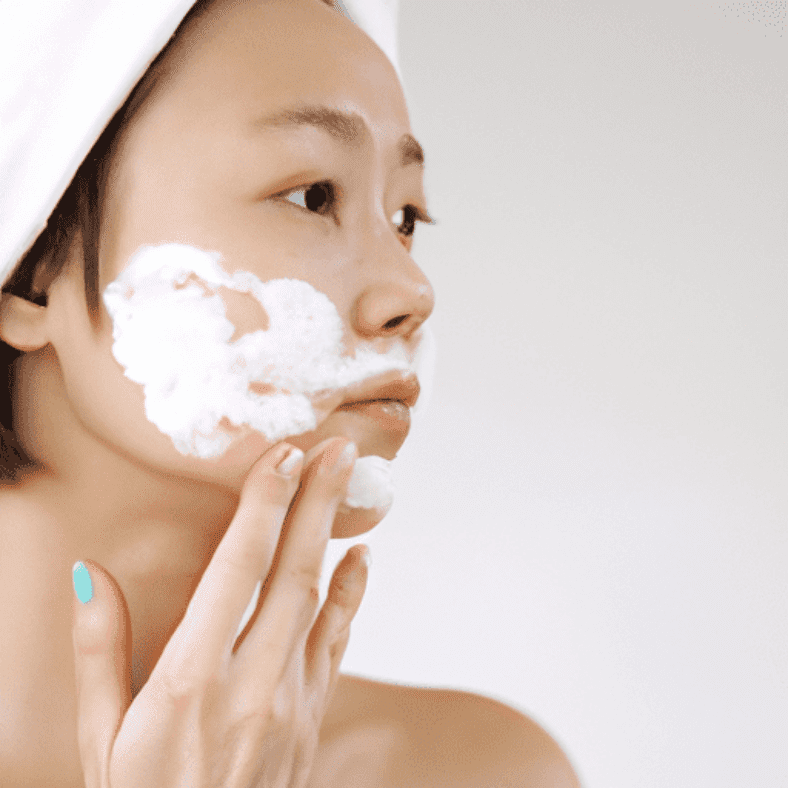
    • Cleanser: A good cleanser removes dirt, oil, and makeup without stripping the skin of its natural oils.
    • Toner: Toners balance the skin’s pH levels and prepare it for the next steps in your routine.
    • Moisturizer: Regardless of your skin type, a moisturizer is essential to hydrate and protect your skin.
    • Sunscreen: Sunscreen is a must-have to protect your skin from harmful UV rays, which can cause premature aging and skin cancer.
    Key Products for Optimal Skincare Results

    While the basic products form the foundation, there are a few additional items that can elevate your skincare routine and provide optimal results:

    • Exfoliator: Exfoliating helps remove dead skin cells and unclog pores, leading to brighter and smoother skin.
    • Serum: Serums are packed with active ingredients that target specific skin concerns like aging, pigmentation, or acne.
    • Eye cream: The skin around the eyes is thinner and more delicate, requiring a specialized product.
    • Mask: Masks provide an extra boost of hydration or treatment when your skin needs it.

    FAQ Section

    1. How often should I exfoliate?

    It depends on your skin type and the type of exfoliator you’re using. Generally, it’s recommended to exfoliate 1-2 times a week.

    2. Do I need to use all these products?

    Not necessarily. The most important thing is to understand your skin and its needs. The basic products (cleanser, toner, moisturizer, and sunscreen) are generally recommended for everyone.

    3. Can I use the same products in the morning and at night?

    Some products can be used both in the morning and at night, but others, like sunscreen, are only needed during the day. It’s also recommended to use retinol and other potent active ingredients at night.

    4. How long does it take to see results?

    Skincare is a long-term commitment. While some products may provide immediate results, others may take weeks or even months to show noticeable improvements.

    5. How do I know if a product is working?

    Look for improvements in the condition of your skin. This could be reduced acne, smoother texture, brighter complexion, or other changes depending on the product’s purpose.

    Conclusion: The Power of a Solid Skincare Routine

    Building a basic skincare product collection and incorporating key products for optimal skincare results is essential for maintaining healthy skin. Understanding your skin type and its needs is crucial in choosing the right products. Remember, consistency is key, and it’s better to have a few high-quality products than a multitude of ineffective ones. Skincare is a long-term commitment, but the results are well worth the effort.

    [youtubomatic_search]

    Further Analysis

    As we delve deeper into the world of skincare, it’s clear that a solid routine is more than just a beauty regimen. It’s a health necessity. With the right products and consistent use, we can maintain the health and vitality of our skin. So, start building your skincare routine today and embrace the journey to healthier, more radiant skin.

    Key Takeaways Revisited

    • Building a basic skincare product collection is crucial for maintaining healthy skin.
    • There are key products that are essential for optimal skincare results.
    • Understanding your skin type is vital in choosing the right products.
    • Consistency in using these products is key to achieving desired results.
    • Quality over quantity: It’s better to have a few high-quality products than a multitude of ineffective ones.
  • The Benefits of Consistency: Why Regularity is Key in Skincare Routines

    The Benefits of Consistency: Why Regularity is Key in Skincare Routines

    The Benefits of Consistency: Why Regularity is Key in Skincare Routines

    The Benefits of Consistency: Why Regularity is Key in Skincare Routines

    [youtubomatic_search]

    Key Takeaways

    • Consistency in skincare routines is crucial for maintaining healthy skin.
    • Regular skincare routines can lead to long-term benefits such as reduced signs of aging and improved skin health.
    • Skipping skincare routines can lead to skin problems like acne, dryness, and premature aging.
    • Consistency in skincare routines can help identify what works and what doesn’t for your skin.
    • Regular skincare routines can also contribute to mental health benefits.

    Introduction: The Importance of Consistency in Skincare

    Skincare is more than just a beauty regimen; it’s a commitment to your health and well-being. The key to achieving and maintaining healthy skin lies not in the number of products you use, but in the consistency of your skincare routine. This article explores the importance of regularity in skincare routines and the long-term benefits of consistent skincare.

    The Power of Consistency in Skincare

    Consistency is the cornerstone of any successful skincare routine. According to Dr. Howard Murad, a board-certified dermatologist and founder of Murad Skincare, “The skin is the largest organ in the body, and it requires regular care to maintain its health and vitality.” Regular skincare routines allow the skin to adapt to products, leading to improved effectiveness over time.

    Long-term Benefits of Consistent Skincare

    Regular skincare routines can lead to numerous long-term benefits. A study published in the British Journal of Dermatology found that individuals who followed a consistent skincare routine showed significantly less skin aging compared to those who didn’t. Regular exfoliation, moisturizing, and sun protection can help reduce the appearance of wrinkles, fine lines, and age spots.

    Maintaining Healthy Skin Through Regularity

    Skipping skincare routines can lead to various skin problems. According to Dr. Joshua Zeichner, Director of Cosmetic and Clinical Research in Dermatology at Mount Sinai Hospital in New York City, “Inconsistent skincare routines can lead to dryness, acne, and even premature skin aging.” Regular skincare routines ensure that your skin is consistently clean, hydrated, and protected, leading to healthier skin over time.

    FAQ Section

    Why is consistency important in skincare?

    Consistency is important in skincare because it allows the skin to adapt to products, leading to improved effectiveness over time. It also ensures that your skin is consistently clean, hydrated, and protected.

    What are the long-term benefits of consistent skincare?

    The long-term benefits of consistent skincare include reduced signs of aging, improved skin health, and prevention of various skin problems like acne and dryness.

    What happens if I skip my skincare routine?

    Skipping your skincare routine can lead to various skin problems like dryness, acne, and even premature skin aging.

    How can I maintain consistency in my skincare routine?

    You can maintain consistency in your skincare routine by setting a regular schedule, using products that you enjoy, and understanding that skincare is a long-term commitment to your health and well-being.

    Can regular skincare routines contribute to mental health benefits?

    Yes, regular skincare routines can contribute to mental health benefits. The act of taking care of your skin can be a form of self-care and can help reduce stress and anxiety.

    Conclusion: The Power of Regularity in Skincare

    Consistency is key in skincare routines. Regular skincare routines can lead to numerous long-term benefits such as reduced signs of aging and improved skin health. Skipping skincare routines can lead to various skin problems like acne, dryness, and premature aging. Consistency in skincare routines can also help identify what works and what doesn’t for your skin. Moreover, regular skincare routines can contribute to mental health benefits. Remember, skincare is more than just a beauty regimen; it’s a commitment to your health and well-being.

    Key Takeaways

    • Consistency in skincare routines is crucial for maintaining healthy skin.
    • Regular skincare routines can lead to long-term benefits such as reduced signs of aging and improved skin health.
    • Skipping skincare routines can lead to skin problems like acne, dryness, and premature aging.
    • Consistency in skincare routines can help identify what works and what doesn’t for your skin.
    • Regular skincare routines can also contribute to mental health benefits.

    [youtubomatic_search]

  • Travel-Friendly Skincare Routines: Tips for Maintaining Healthy Skin on the Go

    Travel-Friendly Skincare Routines: Tips for Maintaining Healthy Skin on the Go

    Travel-Friendly Skincare Routines: Tips for Maintaining Healthy Skin on the Go

    Travel-Friendly Skincare Routines: Tips for Maintaining Healthy Skin on the Go

    [youtubomatic_search]

    Key Takeaways

    • Traveling can disrupt your skincare routine, but with the right approach, you can maintain healthy skin on the go.
    • Portable skincare routines are essential for frequent travelers.
    • On-the-go skincare tips can help you protect your skin from different climates and environments.
    • Investing in travel-sized skincare products and multi-purpose items can save space and time.
    • Hydration, sun protection, and regular cleansing are crucial for maintaining healthy skin while traveling.

    Introduction: The Importance of Skincare While Traveling

    Traveling, whether for business or pleasure, can disrupt your regular skincare routine. The change in climate, exposure to different environments, and the stress of travel can all take a toll on your skin. However, with the right approach and a portable skincare routine, you can maintain healthy skin on the go. This article provides practical on-the-go skincare tips and highlights the importance of adapting your skincare routine while traveling.

    Adapting Your Skincare Routine for Travel

    When traveling, it’s essential to adapt your skincare routine to suit your destination’s climate and environment. For instance, if you’re traveling to a dry area, you might need to incorporate more hydrating products into your routine. On the other hand, if you’re heading to a humid location, you might need to focus more on oil control and acne prevention.

    Investing in travel-sized skincare products can save space in your luggage and ensure you have all the essentials. Multi-purpose items, such as a moisturizer with SPF or a tinted lip balm, can also save space and time.

    Essential On-the-Go Skincare Tips

    Regardless of your destination, there are a few skincare essentials that should always be part of your travel routine. First and foremost, hydration is key. Traveling, especially flying, can dehydrate your skin, so it’s important to drink plenty of water and use hydrating skincare products.

    Sun protection is another crucial aspect of skincare while traveling. Even on cloudy days, harmful UV rays can damage your skin. Therefore, always apply a broad-spectrum sunscreen with an SPF of at least 30.

    Finally, regular cleansing is essential to remove dirt, oil, and makeup that can clog your pores. However, avoid over-cleansing as it can strip your skin of its natural oils. A gentle cleanser is usually sufficient.

    FAQ Section: Skincare While Traveling

    1. How can I maintain my skincare routine while traveling?

    Adapt your skincare routine to suit your destination’s climate and environment, invest in travel-sized products, and focus on hydration, sun protection, and regular cleansing.

    2. What skincare products should I take when traveling?

    Take a gentle cleanser, a hydrating moisturizer, a broad-spectrum sunscreen, and any other products that are part of your regular skincare routine. Multi-purpose items can save space and time.

    3. How can I protect my skin from the sun while traveling?

    Always apply a broad-spectrum sunscreen with an SPF of at least 30, even on cloudy days. Wear protective clothing and seek shade during the hottest part of the day.

    4. How often should I cleanse my skin while traveling?

    Cleanse your skin at least once a day, but avoid over-cleansing as it can strip your skin of its natural oils.

    5. How can I keep my skin hydrated while traveling?

    Drink plenty of water and use hydrating skincare products. Avoid alcohol and caffeine as they can dehydrate your skin.

    Conclusion: Maintaining Healthy Skin on the Go

    Traveling doesn’t have to disrupt your skincare routine. With the right approach and a few essential items, you can maintain healthy skin on the go. Remember to adapt your skincare routine to suit your destination’s climate and environment, invest in travel-sized products, and focus on hydration, sun protection, and regular cleansing. With these on-the-go skincare tips, you can keep your skin looking its best, no matter where your travels take you.

    [youtubomatic_search]

    Further Analysis

    Travel-friendly skincare routines are not just about convenience; they’re about maintaining the health and appearance of your skin while facing the challenges of different climates and environments. By following the tips outlined in this article, you can ensure that your skin remains healthy and radiant, even when you’re miles away from home.

    Key Takeaways Revisited

    • Traveling can disrupt your skincare routine, but with the right approach, you can maintain healthy skin on the go.
    • Portable skincare routines are essential for frequent travelers.
    • On-the-go skincare tips can help you protect your skin from different climates and environments.
    • Investing in travel-sized skincare products and multi-purpose items can save space and time.
    • Hydration, sun protection, and regular cleansing are crucial for maintaining healthy skin while traveling.
  • Skincare Routines Simplified: Key Steps for Busy Individuals

    Skincare Routines Simplified: Key Steps for Busy Individuals

    Skincare Routines Simplified: Key Steps for Busy Individuals

    Skincare Routines Simplified: Key Steps for Busy Individuals

    [youtubomatic_search]

    Key Takeaways

    • Skincare is essential for maintaining healthy skin, but it doesn’t have to be time-consuming.
    • Simple skincare routines can be just as effective as complex ones.
    • Time-saving skincare routines can fit into even the busiest schedules.
    • Skincare for busy people focuses on essential steps: cleansing, toning, moisturizing, and protecting.
    • Consistency is key in skincare, regardless of how simple or complex the routine is.

    Introduction: Simplifying Skincare for the Busy Individual

    Skincare is an essential part of maintaining not only a healthy appearance but also overall skin health. However, for many busy individuals, finding the time to follow a complex skincare routine can be challenging. This article aims to simplify skincare routines, making them more accessible and manageable for those with hectic schedules.

    The Importance of Skincare

    According to the American Academy of Dermatology, a good skincare routine can help prevent acne, treat wrinkles, and keep your skin looking its best (AAD, 2020). However, a skincare routine doesn’t have to be complex to be effective. In fact, a simple skincare routine can be just as beneficial, if not more so, than a complicated one.

    Time-Saving Skincare Routines

    For busy individuals, time-saving skincare routines are a must. These routines focus on the essential steps: cleansing, toning, moisturizing, and protecting. According to Dr. Jennifer Chwalek, a board-certified dermatologist, “A simple, consistent skincare routine is far better than an elaborate one that you’re not going to follow.”

    Skincare for Busy People: The Essentials

    Skincare for busy people should focus on the essentials. This includes cleansing your skin to remove dirt and excess oils, toning to balance the skin’s pH, moisturizing to hydrate and nourish the skin, and protecting the skin from sun damage. These steps can be done in just a few minutes each day, making them easy to fit into even the busiest schedules.

    Consistency is Key

    Regardless of how simple or complex your skincare routine is, consistency is key. According to a study published in the Journal of Dermatological Science, consistent skincare routines lead to noticeable improvements in skin health and appearance (JDS, 2016). This means that even a simple skincare routine can be effective if followed consistently.

    FAQ Section

    1. What are the essential steps in a skincare routine?

    The essential steps in a skincare routine are cleansing, toning, moisturizing, and protecting.

    2. How can I fit a skincare routine into a busy schedule?

    By focusing on the essential steps and using products that serve multiple purposes, you can fit a skincare routine into even the busiest schedule.

    3. Is a simple skincare routine effective?

    Yes, a simple skincare routine can be just as effective as a complex one if followed consistently.

    4. How long does it take to see results from a skincare routine?

    It can take several weeks to see noticeable results from a skincare routine. Consistency is key.

    5. Can I skip steps in my skincare routine?

    While it’s best to follow all the steps in your skincare routine, if you’re short on time, focus on the essentials: cleansing, moisturizing, and protecting.

    Conclusion: Simplifying Skincare for a Healthier You

    In conclusion, skincare doesn’t have to be complex or time-consuming. By focusing on the essential steps and being consistent, even busy individuals can maintain healthy, glowing skin. Remember, a simple skincare routine is far better than an elaborate one that you’re not going to follow.

    [youtubomatic_search]

    Further Analysis

    Reviewing the key takeaways from this article, it’s clear that skincare is essential for maintaining healthy skin, but it doesn’t have to be time-consuming. Simple skincare routines can be just as effective as complex ones, and time-saving routines can fit into even the busiest schedules. Skincare for busy people focuses on essential steps: cleansing, toning, moisturizing, and protecting. And finally, consistency is key in skincare, regardless of how simple or complex the routine is.

  • Building a Skincare Routine for Different Age Groups: From Teens to Mature Skin

    Building a Skincare Routine for Different Age Groups: From Teens to Mature Skin

    Building a Skincare Routine for Different Age Groups: From Teens to Mature Skin

    Building a Skincare Routine for Different Age Groups: From Teens to Mature Skin

    [youtubomatic_search]

    Key Takeaways

    • Skincare routines should be tailored to different age groups, considering the unique needs of each stage of life.
    • Teenagers should focus on managing acne and oil control, while adults should prioritize anti-aging and hydration.
    • Mature skin requires more intensive care, with a focus on moisturizing and combating signs of aging.
    • Consistency is key in any skincare routine, regardless of age.
    • Professional advice from dermatologists can help in creating a personalized skincare routine.

    Introduction: The Importance of Age-Specific Skincare

    Skincare is not a one-size-fits-all concept. As we age, our skin changes, and so should our skincare routine. From the hormonal changes in our teenage years to the signs of aging in our mature years, each stage of life presents unique skincare challenges. This article explores how to build a skincare routine for different age groups, providing valuable insights into age-specific skincare routines, skincare for teens, and mature skin care.

    Teenage Skin: Managing Acne and Oil Control

    During the teenage years, hormonal changes can lead to increased oil production, resulting in acne. According to the American Academy of Dermatology, acne affects up to 85% of teenagers (Source: American Academy of Dermatology). A skincare routine for teens should therefore focus on managing acne and controlling oil. This can be achieved through:

    • Regular cleansing with a gentle, oil-free cleanser.
    • Using a toner to balance the skin’s pH levels.
    • Applying a non-comedogenic moisturizer to prevent skin from overproducing oil.
    • Using acne treatments as needed, such as salicylic acid or benzoyl peroxide.

    Adult Skin: Prioritizing Anti-Aging and Hydration

    As we move into adulthood, our skin begins to show signs of aging. According to a study published in the British Journal of Dermatology, visible signs of skin aging can start as early as our mid-20s (Source: British Journal of Dermatology). An adult skincare routine should therefore prioritize anti-aging and hydration. This can be achieved through:

    • Using a gentle cleanser that doesn’t strip the skin of its natural oils.
    • Applying a vitamin C serum to brighten the skin and combat signs of aging.
    • Using a moisturizer with hyaluronic acid to hydrate the skin.
    • Applying a broad-spectrum sunscreen daily to protect against sun damage.

    Mature Skin: Intensive Care and Combating Signs of Aging

    As we age, our skin becomes thinner and drier, and signs of aging become more pronounced. According to the American Academy of Dermatology, mature skin can benefit from more intensive care (Source: American Academy of Dermatology). A skincare routine for mature skin should focus on moisturizing and combating signs of aging. This can be achieved through:

    • Using a creamy cleanser that hydrates the skin.
    • Applying a retinol serum to stimulate collagen production and reduce wrinkles.
    • Using a rich moisturizer to hydrate and nourish the skin.
    • Applying a broad-spectrum sunscreen daily to protect against further sun damage.

    FAQ Section

    1. How often should I change my skincare routine?

    Your skincare routine should evolve as you age and as your skin’s needs change. It’s also important to adjust your routine with the changing seasons, as your skin’s needs in winter may be different from its needs in summer.

    2. Can I use the same skincare products throughout my life?

    While some skincare products can be used throughout your life, others should be tailored to your age and skin’s needs. For example, a teenager with acne-prone skin may need a different cleanser than an adult with dry skin.

    3. How can I determine my skin type?

    A dermatologist can help determine your skin type and recommend products that are suitable for you. You can also determine your skin type at home by observing how your skin reacts to different products and environmental factors.

    4. What is the most important step in a skincare routine?

    All steps in a skincare routine are important, but if you had to choose one, it would be applying sunscreen. Sun damage is the leading cause of premature skin aging, and daily sunscreen use can protect your skin from harmful UV rays.

    5. Can I start using anti-aging products in my 20s?

    Yes, you can start using anti-aging products in your 20s. In fact, prevention is key when it comes to anti-aging, and starting early can help delay the onset of wrinkles and other signs of aging.

    Conclusion: Tailoring Your Skincare Routine to Your Age

    Building a skincare routine that suits your age is crucial for maintaining healthy, youthful skin. From managing acne in your teenage years to combating signs of aging in your mature years, each stage of life requires a different approach to skincare. Remember, consistency is key, and professional advice can help tailor your routine to your unique needs. With the right care, your skin can look its best at any age.

    Key Takeaways Revisited

    • Skincare routines should be tailored to different age groups, considering the unique needs of each stage of life.
    • Teenagers should focus on managing acne and oil control, while adults should prioritize anti-aging and hydration.
    • Mature skin requires more intensive care, with a focus on moisturizing and combating signs of aging.
    • Consistency is key in any skincare routine, regardless of age.
    • Professional advice from dermatologists can help in creating a personalized skincare routine.

    [youtubomatic_search]

  • The Role of Cleansing in Skincare Routines: Deep Dive into Clean Skin

    The Role of Cleansing in Skincare Routines: Deep Dive into Clean Skin

    The Role of Cleansing in Skincare Routines: Deep Dive into Clean Skin

    The Role of Cleansing in Skincare Routines: Deep Dive into Clean Skin

    [youtubomatic_search]

    Key Takeaways

    • Cleansing is a fundamental step in any skincare routine, helping to maintain clean, healthy skin.
    • Regular cleansing removes dirt, oil, and other impurities from the skin’s surface.
    • Choosing the right cleanser for your skin type is crucial to avoid skin irritation and damage.
    • Over-cleansing can strip the skin of its natural oils, leading to dryness and irritation.
    • Proper cleansing techniques can enhance the effectiveness of other skincare products.

    Introduction: The Importance of Cleansing in Skincare

    The first step in any skincare routine, cleansing, plays a pivotal role in maintaining clean, healthy skin. It’s not just about removing makeup or dirt at the end of the day; it’s about preparing the skin for the rest of your skincare regimen. This article delves into the importance of cleansing, how to choose the right cleanser, and the potential consequences of over-cleansing.

    The Role of Cleansing in Skincare

    Cleansing is the process of removing dirt, oil, and other impurities from the skin’s surface. It’s a crucial step in maintaining skin health and preventing issues like acne, dullness, and premature aging. According to a study published in the Journal of Dermatological Science, regular cleansing can help maintain the skin’s natural barrier function and prevent the buildup of harmful substances that can lead to inflammation and skin damage.

    Choosing the Right Cleanser

    Not all cleansers are created equal. The right cleanser for you depends on your skin type and specific needs. For instance, those with oily skin may benefit from a foaming cleanser that can effectively remove excess oil, while those with dry skin may prefer a hydrating cleanser that won’t strip the skin of its natural moisture. As dermatologist Dr. Leslie Baumann points out, “Choosing the wrong cleanser can lead to skin irritation, dryness, and even skin barrier damage.”

    The Dangers of Over-Cleansing

    While cleansing is essential, overdoing it can have detrimental effects on the skin. Over-cleansing can strip the skin of its natural oils, leading to dryness, irritation, and a compromised skin barrier. A study in the Journal of Clinical and Aesthetic Dermatology found that over-cleansing can even exacerbate skin conditions like acne and rosacea.

    Enhancing Your Skincare Routine with Proper Cleansing

    Proper cleansing techniques can enhance the effectiveness of other skincare products. By removing dirt and oil from the skin’s surface, cleansing allows for better absorption of products like serums and moisturizers. As skincare expert Paula Begoun explains, “A well-cleansed face can be the difference between effective skincare and wasted skincare.”

    FAQ Section

    How often should I cleanse my skin?

    Most experts recommend cleansing your skin twice a day – once in the morning and once at night. However, this can vary depending on your skin type and lifestyle.

    Can I just use water to cleanse my skin?

    While water can remove some surface dirt, it won’t effectively remove oil and other impurities. Using a cleanser is recommended for a thorough cleanse.

    What should I do if my skin feels tight after cleansing?

    If your skin feels tight after cleansing, it may be a sign that your cleanser is too harsh and is stripping your skin of its natural oils. Consider switching to a gentler cleanser.

    Can I cleanse my skin with just a makeup wipe?

    Makeup wipes can remove surface makeup, but they don’t provide a thorough cleanse. It’s best to follow up with a cleanser to ensure all dirt and makeup are removed.

    Should I cleanse before or after a workout?

    It’s recommended to cleanse both before and after a workout. Pre-workout cleansing prevents sweat from mixing with dirt and oil on your skin, while post-workout cleansing removes sweat and bacteria.

    Conclusion: The Power of Proper Cleansing

    Cleansing is more than just a step in your skincare routine; it’s a fundamental practice for maintaining clean, healthy skin. By choosing the right cleanser and using proper techniques, you can enhance your skincare routine and keep your skin looking its best. Remember, though, that balance is key – over-cleansing can do more harm than good. As with all things skincare, it’s about finding what works best for your unique skin.

    Key Takeaways Revisited

    • Cleansing is a crucial step in maintaining clean, healthy skin.
    • Regular cleansing removes dirt, oil, and other impurities from the skin’s surface.
    • Choosing the right cleanser for your skin type is key to avoiding skin irritation and damage.
    • Over-cleansing can strip the skin of its natural oils, leading to dryness and irritation.
    • Proper cleansing techniques can enhance the effectiveness of other skincare products.

    [youtubomatic_search]

  • Unlocking the Secrets of a 10-Step Korean Skincare Routine

    Unlocking the Secrets of a 10-Step Korean Skincare Routine

    Unlocking the Secrets of a 10-Step Korean Skincare Routine

    Unlocking the Secrets of a 10-Step Korean Skincare Routine

    [youtubomatic_search]

    Key Takeaways

    • The 10-step Korean skincare routine is a comprehensive regimen that focuses on prevention and thoroughness.
    • Each step in the routine serves a specific purpose, from cleansing to moisturizing and protecting the skin.
    • Adopting a Korean skincare routine can lead to healthier, more radiant skin.
    • While the routine may seem time-consuming, it can be customized to fit individual needs and schedules.
    • Research supports the effectiveness of many of the ingredients and techniques used in Korean skincare.

    Introduction: The Rise of K-Beauty

    The Korean skincare routine, also known as K-beauty, has taken the world by storm. With its focus on prevention, thoroughness, and skin nourishment, it’s no wonder that people worldwide are adopting this 10-step routine to achieve healthier, more radiant skin. This article will delve into the secrets behind this skincare regimen and how it can transform your skin.

    The 10-Step Korean Skincare Routine: A Detailed Look

    The 10-step Korean skincare routine is more than just a series of products applied to the skin. Each step serves a specific purpose, and together, they work to cleanse, hydrate, and protect the skin. The steps include:

    1. Oil-based cleanser
    2. Water-based cleanser
    3. Exfoliator
    4. Toner
    5. Essence
    6. Treatments (serums, ampoules)
    7. Sheet mask
    8. Eye cream
    9. Moisturizer
    10. Sun protection

    While this may seem like a lot, it’s important to note that not every step needs to be done every day. For example, exfoliating is typically done only two to three times a week. Additionally, the routine can be customized to fit individual needs and schedules.

    Why the Korean Skincare Routine Works

    One of the reasons the Korean skincare routine is so effective is because of its focus on hydration. According to a study published in the British Journal of Dermatology, hydration can improve skin elasticity and reduce the appearance of wrinkles. Many of the steps in the Korean skincare routine, such as applying essence and using a sheet mask, are designed to maximize skin hydration.

    Another reason is the use of scientifically-backed ingredients. For example, many Korean skincare products contain niacinamide, a form of vitamin B3 that has been shown to reduce inflammation and hyperpigmentation, and improve skin elasticity. Other common ingredients include hyaluronic acid for hydration, and green tea extract for its antioxidant properties.

    FAQ Section

    1. Is the 10-step Korean skincare routine suitable for all skin types?

    Yes, the routine can be customized to suit all skin types. However, it’s important to choose products that are suitable for your specific skin concerns.

    2. How long does it take to see results from the Korean skincare routine?

    Results can vary, but many people start to see improvements in their skin’s texture and radiance within a few weeks.

    3. Can I skip some steps in the routine?

    Yes, the routine can be adapted to fit your needs and schedule. However, the key steps of cleansing, toning, moisturizing, and sun protection should not be skipped.

    4. Are Korean skincare products safe?

    Yes, Korean skincare products are generally safe to use. However, it’s always a good idea to patch test new products to ensure they don’t cause irritation.

    5. Where can I buy Korean skincare products?

    Korean skincare products are widely available online and in stores. Some popular brands include Innisfree, COSRX, and Laneige.

    Conclusion: The Power of K-Beauty

    The 10-step Korean skincare routine is more than just a trend; it’s a comprehensive approach to skincare that prioritizes prevention, hydration, and nourishment. While it may seem time-consuming, the routine can be customized to fit individual needs and schedules. With its focus on scientifically-backed ingredients and techniques, it’s no wonder that K-beauty has gained such a loyal following worldwide.

    Key Takeaways Revisited

    • The 10-step Korean skincare routine is a comprehensive regimen that focuses on prevention and thoroughness.
    • Each step in the routine serves a specific purpose, from cleansing to moisturizing and protecting the skin.
    • Adopting a Korean skincare routine can lead to healthier, more radiant skin.
    • While the routine may seem time-consuming, it can be customized to fit individual needs and schedules.
    • Research supports the effectiveness of many of the ingredients and techniques used in Korean skincare.

    [youtubomatic_search]

  • Morning vs  Evening Skincare Routines: Key Differences and Why They Matter

    Morning vs Evening Skincare Routines: Key Differences and Why They Matter

    Morning vs Evening Skincare Routines: Key Differences and Why They Matter

    Morning vs  Evening Skincare Routines: Key Differences and Why They Matter

    [youtubomatic_search]

    Key Takeaways

    • Both morning and evening skincare routines are essential for maintaining healthy skin.
    • The morning skincare routine focuses on protection from environmental factors, while the evening routine emphasizes repair and rejuvenation.
    • Product selection and application order can significantly impact the effectiveness of your skincare routine.
    • Understanding your skin type and its specific needs can help you tailor your skincare routine for optimal results.
    • Consistency is key in skincare; regular adherence to your routine can lead to noticeable improvements over time.

    Introduction: The Importance of Skincare Routines

    Skincare is a crucial aspect of personal health and wellness. A well-structured skincare routine can help maintain the skin’s health, improve its appearance, and prevent potential skin issues. However, not all skincare routines are created equal. The time of day can significantly impact the effectiveness of your skincare regimen. This article will delve into the key differences between morning and evening skincare routines and why these differences matter.

    Morning Skincare: Protection and Preparation

    The primary goal of a morning skincare routine is to protect your skin from environmental stressors you’ll encounter throughout the day. These include harmful UV rays, pollution, and even blue light from electronic devices. According to Dr. Hadley King, a board-certified dermatologist, “The morning routine should focus on protection and prevention. It’s all about putting up your defenses against the environmental aggressors of the day.”1

    Evening Skincare: Repair and Rejuvenation

    On the other hand, the evening skincare routine is all about repair and rejuvenation. As you sleep, your skin goes into recovery mode, repairing any damage incurred during the day and regenerating new skin cells. Dr. King explains, “Your skin does its heavy lifting at night, repairing and regenerating itself. It’s important to cleanse your skin and apply products that will support these functions.”1

    Product Selection and Application Order

    Product selection and application order can significantly impact the effectiveness of your skincare routine. For instance, in the morning, it’s essential to use a good quality sunscreen to protect your skin from harmful UV rays. In contrast, the evening routine should include products with ingredients like retinol and peptides that support skin repair and regeneration.2

    Understanding Your Skin Type

    Understanding your skin type and its specific needs can help you tailor your skincare routine for optimal results. For example, if you have oily skin, you might want to use lightweight, oil-free products. If you have dry skin, richer, more hydrating products may be beneficial.3

    FAQ Section

    1. Can I use the same skincare products in the morning and evening?

    While some products can be used both in the morning and evening, others are specifically designed for use at a particular time of day. For example, sunscreen is a must for the morning routine but unnecessary at night.4

    2. Is it necessary to have different skincare routines for morning and evening?

    Yes, it’s essential to have different routines as the skin’s needs vary throughout the day. The morning routine should focus on protection, while the evening routine should emphasize repair and rejuvenation.1

    3. How long does it take to see results from a skincare routine?

    Results can vary depending on the individual and the products used. However, with consistent use, most people see noticeable improvements within 4-6 weeks.5

    4. Can I skip my skincare routine occasionally?

    While missing your skincare routine once in a while won’t cause significant harm, consistency is key for optimal results. Regular adherence to your routine can lead to noticeable improvements over time.6

    5. How can I determine my skin type?

    A dermatologist can accurately determine your skin type. However, you can also make an educated guess based on how your skin feels and behaves. For example, if your skin often feels tight and dry, you likely have dry skin. If it’s frequently oily, you probably have oily skin.3

    Conclusion: The Power of a Tailored Skincare Routine

    In conclusion, both morning and evening skincare routines play vital roles in maintaining healthy skin. The morning routine focuses on protecting the skin from environmental stressors, while the evening routine emphasizes repair and rejuvenation. Understanding your skin type and its specific needs, along with selecting appropriate products and applying them in the correct order, can significantly enhance the effectiveness of your skincare routine. Remember, consistency is key, and regular adherence to your routine can lead to noticeable improvements over time.

    Key Takeaways Revisited

    • Both morning and evening skincare routines are essential for maintaining healthy skin.
    • The morning skincare routine focuses on protection from environmental factors, while the evening routine emphasizes repair and rejuvenation.
    • Product selection and application order can significantly impact the effectiveness of your skincare routine.
    • Understanding your skin type and its specific needs can help you tailor your skincare routine for optimal results.
    • Consistency is key in skincare; regular adherence to your routine can lead to noticeable improvements over time.

    [youtubomatic_search]

    References

    1. King, H. (2020). Morning vs. Evening Skincare: What’s the Difference? Healthline. Retrieved from https://www.healthline.com/health/beauty-skin-care/morning-vs-night-skin-care-routine
    2. Wong, V. (2018). The Correct Order to Apply Your Skincare Products. Self. Retrieved from https://www.self.com/story/skin-care-routine-order
    3. Mayo Clinic. (2020). Skin care: 5 tips for healthy skin. Retrieved from https://www.mayoclinic.org/healthy-lifestyle/adult-health/in-depth/skin-care/art-20048237
    4. American Academy of Dermatology Association. (2020). 10 skin care habits that can worsen acne. Retrieved from https://www.aad.org/public/diseases/acne/skin-care/habits-stop
    5. Harvard Health Publishing. (2019). The science of beauty: The complete guide to skin care. Retrieved from https://www.health.harvard.edu/staying-healthy/the-science-of-beauty-the-complete-guide-to-skin-care
    6. Mayo Clinic. (2020). Skin care: 5 tips for healthy skin. Retrieved from https://www.mayoclinic.org/healthy-lifestyle/adult-health/in-depth/skin-care/art-20048237
  • Step-by-Step Guide to a Basic Skincare Routine

    Step-by-Step Guide to a Basic Skincare Routine

    Step-by-Step Guide to a Basic Skincare Routine

    Step-by-Step Guide to a Basic Skincare Routine

    [youtubomatic_search]

    Key Takeaways

    • Understanding your skin type is the first step in establishing a skincare routine.
    • A basic skincare routine consists of four main steps: cleansing, toning, moisturizing, and applying sunscreen.
    • Consistency is key in skincare; results are often seen after several weeks of regular routine.
    • Quality over quantity: It’s not about how many products you use, but rather the effectiveness of those products.
    • Skincare is a personal journey that requires patience and experimentation to find what works best for your skin.

    Introduction: The Importance of a Skincare Routine

    Skincare is an essential part of personal hygiene and overall health. It not only helps maintain the skin’s integrity and youthful appearance but also combats potential skin problems. This article provides a step-by-step guide to a basic skincare routine, ideal for skincare beginners looking to start their journey towards healthier skin.

    Understanding Your Skin Type

    The first step in establishing a skincare routine is understanding your skin type. According to the American Academy of Dermatology, there are five main skin types: normal, oily, dry, combination, and sensitive1. Each skin type has specific needs and responds differently to various skincare products. Therefore, it’s crucial to identify your skin type to choose the right products.

    The Basic Skincare Routine

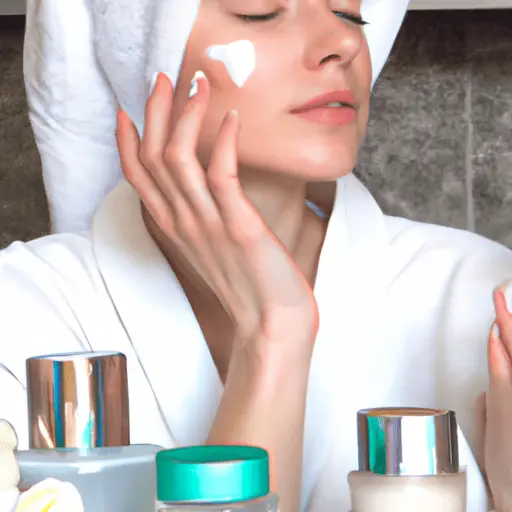
    A basic skincare routine consists of four main steps: cleansing, toning, moisturizing, and applying sunscreen. Each step serves a specific purpose and contributes to maintaining healthy skin.

    Cleansing

    Cleansing is the first step in any skincare routine. It removes dirt, oil, and makeup from the skin, preventing clogged pores and breakouts. Dermatologists recommend cleansing twice a day: once in the morning and once at night2.

    Toning

    Toners balance the skin’s pH levels and prepare it for the next steps in the routine. They can also provide additional skin-nourishing ingredients. However, not all skin types require a toner. For instance, those with dry or sensitive skin may find some toners too harsh.

    Moisturizing

    Regardless of your skin type, moisturizing is a crucial step. Moisturizers hydrate the skin and lock in its natural moisture. They also provide a protective barrier against environmental factors like wind and pollution.

    Sunscreen

    Applying sunscreen is the final step in the morning skincare routine. It protects the skin from harmful UV rays, which can cause premature aging and skin cancer. Dermatologists recommend using a broad-spectrum sunscreen with an SPF of at least 303.
    FAQ Section

    1. How often should I follow this skincare routine?

    It’s recommended to follow this skincare routine twice a day: once in the morning and once at night.

    2. Can I add more products to this basic skincare routine?

    Yes, you can add more products like serums or eye creams based on your skin’s needs. However, remember that it’s not about the number of products but their effectiveness.

    3. How long will it take to see results from my skincare routine?

    Results vary from person to person. However, it’s often seen after several weeks of consistent routine.

    4. Can I skip some steps in this skincare routine?

    Each step in this skincare routine serves a specific purpose. However, some steps like toning may not be necessary for all skin types.

    5. What should I do if my skin reacts negatively to a product?

    If your skin reacts negatively to a product, stop using it immediately and consult a dermatologist.

    Conclusion: The Journey to Healthier Skin

    Skincare is a personal journey that requires patience and experimentation. Understanding your skin type and following a basic skincare routine consistently can significantly improve your skin’s health and appearance. Remember, it’s not about how many products you use, but rather the effectiveness of those products. So, start your skincare journey today and embrace the skin you’re in.

    Review of Key Takeaways

    • Identify your skin type to choose the right skincare products.
    • Follow a basic skincare routine consistently: cleanse, tone, moisturize, and apply sunscreen.
    • Quality over quantity: Choose effective products over a multitude of them.
    • Be patient and consistent: Results are often seen after several weeks of regular routine.
    • Consult a dermatologist if your skin reacts negatively to a product.

    [youtubomatic_search]

    References

    1. American Academy of Dermatology. (n.d.). What’s your skin type? Retrieved from https://www.aad.org/public/everyday-care/skin-care-basics/care/skin-care-in-your-40s-and-50s

    2. American Academy of Dermatology. (n.d.). Face washing 101. Retrieved from https://www.aad.org/public/everyday-care/skin-care-basics/care/face-washing-101

    3. American Academy of Dermatology. (n.d.). How to select a sunscreen. Retrieved from https://www.aad.org/public/everyday-care/sun-protection/sunscreen-patients/how-to-select-sunscreen

  • Understanding the Building Blocks of Effective Skincare Routines

    Understanding the Building Blocks of Effective Skincare Routines

    Understanding the Building Blocks of Effective Skincare Routines

    Understanding the Building Blocks of Effective Skincare Routines

    [youtubomatic_search]

    Key Takeaways

    • Understanding your skin type is the first step in creating an effective skincare routine.
    • Essential skincare steps include cleansing, toning, moisturizing, and applying sunscreen.
    • Exfoliation and masks can enhance your skincare routine but should be used sparingly.
    • Consistency and patience are key in seeing results from your skincare routine.
    • Professional advice can help tailor your skincare routine to your specific needs.

    Introduction: The Importance of Personalized Skincare

    Skincare is not a one-size-fits-all solution. What works for one person may not work for another, making it crucial to understand the unique needs of your skin. This article will delve into the building blocks of effective skincare routines, providing insights into skincare essentials and how to tailor them to your skin type.

    The Foundation: Understanding Your Skin Type

    The first step in building an effective skincare routine is understanding your skin type. The five main skin types are normal, dry, oily, combination, and sensitive. Each type has unique needs and responds differently to various skincare products. For instance, oily skin may benefit from lightweight, oil-free moisturizers, while dry skin may require richer, more nourishing formulas (American Academy of Dermatology, 2020).

    Skincare Essentials: The Basic Steps

    Regardless of your skin type, there are four essential steps in any skincare routine: cleansing, toning, moisturizing, and applying sunscreen. Cleansing removes dirt and excess oils, toning balances the skin’s pH levels, moisturizing hydrates and nourishes the skin, and sunscreen protects against harmful UV rays. These steps should be followed in the morning and at night, with the exception of sunscreen, which is typically only necessary during the day (American Academy of Dermatology, 2020).

    Enhancing Your Routine: Exfoliation and Masks

    Exfoliation and masks are not daily essentials but can enhance your skincare routine. Exfoliation removes dead skin cells, promoting a brighter, smoother complexion. However, it should be done sparingly (once or twice a week) to avoid skin irritation. Masks provide a deeper level of treatment and can target specific skin concerns like acne or dryness. Like exfoliation, they should be used sparingly (Harvard Health Publishing, 2019).

    Consistency and Patience: The Key to Results

    Consistency is crucial in skincare. It can take several weeks to see results from a new skincare routine, so it’s important to be patient and consistent. If you’re not seeing results after six to eight weeks, it may be time to consult a dermatologist or skincare professional (American Academy of Dermatology, 2020).

    FAQ Section

    • How often should I cleanse my skin? It’s generally recommended to cleanse your skin twice a day, in the morning and at night.
    • What is the purpose of toner? Toner helps to balance the skin’s pH levels and prepare it for the next steps in your skincare routine.
    • Do I need to use sunscreen if I’m indoors all day? Yes, UV rays can still reach your skin through windows, so it’s important to apply sunscreen even if you’re indoors.
    • How often should I exfoliate? It’s generally recommended to exfoliate once or twice a week, depending on your skin type and sensitivity.
    • Can I use a mask every day? Most masks are designed to be used once or twice a week. Using them more frequently could lead to skin irritation.

    Conclusion: Building Your Skincare Routine

    Building an effective skincare routine involves understanding your skin type, following the essential skincare steps, and enhancing your routine with exfoliation and masks as needed. Consistency and patience are key in seeing results. If you’re unsure about your skin type or the best products for your needs, consider seeking professional advice. Remember, skincare is a personal journey, and what works for one person may not work for another.

    Key Takeaways Revisited

    • Understanding your skin type is the first step in creating an effective skincare routine.
    • Essential skincare steps include cleansing, toning, moisturizing, and applying sunscreen.
    • Exfoliation and masks can enhance your skincare routine but should be used sparingly.
    • Consistency and patience are key in seeing results from your skincare routine.
    • Professional advice can help tailor your skincare routine to your specific needs.

    [youtubomatic_search]

    Further Analysis

    As we delve deeper into the world of skincare, it’s clear that understanding the building blocks of an effective skincare routine is crucial. With the right knowledge and tools, anyone can create a skincare routine that meets their unique needs and promotes healthy, glowing skin.

    References

    • American Academy of Dermatology. (2020). Skin care for your skin type. Retrieved from https://www.aad.org/public/everyday-care/skin-care-basics/care/skin-care-for-your-skin-type
    • Harvard Health Publishing. (2019). The science of beauty: The complete guide to skin care. Retrieved from https://www.health.harvard.edu/staying-healthy/the-science-of-beauty-the-complete-guide-to-skin-care
  • The Importance of Consistency in Skincare Routines

    The Importance of Consistency in Skincare Routines

    The Importance of Consistency in Skincare Routines

    The Importance of Consistency in Skincare Routines

    [youtubomatic_search]

    Key Takeaways

    • Consistency in skincare routines is crucial for maintaining healthy skin.
    • Regular skincare habits can help prevent skin issues and slow down the aging process.
    • Consistency allows skincare products to work effectively and deliver their promised benefits.
    • Skipping skincare routines can lead to various skin problems, including acne, dryness, and premature aging.
    • Adopting a consistent skincare routine tailored to your skin type and needs can significantly improve your skin’s health and appearance.

    Introduction: The Power of Consistency in Skincare

    Skincare is more than just a beauty regimen; it’s a commitment to your health and well-being. The key to achieving and maintaining healthy, glowing skin lies not in the number of products you use, but in the consistency of your skincare routine. This article delves into the importance of consistency in skincare routines and how regular skincare habits can significantly improve your skin’s health and appearance.

    The Role of Consistency in Skincare

    Consistency is the cornerstone of any successful skincare routine. Just like a balanced diet and regular exercise are essential for overall health, a consistent skincare routine is crucial for maintaining healthy skin. According to Dr. Howard Murad, a renowned dermatologist and founder of Murad Skincare, “The skin is the largest organ in the body, and it requires regular care to maintain its health and vitality” (Murad, 2020).

    Consistent skincare routines help to keep the skin clean, hydrated, and nourished, preventing various skin issues such as acne, dryness, and premature aging. Moreover, consistency allows skincare products to work effectively and deliver their promised benefits. As Dr. Murad explains, “Skincare products need time to penetrate the skin and deliver their active ingredients. Skipping your skincare routine even for a day can disrupt this process and diminish the effectiveness of the products” (Murad, 2020).

    The Consequences of Inconsistent Skincare Habits

    Inconsistent skincare habits can lead to a host of skin problems. For instance, neglecting to cleanse your skin regularly can result in clogged pores, leading to breakouts and acne. Similarly, skipping moisturizer can cause your skin to become dry and dehydrated, leading to flakiness and premature wrinkles. According to a study published in the Journal of Dermatological Science, inconsistent skincare routines can also disrupt the skin’s natural barrier function, making it more susceptible to environmental damage and aging (Journal of Dermatological Science, 2018).

    Creating a Consistent Skincare Routine

    Creating a consistent skincare routine doesn’t have to be complicated or time-consuming. The key is to find a routine that suits your skin type and lifestyle, and stick to it. This could be as simple as cleansing, toning, and moisturizing your skin twice a day, or it could involve a more elaborate routine with multiple steps and products. Regardless of the complexity of your routine, the most important thing is to be consistent.

    FAQ Section

    1. Why is consistency important in skincare?

    Consistency is important in skincare because it allows the products to work effectively and deliver their promised benefits. Regular skincare habits also help to maintain the skin’s health and prevent various skin issues.

    2. What happens if I skip my skincare routine?

    Skipping your skincare routine can disrupt the effectiveness of the products and lead to various skin problems, including acne, dryness, and premature aging.

    3. How can I create a consistent skincare routine?

    You can create a consistent skincare routine by finding a routine that suits your skin type and lifestyle, and sticking to it. This could involve cleansing, toning, and moisturizing your skin twice a day, or a more elaborate routine with multiple steps and products.

    4. How long does it take to see results from a skincare routine?

    The time it takes to see results from a skincare routine can vary depending on the products used and the individual’s skin type. However, most skincare experts agree that it typically takes about 28 days, which is the length of the skin’s natural regeneration cycle, to see noticeable improvements.

    5. Can I change my skincare routine?

    While consistency is key in skincare, it’s also important to adjust your routine as needed based on changes in your skin’s needs or environmental factors. However, any changes should be made gradually to avoid disrupting the skin’s balance.

    Conclusion: The Power of Consistency in Skincare

    In conclusion, consistency is the key to achieving and maintaining healthy, glowing skin. Regular skincare habits can help prevent skin issues, slow down the aging process, and allow skincare products to work effectively. On the other hand, skipping skincare routines can lead to various skin problems, including acne, dryness, and premature aging. Therefore, adopting a consistent skincare routine tailored to your skin type and needs is crucial for improving your skin’s health and appearance.

    Key Takeaways

    • Consistency in skincare routines is crucial for maintaining healthy skin.
    • Regular skincare habits can help prevent skin issues and slow down the aging process.
    • Consistency allows skincare products to work effectively and deliver their promised benefits.
    • Skipping skincare routines can lead to various skin problems, including acne, dryness, and premature aging.
    • Adopting a consistent skincare routine tailored to your skin type and needs can significantly improve your skin’s health and appearance.

    [youtubomatic_search]

  • The Essential Guide to Skincare Routines: Creating a Daily Regimen

    The Essential Guide to Skincare Routines: Creating a Daily Regimen

    The Essential Guide to Skincare Routines: Creating a Daily Regimen

    The Essential Guide to Skincare Routines: Creating a Daily Regimen

    [youtubomatic_search]

    Key Takeaways

    • Understanding your skin type is the first step in creating an effective skincare routine.
    • A basic skincare routine includes cleansing, toning, and moisturizing.
    • Exfoliation and sunscreen are essential components of a comprehensive skincare regimen.
    • Consistency and patience are key to seeing results from your skincare routine.
    • Professional advice can help tailor a skincare routine to your specific needs.

    Introduction: The Importance of a Personalized Skincare Routine

    Skincare is not a one-size-fits-all affair. What works for one person may not work for another, making it crucial to understand your skin type and its specific needs. This article will guide you through the process of creating a daily skincare regimen that suits your skin type and lifestyle.

    Understanding Your Skin Type

    The first step in creating an effective skincare routine is understanding your skin type. The five basic skin types are normal, dry, oily, combination, and sensitive. Each type has unique characteristics and requires different care. For example, dry skin may need more moisturizing, while oily skin may require products that control oil production.

    The Basic Skincare Routine

    A basic skincare routine includes three steps: cleansing, toning, and moisturizing. Cleansing removes dirt, oil, and makeup from your skin. Toning balances your skin’s pH levels and prepares it for moisturizing. Moisturizing hydrates your skin and locks in moisture. These steps should be done twice daily, in the morning and at night.

    Adding Exfoliation and Sunscreen to Your Routine

    Exfoliation and sunscreen are essential components of a comprehensive skincare regimen. Exfoliation removes dead skin cells, promoting skin renewal and improving the effectiveness of other skincare products. Sunscreen protects your skin from harmful UV rays, preventing premature aging and skin cancer. Exfoliation should be done once or twice a week, while sunscreen should be applied daily.
    Consistency and Patience

    Consistency and patience are key to seeing results from your skincare routine. It can take several weeks to months for your skin to adjust to new products and for improvements to become noticeable. Stick with your routine and be patient.

    Seeking Professional Advice

    While this guide provides a general overview of creating a skincare routine, professional advice can help tailor a routine to your specific needs. Dermatologists and estheticians can provide personalized recommendations based on your skin type, concerns, and goals.

    FAQ Section

    1. How often should I change my skincare routine?

    It’s best to stick with a routine for at least six weeks to see if it’s working. However, you may need to adjust your routine with changes in weather, age, or skin condition.

    2. Can I use the same skincare products year-round?

    Your skin’s needs can change with the seasons. For example, you may need a heavier moisturizer in the winter and a lighter one in the summer.

    3. How do I know if a product is working?

    Improvements in skin texture, tone, and overall appearance are signs that a product is working. However, it can take several weeks to see these changes.

    4. Can I skip sunscreen if my makeup has SPF?

    No. Makeup with SPF does not provide enough protection. It’s best to use a separate sunscreen with at least SPF 30.

    5. Is expensive skincare better?

    Not necessarily. The effectiveness of a product depends on its ingredients, not its price. Some affordable products can be just as effective as their pricier counterparts.

    Conclusion: Crafting Your Skincare Routine

    Creating a skincare routine is a personal journey that requires understanding your skin type, following a basic routine of cleansing, toning, and moisturizing, and incorporating essential steps like exfoliation and sunscreen. Consistency and patience are key, and professional advice can be invaluable. Remember, the goal is not perfection, but healthier, happier skin.

    Key Takeaways Revisited

    • Understanding your skin type is the first step in creating an effective skincare routine.
    • A basic skincare routine includes cleansing, toning, and moisturizing.
    • Exfoliation and sunscreen are essential components of a comprehensive skincare regimen.
    • Consistency and patience are key to seeing results from your skincare routine.
    • Professional advice can help tailor a skincare routine to your specific needs.

    [youtubomatic_search]

  • Gentle Skincare for Sensitive Skin: Nurturing and Soothing Irritated Skin

    Gentle Skincare for Sensitive Skin: Nurturing and Soothing Irritated Skin

    Gentle Skincare for Sensitive Skin: Nurturing and Soothing Irritated Skin

    Gentle Skincare for Sensitive Skin: Nurturing and Soothing Irritated Skin

    [youtubomatic_search]

    Key Takeaways

    • Understanding the nature of sensitive skin is crucial for effective skincare.
    • Gentle skincare routines can significantly improve the condition of sensitive skin.
    • Choosing the right skincare products is essential for nurturing and soothing irritated skin.
    • Professional advice can be beneficial in managing sensitive skin.
    • Consistency in skincare routines can lead to long-term improvements in skin health.

    Introduction: The Delicate Balance of Sensitive Skin

    For those with sensitive skin, finding the right skincare routine can be a daunting task. The skin’s sensitivity can be triggered by a variety of factors, leading to irritation, redness, and discomfort. However, with the right knowledge and approach, it is possible to nurture and soothe sensitive skin effectively.

    Understanding Sensitive Skin

    According to the American Academy of Dermatology, sensitive skin is characterized by reactions such as redness, pimple-like bumps, or skin erosion to products that others can typically tolerate. It can also be triggered by environmental factors such as sun, wind, heat, and cold. Understanding these triggers is the first step towards nurturing and soothing sensitive skin.

    The Importance of Gentle Skincare

    For those with sensitive skin, a gentle skincare routine is not just beneficial, but necessary. According to a study published in the Journal of Clinical and Aesthetic Dermatology, using harsh products can disrupt the skin’s barrier function, leading to increased sensitivity. Gentle skincare routines, on the other hand, can help maintain the skin’s natural balance and prevent irritation.

    Choosing the Right Skincare Products

    When it comes to sensitive skin, not all skincare products are created equal. The National Eczema Association recommends looking for products that are free of irritants such as fragrances, dyes, and harsh chemicals. Instead, opt for products with soothing ingredients like aloe vera, chamomile, and oatmeal.

    Seeking Professional Advice

    While there is a wealth of information available about skincare for sensitive skin, it can be beneficial to seek professional advice. Dermatologists can provide personalized recommendations based on an individual’s specific skin type and concerns. They can also help identify any underlying conditions that may be contributing to skin sensitivity.

    FAQ Section: Nurturing and Soothing Sensitive Skin

    What is sensitive skin?

    Sensitive skin is a condition where the skin reacts to triggers that most people can tolerate. These reactions can include redness, bumps, and skin erosion.

    Why is a gentle skincare routine important for sensitive skin?

    A gentle skincare routine is important for sensitive skin because harsh products can disrupt the skin’s natural balance and lead to increased sensitivity.

    What should I look for in skincare products for sensitive skin?

    Look for products that are free of irritants such as fragrances, dyes, and harsh chemicals. Instead, opt for products with soothing ingredients like aloe vera, chamomile, and oatmeal.

    Should I seek professional advice for my sensitive skin?

    Yes, seeking professional advice can be beneficial as dermatologists can provide personalized recommendations based on your specific skin type and concerns.

    Can I improve my sensitive skin over time?

    Yes, with consistent and gentle skincare routines, it is possible to see long-term improvements in the health of your sensitive skin.

    Conclusion: The Path to Soothing Sensitive Skin

    Understanding the nature of sensitive skin and adopting a gentle skincare routine are crucial steps towards nurturing and soothing irritated skin. Choosing the right skincare products and seeking professional advice can further enhance the effectiveness of your skincare routine. With consistency and care, it is possible to improve the health of sensitive skin over time.

    Key Takeaways Revisited

    • Understanding the nature of sensitive skin is crucial for effective skincare.
    • Gentle skincare routines can significantly improve the condition of sensitive skin.
    • Choosing the right skincare products is essential for nurturing and soothing irritated skin.
    • Professional advice can be beneficial in managing sensitive skin.
    • Consistency in skincare routines can lead to long-term improvements in skin health.

    [youtubomatic_search]

  • Allergens to Avoid for Sensitive Skin

    Allergens to Avoid for Sensitive Skin

    Allergens to Avoid for Sensitive Skin

    Allergens to Avoid for Sensitive Skin

    [youtubomatic_search]

    Key Takeaways

    • Understanding the nature of sensitive skin and the role of allergens in triggering reactions.
    • Identifying common allergens that can cause skin reactions.
    • Importance of a tailored skincare routine for sensitive skin.
    • FAQs about allergens and sensitive skin.
    • Steps to take to avoid allergens and manage sensitive skin.

    Understanding Sensitive Skin and Allergens

    Sensitive skin is a common condition that affects millions of people worldwide. According to a study published in the Journal of Dermatological Science, up to 50% of women and 40% of men report having sensitive skin (Misery et al., 2019). Sensitive skin is characterized by a heightened reactivity to certain substances, known as allergens, which can trigger reactions such as redness, itching, burning, and dryness.

    Common Allergens to Avoid

    There are numerous allergens that can trigger reactions in sensitive skin. Some of the most common include:

    • Fragrances: According to the American Academy of Dermatology (AAD), fragrances are the biggest cause of cosmetic contact dermatitis. They can be found in a wide range of products, from skincare and makeup to laundry detergents and perfumes.
    • Preservatives: These are used to extend the shelf life of products but can cause reactions in some people. Common preservatives to look out for include parabens, methylisothiazolinone (MIT), and formaldehyde.
    • Dyes: Synthetic dyes are often used in cosmetics and hair products. They can cause reactions in some people, particularly those with a sensitivity to PPD (p-Phenylenediamine), a common ingredient in hair dyes.
    • Metals: Nickel, cobalt, and chromium are common culprits for contact dermatitis. They can be found in jewelry, clothing fasteners, and even some cosmetics.

    The Importance of a Tailored Skincare Routine

    For those with sensitive skin, a tailored skincare routine is crucial. This means choosing products that are free from common allergens and designed for sensitive skin. The National Eczema Association recommends looking for products with the NEA Seal of Acceptance, which indicates they are suitable for sensitive skin (National Eczema Association, n.d.).

    FAQ Section

    1. What is an allergen?

    An allergen is a substance that can cause an allergic reaction. In the context of skincare, this usually means a substance that can cause a reaction when applied to the skin.

    2. How can I tell if a product contains allergens?

    Check the ingredients list. Common allergens include fragrances, preservatives, dyes, and certain metals. If you’re unsure, consult with a dermatologist or pharmacist.

    3. Can I develop a sensitivity to a product I’ve been using for a long time?

    Yes, it’s possible to develop a sensitivity or allergy to a product you’ve been using for a while. This is known as contact sensitization.

    4. What should I do if I have a reaction to a product?

    Stop using the product immediately and consult with a healthcare professional. They can help identify the cause of the reaction and recommend appropriate treatment.

    5. How can I prevent reactions?

    Avoid known allergens, choose products designed for sensitive skin, and always patch test new products before using them fully.

    Conclusion: Managing Sensitive Skin

    Managing sensitive skin and avoiding allergens can be a challenge, but with the right knowledge and approach, it’s entirely possible. By understanding the nature of sensitive skin, identifying common allergens, and adopting a tailored skincare routine, individuals with sensitive skin can minimize reactions and maintain healthy, comfortable skin.

    Key Takeaways

    • Sensitive skin is a common condition characterized by a heightened reactivity to certain substances, known as allergens.
    • Common allergens include fragrances, preservatives, dyes, and certain metals.
    • A tailored skincare routine, free from common allergens, is crucial for managing sensitive skin.
    • It’s possible to develop a sensitivity to a product even after long-term use, and reactions should be managed by ceasing use of the product and consulting a healthcare professional.
    • Preventing reactions involves avoiding known allergens, choosing suitable products, and patch testing new products.

    [youtubomatic_search]

    Further Analysis

    While this article provides a comprehensive overview of allergens to avoid for sensitive skin, it’s important to remember that everyone’s skin is unique. What works for one person may not work for another, and vice versa. Therefore, it’s always recommended to consult with a dermatologist or other healthcare professional for personalized advice.

    References

    • Misery, L., Ständer, S., Szepietowski, J. C., Reich, A., Wallengren, J., Evers, A. W., … & Weisshaar, E. (2019). Definition of sensitive skin: an expert position paper from the Special Interest Group on Sensitive Skin of the International Forum for the Study of Itch. Acta dermato-venereologica, 99(4), 422-429.
    • American Academy of Dermatology. (n.d.). Fragrances. Retrieved from https://www.aad.org/public/diseases/rashes/fragrance-allergy
    • National Eczema Association. (n.d.). Eczema Products. Retrieved from https://nationaleczema.org/eczema-products/