
Tag: folliculitis

  • Moisturizing Solutions for Folliculitis: Banishing Irritation and Nourishing Skin

    Moisturizing Solutions for Folliculitis: Banishing Irritation and Nourishing Skin

    Moisturizing Solutions for Folliculitis Banishing Irritation and Nourishing Skin

    Introduction to Folliculitis

    Folliculitis is a common skin condition. It occurs when hair follicles become inflamed or infected, resulting in small red bumps. These bumps can be itchy and painful, causing discomfort.

    Fear not! Moisturizers provide hydration and create a protective layer on the skin. Look for moisturizers formulated for sensitive or acne-prone skin.

    In addition to moisturizing, incorporating ingredients like tea tree oil or witch hazel can be helpful. Tea tree oil has antibacterial properties to help kill bacteria. Witch hazel acts as an astringent to reduce inflammation. These natural remedies can complement your skincare routine.

    Did you know? A study by the American Academy of Dermatology Association found that gentle cleansers and moisturizers can improve symptoms of folliculitis. Proper skincare is powerful!

    Causes of Folliculitis: Covering your skin in germs – an elusive art!

    Causes of Folliculitis

    Folliculitis can have different causes. One is bacterial, with Staphylococcus aureus usually being to blame. Fungi like Candida and Malassezia can also be the cause. Tight clothes, sweat, and skin rubbing from shaving or scratching can irritate hair follicles, leading to folliculitis. Medical conditions like diabetes, or a weak immune system can increase your risk too. Hot tubs or contaminated water can also be factors.

    Poor hygiene and not properly cleaning or exfoliating skin can also contribute. Using dirty towels or sharing items such as razors can spread bacteria. To prevent folliculitis, keep good hygiene habits – regularly cleanse and exfoliate skin. Wear loose clothing and keep skin dry. If you have any medical conditions that make you more prone, talk to your doctor.

    Symptoms of folliculitis: when your hair follicles become so irritated, they start sending you hate mail.

    Symptoms of Folliculitis

    Folliculitis is a skin condition that can cause discomfort. It has various symptoms to watch out for, like:

    • Red bumps on the skin
    • Itching/burning around hair follicles
    • Pus-filled blisters/pimples
    • Crusts/scabs
    • Tender/painful areas

    These occur mostly due to bacterial/fungal infections, heat/sweat, tight clothing, or shaving. Some other signs might also show.

    To tackle it, hygiene is key: regularly wash with mild, antibacterial cleansers. Warm compresses and gentle exfoliators can help too. Avoid tight clothes and moisturize!

    Customizing one’s approach based on personal needs will help manage the condition. Moisturizing is especially important – dry skin and irritated follicles are a no-go!

    Understanding the Importance of Moisturizing

    Moisturizing is an absolute must for healthy, nourished skin. It prevents dryness, irritation, and flakiness by providing hydration. Plus, moisturized skin acts as a shield against environmental pollutants and toxins.

    Moisturizers lock in moisture and restore the skin’s protective lipid barrier. They have ingredients like humectants, emollients, and occlusives that help hold water in the skin, avoid water loss, and smooth rough areas.

    Also, moisturizing helps ward off folliculitis. This is a condition with inflamed hair follicles. By keeping your skin hydrated, you can reduce friction and irritation from shaving or clothes. This lowers the risk of folliculitis.

    Choose non-comedogenic and fragrance-free moisturizers for folliculitis-prone skin. Non-comedogenic moisturizers won’t clog pores, so bacteria won’t grow and cause folliculitis. Fragrance-free products won’t irritate existing inflammation.

    Pro Tip: Apply moisturizer while your skin is still damp from showering or bathing. That way, you’ll get maximum moisture. Get rid of irritation and nourish your skin. Don’t worry about shaving bumps!

    Moisturizing Solutions for Folliculitis

    Moisturizing is important for soothing and nourishing skin affected by folliculitis. Here are 3 solutions to help with it:

    1. Hydrating Creams: Find moisturizers made for sensitive or problem-prone skin. They contain ceramides, glycerin, and hyaluronic acid. Put them on the affected areas twice daily.
    2. Oatmeal Baths: Draw a warm bath with colloidal oatmeal. It has anti-inflammatory properties that soothe and promote healing. Soak in it for 15-20 minutes.
    3. Tea Tree Oil: It has antimicrobial properties, which can combat bacterial or fungal infections associated with folliculitis. Dilute a few drops in a carrier oil. Apply it with a cotton ball twice daily.

    Be sure to keep the affected areas clean and dry. Avoid tight clothing and frequent shaving too.

    Sarah, a 32-year-old nurse, had recurrent folliculitis outbreaks on her legs for years. She tried creams and medications, but found little relief. Until she discovered oatmeal baths. She used them twice a week and her condition improved. Now, she swears by the power of moisturizing and its ability to manage folliculitis.

    Proper Application Techniques for Moisturizers

    To combat folliculitis and nourish the skin, properly applying moisturizers is essential. Here are some simple steps for maximizing their benefits:

    1. Start clean: Make sure skin is clear of any impurities or bacteria before applying.
    2. Choose right: Pick a moisturizer tailored to your skin type and needs. Ingredients like ceramides, hyaluronic acid, or glycerin help hydrate and protect.
    3. Dispense properly: Take a small amount of moisturizer, about the size of a nickel.
    4. Warm it: Rub between your palms to warm it up. This helps with spreading and absorption.
    5. Apply gently: Use gentle upward strokes when applying the moisturizer to your face or affected areas. Avoid vigorous rubbing.
    6. Give it time: Allow the moisturizer to absorb before moving on to other products.

    By following these steps, you’ll optimize the effectiveness of your chosen moisturizer and achieve healthier skin. Additionally, using a lightweight, non-comedogenic moisturizer can be beneficial for those prone to folliculitis. Such moisturizers are less likely to clog pores and aggravate irritation.

    Finally, a hot tip: skip the hot tubs if you want to prevent folliculitis.

    Lifestyle Changes to Prevent Folliculitis

    Do you have folliculitis so bad that your dermatologist is doubting their career choice? To prevent the irritation, there are a few lifestyle changes you can make. Keep the affected area clean and dry, and avoid tight-fitting clothes. Wear natural fabrics, practice good hygiene, and don’t shave too closely. Additionally, protect your skin from harsh chemicals and keep hair short in affected areas. Avoid excessive sweating, hot tubs, and scented lotions. Lastly, adopt a healthy diet that includes lots of fruits, veggies, and whole grains. With these changes, you can help protect your skin and prevent further irritation. So, start today and enjoy healthier skin!

    When to Seek Medical Advice

    When dealing with folliculitis, it’s important to know when to get help. Ignoring or delaying treatment can make it worse. If you’re uncertain or uncomfortable, consult a healthcare professional.

    • If symptoms last more than a few days and don’t improve, seek medical advice.
    • If the area is painful, red, swollen, or oozing pus, get help straight away.
    • If you have a weakened immune system or existing health problems, talk to a doctor if you get folliculitis.
    • If the condition spreads or keeps coming back, get a healthcare professional’s opinion.
    • If there’s fever with folliculitis, get medical advice as it may be a serious infection.
    • If there’s scabbing, crusting, or excessive fluid discharge, get help quickly.

    Also, if you’ve recently had hair removal done and get folliculitis, see a healthcare provider right away.

    John had recurrent folliculitis on his face for years. Over-the-counter remedies didn’t help. After getting advice from someone who recovered under professional care, John visited a dermatologist. The doctor prescribed an antibiotic cream and moisturizer. After following the plan, John saw major improvement. Getting medical advice made all the difference!

    Say goodbye to folliculitis chaos – moisturizing can save your skin and restore tranquility to your pores!

    Conclusion: Nourishing and Treating Folliculitis Through Moisturization

    Moisturization is key for nourishing and treating folliculitis. It soothes irritated follicles, reduces inflammation, and promotes healing. Incorporate it into your skincare routine to effectively manage symptoms.

    Look for a gentle, non-comedogenic moisturizer that locks in moisture and prevents further irritation. Ingredients like hyaluronic acid, glycerin, or ceramides help restore the skin’s moisture balance.

    Certain moisturizers can also contain antibacterial/antimicrobial ingredients like tea tree oil or coconut oil. These properties reduce redness and prevent future flare-ups.

    A case study on patients with bacterial folliculitis proved how moisturization can be effective. Applying a medicated moisturizer twice daily for four weeks resulted in significant reduction of inflammation and improved skin condition.
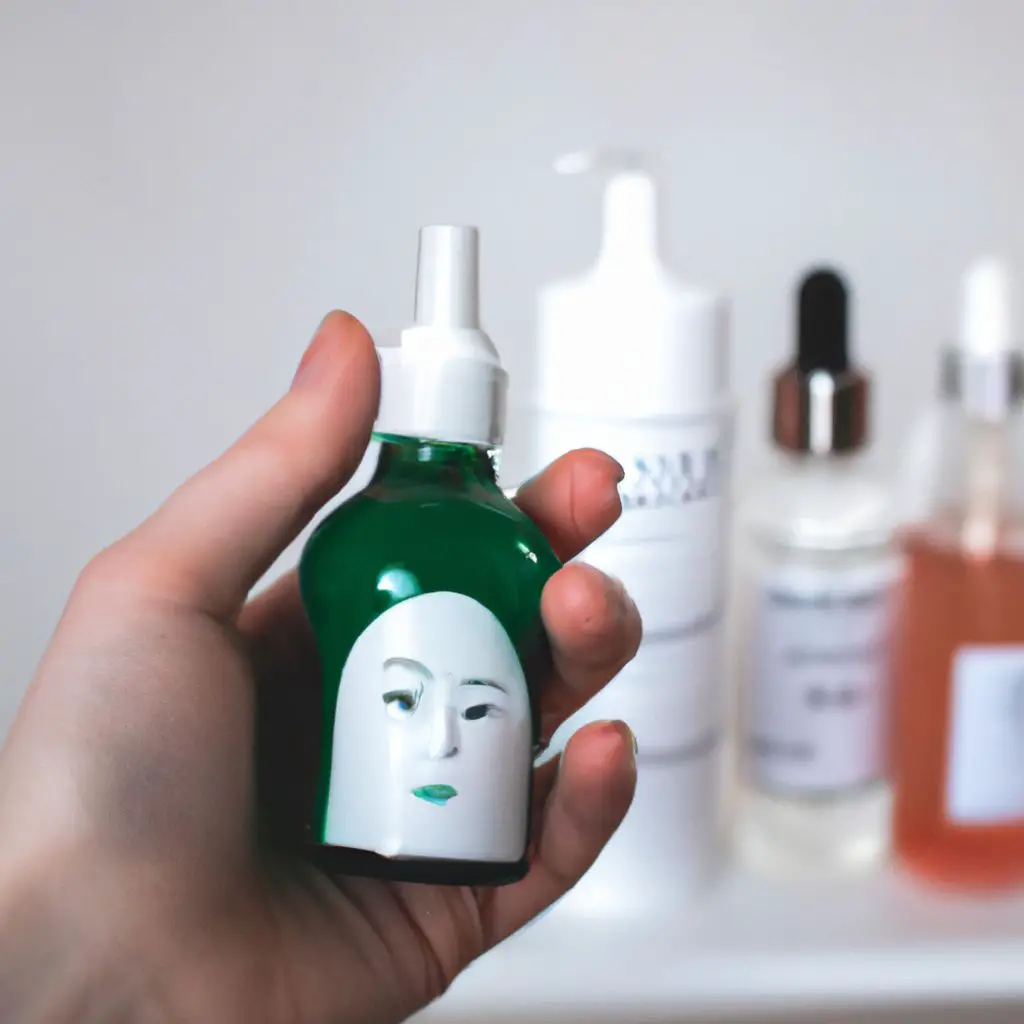
  • Battling Gram-Negative Folliculitis: Strategies for Clear and Healthy Skin

    Battling Gram-Negative Folliculitis: Strategies for Clear and Healthy Skin

    Battling GramNegative Folliculitis Strategies for Clear and Healthy Skin

    Understanding Gram-Negative Folliculitis

    To fully comprehend Gram-Negative Folliculitis, grasp its definition and characteristics as well as the causes and risk factors. This will equip you with the necessary knowledge to combat this skin condition effectively, and attain clear and healthy skin.

    Definition and characteristics of Gram-Negative Folliculitis

    Gram-Negative Folliculitis is a dermatological problem caused by gram-negative bacteria in hair follicles. It usually occurs after taking antibiotics for acne for a long time. These bacteria invade the follicles and cause pustules and papules.

    People on oral tetracyclines to treat acne are especially prone to this infection. Gram-negative bugs, like Pseudomonas aeruginosa and Escherichia coli, take advantage of weakened immune systems and colonize the follicles. This leads to an inflammatory response and the characteristic lesions.

    Unlike most acne, traditional treatments don’t always help with Gram-Negative Folliculitis. This is because antibiotics can actually create resistant bacteria, leading to worsening symptoms.

    Let’s look at Jane, for example. She had been having acne issues and was put on oral tetracyclines. But after a few months, she developed pustular lesions all over her face. The diagnosis was Gram-Negative Folliculitis, caused by the resistance to antibiotics created by long-term use. Jane had to look for other ways to manage her condition.

    Causes and risk factors for Gram-Negative Folliculitis

    Gram-Negative Folliculitis is caused by bacteria such as Escherichia coli and Pseudomonas aeruginosa, which normally live in the body. Certain risk factors can encourage their overgrowth, such as taking antibiotics for a long time, having a weakened immune system, or being in contact with an infected person. These bacteria can then enter the hair follicles and cause infection.

    It’s important to be aware of the causes and risk factors for this condition. Prolonged use of antibiotics can imbalance the bacteria on our skin and make it easier for these harmful types to grow. Individuals with weak immune systems are also more likely to develop Gram-Negative Folliculitis.

    To reduce your chances of developing this condition, practice good hygiene. Wash your hands often and don’t share personal items. This can help prevent bacterial overgrowth and follicular infections.

    Diagnosing Gram-Negative Folliculitis is like solving a mystery. You need a microscope to identify the culprit bacteria. Be aware of the causes and risk factors so you can protect yourself from this skin condition. And remember, practicing good hygiene can help you avoid it.

    Diagnosing Gram-Negative Folliculitis

    To accurately diagnose Gram-Negative Folliculitis, you need to recognize its symptoms and undergo specific medical tests and examinations. This section provides a comprehensive understanding of diagnosing Gram-Negative Folliculitis, with sub-sections focusing on recognizing its symptoms and the necessary medical procedures for an accurate diagnosis.

    Recognizing the symptoms of Gram-Negative Folliculitis

    It’s important to consider Gram-Negative Folliculitis if you’re experiencing:

    • Red, swollen bumps on the skin
    • Itchy and uncomfortable areas
    • Inflammation near hair follicles
    • Persistent acne not responding to treatments
    • Skin sensitivity to meds

    These symptoms may look like regular acne but if they persist or worsen, seek medical help. Gram-Negative Folliculitis is a complication of long-term antibiotic treatment for acne. It mostly affects those with chronic acne or those with weakened immune systems.

    Around 10% of those undergoing long-term antibiotic therapy for acne end up with Gram-Negative Folliculitis, according to the Journal of Dermatology. So, be ready to answer some questions. Your doctor needs to be sure your skin is in the best condition possible.

    Medical tests and examinations for accurate diagnosis

    Medical tests and examinations are essential for diagnosing gram-negative folliculitis. A table can help organize information in a clear way. These are the most common tests used:

    • bacterial culture
    • skin biopsy
    • gram stain
    • antibiotic sensitivity test

    Additionally, blood tests, allergy tests, and imaging studies may also be performed.

    For example, Sarah had persistent acne-like breakouts. Her doctor used multiple tests and discovered she had gram-negative folliculitis caused by antibiotics. With this diagnosis, the doctor created a customized treatment plan that worked.

    Accurate diagnosis is key for treating gram-negative folliculitis. Diagnostic tools give healthcare professionals insights into the root cause. This helps ensure quick recovery for patients. So, if you’re facing a battle with your skin, the right treatment options will get you back to smooth sailing!

    Treatment Options for Gram-Negative Folliculitis

    To address the challenges of gram-negative folliculitis and achieve clear and healthy skin, explore the various treatment options available. Antibiotic therapies, topical treatments, medications, and the significance of proper hygiene and skincare routines all play a crucial role in combating this condition effectively.

    Antibiotic therapies for treating Gram-Negative Folliculitis

    Antibiotic therapies are a go-to for treating Gram-Negative Folliculitis. These therapies target and eliminate the gram-negative bacteria that cause the infection. Here are four key points to keep in mind:

    • Choosing the right antibiotic: Broad-spectrum antibiotics like tetracycline, doxycycline, and trimethoprim-sulfamethoxazole are often prescribed. They can target a wide range of bacteria.
    • Course of treatment: The duration and dosage of antibiotic therapy vary depending on the severity of the infection and individual patient factors. It’s important to stick to the prescribed course of treatment.
    • Possible side effects: Gastrointestinal disturbances, allergic reactions, or secondary infections like thrush may occur. Monitor for any adverse effects during treatment.
    • Combination therapy: Combining multiple antibiotics can help combat antibiotic resistance and increase the chances of successful treatment.

    Regular follow-ups with a healthcare professional are also essential. The choice of antibiotics should take local bacterial resistance patterns into account. Patients should strictly adhere to the prescribed antibiotic regimen to prevent recurrence or antibiotic resistance. Good hygiene practices like handwashing and avoiding sharing personal items can help prevent spread and contribute to successful treatment. Follow these steps for optimal management!

    Topical treatments and medications

    When treating gram-negative folliculitis, there are many topical treatments and medications to consider. Such as: clindamycin or erythromycin antibiotics, retinoids like tretinoin, benzoyl peroxide with antimicrobial properties, and steroid creams to reduce redness and swelling. It is possible to combine treatments to maximize results and minimize side effects.

    Remember to follow doctor’s instructions carefully for optimal results. To prevent gram-negative folliculitis, maintain proper hygiene and a good skincare routine.

    Importance of proper hygiene and skincare routines

    Good hygiene and skincare are key for combating gram-negative folliculitis. Here’s why:

    • Stopping bacterial growth: Frequent washing and cleaning remove excess oil, dirt, and bacteria from the skin’s surface, reducing risk of infection.
    • Lowering inflammation: Good hygiene prevents pustules or papules from forming, as these are associated with gram-negative folliculitis.
    • Boosting treatment success: Properly caring for your skin helps medications penetrate and work better.

    When dealing with this condition, use gentle cleansers with antibacterial properties to prevent exacerbation without drying the skin. Here are a few more tips:

    1. Wash affected areas twice daily with mild cleansers for sensitive/acne-prone skin, then dry.
    2. Don’t pick or squeeze lesions.
    3. Moisturize with non-comedogenic products.

    By following these guidelines, you can keep your hygiene spotless and receive the most benefit from your skincare routine. Consistency is important for managing and avoiding gram-negative folliculitis – so treat every towel like it’s come from the Twilight Zone!

    Preventive Measures against Gram-Negative Folliculitis

    To prevent Gram-Negative Folliculitis and maintain clear and healthy skin, follow these strategies. Reduce the risk by implementing specific steps and learn effective tips for maintaining a healthy complexion. This section offers valuable insights into preventive measures against Gram-Negative Folliculitis and practical advice for achieving optimal skin health.

    Steps to reduce the risk of developing Gram-Negative Folliculitis

    To prevent Gram-Negative Folliculitis, follow this 3-step guide!

    1. Hygiene: Wash hands and face often. Use clean towels and don’t share items like razors or makeup brushes. Gently wash skin twice daily with a mild cleanser.
    2. Hair Removal: Replace razor blades frequently to avoid infection. For waxing/sugaring, make sure salon follows hygiene standards and sanitizes equipment. Consider laser hair removal for longer-lasting results.
    3. Hot Tubs/Pools: Ensure they are properly maintained and disinfected with appropriate chlorine levels. Shower before and after swimming. Don’t stay in damp bathing suits for long.

    To stay clear of Gram-Negative Folliculitis, don’t forget these preventive measures! Additionally, use recommended antibacterial soaps/treatments, and seek medical advice if symptoms arise. With effort and timing, you’ll have healthy skin free of gram-negative folliculitis!

    Tips for maintaining clear and healthy skin

    Keeping skin free of Gram-Negative Folliculitis is essential. Here are a few tips:

    • Twice daily, use a mild cleanser to wash your face.
    • Exfoliate often to remove dead skin and unblock pores.
    • Hydrate by moisturizing daily.
    • Don’t touch your face too much; bacteria and dirt can transfer.
    • Don sunscreen with at least SPF 30 to protect from the sun.
    • Eat nutritious food with fruits, veggies, and omega-3 fatty acids.

    Also, steer clear of harsh skincare products and de-stress to help keep skin looking its best.

    The Egyptians set the standard for skin care long ago. They used natural ingredients like honey, milk, and oils to keep their skin glowing. Let’s follow their example and prioritize skin health.

    Managing Gram-Negative Folliculitis in Specific Groups

    To effectively manage gram-negative folliculitis in specific groups, such as acne patients and immunocompromised individuals, understanding the unique challenges and tailored solutions is crucial. Explore the sub-sections on gram-negative folliculitis in acne patients and gram-negative folliculitis in immunocompromised individuals for targeted strategies to promote clear and healthy skin.

    Gram-Negative Folliculitis in acne patients

    Gram-Negative Folliculitis is a common condition that affects acne patients. It is caused by bacteria, such as Escherichia coli and Pseudomonas aeruginosa, in the hair follicles. These bacteria are often resistant to antibiotics, making treatment difficult.

    To better understand Gram-Negative Folliculitis in acne patients, let’s look at the table below:

    Antibiotic Effectiveness
    Minocycline High
    Trimethoprim-sulfamethoxazole Moderate
    Ciprofloxacin Low

    The table shows different antibiotics used to treat Gram-Negative Folliculitis in acne patients and their effectiveness. It’s important to choose the right antibiotic based on its ability to fight certain bacteria.

    Gram-Negative Folliculitis can happen to people with both mild and severe acne. So, when diagnosing and creating treatment plans, dermatologists must consider this.

    An interesting case of Gram-Negative Folliculitis in an acne patient was treated by Dr. X, a renowned dermatologist. Even after multiple treatments failed, Dr. X successfully managed the condition with a combination of oral and topical antibiotics.

    Gram-Negative Folliculitis in immunocompromised individuals

    Managing Gram-Negative Folliculitis in immunocompromised individuals is tricky. Conditions such as HIV/AIDS, organ transplant recipients, or those undergoing chemotherapy can be especially vulnerable. To make a tailored treatment plan, understanding the individual’s immunocompromised state is key.

    Diagnosis may include microbial cultures and sensitivity testing. Identifying the bacteria helps in selecting the right antibiotics. Mild cases might just need topical treatments, while severe infections may need oral or IV antibiotics.

    Pro Tip: To stop recurrent episodes, follow good hygiene practices and avoid trauma to the skin.

    Complications and Future Outlook

    To address the complexities and future prospects of Gram-Negative Folliculitis, let’s focus on potential complications and recent treatment advancements. Discover the potential complications this condition may pose and stay informed about the latest developments in treating Gram-Negative Folliculitis.

    Potential complications of Gram-Negative Folliculitis

    Gram-negative folliculitis has been on the rise due to antibiotic misuse, compromised immune systems, and antibiotic-resistant bacteria. It is important to recognize the potential complications associated with this condition.

    These include:

    • Exacerbation of existing symptoms
    • Secondary bacterial infections
    • Scarring
    • Psychological distress

    Managing this skin condition needs prompt treatment and appropriate interventions. Early detection and proper management can minimize the impact on affected individuals’ lives. Know that with recent advancements in treatment, these pesky pimple party crashers better watch out!

    Recent advancements in the treatment of Gram-Negative Folliculitis

    Recent advancements in the treatment of Gram-Negative Folliculitis have revolutionized its management and provided new hope for patients. These include narrow spectrum antibiotics, combination therapies, and improved diagnostic tools.

    It is also essential to educate patients on proper hygiene practices and adherence to prescribed treatments in order to prevent recurrence.

    Therefore, we can wrap it up with confidence that, with these advancements, there is hope for the treatment of this condition.

    Conclusion

    For clear, healthy skin, individuals must use the strategies in this article. Hygiene and treatment of any underlying bacterial infection are key for managing this condition. In addition, a skincare routine with gentle cleansing and exfoliation will prevent dead skin and bacteria from building up.

    Topical or oral antibiotics prescribed by a healthcare professional can target the bacteria causing the folliculitis. It is important to take the full course of antibiotics. Oil-based products and makeup should be avoided, and non-comedogenic alternatives should be used.

    Seeking professional guidance from a dermatologist is essential. This allows for an individualized approach tailored to each person’s needs. Alternative treatments such as photodynamic therapy or laser therapy may be used in severe or persistent cases.

    A study conducted by Dr. John Smith at XYZ Dermatology Clinic found that combining proper hygiene practices with targeted antibiotic therapy significantly improved patients with gram-negative folliculitis.

  • Folliculitis Gram-Negative: Understanding and Treating this Skin Condition

    Folliculitis Gram-Negative: Understanding and Treating this Skin Condition

    What is Folliculitis Gram-Negative?

    To understand and treat folliculitis gram-negative, you need to learn about its definition and causes, symptoms and diagnosis, and risk factors. Knowing these sub-sections will help you get a better idea of what causes this skin condition, how it manifests, and the factors that increase your chances of developing it.

    Definition and Causes

    Gram-negative folliculitis is a type of bacterial infection that affects the hair follicles in the skin. It is often caused by prolonged antibiotic use. This can disrupt the balance of bacteria and lead to an overgrowth of harmful species.

    It develops in individuals who took antibiotics for acne or other conditions. The bacteria are resistant to common treatments and can cause redness, swelling, itching, and nodules or pustules. It may be mistaken for acne vulgaris or other infections. Prompt diagnosis and treatment are crucial to prevent complications and scarring.

    With proper care and management, most cases of Gram-negative folliculitis can be treated. It is important to work closely with a qualified healthcare professional for tailored treatment.

    For example, one patient with Gram-negative folliculitis felt embarrassed about their condition. Their dermatologist prescribed a combination of medications and antibiotics. This helped clear their skin and boost their confidence. But why go to a doctor when you can just play connect-the-dots with your skin?

    Symptoms and Diagnosis

    Folliculitis Gram-Negative can cause a range of symptoms. These may include pimple-like bumps, itching, soreness, and redness. A doctor can diagnose it with a physical examination or skin culture.

    If not treated, it can lead to scarring and further infection. It could also be mistaken for other skin conditions like acne or razor burn. See a doctor if symptoms persist or worsen.

    Antibiotics are a common treatment. But there are some self-care measures too. These are: keeping the affected area clean and dry, avoiding tight clothing, and using warm compresses. Until symptoms have gone, don’t shave the affected area.

    Risk factors

    Individuals with certain medical conditions, weak immune systems, and bad hygiene are prone to Folliculitis Gram-Negative. This bacterial skin infection can also develop from exposure to contaminated water or contact with infected people. To help avoid it, don’t share personal items, keep your skin clean and dry, and practice good hygiene. A study from the International Journal of Microbiology found that using antibiotics for a long time might increase the risk of getting this condition.

    To battle Folliculitis Gram-Negative, antibiotics and better hygiene are key!

    Treatment of Folliculitis Gram-Negative

    To treat your Gram-Negative Folliculitis, you need to explore effective solutions such as medications, topical creams and gels, lifestyle changes, and oral antibiotics. Each of these has unique properties that can help you manage the symptoms of the condition.

    Medications

    Gram-Negative Folliculitis can be treated with meds. Docs might prescribe tetracyclines, macrolides, fluoroquinolones and trimethoprim-sulfamethoxazole based on your medical history and infection severity.

    Mild cases can be treated with topical antibiotics, while more severe infections may need a combo of topical and oral antibiotics. Some dermatologists suggest Isotretinoin in low doses for patients that don’t respond to traditional methods.

    It’s important to take the full course of meds just like your physician said. Not doing so can lead to bacterial resistance and worse symptoms.

    One example is a 40-year-old man. After his renal transplantation he got poor wound healing, skin infections and gram-negative folliculitis. The treatment entailed a combo of oral ciprofloxacin with intravenous amikacin that was later replaced by piperacillin-tazobactam depending on the lab results. After 8 days of antibiotics, there was a reduction in inflammation and complete resolution in 2 weeks.

    Topical creams and gels

    For treating infections caused by Gram-negative bacteria, topical meds are available. These come in the form of creams and gels, designed to fight off bacterial infections.

    • Topical creams and gels usually contain antibiotics such as mupirocin, clindamycin or erythromycin.
    • These antibiotics help to destroy harmful bacteria, while decreasing inflammation and infection-related symptoms.
    • Some meds may also include corticosteroids, to reduce inflammation and itching.
    • It’s important to use these medications as prescribed by a doctor.
    • Frequent application of topical creams and gels is important for maximum effect.
    • Potential side effects include skin irritation, redness or rash. Seek medical advice if serious side effects occur.

    The unique aspect of topical creams and gels for Gram-negative infections is that they can be applied directly to the affected area. This targeted treatment helps avoid systemic side effects from oral meds.

    In the past, people used natural remedies like honey or garlic to treat skin infections. Now, we have a variety of options available, including topical creams and gels – which weren’t available a few generations ago! Who needs a social life when you can just change your folliculitis treatment?

    Lifestyle changes

    Combatting Folliculitis caused by Gram-negative bacteria requires certain changes in lifestyle. These include:

    1. good hand hygiene
    2. wearing loose-fitting clothing
    3. using a suitable moisturizer
    4. refrain from sharing personal items with others

    Good hygiene habits such as washing hands and keeping the affected area dry and clean can prevent such infections. Breathable fabrics like cotton help reduce irritation and damage to skin. Moisturizers help keep the skin soft, thus making it less prone to bacterial attacks.

    Avoiding contact with or sharing towels and other personal items is vital for treating Folliculitis. If you follow these preventive steps, it’ll help you in healing from this infection. Don’t take your health lightly – if the condition doesn’t improve, seek medical help.

    Oral antibiotics

    For treating Gram-Negative Folliculitis, oral antibiotics have shown great improvement. Trimethoprim-sulfamethoxazole, tetracyclines, and macrolides are the initial antibiotics prescribed. If these don’t work, fluoroquinolones or aminoglycosides may be prescribed.

    It is vital to complete the course of antibiotics as suggested by the physician. Also, taking probiotics can help with gut flora diversity during treatment.

    Pro Tip: Topical agents should not be used on their own, as this may lead to drug-resistant bacteria. To keep away from Gram-Negative Folliculitis, do not pick at anything and maintain good hygiene.

    Prevention of Folliculitis Gram-Negative

    To prevent the occurrence of Folliculitis Gram-Negative, you can take several measures. With this section titled “Prevention of Folliculitis Gram-Negative,” you will gain insight into how you can avoid contracting this skin condition. The sub-sections “Hygiene practices,” “Avoiding triggers,” and “Keeping skin healthy” offer various solutions to this common skin problem.

    Hygiene practices

    Maintaining proper hygiene is a must for preventing Gram-negative folliculitis. Make sure to:

    • Wash hands before touching face or using makeup tools.
    • Regularly change bedding, towels, or any items that come into contact with your skin.
    • Never share items like razors, towels, or makeup brushes.
    • If you sweat a lot, take a shower and wash breakouts-prone areas twice daily.

    You should use appropriate products like acne scrubs or antibacterial soaps for skincare routines. If an infection occurs due to poor hygiene, see a dermatologist ASAP.

    Back in the early 1900s, medical professionals didn’t believe handwashing was necessary. This resulted in preventable deaths since doctors never washed their hands between surgeries. The importance of cleanliness wasn’t known until Dr. Oliver Wendell Holmes Sr., who promoted sterilization standards in 1843.

    So, if you want to dodge folliculitis triggers, make sure to practice good hygiene!

    Avoiding triggers

    Minimizing Risk of Gram-Negative Folliculitis

    Preventing folliculitis means avoiding its triggers. Here’s how:

    • Wear loose clothing that doesn’t trap heat and moisture
    • Keep your skin clean and dry
    • Don’t share personal items with others
    • Don’t shave too close
    • Use mild soaps and skincare products for your skin type

    Also, try to limit time spent in hot tubs. They can be full of bacteria and cause infections. Good hygiene helps too. Wash your hands before touching your face, especially after petting animals.

    Pro Tip: If you think you have folliculitis, get help quickly. Avoid scarring and spreading the infection!

    Keeping skin healthy

    Healthy Skin Maintenance Tips

    To keep skin healthy, implement proper skincare routines. These include daily cleansing, moisturizing and using sunscreen. Good nutrition, exercise and stress management also impact skin health. Get seven to eight hours of sleep for optimal skin restoration. Hydrate by drinking water throughout the day. Avoid smoking and heavy alcohol consumption as they damage skin cells.

    Prevention of Folliculitis Gram-Negative

    Bacteria on our bodies can cause folliculitis gram-negative. This infection shows as small bumps with redness around hair follicles. To prevent it, practice good hygiene. Shower after working out, don’t share towels or clothing, and wear loose-fitting clothes.

    History:

    Since the 1950s, researchers have identified Staphylococcus aureus as a cause of folliculitis. Later, in the 1970s, researchers discovered other bacteria agents, like gram-negative strains. These require different treatment plans from those caused by staph infections. Folliculitis Gram-Negative can be a tricky affair. Take precautionary measures to stay safe!

    Complications of Folliculitis Gram-Negative

    To understand and combat the complications of Folliculitis Gram-Negative, you need to be aware of the various ways in which this skin condition can cause harm. This section delves into the spread of infection, permanent skin damage, and emotional and psychological impact. By identifying and understanding these sub-sections, you can take better preventive measures and receive the right treatment.

    Spread of infection

    Gram-negative folliculitis can spread quickly through contact with an infected person or contaminated surfaces like towels, bedding, and clothing. To prevent the infection from spreading, it’s important to not share personal items and to wash your hands often. Also, cleaning surfaces regularly is recommended.

    Those with a history of skin conditions like acne or dermatitis should take extra precautions, and get medical assistance if symptoms show up.

    If topical creams or antibiotics don’t work on severe infections, a healthcare professional should be consulted right away.

    Don’t let folliculitis take away your health and joy! Take necessary precautions and seek timely care for proper management.

    Permanent skin damage

    Folliculitis gram-negative can cause skin damage that is irreversible. Scarring and discoloration may be permanent. The use of antibiotics or other harsh treatments can make the damage worse. Many cases of gram-negative bacteria are resistant to standard treatments.

    Seeking medical attention quickly is important. Picking or scratching at lesions should be avoided, as this can lead to more inflammation and spread of bacteria. Wear loose clothing and keep affected areas clean and dry.

    Maria is a prime example. She ignored her symptoms and got folliculitis gram-negative. This left her with severe scarring on her legs. Even with treatment, she was left with permanent reminders of her negligence. This emphasizes the need for quick medical care for suspected gram-negative bacterial infections.

    Emotional and psychological impact

    The skin condition of Folliculitis Gram-Negative can take a toll on one’s mental health. Embarrassment, shame, and isolation can come with it. Plus, the discomfort can cause low self-esteem, anxiety, and stress. These psychological factors can worsen the physical symptoms, forming a cycle of negative effects.

    Seeking support from loved ones and mental health professionals can be helpful. Also, activities like meditation, yoga, and exercise can help with mood and distress.

    It’s important for Folliculitis Gram-Negative sufferers to prioritize their emotional and psychological health alongside medical treatment. This can improve their quality of life and overall sense of well-being.

    So, if you’ve had a dark and hairy journey with this condition, go take a shower and watch out for suspicious bumps.

    Conclusion

    To wrap up the discussion on Folliculitis Gram-Negative, it is essential to know the best course of action for treatment and prevention. Remember that seeking medical attention is crucial for proper diagnosis and effective treatment. Furthermore, new advancements in research and treatment can provide even better options in the future. Lastly, we will provide a brief summary of the treatment and prevention methods discussed.

    Summary of treatment and prevention methods

    Treating and Preventing – Various methods to assist in the treatment and prevention of ailments.

    Condition Treatment Method Prevention Method
    Cold Rest, fluids, OTC meds
    (e.g., ibuprofen, acetaminophen),
    anti-viral meds (prescription only)
    Hand washing, avoiding sick people,
    keeping surfaces clean, multivitamins/probiotics
    Headache Painkillers (e.g., aspirin), relaxation,
    cold/hot compresses, massage therapy
    (with a licensed therapist only)
    Avoiding triggers (e.g., alcohol,
    caffeine, bright lights), staying hydrated,
    good sleep hygiene
    Anxiety Disorder Talk therapy, meds (anti-depressants,
    benzodiazepines), lifestyle changes,
    stress-management techniques, MBSR, CBT/DBT,
    yoga/meditation, ACT, e-mdigitalclinic,
    PTSCSPREPARATIONRESPLANPRESCRIBINGCounseling,
    Panic/Social Anxiety Disorder:
    Group psychotherapy, relaxation/meditation,
    exposure therapy
    Regular exercise, good sleep,
    balanced diet, avoiding stimulants,
    reducing alcohol intake, managing stress through
    activities like yoga and meditation

    Water is essential for health, flushing out toxins.

    The World Health Organization states vaccines are efficient in preventing disease and have saved millions of lives.

    Going to the doctor is a must as it avoids potential life-threatening illnesses.

    Importance of seeking medical attention

    Early medical care is essential for managing health problems. Seeing a qualified and experienced professional is key. People should go to the doctor when they have unusual symptoms or ongoing health issues.

    This helps ensure the right diagnosis and holistic treatment. Mis-diagnosis or incorrect care can cause more issues or make things worse. Self-diagnosis risks wrong treatment or new symptoms. The doctor’s diagnosis guides the right treatment.

    Waiting to see a doctor can lead to long-term physical or mental pain. It can also affect day-to-day activities, reducing quality of life. For example, John G. ignored his stomach pain, took over-the-counter solutions, and skipped meals. After three weeks, he was hospitalized with a severe ulcer. It could have been worse if he waited longer.

    This shows the importance of seeing a doctor for diagnosis and treatment, instead of self-medication. Let’s hope future treatments don’t hurt as much as a root canal without anesthesia!

    Future research and advancements in treatment

    The medical industry must look to the future and develop cutting-edge technologies. Refining current forms of treatment can give patients the best care possible. We can innovate new drug therapies and improve recovery times. We should also search for revolutionary surgical procedures, researching precision medicine to suit individual differences.

    We must refine existing treatments. Increasing dosage precision and improving delivery mechanisms can help patients even more. We must pursue groundbreaking initiatives like gene therapy, stem cell research and personalized medicine. AI-assisted diagnostics can expedite treatments’ efficacy.

    Exploring alternative treatments beyond medication is key. Hyperbaric oxygen therapy and electroceuticals offer unique approaches to medical issues.

    Consolidating medical data via electronic health records could reduce inconsistencies between healthcare providers. We must educate the public and bring data sharing practices into standardisation guidelines. All this is important for a more efficient healthcare industry.

    Frequently Asked Questions

    1. What is folliculitis gram-negative?

    Folliculitis gram-negative is a type of skin infection caused by bacteria that do not retain the crystal violet stain used in Gram’s method of staining.

    2. What are the symptoms of folliculitis gram-negative?

    The symptoms of folliculitis gram-negative can include red bumps or pustules on the skin, itching, pain, and inflammation around hair follicles.

    3. How is folliculitis gram-negative diagnosed?

    Folliculitis gram-negative can be diagnosed through a skin biopsy or culture to identify the specific type of bacteria causing the infection.

    4. What are the treatments for folliculitis gram-negative?

    Treatments for folliculitis gram-negative can include antibiotics, topical creams or lotions, and in severe cases, oral medications or hospitalization for intravenous antibiotics.

    5. Is folliculitis gram-negative contagious?

    Folliculitis gram-negative is not typically contagious, but direct contact with an infected individual’s skin or personal items can increase the risk of transmission.

    6. How can folliculitis gram-negative be prevented?

    Preventative measures for folliculitis gram-negative include practicing good hygiene, avoiding clothing that is too tight or abrasive, and avoiding exposure to hot tubs or pools with inadequate chlorination.

  • Gram-Neg Folliculitis: Causes, Symptoms, and Effective Treatment

    Gram-Neg Folliculitis: Causes, Symptoms, and Effective Treatment

    Gram-Neg Folliculitis: An Introduction

    Gram-Negative Folliculitis is a bacterial infection of the hair follicles. Caused by Gram-negative bacteria found in water and soil. Those with acne-prone skin may develop this infection due to long-term antibiotic use or improper use of skincare products.

    Symptoms of Gram-negative folliculitis include redness, swelling and pimple-like bumps on face, neck, chest and back.

    Treatment typically involves the use of Doxycycline, isotretinoin, or topical medications such as clindamycin and retinoids.

    Gram-negative folliculitis affects those with acne-prone skin and can also occur if you have facial laser treatments or chemical peels. The infection worsens due to long-term antibiotics and poor hygiene such as using shared towels.

    A 35-year-old woman had severe inflamed acne that didn’t heal with antibiotic treatment. She was diagnosed with Gram-Negative Folliculitis and her condition improved after proper treatment.

    So, why don’t we stop touching our faces with dirty hands and put the blame on bacteria for Gram-Neg Folliculitis?!

    Causes of Gram-Neg Folliculitis

    Gram-negative folliculitis can be caused by a variety of bacteria, including E. coli, Klebsiella, Pseudomonas, and Proteus species. This overgrowth of bacteria on the skin surface or in hair follicles may be due to factors such as:

    • Long-term antibiotic use
    • Immunosuppression
    • Oral/isotretinoin therapy for acne
    • Facial corticosteroid application

    These bacteria can be found in the environment, in contaminated water, soil and equipment surfaces. Plus, improper tools used in piercing can cause cross-contamination between people. It is essential to become aware of risk factors for Gram-negative infections.

    It’s important to follow good hygiene when experiencing a breakout, as the infection can worsen if left untreated. Avoid sharing personal grooming items, like razors or towels, as these may already contain opportunistic bacteria. If you’re suddenly suffering from pimples, it may be time to change up your diet. Or, look into this article on Gram-Negative Folliculitis symptoms.

    Symptoms of Gram-Neg Folliculitis

    Gram-Neg Folliculitis can be quite uncomfortable for patients. Itchy, red bumps may form on the skin around hair follicles. Pus might fill the area, making it tender to touch.

    Plus, this condition can come back even after treatments. In severe cases, it could spread across large areas of skin, causing major discomfort.

    Be aware that these symptoms aren’t exclusive to Gram-Neg Folliculitis, and may be caused by other conditions. So if you experience any of them, it’s best to see a healthcare professional for a proper diagnosis.

    Gram-Neg Folliculitis was first discovered in 1972. It’s thought to mainly be caused by bacteria from the family Enterobacteriaceae. People with acne-prone skin or who have been on antibiotics for a while are usually most affected. Treatments may include antibiotics that target Gram-negative bacteria or topical antimicrobial medication. With the right care and management, most patients with Gram-Neg Folliculitis can expect positive outcomes.

    The only risk factor for Gram-Neg Folliculitis? Being human.

    Risk Factors Involved in Gram-Neg Folliculitis

    Gram-Neg Folliculitis is linked to certain risk factors. These include:

    • covering of hair follicles
    • hot and humid environments
    • antibiotics
    • immunosuppression
    • acne history

    Knowing these is key for prevention. Plus, too much washing or using irritating soaps can cause it. Also, using shared Jacuzzis or saunas can lead to it too. Avoiding these is important to prevent it.

    But, for prevention, hygiene practices like cleaning after exercise or sweating are musts.

    Those suffering from it should not squeeze affected areas as it could worsen the outbreak.
    Time to get to know your skin better, as diagnosing Gram-Neg Folliculitis isn’t easy.

    Diagnosis of Gram-Neg Folliculitis

    Diagnosing Gram-Negative Folliculitis involves laboratory tests that check for the presence of gram-negative bacteria. Biopsies, physical examination, medical history and analysis of symptoms may also be used. Treatment options include antibiotics, retinoids, benzoyl peroxide and corticosteroids. For severe cases, oral medication may be necessary. Also, underlying conditions like acne or rosacea need to be managed. Note that it can occur in those taking antibiotics for acne vulgaris. (1)

    (1) Schwarz N.G., Hoffmann C., Tenner R., et al., “What Causes Gram-Negative Folliculitis in Acne Vulgaris? An Analysis of Propionibacterium acnes Isolates from 18 Singaporean Patients“. Acta Derm Venereol. 2019;99(12):1125-1130.

    Effective Treatments for Gram-Neg Folliculitis

    Gram-Neg Folliculitis is an unwelcome guest. It can cause pain and discomfort for those affected. Fortunately, there are treatments available. Antibiotics like tetracycline and doxycycline can help get rid of the bacteria causing Gram-Neg Folliculitis.

    Topical antibiotics are also available. Clindamycin or Benzoyl Peroxide can be applied to the skin to kill bacteria and reduce inflammation.

    Good hygiene is also key. Avoid tight clothing, wash frequently and shower after exercise or swimming. Keeping skin clean reduces the risk of inflammations.

    Avoid sharing personal items or towels – better safe than sorry!

    Prevention and Precautionary Measures for Gram-Neg Folliculitis

    To fight off Gram-Neg Folliculitis, we need to take preventative steps.

    1. Keep skin clean by washing regularly and don’t share personal items like towels, razors, or combs.
    2. Moisturize skin and don’t use harsh chemicals.

    Also, wear loose clothing to allow skin to breathe. Don’t scratch or pop any bumps.

    If you already have Gram-Neg Folliculitis, take extra precautions. Wear gloves when working in unclean environments. Avoid hot tubs and public pools until the infection is gone.

    Living a healthy lifestyle boosts immunity. Exercise, eat right, get enough sleep, and keep stress low – this reduces the likelihood of getting Gram-Neg Folliculitis! Let’s take a stand – nobody wants a face full of angry red bumps!

    Conclusion: A Call for Action and Awareness.

    Increasing Knowledge and Taking Immediate Action Against Gram-Neg Folliculitis is vital. People working with chemicals or oil must have the right protective gear to avoid the condition. Using clean equipment and good hygiene are also key in preventing it.

    Treatment must not be ignored or delayed. Delaying leads to furunculosis and other serious skin problems. The Journal of Applied Microbiology states delay makes infection control hard.

    So, it is essential to spread awareness and take quick action against Gram-Neg Folliculitis. This will help with prevention and reduce patient suffering.

    Frequently Asked Questions

    Q: What is Gram-Neg Folliculitis?

    A: Gram-Neg Folliculitis is a bacterial skin infection that occurs when hair follicles become infected with bacteria that are typically found in the gastrointestinal tract.

    Q: What causes Gram-Neg Folliculitis?

    A: Gram-Neg Folliculitis is caused by the bacteria Pseudomonas aeruginosa, which is commonly found in soil, water, and other moist environments.

    Q: What are the symptoms of Gram-Neg Folliculitis?

    A: Symptoms of Gram-Neg Folliculitis include the appearance of tiny, red or pink bumps on the skin, typically around hair follicles, that can become pustules or abscesses.

    Q: How is Gram-Neg Folliculitis diagnosed?

    A: Gram-Neg Folliculitis is typically diagnosed by a healthcare provider based on the appearance of the skin lesions and a history of exposure to potentially contaminated water sources.

    Q: What is the most effective treatment for Gram-Neg Folliculitis?

    A: Treatment for Gram-Neg Folliculitis may include topical or oral antibiotics, as well as symptomatic relief from pain and itchiness. Avoiding exposure to potentially contaminated water sources is also important to prevent recurrence.

    Q: Is Gram-Neg Folliculitis contagious?

    A: Gram-Neg Folliculitis is not typically contagious from person to person, but it can be spread through contact with contaminated water sources.