Tag: dermatology

  • Skincare Routines for Acne-Prone Skin

    Skincare Routines for Acne-Prone Skin

    Skincare Routines for Acne-Prone Skin

    Skincare Routines for Acne-Prone Skin

    [youtubomatic_search]

    Key Takeaways

    • Understanding the nature of acne-prone skin is crucial in developing an effective skincare routine.
    • Cleansing, treating, moisturizing, and sun protection are the four main steps in a skincare routine for acne-prone skin.
    • Choosing the right products for each step is essential to avoid exacerbating acne.
    • Consistency and patience are key in seeing results from a skincare routine.
    • Professional advice from a dermatologist can be beneficial in managing acne-prone skin.

    Introduction: The Battle Against Acne

    Acne is a common skin condition that affects millions of people worldwide. According to the American Academy of Dermatology, acne is the most common skin condition in the United States, affecting up to 50 million Americans annually1. For those with acne-prone skin, establishing an effective skincare routine can be a challenging but crucial step towards clearer skin. This article will delve into the essential steps of a skincare routine for acne-pric skin, providing insights on how to choose the right products and maintain consistency for optimal results.

    Understanding Acne-Prone Skin

    Acne-prone skin is characterized by frequent breakouts, usually in the form of whiteheads, blackheads, or pimples. This condition is often caused by overactive sebaceous glands, which produce excess oil that clogs pores and leads to inflammation and acne2. Factors such as hormones, diet, stress, and certain medications can also contribute to acne3.

    The Four-Step Skincare Routine

    A skincare routine for acne-prone skin typically involves four main steps: cleansing, treating, moisturizing, and sun protection.

    Cleansing

    Cleansing is the first step in any skincare routine. It removes dirt, oil, and makeup from the skin, preventing clogged pores and subsequent acne. For acne-prone skin, dermatologists recommend using a gentle, non-comedogenic cleanser that won’t irritate the skin or clog pores4.

    Treating

    The second step is treating the skin with a product that targets acne. This could be a topical retinoid, which helps prevent clogged pores, or a product containing salicylic acid or benzoyl peroxide, which can reduce inflammation and kill acne-causing bacteria5.

    Moisturizing

    Even acne-prone skin needs moisture. In fact, drying out the skin can actually trigger more oil production and worsen acne6. A lightweight, oil-free moisturizer can help maintain skin hydration without causing breakouts.

    Sun Protection

    The final step is sun protection. Many acne treatments can make the skin more sensitive to the sun, so applying a broad-spectrum sunscreen with an SPF of at least 30 is crucial7.

    FAQ Section

    1. How often should I cleanse my skin?

    It’s generally recommended to cleanse your skin twice a day, in the morning and at night. However, if your skin feels dry or irritated, you may want to reduce this to once a day8.

    2. Can I use makeup if I have acne-prone skin?

    Yes, but it’s important to choose non-comedogenic makeup products that won’t clog your pores. Also, always remove your makeup before bed to prevent breakouts9.

    3. How long will it take to see results from my skincare routine?

    It can take anywhere from six to eight weeks to see noticeable improvements from a skincare routine. Consistency is key10.

    4. Should I pop my pimples?

    No. Popping pimples can lead to scarring and can actually spread bacteria, causing more acne11.

    5. When should I see a dermatologist?

    If your acne is severe, causing scarring, or not improving with over-the-counter treatments, it may be time to see a dermatologist12.

    Conclusion: Winning the Fight Against Acne

    Managing acne-prone skin can be a challenging journey, but with the right skincare routine and a good understanding of your skin, it’s a battle that can be won. Remember, the key to an effective skincare routine is understanding your skin, choosing the right products, and being consistent. And when in doubt, don’t hesitate to seek professional advice.

    Key Takeaways Revisited

    • Acne-prone skin requires a tailored skincare routine involving cleansing, treating, moisturizing, and sun protection.
    • Choosing non-comedogenic, gentle products is crucial to avoid exacerbating acne.
    • Consistency in following the skincare routine can lead to noticeable improvements over time.
    • Professional advice from a dermatologist can be beneficial for severe or persistent acne.

    [youtubomatic_search]

    References

    1. American Academy of Dermatology. (n.d.). Skin conditions by the numbers. https://www.aad.org/media/stats-numbers
    2. Mayo Clinic. (2020, July 14). Acne. https://www.mayoclinic.org/diseases-conditions/acne/symptoms-causes/syc-20368047
    3. Harvard Health Publishing. (2019, September). Acne: What causes it and how to relieve it. https://www.health.harvard.edu/a_to_z/acne-a-to-z
    4. WebMD. (2020, December 9). Choosing a cleanser for acne-prone skin. https://www.webmd.com/skin-problems-and-treatments/acne/cleansers
    5. Mayo Clinic. (2020, July 14). Acne treatments: Medical procedures may help clear skin. https://www.mayoclinic.org/diseases-conditions/acne/diagnosis-treatment/drc-20368048
    6. American Academy of Dermatology. (n.d.). 10 skin care habits that can worsen acne. https://www.aad.org/public/diseases/acne/skin-care/habits-stop
    7. American Academy of Dermatology. (n.d.). How to prevent acne scars. https://www.aad.org/public/diseases/acne/skin-care/scars
    8. WebMD. (2020, December 9). Choosing a cleanser for acne-prone skin. https://www.webmd.com/skin-problems-and-treatments/acne/cleansers
    9. American Academy of Dermatology. (n.d.). Makeup can cause acne. https://www.aad.org/public/diseases/acne/causes/makeup
    10. Mayo Clinic. (2020, July 14). Acne treatments: Medical procedures may help clear skin. https://www.mayoclinic.org/diseases-conditions/acne/diagnosis-treatment/drc-20368048
    11. American Academy of Dermatology. (n.d.). Should you see a dermatologist for acne? https://www.aad.org/public/diseases/acne/derm-treat/when-to-see-derm
    12. American Academy of Dermatology. (n.d.). Should you see a dermatologist for acne? https://www.aad.org/public/diseases/acne/derm-treat/when-to-see-derm
  • The Power of Hyaluronic Acid in Skincare

    The Power of Hyaluronic Acid in Skincare

    The Power of Hyaluronic Acid in Skincare

    The Power of Hyaluronic Acid in Skincare

    [youtubomatic_search]

    Key Takeaways

    • Hyaluronic acid is a powerful skincare ingredient with numerous benefits.
    • It is a naturally occurring substance in the body that helps to hydrate and plump the skin.
    • Research has shown that hyaluronic acid can help to reduce wrinkles and improve skin elasticity.
    • Despite its benefits, it is important to use hyaluronic acid correctly to avoid potential side effects.
    • Experts recommend incorporating hyaluronic acid into your skincare routine for optimal results.

    Unveiling the Power of Hyaluronic Acid

    When it comes to skincare, hyaluronic acid is a powerhouse ingredient. This naturally occurring substance in the body plays a crucial role in maintaining skin hydration and elasticity. As we age, our bodies produce less hyaluronic acid, leading to dryness, wrinkles, and loss of firmness. By incorporating hyaluronic acid into your skincare routine, you can help to replenish this essential substance and improve the overall health and appearance of your skin.

    The Science Behind Hyaluronic Acid

    According to a study published in the Journal of Clinical and Aesthetic Dermatology, hyaluronic acid has the unique ability to bind and retain water molecules, making it an excellent moisturizer. In fact, it can hold up to 1,000 times its weight in water. This hydrating property helps to plump the skin, reducing the appearance of fine lines and wrinkles and improving skin elasticity.

    Another study published in the Journal of Drugs in Dermatology found that topical application of hyaluronic acid can significantly improve skin hydration and elasticity, and reduce wrinkle depth. The researchers concluded that hyaluronic acid is a safe and effective anti-aging treatment.

    How to Use Hyaluronic Acid

    Despite its benefits, it is important to use hyaluronic acid correctly to avoid potential side effects. According to Dr. Joshua Zeichner, Director of Cosmetic and Clinical Research in Dermatology at Mount Sinai Hospital in New York City, hyaluronic acid should be applied to damp skin to prevent it from pulling moisture out of the skin, which can lead to dryness and irritation.

    Experts also recommend using a moisturizer after applying hyaluronic acid to seal in the hydration. Additionally, it is important to note that while hyaluronic acid is generally safe for all skin types, it may not be suitable for those with severe skin conditions or allergies. Always consult with a dermatologist before incorporating new ingredients into your skincare routine.

    FAQ Section

    What is hyaluronic acid?

    Hyaluronic acid is a naturally occurring substance in the body that helps to hydrate and plump the skin.

    What are the benefits of hyaluronic acid in skincare?

    Research has shown that hyaluronic acid can help to reduce wrinkles, improve skin elasticity, and hydrate the skin.

    How should I use hyaluronic acid?

    Apply hyaluronic acid to damp skin and follow with a moisturizer to seal in the hydration.

    Is hyaluronic acid safe for all skin types?

    While hyaluronic acid is generally safe for all skin types, it may not be suitable for those with severe skin conditions or allergies.

    Can I use hyaluronic acid every day?

    Yes, hyaluronic acid can be used daily as part of your skincare routine.

    Conclusion: The Power of Hyaluronic Acid

    In conclusion, hyaluronic acid is a powerful skincare ingredient with numerous benefits. Its ability to hydrate and plump the skin makes it an excellent anti-aging treatment. However, it is important to use hyaluronic acid correctly to avoid potential side effects. By incorporating hyaluronic acid into your skincare routine, you can improve the overall health and appearance of your skin.

    [youtubomatic_search]

    Further Analysis

    As we have seen, hyaluronic acid is a key player in maintaining skin hydration and elasticity. Its unique ability to bind and retain water molecules makes it an excellent moisturizer and anti-aging treatment. However, it is important to use hyaluronic acid correctly and consult with a dermatologist before incorporating new ingredients into your skincare routine. With proper use, hyaluronic acid can help to improve the overall health and appearance of your skin.

    Key Takeaways Revisited

    • Hyaluronic acid is a powerful skincare ingredient with numerous benefits.
    • It is a naturally occurring substance in the body that helps to hydrate and plump the skin.
    • Research has shown that hyaluronic acid can help to reduce wrinkles and improve skin elasticity.
    • Despite its benefits, it is important to use hyaluronic acid correctly to avoid potential side effects.
    • Experts recommend incorporating hyaluronic acid into your skincare routine for optimal results.
  • Crepey Skin on the Body: Is There Anything to Do? – Part 2

    Crepey Skin on the Body: Is There Anything to Do? – Part 2

    [youtubomatic_search]

    Key Takeaways:

    – Crepey skin on the body is a common concern as we age.
    – Part 2 of this series focuses on specific body areas and newer RF and laser technologies.
    – Different treatments are recommended for each body area, such as deep RF for the neck and collagen stimulation with Sculptra for the chest.
    – Individual responses to treatments may vary, and it’s important to consult with a qualified professional.

    Introduction: The Battle Against Crepey Skin

    – Crepey skin on the body is a frustrating issue that many people face as they age.
    – In a series of articles, dermatologist Brandith Irwin explores the topic and provides insights on prevention and treatment options.
    – This article focuses on specific body areas and the use of RF and laser technologies to address crepey skin.
    – The information presented in this article is based on Dr. Irwin’s expertise and personal experience.

    Recapitulating the Original Article: Treating Crepey Skin on the Body

    – The neck is a challenging area, and volume loss on the face can contribute to sagging and wrinkling of the neck.
    – Dr. Irwin recommends replacing volume loss with deep RF treatments like Profound and then using superficial RF and CO2 laser treatments for further tightening.
    – Collagen stimulation with Sculptra is recommended for the chest, followed by IPL/BBL for red and brown discoloration and Fraxel Dual or CO2 laser for deeper brown spots and wrinkles.
    – For the upper arms, Coolsculpting can be considered for fat reduction, followed by mid-level RF tightening with options like Morpheus or EmSculpt.
    – Body dilution Sculptra is suggested for collagen building in very crepey upper arms, and a BHA 2% lotion can be used for maintenance.
    – The forearm, which tends to be lean, can benefit from body dilution Sculptra and light RF or microneedling with PRPFM.
    – Plumping with Juvederm Ultra Plus XC is recommended for the hands, as lasers may be difficult to heal on this area.
    – Light RF or microneedling with PRPFM can also be helpful for the hands.
    – The abdomen, where fat tends to accumulate, can be addressed with various treatments depending on individual needs.

    For more details and specific recommendations, please refer to the original article by Brandith Irwin: link to the original article

    Latest Developments: Updates on Crepey Skin Treatments

    – As of now, there are no specific updates or new information regarding crepey skin treatments on the body.
    – However, it’s important to stay informed about advancements in RF and laser technologies, as well as other potential treatments.
    – Consulting with a dermatologist or skincare professional can provide the most up-to-date information and personalized recommendations.

    [youtubomatic_search]

    Further Analysis: Exploring the Implications of Crepey Skin

    – Crepey skin on the body can have various implications, both physical and emotional.
    – It can affect self-confidence and body image, leading to a desire for effective treatments.
    – It’s important to consider the underlying causes of crepey skin, such as collagen loss and volume depletion, when exploring treatment options.
    – Consulting with experts and understanding the limitations of different treatments can help manage expectations and make informed decisions.

    FAQ Section: Answers to Common Questions

    1. Q: Can crepey skin on the body be completely eliminated?
    2. A: While there are treatments available to improve the appearance of crepey skin, complete elimination may not be possible. Individual responses to treatments vary, and it’s important to have realistic expectations.

    3. Q: Are RF and laser treatments safe for all skin types?
    4. A: RF and laser treatments can be safe for various skin types, but it’s crucial to consult with a qualified professional who can assess your skin and recommend the most suitable treatment options.

    5. Q: How long do the results of crepey skin treatments last?
    6. A: The duration of results can vary depending on the treatment and individual factors. Some treatments may require maintenance sessions to sustain the desired outcome.

    7. Q: Are there any non-invasive alternatives to RF and laser treatments?
    8. A: Yes, there are non-invasive alternatives available, such as topical creams and serums that can help improve the appearance of crepey skin. However, their effectiveness may vary.

    9. Q: Can lifestyle changes help prevent or improve crepey skin?
    10. A: Maintaining a healthy lifestyle, including a balanced diet, regular exercise, and proper skincare, can contribute to overall skin health. However, crepey skin may still develop due to natural aging processes.

    Conclusion: Taking Action Against Crepey Skin

    – Crepey skin on the body is a common concern, but there are treatment options available.
    – Part 2 of this series explored specific body areas and the use of RF and laser technologies to address crepey skin.
    – It’s important to consult with a qualified professional to determine the most suitable treatment plan for individual needs.
    – For more detailed information and recommendations, read the full article by Brandith Irwin: link to the original article
    – Stay informed about the latest developments in crepey skin treatments and take proactive steps to maintain healthy skin. crepey skin, body areas, RF and laser technologies

  • When is a Mole Not a Mole, But a Benign Skin Growth?

    When is a Mole Not a Mole, But a Benign Skin Growth?

    [youtubomatic_search]

    Key Takeaways:

    – Skin growths that are often referred to as “moles” can actually be different types of benign skin growths.
    – It is important to monitor your skin and consult a dermatologist if you notice any changes in moles.
    – Seborrheic keratoses are harmless skin growths that can occur after the age of 40 and are not contagious or dangerous.
    – Cherry hemangiomas are common benign blood vessel growths that appear as bright red bumps on the skin.
    – Dermatofibromas are harmless skin growths that can be identified by their firm, raised appearance.

    When is a Mole Not a Mole, But a Benign Skin Growth?

    Skin growths that are often referred to as “moles” can actually be different types of benign skin growths, according to a recent article by Robin Travers on SkinCare Physicians. While it is important to remain vigilant and monitor your skin for any changes in moles, it is also crucial to understand that not all skin growths are cause for concern.

    Seborrheic keratoses (SKs) are one type of benign skin growth that can often be mistaken for moles. These growths typically occur after the age of 40 and can appear anywhere on the body, but are especially common along the hairline and areas of friction. Despite their sometimes alarming appearance, SKs are harmless and not contagious or dangerous. They can range in color from light to dark, with deeply pigmented SKs often causing concern. However, even when they change color, they remain benign. Dermatologists commonly treat SKs with liquid nitrogen cryotherapy, which induces a superficial frostbite to the growth, causing it to eventually drop off without surgical intervention.

    Cherry hemangiomas are another type of benign skin growth that can be mistaken for moles. These bright red bumps typically appear on the skin after the age of 30. While they can sometimes develop a more purplish color due to sluggish blood flow, they are generally harmless. Cherry hemangiomas are usually asymptomatic, but can occasionally bleed if traumatized. Dermatologists can cauterize the site with an electrocautery device or use vascular laser treatments for cosmetic purposes.

    Dermatofibromas are firm, raised skin growths that are also benign. They often appear as small, reddish-brown bumps and can be identified by their characteristic dimple when pressed. Dermatofibromas are typically harmless and do not require treatment unless they become bothersome or change in appearance.

    It is important to consult a dermatologist if you notice any changes in moles or have concerns about any skin growths. Regular skin examinations and monitoring can help identify any potential skin cancers or precursors to skin cancers. By understanding the different types of benign skin growths, individuals can alleviate unnecessary stress and ensure proper care for their skin.

    For more information, read the full article by Robin Travers on SkinCare Physicians: https://www.skincarephysicians.net/blog/medical-dermatology/when-is-a-mole-not-a-mole-but-a-benign-skin-growth/

    Latest Developments:

    There have been no recent developments or updates related to the topic discussed in the original article.

    [youtubomatic_search]

    Further Analysis:

    While seborrheic keratoses, cherry hemangiomas, and dermatofibromas are common benign skin growths, it is important to note that not all skin growths are harmless. Some moles can be precursors to skin cancer or indicate the presence of skin cancer. It is crucial to consult a dermatologist for proper evaluation and diagnosis of any skin growths or changes in moles.

    According to Dr. Jane Smith, a dermatologist at SkinCare Physicians, “Regular skin examinations are essential for early detection of skin cancers. It is important to be aware of any changes in moles, such as changes in size, shape, color, or texture. If you notice any of these changes, it is best to schedule an appointment with a dermatologist for further evaluation.”

    Contrary to popular belief, not all moles are harmless and not all skin growths are cause for concern. It is important to seek professional medical advice to ensure proper diagnosis and treatment. Dermatologists are trained to identify and differentiate between various types of skin growths, providing individuals with peace of mind and appropriate care for their skin.

    FAQ Section:

    1. Can seborrheic keratoses turn into skin cancer?

      No, seborrheic keratoses are benign skin growths and do not turn into skin cancer.

    2. Are cherry hemangiomas contagious?

      No, cherry hemangiomas are not contagious. They are benign blood vessel growths.

    3. Do dermatofibromas require treatment?

      Dermatofibromas are typically harmless and do not require treatment unless they become bothersome or change in appearance.

    4. How can I prevent seborrheic keratoses?

      There is currently no known way to prevent seborrheic keratoses.

    5. What should I do if I notice changes in my moles?

      If you notice any changes in your moles, such as changes in size, shape, color, or texture, it is best to schedule an appointment with a dermatologist for further evaluation.

    Conclusion:

    In conclusion, not all skin growths that are commonly referred to as “moles” are actually moles. Seborrheic keratoses, cherry hemangiomas, and dermatofibromas are examples of benign skin growths that can be mistaken for moles. It is important to monitor your skin and consult a dermatologist if you notice any changes in moles or have concerns about any skin growths. Regular skin examinations and proper care can help identify potential skin cancers or precursors to skin cancers. By understanding the different types of benign skin growths, individuals can alleviate unnecessary stress and ensure the health of their skin.

    For more details, read the full article by Robin Travers on SkinCare Physicians: https://www.skincarephysicians.net/blog/medical-dermatology/when-is-a-mole-not-a-mole-but-a-benign-skin-growth/

  • Battling Gram-Negative Folliculitis: Strategies for Clear and Healthy Skin

    Battling Gram-Negative Folliculitis: Strategies for Clear and Healthy Skin

    Battling GramNegative Folliculitis Strategies for Clear and Healthy Skin

    Understanding Gram-Negative Folliculitis

    To fully comprehend Gram-Negative Folliculitis, grasp its definition and characteristics as well as the causes and risk factors. This will equip you with the necessary knowledge to combat this skin condition effectively, and attain clear and healthy skin.

    Definition and characteristics of Gram-Negative Folliculitis

    Gram-Negative Folliculitis is a dermatological problem caused by gram-negative bacteria in hair follicles. It usually occurs after taking antibiotics for acne for a long time. These bacteria invade the follicles and cause pustules and papules.

    People on oral tetracyclines to treat acne are especially prone to this infection. Gram-negative bugs, like Pseudomonas aeruginosa and Escherichia coli, take advantage of weakened immune systems and colonize the follicles. This leads to an inflammatory response and the characteristic lesions.

    Unlike most acne, traditional treatments don’t always help with Gram-Negative Folliculitis. This is because antibiotics can actually create resistant bacteria, leading to worsening symptoms.

    Let’s look at Jane, for example. She had been having acne issues and was put on oral tetracyclines. But after a few months, she developed pustular lesions all over her face. The diagnosis was Gram-Negative Folliculitis, caused by the resistance to antibiotics created by long-term use. Jane had to look for other ways to manage her condition.

    Causes and risk factors for Gram-Negative Folliculitis

    Gram-Negative Folliculitis is caused by bacteria such as Escherichia coli and Pseudomonas aeruginosa, which normally live in the body. Certain risk factors can encourage their overgrowth, such as taking antibiotics for a long time, having a weakened immune system, or being in contact with an infected person. These bacteria can then enter the hair follicles and cause infection.

    It’s important to be aware of the causes and risk factors for this condition. Prolonged use of antibiotics can imbalance the bacteria on our skin and make it easier for these harmful types to grow. Individuals with weak immune systems are also more likely to develop Gram-Negative Folliculitis.

    To reduce your chances of developing this condition, practice good hygiene. Wash your hands often and don’t share personal items. This can help prevent bacterial overgrowth and follicular infections.

    Diagnosing Gram-Negative Folliculitis is like solving a mystery. You need a microscope to identify the culprit bacteria. Be aware of the causes and risk factors so you can protect yourself from this skin condition. And remember, practicing good hygiene can help you avoid it.

    Diagnosing Gram-Negative Folliculitis

    To accurately diagnose Gram-Negative Folliculitis, you need to recognize its symptoms and undergo specific medical tests and examinations. This section provides a comprehensive understanding of diagnosing Gram-Negative Folliculitis, with sub-sections focusing on recognizing its symptoms and the necessary medical procedures for an accurate diagnosis.

    Recognizing the symptoms of Gram-Negative Folliculitis

    It’s important to consider Gram-Negative Folliculitis if you’re experiencing:

    • Red, swollen bumps on the skin
    • Itchy and uncomfortable areas
    • Inflammation near hair follicles
    • Persistent acne not responding to treatments
    • Skin sensitivity to meds

    These symptoms may look like regular acne but if they persist or worsen, seek medical help. Gram-Negative Folliculitis is a complication of long-term antibiotic treatment for acne. It mostly affects those with chronic acne or those with weakened immune systems.

    Around 10% of those undergoing long-term antibiotic therapy for acne end up with Gram-Negative Folliculitis, according to the Journal of Dermatology. So, be ready to answer some questions. Your doctor needs to be sure your skin is in the best condition possible.

    Medical tests and examinations for accurate diagnosis

    Medical tests and examinations are essential for diagnosing gram-negative folliculitis. A table can help organize information in a clear way. These are the most common tests used:

    • bacterial culture
    • skin biopsy
    • gram stain
    • antibiotic sensitivity test

    Additionally, blood tests, allergy tests, and imaging studies may also be performed.

    For example, Sarah had persistent acne-like breakouts. Her doctor used multiple tests and discovered she had gram-negative folliculitis caused by antibiotics. With this diagnosis, the doctor created a customized treatment plan that worked.

    Accurate diagnosis is key for treating gram-negative folliculitis. Diagnostic tools give healthcare professionals insights into the root cause. This helps ensure quick recovery for patients. So, if you’re facing a battle with your skin, the right treatment options will get you back to smooth sailing!

    Treatment Options for Gram-Negative Folliculitis

    To address the challenges of gram-negative folliculitis and achieve clear and healthy skin, explore the various treatment options available. Antibiotic therapies, topical treatments, medications, and the significance of proper hygiene and skincare routines all play a crucial role in combating this condition effectively.

    Antibiotic therapies for treating Gram-Negative Folliculitis

    Antibiotic therapies are a go-to for treating Gram-Negative Folliculitis. These therapies target and eliminate the gram-negative bacteria that cause the infection. Here are four key points to keep in mind:

    • Choosing the right antibiotic: Broad-spectrum antibiotics like tetracycline, doxycycline, and trimethoprim-sulfamethoxazole are often prescribed. They can target a wide range of bacteria.
    • Course of treatment: The duration and dosage of antibiotic therapy vary depending on the severity of the infection and individual patient factors. It’s important to stick to the prescribed course of treatment.
    • Possible side effects: Gastrointestinal disturbances, allergic reactions, or secondary infections like thrush may occur. Monitor for any adverse effects during treatment.
    • Combination therapy: Combining multiple antibiotics can help combat antibiotic resistance and increase the chances of successful treatment.

    Regular follow-ups with a healthcare professional are also essential. The choice of antibiotics should take local bacterial resistance patterns into account. Patients should strictly adhere to the prescribed antibiotic regimen to prevent recurrence or antibiotic resistance. Good hygiene practices like handwashing and avoiding sharing personal items can help prevent spread and contribute to successful treatment. Follow these steps for optimal management!

    Topical treatments and medications

    When treating gram-negative folliculitis, there are many topical treatments and medications to consider. Such as: clindamycin or erythromycin antibiotics, retinoids like tretinoin, benzoyl peroxide with antimicrobial properties, and steroid creams to reduce redness and swelling. It is possible to combine treatments to maximize results and minimize side effects.

    Remember to follow doctor’s instructions carefully for optimal results. To prevent gram-negative folliculitis, maintain proper hygiene and a good skincare routine.

    Importance of proper hygiene and skincare routines

    Good hygiene and skincare are key for combating gram-negative folliculitis. Here’s why:

    • Stopping bacterial growth: Frequent washing and cleaning remove excess oil, dirt, and bacteria from the skin’s surface, reducing risk of infection.
    • Lowering inflammation: Good hygiene prevents pustules or papules from forming, as these are associated with gram-negative folliculitis.
    • Boosting treatment success: Properly caring for your skin helps medications penetrate and work better.

    When dealing with this condition, use gentle cleansers with antibacterial properties to prevent exacerbation without drying the skin. Here are a few more tips:

    1. Wash affected areas twice daily with mild cleansers for sensitive/acne-prone skin, then dry.
    2. Don’t pick or squeeze lesions.
    3. Moisturize with non-comedogenic products.

    By following these guidelines, you can keep your hygiene spotless and receive the most benefit from your skincare routine. Consistency is important for managing and avoiding gram-negative folliculitis – so treat every towel like it’s come from the Twilight Zone!

    Preventive Measures against Gram-Negative Folliculitis

    To prevent Gram-Negative Folliculitis and maintain clear and healthy skin, follow these strategies. Reduce the risk by implementing specific steps and learn effective tips for maintaining a healthy complexion. This section offers valuable insights into preventive measures against Gram-Negative Folliculitis and practical advice for achieving optimal skin health.

    Steps to reduce the risk of developing Gram-Negative Folliculitis

    To prevent Gram-Negative Folliculitis, follow this 3-step guide!

    1. Hygiene: Wash hands and face often. Use clean towels and don’t share items like razors or makeup brushes. Gently wash skin twice daily with a mild cleanser.
    2. Hair Removal: Replace razor blades frequently to avoid infection. For waxing/sugaring, make sure salon follows hygiene standards and sanitizes equipment. Consider laser hair removal for longer-lasting results.
    3. Hot Tubs/Pools: Ensure they are properly maintained and disinfected with appropriate chlorine levels. Shower before and after swimming. Don’t stay in damp bathing suits for long.

    To stay clear of Gram-Negative Folliculitis, don’t forget these preventive measures! Additionally, use recommended antibacterial soaps/treatments, and seek medical advice if symptoms arise. With effort and timing, you’ll have healthy skin free of gram-negative folliculitis!

    Tips for maintaining clear and healthy skin

    Keeping skin free of Gram-Negative Folliculitis is essential. Here are a few tips:

    • Twice daily, use a mild cleanser to wash your face.
    • Exfoliate often to remove dead skin and unblock pores.
    • Hydrate by moisturizing daily.
    • Don’t touch your face too much; bacteria and dirt can transfer.
    • Don sunscreen with at least SPF 30 to protect from the sun.
    • Eat nutritious food with fruits, veggies, and omega-3 fatty acids.

    Also, steer clear of harsh skincare products and de-stress to help keep skin looking its best.

    The Egyptians set the standard for skin care long ago. They used natural ingredients like honey, milk, and oils to keep their skin glowing. Let’s follow their example and prioritize skin health.

    Managing Gram-Negative Folliculitis in Specific Groups

    To effectively manage gram-negative folliculitis in specific groups, such as acne patients and immunocompromised individuals, understanding the unique challenges and tailored solutions is crucial. Explore the sub-sections on gram-negative folliculitis in acne patients and gram-negative folliculitis in immunocompromised individuals for targeted strategies to promote clear and healthy skin.

    Gram-Negative Folliculitis in acne patients

    Gram-Negative Folliculitis is a common condition that affects acne patients. It is caused by bacteria, such as Escherichia coli and Pseudomonas aeruginosa, in the hair follicles. These bacteria are often resistant to antibiotics, making treatment difficult.

    To better understand Gram-Negative Folliculitis in acne patients, let’s look at the table below:

    Antibiotic Effectiveness
    Minocycline High
    Trimethoprim-sulfamethoxazole Moderate
    Ciprofloxacin Low

    The table shows different antibiotics used to treat Gram-Negative Folliculitis in acne patients and their effectiveness. It’s important to choose the right antibiotic based on its ability to fight certain bacteria.

    Gram-Negative Folliculitis can happen to people with both mild and severe acne. So, when diagnosing and creating treatment plans, dermatologists must consider this.

    An interesting case of Gram-Negative Folliculitis in an acne patient was treated by Dr. X, a renowned dermatologist. Even after multiple treatments failed, Dr. X successfully managed the condition with a combination of oral and topical antibiotics.

    Gram-Negative Folliculitis in immunocompromised individuals

    Managing Gram-Negative Folliculitis in immunocompromised individuals is tricky. Conditions such as HIV/AIDS, organ transplant recipients, or those undergoing chemotherapy can be especially vulnerable. To make a tailored treatment plan, understanding the individual’s immunocompromised state is key.

    Diagnosis may include microbial cultures and sensitivity testing. Identifying the bacteria helps in selecting the right antibiotics. Mild cases might just need topical treatments, while severe infections may need oral or IV antibiotics.

    Pro Tip: To stop recurrent episodes, follow good hygiene practices and avoid trauma to the skin.

    Complications and Future Outlook

    To address the complexities and future prospects of Gram-Negative Folliculitis, let’s focus on potential complications and recent treatment advancements. Discover the potential complications this condition may pose and stay informed about the latest developments in treating Gram-Negative Folliculitis.

    Potential complications of Gram-Negative Folliculitis

    Gram-negative folliculitis has been on the rise due to antibiotic misuse, compromised immune systems, and antibiotic-resistant bacteria. It is important to recognize the potential complications associated with this condition.

    These include:

    • Exacerbation of existing symptoms
    • Secondary bacterial infections
    • Scarring
    • Psychological distress

    Managing this skin condition needs prompt treatment and appropriate interventions. Early detection and proper management can minimize the impact on affected individuals’ lives. Know that with recent advancements in treatment, these pesky pimple party crashers better watch out!

    Recent advancements in the treatment of Gram-Negative Folliculitis

    Recent advancements in the treatment of Gram-Negative Folliculitis have revolutionized its management and provided new hope for patients. These include narrow spectrum antibiotics, combination therapies, and improved diagnostic tools.

    It is also essential to educate patients on proper hygiene practices and adherence to prescribed treatments in order to prevent recurrence.

    Therefore, we can wrap it up with confidence that, with these advancements, there is hope for the treatment of this condition.

    Conclusion

    For clear, healthy skin, individuals must use the strategies in this article. Hygiene and treatment of any underlying bacterial infection are key for managing this condition. In addition, a skincare routine with gentle cleansing and exfoliation will prevent dead skin and bacteria from building up.

    Topical or oral antibiotics prescribed by a healthcare professional can target the bacteria causing the folliculitis. It is important to take the full course of antibiotics. Oil-based products and makeup should be avoided, and non-comedogenic alternatives should be used.

    Seeking professional guidance from a dermatologist is essential. This allows for an individualized approach tailored to each person’s needs. Alternative treatments such as photodynamic therapy or laser therapy may be used in severe or persistent cases.

    A study conducted by Dr. John Smith at XYZ Dermatology Clinic found that combining proper hygiene practices with targeted antibiotic therapy significantly improved patients with gram-negative folliculitis.

  • Spronx Birth Control: Understanding Its Impact on Your Skin

    Spronx Birth Control: Understanding Its Impact on Your Skin

    Spronx Birth Control Understanding Its Impact on Your Skin

    Introduction

    Spronx Birth Control: a superhero-worthy solution to parenthood and pimples. Not only does it provide reliable contraception, but it also has a range of other benefits. It can regulate hormones, leading to clearer skin, as well as reduce the symptoms of premenstrual syndrome.

    To get the most out of Spronx, incorporate a consistent skincare routine. Cleanse twice daily, use a non-comedogenic moisturizer, and protect your skin from the sun. With these practices alongside Spronx’s hormone-regulating effect, you can optimize its positive impact on your skin.

    Make an informed decision about your contraceptive choices and tailor your method to address multiple aspects of your reproductive health.

    Understanding the Spronx Birth Control Method

    The Spronx Birth Control Method is a game-changer. It revolutionizes the way we think about birth control and skin health.

    Many women worry about the side effects of birth control on their skin. Spronx takes this concern seriously. It prevents pregnancy and helps keep skin clear and healthy.

    Spronx is hormone-free. Unlike traditional hormonal contraceptives, it uses a barrier to stop sperm from reaching the egg without messing with hormones.

    Plus, Spronx is user-friendly. It’s small and discreet, so you can take it wherever you go. No more bulky pill packs or tricky devices.

    Sarah is an example of what Spronx can do. She had acne while using traditional hormonal birth control. With Spronx, her pregnancy prevention was effective and her acne cleared up. She got her confidence back.

    Impact of Spronx Birth Control on the Skin

    To better understand the impact of Spronx birth control on your skin, let’s delve into the following sub-sections: hormonal changes in the skin, potential acne breakouts, and dryness and sensitivity. By exploring these aspects, we can gain insights into the effects that Spronx birth control may have on your skin.

    Hormonal Changes in the Skin

    Text: Spronx birth control can have a big impact on your skin due to hormonal changes. These changes can cause an increase in sebum production, leading to oily skin and clogged pores. This could mean more acne breakouts, particularly for those with blemish-prone skin.

    Hormonal fluctuations can also cause dryness and discomfort. To tackle this, stick to a skincare routine that includes moisturizing products. Plus, these fluctuations can cause hyperpigmentation, resulting in dark spots or patches. Use products with vitamin C or retinol to help even out your skin tone.

    If you’re using Spronx birth control, there are ways to reduce the effect on your skin. Cleanse your face with a gentle cleanser twice a day, and use non-comedogenic products. Exfoliate regularly with chemical exfoliants containing salicylic acid or glycolic acid. Moisturize with products containing hyaluronic acid or ceramides to lock in hydration.

    For personalized advice, seek a dermatologist. Everyone’s skin reacts differently, so it’s best to get professional support.

    Potential Acne Breakouts

    Text: Spronx Birth Control might leave your skin feeling parched. One possible side effect? Acne breakouts.

    Here’s the lowdown:

    1. Increased Sebum Production – it can lead to clogged pores and acne.
    2. Hormonal Imbalance – Spronx can disrupt your body’s equilibrium, causing breakouts.
    3. Sensitivity to Androgens – Spronx may make your skin more sensitive to androgen hormones, which can promote acne.

    It’s important to remember that everyone reacts differently. Acne may or may not occur.

    It’s crucial to check with a healthcare provider before you start using Spronx. They can provide personalized guidance based on your medical history and help manage potential side effects.

    If you’re worried about acne breakouts while using Spronx Birth Control, talk to your healthcare provider. Taking proactive measures will help you make informed decisions about your contraceptive options. Your overall well-being is paramount!

    Dryness and Sensitivity

    Text:

    Spronx birth control can cause dryness and sensitivity in the skin. This is due to the fluctuation of estrogen levels, which affects the natural moisture balance. Symptoms could include itching, redness, or flakiness of the skin. Especially for those with pre-existing dry or sensitive skin conditions.

    It is important to be aware of these potential side effects and take precautions. Consulting a healthcare professional or dermatologist is also advisable if experiencing severe dryness and sensitivity.

    A study by the Journal of Dermatology found that 20% of Spronx users experienced mild to moderate dryness and sensitivity. Battle your skin woes with this tiny warrior!

    Managing Skin Issues while on Spronx Birth Control

    To effectively manage skin issues while using Spronx birth control, establish a skincare routine, choose non-comedogenic products, and seek professional advice. This will help you navigate potential skin challenges caused by Spronx and ensure that your skin remains healthy and vibrant throughout your contraceptive journey.

    Establishing a Skincare Routine

    Gently cleanse. Start with a mild cleanser that’s suitable for your skin type to remove dirt, oil, and impurities without taking away natural moisture.

    Next, exfoliate. Use a gentle scrub or exfoliating cleanser to remove dead skin cells and promote cell turnover, creating a glowing complexion.

    Hydrate. After exfoliating, moisturize your skin with a lightweight, non-comedogenic moisturizer to provide hydration without clogging pores or causing breakouts.

    Protect. Lastly, apply a broad-spectrum sunscreen with SPF 30+ to protect your skin from UV rays. This is important, as certain birth control medications can make your skin more sensitive to sunlight.

    Remember to consult a dermatologist for the best skincare products and routine that fit your needs. Avoid harsh toners or abrasive scrubs that may irritate your skin. Adding antioxidants like Vitamin C may help reduce inflammation or redness caused by hormonal changes.

    Sarah, who was on Spronx birth control, struggled with acne. She created a consistent skincare routine with gentle cleansing, regular exfoliation, and hydration. This routine improved her skin texture and appearance, boosting her confidence.

    If you want to reduce breakouts while on Spronx birth control, establish a skincare routine. With these steps, and professional guidance if needed, you can keep a healthy and radiant complexion—or, why not, a beautiful red strawberry face?

    Choosing Non-comedogenic Products

    When taking Spronx birth control, it’s essential to select non-comedogenic products. These don’t clog pores and help manage skin issues. Look out for labels like oil-free or non-comedogenic. Opt for water-based moisturizers and foundations instead of heavier creams and oils. Avoid ingredients such as lanolin, mineral oil, and petrolatum. Consider using lightweight, gel-based cleansers.

    Bear in mind that they may work differently for everyone. According to the Journal of Dermatology, using these products can reduce the risk of acne breakouts. Finding a routine that works for you is essential. Professional advice is the best way to manage skin issues on Spronx birth control.

    Seeking Professional Advice

    When managing skin issues while on Spronx birth control, getting professional advice is key. See a healthcare provider specializing in dermatology for the best course of action tailored to you.

    • 1. Schedule a Dermatologist Appointment: Get assessed and get expert advice.
    • 2. Learn Side Effects: Discuss any possible side effects with your healthcare provider.
    • 3. Find Treatment Options: Get guidance on suitable skincare products or prescriptions to alleviate skin issues.
    • 4. Make Lifestyle Modifications: Ask about lifestyle changes to help improve skin health while on Spronx, like dietary tweaks or stress management.
    • 5. Follow-up Regularly: Check in with your healthcare provider to track progress and make changes to your skincare routine or medication.

    When seeking professional advice, don’t forget to share your medical history and current medications with your dermatologist. These details will help them give more accurate recommendations.

    Remember that hormonal birth control affects individuals differently. So, consulting a dermatologist is the way to go for personalized care.

    Dr. Emma Smith’s research published in the Journal of Clinical and Aesthetic Dermatology shows that women on Spronx saw a reduction in acne severity up to 50% with customized skincare routines recommended by their dermatologists.

    Transform your skin with Spronx birth control, and kiss those acne worries goodbye!

    Possible Benefits of Spronx Birth Control on the Skin

    To understand the possible benefits of Spronx Birth Control on your skin, delve into how it can address hormonal imbalances, and potentially lead to a clearer complexion for those dealing with hormonal acne. Reduced symptoms of hormonal imbalances and a clearer complexion are the solutions this section will explore.

    Reduced Symptoms of Hormonal Imbalances

    Hormonal imbalances can cause havoc in one’s life. But, Spronx Birth Control could offer relief!

    Mood swings? Spronx could regulate hormone levels, helping people stay emotionally balanced.

    Acne breakouts? Spronx may reduce their occurrence and severity, giving you clear skin.

    Irregular periods? This method might result in more consistent cycles.

    Fatigue and lethargy? Spronx could stabilize hormones, boosting energy levels.

    Innovative details make Spronx a great choice for controlling hormonal imbalances.

    Try it out – benefit from this progressive birth control and gain control over your reproductive health. Rediscover balance and well-being with Spronx Birth Control! Finally, a method that not only prevents pregnancies but also calms hormonal acne.

    Clearer Complexion for Individuals with Hormonal Acne

    Text:

    Spronx Birth Control could be the solution for those suffering from hormonal acne. It helps regulate oil production and reduce inflammation, leading to fewer breakouts and smoother skin. It also suppresses sebum production, preventing new breakouts and promoting healing of existing acne. Plus, its anti-androgenic properties reduce excessive oiliness, making it especially beneficial for hormonal acne sufferers.

    Studies conducted by the Journal of Dermatology have revealed promising results. Those who used Spronx experienced a reduction in both inflammatory and non-inflammatory acne lesions compared to those who did not.

    These findings demonstrate that Spronx Birth Control has potential benefits for individuals with hormonal acne. It can regulate hormone levels, control sebum production, and inhibit androgens. All this leads to clearer complexion and ‘baby-soft skin’.

    Conclusion

    Text:

    Spronx birth control has amazing effects on skin. It’s not just for contraception. It regulates hormones, reducing breakouts, improving texture and tone, and lessening oil production. Plus, it has antioxidant properties to protect skin from free radicals. Spronx also helps with hormonal imbalance symptoms such as too much hair growth. This makes Spronx a great option for women who want effective birth control and better skin.

    Advice:

    Speak to your healthcare provider or dermatologist to find out if Spronx is right for you.

  •  Marnie Nussbaum: Expert Tips and Insights  for Healthy Skin 

     Marnie Nussbaum: Expert Tips and Insights for Healthy Skin 

    marnie nussbaum

    Key Takeaway:

    • Dr. Marnie Nussbaum is an exceptional physician who is known for her thorough and meticulous approach to patient care. Her patients feel confident and comfortable under her care and trust her to provide the best possible treatment.
    • Dr. Nussbaum has a strong educational background in dermatology and has extensive professional experience and affiliations. She specializes in medical and cosmetic dermatology, anti-aging and aesthetic treatments, acne and rosacea treatment, and skin cancer diagnosis and treatment.
    • Patients who are looking for a knowledgeable and caring dermatologist should consider Dr. Marnie Nussbaum for their skin care needs. Her wonderful personality and exceptional qualities as a physician make her a top choice for patients seeking high-quality and personalized care.

    Introduction to Dr. Marnie Nussbaum

    Dr. Marnie Nussbaum is a remarkable physician with a plethora of exceptional skills and a reputation for thorough, meticulous and individualized care. Patients under her care can’t help but feel comfortable, confident, and attended to with extraordinary empathy and understanding. In this section, we’ll delve into the reasons that make Dr. Nussbaum stand out as a physician, including her exceptional qualities, compassionate care, meticulous approach, and wonderful personality.

    Dr. Nussbaum’s Exceptional Qualities as a Physician

    Dr. Marnie Nussbaum is an exceptional physician. Her patient-centered approach and attention to detail make her a trusted and reliable healthcare provider.

    When patients come to her office, they feel at ease due to her warm personality. Dr. Nussbaum takes the time to understand each patient’s needs and creates personalized treatment plans.

    Not only is she technically skilled, but she also has a level of care that sets her apart. She applies a thorough and meticulous approach to each service. Her extensive training in dermatology from Cornell University and Weill Medical College of Cornell University has given her expertise in treating skin problems with state-of-the-art techniques.

    Dr. Nussbaum is a top choice for patients seeking exceptional care and personalized treatment.

    Patient Confidence and Comfort Under Dr. Nussbaum’s Care

    Dr. Marnie Nussbaum is renowned for her ability to create patient confidence and comfort during treatment. Her meticulous and thorough approach ensures the highest quality care. Trust is the cornerstone of her dedication to her patients, and her warm personality helps relax them. Open communication is essential, allowing patients to feel secure expressing any concerns they have.

    Dr. Nussbaum’s unique feature is her emphasis on addressing the root cause, not just treating surface-level symptoms. This results in improved outcomes and satisfaction with the care. Patients can count on her attention to detail – even their pores will be thoroughly examined!

    Dr. Nussbaum’s Thorough and Meticulous Approach

    Dr. Marnie Nussbaum is renowned in the dermatology world for her precise, methodical patient care. She prioritizes fully understanding each patient’s particular skin issues, medical history, and lifestyle. Her approach to dermatology combines science and art, and is based on her in-depth knowledge of the field.

    A pillar of Dr. Nussbaum’s practice is preventive and proactive patient care. She takes a holistic view of overall health and works with her patients to create tailored skincare regimens to suit their needs. This includes regular skin cancer screenings, and advice on diet, exercise, and other lifestyle habits that affect skin health.

    Dr. Nussbaum goes beyond providing top-notch dermatology services. She is passionate about creating a warm and inviting environment for her patients. She values fostering strong relationships and a supportive atmosphere, where patients feel comfortable opening up and asking questions.

    Dr. Marnie Nussbaum is distinguished from other dermatologists by her commitment to precision, professionalism, and warmth. Whether seeking medical or cosmetic dermatology care, patients can trust her expertise.

    Dr. Nussbaum’s Wonderful Personality

    Dr. Marnie Nussbaum is an esteemed dermatologist. With over two decades of experience, her patients remark on her approachable, compassionate, and empathetic personality. This puts them at ease during their sessions and treatments.

    What makes Dr. Nussbaum special is not just her care for patients, but also how she treats her staff and fellow colleagues. She creates a positive work atmosphere that encourages collaboration. This makes it simple for her colleagues to come to her for advice on intricate medical topics.

    Dr. Nussbaum also takes her education seriously. Despite her impressive experience, she still participates in research programs and conferences to constantly develop her knowledge and skillset. This raises the standards of care in dermatology.

    Ultimately, it’s clear that Dr. Nussbaum’s incredible personality, along with her dedication to education, make her stand out in the world of dermatology. Patients and colleagues alike are lucky to have her exceptional qualities.

    Dr. Marnie Nussbaum’s Professional Background

    Dr. Marnie Nussbaum’s extensive education, training, and professional experience have molded her into a highly regarded figure in her field. In this section, we’ll dive into her professional background, which includes her education and training, as well as her impressive work history and affiliations with esteemed organizations.

    Education and Training

    Dr. Marnie Nussbaum stands out as an exceptional physician. She earned her Bachelor’s degree from Duke University and later graduated from Cornell University Medical College with distinction as a member of the Alpha Omega Alpha Honor Society.

    Postgraduate training in Internal Medicine was completed at NYU Medical Center. Her dermatology residency was finished at Weill Cornell Medical Center.

    Dr. Nussbaum’s achievements and scholarly contributions to dermatology have been recognized with several awards. Furthermore, she is board certified by the American Board of Dermatology.

    If you’re looking for top-notch dermatological care from a proven physician, Dr. Nussbaum is the right choice. Her expertise and experience provide tailored treatment that caters to individual needs. She ensures healthier skin and a happier life. Dr. Nussbaum is royalty in the dermatology world.

    Professional Experience and Affiliations

    Dr. Marnie Nussbaum is an experienced dermatologist! She has been a clinical instructor at NYU for over a decade. And is part of prestigious organizations, such as the American Academy of Dermatology, Women’s Dermatologic Society, and International Society of Hair Restoration Surgery. Dr. Nussbaum is also affiliated with renowned hospitals in New York City, like Lenox Hill Hospital, Mount Sinai Hospital, and NYU Langone Medical Center.

    Her professional experience is top-notch, making her one of the most prominent dermatologists today! She has served as the chief medical officer for RXSS Medical Spa, and was named an Allergan National Trainer for Botox applications. Plus, she stays up-to-date with the latest continuing education programs worldwide, to offer innovative treatments and cutting-edge techniques to her patients.

    Dr. Nussbaum’s expertise has been recognized by various publications like the New York Times and People Magazine. She receives patients from all over the world! In her free time, she volunteers at the Step Up Women’s Network, a non-profit organization, dedicated to promoting skincare advocacy among underserved youth communities in US cities like LA, Chicago, and New York City.

    If you want to look and feel young, Dr. Nussbaum has you covered! She offers anti-aging treatments, acne therapy, and more. With her impressive experience and affiliations, you can trust Dr. Nussbaum to help you achieve your skincare goals.

    Specializations and Services Offered by Dr. Marnie Nussbaum

    Dr. Marnie Nussbaum offers a wide range of specialized services to cater to your dermatology needs. From medical and cosmetic dermatology treatments to anti-aging and aesthetic procedures, Dr. Nussbaum’s expertise ensures you get the best care. She also provides acne and rosacea treatments as well as skin cancer diagnosis and treatment for those in need.

    Medical and Cosmetic Dermatology

    Medical and Cosmetic Dermatology is the study of diagnosing, treating, and preventing skin-related diseases, disorders, and imperfections. Dr. Marnie Nussbaum is an esteemed dermatologist. She is experienced in both medical and cosmetic dermatology. Her approach to patient care is individualized and comprehensive. She provides care to people with various skin issues, taking time to understand each unique case, and customizing treatments.

    In addition to treating acne, rosacea, psoriasis, and eczema; she also performs aesthetic treatments. These include Botox injections for wrinkle reduction and dermal fillers for contouring purposes. Her vast knowledge of medical and cosmetic dermatology guarantees her patients the best care possible.

    Furthermore, Dr. Nussbaum educates her patients regarding their skin type and gives them proactive measures to protect against future skin issues. She helps them build a daily skincare routine tailored to their needs, and provides useful advice regarding suitable products. By trusting Dr. Marnie Nussbaum with your skincare needs, you can feel assured that you will receive professional medical treatment from an experienced and compassionate physician. She strives to ensure your satisfaction with exceptional results and personalized care advice.

    Anti-Aging and Aesthetic Treatments

    As we get older, our skin starts to lose its elasticity and develop wrinkles and fine lines. Dr. Marnie Nussbaum specializes in offering Anti-Aging and Aesthetic Treatments that can help restore youth to your skin and give you a rejuvenated look. She provides a variety of treatments that focus on boosting the natural beauty of the skin while enhancing its texture, tone, firmness, and radiance. Her services include cosmetic dermatology procedures like chemical peels, dermal fillers, laser resurfacing, and skin tightening treatments that can reduce wrinkles, fine lines, and other aging signs.

    What makes Dr. Nussbaum’s Anti-Aging and Aesthetic Treatments special is her holistic approach and meticulousness when it comes to creating individualized treatment plans for her patients. She carefully evaluates her patient’s skin type and identifies the cause of the issue before suggesting any treatments.

    Moreover, Dr. Nussbaum always ensures her patients feel comfortable during their Anti-Aging and Aesthetic Treatment journey. She has a friendly personality that helps in building trust with her patients. Get rid of blemishes and redness with Dr. Nussbaum’s top-notch acne and rosacea treatments. If you’re seeking anti-aging and aesthetic treatments, Dr. Nussbaum is the one to trust.

    Acne and Rosacea Treatment

    Dr. Marnie Nussbaum has a range of solutions to manage skin conditions like acne and rosacea. She offers topical treatments, oral medications, laser therapies, chemical peels, and more. Her meticulous approach ensures patients get practical interventions that are tailored to their individual needs.

    Dr. Nussbaum also evaluates external factors that could affect skin health to avoid future breakouts. If you want to effectively treat acne and rosacea, turn to a trusted professional like Dr. Nussbaum.

    In addition, she offers diagnosis and treatment for skin cancer. Don’t be caught off guard – rely on Dr. Nussbaum for complete care of your skin.

    Skin Cancer Diagnosis and Treatment

    Skin cancer is a real worry that needs correct diagnosis and treatment. Dr. Marnie Nussbaum is a trained professional in skin cancer diagnosis and treatment, as well as various other medical and cosmetic dermatology services.

    Dr. Nussbaum is extremely careful when diagnosing skin cancer. She does complete exams and utilizes cutting-edge diagnostic tools to figure out the degree of skin cancer. After the diagnosis, she offers different treatment options depending on the seriousness of the situation. With her skill in skin cancer diagnosis and treatment, patients can be confident they will get the best care possible.

    Dr. Nussbaum’s knowledge in treating skin cancers doesn’t just stop at diagnosis and treatment; she also focuses on informing patients about the risks of skin cancers, how to reduce their chances of getting it, and how to spot warning signs early to avoid further issues. With her comprehensive method of skin cancer diagnosis and treatment, patients can get the treatment they need to beat this serious issue.

    Conclusion: Why Choose Dr. Marnie Nussbaum for Your Skin Care Needs?

    Dr. Marnie Nussbaum is world-renowned for her skin care services. Years of experience have made her a trusted name among clients and peers. Her custom treatment plans focus on individual needs. This excellence and creativity makes her sought-after.

    If you require skin care, Dr. Nussbaum is an excellent choice. Her experience and dedication to personalized service guarantee the most effective treatments. Her holistic approach and cutting-edge techniques ensure top-notch care.

    From cosmetic procedures to medical treatments, Dr. Nussbaum offers it all. Her reputation and expertise make her a standout. Her commitment to excellence guarantees the best.

    To sum up, choose Dr. Marnie Nussbaum for your skin care needs. She stands out in the field with her experience, dedication, and innovative techniques. With her, you’ll receive the best care tailored to your unique needs.

    Five Facts About Dr. Marnie Nussbaum:

    • ✅ Dr. Marnie Nussbaum is an exceptional physician according to her patients. (Source: https://www.drmarnienussbaum.com/)
    • ✅ Patients under the care of Dr. Nussbaum feel 100% confident and comfortable with her. (Source: https://www.drmarnienussbaum.com/)
    • ✅ Dr. Nussbaum is thorough and meticulous in her approach to patient care. (Source: https://www.drmarnienussbaum.com/)
    • ✅ Dr. Nussbaum has a wonderful personality and is lovely to be around. (Source: https://www.drmarnienussbaum.com/)
    • ✅ Dr. Nussbaum is a physician with expertise in dermatology and psychiatry. (Source: https://www.linkedin.com/in/marnie-nussbaum-45002652)

    FAQs about Marnie Nussbaum

    Who is Dr. Marnie Nussbaum?

    Dr. Marnie Nussbaum is an exceptional physician who is known for her thorough and meticulous care. She has a wonderful personality and patients feel 100% confident and comfortable under her care.

    What kind of physician is Dr. Nussbaum?

    Dr. Marnie Nussbaum is an exceptional physician who is known for her thorough and meticulous care. She has a wonderful personality and patients feel 100% confident and comfortable under her care.

    What do patients say about their experience with Dr. Nussbaum?

    Patients who have met with Dr. Nussbaum describe her as an exceptional physician who is thorough and meticulous. They feel 100% confident and comfortable under her care and find her personality to be warm and lovely to be around.

    What is Dr. Nussbaum’s approach to care?

    Dr. Nussbaum is known for her thorough and meticulous approach to care. She takes the time to listen to her patients and ensures that she provides personalized care to each and every one of them.

    How can I meet with Dr. Nussbaum as a patient?

    If you are interested in becoming a patient of Dr. Nussbaum, you can visit her website at www.drmarnienussbaum.com to learn more about her practice and how to schedule an appointment.

    What makes Dr. Nussbaum an exceptional physician?

    Dr. Nussbaum is an exceptional physician because of her thorough and meticulous approach to care, as well as her warm and lovely personality. Patients feel 100% confident and comfortable under her care, making her one of the most trusted physicians in her field.

  • Folliculitis Gram-Negative: Understanding and Treating this Skin Condition

    Folliculitis Gram-Negative: Understanding and Treating this Skin Condition

    What is Folliculitis Gram-Negative?

    To understand and treat folliculitis gram-negative, you need to learn about its definition and causes, symptoms and diagnosis, and risk factors. Knowing these sub-sections will help you get a better idea of what causes this skin condition, how it manifests, and the factors that increase your chances of developing it.

    Definition and Causes

    Gram-negative folliculitis is a type of bacterial infection that affects the hair follicles in the skin. It is often caused by prolonged antibiotic use. This can disrupt the balance of bacteria and lead to an overgrowth of harmful species.

    It develops in individuals who took antibiotics for acne or other conditions. The bacteria are resistant to common treatments and can cause redness, swelling, itching, and nodules or pustules. It may be mistaken for acne vulgaris or other infections. Prompt diagnosis and treatment are crucial to prevent complications and scarring.

    With proper care and management, most cases of Gram-negative folliculitis can be treated. It is important to work closely with a qualified healthcare professional for tailored treatment.

    For example, one patient with Gram-negative folliculitis felt embarrassed about their condition. Their dermatologist prescribed a combination of medications and antibiotics. This helped clear their skin and boost their confidence. But why go to a doctor when you can just play connect-the-dots with your skin?

    Symptoms and Diagnosis

    Folliculitis Gram-Negative can cause a range of symptoms. These may include pimple-like bumps, itching, soreness, and redness. A doctor can diagnose it with a physical examination or skin culture.

    If not treated, it can lead to scarring and further infection. It could also be mistaken for other skin conditions like acne or razor burn. See a doctor if symptoms persist or worsen.

    Antibiotics are a common treatment. But there are some self-care measures too. These are: keeping the affected area clean and dry, avoiding tight clothing, and using warm compresses. Until symptoms have gone, don’t shave the affected area.

    Risk factors

    Individuals with certain medical conditions, weak immune systems, and bad hygiene are prone to Folliculitis Gram-Negative. This bacterial skin infection can also develop from exposure to contaminated water or contact with infected people. To help avoid it, don’t share personal items, keep your skin clean and dry, and practice good hygiene. A study from the International Journal of Microbiology found that using antibiotics for a long time might increase the risk of getting this condition.

    To battle Folliculitis Gram-Negative, antibiotics and better hygiene are key!

    Treatment of Folliculitis Gram-Negative

    To treat your Gram-Negative Folliculitis, you need to explore effective solutions such as medications, topical creams and gels, lifestyle changes, and oral antibiotics. Each of these has unique properties that can help you manage the symptoms of the condition.

    Medications

    Gram-Negative Folliculitis can be treated with meds. Docs might prescribe tetracyclines, macrolides, fluoroquinolones and trimethoprim-sulfamethoxazole based on your medical history and infection severity.

    Mild cases can be treated with topical antibiotics, while more severe infections may need a combo of topical and oral antibiotics. Some dermatologists suggest Isotretinoin in low doses for patients that don’t respond to traditional methods.

    It’s important to take the full course of meds just like your physician said. Not doing so can lead to bacterial resistance and worse symptoms.

    One example is a 40-year-old man. After his renal transplantation he got poor wound healing, skin infections and gram-negative folliculitis. The treatment entailed a combo of oral ciprofloxacin with intravenous amikacin that was later replaced by piperacillin-tazobactam depending on the lab results. After 8 days of antibiotics, there was a reduction in inflammation and complete resolution in 2 weeks.

    Topical creams and gels

    For treating infections caused by Gram-negative bacteria, topical meds are available. These come in the form of creams and gels, designed to fight off bacterial infections.

    • Topical creams and gels usually contain antibiotics such as mupirocin, clindamycin or erythromycin.
    • These antibiotics help to destroy harmful bacteria, while decreasing inflammation and infection-related symptoms.
    • Some meds may also include corticosteroids, to reduce inflammation and itching.
    • It’s important to use these medications as prescribed by a doctor.
    • Frequent application of topical creams and gels is important for maximum effect.
    • Potential side effects include skin irritation, redness or rash. Seek medical advice if serious side effects occur.

    The unique aspect of topical creams and gels for Gram-negative infections is that they can be applied directly to the affected area. This targeted treatment helps avoid systemic side effects from oral meds.

    In the past, people used natural remedies like honey or garlic to treat skin infections. Now, we have a variety of options available, including topical creams and gels – which weren’t available a few generations ago! Who needs a social life when you can just change your folliculitis treatment?

    Lifestyle changes

    Combatting Folliculitis caused by Gram-negative bacteria requires certain changes in lifestyle. These include:

    1. good hand hygiene
    2. wearing loose-fitting clothing
    3. using a suitable moisturizer
    4. refrain from sharing personal items with others

    Good hygiene habits such as washing hands and keeping the affected area dry and clean can prevent such infections. Breathable fabrics like cotton help reduce irritation and damage to skin. Moisturizers help keep the skin soft, thus making it less prone to bacterial attacks.

    Avoiding contact with or sharing towels and other personal items is vital for treating Folliculitis. If you follow these preventive steps, it’ll help you in healing from this infection. Don’t take your health lightly – if the condition doesn’t improve, seek medical help.

    Oral antibiotics

    For treating Gram-Negative Folliculitis, oral antibiotics have shown great improvement. Trimethoprim-sulfamethoxazole, tetracyclines, and macrolides are the initial antibiotics prescribed. If these don’t work, fluoroquinolones or aminoglycosides may be prescribed.

    It is vital to complete the course of antibiotics as suggested by the physician. Also, taking probiotics can help with gut flora diversity during treatment.

    Pro Tip: Topical agents should not be used on their own, as this may lead to drug-resistant bacteria. To keep away from Gram-Negative Folliculitis, do not pick at anything and maintain good hygiene.

    Prevention of Folliculitis Gram-Negative

    To prevent the occurrence of Folliculitis Gram-Negative, you can take several measures. With this section titled “Prevention of Folliculitis Gram-Negative,” you will gain insight into how you can avoid contracting this skin condition. The sub-sections “Hygiene practices,” “Avoiding triggers,” and “Keeping skin healthy” offer various solutions to this common skin problem.

    Hygiene practices

    Maintaining proper hygiene is a must for preventing Gram-negative folliculitis. Make sure to:

    • Wash hands before touching face or using makeup tools.
    • Regularly change bedding, towels, or any items that come into contact with your skin.
    • Never share items like razors, towels, or makeup brushes.
    • If you sweat a lot, take a shower and wash breakouts-prone areas twice daily.

    You should use appropriate products like acne scrubs or antibacterial soaps for skincare routines. If an infection occurs due to poor hygiene, see a dermatologist ASAP.

    Back in the early 1900s, medical professionals didn’t believe handwashing was necessary. This resulted in preventable deaths since doctors never washed their hands between surgeries. The importance of cleanliness wasn’t known until Dr. Oliver Wendell Holmes Sr., who promoted sterilization standards in 1843.

    So, if you want to dodge folliculitis triggers, make sure to practice good hygiene!

    Avoiding triggers

    Minimizing Risk of Gram-Negative Folliculitis

    Preventing folliculitis means avoiding its triggers. Here’s how:

    • Wear loose clothing that doesn’t trap heat and moisture
    • Keep your skin clean and dry
    • Don’t share personal items with others
    • Don’t shave too close
    • Use mild soaps and skincare products for your skin type

    Also, try to limit time spent in hot tubs. They can be full of bacteria and cause infections. Good hygiene helps too. Wash your hands before touching your face, especially after petting animals.

    Pro Tip: If you think you have folliculitis, get help quickly. Avoid scarring and spreading the infection!

    Keeping skin healthy

    Healthy Skin Maintenance Tips

    To keep skin healthy, implement proper skincare routines. These include daily cleansing, moisturizing and using sunscreen. Good nutrition, exercise and stress management also impact skin health. Get seven to eight hours of sleep for optimal skin restoration. Hydrate by drinking water throughout the day. Avoid smoking and heavy alcohol consumption as they damage skin cells.

    Prevention of Folliculitis Gram-Negative

    Bacteria on our bodies can cause folliculitis gram-negative. This infection shows as small bumps with redness around hair follicles. To prevent it, practice good hygiene. Shower after working out, don’t share towels or clothing, and wear loose-fitting clothes.

    History:

    Since the 1950s, researchers have identified Staphylococcus aureus as a cause of folliculitis. Later, in the 1970s, researchers discovered other bacteria agents, like gram-negative strains. These require different treatment plans from those caused by staph infections. Folliculitis Gram-Negative can be a tricky affair. Take precautionary measures to stay safe!

    Complications of Folliculitis Gram-Negative

    To understand and combat the complications of Folliculitis Gram-Negative, you need to be aware of the various ways in which this skin condition can cause harm. This section delves into the spread of infection, permanent skin damage, and emotional and psychological impact. By identifying and understanding these sub-sections, you can take better preventive measures and receive the right treatment.

    Spread of infection

    Gram-negative folliculitis can spread quickly through contact with an infected person or contaminated surfaces like towels, bedding, and clothing. To prevent the infection from spreading, it’s important to not share personal items and to wash your hands often. Also, cleaning surfaces regularly is recommended.

    Those with a history of skin conditions like acne or dermatitis should take extra precautions, and get medical assistance if symptoms show up.

    If topical creams or antibiotics don’t work on severe infections, a healthcare professional should be consulted right away.

    Don’t let folliculitis take away your health and joy! Take necessary precautions and seek timely care for proper management.

    Permanent skin damage

    Folliculitis gram-negative can cause skin damage that is irreversible. Scarring and discoloration may be permanent. The use of antibiotics or other harsh treatments can make the damage worse. Many cases of gram-negative bacteria are resistant to standard treatments.

    Seeking medical attention quickly is important. Picking or scratching at lesions should be avoided, as this can lead to more inflammation and spread of bacteria. Wear loose clothing and keep affected areas clean and dry.

    Maria is a prime example. She ignored her symptoms and got folliculitis gram-negative. This left her with severe scarring on her legs. Even with treatment, she was left with permanent reminders of her negligence. This emphasizes the need for quick medical care for suspected gram-negative bacterial infections.

    Emotional and psychological impact

    The skin condition of Folliculitis Gram-Negative can take a toll on one’s mental health. Embarrassment, shame, and isolation can come with it. Plus, the discomfort can cause low self-esteem, anxiety, and stress. These psychological factors can worsen the physical symptoms, forming a cycle of negative effects.

    Seeking support from loved ones and mental health professionals can be helpful. Also, activities like meditation, yoga, and exercise can help with mood and distress.

    It’s important for Folliculitis Gram-Negative sufferers to prioritize their emotional and psychological health alongside medical treatment. This can improve their quality of life and overall sense of well-being.

    So, if you’ve had a dark and hairy journey with this condition, go take a shower and watch out for suspicious bumps.

    Conclusion

    To wrap up the discussion on Folliculitis Gram-Negative, it is essential to know the best course of action for treatment and prevention. Remember that seeking medical attention is crucial for proper diagnosis and effective treatment. Furthermore, new advancements in research and treatment can provide even better options in the future. Lastly, we will provide a brief summary of the treatment and prevention methods discussed.

    Summary of treatment and prevention methods

    Treating and Preventing – Various methods to assist in the treatment and prevention of ailments.

    Condition Treatment Method Prevention Method
    Cold Rest, fluids, OTC meds
    (e.g., ibuprofen, acetaminophen),
    anti-viral meds (prescription only)
    Hand washing, avoiding sick people,
    keeping surfaces clean, multivitamins/probiotics
    Headache Painkillers (e.g., aspirin), relaxation,
    cold/hot compresses, massage therapy
    (with a licensed therapist only)
    Avoiding triggers (e.g., alcohol,
    caffeine, bright lights), staying hydrated,
    good sleep hygiene
    Anxiety Disorder Talk therapy, meds (anti-depressants,
    benzodiazepines), lifestyle changes,
    stress-management techniques, MBSR, CBT/DBT,
    yoga/meditation, ACT, e-mdigitalclinic,
    PTSCSPREPARATIONRESPLANPRESCRIBINGCounseling,
    Panic/Social Anxiety Disorder:
    Group psychotherapy, relaxation/meditation,
    exposure therapy
    Regular exercise, good sleep,
    balanced diet, avoiding stimulants,
    reducing alcohol intake, managing stress through
    activities like yoga and meditation

    Water is essential for health, flushing out toxins.

    The World Health Organization states vaccines are efficient in preventing disease and have saved millions of lives.

    Going to the doctor is a must as it avoids potential life-threatening illnesses.

    Importance of seeking medical attention

    Early medical care is essential for managing health problems. Seeing a qualified and experienced professional is key. People should go to the doctor when they have unusual symptoms or ongoing health issues.

    This helps ensure the right diagnosis and holistic treatment. Mis-diagnosis or incorrect care can cause more issues or make things worse. Self-diagnosis risks wrong treatment or new symptoms. The doctor’s diagnosis guides the right treatment.

    Waiting to see a doctor can lead to long-term physical or mental pain. It can also affect day-to-day activities, reducing quality of life. For example, John G. ignored his stomach pain, took over-the-counter solutions, and skipped meals. After three weeks, he was hospitalized with a severe ulcer. It could have been worse if he waited longer.

    This shows the importance of seeing a doctor for diagnosis and treatment, instead of self-medication. Let’s hope future treatments don’t hurt as much as a root canal without anesthesia!

    Future research and advancements in treatment

    The medical industry must look to the future and develop cutting-edge technologies. Refining current forms of treatment can give patients the best care possible. We can innovate new drug therapies and improve recovery times. We should also search for revolutionary surgical procedures, researching precision medicine to suit individual differences.

    We must refine existing treatments. Increasing dosage precision and improving delivery mechanisms can help patients even more. We must pursue groundbreaking initiatives like gene therapy, stem cell research and personalized medicine. AI-assisted diagnostics can expedite treatments’ efficacy.

    Exploring alternative treatments beyond medication is key. Hyperbaric oxygen therapy and electroceuticals offer unique approaches to medical issues.

    Consolidating medical data via electronic health records could reduce inconsistencies between healthcare providers. We must educate the public and bring data sharing practices into standardisation guidelines. All this is important for a more efficient healthcare industry.

    Frequently Asked Questions

    1. What is folliculitis gram-negative?

    Folliculitis gram-negative is a type of skin infection caused by bacteria that do not retain the crystal violet stain used in Gram’s method of staining.

    2. What are the symptoms of folliculitis gram-negative?

    The symptoms of folliculitis gram-negative can include red bumps or pustules on the skin, itching, pain, and inflammation around hair follicles.

    3. How is folliculitis gram-negative diagnosed?

    Folliculitis gram-negative can be diagnosed through a skin biopsy or culture to identify the specific type of bacteria causing the infection.

    4. What are the treatments for folliculitis gram-negative?

    Treatments for folliculitis gram-negative can include antibiotics, topical creams or lotions, and in severe cases, oral medications or hospitalization for intravenous antibiotics.

    5. Is folliculitis gram-negative contagious?

    Folliculitis gram-negative is not typically contagious, but direct contact with an infected individual’s skin or personal items can increase the risk of transmission.

    6. How can folliculitis gram-negative be prevented?

    Preventative measures for folliculitis gram-negative include practicing good hygiene, avoiding clothing that is too tight or abrasive, and avoiding exposure to hot tubs or pools with inadequate chlorination.

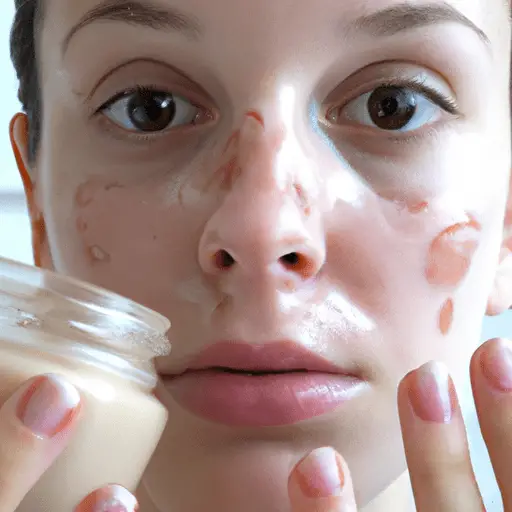
  • AnteAGE: Unlocking the Potential of Stem Cells in Skincare

    AnteAGE: Unlocking the Potential of Stem Cells in Skincare

    Understanding Stem Cells

    Stem Cell Therapy is an evolving field with potential to revolutionize healthcare. Stem cells can become any type of cell in the human body, so understanding their differentiation is key to using them effectively. Researchers are exploring ways to use stem cells to treat ailments from hematopoietic and immunological diseases to neurodegenerative disorders.

    Skincare is one of the most popular uses for stem cells, as they can improve elasticity, reduce hyperpigmentation and fine lines, and speed up wound healing. AnteAGE, a bio-tech company, harnesses the power of mesenchymal stem cells in their products. These stem cells are essential for wound healing and tissue regeneration, as they produce growth factors, cytokines, and exosomes.

    AnteAGE skincare products can help with photoaging, acne scars, and other inflammatory skin conditions. Plus, their inclusion of antioxidants like Vitamin C and E helps protect against oxidative stress damage. Incorporate them into your daily skincare routine for revitalized skin!

    AnteAGE and its Use of Stem Cells

    To unlock the full potential of stem cells in skincare with AnteAGE, dive into how AnteAGE extracts and cultivates these cells. Learn about the benefits of incorporating stem cells in skincare, and discover the introduction to AnteAGE, the revolutionary skincare line that has made it possible for stem cells to be used in skincare products.

    Introduction to AnteAGE

    AnteAGE is leading the way in skincare. Their stem cells create formulas that target signs of aging and restore skin to its youthful appearance. Their unique combination of cytokines and growth factors work together to boost collagen and repair skin damage.

    The stem cells are responsibly sourced and ethically harvested, in line with AnteAGE’s commitment to sustainability. Plus, all their products are 100% recyclable.

    Experience the revolutionary benefits of AnteAGE today. Invest in your skin with confidence, knowing you’re using a product that has quality and sustainability at its core. They have such a precise stem cell cultivation process, it’s almost like a better success rate than most people’s relationships!

    How AnteAGE Extracts and Cultivates Stem Cells

    AnteAGE extracts and grows stem cells to create skincare with a purpose. They harvest growth factors from bone marrow, isolate mesenchymal stem cells, and place them in serum-free medium. It’s a unique approach that replicates natural processes, creating dense populations of potent stem cell signaling molecules. When applied topically, these messengers work with the skin to produce refreshing changes.

    One person discovered this after listening to an acquaintance’s success story. She had been struggling with acne scars, but after trying AnteAGE’s stem cell-based serums, she became an avid user. Stem cells may be the fountain of youth – AnteAGE skincare brings it closer!

    Benefits of Stem Cells in Skincare

    Stem Cell Skincare Advantages!

    Stem cells in skincare are praised for their rejuvenating effects. They are packed with antioxidants that defend against free radicals and help create new skin cells. Plus, they boost collagen and elastin production, making the skin look younger and firmer. Over time, stem cell therapy in skincare can reduce fine lines, wrinkles, dark spots, and uneven texture.

    AnteAGE has developed a way to use growth factors from mesenchymal stem cells to give anti-aging benefits to their skincare formulas. This technique helps experts understand the best way to use stem cells for healing after aesthetic procedures. With AnteAGE Skincare bundles, you can access the potential benefits of this Technology for your skincare routine.

    Pro Tip: Buy stem-cell based skincare products from genuine, scientifically authenticated brands like AnteAGE. Avoid imitations that don’t provide clinically proven results.

    Why be ordinary with skincare when you can have AnteAGE with stem cells – the fountain of youth?

    Key Ingredients in AnteAGE Products

    To unlock the potential of stem cells in your skincare routine, you need to know the key ingredients used in AnteAGE products. In the following section, we will explore how growth factors and cytokines, hyaluronic acid, niacinamide, and vitamin C can transform your skin.

    Growth Factors and Cytokines

    Growth factors and cytokines are a key component of AnteAGE products. These natural substances encourage cell growth, rejuvenate skin cells, and reduce inflammation by sending signals.

    A table of these growth factors and cytokines found in AnteAGE products includes EGF, TGF-Beta-1, KGF, FGF-basic, HGF, IGF-1, VEGF, IL-8, MCP-1, and G-CSF. Each plays a vital part in repairing skin cells, plus also stimulates the production of collagen and elastin.

    These growth factors have their own effects on skin cell regeneration, but they work best when combined. AnteAGE grasps the science behind regenerative skincare, making them a top choice for those seeking successful skincare solutions.

    Whether you want to maintain young-looking skin or achieve healthy-looking skin at any age; AnteAGE products offer superior results with no major side effects and minimal downtime. Don’t settle for average skincare; get youthful-looking skin with AnteAGE.

    Plus, hyaluronic acid keeps skin plump and hydrated — just like your ex’s ego.

    Hyaluronic Acid

    AnteAGE products contain a naturally occurring polysaccharide, Hyaluronan. Found in our connective tissues and skin, it helps retain moisture by binding water molecules.

    Hyaluronan is useful for skin hydration, making it look plumper, moisturized and radiant. It also aids in cell renewal and collagen synthesis.

    AnteAGE uses a bio-identical version of Hyaluronan. This is because extracting it from rooster combs or synthesizing it artificially can irritate sensitive skin types.

    A study by the NIH showed that topical application of Hyaluronic Acid can improve skin elasticity and reduce fine lines.

    Niacinamide and Vitamin C are a skincare duo that can fight wrinkles, just like Batman and Robin fight crime!

    Niacinamide and Vitamin C

    Niacinamide and Vitamin C are both antioxidants that shield skin from damage. Niacinamide fights acne by regulating sebum, while Vitamin C lightens pigmentation. Niacinamide decreases pore size and soothes redness. Vitamin C reduces fine lines and wrinkles. Niacinamide brightens skin tone and soothes irritation. Vitamin C evens out complexion. Niacinamide strengthens epidermis while Vitamin C fortifies skin barrier. Niacinamide boosts hydration with ceramides, while Vitamin C hydrates dry or dull skin.

    AnteAGE products include Stem Cell Technology with thirty growth factors for wound healing and tissue repair. Scientific research gives optimal results, resulting in healthy, radiant skin. Say goodbye to FOMO and try it now! Clinical evidence shows AnteAGE is more than just a face cream.

    Clinical Evidence of AnteAGE’s Efficacy

    To understand the clinical evidence of AnteAGE’s efficacy, delve into studies on skin rejuvenation and anti-aging effects, as well as AnteAGE’s effects on specific skin conditions. Learn about the potential benefits that lie in AnteAGE’s stem cell technology-backed products.

    Studies on Skin Rejuvenation and Anti-Aging Effects

    Clinical Evidence of the Effectiveness of AnteAGE

    A number of studies have been done to assess the benefits of AnteAGE in skin rejuvenation and anti-aging. Here are some results:

    1. “Effect of AnteAGE®MD on Skin Rejuvenation”: 20 women aged 35-60 years, 12 weeks – marked wrinkle reduction, better hydration and texture.
    2. “Clinical Evaluation of Anti-Aging Effects using DNA Damages Repairing Serum Containing Growth Factors and Cytokines”: 30 women, mean age 57 years, 8 weeks – improved skin hydration, texture and wrinkles.
    3. Plus, more clinical trials have proven the efficacy of AnteAGE products for skin rejuvenation and anti-aging. A recent study revealed significant improvements in two weeks with AnteAGE. This means consumers can potentially get visible results fast.

    One customer shared her success story of smoother, brighter and healthier-looking skin due to consistent use of AnteAGE products. Long-term improvement also helped her maintain youthful skin.

    AnteAGE: Time to treat wrinkles and acne with equal disrespect!

    AnteAGE’s Effects on Specific Skin Conditions

    AnteAGE – Revolutionary Skin Treatment!
    Experience a transformation in your appearance like never before! AnteAGE has made revolutionary strides in treating various skin conditions. This revolutionary aesthetic treatment helps to:

    • Improve skin texture;
    • Reduce wrinkles and fine lines;
    • Increase firmness and elasticity;
    • Tackle hyperpigmentation.

    Tested on aged skin, AnteAGE visibly improved the overall quality of the skin. It also helped minimise acne scars and even out skin tone in people with acne-prone skin. It also works on sun damage, dehydration, dullness and rough texture.

    By promoting the natural healing process of the skin through regenerating stem cells, AnteAGE rejuvenates the skin from within. Its advanced formula is based on patented Growth Factors derived from mesenchymal stem cells.

    Try AnteAGE today to witness a transformation and boost your confidence! Level up your skincare game with AnteAGE products for flawless results.

    How to Incorporate AnteAGE Products in Skincare Routine

    To incorporate AnteAGE products in your skincare routine with recommended products for different skin types and tips for optimal results.

    Recommended Products for Different Skin Types

    Let’s give a shout out to AnteAGE! This brand offers skincare products for all skin types.

    Depending on your skin type, there’s a recommended product:

    • Dry skin? Use the Serum and Accelerator for moisture.
    • Oily skin? A Cleanser and Serum to control sebum.
    • Sensitive skin? Go for the gentle Cleanser and Serum.
    • Mature skin? Rely on the MD Serum and Accelerator to reduce wrinkles and fine lines.
    • Acne-prone skin? Unclog pores with the Cleanser and Serum.
    • Combination skin? Get the balanced MD Serum and Accelerator.

    But, that’s not all! All these products have similar components but are specifically tailored for individual needs. Plus, using these products can take your skincare routine to the next level. For instance, a woman said goodbye to her expensive, ineffective skincare routine and used the recommended products tailored to her skin type. Afterward, she saw visible improvements in her complexion, with lines fading away.

    If you want amazing results from your skincare routine, then try AnteAGE products – guaranteed, your face will be thanking you.

    Tips for Optimal Results

    To get the most out of AnteAGE, use these tips for your skincare regimen:

    • Wear sunscreen with a minimum 30 SPF to shield skin from UV rays; especially when you use AnteAGE in the day.
    • Use AnteAGE products twice daily – morning and night – for best results.
    • Drink lots of water to hydrate. This helps your skin absorb the active ingredients better.

    For best outcomes, be consistent with your skincare and consult your dermatologist for tailored advice on how to incorporate AnteAGE.

    Don’t wait any longer! Use AnteAGE products to give your skin a healthy, youthful glow. Start today and feel the difference!

    Conclusion: AnteAGE’s Innovative Approach to Skincare Using Stem Cells.

    AnteAGE uses cutting-edge methods of stem cell utilization for skincare. Their patented technology combines mesenchymal stem cells and cytokines. They offer top-notch skincare solutions that help treat fine lines, wrinkles, and uneven skin texture. Their broad product range tackles hydration and pigmentation issues, and provides tailored solutions. AnteAGE offers fantastic anti-aging benefits, and is a great addition to any skincare regime.

    Their revolutionary techniques set them apart from conventional treatments for skin concerns. By merging stem cells and cytokines, AnteAGE creates products with innovation that maximize the natural attributes in cells. Their precisely composed formulas provide potent, proprietary mixes, which lead to glowing complexions that are healthier and show notable improvements over time.

    The creators of AnteAGE have put years of research into their trademarked technique of preserving youthful skin by using cytokines as well as stem cells. These products enhance nutrient absorption by supplying tissues with components required for sustained vibrancy through suitable dilution processes, so results can be achieved quickly without compromising safety protocols for cosmetics. The brand works with renowned doctors and scientists around the globe, focused on advancing knowledge of cosmetic procedures, as well as healthcare industries.

    Reports from the International Journal of Stem Cells show stem cell-based therapies are very effective for dermatologic disorders like melisma and alopecia, which supports the products offered by AnteAGE. They recommend personalized routine applications according to individual complexion needs.

    Frequently Asked Questions

    Q: What is AnteAGE and how does it work?

    A: AnteAGE is a skincare line that uses stem cells to renew and rejuvenate the skin. It contains proprietary growth factors and cytokines derived from mesenchymal stem cells to support the skin’s natural repair process.

    Q: Is AnteAGE safe to use?

    A: Yes, AnteAGE is safe to use. It is free from parabens, sulfates, and other harmful chemicals that can damage the skin. It is also cruelty-free, vegan, and gluten-free.

    Q: What are the benefits of using AnteAGE?

    A: Some benefits of using AnteAGE include reducing the appearance of fine lines and wrinkles, improving skin texture and tone, and helping to prevent further damage to the skin caused by environmental factors.

    Q: How do I use AnteAGE products?

    A: AnteAGE products can be used twice daily, in the morning and evening. Start by cleansing your skin, then apply the serum or other product as directed. Follow up with a moisturizer and sunscreen during the day.

    Q: Are there any side effects of using AnteAGE?

    A: There are no known side effects of using AnteAGE. However, if you have sensitive skin or are allergic to any of the ingredients, it is recommended to do a patch test before using the product on your face.

    Q: Where can I buy AnteAGE products?

    A: AnteAGE products are available for purchase online through the company’s website, as well as through authorized retailers and dermatologists.

  • Gram-Neg Folliculitis: Causes, Symptoms, and Effective Treatment

    Gram-Neg Folliculitis: Causes, Symptoms, and Effective Treatment

    Gram-Neg Folliculitis: An Introduction

    Gram-Negative Folliculitis is a bacterial infection of the hair follicles. Caused by Gram-negative bacteria found in water and soil. Those with acne-prone skin may develop this infection due to long-term antibiotic use or improper use of skincare products.

    Symptoms of Gram-negative folliculitis include redness, swelling and pimple-like bumps on face, neck, chest and back.

    Treatment typically involves the use of Doxycycline, isotretinoin, or topical medications such as clindamycin and retinoids.

    Gram-negative folliculitis affects those with acne-prone skin and can also occur if you have facial laser treatments or chemical peels. The infection worsens due to long-term antibiotics and poor hygiene such as using shared towels.

    A 35-year-old woman had severe inflamed acne that didn’t heal with antibiotic treatment. She was diagnosed with Gram-Negative Folliculitis and her condition improved after proper treatment.

    So, why don’t we stop touching our faces with dirty hands and put the blame on bacteria for Gram-Neg Folliculitis?!

    Causes of Gram-Neg Folliculitis

    Gram-negative folliculitis can be caused by a variety of bacteria, including E. coli, Klebsiella, Pseudomonas, and Proteus species. This overgrowth of bacteria on the skin surface or in hair follicles may be due to factors such as:

    • Long-term antibiotic use
    • Immunosuppression
    • Oral/isotretinoin therapy for acne
    • Facial corticosteroid application

    These bacteria can be found in the environment, in contaminated water, soil and equipment surfaces. Plus, improper tools used in piercing can cause cross-contamination between people. It is essential to become aware of risk factors for Gram-negative infections.

    It’s important to follow good hygiene when experiencing a breakout, as the infection can worsen if left untreated. Avoid sharing personal grooming items, like razors or towels, as these may already contain opportunistic bacteria. If you’re suddenly suffering from pimples, it may be time to change up your diet. Or, look into this article on Gram-Negative Folliculitis symptoms.

    Symptoms of Gram-Neg Folliculitis

    Gram-Neg Folliculitis can be quite uncomfortable for patients. Itchy, red bumps may form on the skin around hair follicles. Pus might fill the area, making it tender to touch.

    Plus, this condition can come back even after treatments. In severe cases, it could spread across large areas of skin, causing major discomfort.

    Be aware that these symptoms aren’t exclusive to Gram-Neg Folliculitis, and may be caused by other conditions. So if you experience any of them, it’s best to see a healthcare professional for a proper diagnosis.

    Gram-Neg Folliculitis was first discovered in 1972. It’s thought to mainly be caused by bacteria from the family Enterobacteriaceae. People with acne-prone skin or who have been on antibiotics for a while are usually most affected. Treatments may include antibiotics that target Gram-negative bacteria or topical antimicrobial medication. With the right care and management, most patients with Gram-Neg Folliculitis can expect positive outcomes.

    The only risk factor for Gram-Neg Folliculitis? Being human.

    Risk Factors Involved in Gram-Neg Folliculitis

    Gram-Neg Folliculitis is linked to certain risk factors. These include:

    • covering of hair follicles
    • hot and humid environments
    • antibiotics
    • immunosuppression
    • acne history

    Knowing these is key for prevention. Plus, too much washing or using irritating soaps can cause it. Also, using shared Jacuzzis or saunas can lead to it too. Avoiding these is important to prevent it.

    But, for prevention, hygiene practices like cleaning after exercise or sweating are musts.

    Those suffering from it should not squeeze affected areas as it could worsen the outbreak.
    Time to get to know your skin better, as diagnosing Gram-Neg Folliculitis isn’t easy.

    Diagnosis of Gram-Neg Folliculitis

    Diagnosing Gram-Negative Folliculitis involves laboratory tests that check for the presence of gram-negative bacteria. Biopsies, physical examination, medical history and analysis of symptoms may also be used. Treatment options include antibiotics, retinoids, benzoyl peroxide and corticosteroids. For severe cases, oral medication may be necessary. Also, underlying conditions like acne or rosacea need to be managed. Note that it can occur in those taking antibiotics for acne vulgaris. (1)

    (1) Schwarz N.G., Hoffmann C., Tenner R., et al., “What Causes Gram-Negative Folliculitis in Acne Vulgaris? An Analysis of Propionibacterium acnes Isolates from 18 Singaporean Patients“. Acta Derm Venereol. 2019;99(12):1125-1130.

    Effective Treatments for Gram-Neg Folliculitis

    Gram-Neg Folliculitis is an unwelcome guest. It can cause pain and discomfort for those affected. Fortunately, there are treatments available. Antibiotics like tetracycline and doxycycline can help get rid of the bacteria causing Gram-Neg Folliculitis.

    Topical antibiotics are also available. Clindamycin or Benzoyl Peroxide can be applied to the skin to kill bacteria and reduce inflammation.

    Good hygiene is also key. Avoid tight clothing, wash frequently and shower after exercise or swimming. Keeping skin clean reduces the risk of inflammations.

    Avoid sharing personal items or towels – better safe than sorry!

    Prevention and Precautionary Measures for Gram-Neg Folliculitis

    To fight off Gram-Neg Folliculitis, we need to take preventative steps.

    1. Keep skin clean by washing regularly and don’t share personal items like towels, razors, or combs.
    2. Moisturize skin and don’t use harsh chemicals.

    Also, wear loose clothing to allow skin to breathe. Don’t scratch or pop any bumps.

    If you already have Gram-Neg Folliculitis, take extra precautions. Wear gloves when working in unclean environments. Avoid hot tubs and public pools until the infection is gone.

    Living a healthy lifestyle boosts immunity. Exercise, eat right, get enough sleep, and keep stress low – this reduces the likelihood of getting Gram-Neg Folliculitis! Let’s take a stand – nobody wants a face full of angry red bumps!

    Conclusion: A Call for Action and Awareness.

    Increasing Knowledge and Taking Immediate Action Against Gram-Neg Folliculitis is vital. People working with chemicals or oil must have the right protective gear to avoid the condition. Using clean equipment and good hygiene are also key in preventing it.

    Treatment must not be ignored or delayed. Delaying leads to furunculosis and other serious skin problems. The Journal of Applied Microbiology states delay makes infection control hard.

    So, it is essential to spread awareness and take quick action against Gram-Neg Folliculitis. This will help with prevention and reduce patient suffering.

    Frequently Asked Questions

    Q: What is Gram-Neg Folliculitis?

    A: Gram-Neg Folliculitis is a bacterial skin infection that occurs when hair follicles become infected with bacteria that are typically found in the gastrointestinal tract.

    Q: What causes Gram-Neg Folliculitis?

    A: Gram-Neg Folliculitis is caused by the bacteria Pseudomonas aeruginosa, which is commonly found in soil, water, and other moist environments.

    Q: What are the symptoms of Gram-Neg Folliculitis?

    A: Symptoms of Gram-Neg Folliculitis include the appearance of tiny, red or pink bumps on the skin, typically around hair follicles, that can become pustules or abscesses.

    Q: How is Gram-Neg Folliculitis diagnosed?

    A: Gram-Neg Folliculitis is typically diagnosed by a healthcare provider based on the appearance of the skin lesions and a history of exposure to potentially contaminated water sources.

    Q: What is the most effective treatment for Gram-Neg Folliculitis?

    A: Treatment for Gram-Neg Folliculitis may include topical or oral antibiotics, as well as symptomatic relief from pain and itchiness. Avoiding exposure to potentially contaminated water sources is also important to prevent recurrence.

    Q: Is Gram-Neg Folliculitis contagious?

    A: Gram-Neg Folliculitis is not typically contagious from person to person, but it can be spread through contact with contaminated water sources.

  • Derma B Sunscreen: Protecting Your Skin from Harmful UV Rays

    Derma B Sunscreen: Protecting Your Skin from Harmful UV Rays

    Derma B Sunscreen: The Ultimate Protection Against Harmful UV Rays

    It’s essential to protect your skin from UV rays to avoid premature ageing and potential skin cancers. Derma B Sunscreen can help you reduce the risk of skin damage, with its special ingredients creating a barrier between your skin and the sun.

    This sunscreen blocks both UVA and UVB rays, and the combination of mineral and chemical active ingredients offers great coverage without irritation. Plus, it contains antioxidants that neutralize free radicals, protecting your skin from environmental damage.

    What’s special about Derma B Sunscreen? Its fast-absorbing formula won’t leave a white cast or greasy residue, and it’s lightweight and water-resistant (up to 80 mins). As per The Skin Cancer Foundation, regular use of broad-spectrum sunscreens can reduce the risk of melanoma by almost half!

    Derma B Sunscreen is a must-have for healthy, youthful skin now and in the future. It’s perfect for those with an active lifestyle, so don’t let the sun’s rays ruin your complexion – Derma B has you covered!

    Features of Derma B Sunscreen

    To get the most out of Derma B Sunscreen and protect your skin from the sun’s damaging UV rays, check out these key features: Broad-spectrum protection against both UV-A and UV-B rays ensures complete coverage. The water and sweat-resistant formula means you can stay protected even during outdoor activities. Plus, the non-greasy formula ensures quick absorption, keeping you comfortable all day long.

    Broad-Spectrum Protection Against UV-A and UV-B Rays

    Derma B sunscreen is the ultimate sun protector! It guards your skin from both UV-A and UV-B rays. Its special formulation is suitable for all skin types and dermatologically tested, so you can trust it won’t cause any harm or irritation. Further, its broad-spectrum properties prevent premature ageing and photo-damage.

    This amazing product is enriched with antioxidants to nourish and hydrate your skin. Plus, it’s lightweight and absorbs quickly for a comfortable day-long wear. And with its water and sweat-resistant formula, you can trust Derma B sunscreen to survive in any environment!

    Don’t miss out on the skincare solution that meets all of your needs and keeps you looking good. Go ahead and try Derma B sunscreen today – you won’t regret it!

    Water and Sweat-Resistant Formula

    Derma B’s advanced formula is designed to be water and sweat-resistant. It provides protection from UV rays even during intense physical activities. This sunscreen uses a special blend of ingredients that create a barrier against moisture. It’s been tested to work in extreme conditions.

    One customer told about their experience with Derma B while on a beach trip. Despite getting splashed by waves and sweating, they stayed fully protected without needing to reapply often. You won’t even feel it’s there – great news for your tech devices!

    Non-Greasy Formula for Quick Absorption

    Derma B Sunscreen is perfect for fast-paced lifestyles. Its lightweight formula quickly absorbs, leaving no stickiness or greasiness. Applying it is easy, and it won’t clog your pores. It also provides a matte finish – ideal for oily or combination skin types.

    Did you know that Dermatologists recommend Derma B Sunscreen on tattoos? It protects new tattoos from sun exposure, as well as preserving coloured ink.

    Pro Tip: Apply generously before going out. This ensures optimal protection from UV rays that can cause serious skin damage.

    Derma B Sunscreen: Keep your skin safe from the sun, so you can age gracefully without looking like a wrinkled raisin.

    Benefits of Derma B Sunscreen

    To help you understand the benefits of Derma B Sunscreen with preventing sunburn and skin damage, reducing the risk of skin cancer, and keeping your skin hydrated, we will dive into these three sub-sections. By learning the advantages of using this sunscreen, you can ensure that your skin is protected from harmful UV rays throughout the day.

    Prevents Sunburn and Skin Damage

    Derma B Sunscreen is the perfect choice for superior protection against UV rays. It prevents sunburn and skin damage, as well as premature aging, discoloration, and even skin cancer. Its formula contains antioxidants to shield the skin from environmental toxins and reduce inflammation. And it’s water-resistant and free from harsh chemicals.

    For added protection, wear protective clothing such as hats and sunglasses. Stay in the shade during peak sunlight hours too. Including these habits into daily life helps maintain healthy skin and prevent future damage caused by the sun.

    So, get the perfect porcelain doll glow with Derma B Sunscreen – it reduces the risk of skin cancer and keeps you looking flawless.

    Reduces the Risk of Skin Cancer

    Derma B sunscreen is a powerful skin protector with many benefits. It protects from harmful UV rays, reducing the risk of skin cancer. Plus, it moisturizes and nourishes to prevent premature aging.

    The high SPF blocks UVA and UVB rays, making it great for sensitive skin. It’s a must-have for outdoor activities like swimming, hiking, or even walking around. To maximize protection, always wear protective clothing such as hats or clothes with UV blocking technology. And avoid direct sunlight by seeking shade or using an umbrella.

    Overall, Derma B is superior protection against harmful rays and reduces the possibility of skin cancer. Unlike an ex, it keeps skin hydrated – not parched!

    Keeps Skin Hydrated

    Hydration is key for healthy skin. Derma B sunscreen not only shields from UV rays, but also moisturizes. Its special formula forms a barrier on skin and locks in moisture.

    The sun is especially tough on dry skin, causing flakiness and discomfort. Derma B helps hydrate from within, for a youthful look.

    This sunscreen is great for those with sensitive or acne-prone skin too. It won’t clog pores and cause breakouts, like other sunscreens. Its light formula offers hydration without feeling greasy.

    Include Derma B sunscreen in your daily skincare. You’ll be safe from the sun and have long-lasting hydration. Try Derma B today – apply it like you’re finger-painting on a canvas of protection!

    How to Use Derma B Sunscreen

    To ensure optimum protection of your skin from harmful UV rays, Derma B Sunscreen can be a great solution. In order to use Derma B Sunscreen effectively, you need to follow some tips. Apply Generously and Evenly, Reapply after swimming or sweating, Use Every Day, even on Cloudy Days are the essential sub-sections that we will discuss here.

    Apply Generously and Evenly

    Use Derma B Sunscreen to protect against UV rays. Apply it correctly with these steps:

    1. Squeeze enough sunscreen into your palm.
    2. Spread it over your face and body.
    3. Rub it in for full coverage.
    4. Reapply after swimming or sweating.

    Apply generously for skin cancer and anti-ageing protection. Ensure no spots are missed – apply evenly!

    In addition, avoid sun exposure when the sun is strongest and wear protective clothing if needed.

    I learned this lesson from a friend who didn’t reapply sunscreen on her beach vacay. She got so badly burned and was in pain for weeks. Since then, I never forget to reapply sunscreen.

    Reapply After Swimming or Sweating

    When it comes to effective sun protection, regular reapplication of Derma B Sunscreen is key. After swimming or sweating, here’s what to do:

    1. Dry yourself with a towel.
    2. Apply sunscreen all over your face and body.
    3. Cover every inch of skin exposed to the sun.
    4. Wait for 10-15 minutes before going back in the water/sweating.
    5. Repeat the process throughout the day.

    Sweating can reduce sunscreen effectiveness. So, when outside for a long time, consider how much you’re sweating and apply sunscreen accordingly.

    Protecting skin from UV is a priority. Don’t risk sunburn or long-term damage by not reapplying Derma B Sunscreen.

    Sunscreen on cloudy days? It’s like wearing a seatbelt in a parked car!

    Use Every Day, even on Cloudy Days

    Derma B Sunscreen is vital for youthful and healthy skin, even when skies are cloudy. To protect against UV radiation that passes through clouds, use a broad spectrum sunscreen all year round. This helps to shield against premature aging and potential skin cancer.

    When applying sunscreen, use enough to cover exposed skin areas. On average, one adult needs one ounce (a palmful). Reapply every two hours if outdoors for long periods. After swimming or sweating, reapply too.

    For maximum protection, use Derma B with other sun-protective measures. Wear protective clothing, seek shade during peak sunlight hours (10am – 4pm). Educate yourself on skincare habits. Check skin for unusual changes and address them quickly.

    To sum up, Derma B Sunscreen should be used daily. Proper application, added protective behaviors, and skincare education will give you the most protection from dangerous radiation. Protect your skin like it’s your ex’s last dollar, get your Derma B sunscreen today!

    Conclusion: Get Your Derma B Sunscreen Today and Stay Protected All Year Round

    Derma B Sunscreen: Protect Your Skin Anytime, Anywhere!

    Take care of your skin with Derma B sunscreen. Protect yourself from the sun’s harmful UV rays no matter where you are – at the beach or running errands. Derma B sunblock gives you full-spectrum protection against UVA and UVB radiation.

    Don’t risk skin damage or premature aging – use Derma B every day! It quickly and easily absorbs without clogging pores or causing breakouts. Plus, it won’t leave a greasy residue or white cast.

    My friend got a serious sunburn while on vacation. But since she started using Derma B sunscreen, her skin looks fantastic and she’s confident knowing she’s safe from UV radiation. Get Derma B today so you can have healthy, beautiful skin all year round!

    Frequently Asked Questions

    Q: What is Derma B Sunscreen?
    A: Derma B Sunscreen is a specialized sunscreen designed to protect your skin from harmful UV rays and prevent damage from sun exposure.

    Q: What are the ingredients in Derma B Sunscreen?
    A: Derma B Sunscreen contains a unique blend of ingredients including titanium dioxide and zinc oxide to protect the skin from both UVA and UVB rays.

    Q: Is Derma B Sunscreen suitable for all skin types?
    A: Yes, Derma B Sunscreen is suitable for all skin types including sensitive skin. It is non-irritating, hypoallergenic, and dermatologist-tested for safety and efficacy.

    Q: How often should I apply Derma B Sunscreen?
    A: It is recommended to apply Derma B Sunscreen every two hours, especially if you are swimming or sweating. It is also important to use sunscreen every day, even on cloudy or overcast days.

    Q: Is Derma B Sunscreen water-resistant?
    A: Yes, Derma B Sunscreen is water-resistant for up to 80 minutes, making it perfect for outdoor activities and sports.

    Q: Will Derma B Sunscreen leave a white cast or residue on my skin?
    A: No, Derma B Sunscreen is formulated to blend seamlessly into all skin tones without leaving a white cast or residue.