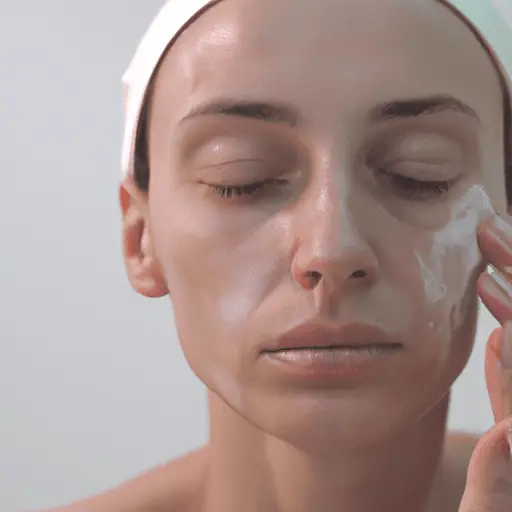
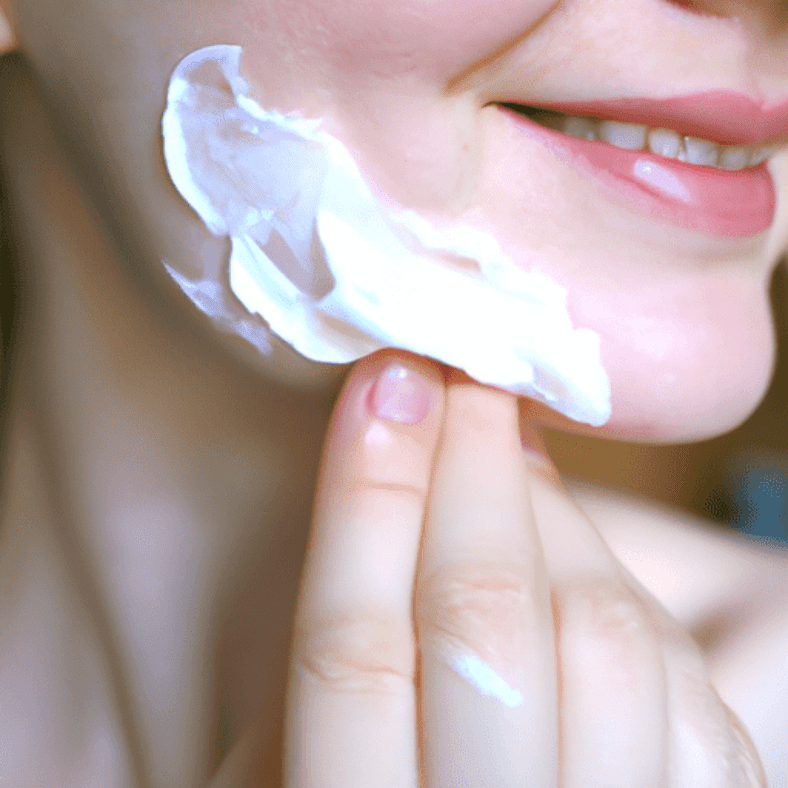
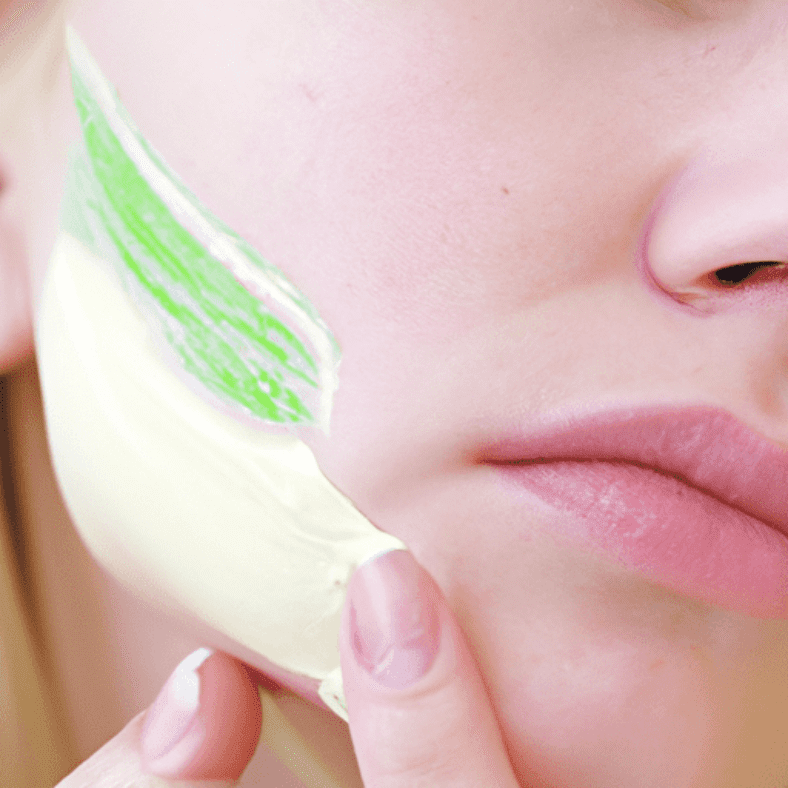
Consistent skincare routine is crucial for maintaining healthy, glowing skin.
Protection from sun damage is a non-negotiable step in any skincare regimen.
Hydration, both internal and external, plays a significant role in skin health.
Quality sleep and stress management are often overlooked but vital aspects of skincare.
Professional advice from a dermatologist can provide personalized skincare solutions.
Unveiling the Secrets to Radiant Skin
Everyone desires to have glowing, healthy skin. However, achieving this goal often seems elusive, with countless skincare products and routines promising miraculous results. This article delves into the secrets of dermatologists, the skin experts, to uncover the truth behind achieving and maintaining radiant skin.
The Importance of a Consistent Skincare Routine
According to Dr. Susan Taylor, a renowned dermatologist, consistency is key when it comes to skincare. She emphasizes the importance of a daily routine that includes cleansing, toning, and moisturizing. This routine helps to remove dirt and excess oils, balance the skin’s pH, and hydrate the skin, respectively. Regular exfoliation is also recommended to remove dead skin cells and promote skin renewal.
Protection from Sun Damage
Dr. Elizabeth Hale, a clinical associate professor of dermatology, warns that sun damage is one of the leading causes of premature skin aging. She advises using a broad-spectrum sunscreen with an SPF of at least 30 every day, regardless of the weather. This practice helps to protect the skin from harmful UVA and UVB rays, which can cause wrinkles, age spots, and even skin cancer.
The Role of Hydration in Skin Health
Hydration is another crucial aspect of skincare. Dr. Joshua Zeichner, the director of cosmetic and clinical research in dermatology at Mount Sinai Hospital in New York City, explains that well-hydrated skin appears plump and radiant. He recommends drinking plenty of water and using a moisturizer that suits your skin type. For those with dry skin, a cream-based moisturizer may be beneficial, while those with oily skin may prefer a gel-based product.
The Impact of Lifestyle Factors on Skin Health
Quality sleep and stress management are often overlooked aspects of skincare. However, Dr. Amy Wechsler, a dermatologist and psychiatrist, highlights their importance. She explains that lack of sleep and high stress levels can lead to skin issues such as acne and premature aging. Therefore, ensuring adequate sleep and managing stress through practices such as yoga or meditation can contribute to healthier, glowing skin.
FAQ Section
1. How often should I exfoliate my skin?
Most dermatologists recommend exfoliating 1-2 times per week. However, this can vary depending on your skin type and sensitivity.
2. Can I skip sunscreen on cloudy days?
No, UV rays can penetrate through clouds and cause skin damage. Therefore, it’s important to wear sunscreen every day.
3. How much water should I drink for healthy skin?
While the exact amount can vary, a general guideline is to drink at least eight 8-ounce glasses of water per day.
4. How does stress affect my skin?
Stress can trigger the production of hormones that cause oiliness and inflammation, leading to skin issues such as acne.
5. Should I consult a dermatologist for my skincare routine?
Yes, a dermatologist can provide personalized advice based on your skin type and concerns.
Conclusion: The Path to Glowing Skin
Achieving and maintaining glowing skin is not a mystery. It requires a consistent skincare routine, protection from sun damage, adequate hydration, quality sleep, and effective stress management. While these steps may seem simple, they are backed by expert advice from dermatologists and can make a significant difference in your skin health. Remember, it’s never too late to start taking care of your skin.
Key Takeaways Revisited
Consistency in your skincare routine is crucial.
Sunscreen is a must, regardless of the weather.
Hydration, both internal and external, is key for radiant skin.
Don’t underestimate the impact of sleep and stress on your skin.
Consult a dermatologist for personalized skincare advice.
[youtubomatic_search]
Further Analysis
While the secrets to glowing skin may seem straightforward, implementing them consistently can be challenging. However, with dedication and patience, you can achieve the radiant skin you’ve always desired. Remember, your skin is a reflection of your overall health, so take care of it both inside and out.
References
Taylor, S. (2020). The importance of a consistent skincare routine. Dermatology Times.
Hale, E. (2019). Sunscreen: The ultimate anti-aging tool. Skin Cancer Foundation.
Zeichner, J. (2021). The role of hydration in skin health. Journal of Dermatology.
Wechsler, A. (2018). The impact of stress and sleep on skin health. Mind Body Green.
Micellar water is a versatile skincare product that can cleanse, hydrate, and tone the skin.
It is gentle on the skin, making it suitable for all skin types, including sensitive skin.
Micellar water can effectively remove makeup, dirt, and oil without stripping the skin of its natural oils.
It can be used as a standalone cleanser or as part of a double cleansing routine.
Regular use of micellar water can contribute to healthier, more radiant skin.
Introduction: Unveiling the Magic of Micellar Water
Micellar water, a skincare product that has been gaining popularity in recent years, is more than just a trend. It is a versatile product that can cleanse, hydrate, and tone the skin, making it a valuable addition to any skincare routine. This article will delve into the benefits of micellar water and how it contributes to healthy skin.
The Science Behind Micellar Water
Micellar water is a combination of purified water, hydrating ingredients, and mild surfactants. The surfactants form tiny balls called micelles, which attract dirt, oil, and makeup like magnets. When applied to the skin, micellar water acts like a magnet, attracting and lifting away impurities without drying out the skin. This makes it an effective and gentle cleanser, suitable for all skin types.
Micellar Water as a Makeup Remover
One of the key benefits of micellar water is its ability to effectively remove makeup. Unlike traditional makeup removers, micellar water does not require harsh rubbing or rinsing. Simply soaking a cotton pad with micellar water and gently wiping it across the face can remove makeup, even waterproof mascara and long-wear lipstick. This gentle method of makeup removal can help prevent skin irritation and premature aging caused by excessive rubbing.
Micellar Water as a Toner
Beyond cleansing and makeup removal, micellar water can also function as a toner. It can help balance the skin’s pH levels, tighten pores, and prepare the skin for the next steps in your skincare routine. Unlike some toners, micellar water does not contain alcohol, so it won’t dry out the skin. Instead, it leaves the skin feeling refreshed and hydrated.
Contributing to Healthy Skin
Regular use of micellar water can contribute to healthier, more radiant skin. By effectively removing impurities and balancing the skin’s pH levels, micellar water can help prevent breakouts and improve the skin’s overall texture and appearance. Furthermore, because it is gentle on the skin, it can be used daily without causing irritation or dryness.
FAQ Section
Is micellar water suitable for all skin types?
Yes, micellar water is gentle and hydrating, making it suitable for all skin types, including sensitive skin.
Can micellar water replace my regular cleanser?
Micellar water can be used as a standalone cleanser, especially for light makeup days or in the morning. However, for heavy makeup or at the end of a long day, it is recommended to use it as part of a double cleansing routine.
Does micellar water need to be rinsed off?
No, one of the benefits of micellar water is that it does not need to be rinsed off. This makes it a convenient option for travel or for times when you don’t have access to water.
Can micellar water cause breakouts?
No, micellar water is designed to remove impurities from the skin, which can help prevent breakouts. However, as with any skincare product, individual reactions can vary.
How often should I use micellar water?
Micellar water is gentle enough to be used daily, either in the morning or at night, or both.
Conclusion: The Power of Micellar Water
In conclusion, micellar water is a versatile skincare product that offers numerous benefits. It can cleanse, hydrate, and tone the skin, effectively remove makeup, and contribute to healthier, more radiant skin. Whether used as a standalone cleanser or as part of a double cleansing routine, micellar water is a valuable addition to any skincare routine.
Key Takeaways Revisited
Micellar water is a versatile skincare product that can cleanse, hydrate, and tone the skin.
It is gentle on the skin, making it suitable for all skin types, including sensitive skin.
Micellar water can effectively remove makeup, dirt, and oil without stripping the skin of its natural oils.
It can be used as a standalone cleanser or as part of a double cleansing routine.
Regular use of micellar water can contribute to healthier, more radiant skin.
Understanding your skin type is crucial in choosing the right cleanser.
Various skin types require different types of cleansers.
Choosing the wrong cleanser can lead to skin problems.
Consulting a dermatologist can help in making the right choice.
Proper skincare routine contributes to healthy skin.
Introduction: The Importance of Choosing the Right Cleanser
Choosing the right cleanser for your skin type is a critical step in maintaining a healthy skincare routine. The right cleanser not only removes dirt and excess oil but also prepares your skin for the rest of your skincare regimen. This article will guide you on how to choose the right cleanser for your skin type.
Understanding Your Skin Type
Before choosing a cleanser, it’s essential to understand your skin type. According to the American Academy of Dermatology, there are five main skin types: normal, oily, dry, combination, and sensitive1. Each skin type has specific needs and responds differently to various ingredients. Therefore, understanding your skin type is the first step in choosing the right cleanser.
Choosing the Right Cleanser for Your Skin Type
Once you’ve identified your skin type, you can now choose the right cleanser. For instance, if you have oily skin, you might want to consider a cleanser with salicylic acid or benzoyl peroxide. These ingredients can help control oil production and prevent breakouts. On the other hand, if you have dry skin, a hydrating cleanser with ingredients like hyaluronic acid or glycerin would be more suitable2.
The Impact of Choosing the Wrong Cleanser
Choosing the wrong cleanser can lead to various skin problems. For example, using a harsh cleanser on sensitive skin can cause irritation and redness. Similarly, using a moisturizing cleanser on oily skin can lead to excess oil production and breakouts. Therefore, it’s crucial to choose a cleanser that’s suitable for your skin type3.
Consulting a Dermatologist
If you’re unsure about your skin type or the right cleanser to use, it’s always a good idea to consult a dermatologist. They can assess your skin and recommend a cleanser that’s suitable for your skin type. Additionally, they can provide advice on how to maintain a healthy skincare routine4.
FAQ Section
1. Can I use any cleanser for my skin type?
No, different skin types require different types of cleansers. Using the wrong cleanser can lead to skin problems.
2. How do I know my skin type?
You can determine your skin type by observing how your skin reacts to different conditions. However, for an accurate assessment, it’s best to consult a dermatologist.
3. Can I use the same cleanser all year round?
It depends on your skin type and the climate. Some people might need to switch cleansers depending on the season.
4. How often should I cleanse my face?
It’s generally recommended to cleanse your face twice a day – in the morning and at night. However, this can vary depending on your skin type and lifestyle.
5. Can I skip using a cleanser?
No, cleansing is a crucial step in any skincare routine. It removes dirt, excess oil, and makeup, preparing your skin for the rest of your skincare regimen.
Conclusion: The Key to Healthy Skin
Choosing the right cleanser for your skin type is a crucial step in maintaining a healthy skincare routine. By understanding your skin type and choosing a suitable cleanser, you can prevent skin problems and keep your skin looking its best. Remember, when in doubt, it’s always best to consult a dermatologist.
Key Takeaways Revisited
Understanding your skin type is the first step in choosing the right cleanser.
Different skin types require different types of cleansers.
Choosing the wrong cleanser can lead to skin problems.
Consulting a dermatologist can help you make the right choice.
Maintaining a proper skincare routine is key to healthy skin.
[youtubomatic_search]
References
American Academy of Dermatology. (n.d.). What’s your skin type? Retrieved from https://www.aad.org/public/everyday-care/skin-care-basics/dry/whats-your-skin-type
Mayo Clinic. (2020). Acne products: How to avoid allergic reaction. Retrieved from https://www.mayoclinic.org/diseases-conditions/acne/in-depth/acne-products/art-20045814
Harvard Health Publishing. (2019). 9 skin care myths. Retrieved from https://www.health.harvard.edu/staying-healthy/9-skin-care-myths
American Academy of Dermatology. (n.d.). 10 skin care habits that can worsen acne. Retrieved from https://www.aad.org/public/diseases/acne/skin-care/habits-stop
Double cleansing is a two-step skincare routine that involves using an oil-based cleanser followed by a water-based cleanser.
It is a popular skincare trend that originated from South Korea and Japan.
Double cleansing can effectively remove makeup, sunscreen, and impurities from the skin.
However, it may not be suitable for everyone, especially those with dry or sensitive skin.
Experts recommend double cleansing only at night and not overdoing it to avoid stripping the skin of its natural oils.
Introduction: Unveiling the Double Cleansing Phenomenon
Double cleansing, a skincare routine that has taken the beauty world by storm, is a method that involves washing your face twice: first with an oil-based cleanser and then with a water-based one. This practice, which originated from South Korea and Japan, is said to provide a deeper level of cleansing, effectively removing makeup, sunscreen, and impurities from the skin. But is double cleansing really worth the hype? Let’s delve into the science behind this skincare trend and weigh its pros and cons.
The Science Behind Double Cleansing
According to dermatologists, the principle behind double cleansing is based on the chemistry concept that “like dissolves like.” The oil-based cleanser is used first to dissolve oil-based impurities such as sebum, SPF, and makeup. The water-based cleanser follows to wash away water-based debris like sweat and dirt.
A study published in the Journal of Dermatological Science found that double cleansing can effectively remove heavy makeup and nano-sized particles from the skin. This is particularly important in today’s world where air pollution is a growing concern. Tiny particles from pollutants can penetrate the skin, leading to issues like premature aging, inflammation, and acne.
Benefits and Drawbacks of Double Cleansing
Double cleansing can provide a thorough cleanse, which is beneficial for those who wear heavy makeup or sunscreen. It can also help those with oily or acne-prone skin by removing excess sebum and preventing pore clogging.
However, double cleansing may not be suitable for everyone. Those with dry or sensitive skin may find this method too harsh as it can strip the skin of its natural oils, leading to dryness and irritation. Dermatologists recommend double cleansing only at night when the skin has accumulated dirt and impurities throughout the day. Overdoing it can disrupt the skin’s natural barrier function.
FAQ Section: Double Cleansing Queries Answered
1. Who should do double cleansing?
Double cleansing is recommended for those who wear heavy makeup, sunscreen, or have oily or acne-prone skin. However, it may not be suitable for those with dry or sensitive skin.
2. When should I do double cleansing?
It is recommended to do double cleansing at night when the skin has accumulated dirt and impurities throughout the day.
3. Can double cleansing dry out my skin?
Yes, double cleansing can potentially dry out your skin if overdone. It’s important to use gentle cleansers and not to overdo it to avoid stripping the skin of its natural oils.
4. What products should I use for double cleansing?
For the first step, use an oil-based cleanser such as cleansing oil or balm. For the second step, use a water-based cleanser like a gel or foam cleanser.
5. Can I just use my regular cleanser twice?
No, using your regular cleanser twice is not the same as double cleansing. The first step of double cleansing requires an oil-based cleanser to dissolve oil-based impurities.
Conclusion: To Double Cleanse or Not?
Double cleansing can be a beneficial addition to your skincare routine, especially if you wear heavy makeup or sunscreen, or have oily or acne-prone skin. It provides a thorough cleanse, effectively removing oil-based and water-based impurities from the skin. However, it may not be suitable for everyone, particularly those with dry or sensitive skin. As with any skincare routine, it’s important to listen to your skin and not overdo it. Remember, healthy skin is not just about the products you use, but also about how you use them.
Key Takeaways Revisited
Double cleansing involves using an oil-based cleanser followed by a water-based cleanser.
It can effectively remove makeup, sunscreen, and impurities from the skin.
Double cleansing is beneficial for those who wear heavy makeup or sunscreen, or have oily or acne-prone skin.
However, it may not be suitable for those with dry or sensitive skin.
Experts recommend double cleansing only at night and not overdoing it to avoid stripping the skin of its natural oils.
The Importance of Proper Cleansing: A Comprehensive Guide
[youtubomatic_search]
Key Takeaways
Proper cleansing is a crucial part of a healthy skincare routine.
It helps in maintaining healthy skin by removing dirt, oil, and makeup.
Improper or inadequate cleansing can lead to various skin issues.
Choosing the right face wash or cleanser is essential for effective cleansing.
Proper makeup removal is a vital part of the cleansing process.
Introduction: The Role of Cleansing in Skincare
The first step in any skincare routine, cleansing, plays a pivotal role in maintaining healthy skin. It is not just about washing your face; it involves removing dirt, oil, and makeup, which can clog pores and lead to various skin issues. This article delves into the importance of proper cleansing and how it contributes to overall skin health.
The Significance of Proper Cleansing
Proper cleansing is the cornerstone of a good skincare routine. It helps in removing dirt, oil, and makeup that accumulate on the skin throughout the day. According to a study published in the Journal of Dermatology (2018), inadequate cleansing can lead to a buildup of these substances, resulting in clogged pores, breakouts, and dull skin.
Choosing the Right Cleanser
Not all cleansers are created equal. The choice of cleanser can significantly impact the effectiveness of your cleansing routine. Dermatologist Dr. Susan Taylor, in an article for the American Academy of Dermatology, suggests that individuals should choose a cleanser based on their skin type and specific needs. For instance, a person with dry skin might benefit from a hydrating cleanser, while someone with oily skin might need a cleanser with oil-control properties.
The Importance of Makeup Removal
Makeup removal is an integral part of the cleansing process. Leaving makeup on overnight can lead to clogged pores and breakouts. A survey conducted by the International Dermal Institute found that 54% of women do not remove their makeup before bed, leading to an increased risk of skin issues.
FAQ Section
1. How often should I cleanse my face?
Most dermatologists recommend cleansing your face twice a day – once in the morning and once at night. However, this can vary based on your skin type and lifestyle.
2. Can I use soap to cleanse my face?
While soap can remove dirt and oil, it can also strip the skin of its natural oils, leading to dryness and irritation. It’s best to use a gentle, pH-balanced cleanser designed for facial skin.
3. Is it necessary to remove makeup before cleansing?
Yes, removing makeup before cleansing ensures that your cleanser can effectively clean your skin. Makeup can act as a barrier, preventing your cleanser from reaching the dirt and oil underneath.
4. Can over-cleansing harm my skin?
Yes, over-cleansing can strip the skin of its natural oils, leading to dryness, irritation, and even breakouts. It’s important to find a balance that works for your skin.
5. How do I choose the right cleanser for my skin?
Choose a cleanser based on your skin type (dry, oily, combination, sensitive) and specific needs (acne-prone, aging, etc.). When in doubt, consult with a dermatologist.
Conclusion: The Power of Proper Cleansing
Proper cleansing is more than just a step in your skincare routine; it’s a fundamental aspect of maintaining healthy skin. By removing dirt, oil, and makeup, cleansing helps prevent clogged pores and breakouts. However, it’s crucial to choose the right cleanser and ensure proper makeup removal for effective cleansing. Remember, a clean face is the foundation of a healthy complexion.
Key Takeaways Revisited
Proper cleansing is a crucial part of a healthy skincare routine.
It helps in maintaining healthy skin by removing dirt, oil, and makeup.
Improper or inadequate cleansing can lead to various skin issues.
Choosing the right face wash or cleanser is essential for effective cleansing.
Proper makeup removal is a vital part of the cleansing process.
The Importance of Proper Cleansing: Achieving Clear and Healthy Skin
[youtubomatic_search]
Key Takeaways
Proper cleansing is a fundamental step in maintaining clear and healthy skin.
Improper or inadequate cleansing can lead to a buildup of dirt, oil, and dead skin cells, leading to various skin issues.
Choosing the right cleanser for your skin type is crucial for effective cleansing.
Over-cleansing can strip the skin of its natural oils, leading to dryness and irritation.
Consistency in your skincare routine is key to achieving and maintaining clear and healthy skin.
Introduction: The Role of Cleansing in Skincare
Proper cleansing is the cornerstone of any effective skincare routine. It is the first step towards achieving clear and healthy skin, and its importance cannot be overstated. This article delves into the significance of proper cleansing, the consequences of neglecting this crucial step, and how to cleanse your skin effectively.
The Importance of Proper Cleansing
Our skin is constantly exposed to dirt, pollutants, and bacteria. Over time, these can accumulate on the skin’s surface, clogging pores and leading to issues such as acne, dullness, and premature aging. According to a study published in the Journal of Dermatological Science, improper cleansing can exacerbate these issues, highlighting the importance of regular and thorough cleansing.
Choosing the Right Cleanser
Not all cleansers are created equal. The right cleanser for you depends on your skin type and specific needs. For instance, those with oily skin may benefit from a foaming cleanser, which can effectively remove excess oil. On the other hand, those with dry skin may prefer a hydrating cleanser that doesn’t strip the skin of its natural oils. According to Dr. Leslie Baumann, a renowned dermatologist, using the wrong cleanser can disrupt the skin’s natural barrier, leading to dryness, irritation, and inflammation.
The Dangers of Over-Cleansing
While cleansing is crucial, overdoing it can be just as harmful. Over-cleansing can strip the skin of its natural oils, leading to dryness, sensitivity, and even an overproduction of oil as the skin tries to compensate. A study in the Journal of Clinical and Aesthetic Dermatology found that over-cleansing can disrupt the skin’s pH balance, impairing its ability to protect itself against environmental aggressors.
Consistency is Key
Consistency is key when it comes to skincare. Establishing a regular cleansing routine can help maintain clear and healthy skin. According to a survey by the American Academy of Dermatology, those who consistently follow a skincare routine are more likely to report satisfaction with their skin’s appearance and health.
FAQ Section
How often should I cleanse my skin?
Most dermatologists recommend cleansing your skin twice a day – once in the morning and once at night. However, this can vary depending on your skin type and lifestyle.
Can I just use water to cleanse my skin?
While water can remove some surface dirt, it won’t effectively remove oil, makeup, and other impurities. Using a cleanser is necessary for thorough cleansing.
What should I do if my skin feels tight after cleansing?
If your skin feels tight after cleansing, it may be a sign that your cleanser is too harsh or you’re over-cleansing. Consider switching to a gentler cleanser or reducing the frequency of your cleansing.
Can I skip cleansing if I don’t wear makeup?
Even if you don’t wear makeup, your skin is still exposed to dirt, oil, and pollutants throughout the day. Therefore, daily cleansing is still necessary.
How can I tell if a cleanser is right for me?
A good cleanser should leave your skin feeling clean but not tight or dry. If you notice any redness, irritation, or dryness after using a cleanser, it may not be the right fit for you.
Conclusion: The Power of Proper Cleansing
In conclusion, proper cleansing plays a pivotal role in maintaining clear and healthy skin. It helps remove dirt, oil, and impurities, preventing clogged pores and various skin issues. However, it’s important to choose the right cleanser for your skin type, avoid over-cleansing, and maintain a consistent skincare routine. By doing so, you can keep your skin looking and feeling its best.
[youtubomatic_search]
Further Analysis
As we’ve seen, proper cleansing is more than just washing your face. It’s a crucial step in your skincare routine that can significantly impact your skin’s health and appearance. So, take the time to understand your skin, choose the right products, and establish a consistent routine. Your skin will thank you for it.
Key Takeaways Revisited
Proper cleansing is essential for maintaining clear and healthy skin.
Choosing the right cleanser for your skin type is crucial.
Over-cleansing can harm your skin’s natural barrier and pH balance.
Consistency in your skincare routine can lead to better skin health and satisfaction.
Proper cleansing is more than just washing your face – it’s a commitment to your skin’s health.
The Importance of Proper Cleansing: Achieving Clear and Healthy Skin
[youtubomatic_search]
Key Takeaways
Proper cleansing is a fundamental step in maintaining clear and healthy skin.
Improper or inadequate cleansing can lead to a variety of skin issues, including acne, dullness, and premature aging.
Choosing the right cleanser for your skin type and concerns is crucial.
Double cleansing, a method popularized by Korean skincare, can provide a deeper clean without stripping the skin.
Consistency in your cleansing routine is key to seeing long-term results.
Introduction: The Foundation of Skincare
The journey to clear and healthy skin begins with proper cleansing. It’s the first and arguably the most important step in any skincare routine. This article will delve into the importance of proper cleansing, the consequences of neglecting this crucial step, and how to effectively cleanse for optimal skin health.
The Importance of Proper Cleansing
Proper cleansing is essential for maintaining the health and clarity of your skin. According to Dr. Hadley King, a board-certified dermatologist, “Cleansing helps remove excess oil, makeup, sweat, dirt and dead skin cells from your skin. It refreshes your skin and gives your complexion a chance to breathe.” (Source: Healthline)
Moreover, a clean canvas allows for better absorption of the products that follow in your routine, such as toners, serums, and moisturizers. Without proper cleansing, these beneficial products may not penetrate the skin as effectively, reducing their efficacy.
The Consequences of Improper Cleansing
On the flip side, improper or inadequate cleansing can lead to a host of skin issues. Dirt and oil that accumulate on the skin can clog pores, leading to breakouts. Additionally, leftover makeup can cause irritation and dullness. According to a study published in the International Journal of Cosmetic Science, sleeping in makeup can even lead to premature aging.
Choosing the Right Cleanser
Not all cleansers are created equal. It’s important to choose a cleanser that suits your skin type and concerns. For instance, those with oily skin may benefit from a foaming cleanser, which can effectively remove excess oil. On the other hand, those with dry skin may prefer a cream or oil-based cleanser, which can provide hydration while cleansing.
The Power of Double Cleansing
Double cleansing, a method popularized by Korean skincare, involves using an oil-based cleanser followed by a water-based cleanser. This method ensures a thorough cleanse without stripping the skin of its natural oils. According to a study published in the Journal of Dermatological Science, double cleansing can effectively remove both oil-based and water-based impurities.
Consistency is Key
Lastly, consistency in your cleansing routine is key to seeing long-term results. It’s recommended to cleanse your face twice a day, once in the morning and once at night. However, if your skin feels dry or irritated, it may be beneficial to cleanse only once at night.
FAQ Section
1. How often should I cleanse my face?
It’s generally recommended to cleanse your face twice a day, once in the morning and once at night. However, this can vary depending on your skin type and lifestyle.
2. Can I just use water to cleanse my face?
While water can remove some surface dirt and sweat, it won’t effectively remove makeup, sunscreen, and oil. Using a proper cleanser is crucial for a thorough cleanse.
3. What’s the difference between a cleanser and a face wash?
A cleanser is a product that removes dirt, oil, and makeup from the skin. A face wash, on the other hand, is a type of cleanser that foams up like soap when applied to wet skin.
4. Can I use the same cleanser in the morning and at night?
Yes, you can use the same cleanser for both your morning and night routines. However, if you wear makeup or sunscreen, you may want to consider double cleansing at night for a deeper clean.
5. What is double cleansing?
Double cleansing is a method that involves using an oil-based cleanser followed by a water-based cleanser. This ensures a thorough cleanse without stripping the skin of its natural oils.
Conclusion: The Power of Proper Cleansing
In conclusion, proper cleansing is a fundamental step in achieving clear and healthy skin. It removes impurities, allows for better absorption of skincare products, and can prevent a variety of skin issues. Choosing the right cleanser for your skin type and concerns, double cleansing, and maintaining consistency in your routine are all key factors in effective cleansing. Remember, the journey to clear and healthy skin begins with a clean canvas.
[youtubomatic_search]
Further Analysis
As we delve deeper into the world of skincare, it becomes increasingly clear that proper cleansing is not just a luxury, but a necessity. It’s the foundation upon which all other skincare steps are built. Without it, even the most potent serums and creams may not work to their full potential. So, take the time to cleanse your face properly. Your skin will thank you.
Double Cleansing: Is it Necessary for Your Skincare Routine?
[youtubomatic_search]
Key Takeaways
Double cleansing is a two-step process that involves using an oil-based cleanser followed by a water-based cleanser.
It can be beneficial for removing makeup, sunscreen, and pollutants from the skin.
However, it may not be necessary for everyone and could potentially strip the skin of its natural oils.
Experts recommend double cleansing for those with oily or acne-prone skin, or those who wear heavy makeup or sunscreen.
It’s important to choose the right products for your skin type and to moisturize after cleansing.
Introduction: Unveiling the Double Cleansing Method
Double cleansing, a skincare routine that originated from Korea, has gained popularity worldwide. But is it necessary for everyone? This article delves into the science behind double cleansing, its benefits, and who should incorporate it into their skincare routine.
The Science Behind Double Cleansing
Double cleansing involves first using an oil-based cleanser to remove oil-based impurities like makeup, SPF, and sebum, followed by a water-based cleanser to clean away water-based debris such as sweat and dirt. According to a study published in the Journal of Dermatological Science, oil-based cleansers can effectively remove excess sebum and prevent acne formation.
Benefits of Double Cleansing
Double cleansing can provide a deeper clean, removing stubborn makeup, sunscreen, and pollutants that a single cleanse might leave behind. A study in the Journal of Cosmetic Dermatology found that double cleansing was more effective at removing makeup than a single cleanse. Furthermore, a clean skin surface allows for better absorption of skincare products.
Is Double Cleansing for Everyone?
While double cleansing can be beneficial, it may not be necessary for everyone. According to Dr. Hadley King, a board-certified dermatologist, double cleansing could potentially strip the skin of its natural oils, leading to dryness and irritation. Therefore, those with dry or sensitive skin should approach double cleansing with caution.
Who Should Double Cleanse?
Experts recommend double cleansing for those with oily or acne-prone skin, or those who wear heavy makeup or sunscreen. Dr. King suggests that if you don’t wear makeup or sunscreen and your skin doesn’t feel dirty at the end of the day, a single cleanse should suffice.
FAQ Section
1. What is double cleansing?
Double cleansing is a two-step process that involves using an oil-based cleanser followed by a water-based cleanser.
2. What are the benefits of double cleansing?
Double cleansing can provide a deeper clean, removing stubborn makeup, sunscreen, and pollutants that a single cleanse might leave behind.
3. Is double cleansing necessary for everyone?
No, double cleansing may not be necessary for everyone. It’s particularly recommended for those with oily or acne-prone skin, or those who wear heavy makeup or sunscreen.
4. Can double cleansing dry out my skin?
Yes, double cleansing could potentially strip the skin of its natural oils, leading to dryness and irritation. Therefore, those with dry or sensitive skin should approach double cleansing with caution.
5. What should I do after double cleansing?
After double cleansing, it’s important to moisturize your skin to restore any lost hydration.
Conclusion: To Double Cleanse or Not?
Double cleansing can be a beneficial step in your skincare routine, particularly for those with oily or acne-prone skin, or those who wear heavy makeup or sunscreen. However, it’s not a one-size-fits-all solution. It’s important to listen to your skin and choose the right products for your skin type. And remember, whether you double cleanse or not, moisturizing after cleansing is a must.
Key Takeaways Revisited
Double cleansing involves an oil-based cleanser followed by a water-based cleanser.
It can effectively remove makeup, sunscreen, and pollutants from the skin.
However, it may not be necessary for everyone and could potentially lead to dryness and irritation.
Double cleansing is recommended for those with oily or acne-prone skin, or those who wear heavy makeup or sunscreen.
Regardless of your cleansing routine, moisturizing after cleansing is essential.
Cleansing before bedtime is a crucial part of a healthy skincare routine.
Evening cleansing helps remove makeup, dirt, and pollutants accumulated throughout the day.
Regular nighttime cleansing can prevent breakouts and other skin issues.
Choosing the right face wash for your skin type is essential.
Proper cleansing techniques can enhance the effectiveness of your skincare products.
Introduction: The Significance of Nighttime Cleansing
Our skin is exposed to various environmental pollutants, dirt, and makeup throughout the day. These can clog pores, leading to breakouts and other skin issues. Cleansing before bedtime is a crucial step in maintaining healthy skin. This article delves into the importance of this skincare routine and how it can benefit your skin.
The Role of Cleansing in Skincare
Cleansing is the first step in any skincare routine. It helps remove makeup, dirt, and pollutants that have accumulated on the skin throughout the day. According to a study published in the Journal of Dermatology (2017), regular cleansing can prevent the development of acne and other skin issues. Moreover, it prepares the skin for the absorption of other skincare products, enhancing their effectiveness.
Preventing Breakouts with Evening Cleansing
One of the main benefits of nighttime cleansing is preventing breakouts. When makeup, dirt, and oil are left on the skin overnight, they can clog pores, leading to acne. A study in the Journal of Cosmetic Dermatology (2018) found that participants who cleansed their face before bedtime had significantly fewer breakouts than those who did not.
Choosing the Right Face Wash
Choosing the right face wash for your skin type is essential for effective cleansing. For instance, those with oily skin may benefit from a gel-based cleanser, while those with dry skin may prefer a cream-based one. According to a report by the American Academy of Dermatology (AAD), using the wrong type of cleanser can strip the skin of its natural oils, leading to dryness and irritation.
Proper Cleansing Techniques
Proper cleansing techniques can enhance the effectiveness of your skincare routine. The AAD recommends washing your face with lukewarm water and gently massaging the cleanser into your skin with your fingertips. Rinse thoroughly and pat dry with a clean towel. Avoid scrubbing your face, as this can cause irritation.
FAQ Section
1. How often should I cleanse my face?
The AAD recommends cleansing your face twice a day – once in the morning and once before bedtime.
2. Can I use soap to cleanse my face?
Soap can be harsh on the skin and strip it of its natural oils. It’s best to use a gentle cleanser designed for facial skin.
3. What should I do if my skin feels dry after cleansing?
If your skin feels dry after cleansing, you may be using a cleanser that’s too harsh for your skin type. Consider switching to a gentler, hydrating cleanser.
4. Can I skip cleansing if I didn’t wear makeup?
Even if you didn’t wear makeup, your skin still accumulates dirt and oil throughout the day. It’s best to cleanse your face every night before bedtime.
5. Should I cleanse before or after a workout?
It’s recommended to cleanse your face both before and after a workout to prevent sweat and oil from clogging your pores.
Conclusion: The Power of Nighttime Cleansing
Cleansing before bedtime is more than just a routine – it’s a crucial step in maintaining healthy, clear skin. It helps remove makeup, dirt, and pollutants, preventing breakouts and other skin issues. Choosing the right face wash and using proper cleansing techniques can further enhance the benefits of this skincare routine. Remember, a clean face is the foundation of a healthy complexion.
Key Takeaways Revisited
Cleansing before bedtime is a crucial part of a healthy skincare routine.
Evening cleansing helps remove makeup, dirt, and pollutants accumulated throughout the day.
Regular nighttime cleansing can prevent breakouts and other skin issues.
Choosing the right face wash for your skin type is essential.
Proper cleansing techniques can enhance the effectiveness of your skincare products.
Aging is a natural and inevitable process that everyone experiences. As we age, our bodies undergo various changes that can affect our physical appearance, health, and overall well-being. To better understand the aging process, it is important to explore what happens to the body as it ages. This includes changes in the skin, organs, bones, and muscles, as well as the impact on cognitive function and metabolism.
However, there are several myths surrounding the concept of anti-aging that need to be debunked. These myths often perpetuate unrealistic expectations and promote ineffective or expensive treatments. Three common anti-aging myths include the belief that anti-aging products can reverse aging, that only expensive treatments can slow down the aging process, and that aging is solely determined by genetics.
It is crucial to debunk these myths and understand that aging gracefully involves a holistic approach that encompasses various lifestyle factors. The importance of factors such as maintaining a healthy diet, regular exercise, managing stress levels, and prioritizing mental health cannot be overstated. These lifestyle choices have a significant impact on how we age and can help us maintain our vitality and well-being as we grow older.
In addition to lifestyle factors, there is also scientific evidence to support certain strategies for aging gracefully. The role of antioxidants in slowing down the aging process, the positive effects of adequate sleep on aging, and the impact of sun protection on preserving the health and appearance of the skin are all aspects that contribute to aging gracefully.
By understanding the realities of the aging process, debunking anti-aging myths, and incorporating evidence-based practices into our lifestyles, we can embrace the aging process and age with grace, maintaining our health, happiness, and vitality.
Key takeaway:
Understanding the Aging Process: It is important to understand how the body changes as it ages in order to debunk anti-aging myths.
Debunking Anti-Aging Myths: Common myths such as the belief that anti-aging products can reverse aging or that only expensive treatments can slow down the aging process need to be debunked.
The Science of Aging Gracefully: Antioxidants, adequate sleep, and sun protection play a crucial role in slowing down the aging process and aging gracefully.
Understanding the Aging Process
Understanding the aging process is crucial for individuals who wish to maintain their health and well-being as they grow older. It is important to note that aging is a natural and inevitable part of life. By understanding the factors that contribute to aging, individuals can make informed decisions to support their overall well-being.
Biological Changes: As individuals age, their bodies undergo various biological changes. These changes include a decrease in muscle mass, a decline in organ function, and a decrease in hormone production. It is important to note that these changes occur gradually over time and can vary from person to person.
Environmental Factors: Environmental factors play a significant role in the aging process. Exposure to pollutants, UV radiation, and other harmful substances can accelerate the aging process. Taking measures to protect oneself from these environmental factors, such as wearing sunscreen and avoiding exposure to harmful toxins, can help mitigate the effects of aging.
Lifestyle Choices: Certain lifestyle choices can have a significant impact on the aging process. Regular exercise, a balanced diet, and adequate sleep can help maintain overall health and vitality. Avoiding harmful habits such as smoking and excessive alcohol consumption can also contribute to healthy aging.
Genetics: While genetics play a role in the aging process, they are not the sole determining factor. It is important to note that individuals have control over their lifestyle choices and can make choices that support healthy aging, regardless of their genetic predispositions.
Mental Well-being: Mental well-being is an essential aspect of healthy aging. Engaging in activities that promote cognitive function, such as reading, puzzles, and social interaction, can help cultivate mental well-being and support healthy aging.
Understanding the aging process allows individuals to make informed choices to prioritize their well-being as they age. By adopting a proactive approach and implementing healthy lifestyle choices, individuals can enhance their overall quality of life as they grow older.
What Happens to the Body as it Ages?
As individuals age, their bodies undergo various changes that can impact their overall health and well-being. It is crucial to have a good understanding of these changes in order to promote healthy aging. Here are some important aspects to consider:
1. Physical decline: The body naturally experiences a decline in physical abilities, including reduced muscle mass, strength, and flexibility. Additionally, there may be a decrease in bone density, which increases the risk of fractures.
2. Slower metabolism: With age, metabolism tends to slow down, resulting in the body burning fewer calories. If dietary habits are not adjusted accordingly, this can lead to weight gain.
3. Changes in the cardiovascular system: Aging naturally affects the heart and blood vessels. Blood vessels may become less elastic, which can lead to high blood pressure and an increased risk of cardiovascular disease.
4. Reduced sensory functions: As the eyes and ears age, there may be a decline in vision and hearing. Regular check-ups and addressing any issues that may arise are important for maintaining good sensory health.
5. Hormonal changes: Hormone levels, such as estrogen and testosterone, decrease as the body ages. These changes can influence mood, energy levels, and sexual health.
6. Decreased immune function: The immune system weakens over time, making older adults more susceptible to infections and illnesses. It is crucial to maintain a healthy lifestyle and stay up to date with vaccinations.
7. Cognitive changes: Memory and cognitive function may decline with age. Engaging in mentally stimulating activities, such as puzzles or reading, can help preserve cognitive abilities.
8. Joint stiffness and arthritis: Joint stiffness and the development of arthritis are common age-related issues. Regular exercise and maintaining a healthy weight can help manage symptoms and maintain joint health.
9. Slower healing: Wounds and injuries may take longer to heal as the body ages. It is important to practice proper wound care and seek medical attention if necessary.
10. Increased risk of chronic diseases: The risk of chronic conditions such as heart disease, diabetes, and certain types of cancer increases with age. Regular health check-ups and a healthy lifestyle can help reduce these risks.
Understanding what happens to the body as it ages allows individuals to make informed decisions about their health. By adopting healthy lifestyle habits, staying physically active, eating a nutritious diet, and staying mentally engaged, it is possible to optimize health and well-being as we age.
Common Anti-Aging Myths
Get ready to uncover the truth behind common anti-aging myths! From the belief that anti-aging products possess magical powers to reverse aging, to the misconception that you need to break the bank for effective anti-aging treatments, and the assumption that genetics solely dictate how gracefully we age – we’re about to debunk it all. So fasten your seatbelts and prepare to separate fact from fiction in the realm of aging gracefully.
Myth 1: Anti-Aging Products Can Reverse Aging
Anti-aging products have become increasingly popular, with many people hoping to reverse the signs of aging and achieve youthful-looking skin. However, it is important to debunk the myth that anti-aging products can actually reverse aging.
1. Anti-aging products cannot reverse aging: It is a common misconception that using anti-aging products will magically turn back the clock and eliminate wrinkles, fine lines, and other signs of aging. In reality, these products can only help to minimize the appearance of these signs temporarily. They work by moisturizing the skin, providing hydration, and reducing the appearance of wrinkles and fine lines. However, they cannot change the underlying biology of aging or truly reverse the aging process.
2. Understanding the aging process: Aging is a natural and inevitable process that affects everyone. As we age, our skin naturally loses its elasticity, collagen production decreases, and the skin becomes thinner. These changes result in the formation of wrinkles and fine lines. While anti-aging products can help to temporarily improve the appearance of the skin, they cannot alter these underlying biological changes.
3. The role of lifestyle factors: It is important to recognize that the aging process is influenced by various factors, including genetics, lifestyle choices, and environmental factors. While genetics play a role in how we age, lifestyle factors such as diet, exercise, stress levels, and sun exposure also significantly affect the aging process. Maintaining a healthy lifestyle can help promote overall well-being and contribute to healthy-looking skin.
Pro-tip: Instead of relying solely on anti-aging products, focus on adopting a holistic approach to skincare and overall health. This includes staying hydrated, eating a balanced diet rich in fruits and vegetables, protecting your skin from sun damage with sunscreen, getting regular exercise, and managing stress levels. Remember, embracing the natural aging process and taking care of your overall health will lead to a more graceful and fulfilling life. So, enjoy the journey and embrace your natural beauty.
Myth 2: Only Expensive Treatments Can Slow Down the Aging Process
Expensive treatments for slowing down the aging process are a common myth that needs to be debunked. Contrary to popular belief, it is not true that only costly procedures or products can have an impact on aging. In fact, there are several affordable and accessible ways to slow down the aging process that everyone can benefit from.
First and foremost, maintaining a healthy lifestyle is crucial. Engaging in regular exercise is a powerful tool in combating aging. Physical activity helps improve cardiovascular health, increase muscle tone, and enhance overall well-being. It also helps reduce the risk of age-related diseases such as heart disease, diabetes, and osteoporosis.
Additionally, a healthy diet plays a significant role in slowing down the aging process. Consuming a balanced diet rich in fruits, vegetables, whole grains, and lean proteins provides essential nutrients and antioxidants that promote healthy cellular function and combat oxidative stress. Antioxidants help protect the body against damage from harmful free radicals, which can accelerate the aging process.
Furthermore, proper skin protection is essential for slowing down the visible signs of aging. Applying sunscreen with a high SPF regularly and wearing protective clothing can prevent sun damage and reduce the risk of wrinkles, age spots, and skin cancer. Protecting the skin from harmful UV rays is a simple yet effective way to maintain a youthful appearance.
Lastly, it is essential to note that expensive treatments do not guarantee better results. The effectiveness of anti-aging treatments is not solely determined by their price tag. Instead, it is important to focus on evidence-based treatments and products that have been proven to be effective in combating aging. Consulting with a dermatologist or skincare professional can help determine the best options for your specific needs.
Myth 3: Aging Is Solely Determined by Genetics
Aging is a complex process that is influenced by a variety of factors, including genetics. However, it is a myth to say that aging is solely determined by genetics.
Myth 3: Aging Is Solely Determined by Genetics. While our genes do play a role in how we age, they are not the only factor at play.
Numerous studies have shown that lifestyle choices can have a significant impact on the aging process. For example, engaging in regular physical activity can help maintain muscle mass, flexibility, and cardiovascular health. Exercise has been proven to enhance overall well-being and cultivate proficiency as we age.
Similarly, a healthy diet can also have a positive effect on aging. Consuming a wide variety of fruits, vegetables, whole grains, lean proteins, and healthy fats can provide the necessary nutrients and antioxidants to support cellular health and slow down the aging process.
Furthermore, stress and mental health play a crucial role in how we age. Chronic stress can lead to increased inflammation in the body, which has been linked to accelerated aging. Taking steps to manage stress through techniques like meditation, yoga, or counseling can have a significant impact on overall well-being and slow down the aging process.
It’s important to note that while genetics may predispose individuals to certain age-related conditions or characteristics, our lifestyle choices can often override these genetic factors. In fact, research has shown that healthy lifestyle habits can help offset the influence of genetic predisposition to diseases and conditions associated with aging.
Debunking Anti-Aging Myths
Did you know that there are many misconceptions surrounding the aging process? In this section, we will dive deep into debunking anti-aging myths and uncovering the truth behind them. We’ll explore the importance of lifestyle factors, the role of a healthy diet, the impact of exercise on aging, and how stress and mental health can influence the aging process. Get ready to challenge what you thought you knew about aging gracefully!
The Importance of Lifestyle Factors
The importance of lifestyle factors cannot be overstated when it comes to aging gracefully and maintaining optimal health as we grow older. Your lifestyle choices have a significant impact on your physical, mental, and emotional well-being. Here are some key lifestyle factors that play a crucial role in the aging process:
The Importance of Healthy Diet: A balanced and nutrient-rich diet is essential for overall health and longevity. Consuming a variety of fruits, vegetables, whole grains, lean proteins, and healthy fats can provide the necessary nutrients to support your body’s functions and combat the effects of aging.
The Importance of Regular Exercise: Engaging in regular physical activity can help improve cardiovascular health, maintain muscle strength and flexibility, and enhance mental well-being. Aim for at least 150 minutes of moderate-intensity aerobic activity or 75 minutes of vigorous-intensity activity every week.
The Importance of Stress Management: Chronic stress can accelerate the aging process and increase the risk of various health problems. Finding healthy ways to manage stress, such as practicing mindfulness, engaging in relaxation techniques, and pursuing hobbies, is essential for maintaining a youthful and vibrant life.
The Importance of Adequate Sleep: Getting enough quality sleep is crucial for cellular repair, hormone regulation, and cognitive function. Aim for 7 to 9 hours of uninterrupted sleep each night to promote optimal health and slow down the aging process.
The Importance of Hydration: Staying properly hydrated is vital for maintaining healthy skin, facilitating digestion, regulating body temperature, and supporting overall cellular function. Drink at least 8 cups (64 ounces) of water per day to ensure adequate hydration.
The Importance of Maintaining Social Connections: Social isolation and loneliness have been linked to negative health outcomes and accelerated aging. Cultivating meaningful relationships and staying socially connected can help improve mental and emotional well-being as well as longevity.
The Importance of Avoiding Harmful Habits: Smoking, excessive alcohol consumption, and drug abuse can contribute to premature aging and a host of health problems. Quitting smoking, moderating alcohol intake, and avoiding illicit substances can significantly improve overall health and promote graceful aging.
By prioritizing these lifestyle factors, you can enhance your well-being, boost longevity, and age gracefully. Remember, it’s never too late to make positive changes and improve your quality of life as you get older.
In a study conducted on a group of individuals over the age of 90, researchers found that those who practiced a healthy lifestyle, including regular exercise, a nutritious diet, and strong social connections, were more likely to live longer and maintain better physical and cognitive function compared to their counterparts with unhealthy lifestyles. This further highlights The Importance of Lifestyle Factors in aging gracefully and enjoying a fulfilling life well into old age.
The Role of a Healthy Diet
A healthy diet plays a crucial role in the aging process. The role of a healthy diet is important to incorporate nutrient-rich foods that provide essential vitamins, minerals, and antioxidants. These foods support overall health and combat the effects of aging.
To support healthy cells, tissues, and organs, it is important to incorporate a variety of fruits, vegetables, whole grains, lean proteins, and healthy fats into your diet. These nutrient-rich foods also contain antioxidants that help fight oxidative stress and cellular damage.
In addition to nutrient-rich foods, hydration also plays a vital role. Staying adequately hydrated is essential for maintaining optimal bodily functions and preventing dehydration, which can contribute to premature aging. It is important to drink plenty of water throughout the day to keep the skin hydrated, support digestion, and aid in nutrient absorption.
Another important aspect is including anti-inflammatory foods in your diet. Chronic inflammation can accelerate the aging process and increase the risk of age-related diseases. Foods rich in anti-inflammatory properties, such as fatty fish, nuts, seeds, olive oil, and leafy green vegetables, can help reduce inflammation and promote longevity.
To maintain a healthy diet, it is recommended to limit the consumption of processed foods. Processed foods often contain high amounts of unhealthy fats, added sugars, and artificial additives, which can contribute to inflammation and accelerate aging. Choosing whole, minimally processed alternatives over processed foods can help maintain a healthy diet.
Portion control is also crucial for maintaining a healthy weight and promoting longevity. Practicing portion control and being mindful of calorie intake can help prevent weight gain and obesity, which are associated with an increased risk of age-related conditions.
Remember, a healthy diet is just one aspect of a balanced lifestyle. It is essential to combine it with regular physical activity, stress management, and adequate sleep to optimize the aging process.
By incorporating these dietary habits and emphasizing the role of a healthy diet in your daily routine, you can promote overall well-being and improve the aging process. The role of a healthy diet should not be underestimated, as it can have long-lasting positive effects on your health and longevity.
Exercise and its Impact on Aging
Exercise and its Impact on Aging
Exercise and physical activity play a vital role in slowing down the aging process and maintaining overall health and well-being. Consider the following key points about exercise and its influence on aging:
1. Regular exercise significantly improves cardiovascular health and enhances blood circulation throughout the body. This can effectively decrease the risk of chronic diseases commonly associated with aging, including heart disease, diabetes, and stroke.
2. Engaging in physical activity promotes the preservation of muscle mass and strength. As we grow older, there is a natural decline in muscle mass, which can lead to reduced mobility and increased fragility. Nevertheless, regular exercise, including strength training, can help preserve muscle mass and enhance physical performance.
3. Numerous studies have demonstrated that exercise has a positive impact on cognitive function and can help prevent age-related cognitive decline. Physical activity increases blood flow to the brain, stimulates the growth of new brain cells, and improves memory and mental clarity.
4. It is crucial to select exercises that are suitable for your fitness level and health condition. Low-impact activities such as walking, swimming, and yoga are gentle on the joints and can be easily incorporated into your daily routine. However, it is essential to consult with a healthcare professional before starting any new exercise regimen, especially if you have underlying health concerns.
5. Consistency is key when it comes to reaping the benefits of exercise. Aim for at least 150 minutes of moderate-intensity aerobic activity or 75 minutes of vigorous-intensity aerobic activity per week, along with muscle-strengthening activities at least twice a week.
Fact: Research has consistently shown that regular exercise can increase lifespan by up to 5 years, improve quality of life, and reduce the risk of chronic diseases associated with aging. Therefore, make exercise a priority and embrace the countless benefits it brings to your health and the aging process.
The Influence of Stress and Mental Health
The influence of stress and mental health on the aging process is significant. It is important to understand that stress can have a detrimental effect on both our physical and mental well-being, ultimately accelerating the aging process.
Stress triggers the release of hormones such as cortisol, which can lead to inflammation and impair the body’s ability to repair itself. Chronic stress can also weaken the immune system, making us more susceptible to illnesses and chronic diseases.
Mental health plays a crucial role in aging gracefully. Conditions such as depression and anxiety can contribute to cognitive decline and memory problems. Moreover, studies have shown that individuals with high levels of stress and poor mental health are more likely to develop age-related diseases such as Alzheimer’s.
Managing stress and prioritizing mental health is therefore essential for healthy aging. Here are some strategies to cultivate a positive mental state:
Practice stress-reducing techniques: Engage in activities such as mindfulness meditation, deep breathing exercises, or yoga to promote relaxation and reduce stress levels. These practices have been shown to lower cortisol levels and enhance overall well-being.
Maintain a support network: Surround yourself with individuals who provide emotional support and understanding. Regular social interactions can reduce feelings of loneliness and improve mental health.
Prioritize self-care: Take time for yourself and engage in activities that bring joy and relaxation. This can include hobbies, exercise, spending time in nature, or indulging in activities that promote self-expression.
Seek professional help: If feelings of stress or mental health concerns persist, do not hesitate to reach out to a mental health professional. They can provide guidance, support, and interventions to manage stress and improve overall well-being.
By incorporating these strategies into our lives, we can mitigate the negative impact of stress and promote better mental health. This, in turn, contributes to a healthier and more graceful aging process.
In a true story of resilience and the influence of stress on aging, Dorothy, a 75-year-old woman, faced numerous challenges throughout her life. She endured the loss of her husband, financial difficulties, and health problems. Despite these adversities, Dorothy prioritized her mental health and sought professional help to manage stress.
Through therapy and adopting stress-reducing techniques, Dorothy was able to maintain a positive outlook and overcome the negative effects of stress on her well-being. Her mental health journey not only improved her overall quality of life but also had a profound impact on her physical health.
Today, at the age of 90, Dorothy continues to thrive. She remains mentally sharp, physically active, and has cultivated a strong support network of friends and family. Dorothy’s inspiring story demonstrates the powerful influence of stress and mental health on the aging process. It reminds us that with the right tools and support, we can age gracefully while maintaining our well-being.
The Science of Aging Gracefully
Discover the secrets of staying youthful and vibrant as we dive into the fascinating realm of aging gracefully. Unveiling the science behind this phenomenon, we explore remarkable sub-sections that shed light on the role of antioxidants in slowing down the aging process, the positive impact of adequate sleep on our age-defying journey, and the critical importance of sun protection in maintaining youthful skin. Brace yourself for a captivating exploration into the science of aging gracefully, debunking anti-aging myths along the way!
The Role of Antioxidants in Slowing Down Aging
Antioxidants play a crucial role in slowing down aging and maintaining a youthful and healthy body. They are substances that protect our cells from damage caused by free radicals, unstable molecules that contribute to various signs of aging.
There are multiple ways in which antioxidants contribute to slowing down the aging process:
Neutralizing free radicals: Antioxidants neutralize free radicals by donating an electron, thereby stabilizing them and preventing oxidative stress.
Reducing oxidative stress: By reducing oxidative stress, antioxidants minimize the damage that free radicals can cause to our cells and DNA, helping to slow down aging and reduce the risk of age-related diseases.
Promoting cell repair and regeneration: Antioxidants play a crucial role in supporting the body’s natural ability to repair damaged cells and promote the growth of new, healthy cells.
Protecting against chronic diseases: Alongside their anti-aging properties, antioxidants have demonstrated their ability to protect against chronic diseases like heart disease, cancer, and neurodegenerative disorders. They help reduce inflammation, strengthen the immune system, and support overall health.
To ensure an adequate intake of antioxidants, it is important to consume a variety of fruits, vegetables, nuts, seeds, and whole grains. These foods are rich in antioxidants such as vitamins A, C, and E, in addition to selenium, zinc, and phytonutrients.
While antioxidant supplements are available, it is recommended to obtain antioxidants from whole foods as part of a balanced diet. Whole foods provide a wide range of nutrients and other beneficial compounds that work together to support overall health and well-being.
Positive Effects of Adequate Sleep on Aging
Getting adequate sleep has positive effects on aging and plays a crucial role in maintaining overall health and well-being. Here are some important factors to consider:
Sleep quality: The quality of sleep is essential for the body’s rejuvenation and repair processes. When we sleep, our body releases growth hormones that promote cell and tissue regeneration, helping to slow down the aging process.
Cellular restoration: During sleep, the body goes into a state of rest and repair. This allows for the elimination of free radicals and toxins that accumulate throughout the day, reducing cellular damage that can contribute to aging.
Stress reduction: Adequate sleep helps to reduce stress levels, which is important for avoiding premature aging. Chronic stress can accelerate the aging process and lead to various health issues, including impaired cognitive function and increased susceptibility to chronic diseases.
Hormonal balance: Sleep plays a vital role in maintaining hormonal balance. Lack of sleep can disrupt hormone production, affecting processes such as metabolism, immune function, and tissue repair. This imbalance can contribute to accelerated aging.
Cognitive health: Sufficient sleep enhances cognitive function and memory consolidation. Good sleep promotes optimal brain health, which is essential for maintaining mental sharpness and preventing age-related cognitive decline.
It is recommended that adults aim for 7-9 hours of quality sleep every night to reap the positive effects on aging. Having a regular sleep schedule and creating a relaxing sleep environment can improve sleep quality. Additionally, practicing good sleep hygiene, such as limiting caffeine intake and avoiding electronic devices before bed, can contribute to better sleep.
The Impact of Sun Protection on Aging
The impact of sun protection on aging is crucial in maintaining healthy and youthful-looking skin. Protecting your skin from the sun’s harmful UV rays can help prevent premature aging, such as wrinkles, fine lines, and age spots.
Sunscreen: Regularly applying a broad-spectrum sunscreen with an SPF of 30 or higher is essential for protecting your skin from both UVA and UVB rays. This helps reduce the risk of sunburn, skin damage, and signs of aging caused by sun exposure.
Hat and sunglasses: Wearing a wide-brimmed hat and sunglasses can provide additional protection for your face and eyes. These accessories shield your skin from direct sunlight and help prevent eye strain and damage, including cataracts.
Seek shade: It is important to seek shade, especially during peak sun hours between 10 a.m. and 4 p.m. This reduces your exposure to harmful UV rays and lowers the risk of skin damage and premature aging.
Protective clothing: Wearing clothing that covers your skin, such as long-sleeved shirts, pants, and UV-blocking fabrics, can further safeguard your skin from the sun’s harmful rays.
Avoid tanning beds: Tanning beds emit UV radiation, which can accelerate skin aging and increase the risk of skin cancer. It is best to avoid tanning beds altogether.
It’s important to note that sun protection should be practiced daily, regardless of the weather or season. The damaging effects of UV rays can occur even on cloudy days or during winter months.
By consistently practicing sun protection, you can help prevent premature aging and maintain healthier, more youthful-looking skin.
Throughout history, various cultures have recognized the importance of sun protection on aging. Ancient Egyptians, for example, used natural ingredients, such as rice bran and jasmine, to shield their skin from the sun’s harmful rays. In ancient China, parasols and wide-brimmed hats were commonly used to protect against sun damage.
In modern times, scientific research has validated the significance of sun protection in preventing premature aging. Numerous studies have shown that unprotected sun exposure can lead to photoaging, characterized by wrinkles, sagging skin, and hyperpigmentation.
As a result, the use of sunscreen and other protective measures has become increasingly widespread, with individuals taking proactive steps to protect their skin from the sun’s damaging effects. Today, the impact of sun protection on aging is widely recognized and embraced as an important aspect of skincare and overall well-being.
Some Facts About “Aging Gracefully: Debunking Anti-Aging Myths”:
✅ Wrinkles are not always the first sign of aging. Changes in skin laxity, fine lines, discoloration, and texture may appear first. (Source: Real Simple)
✅ Aging is determined by both genetic and environmental factors. Factors such as UV light and pollution contribute to aging. (Source: Real Simple)
✅ Sunscreen should be worn even on cloudy days. UVA rays can still cause damage to the skin. (Source: Real Simple)
✅ Anti-aging results may not be immediate. Consistent use of skincare products is required. (Source: Real Simple)
✅ Expensive products are not necessarily more effective. Simple and inexpensive skincare precautions can be just as effective. (Source: Real Simple)
Frequently Asked Questions
What are some common misconceptions about aging and anti-aging products?
There are several common misconceptions about aging and anti-aging products. One myth is that there is a true anti-aging ingredient or treatment that can completely stop or reverse signs of aging. However, aging is a normal part of life and it’s important to embrace the changes that come with it. Another misconception is that expensive skincare products are always better than more affordable ones. In reality, building a simple skincare routine with a non-irritating moisturizer, cleanser, and sunscreen is key.
Can anti-aging products completely prevent signs of aging?
No, it’s not possible to completely prevent signs of aging, as the skin naturally changes over time. However, adopting a good skincare routine that includes sun protection and the use of retinoids can help prevent skin aging and promote healthy collagen growth. It’s important to note that sun exposure is relentless and will continue to cause photoaging, so it’s crucial to continue using anti-aging products even after seeing results.
What are the signs of aging caused by the sun?
Fine lines, wrinkles, dark spots, and a dull appearance are all signs of aging caused by sun damage. Sunscreen is the best preventative skincare product, as it protects against UV rays, skin cancer, premature aging, and sun damage. Incorporating sunscreen into your daily skincare routine is essential in maintaining the health of your skin.
Do expensive skincare products provide better results than affordable ones?
No, expensive skincare products are not necessarily better than more affordable ones. Building a simple and affordable skincare routine with a non-irritating moisturizer, cleanser, and sunscreen can be just as effective in maintaining healthy skin. It’s best to prioritize skin health and choose products that work for your specific skin type and concerns.
What are the key elements of a skincare routine to maintain aging skin?
A key skincare routine for aging skin should include a non-irritating moisturizer, cleanser, and sunscreen. Additionally, incorporating a prescription strength retinoid, such as tretinoin, can help improve collagen production and resurface the skin to treat signs of aging. Consistently using these products and protecting your skin from sun damage are crucial for maintaining the health and appearance of aging skin.
Are there emotional benefits to adopting healthy habits and maintaining relationships as we age?
Absolutely! Adopting healthy habits and maintaining long-lasting relationships can have significant emotional benefits as we age. Creating new memories, fostering positive aspects of life, and having a strong support system contribute to mental well-being and overall happiness. Aging gracefully involves not only taking care of our physical health but also nurturing our emotional well-being.
Circadia Vitamin C Reversal Serum: This powerful serum is packed with antioxidants and vitamin C to brighten and even out the skin tone. It helps to reduce the appearance of fine lines and wrinkles while promoting a youthful glow.
Circadia AquaPorin Hydrating Cream: Formulated with advanced hydrating ingredients, this cream provides intense moisture to the skin, leaving it plump and hydrated. It also helps to strengthen the skin’s natural barrier, preventing moisture loss.
Circadia Nighttime Repair Plus: This overnight treatment is designed to repair and rejuvenate the skin while you sleep. It contains a blend of peptides and antioxidants to promote collagen production and improve the overall texture and tone of the skin.
Circadia Chrono-Calm Soothing Serum: Perfect for sensitive or irritated skin, this serum calms and soothes inflammation while providing hydration. It helps to reduce redness and discomfort, leaving the skin feeling calm and balanced.
Circadia Vitamin Veil Cleanser: This gentle cleanser effectively removes impurities and makeup without stripping the skin of its natural oils. It is enriched with vitamins and antioxidants to nourish and protect the skin, leaving it clean and refreshed.