Tag: acid

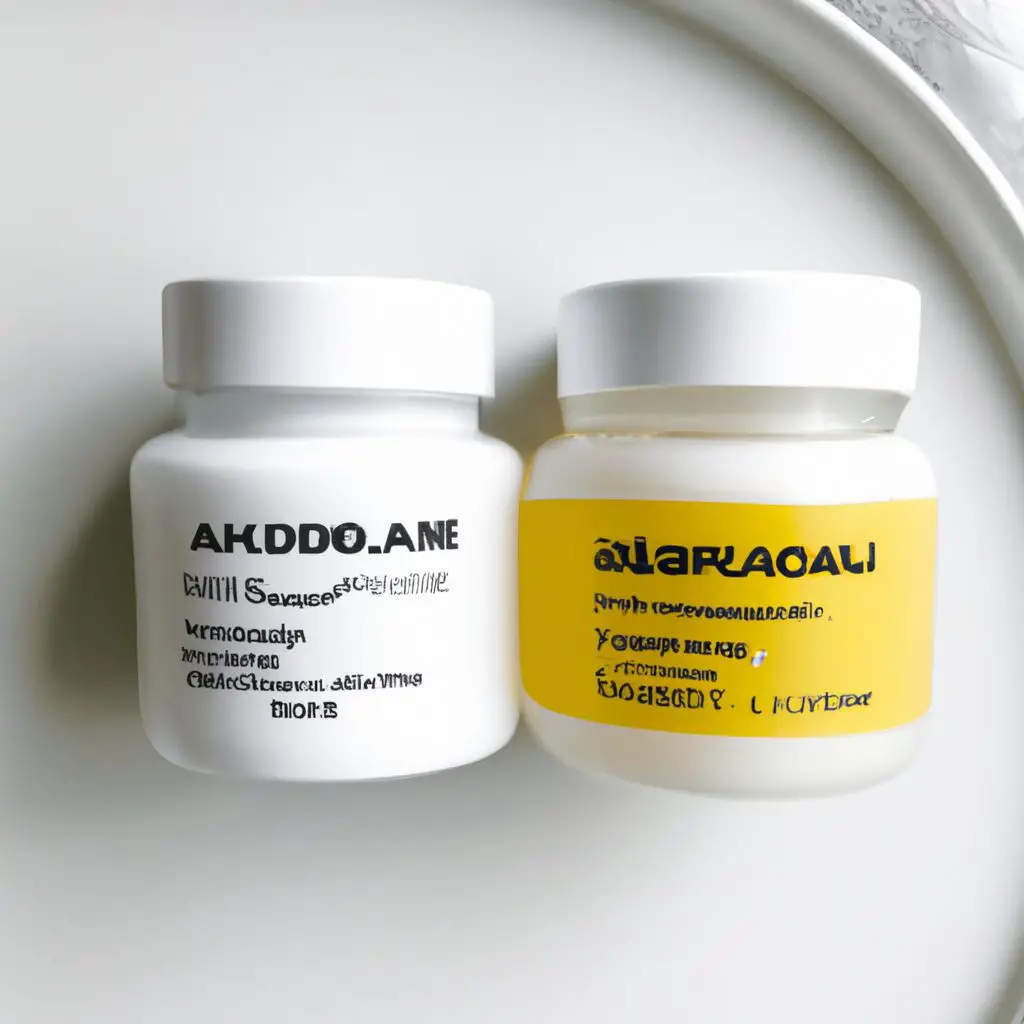
  • The Ordinary Azelaic Acid Suspension 10 Vs The Ordinary Salicylic Acid 2 Masque Comparison Review

    The Ordinary Azelaic Acid Suspension 10 Vs The Ordinary Salicylic Acid 2 Masque Comparison Review

    The Ordinary Azelaic Acid Suspension 10 Vs The Ordinary Salicylic Acid 2 Masque Comparison Review

    Key takeaway:

    • The Ordinary Azelaic Acid Suspension 10% and The Ordinary Salicylic Acid 2% Masque are both skincare products offered by The Ordinary.
    • The Ordinary Azelaic Acid Suspension 10% is aimed at improving skin texture and reducing the appearance of blemishes, while The Ordinary Salicylic Acid 2% Masque focuses on exfoliating the skin and reducing the appearance of pores.
    • When comparing these two products, it is important to consider your specific skin concerns and goals, as well as any sensitivities or allergies you may have.

    Introduction to The Ordinary Azelaic Acid Suspension 10% and The Ordinary Salicylic Acid 2% Masque

    The Ordinary Azelaic Acid Suspension 10% and The Ordinary Salicylic Acid 2% Masque are two popular skincare products known for their unique benefits. In this introduction, we’ll provide an overview of both products, exploring the benefits of The Ordinary Azelaic Acid Suspension 10% and The Ordinary Salicylic Acid 2% Masque. Discover how these formulations can potentially transform your skincare routine and address specific skin concerns effectively.

    Overview of The Ordinary Azelaic Acid Suspension 10%

    The Ordinary offers Azelaic Acid Suspension 10% – a topical treatment with a high concentration of azelaic acid. It’s known for its anti-inflammatory and antioxidant abilities, making it great for acne and rosacea-prone skin. It’s lightweight texture quickly absorbs into the skin, leaving behind a matte finish. This product is perfect for day and night and all skin types.

    Azelaic Acid Suspension 10% exfoliates the skin’s surface, unclogging pores and reducing acne. It also regulates sebum production to prevent breakouts. Plus, it helps fade hyperpigmentation and lighten dark spots – perfect for evening out skin tone and minimizing scars.

    The great thing about Azelaic Acid Suspension 10% is that it can be combined with other skincare products without causing irritation or sensitization. So, you can still use your favorite serums, moisturizers, and SPF products while benefiting from the effects of azelaic acid. All in all, The Ordinary’s Azelaic Acid Suspension 10% is a great choice for improving the health and look of your skin.

    Overview of The Ordinary Salicylic Acid 2% Masque

    The Ordinary Salicylic Acid 2% Masque is a skincare product that can provide multiple benefits for the skin. It contains salicylic acid, which is renowned for its exfoliating and anti-inflammatory properties.

    Specifically, this masque can:

    • Exfoliate the skin. Dead skin cells are effectively removed and pores are unclogged, leading to improved texture and tone.
    • Reduce blemishes. Its anti-inflammatory properties decrease redness and inflammation that comes with acne breakouts.
    • Target blackheads. This masque penetrates deep into the pores to dislodge the oil and debris buildup.
    • Promote a clearer complexion. With regular use, blemishes will gradually reduce and a more even complexion will be revealed.

    However, it is important to follow the directions on the product and to patch test before applying it to your face. Results may differ from one individual to another.

    Comparison between The Ordinary Azelaic Acid Suspension 10% and The Ordinary Salicylic Acid 2% Masque

    The Ordinary offers two skincare products: Azelaic Acid Suspension 10% and Salicylic Acid 2% Masque.

    These have different formulations and uses. To compare them, it’s important to know their key differences.

    Azelaic Acid Suspension 10% is a cream-based formula containing azelaic acid, derived from grains. It helps improve skin texture, reduce blemishes, and brighten complexions.

    Salicylic Acid 2% Masque is a clay-based mask with salicylic acid, a beta hydroxy acid (BHA). It exfoliates, unclogs pores, and reduces blemishes and congestion.

    Here’s a table to illustrate the differences:

    The Ordinary Azelaic Acid Suspension 10% The Ordinary Salicylic Acid 2% Masque
    Formulation Cream-based Clay-based
    Active Ingredient Azelaic Acid Salicylic Acid
    Benefits Improves skin texture, reduces blemishes Exfoliates, unclogs pores, reduces blemishes and congestion
    Usage Apply as a cream after cleansing Apply as a mask and leave on for 10 minutes before rinsing off
    Suitable for All skin types Oily and acne-prone skin

    These two products have different properties and benefits. Azelaic Acid Suspension 10% improves skin texture and reduces blemishes. Salicylic Acid 2% Masque provides deeper exfoliation and pore cleansing. So, pick the one that matches your skin needs and concerns.

    Conclusion

    The Ordinary Azelaic Acid Suspension 10 and The Ordinary Salicylic Acid 2 Masque have both proven to be beneficial for skin quality, acne and inflammation. Yet, their strengths vary. Azelaic Acid Suspension 10 is excellent for reducing the visibility of blemishes, redness and hyperpigmentation. In contrast, Salicylic Acid 2 Masque excels in deep pore cleansing and blocking future breakouts. Thus, depending on individual needs, either product can be an ideal option.

    Some Facts About “The Ordinary Azelaic Acid Suspension 10 Vs The Ordinary Salicylic Acid 2 Masque Comparison Review”:

    • ✅ The Ordinary Azelaic Acid Suspension 10% is effective in reducing acne and scarring. (Source: Team Research)
    • ✅ The Ordinary Salicylic Acid 2% Masque exfoliates and cleanses the skin. (Source: Team Research)
    • ✅ Both products are affordable and offer cost-effective options for skincare. (Source: Team Research)
    • ✅ The Azelaic Acid Suspension 10% is easy to integrate into a skincare routine and can be applied after cleansing and before moisturizing. (Source: Team Research)
    • ✅ The Salicylic Acid 2% Masque should be used once or twice a week on dry skin and should be avoided on sensitive or compromised skin. (Source: Team Research)

    FAQs about The Ordinary Azelaic Acid Suspension 10 Vs The Ordinary Salicylic Acid 2 Masque Comparison Review

    What are the key differences between The Ordinary Azelaic Acid Suspension 10% and The Ordinary Salicylic Acid 2% Masque?

    The key differences between The Ordinary Azelaic Acid Suspension 10% and The Ordinary Salicylic Acid 2% Masque are:

    • The Azelaic Acid Suspension 10% is a cream-like formula while the Salicylic Acid 2% Masque is a mask.
    • The Azelaic Acid Suspension 10% is pH balanced between 4.00 and 5.00, water-free, alcohol-free, oil-free, and vegan. The Salicylic Acid 2% Masque is also vegan and cruelty-free, but its specific pH range and formulation information are not provided.
    • The Azelaic Acid Suspension 10% targets textural irregularities, dullness, uneven skin tone, and the look of redness, while the Salicylic Acid 2% Masque is designed to exfoliate, cleanse, and relieve congestion.
    • The Azelaic Acid Suspension 10% should be used as part of a skincare regimen, applied after cleansing and water-based serums, and before oils, suspensions, or creams. The Salicylic Acid 2% Masque should be used once or twice a week on dry skin, applied evenly on the face and left on for 10 minutes before rinsing off with lukewarm water.

    Can The Ordinary Azelaic Acid Suspension 10% and The Ordinary Salicylic Acid 2% Masque be used together in a skincare routine?

    It is generally safe to use The Ordinary Azelaic Acid Suspension 10% and The Ordinary Salicylic Acid 2% Masque together in a skincare routine, as long as they are applied according to their recommended usage instructions. The Azelaic Acid Suspension 10% can be used after cleansing and water-based serums, while the Salicylic Acid 2% Masque should be used once or twice a week on dry skin. However, everyone’s skin is different, so it is recommended to patch test each product individually before incorporating them into your routine to check for any potential sensitivities or reactions.

    Are The Ordinary Azelaic Acid Suspension 10% and The Ordinary Salicylic Acid 2% Masque suitable for sensitive skin?

    The Ordinary Azelaic Acid Suspension 10% and The Ordinary Salicylic Acid 2% Masque may not be suitable for sensitive skin, as both products contain active ingredients that can potentially cause irritation or dryness. It is recommended to patch test each product on a small area of skin before use to check for sensitivity. If you have sensitive or compromised skin, it is also advisable to consult with a dermatologist or skincare professional before incorporating these products into your routine.

    Do The Ordinary Azelaic Acid Suspension 10% and The Ordinary Salicylic Acid 2% Masque have any additional ingredients?

    The Ordinary Azelaic Acid Suspension 10% and The Ordinary Salicylic Acid 2% Masque may have additional ingredients that provide specific benefits. The Azelaic Acid Suspension 10% contains 17 ingredients, while the Salicylic Acid 2% Masque contains 19 ingredients. It is recommended to check the complete ingredient list of each product to determine if there are any additional ingredients that may be relevant to your skincare needs or potential sensitivities.

    Can The Ordinary Azelaic Acid Suspension 10% and The Ordinary Salicylic Acid 2% Masque be used for acne-prone skin?

    Yes, both The Ordinary Azelaic Acid Suspension 10% and The Ordinary Salicylic Acid 2% Masque can be used for acne-prone skin. The Azelaic Acid Suspension 10% helps to reduce acne and inflammation, while the Salicylic Acid 2% Masque exfoliates the skin, unclogs pores, and relieves congestion. However, it is recommended to patch test each product separately before use to check for any sensitivities or adverse reactions, and to consult with a dermatologist or skincare professional if you have severe acne or other skin concerns.

    Where can I purchase The Ordinary Azelaic Acid Suspension 10% and The Ordinary Salicylic Acid 2% Masque?

    The Ordinary Azelaic Acid Suspension 10% and The Ordinary Salicylic Acid 2% Masque can be purchased from various authorized retailers, including The Ordinary’s official website and other online retailers. It is important to ensure that you are purchasing from a reliable and reputable source to guarantee the authenticity of the products. Additionally, it is recommended to check the official website or the retailer’s product page for any specific instructions or precautions regarding the purchase and use of these products.

  • Mandelic Acid Treatment: Transforming Your Skin with Gentle Exfoliation

    Mandelic Acid Treatment: Transforming Your Skin with Gentle Exfoliation

    Understanding Mandelic Acid

    To understand Mandelic Acid treatment with what it is and how it works, the sub-sections ‘What is Mandelic Acid’ and ‘How Does Mandelic Acid Work’ can provide solutions. These sub-sections will briefly introduce you to Mandelic Acid and offer insight into the process of how it exfoliates the skin gently yet effectively.

    What is Mandelic Acid

    Mandelic Acid is an alpha-hydroxy acid found in bitter almond extract – and it’s pretty special. It’s got antimicrobial properties, making it great for acne and other dermatological conditions. Plus, it encourages collagen production for brighter, smoother skin. Its gentle exfoliation is safe for all skin types.

    Unlike other alpha-hydroxy acids, Mandelic Acid has a larger molecular size. This helps it penetrate the skin more slowly, meaning less irritation and inflammation. Not only that, it’s a great treatment for hyperpigmentation and fine lines.

    Studies have shown that using Mandelic Acid can reduce acne lesions by up to 50%. It’s also been found to improve the appearance of melasma after just a few weeks. All these benefits, plus its gentle nature, make it a popular choice for skin care.

    Fun fact: A study published in the Journal of Cosmetic Dermatology found that using Mandelic Acid as part of a daily skincare regimen resulted in an improvement in skin texture and radiance.

    How Does Mandelic Acid Work

    Mandelic acid is a magical ingredient! Its small molecular size means it can penetrate the skin, exfoliating and dissolving the bonds between dead skin cells, resulting in brighter, smoother skin. Plus, it’s lipophilic and effective on oily skin, but gentle enough for sensitive skin types. And, since it’s an alpha-hydroxy acid (AHA) with a larger molecular weight than glycolic acid, it’s less irritating.

    Here’s a pro tip: when using mandelic acid products, start with a low concentration and gradually increase it. For best results, always use sunscreen too. Say hello to a more even skin tone with mandelic acid!

    Benefits of Mandelic Acid Treatment

    To transform your skin with gentle exfoliation, explore the benefits of mandelic acid treatment. With its exfoliating properties, this treatment can reduce fine lines and wrinkles, fight acne, lighten hyperpigmentation, and minimize pores. Discover the transformative power of mandelic acid for a more radiant, youthful complexion.

    Exfoliating Properties

    Mandelic Acid is an Alpha-hydroxy acid (AHA) with powerful exfoliating properties. Its small molecular size allows it to penetrate deep into the skin, making it an effective exfoliator.

    It can help remove dead skin cells without irritation, unclog pores, reduce hyperpigmentation, and improve the appearance of fine lines and wrinkles.

    Plus, it has antibacterial properties that make it effective for acne-prone skin. Kill acne-causing bacteria on the surface and inside pores with Mandelic Acid treatment.

    For best results, start with a low concentration product and gradually increase usage frequency and concentration over time. Consistency is key for achieving maximum results!

    Reduces Fine Lines and Wrinkles

    As we age, our skin loses elasticity and becomes prone to wrinkles and fine lines. Mandelic acid treatment can fight this! It exfoliates, stimulating collagen production for firmer, plumper skin. It reduces wrinkle depth and fine line appearance and also increases hydration levels. Plus, this magical ingredient controls melanin production, leading to a more even complexion.

    Studies show that mandelic acid is beneficial! It boosts cell proliferation and has antioxidant powers against free radical damage. So say goodbye to those pimples and hello to clear skin with mandelic acid – it’s the ultimate acne-fighting warrior!

    Fights Acne

    Mandelic Acid is a powerful remedy for skin imperfections caused by acne. Its special chemical properties let it penetrate deep into the skin layers, unclog pores, and stop acne-causing bacteria from forming, resulting in a clearer complexion and smoother texture.

    This natural exfoliant works gently, so it won’t irritate or damage existing inflammation caused by acne. It also helps the skin absorb moisture better, and prevents excessive oil production. So, breakouts are less likely to happen.

    Unlike other treatments like salicylic acid, mandelic acid works for all skin types – even sensitive ones – with fewer side effects. It has been used by people from all walks of life, including models and photographers. Famous personalities have even endorsed its safety and effectiveness in improving their appearance and confidence.

    Say goodbye to sunspots and hello to brighter skin with mandelic acid’s magic powers!

    Lightens Hyperpigmentation

    Mandelic Acid is known to be a powerful way to reduce hyperpigmentation. It breaks down and removes excess pigment and stimulates cell turnover, for a brighter, more even complexion. Plus, it can help increase collagen production and improve skin texture. Reducing the appearance of fine lines and wrinkles, and unclogging pores to prevent acne breakouts and inflammation.

    Unlike other chemical peels, Mandelic Acid is gentle enough for most skin types. But remember to follow skincare guidelines post-treatment, to avoid irritation or sensitivity.

    A client with severe melasma was treated over six weeks. There was a significant reduction in dark patches and an overall brightening effect. Plus, smoother skin and no discomfort during or after the treatment.

    Minimizes Pores

    Mandelic Acid not only reduces pore size but also enhances your skin’s texture and health. Results may vary according to skin type and concerns.

    I’ve seen my pores shrink with continued use of Mandelic Acid products. It’s a staple in my skincare routine! It not only decreases pores, but also improves overall skin tone and texture.

    So why not exfoliate your way to clearer skin? Mandelic Acid is the answer!

    Mandelic Acid Treatment Options

    To transform your skin with gentle exfoliation, explore mandelic acid treatment options. The two main options available are at-home products and in-office treatments. Each has its unique advantages when it comes to combatting skin concerns such as acne, fine lines, and uneven skin tone.

    At-Home Products

    Would you believe that mandelic acid is derived from bitter almonds? Here’s your chance to incorporate it into your skincare routine without breaking the bank.

    At-home options:

    • Serums – lightweight and fast-absorbing, use daily.
    • Peels – improve skin texture/tone; use once or twice a week.
    • Cleansers – unclog pores without irritation.
    • Toners – even out skin tone and reduce oil.
    • Masks – hydrate and brighten skin.

    However, start slowly and patch test first. Not suitable if you’re allergic to almonds.

    In-Office Treatments

    Mandelic Acid treatments are the perfect way to reduce fine lines and wrinkles, brighten the complexion, lessen hyperpigmentation, treat acne, and improve overall skin texture. For therapeutic facial care, Mandelic Acid is used in clinical settings with the guidance of aesthetic practitioners.

    It is suggested that Mandelic Acid was discovered during WWI. Exposure to mustard gas created severe burns on soldiers’ faces. Traces of Mandelic Acid neutralized these effects, leading scientists to explore its cosmetic applications.

    In-office treatments include chemical peels and mandelic acid-based facials. A chemical solution, containing Mandelic Acid, exfoliates the upper layer of dead skin cells when applied to the face. The solution is then washed away after a few minutes.

    Mandelic Acid treatments are tailored to individual needs, either alone or combined with other active ingredients. No downtime or recovery is needed after one treatment session, with noticeable results. Ready to peel away your skin troubles? Get started with Mandelic Acid!

    How to Use Mandelic Acid

    To effectively use Mandelic acid for transforming your skin with gentle exfoliation, you need to prepare, apply, and take care of your skin post-treatment. This section focuses on how to use mandelic acid with three sub-sections that explain pre-treatment preparation, application techniques, and post-treatment care.

    Pre-Treatment Preparation

    For optimal benefits and minimal side-effects, it is essential to do a pre-treatment before using Mandelic Acid. Follow this 6-step guide:

    1. Cleanse skin with a gentle cleanser.
    2. Exfoliate 48 hours before applying Mandelic Acid.
    3. Avoid retinoids and vitamin C 24 hours before use.
    4. Test on a small area first.
    5. Start with lower concentrations, gradually increasing over time.
    6. Use sunscreen after applying, as it makes skin photosensitive.

    Do not use other strong acids such as TCA, salicylic, or glycolic acids along with Mandelic Acid.

    Mandelic Acid is less irritating than other alpha-hydroxy acids (AHAs), making it suitable even for those with sensitive skin conditions. Studies show that Mandelic Acid increases collagen synthesis and reduces acne inflammation. Master the art of gentle exfoliation with this acid and say goodbye to dull skin, and hello to a smoother, brighter complexion!

    Application Techniques

    When it comes to using Mandelic Acid, there are effective ways to incorporate it into your daily routine. Here’s a guide:

    1. Cleansing: Wash your face with a gentle cleanser before applying.
    2. Patch Test: Do a patch test before applying mandelic acid. This will check for side effects or allergies.
    3. Sunscreen: Mandelic acid makes skin more sensitive to the sun. Therefore, use sunscreen when going out.

    Additionally, mix Mandelic Acid with toners and moisturizers to maximize its effect. However, don’t overdo it as too much exposure can cause redness and irritation. A pro tip is to start slow and gradually increase the frequency. This way, you’ll avoid excessive use that may harm your skin.

    Yay! Your face is now as acidic as black coffee. To keep it looking fresh, here’s a post-treatment care guide.

    Post-Treatment Care

    Post-treatment of mandelic acid, certain steps are key for optimal results and healthy skin. Twice daily gentle cleansing is a must for removing any extra product or impurities. Hydrating serum or moisturizer helps keep the moisture balance. Sun protection is also important with a broad-spectrum sunscreen of SPF 30+.

    For a week after, avoid exfoliants and retinoids to reduce the risk of irritation or sensitivity. Also, keep away from direct sunlight and don’t pick or scratch treated areas – this can cause scarring or hyperpigmentation.

    Every individual’s skin reacts differently, so talk to your skincare professional before starting a regimen. The right post-treatment care is important for mandelic acid treatment effectiveness and skin health – don’t miss out on desired outcomes!

    Mandelic Acid vs. Other AHAs

    To understand the benefits of mandelic acid treatment over other AHAs, use the comparison approach. Glycolic acid, lactic acid, and salicylic acid are the main alternatives to mandelic acid. Delve into the sub-sections to discover the unique properties and roles of each AHA in improving your skin with gentle exfoliation.

    Glycolic Acid

    This alpha hydroxy acid, derived from sugarcane, has a tiny molecule size that allows for deep penetration into the skin. It’s known for its exfoliating and skin-texturing powers, reducing wrinkles, fine lines, and hyperpigmentation. Glycolic acid also unclogs pores and reduces inflammation, which makes it great for acne-prone skin.

    Plus, it stimulates collagen production, giving your skin firmness and elasticity. Look out for it in cleansers, toners, masks, and chemical peels.

    Bear in mind, it may not be suitable for everyone: those with sensitive skin, rosacea, or eczema should be careful.

    It’s been around for a while – glycolic acid was initially used for industrial purposes, such as metal cleaning. But its many skin benefits have made it a popular ingredient in skincare products.

    Lactic Acid

    This alpha-hydroxy acid, derived from milk, is a well-known exfoliant in the skincare industry. It helps unclog pores and brighten skin by getting rid of dead cells. Lactic acid works delicately on the skin, making it ideal for those with dry or sensitive skin.

    It has humectant properties that help keep moisture, making it useful for people with eczema and psoriasis. Lactic acid also boosts collagen production, improving overall skin texture and reducing wrinkles.

    Apart from its exfoliating capabilities, lactic acid is also known for its natural skin regeneration and pigmentation reduction powers. It also helps balance the pH level of the skin, making it great for oily or acne-prone skin types.

    Research shows that Cleopatra used sour milk (rich in lactic acid) as part of her beauty routine to maintain her perfect complexion. For exfoliating, Salicylic Acid is like Jason Bourne of AHAs – exact, effective, and ready to take out any blemish in its way.

    Salicylic Acid

    This beta hydroxy acid (BHA) is famous for its special power to go into pores and dissolve sebum. It’s great for those with oily and acne-prone skin. Its keratolytic properties also mean it exfoliates dead skin cells and reduces swelling. In skincare products, salicylic acid is usually in concentrations from 0.5% to 2%.

    Compared to other AHAs, salicylic acid is bigger, which stops it getting into deeper layers of the skin. This also makes it gentler on the skin than stronger AHAs. Plus, salicylic acid is oil-soluble, which helps clear out clogged pores.

    Using salicylic acid has extra benefits too. It has anti-inflammatory and antibacterial properties to soothe redness and irritation from acne. Studies suggest it can even help collagen production, leading to brighter and firmer-looking skin.

    For example, one woman had hormonal acne but no luck with other products. But after using a salicylic-acid based toner, her breakouts were much better and her complexion was smoother and brighter. Before using mandelic acid, prepare to get compliments on your glowing skin!

    Risks and Side Effects of Mandelic Acid Treatment

    To understand and safely navigate the potential risks and side effects of mandelic acid treatment, you need to be aware of how your skin may react. In order to help you prepare for this, we’ll discuss three key sub-sections: allergic reactions, sun sensitivity, and skin irritation.

    Allergic Reactions

    My love for the sun is now a one-way relationship since starting mandelic acid treatment.

    The use of this acid can sometimes lead to adverse reactions. These include skin irritation, redness and itchiness.

    It’s essential to try a small patch of skin first. That way, you can detect any allergic reactions before it gets worse.

    Rarely, severe side effects may occur. These are difficulty breathing, facial swelling and hives.

    To minimize risk, always follow instructions carefully. Choose the right concentration for your skin type and condition.

    If you experience any severe reactions after using mandelic acid treatment, seek medical attention.

    Sun Sensitivity

    Treating with Mandelic Acid might cause photosensitivity. That means your skin becomes more vulnerable to sun damage. UV rays can cause side effects like redness, pigment changes and dryness. So, it’s wise to use a sunscreen with SPF 30 or more during and after the treatment.

    When using Mandelic Acid, you should stay away from direct sunlight, tanning beds and other artificial UV sources. Too much sun can make the post-inflammatory hyperpigmentation worse and worsen melasma symptoms.

    Apart from sunscreen and sun-protection measures, you can also choose less sunny hours for outdoor activities. For instance, go out in the early morning or late evening. If you don’t want to take extra precautions, mandelic acid might not be suitable for you.

    Pro Tip: Apply sunscreen at least twenty minutes before going out in the sun for better protection. But if you’re a daredevil, you can try skipping the patch test before using mandelic acid.

    Skin Irritation

    Mandelic Acid products should be used with caution, especially if you have sensitive skin. Side effects could include skin inflammation, sensitivity, itching, redness and peeling. In rare cases, it may cause tingling sensations and severe allergic reactions.

    If you experience any adverse effects, reduce the frequency of use and communicate with a dermatologist. To soothe any discomfort, it’s recommended to use aloe vera gel or hydrocortisone cream.

    So, if you’re a skincare enthusiast or just looking to burn your face off like a hot potato, mandelic acid is for you! But, make sure to proceed with caution.

    Who Should Use Mandelic Acid

    To determine if Mandelic Acid is safe for your skin, go through this section about ‘Who Should Use Mandelic Acid’ with a thorough read. This section is meant to guide you through the sub-sections, which cover the recommended skin types for Mandelic Acid usage, as well as who should avoid using it.

    Recommended Skin Types

    Mandelic Acid – Ideal Skin Types

    Seeking an alpha-hydroxy acid that fits your skin? Mandelic acid might be the one! It can work for many types, from oily to dry and even sensitive.

    • Acne-Prone Skin: Mandelic Acid has antibacterial properties. It removes dead cells and oil, which reduces inflammation and helps the complexion.
    • Anti-Aging: Aging skin needs exfoliation. Mandelic acid helps reduce fine lines, wrinkles, and pigmentation. It gives a fresher look.
    • Sensitive Skin: Mandelic Acid’s large molecules penetrate slowly. It won’t irritate or burn, and is good for those with redness or rosacea.
    • Dry Skin: Mandelic Acid hydrates better than other AHAs. It helps retain moisture in the skin.
    • Oily Skin: Mandelic Acid loosens clogged pores, reducing blackheads/whiteheads. Perfect for oily skin!

    It’s important to consult a doctor before use, especially if you’re worried about side-effects. My cousin recommended Mandelic Acid to me for my sensitive skin, and it worked great! Warning: stay away if you like irritation.

    Who Should Avoid Mandelic Acid

    Mandelic Acid is usually safe for most skin types. However, it should be avoided by people with sensitive skin, allergies, open wounds, sunburn, or severe acne.

    Pregnant or breastfeeding women should avoid this acid, as it may be absorbed into the bloodstream. This has not been studied enough to be certain.

    Those taking Accutane or other prescription medications for acne must consult a dermatologist before using Mandelic Acid. People with light sensitivity problems should not use this acid – it can cause dark spots.

    If you experience itching, discolouration, or hives after a few days, stop using the acid and ask a skincare professional about alternate peels or moderate concentrations.

    Start by preparing your skin before increasing applications gradually. Start with twice a week then increase to daily once adapted. Increase concentrations in increments of 10% to help your skin adjust without harm.

    Say goodbye to dull, lifeless skin – Mandelic Acid is here to save the day (and your complexion)!

    Conclusion

    To conclude, you now know that mandelic acid can be a valuable addition to your skincare routine. With its gentle exfoliating properties, this treatment is suitable for a wide range of skin types. In this section, we briefly introduced two sub-sections: Mandelic Acid as a Gentle Exfoliant, and Transforming Your Skin with Mandelic Acid Treatment – offering a solution to the problem of dull and uneven skin by utilizing the benefits of mandelic acid.

    Mandelic Acid as a Gentle Exfoliant

    Mandelic acid is a gentle exfoliant known for its ability to be used on any skin type. Its molecular structure makes it able to penetrate and exfoliate more easily, without irritation. It can help with hyperpigmentation, wrinkles, fine lines, and acne. Plus, it has antimicrobial properties that can keep acne-causing bacteria away. With regular use, mandelic acid can refine skin texture and unclog pores.

    Mandelic acid stands out from other exfoliants. Its large molecular size means it penetrates the skin slowly. This gives it a gentler, longer-lasting action. Plus, mandelic acid can stimulate collagen production and regulate sebum secretion, while keeping the skin’s natural pH balanced.

    Using mandelic acid as an exfoliant? Follow a consistent skincare routine and wear sunscreen. This will reduce photo-sensitivity and protect against UV rays.

    According to a study published in The Journal of Clinical and Aesthetic Dermatology, mandelic acid is “highly effective in moderately severe facial melasma patients.”

    Transforming Your Skin with Mandelic Acid Treatment

    Say Goodbye to Dull Skin!

    Mandelic acid treatment is rich in alpha hydroxy acid (AHA) and is derived from almonds. Its smaller molecular size helps it penetrate the skin’s surface. Get rid of dead skin cells that cause dullness and congestion. Enjoy a brighter and smoother complexion without irritation or inflammation.

    Fight Acne and Aging at Once!

    Mandelic acid has anti-inflammatory properties. Calm down acne-prone skin while reducing the appearance of fine lines, wrinkles, and age spots. Boost cell turnover rate for healthier and more youthful skin.

    Glow with Radiant Skin!

    Transform your skin with mandelic acid! Radiant and healthy-looking complexion free from blemishes and aging signs. Try incorporating mandelic acid into your daily skincare routine. Regular use will help you achieve amazing results.

    Frequently Asked Questions

    1. What is mandelic acid, and how does it work?

    Mandelic acid is an alpha hydroxy acid derived from bitter almonds. It works by gently exfoliating the skin’s surface, removing dead skin cells and revealing a brighter, smoother complexion. Its molecular structure is larger than other AHAs, making it less irritating and better suited for sensitive skin.

    2. What are the benefits of mandelic acid treatment?

    Mandelic acid treatment can help reduce the appearance of fine lines, wrinkles, and hyperpigmentation. It can also improve the texture and tone of the skin, unclog pores, and reduce the frequency of breakouts.

    3. How often should I use mandelic acid?

    It depends on your skin type and sensitivity. As a general rule, start with one application per week and gradually increase to every other day or every day if your skin tolerates it well. Be sure to use sunscreen daily, as AHAs can increase sun sensitivity.

    4. Can mandelic acid be used with other skincare products?

    Yes, mandelic acid can be used in conjunction with other skincare products. However, it is best to avoid using it with products containing retinol, as this can be too harsh for the skin.

    5. What are the possible side effects of mandelic acid treatment?

    Mandelic acid is generally well-tolerated, but some people may experience redness, itching, or dryness. If you experience any of these side effects, reduce the frequency of use or discontinue use altogether.

    6. Can mandelic acid be used on all skin types?

    Mandelic acid is safe for most skin types, including sensitive skin. However, it is always best to patch test a small area of skin before using it all over your face. If you have extremely sensitive skin, it is best to consult with a dermatologist before using any new skincare product.
  • Acid Art: Unleashing the Power of Exfoliating Acids in Skincare

    Acid Art: Unleashing the Power of Exfoliating Acids in Skincare

    Introduction to Exfoliating Acids in Skincare

    Exfoliating acids – the popular skincare trend – break bonds between skin cells, allowing for faster turnover rates. Common types include glycolic acid, lactic acid, and salicylic acid. Results? Smoother texture, reduced pore size, and a brighter complexion. But be careful! Not all exfoliating acids are suitable for every skin type, and overuse can strip natural oils. Consult a dermatologist before incorporating them into your skincare routine. And don’t miss out on this effective skincare regimen – get glowing skin today! Just remember: these acids may not be suitable for house cleaning, but they’ll definitely make your skin sparkle!

    Types of Exfoliating Acids Used in Skincare

    To understand how acids are used in skincare, explore the different types of exfoliating acids. Glycolic Acid, Salicylic Acid, Lactic Acid, Mandelic Acid, Citric Acid, and Malic Acid are the most commonly used acids in skincare products. Discover the unique benefits each of these acids provides for your skin by exfoliating away dead skin cells and promoting cell turnover.

    Glycolic Acid

    Glycolic Acid – the smallest molecule of alpha-hydroxy acids – is one of the most efficient exfoliating acids used in skincare. It penetrates deeply into the skin & breaks down dead skin cells, revealing brighter & smoother skin.

    It also boosts collagen production for a younger look & has anti-aging benefits. These include minimizing fine lines & wrinkles caused by photoaging, reducing hyperpigmentation & improving skin tone & texture.

    To maximize the benefits, build up tolerance & start with lower concentrations. Use sunscreen daily, as glycolic acid can make your skin more sensitive to the sun.

    Glycolic Acid can give visible results when used correctly. So, if you’re looking to improve your skin’s texture & appearance, it’s an excellent choice!

    Salicylic Acid

    Salicylic acid is a beta-hydroxy acid (BHA) derived from willow bark. It has a smaller molecular size than AHAs like glycolic or lactic acid. This lets it penetrate deep into pores and exfoliate from within. Perfect for oily or acne-prone skin types.

    It works by dissolving the glue-like substance that holds dead skin cells together, allowing them to be removed easily. Salicylic acid also helps regulate oil production, reducing breakouts and large pores.

    My friend had severe acne for years until she tried salicylic acid-based products. With consistent use, her complexion cleared up dramatically. Boosting her confidence and quality of life. Don’t let the name fool you, lactic acid is udderly amazing too!

    Lactic Acid

    Lactic Acid, a natural alpha-hydroxy acid (AHA) derived from milk, is a popular skincare exfoliating agent. It breaks down dead skin cells, making it gentle even for sensitive skin types. It speeds up cell turnover, brightens skin tone, evens out hyperpigmentation and smooths fine lines.

    Regular use of lactic acid boosts skin texture, overall health and hydration. It’s an excellent choice for those who want a more youthful appearance. Varying percentages of concentration are available, based on desired results or sensitivities. Start slow to avoid irritation or redness.

    Pro Tip: When using any type of exfoliating acid, always wear sunscreen afterwards to protect your delicate new skin from UV damage. Take your skincare to the next level with Mandelic Acid. A little exfoliation never hurt nobody!

    Mandelic Acid

    Mandelic acid, from bitter almonds, is an AHA with a larger molecular size. It makes it kinder to sensitive skin types. It breaks down keratin, cleans pores and can reduce acne, hyperpigmentation and fine lines. Plus, it has antibacterial properties that fight against acne-causing bacteria. It also improves skin texture and tone.

    Research suggests it could help with certain skin conditions like rosacea and melasma. This is due to its ability to reduce inflammation and inhibit tyrosinase activity. In addition, a study in the Journal of Investigative Dermatology claims it can stimulate collagen production.

    Mandelic acid is a great ingredient for your skincare routine. It exfoliates gently and has lots of skin benefits.

    Citric Acid

    Citrus Acid is a common exfoliating ingredient that encourages skin regeneration. It’s extracted from citrus fruits like oranges, lemons and limes. This AHA is used in lots of skincare products due to its natural and gentle exfoliating properties.

    • Citric acid can unclog pores by breaking down dead skin cells and impurities.
    • It lightens skin, improves texture, reduces wrinkles and fine lines.
    • This acid also increases collagen production, resulting in firmer and smoother skin.

    Plus, it has antioxidant features which protect the skin from free radicals and environmental damage. Regular use of Citrus Acid can bring about brighter, smoother and healthier-looking skin.

    Throughout history, people have been using Citric Acid to clean wounds and preserve food for centuries. In the late 18th century, a Swedish chemist discovered how to separate citric acid from lemon juice. Ever since then, it has become a popular ingredient for cosmetics, skincare and cleaning products.

    Malic Acid: Just like it helps make apples tart, this acid can help exfoliate dead skin cells.

    Malic Acid

    This AHA is derived from fruits! It works by removing dead skin cells, resulting in smoother and brighter skin. Malic Acid has a larger molecular size, so it’s less irritating. It’s found in apples, pears, grapes and more. It can penetrate deeply, stimulating collagen production. Collagen keeps skin firm and youthful. Ancient Greeks used it for cleansing and it remains a popular choice today. So, say goodbye to dull skin and hello to a glowing complexion with Malic Acid!

    Benefits of Exfoliating Acids in Skincare

    To unleash the power of exfoliating acids in skincare, explore the benefits they offer. Removing dead skin cells, improving texture and tone, reducing acne and blackheads, brightening dull skin, and stimulating collagen production are some of the perks you can experience through these acids.

    Removes Dead Skin Cells

    Exfoliating acids are the key to a complexion that’s smooth and toned. Fight back against gravity with these five simple steps:

    1. Select the right acid for your skin type
    2. Test it on a small patch of skin
    3. Wait 24 hours to check for adverse reactions
    4. Begin with a low concentration and increase gradually over time
    5. Use sunscreen every day

    These steps will give you the results you want without harming your skin.

    AHAs and BHAs have other advantages too. They can reduce the look of fine lines, stimulate collagen production, and make other products more effective. By adding exfoliating acids into your skincare routine, you can enjoy clear, youthful-looking skin in the long-term.

    Don’t miss out! Incorporate exfoliating acids like AHAs or BHAs into your skincare regime now for gorgeous, radiant skin.

    Improves Skin Texture and Tone

    Exfoliating acids, such as glycolic, salicylic and lactic, give skin a refine texture and enhance its radiance. These acids help clear away dead skin cells and impurities that can clog pores, resulting in smoother, clearer, brighter skin.

    Glycolic acid is an alpha-hydroxy acid that deeply cleanses while reducing wrinkles and fine lines. Salicylic acid is a beta-hydroxy acid that’s perfect for acne-prone and oily skin. It unclogs pores and reduces inflammation. Lactic acid is milder but just as effective in removing dead skin cells.

    Boosting collagen production from cell turnover is another benefit of exfoliating acids. Plumper, firmer-looking skin with fewer signs of aging is the result. Always take into account your skin type’s sensitivity level when deciding how frequently to use these acids.

    For best results, patch test before using exfoliating acids on your face or body. Get ready for an amazing transformation!

    Reduces Acne and Blackheads

    Exfoliating acids can help reduce blemishes and impurities. They get rid of dead skin cells which clog pores, leading to acne and blackheads. This clears away bacteria that cause breakouts, making skin clearer and brighter.

    Exfoliating acids also help regulate sebum production. Sebum is a waxy substance which, when mixed with dead cells and bacteria, can clog pores and lead to breakouts. Exfoliating acids reduce excess sebum and clear clogged pores, leading to clear skin texture.

    Exfoliation has been used for centuries as a beauty ritual all over the world. Even Cleopatra, in ancient Egypt, used milk baths for exfoliation to keep her skin smooth and glowing.

    Incorporating exfoliating acid into skincare routines can provide many benefits – including less acne, clearer skin, and less visible blackheads. Everyone’s skin is different, though, so it’s important to speak to a dermatologist or licensed esthetician before trying new products. Get rid of dull skin with exfoliating acids – nobody has time for lackluster!

    Brightens Dull Skin

    Exfoliating acids such as glycolic acid and lactic acid can help to revitalize dull skin. These acids eliminate dead skin cells and promote cell turnover, giving you brighter and smoother skin. In only one use, you’ll already start to see brighter skin! Plus, ongoing use can lead to long-term improvement in skin tone.

    Not only that, but exfoliating acids can also reduce hyperpigmentation and increase hydration levels. You can get glowing skin with minimal effort by incorporating these acids into your skincare routine.

    Thanks to modern science, exfoliating acids are now available for skincare. You don’t need harsh physical scrubs or abrasive tools. The advantages of using exfoliating acids are clear – and they’re becoming more and more popular among people searching for skin solutions! Who needs Botox when you have exfoliating acids? Stimulate collagen production and stay wrinkle-free without the frozen face.

    Stimulates Collagen Production

    Exfoliating acids can ignite collagen synthesis in the skin. This causes an increase in cell turnover. It triggers fibroblasts to produce collagen. Collagen is vital for elasticity and firmness of the skin.

    As we age, collagen production decreases. This leads to sagging skin. Exfoliating acids can help counter this. They can jump-start collagen production. This can help reduce fine lines, wrinkles and uneven texture.

    Physical exfoliation may also stimulate collagen production. But it should be avoided. It can cause micro-tears on the skin. This is more harmful.

    Exfoliating acids can provide many benefits. Dermatologists suggest gradually incorporating them into your routine for best results.

    Glycolic acid-based products can help get rid of hyperpigmentation spots. Not only do they fade away, they help make skin brighter and plumper. All thanks to stimulated collagen production.

    But don’t overdo it. You don’t want to end up like a shedding snake. Learn to exfoliate like a pro!

    How to Use Exfoliating Acids in Skincare

    To effectively and safely use exfoliating acids in your skincare routine, follow these steps. Prepping Your Skin, Applying Exfoliating Acids, and Post-Exfoliation Care are the sub-sections that will help you unleash the power of exfoliating acids.

    Prepping Your Skin

    Before you jump into using exfoliating acids, it’s important to prep your skin properly. Here’s a simple 3-step guide:

    1. Wash your face with a gentle cleanser.
    2. Dry your face with a clean towel.
    3. Apply a toner with AHA or BHA to unclog and remove dead skin.

    Be careful not to overdo the preparation. Using highly-drying products with exfoliating acids can strip your skin of natural oils, and create a barrier that won’t let them penetrate. Instead, use hydrating moisturizers and sunscreens to protect and nourish the skin.

    Pro Tip – Start mild! Introduce milder acid concentrations before moving on to stronger ones if you’re a beginner. This’ll help your skin adjust gradually and reduce the risk of irritation or inflammation. Now go ahead and shed the years with exfoliating acids, but take care, you might start feeling like a shedding snake!

    Applying Exfoliating Acids

    Incorporating exfoliating acids into your skincare routine can be beneficial – but do it with care! Here are some tips to get you started:

    • Start slow – begin with a low concentration and slowly increase as your skin adjusts.
    • Choose the right type – different acids target different skin concerns, so find the one that works for you.
    • Put on protection – sunscreen is a must when using exfoliating acids, as they can make your skin more sensitive to sun.
    • Avoid overuse – too much exfoliation can harm your skin barrier, so don’t use acids more than twice a week.

    Mixing different types of acids is a no-no. Follow up with hydration afterwards to soothe and protect your skin. Take things slow and build up gradually for the best results. Give it a go and see the difference for yourself! Treat your freshly exfoliated skin with hydration and SPF – your skin will thank you!

    Post-Exfoliation Care

    Exfoliate to get your skin glowing! Afterwards, hydrate, protect from the sun and avoid harsh products. Cool water is best for your face – no hot water! And, use a gentle moisturizer to lock in moisture. SPF 30 or higher fifteen minutes before sun exposure helps reduce hyperpigmentation. Fragranced products are a no-no immediately after exfoliating. Make post-exfoliation care a habit for soft, supple skin. Exfoliate and answer all your questions!

    Frequently Asked Questions About Exfoliating Acids in Skincare

    To answer your questions on exfoliating acids in skincare, we present the Frequently Asked Questions section. If you often wonder if exfoliating acids are suitable for sensitive skin or how often you should use them, we have the solution. We also address concerns about skin damage caused by exfoliating acids and whether any downtime is associated with their use.

    Can Exfoliating Acids Be Used on Sensitive Skin?

    Are you considering using exfoliating acids? Proceed with caution! If you have sensitive skin, use lactic or mandelic acid, as they are milder forms of AHAs (alpha-hydroxy acids). Or opt for PHAs (poly-hydroxy acids), which are gentler on the skin. Always remember to apply a moisturizer and sunscreen after using the acid.

    Also, space out your treatments. Use the acid once or twice a week instead of every day or every other day. This will give your skin time to adjust and reduce the risk of irritation.

    A study published in the Journal of Cosmetic Science found that a formulation containing glycolic and lactic acid at a concentration of 10% improved wrinkles, pigmentation, and overall texture after 12 weeks of use. So, if you’re using exfoliating acids too often, it’s time to reevaluate your priorities!

    How Often Should You Use Exfoliating Acids?

    Exfoliating acids are a must in skincare. But, be aware of the optimal frequency for usage – too much may cause skin irritation. It’s best to use them 1-2 times a week.

    Remember to consider your skin type. For instance, sensitive skin? Stick with once a week. And, if you have dry skin or are new to acids, start with a lesser frequency.

    Too much exfoliation could lead to inflammation or burns. So, follow product instructions and increase frequency based on your skin’s response.

    Don’t let FOMO control your skincare decision making. Using exfoliating acids too often can do more harm than good. Follow the suggested usage frequency, monitor your skin, and be patient – you’ll soon have healthy, glowing skin!

    Can Exfoliating Acids Cause Skin Damage?

    Can exfoliating acids wreak havoc on your skin? Fear not! When used properly, these products are safe for most skin types. It’s important to not overuse, as this can cause irritation, redness, and dryness. Start with a low concentration and work up.

    Additionally, exfoliating acids make the skin more sensitive to the sun. Always use sunscreen after using these products! Don’t let fear get in the way of healthy-looking skin – start using acid-based products today! Exfoliating acids can give your dead skin a one-way ticket to oblivion!

    Is There any Downtime Associated with Using Exfoliating Acids?

    Exfoliating acids can cause downtime. Your skin may be red or flaky for a few hours to two days. The intensity of downtime depends on your skin sensitivity and the amount of acid used. It’s best to follow directions and start with a low concentration.

    Also, don’t use physical exfoliation while experiencing downtime. To reduce side effects:

    1. Try low concentrations of exfoliating acids and increase slowly.
    2. Use AHAs at night since they make your skin more sensitive to the sun.
    3. Avoid other products such as retinoids and vitamin C while using exfoliating acid.

    It’s not hard to see why exfoliating acids are so beneficial for your skin – they’re like superheroes for your pores!

    Conclusion: The Power of Exfoliating Acids in Skincare.

    Acid-based skincare boasts impressive potential. These acids act by removing dead skin cells, boosting cell renewal and spurring collagen production, resulting in a rejuvenated, radiant complexion. Use caution when using acids since overuse can cause irritation and inflammation. It’s essential to know your skin type and the type and concentration of your acid products.

    Regular acid use can help with fine lines, wrinkles, acne, hyperpigmentation and rough texture. Glycolic acid or lactic acid toners or serums used daily can show results in weeks.

    Using acids with other active ingredients is known to increase their effectiveness. Vitamin C serums with ascorbic acid plus retinoids work together to tackle multiple signs of aging.

    Frequently Asked Questions

    Q: What is acid art?
    A: Acid art is a term used to describe the use of exfoliating acids in skincare. These acids help to remove dead skin cells, unclog pores, and improve skin texture and tone.

    Q: How does acid art benefit the skin?
    A: Acid art benefits the skin by exfoliating and removing dead skin cells, unclogging pores, reducing the appearance of fine lines and wrinkles, and promoting cell turnover. This can lead to smoother, brighter, and more even-toned skin.

    Q: What are some examples of exfoliating acids used in acid art?
    A: Some examples of exfoliating acids used in acid art include alpha-hydroxy acids (AHAs) like glycolic acid and lactic acid, beta-hydroxy acids (BHAs) like salicylic acid, and polyhydroxy acids (PHAs) like lactobionic acid.

    Q: Who should use acid art?
    A: Acid art is suitable for most skin types, but it is especially beneficial for those with dull, dry, or rough skin, as well as those with acne-prone or aging skin. It is important to start with a low concentration of acid and patch test before incorporating it into your skincare routine.

    Q: Can acid art be harmful to the skin?
    A: While acid art can be beneficial for the skin, it can also be harmful if not used correctly. It is important to follow instructions carefully, start with a low concentration of acid, and avoid over-exfoliating. Those with sensitive skin may need to be cautious when using exfoliating acids.

    Q: Should acid art be used in the morning or at night?
    A: Exfoliating acids can make the skin more sensitive to the sun, so it is recommended to use acid art at night. It is also important to use sunscreen during the day to protect the skin from UV damage.