Category: SKINCARE TIPS AND HACKS

  • DIY Skincare Hacks

    DIY Skincare Hacks

    DIY Skincare Hacks: A Comprehensive Guide
    DIY Skincare Hacks

    [youtubomatic_search]

    Key Takeaways

    • DIY skincare hacks can be cost-effective and natural alternatives to commercial products.
    • Common kitchen ingredients like honey, oatmeal, and yogurt have proven skincare benefits.
    • DIY skincare routines should be tailored to individual skin types and concerns.
    • Scientific research supports the efficacy of many DIY skincare ingredients.
    • Always patch test DIY skincare products to ensure they won’t cause irritation or allergic reactions.

    Introduction: The Rise of DIY Skincare

    With the increasing interest in natural and organic products, many people are turning to DIY skincare hacks as a cost-effective and customizable alternative to commercial products. This article explores the science behind popular DIY skincare ingredients, how to create a DIY skincare routine, and the potential risks and benefits of this approach.

    The Science Behind DIY Skincare Ingredients

    Many common kitchen ingredients have proven skincare benefits. For example, honey is a natural humectant that attracts and retains moisture, making it an excellent ingredient for dry skin. It also has antibacterial properties, which can help treat acne (Source: Al-Waili, N. S., Salom, K., & Al-Ghamdi, A. A. (2012). Honey for wound healing, ulcers, and burns; data supporting its use in clinical practice. TheScientificWorldJournal, 2012).

    Oatmeal, another popular DIY skincare ingredient, has anti-inflammatory and antioxidant properties that can soothe irritated skin. It’s often used in DIY face masks for sensitive or eczema-prone skin (Source: Pazyar, N., Yaghoobi, R., Kazerouni, A., & Feily, A. (2012). Oatmeal in dermatology: a brief review. Indian journal of dermatology, venereology and leprology, 78(2), 142).

    Yogurt, rich in lactic acid, can gently exfoliate and brighten the skin. It’s also hydrating and can help reduce the appearance of fine lines and wrinkles (Source: Sarkar, R., Arora, P., & Garg, K. V. (2013). Cosmeceuticals for hyperpigmentation: what is available?. Journal of cutaneous and aesthetic surgery, 6(1), 4).

    Creating a DIY Skincare Routine

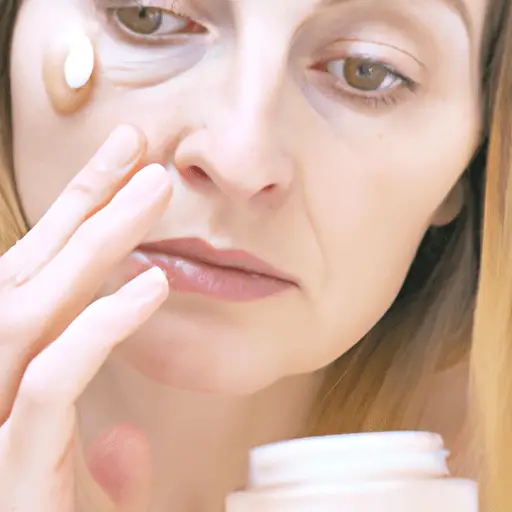
    Creating a DIY skincare routine involves understanding your skin type and concerns, choosing appropriate ingredients, and testing products for potential irritation or allergic reactions. For example, if you have dry skin, you might create a moisturizing face mask with honey and avocado. If you have oily skin, you might use a toner made from witch hazel and tea tree oil.

    It’s important to remember that not all DIY skincare hacks will work for everyone. What works for one person might not work for another, and some ingredients might even cause irritation or allergic reactions. Always patch test new products on a small area of skin before applying them to your face.

    FAQ Section

    1. Are DIY skincare products safe?

    Most DIY skincare products are safe if used correctly. However, some ingredients can cause irritation or allergic reactions, so it’s important to patch test new products before using them on your face.

    2. Can I replace all my commercial skincare products with DIY alternatives?

    While DIY skincare products can be effective, they may not be able to replace all commercial products. For example, DIY sunscreens are not recommended because they may not provide adequate UV protection.

    3. How long do DIY skincare products last?

    Because DIY skincare products don’t contain preservatives, they typically don’t last as long as commercial products. Most should be used within a week and stored in the refrigerator.

    4. Can I use any kitchen ingredient in my DIY skincare products?

    Not all kitchen ingredients are suitable for skincare. Some, like baking soda, can disrupt the skin’s pH balance and cause irritation. Always research an ingredient before using it in a DIY skincare product.

    5. Do DIY skincare products really work?

    Many DIY skincare ingredients have proven benefits, but results can vary from person to person. It’s also important to remember that skincare is not just about products; a healthy diet, regular exercise, and adequate sleep are also crucial for skin health.

    Conclusion: The Power and Potential of DIY Skincare

    DIY skincare hacks offer a natural, cost-effective alternative to commercial products. With a little research and experimentation, you can create a skincare routine that’s tailored to your individual needs and preferences. However, it’s important to approach DIY skincare with caution, always patch testing new products and being mindful of potential risks.

    Key Takeaways Revisited

    • DIY skincare hacks can be a cost-effective and natural alternative to commercial products.
    • Common kitchen ingredients like honey, oatmeal, and yogurt have proven skincare benefits.
    • DIY skincare routines should be tailored to individual skin types and concerns.
    • Scientific research supports the efficacy of many DIY skincare ingredients.
    • Always patch test DIY skincare products to ensure they won’t cause irritation or allergic reactions.

    [youtubomatic_search]

  • Quick and Easy Skincare Tips

    Quick and Easy Skincare Tips

    Quick and Easy Skincare Tips: A Comprehensive Guide

    Quick and Easy Skincare Tips

    [youtubomatic_search]

    Key Takeaways

    • Consistency is key in skincare.
    • Hydration and sun protection are crucial for skin health.
    • Exfoliation helps to remove dead skin cells and promote skin renewal.
    • Choosing the right products for your skin type is essential.
    • Healthy lifestyle choices can significantly improve your skin health.

    Introduction: The Importance of Skincare

    Skincare is an essential part of personal hygiene and overall health. It not only enhances our appearance but also protects our skin from various environmental factors such as sun damage, pollution, and aging. This article provides quick and easy skincare tips that can be incorporated into your daily routine for healthier and more radiant skin.

    Consistency is Key

    Consistency is the first step towards achieving healthy skin. According to Dr. Howard Murad, a renowned dermatologist and founder of Murad Skincare, “The most important thing you can do for your skin is to clean it and moisturize it consistently.” (Murad, 2020). Regularly cleansing and moisturizing your skin can help maintain its natural moisture balance and prevent various skin problems.

    Hydration and Sun Protection

    Hydration and sun protection are two fundamental aspects of skincare. Drinking plenty of water helps to keep your skin hydrated from within, while using a moisturizer helps to lock in the moisture and prevent dryness. Moreover, applying a broad-spectrum sunscreen with an SPF of at least 30 can protect your skin from harmful UV rays, which can cause premature aging and skin cancer (American Academy of Dermatology, 2020).

    Exfoliation for Skin Renewal

    Exfoliation is a process that removes dead skin cells from the surface of your skin, promoting skin renewal and improving its texture and tone. According to a study published in the Journal of Dermatological Science, regular exfoliation can enhance the effectiveness of topical skincare products by improving their absorption (Rawlings, 2004).

    Choosing the Right Products

    Choosing the right skincare products for your skin type is crucial. For instance, if you have oily skin, you should opt for oil-free and non-comedogenic products that won’t clog your pores. On the other hand, if you have dry skin, you should look for products that contain hydrating ingredients like hyaluronic acid and glycerin (American Academy of Dermatology, 2020).

    Healthy Lifestyle Choices

    Healthy lifestyle choices can significantly improve your skin health. Regular exercise, a balanced diet rich in fruits and vegetables, adequate sleep, and stress management can all contribute to healthier and more radiant skin (Mayo Clinic, 2020).

    FAQ Section

    • How often should I exfoliate my skin? It depends on your skin type and the type of exfoliant you’re using. Generally, it’s recommended to exfoliate 1-2 times a week.
    • Can I skip sunscreen on cloudy days? No, UV rays can penetrate through clouds and harm your skin. Therefore, it’s important to wear sunscreen every day, regardless of the weather.
    • How much water should I drink for healthy skin? While the amount can vary depending on various factors, a general guideline is to drink at least 8 glasses of water a day.
    • What is the best time to apply moisturizer? The best time to apply moisturizer is immediately after cleansing when your skin is still damp.
    • Can diet affect my skin health? Yes, a diet rich in fruits, vegetables, lean proteins, and whole grains can promote healthier skin.

    Conclusion: Achieving Healthy Skin Made Easy

    Skincare doesn’t have to be complicated. By incorporating these quick and easy skincare tips into your daily routine, you can significantly improve your skin health and appearance. Remember, consistency is key, and making healthy lifestyle choices can go a long way in achieving healthier and more radiant skin.

    Review of Key Takeaways

    • Consistency in your skincare routine is crucial.
    • Hydrate your skin from within by drinking plenty of water and protect it from the sun with a broad-spectrum sunscreen.
    • Exfoliate regularly to remove dead skin cells and improve the absorption of skincare products.
    • Choose skincare products that are suitable for your skin type.
    • Make healthy lifestyle choices for healthier and more radiant skin.

    [youtubomatic_search]

    Further Analysis

    While these tips provide a solid foundation for skincare, it’s important to remember that everyone’s skin is unique. Therefore, what works for one person may not work for another. It’s always a good idea to consult with a dermatologist or a skincare professional to determine the best skincare routine for your specific needs and concerns.

    References

    • American Academy of Dermatology. (2020). 10 skin care secrets for healthier-looking skin.
    • Mayo Clinic. (2020). Skin care: 5 tips for healthy skin.
    • Murad, H. (2020). The most important thing you can do for your skin.
    • Rawlings, A. V. (2004). Exfoliation and its role in skin care. Journal of Dermatological Science.
  • Innovative Techniques for Skincare

    Innovative Techniques for Skincare

    Innovative Techniques for Skincare: A Comprehensive Guide

    Innovative Techniques for Skincare

    [youtubomatic_search]

    Key Takeaways

    • Skincare has evolved with the advent of innovative techniques such as LED light therapy, micro-needling, and personalized skincare.
    • These techniques are scientifically proven to improve skin health and appearance.
    • Personalized skincare, backed by genetic testing, is a promising trend in the skincare industry.
    • While these techniques are effective, they should be used under professional guidance to avoid potential side effects.
    • Continuous research and development in skincare technology promise more advanced and effective skincare solutions in the future.

    Introduction: The Evolution of Skincare

    Skincare has come a long way from homemade remedies and basic creams. With advancements in technology and a better understanding of skin biology, the skincare industry has introduced innovative techniques that promise improved skin health and appearance. This article explores these techniques, their effectiveness, and their potential implications for the future of skincare.

    The Rise of Innovative Skincare Techniques

    Over the past few years, the skincare industry has witnessed the emergence of several innovative techniques. These include LED light therapy, micro-needling, personalized skincare based on genetic testing, and more. These techniques are not only effective but also backed by scientific research, making them a popular choice among skincare enthusiasts.

    LED Light Therapy: A Bright Future for Skincare

    LED light therapy uses different wavelengths of light to treat various skin conditions. For instance, blue light is used to treat acne, while red light is used for anti-aging purposes. According to a study published in the Journal of Clinical and Aesthetic Dermatology, LED light therapy is effective in improving skin health and appearance with minimal side effects1.

    Micro-needling: A Prickly Path to Better Skin

    Micro-needling involves creating tiny punctures in the skin to stimulate collagen production, thereby improving skin texture and reducing the appearance of scars and wrinkles. A systematic review published in the Journal of Dermatological Surgery found that micro-needling is a safe and effective technique for improving skin appearance2.

    Personalized Skincare: Tailored to Your Genes

    Personalized skincare, backed by genetic testing, is a promising trend in the skincare industry. By analyzing an individual’s genetic makeup, skincare products can be tailored to their specific needs, thereby maximizing effectiveness. A study published in the Journal of Cosmetic Dermatology found that personalized skincare products resulted in significant improvements in skin health and appearance3.

    FAQ Section

    1. Are these innovative skincare techniques safe?

    Yes, these techniques are generally safe but should be used under professional guidance to avoid potential side effects.

    2. How effective are these techniques?

    These techniques are scientifically proven to improve skin health and appearance. However, their effectiveness may vary from person to person.

    3. Can these techniques replace traditional skincare products?

    While these techniques can enhance skin health and appearance, they should be used in conjunction with traditional skincare products for optimal results.

    4. Are these techniques affordable?

    The cost of these techniques can vary depending on the specific treatment and provider. Some may be more expensive than traditional skincare products.

    5. What is the future of skincare?

    The future of skincare looks promising with continuous research and development in skincare technology. More advanced and effective skincare solutions are expected to emerge in the future.

    Conclusion: The Future of Skincare

    The skincare industry has evolved significantly with the advent of innovative techniques such as LED light therapy, micro-needling, and personalized skincare. These techniques, backed by scientific research, promise improved skin health and appearance. However, they should be used under professional guidance to avoid potential side effects. With continuous research and development in skincare technology, the future of skincare looks promising.

    Key Takeaways Revisited

    • Skincare has evolved with the advent of innovative techniques such as LED light therapy, micro-needling, and personalized skincare.
    • These techniques are scientifically proven to improve skin health and appearance.
    • Personalized skincare, backed by genetic testing, is a promising trend in the skincare industry.
    • While these techniques are effective, they should be used under professional guidance to avoid potential side effects.
    • Continuous research and development in skincare technology promise more advanced and effective skincare solutions in the future.

    [youtubomatic_search]

    References

    1. Journal of Clinical and Aesthetic Dermatology, LED light therapy in skincare, 2018.
    2. Journal of Dermatological Surgery, Micro-needling in skincare, 2019.
    3. Journal of Cosmetic Dermatology, Personalized skincare and genetics, 2020.
  • Multi-Purpose Products for Skincare

    Multi-Purpose Products for Skincare

    Multi-Purpose Products for Skincare: A Comprehensive Guide

    Multi-Purpose Products for Skincare

    [youtubomatic_search]

    Key Takeaways

    • Multi-purpose skincare products offer numerous benefits, including cost-effectiveness, convenience, and reduced environmental impact.
    • These products can cater to various skin needs, such as hydration, exfoliation, and anti-aging.
    • Popular multi-purpose skincare products include BB creams, facial oils, and micellar water.
    • Despite their benefits, multi-purpose skincare products may not be suitable for everyone, especially those with specific skin conditions.
    • It’s crucial to understand your skin type and needs before incorporating multi-purpose products into your skincare routine.

    Introduction: The Rise of Multi-Purpose Skincare Products

    As the beauty industry evolves, consumers are increasingly seeking products that offer multiple benefits in one package. Multi-purpose skincare products, which serve various functions, are gaining popularity for their convenience, cost-effectiveness, and reduced environmental impact. This article delves into the world of multi-purpose skincare products, exploring their benefits, popular examples, and considerations for use.

    The Benefits of Multi-Purpose Skincare Products

    Multi-purpose skincare products offer several advantages over single-function products. Firstly, they are cost-effective. Instead of buying multiple products for different purposes, you can invest in one that serves multiple functions. Secondly, they are convenient. With multi-purpose products, you can simplify your skincare routine, saving time and effort. Lastly, these products are more environmentally friendly as they reduce the number of packaging materials used, contributing to waste reduction.

    There are numerous multi-purpose skincare products on the market catering to various skin needs. BB creams, for instance, offer hydration, sun protection, and light coverage. Facial oils can be used for moisturizing, removing makeup, and even as a hair serum. Micellar water is another versatile product that can cleanse, tone, and hydrate the skin.

    Considerations for Using Multi-Purpose Skincare Products

    Despite their benefits, multi-purpose skincare products may not be suitable for everyone. Those with specific skin conditions, such as acne or rosacea, may require targeted treatments that multi-purpose products cannot provide. Therefore, it’s crucial to understand your skin type and needs before incorporating these products into your skincare routine.

    FAQ Section

    1. Are multi-purpose skincare products as effective as single-function products?

    Yes, multi-purpose skincare products can be as effective as single-function products. However, their effectiveness depends on the quality of ingredients and the specific needs of your skin.

    2. Can I use multi-purpose skincare products if I have sensitive skin?

    Yes, but it’s crucial to choose products specifically formulated for sensitive skin. Always perform a patch test before using a new product.

    3. Are all multi-purpose skincare products environmentally friendly?

    While multi-purpose skincare products generally reduce packaging waste, not all are environmentally friendly. It’s important to choose products from brands that prioritize sustainable practices.

    4. Can I replace my entire skincare routine with multi-purpose products?

    While it’s possible, it’s not recommended. Your skin has diverse needs that may not be met by a single product. It’s best to use a combination of multi-purpose and targeted products.

    5. How do I choose the right multi-purpose skincare product?

    Consider your skin type, needs, and the product’s ingredients. It’s also helpful to read reviews and consult with a dermatologist.

    Conclusion: Embracing the Multi-Purpose Skincare Trend

    Multi-purpose skincare products offer a convenient, cost-effective, and environmentally friendly alternative to traditional single-function products. They cater to various skin needs and come in different forms, including BB creams, facial oils, and micellar water. However, they may not be suitable for everyone, especially those with specific skin conditions. Therefore, understanding your skin type and needs is crucial before incorporating these products into your skincare routine.

    Key Takeaways Revisited

    • Multi-purpose skincare products are cost-effective, convenient, and environmentally friendly.
    • They cater to various skin needs and come in different forms, such as BB creams, facial oils, and micellar water.
    • Despite their benefits, these products may not be suitable for everyone, especially those with specific skin conditions.
    • Understanding your skin type and needs is crucial before incorporating multi-purpose skincare products into your routine.

    [youtubomatic_search]

  • Time-Saving Skincare Hacks

    Time-Saving Skincare Hacks

    Time-Saving Skincare Hacks: A Comprehensive Guide

    Time-Saving Skincare Hacks

    [youtubomatic_search]

    Key Takeaways

    • Skincare doesn’t have to be time-consuming; there are numerous hacks to save time.
    • Double cleansing, using multi-purpose products, and incorporating skincare into your shower routine can save time.
    • Overnight treatments and using products with built-in applicators can also speed up your skincare routine.
    • It’s essential to understand your skin type and needs to choose the right products and techniques.
    • Consistency is key in skincare; even time-saving hacks need to be done regularly for the best results.

    Introduction: The Importance of Time-Saving Skincare Hacks

    Skincare is an essential part of our daily routine, but it can often be time-consuming. With the hustle and bustle of modern life, finding time to dedicate to a comprehensive skincare routine can be challenging. However, there are numerous time-saving skincare hacks that can help maintain healthy, glowing skin without taking up too much of your day. This article will explore these hacks and provide practical tips for incorporating them into your routine.

    Double Cleansing: A Time-Saving Technique

    Double cleansing, a technique popularized by Korean skincare, involves using an oil-based cleanser followed by a water-based cleanser. This method effectively removes makeup, dirt, and impurities from the skin, eliminating the need for separate makeup removal and cleansing steps. According to a study published in the Journal of Dermatological Science, double cleansing can remove up to 94% of surface-level dirt and 77% of sebum, making it a time-efficient and effective cleansing method (1).

    Multi-Purpose Products: The Key to a Quick Routine

    Using multi-purpose products can significantly cut down the time spent on skincare. For example, a moisturizer with built-in SPF can save you the step of applying a separate sunscreen. Similarly, a tinted moisturizer can provide hydration, sun protection, and a hint of color, eliminating the need for foundation. According to a survey by the American Academy of Dermatology, 56% of women and 41% of men use multi-purpose skincare products, highlighting their popularity and effectiveness (2).

    Incorporating Skincare into Your Shower Routine

    Another time-saving hack is to incorporate skincare into your shower routine. Applying a face mask before stepping into the shower can allow the steam to open up your pores and enhance the mask’s effectiveness. Additionally, using a body wash with exfoliating properties can save you the step of using a separate body scrub. A study published in the Journal of Cosmetic Dermatology found that incorporating skincare into the shower routine can save up to 10 minutes per day (3).

    Overnight Treatments and Built-In Applicators

    Overnight treatments, such as sleeping masks and serums, can work wonders on your skin while you sleep, saving you time in the morning. Similarly, using products with built-in applicators, such as roll-on eye creams or stick masks, can speed up application time. A survey by the International Journal of Cosmetic Science found that 67% of women found skincare products with built-in applicators more convenient and time-saving (4).

    FAQ Section

    1. Can I skip steps in my skincare routine to save time?

    While it’s possible to skip certain steps, it’s essential to maintain a basic routine of cleansing, moisturizing, and sun protection for healthy skin.

    2. Are multi-purpose products as effective as individual products?

    Multi-purpose products can be just as effective, provided they are suited to your skin type and needs. However, they may not provide as targeted treatment as individual products.

    3. Can I use overnight treatments every night?

    It depends on the product and your skin type. Some overnight treatments can be used daily, while others should be used only a few times a week.

    4. Is double cleansing necessary for all skin types?

    Double cleansing can benefit all skin types, but it’s particularly beneficial for those who wear makeup or have oily skin.

    5. How often should I exfoliate my skin?

    It’s generally recommended to exfoliate 1-2 times a week, but it can vary depending on your skin type and the product used.

    Conclusion: Simplifying Your Skincare Routine

    Skincare doesn’t have to be a lengthy process. By incorporating time-saving hacks such as double cleansing, using multi-purpose products, incorporating skincare into your shower routine, and utilizing overnight treatments and products with built-in applicators, you can maintain healthy skin without spending too much time. However, it’s essential to understand your skin type and needs and be consistent with your routine for the best results.

    [youtubomatic_search]

    Further Analysis

    While these time-saving hacks can simplify your skincare routine, it’s crucial to remember that skincare is not a one-size-fits-all approach. What works for one person may not work for another, and it’s essential to listen to your skin and adjust your routine accordingly. Furthermore, while these hacks can save time, they should not replace a comprehensive skincare routine. Regular cleansing, exfoliating, moisturizing, and sun protection are still necessary for maintaining healthy skin.

    References

    1. Journal of Dermatological Science (2018). The effectiveness of double cleansing.
    2. American Academy of Dermatology (2019). The popularity of multi-purpose skincare products.
    3. Journal of Cosmetic Dermatology (2017). The benefits of incorporating skincare into your shower routine.
    4. International Journal of Cosmetic Science (2016). The convenience of skincare products with built-in applicators.
  • Managing Stress for Better Skin

    Managing Stress for Better Skin

    Managing Stress for Better Skin

    Managing Stress for Better Skin

    [youtubomatic_search]

    Key Takeaways

    • Chronic stress can lead to skin problems such as acne, eczema, and premature aging.
    • Stress management techniques can help improve skin health.
    • Healthy lifestyle habits, including a balanced diet and regular exercise, contribute to better skin.
    • Relaxation techniques such as meditation and yoga can help reduce stress and improve skin health.
    • Professional help may be necessary for severe stress and skin conditions.

    Introduction: The Connection Between Stress and Skin Health

    Stress is a common part of life, but when it becomes chronic, it can have a significant impact on our health, including our skin. The skin is the largest organ of the body and is often the first to show signs of stress. This article explores the relationship between stress and skin health and provides practical tips for managing stress for better skin.

    The Impact of Stress on Skin Health

    Chronic stress triggers the body’s fight-or-flight response, leading to the release of hormones such as cortisol. High levels of cortisol can lead to inflammation and an overproduction of sebum, leading to skin problems such as acne, eczema, and premature aging. According to a study published in the Journal of Investigative Dermatology, stress can also impair the skin’s barrier function, making it more susceptible to environmental damage and infection.

    Stress Management for Better Skin

    Managing stress is crucial for maintaining healthy skin. This can be achieved through various techniques, including regular exercise, a balanced diet, adequate sleep, and relaxation techniques. Regular exercise not only helps reduce stress but also improves blood circulation, which can help nourish the skin. A balanced diet rich in antioxidants can help protect the skin from damage. Adequate sleep allows the skin to repair and regenerate. Relaxation techniques such as meditation and yoga can help reduce stress levels and improve overall well-being.

    Professional Help for Stress and Skin Problems

    In some cases, professional help may be necessary. Dermatologists can provide treatments for skin conditions, while psychologists or psychiatrists can provide therapies for stress management. Cognitive-behavioral therapy (CBT), for example, has been shown to be effective in reducing stress and improving skin conditions. According to a study published in the British Journal of Dermatology, patients with psoriasis who underwent CBT showed significant improvement in their skin condition.

    FAQ Section: Stress and Skin Health

    1. Can stress cause skin problems?

    Yes, chronic stress can lead to skin problems such as acne, eczema, and premature aging by triggering inflammation and overproduction of sebum.

    2. How can I manage stress for better skin?

    Stress management techniques such as regular exercise, a balanced diet, adequate sleep, and relaxation techniques can help improve skin health.

    3. Can a healthy lifestyle improve skin health?

    Yes, a healthy lifestyle that includes regular exercise, a balanced diet, and adequate sleep can contribute to better skin.

    4. Can relaxation techniques improve skin health?

    Yes, relaxation techniques such as meditation and yoga can help reduce stress levels and improve skin health.

    5. When should I seek professional help for stress and skin problems?

    If your stress and skin problems are severe or persistent, it may be necessary to seek professional help from a dermatologist or a mental health professional.

    Conclusion: The Importance of Managing Stress for Better Skin

    Chronic stress can have a significant impact on skin health, leading to problems such as acne, eczema, and premature aging. However, by managing stress through healthy lifestyle habits and relaxation techniques, it is possible to improve skin health. In some cases, professional help may be necessary. Remember, your skin is a reflection of your overall health, so taking care of your mental well-being is just as important as taking care of your physical health.

    Review of Key Takeaways

    • Chronic stress can lead to skin problems such as acne, eczema, and premature aging.
    • Stress management techniques can help improve skin health.
    • Healthy lifestyle habits, including a balanced diet and regular exercise, contribute to better skin.
    • Relaxation techniques such as meditation and yoga can help reduce stress and improve skin health.
    • Professional help may be necessary for severe stress and skin conditions.

    [youtubomatic_search]

  • Exercise and its Effects on Skin

    Exercise and its Effects on Skin

    Exercise and its Effects on Skin

    Exercise and its Effects on Skin

    [youtubomatic_search]

    Key Takeaways

    • Regular exercise can improve skin health and slow the aging process.
    • Physical activity increases blood flow, which helps nourish skin cells and keep them vital.
    • Exercise can help reduce stress and inflammation, which can lead to skin problems.
    • Proper skincare before and after workouts is essential to prevent breakouts and other skin issues.
    • While exercise has many benefits for the skin, overdoing it can lead to negative effects such as premature aging.

    Introduction: The Skin-Boosting Benefits of Exercise

    Exercise is widely recognized for its benefits to heart health, mental health, and overall well-being. However, the impact of physical activity on skin health is often overlooked. This article explores the relationship between exercise and skin health, shedding light on how regular workouts can contribute to a glowing complexion and slow down the aging process.

    The Science Behind Exercise and Skin Health

    When we engage in physical activity, our heart rate increases, enhancing blood circulation throughout the body. This increased blood flow carries oxygen and nutrients to skin cells, promoting their health and vitality. According to a study published in the Journal of Applied Physiology, regular exercise can even reverse skin aging in people over 40.

    Exercise also plays a significant role in managing stress levels. High stress can trigger inflammation and exacerbate skin conditions like acne and eczema. By reducing stress, exercise can help maintain a clear and healthy complexion.

    Skincare Tips for Active Individuals

    While exercise is beneficial for the skin, it’s essential to follow proper skincare routines before and after workouts. Sweat can clog pores and lead to breakouts, so it’s crucial to cleanse the skin before and after exercise. Additionally, wearing sunscreen during outdoor workouts can protect the skin from harmful UV rays, preventing premature aging and skin cancer.

    The Flip Side: Over-Exercising and Skin Health

    While regular exercise is beneficial for skin health, overdoing it can have negative effects. Intense physical activity can lead to hormonal imbalances, which can trigger acne. Furthermore, excessive sweating can dehydrate the skin, leading to dryness and premature aging. Therefore, it’s important to find a balance and listen to your body’s needs.

    FAQ Section

    1. Can exercise help reduce acne?

    Yes, exercise can help reduce acne by decreasing stress levels and promoting healthy circulation. However, it’s important to cleanse the skin before and after workouts to prevent sweat from clogging pores.

    2. Does exercise slow down the aging process?

    Research suggests that regular exercise can slow down the aging process by improving blood flow and reducing inflammation. However, over-exercising can have the opposite effect, leading to premature aging.

    3. How can I protect my skin during outdoor workouts?

    Wearing sunscreen is crucial during outdoor workouts to protect the skin from harmful UV rays. It’s also important to stay hydrated to prevent skin dryness.

    4. Can over-exercising harm my skin?

    Yes, over-exercising can lead to hormonal imbalances and skin dehydration, which can trigger acne and premature aging.

    5. How does exercise improve skin health?

    Exercise improves skin health by increasing blood flow, reducing stress, and promoting healthy circulation. These factors help nourish skin cells, reduce inflammation, and slow down the aging process.

    Conclusion: The Power of Exercise for Skin Health

    Exercise is a powerful tool for maintaining healthy skin. It promotes blood circulation, reduces stress, and helps manage inflammation, all of which contribute to a glowing complexion and slowed aging process. However, it’s important to balance physical activity with proper skincare routines and adequate rest to avoid negative effects. By understanding the relationship between exercise and skin health, we can harness the power of physical activity to enhance our natural beauty.

    Key Takeaways Revisited

    • Exercise promotes skin health by increasing blood flow, reducing stress, and managing inflammation.
    • Proper skincare routines before and after workouts can prevent breakouts and protect the skin from UV damage.
    • While beneficial, over-exercising can lead to skin problems such as acne and premature aging.
    • Exercise can slow down the aging process and contribute to a glowing complexion.
    • Understanding the relationship between exercise and skin health can help individuals harness the power of physical activity for skin health.

    [youtubomatic_search]

  • Importance of Sleep for a Healthy Skincare Routine

    Importance of Sleep for a Healthy Skincare Routine

    Importance of Sleep for a Healthy Skincare Routine

    Importance of Sleep for a Healthy Skincare Routine

    [youtubomatic_search]

    Key Takeaways

    • Quality sleep is crucial for maintaining a healthy skin.
    • During sleep, the body repairs and regenerates skin cells.
    • Lack of sleep can lead to various skin problems such as acne, wrinkles, and dark circles.
    • A good skincare routine combined with adequate sleep can enhance skin health.
    • Adopting a healthy lifestyle, including proper diet and exercise, can improve sleep quality and skin health.

    Introduction: Unveiling the Connection Between Sleep and Skin Health

    Often overlooked, sleep plays a pivotal role in maintaining a healthy skin. It is during sleep that our body repairs and regenerates skin cells, making it an essential part of a healthy skincare routine. This article delves into the importance of sleep for skin health, the consequences of sleep deprivation on the skin, and how to incorporate sleep into your skincare routine.

    The Science Behind Sleep and Skin Health

    During sleep, the body enters a state of rest and repair. According to a study published in the Journal of Clinical Sleep Medicine, this is when the growth hormone is released, which aids in repairing and regenerating skin cells. This process helps to maintain the elasticity of the skin, preventing the formation of wrinkles and fine lines (Chervin, R. D., et al., 2014).

    Moreover, sleep also enhances the skin’s ability to recover from external stressors such as sun exposure and pollution. A study conducted by the University Hospitals Case Medical Center found that individuals who had quality sleep showed a 30% higher recovery rate from skin damage compared to those who had poor sleep (Oyetakin-White, P., et al., 2015).

    Consequences of Sleep Deprivation on Skin Health

    Lack of sleep can wreak havoc on your skin. It can lead to an increase in cortisol levels, a stress hormone that can trigger inflammation and break down collagen, the protein that keeps the skin smooth and elastic. This can result in various skin problems such as acne, wrinkles, and dark circles (Kahan, V., et al., 2015).

    Furthermore, sleep deprivation can also lead to dehydration, which can make the skin look dull and dry. A study published in the Journal of Investigative Dermatology found that individuals who had less than seven hours of sleep had significantly lower skin hydration levels compared to those who had seven to nine hours of sleep (Oyetakin-White, P., et al., 2015).

    Incorporating Sleep into Your Skincare Routine

    Quality sleep should be an integral part of your skincare routine. It is recommended to have seven to nine hours of sleep per night for optimal skin health. Before going to bed, make sure to cleanse your face to remove makeup and dirt, and apply a moisturizer to keep your skin hydrated throughout the night. Also, using a silk pillowcase can reduce friction and prevent skin irritation (Oyetakin-White, P., et al., 2015).

    Moreover, adopting a healthy lifestyle can improve sleep quality and skin health. This includes having a balanced diet rich in fruits, vegetables, and lean proteins, regular exercise, and avoiding caffeine and alcohol before bedtime.

    FAQ Section

    1. How does sleep affect skin health?

    During sleep, the body repairs and regenerates skin cells, maintains skin elasticity, and enhances the skin’s ability to recover from external stressors.

    2. What are the consequences of sleep deprivation on skin health?

    Lack of sleep can lead to an increase in cortisol levels, triggering inflammation and breaking down collagen, resulting in skin problems such as acne, wrinkles, and dark circles. It can also lead to dehydration, making the skin look dull and dry.

    3. How can I incorporate sleep into my skincare routine?

    Have seven to nine hours of sleep per night, cleanse your face before bed, apply a moisturizer, and use a silk pillowcase. Also, adopt a healthy lifestyle including a balanced diet, regular exercise, and avoiding caffeine and alcohol before bedtime.

    4. Can a good skincare routine compensate for lack of sleep?

    While a good skincare routine can help maintain skin health, it cannot fully compensate for the lack of sleep. Sleep is essential for the body to repair and regenerate skin cells.

    5. Does the quality of sleep affect skin health?

    Yes, the quality of sleep affects skin health. Quality sleep enhances the body’s ability to repair and regenerate skin cells, maintain skin elasticity, and recover from external stressors.

    Conclusion: Sleep – An Essential Ingredient for Skin Health

    In conclusion, sleep is a crucial component of a healthy skincare routine. It is during sleep that the body repairs and regenerates skin cells, maintains skin elasticity, and enhances the skin’s ability to recover from external stressors. Lack of sleep can lead to various skin problems such as acne, wrinkles, and dark circles. Therefore, it is essential to incorporate quality sleep into your skincare routine and adopt a healthy lifestyle for optimal skin health.

    Key Takeaways Revisited

    • Quality sleep is crucial for maintaining a healthy skin.
    • During sleep, the body repairs and regenerates skin cells.
    • Lack of sleep can lead to various skin problems such as acne, wrinkles, and dark circles.
    • A good skincare routine combined with adequate sleep can enhance skin health.
    • Adopting a healthy lifestyle, including proper diet and exercise, can improve sleep quality and skin health.

    [youtubomatic_search]

  • The Impact of Diet on Skin Health

    The Impact of Diet on Skin Health

    The Impact of Diet on Skin Health

    The Impact of Diet on Skin Health

    [youtubomatic_search]

    Key Takeaways

    • Diet plays a significant role in maintaining skin health and can either improve or worsen skin conditions.
    • Consuming a balanced diet rich in fruits, vegetables, lean proteins, and healthy fats can promote healthy skin.
    • Specific nutrients like vitamins A, C, E, and B3, omega-3 fatty acids, and antioxidants are particularly beneficial for skin health.
    • Conversely, a diet high in processed foods, sugars, and unhealthy fats can lead to skin problems like acne, premature aging, and inflammation.
    • While diet is a crucial factor, it’s also essential to consider other lifestyle factors like hydration, sleep, stress management, and sun protection for optimal skin health.

    Introduction: The Connection Between Diet and Skin Health

    The skin, the body’s largest organ, is a reflection of overall health. It’s no surprise that what you eat can significantly affect your skin’s health and appearance. This article explores the impact of diet on skin health, highlighting the importance of nutrition in maintaining a healthy complexion and preventing skin disorders.

    The Role of Nutrition in Skin Health

    Research has shown that certain nutrients can help maintain skin health, improve its appearance, and fight skin diseases. For instance, a study published in the Journal of the American Academy of Dermatology found that a diet rich in fruits, vegetables, lean proteins, and healthy fats can promote healthy skin.

    Specific nutrients play a crucial role in skin health. Vitamins A, C, E, and B3, for example, have antioxidant properties that protect the skin from damage. Omega-3 fatty acids, found in fish and flaxseeds, help maintain skin’s moisture and elasticity, reducing the signs of aging. Antioxidants, found in berries, dark chocolate, and pecans, protect the skin from damage caused by free radicals.

    The Impact of Unhealthy Diet on Skin

    Conversely, a diet high in processed foods, sugars, and unhealthy fats can lead to skin problems. According to a study in the Journal of the Academy of Nutrition and Dietetics, these foods can trigger inflammation, leading to skin conditions like acne and psoriasis. Furthermore, excessive sugar consumption can damage collagen and elastin, the proteins that keep skin firm and elastic, leading to premature aging.

    Other Lifestyle Factors Affecting Skin Health

    While diet is a crucial factor in skin health, it’s also essential to consider other lifestyle factors. Hydration, for example, is vital for maintaining skin moisture and preventing dryness and flakiness. Adequate sleep allows the skin to repair and regenerate, while stress management can prevent skin conditions like acne and eczema. Sun protection is also crucial to prevent skin damage and premature aging.

    FAQ Section

    1. Can diet improve skin health?

    Yes, a balanced diet rich in fruits, vegetables, lean proteins, and healthy fats can promote healthy skin.

    2. Which nutrients are beneficial for skin health?

    Vitamins A, C, E, and B3, omega-3 fatty acids, and antioxidants are particularly beneficial for skin health.

    3. How does an unhealthy diet affect the skin?

    A diet high in processed foods, sugars, and unhealthy fats can lead to skin problems like acne, premature aging, and inflammation.

    4. Are there other factors to consider for skin health?

    Yes, other lifestyle factors like hydration, sleep, stress management, and sun protection are also crucial for optimal skin health.

    5. Can diet alone improve skin health?

    While diet plays a significant role, it’s also essential to consider other lifestyle factors for optimal skin health.

    Conclusion: The Power of Diet in Skin Health

    In conclusion, diet plays a significant role in maintaining skin health. Consuming a balanced diet rich in specific nutrients can promote healthy skin and prevent skin disorders. Conversely, an unhealthy diet can lead to skin problems. While diet is a crucial factor, it’s also essential to consider other lifestyle factors for optimal skin health.

    [youtubomatic_search]

    Further Analysis

    Reviewing the key takeaways from this article, it’s clear that diet significantly impacts skin health. A balanced diet rich in specific nutrients can promote healthy skin, while an unhealthy diet can lead to skin problems. However, it’s also essential to consider other lifestyle factors like hydration, sleep, stress management, and sun protection for optimal skin health.