Category: SUN PROTECTION

  • Sunscreen Application Tips for Maximum Protection

    Sunscreen Application Tips for Maximum Protection

    Sunscreen Application Tips for Maximum Protection

    Sunscreen Application Tips for Maximum Protection

    [youtubomatic_search]

    Key Takeaways

    • Applying sunscreen correctly is crucial for maximum sun protection.
    • Not all sunscreens are created equal; understanding the differences can help you choose the right one.
    • Reapplication of sunscreen is just as important as the initial application.
    • Even on cloudy days, sunscreen is necessary for skin protection.
    • Integrating sunscreen into your daily skincare routine can promote healthier skin.

    Introduction: The Importance of Sunscreen in Skincare

    With the increasing awareness of the harmful effects of the sun’s ultraviolet (UV) rays, sunscreen has become an essential part of our daily skincare routine. However, many people are still unsure about the correct way to apply sunscreen for maximum protection. This article aims to provide comprehensive tips on sunscreen application, ensuring you get the most out of your sun protection.

    Choosing the Right Sunscreen

    Not all sunscreens are created equal. According to the American Academy of Dermatology (AAD), a broad-spectrum sunscreen that protects against both UVA and UVB rays, with an SPF of 30 or higher, is recommended for best protection. Water-resistant sunscreens are also advisable if you’ll be swimming or sweating.

    Correct Application for Maximum Protection

    The AAD suggests applying sunscreen 15 minutes before going outdoors. It’s important to cover all exposed skin, including often-forgotten areas like the tops of your feet, your neck, your ears, and the top of your head. For most adults, about 1 ounce (or a shot glass full) of sunscreen is needed to fully cover the body.

    The Importance of Reapplication

    One application of sunscreen isn’t enough. The AAD recommends reapplying sunscreen every two hours, or immediately after swimming or sweating. Even if your sunscreen is labeled as water-resistant, it should still be reapplied after water exposure for maximum protection.

    Sunscreen on Cloudy Days

    Contrary to popular belief, sunscreen is necessary even on cloudy days. According to the Skin Cancer Foundation, up to 80% of the sun’s harmful UV rays can penetrate your skin on a cloudy day. Therefore, daily application of sunscreen is crucial for maintaining healthy skin.

    FAQ Section

    1. Can I skip sunscreen if I’m wearing makeup with SPF?

    No. While makeup with SPF can provide some protection, it’s usually not enough. It’s best to apply a broad-spectrum sunscreen underneath your makeup for maximum protection.

    2. Is sunscreen necessary in winter?

    Yes. The sun’s harmful UV rays can still cause damage in winter. Snow can also reflect UV rays, increasing your exposure.

    3. Can I use sunscreen on my baby?

    For babies under 6 months, it’s best to avoid sun exposure and use protective clothing. For older babies and toddlers, sunscreen can be used, but it’s best to choose a product designed for sensitive skin.

    4. Does sunscreen expire?

    Yes. Most sunscreens have a shelf life of 3 years. After that, they may not provide adequate protection.

    5. Can I use sunscreen on my lips?

    Yes. The skin on your lips is very thin and can easily burn. Use a lip balm with an SPF of at least 30.

    Conclusion: The Power of Proper Sunscreen Application

    Proper sunscreen application is a powerful tool in the fight against skin damage and skin cancer. By choosing the right sunscreen, applying it correctly, and reapplying it regularly, you can ensure maximum protection for your skin. Even on cloudy days or during winter, sunscreen should be a non-negotiable part of your skincare routine. Remember, healthy skin is not just about looking good, it’s also about taking good care of it.

    Key Takeaways Revisited

    • Choosing a broad-spectrum, water-resistant sunscreen with an SPF of 30 or higher is crucial.
    • Proper application and reapplication are key to ensuring maximum sun protection.
    • Sunscreen is necessary even on cloudy days and during winter.
    • Sunscreen should be an integral part of your daily skincare routine for healthier skin.
    • Even if you’re wearing makeup with SPF or if your skin is naturally dark, you still need sunscreen.

    [youtubomatic_search]
  • How to Choose the Right Sunscreen

    How to Choose the Right Sunscreen

    How to Choose the Right Sunscreen: A Comprehensive Guide

    How to Choose the Right Sunscreen

    [youtubomatic_search]

    Key Takeaways

    • Understanding the importance of sunscreen in a skincare routine is crucial for maintaining healthy skin.
    • Choosing a broad-spectrum sunscreen is essential for comprehensive sun protection.
    • The Sun Protection Factor (SPF) is a key factor to consider when selecting a sunscreen.
    • Considering your skin type and lifestyle can help you choose the right sunscreen.
    • Reading and understanding sunscreen labels can guide you in making an informed choice.

    Introduction: The Role of Sunscreen in Skincare

    As we increasingly understand the harmful effects of sun exposure, the importance of incorporating sunscreen into our daily skincare routine cannot be overstated. Sunscreen not only protects our skin from harmful ultraviolet (UV) rays but also helps maintain its health and youthfulness. This article aims to guide you on how to choose the right sunscreen for your skin type and lifestyle.

    The Importance of Broad-Spectrum Sunscreen

    When choosing a sunscreen, one of the most important factors to consider is whether it offers broad-spectrum protection. According to the American Academy of Dermatology (AAD), a broad-spectrum sunscreen protects the skin from both UVA and UVB rays, both of which can cause skin cancer and premature skin aging.

    Understanding SPF

    The Sun Protection Factor (SPF) is another crucial factor to consider. The SPF number indicates how well the sunscreen protects against UVB rays, which are primarily responsible for sunburn. The AAD recommends using a sunscreen with an SPF of 30 or higher, which blocks 97% of the sun’s UVB rays.

    Considering Your Skin Type and Lifestyle

    Your skin type and lifestyle also play a significant role in choosing the right sunscreen. For instance, if you have sensitive skin, you might want to opt for a physical (mineral) sunscreen, which contains active mineral ingredients, such as titanium dioxide or zinc oxide. On the other hand, if you lead an active lifestyle and spend a lot of time outdoors, a water-resistant and high-SPF sunscreen would be a better choice.

    Reading and Understanding Sunscreen Labels

    Finally, understanding sunscreen labels can help you make an informed choice. Look for key terms such as “broad-spectrum”, “SPF”, “water-resistant”, and “expiration date”. Also, be aware of misleading terms such as “sunblock” and “all-day protection”, which can give a false sense of security.

    FAQ Section

    1. Why is it important to use sunscreen?

    Sunscreen protects your skin from harmful UV rays, which can cause skin cancer and premature skin aging.

    2. What does broad-spectrum mean?

    Broad-spectrum means that the sunscreen protects against both UVA and UVB rays.

    3. What SPF should I choose?

    The American Academy of Dermatology recommends using a sunscreen with an SPF of 30 or higher.

    4. How often should I reapply sunscreen?

    You should reapply sunscreen every two hours, or immediately after swimming or sweating.

    5. Can I use expired sunscreen?

    No, expired sunscreen may not provide the necessary protection.

    Conclusion: Making an Informed Choice

    Choosing the right sunscreen is a crucial step in maintaining healthy skin and protecting it from the harmful effects of sun exposure. By understanding the importance of broad-spectrum protection, considering the SPF, taking into account your skin type and lifestyle, and reading and understanding sunscreen labels, you can make an informed choice and ensure comprehensive sun protection.

    [youtubomatic_search]

    Further Analysis

    As we have seen, choosing the right sunscreen involves more than just picking up the first bottle you see on the shelf. It requires a good understanding of what different terms mean and how they apply to your specific needs. By following the guidelines outlined in this article, you can ensure that you are making the best choice for your skin’s health and longevity.

    Key Takeaways Revisited

    • Sunscreen plays a crucial role in a skincare routine, offering protection against harmful UV rays and helping maintain healthy skin.
    • Broad-spectrum sunscreens offer comprehensive sun protection, shielding the skin from both UVA and UVB rays.
    • The SPF is a measure of how well a sunscreen protects against UVB rays. An SPF of 30 or higher is recommended.
    • Your skin type and lifestyle should guide your choice of sunscreen. For instance, those with sensitive skin may prefer a physical sunscreen, while those who are active outdoors may need a water-resistant, high-SPF product.
    • Understanding sunscreen labels can help you make an informed choice. Look for key terms and be wary of misleading ones.
  • Understanding SPF: What You Need to Know

    Understanding SPF: What You Need to Know

    Understanding SPF: What You Need to Know

    Understanding SPF: What You Need to Know

    [youtubomatic_search]

    Key Takeaways

    • SPF, or Sun Protection Factor, is a measure of how well a sunscreen can protect your skin from harmful UV rays.
    • Higher SPF numbers do not necessarily mean better protection, and it’s important to apply sunscreen correctly and frequently.
    • Both UVA and UVB rays can cause skin damage and increase the risk of skin cancer, so broad-spectrum sunscreens are recommended.
    • SPF should be an essential part of your skincare routine to maintain healthy skin.
    • Understanding the different types of SPF and how they work can help you make informed decisions about sun protection.

    Introduction: The Importance of Sun Protection

    With the increasing awareness about the harmful effects of the sun’s ultraviolet (UV) rays, sun protection has become a crucial part of our skincare routine. One of the key components of sun protection is SPF, or Sun Protection Factor. This article aims to provide a comprehensive understanding of SPF, its importance, and how to use it effectively for maintaining healthy skin.

    Understanding SPF: The Basics

    SPF is a measure of how well a sunscreen can protect your skin from UVB rays, the kind of radiation that causes sunburn and contributes to skin cancer. For instance, if your skin would normally burn after 10 minutes in the sun, applying an SPF 15 sunscreen would allow you to stay in the sun without burning for approximately 150 minutes (a factor of 15 times longer).

    The Misconceptions About Higher SPF

    Contrary to popular belief, higher SPF numbers do not necessarily mean better protection. According to the Skin Cancer Foundation, an SPF 15 sunscreen blocks about 93% of UVB rays, SPF 30 blocks 97%, and SPF 50 blocks 98%. The difference becomes negligible as you go higher. Moreover, no sunscreen can block 100% of UV rays.

    The Importance of Broad-Spectrum Sunscreens

    While SPF measures protection against UVB rays, it’s important to note that UVA rays can also cause skin damage and increase the risk of skin cancer. UVA rays penetrate the skin more deeply and are primarily responsible for premature skin aging. Therefore, dermatologists recommend using a broad-spectrum (UVA/UVB) sunscreen for better protection.

    FAQ Section: Common Questions About SPF

    1. How often should I reapply sunscreen?

    It’s recommended to reapply sunscreen every two hours, or immediately after swimming or sweating.

    2. Can I skip sunscreen on a cloudy day?

    No. Up to 80% of the sun’s UV rays can pass through clouds, according to the American Academy of Dermatology.

    3. Is sunscreen the only way to protect my skin from the sun?

    While sunscreen is crucial, it’s also important to seek shade during peak sun hours and wear protective clothing, including a wide-brimmed hat and UV-blocking sunglasses.

    4. Can I use the same sunscreen for my face and body?

    Yes, as long as it’s a broad-spectrum sunscreen. However, you might prefer a lightweight, non-comedogenic sunscreen for your face to avoid clogging pores.

    5. Is sunscreen necessary in winter or indoors?

    Yes. Snow can reflect up to 80% of UV rays, increasing your exposure. And UVA rays, which cause aging, can penetrate window glass.

    Conclusion: The Role of SPF in Maintaining Healthy Skin

    Understanding SPF is crucial for effective sun protection and maintaining healthy skin. While SPF is an important measure of protection against harmful UVB rays, it’s essential to choose a broad-spectrum sunscreen for comprehensive protection against both UVA and UVB rays. Regular and correct application of sunscreen, along with other sun protection measures, can significantly reduce the risk of skin damage and skin cancer.

    Key Takeaways Revisited

    • SPF is a measure of protection against UVB rays, but it’s important to choose a broad-spectrum sunscreen for protection against both UVA and UVB rays.
    • Higher SPF numbers do not necessarily mean better protection, and no sunscreen can block 100% of UV rays.
    • Regular and correct application of sunscreen is crucial for effective sun protection.
    • Sunscreen should be an essential part of your skincare routine, regardless of the weather or your indoor/outdoor status.
    • Understanding SPF and sun protection can help you make informed decisions for maintaining healthy skin.

    [youtubomatic_search]

  • The Importance of Sunscreen in Skincare

    The Importance of Sunscreen in Skincare

    The Importance of Sunscreen in Skincare

    The Importance of Sunscreen in Skincare

    [youtubomatic_search]

    Key Takeaways

    • Sunscreen is a crucial part of a comprehensive skincare routine.
    • Regular use of sunscreen can protect the skin from harmful UV rays and prevent premature aging.
    • Choosing the right SPF level is essential for effective sun protection.
    • Even on cloudy days, sunscreen should be applied as UV rays can penetrate through clouds.
    • FAQs about sunscreen and its role in skincare.

    Introduction: Unveiling the Significance of Sunscreen

    As we delve into the world of skincare, one product stands out as a non-negotiable essential – sunscreen. Despite its importance, sunscreen is often overlooked or misunderstood. This article aims to shed light on the critical role of sunscreen in maintaining healthy skin and preventing skin damage.

    The Role of Sunscreen in a Skincare Routine

    Integrating sunscreen into your daily skincare routine is not just about avoiding sunburn. It’s about protecting your skin from the harmful effects of ultraviolet (UV) rays. According to the American Academy of Dermatology, regular use of sunscreen can prevent premature aging caused by the sun, including wrinkles, sagging, and age spots.1

    Understanding Sun Protection Factor (SPF)

    SPF, or Sun Protection Factor, is a measure of how well a sunscreen will protect skin from UVB rays, the kind of radiation that causes sunburn and contributes to skin cancer. The Skin Cancer Foundation recommends using a sunscreen with an SPF of 30 or higher, which blocks 97 percent of the sun’s UVB rays.2

    The Need for Sunscreen Even on Cloudy Days

    Contrary to popular belief, sunscreen is not just for sunny days. The World Health Organization reports that up to 80% of the sun’s harmful UV rays can penetrate your skin even on cloudy days.3 Therefore, it’s crucial to make sunscreen application a daily habit, regardless of the weather.

    FAQ Section: Unraveling the Myths and Facts about Sunscreen

    1. Is sunscreen necessary all year round?

    Yes, sunscreen should be used every day, regardless of the season. UV rays can reach the skin even on cloudy days and during winter.

    2. Can I skip sunscreen if my makeup has SPF?

    No, makeup with SPF is not a substitute for sunscreen. Most people do not apply enough makeup to provide adequate sun protection.

    3. Is a higher SPF always better?

    Not necessarily. While higher SPF provides more protection, the difference becomes negligible past SPF 50. The key is to apply enough sunscreen and reapply every two hours.

    4. Can I use the same sunscreen for my face and body?

    Yes, but facial sunscreens are often formulated to be lighter and less greasy, making them more comfortable for daily use on the face.

    5. Is sunscreen safe for all skin types?

    Yes, but individuals with sensitive skin may want to opt for mineral-based sunscreens, which are less likely to cause skin irritation.

    Conclusion: The Sunscreen Imperative

    In conclusion, sunscreen is a vital component of skincare. It protects the skin from harmful UV rays, prevents premature aging, and reduces the risk of skin cancer. Regardless of the weather or season, incorporating sunscreen into your daily routine is a small step that can make a significant difference in maintaining healthy skin.

    Key Takeaways Revisited

    • Sunscreen is an essential part of skincare, offering protection against harmful UV rays.
    • Regular use of sunscreen can prevent premature aging and skin damage.
    • Choosing a sunscreen with an SPF of 30 or higher is recommended for effective sun protection.
    • Sunscreen should be used daily, regardless of the weather or season.
    • Understanding the facts about sunscreen can help individuals make informed decisions about their skincare routine.

    [youtubomatic_search]

    References

  • Sunscreen Application: Tips for Properly Applying and Reapplying

    Sunscreen Application: Tips for Properly Applying and Reapplying

    Sunscreen Application: Tips for Properly Applying and Reapplying

    Sunscreen Application: Tips for Properly Applying and Reapplying

    [youtubomatic_search]

    Key Takeaways

    • Proper sunscreen application and reapplication are crucial for effective sun protection.
    • Most people do not apply enough sunscreen, leading to inadequate protection.
    • Sunscreen should be reapplied every two hours, or immediately after swimming or sweating.
    • Both physical and chemical sunscreens need time to bind to the skin to provide optimal protection.
    • Integrating sunscreen into your daily skincare routine can help ensure consistent protection.

    Introduction: The Importance of Sunscreen Application

    Exposure to the sun’s harmful ultraviolet (UV) rays can lead to skin damage, premature aging, and an increased risk of skin cancer. Sunscreen is a vital tool in protecting our skin from these risks. However, the effectiveness of sunscreen is highly dependent on proper application and reapplication. This article will delve into the best practices for applying and reapplying sunscreen, and how to integrate these practices into your skincare routine.

    The Science of Sunscreen

    According to the American Academy of Dermatology (AAD), most people only apply 25-50% of the recommended amount of sunscreen. This leads to significantly less protection than the sunscreen’s SPF rating suggests. For example, if you apply half the amount of an SPF 30 sunscreen, your skin only receives an SPF of around 5.5. Therefore, it’s crucial to apply the correct amount: approximately one ounce, or enough to fill a shot glass, for the entire body.

    Proper Application Techniques

    Both physical (mineral) and chemical sunscreens should be applied to dry skin 15-30 minutes before sun exposure. This allows the ingredients to fully bind to the skin, providing optimal protection. Sunscreen should be applied to all skin that will be exposed to the sun, including often-forgotten areas like the ears, tops of feet, and back of the neck. For the face, a nickel-sized dollop is recommended.

    The Importance of Reapplication

    No matter how high the SPF, all sunscreens should be reapplied every two hours. Additionally, sunscreen should be reapplied immediately after swimming or sweating. Even “water-resistant” sunscreens can lose their effectiveness after 40-80 minutes in the water. Reapplication is crucial to maintaining effective sun protection.

    Integrating Sunscreen into Your Skincare Routine

    For the best protection, sunscreen should be a part of your daily skincare routine. Apply sunscreen as the final step in your morning skincare routine, after moisturizer but before makeup. For those who wear makeup, consider using a setting spray or powder with SPF for easy reapplication throughout the day.

    FAQ Section

    1. How much sunscreen should I apply?

    You should apply approximately one ounce, or enough to fill a shot glass, for your entire body. For your face, a nickel-sized dollop is recommended.

    2. How often should I reapply sunscreen?

    Sunscreen should be reapplied every two hours, or immediately after swimming or sweating.

    3. Can I apply sunscreen over makeup?

    Yes, you can use a setting spray or powder with SPF for easy reapplication over makeup.

    4. Do I need to apply sunscreen on cloudy days?

    Yes, up to 80% of UV rays can penetrate through clouds, so it’s important to wear sunscreen every day, regardless of the weather.

    5. Can I use sunscreen from last year?

    Most sunscreens have a shelf life of three years. However, if your sunscreen has changed color or consistency, it’s best to get a new one.

    Conclusion: The Power of Proper Sunscreen Application

    Proper sunscreen application and reapplication are crucial for effective sun protection. By applying the correct amount of sunscreen, reapplying regularly, and integrating sunscreen into your daily skincare routine, you can significantly reduce your risk of skin damage and skin cancer. Remember, the best sunscreen is the one you’ll use consistently!

    [youtubomatic_search]

    Further Analysis

    As we’ve seen, the effectiveness of sunscreen is highly dependent on proper application and reapplication. Most people do not apply enough sunscreen, leading to inadequate protection. Sunscreen should be reapplied every two hours, or immediately after swimming or sweating. Both physical and chemical sunscreens need time to bind to the skin to provide optimal protection. Integrating sunscreen into your daily skincare routine can help ensure consistent protection.

  • Sunscreen 101: Understanding the Importance of Sun Protection

    Sunscreen 101: Understanding the Importance of Sun Protection

    Sunscreen 101: Understanding the Importance of Sun Protection

    Sunscreen 101: Understanding the Importance of Sun Protection

    [youtubomatic_search]

    Key Takeaways

    • Sunscreen is a crucial part of a skincare routine, offering protection against harmful UV rays.
    • Regular use of sunscreen can prevent premature aging and skin cancer.
    • Understanding the difference between UVA and UVB rays is essential for choosing the right sunscreen.
    • SPF, or Sun Protection Factor, is a measure of how well a sunscreen can protect the skin.
    • Reapplying sunscreen every two hours is recommended for optimal sun protection.

    Introduction: The Sun and Your Skin

    While the sun is a vital source of vitamin D, its ultraviolet (UV) rays can be harmful to our skin. Overexposure to these rays can lead to premature aging, sunburn, and even skin cancer. This is where sunscreen comes into play. As a crucial part of a skincare routine, sunscreen offers protection against these harmful rays, helping to maintain healthy and youthful skin.

    The Science Behind Sunscreen

    Sunscreen works by absorbing, reflecting, or scattering the sun’s rays on the skin. It contains organic and inorganic chemicals that interact with the skin to protect it from UV radiation. The Sun Protection Factor (SPF) indicates how well a sunscreen can protect the skin. For instance, an SPF 30 sunscreen blocks about 97% of UVB rays, while an SPF 50 sunscreen blocks about 98%.

    UVA vs. UVB: What’s the Difference?

    UV radiation is divided into two types: UVA and UVB. UVA rays penetrate deep into the skin and are responsible for premature aging and skin cancer. UVB rays, on the other hand, cause sunburn and also contribute to skin cancer. A broad-spectrum sunscreen protects against both UVA and UVB rays, providing comprehensive sun protection.

    The Importance of Regular Sunscreen Use

    Regular use of sunscreen can prevent premature aging caused by the sun, such as wrinkles and sunspots. More importantly, it can also reduce the risk of skin cancer, the most common form of cancer in the United States. According to the Skin Cancer Foundation, daily use of SPF 15 or higher sunscreen reduces the risk of developing melanoma by 50%.

    FAQ Section: Sunscreen Queries Answered

    • How often should I apply sunscreen? Dermatologists recommend applying sunscreen every two hours, or immediately after swimming or excessive sweating.
    • What SPF should I use? An SPF of at least 30 is recommended for everyday use, while an SPF of 50 or higher is recommended for prolonged outdoor activities.
    • Is sunscreen necessary on cloudy days? Yes, up to 80% of UV rays can penetrate through clouds, so it’s important to wear sunscreen even on cloudy days.
    • Can I use sunscreen on my baby? Sunscreen is not recommended for babies under six months. Instead, keep them in the shade and dress them in protective clothing.
    • Does sunscreen expire? Yes, most sunscreens have a shelf life of three years. Check the expiration date and discard any expired products.

    Conclusion: The Power of Protection

    In conclusion, sunscreen is a powerful tool in our skincare arsenal. It not only protects against harmful UV rays but also prevents premature aging and reduces the risk of skin cancer. By understanding the science behind sunscreen and incorporating it into our daily skincare routine, we can enjoy the sun safely and maintain healthy skin.

    Key Takeaways Revisited

    • Sunscreen is a vital part of a skincare routine, offering protection against harmful UV rays.
    • Regular use of sunscreen can prevent premature aging and skin cancer.
    • Understanding the difference between UVA and UVB rays is essential for choosing the right sunscreen.
    • SPF is a measure of how well a sunscreen can protect the skin.
    • Reapplying sunscreen every two hours is recommended for optimal sun protection.

    [youtubomatic_search]

  • How to properly apply sunscreen in your skincare routine

    How to properly apply sunscreen in your skincare routine

    How to Properly Apply Sunscreen in Your Skincare Routine

    How to properly apply sunscreen in your skincare routine

    [youtubomatic_search]

    Key Takeaways

    • Applying sunscreen is a crucial step in your skincare routine to protect your skin from harmful UV rays.
    • It’s important to apply sunscreen correctly and consistently for maximum protection.
    • Choosing the right type of sunscreen for your skin type and lifestyle is essential.
    • Reapplying sunscreen throughout the day is necessary, especially when outdoors or after swimming or sweating.
    • Integrating sunscreen into your daily skincare routine can help prevent skin cancer and premature aging.

    Introduction: The Importance of Sunscreen in Your Skincare Routine

    Applying sunscreen is more than just a summer ritual. It’s a crucial part of a comprehensive skincare routine that can protect your skin from harmful ultraviolet (UV) rays, prevent premature aging, and reduce the risk of skin cancer. However, many people are not applying sunscreen correctly or consistently, which can significantly reduce its effectiveness. This article will guide you on how to properly apply sunscreen in your skincare routine.

    The Right Way to Apply Sunscreen

    According to the American Academy of Dermatology (AAD), you should apply sunscreen 15 minutes before going outdoors and reapply every two hours, or immediately after swimming or sweating. It’s also important to apply a sufficient amount of sunscreen. The AAD recommends using at least one ounce, or enough to fill a shot glass, to cover all exposed skin.

    When applying sunscreen, don’t forget about often-missed spots like the tops of your feet, your neck, your ears, and the top of your head. If you have thinning hair, either apply sunscreen to your scalp or wear a wide-brimmed hat. To protect your lips, apply a lip balm or lipstick that contains sunscreen with an SPF of 30 or higher.

    Choosing the Right Sunscreen

    Not all sunscreens are created equal. When choosing a sunscreen, look for one that is broad-spectrum, which means it protects against both UVA and UVB rays. The sunscreen should also have an SPF of 30 or higher and be water-resistant.

    Consider your skin type when choosing a sunscreen. If you have sensitive skin, look for a sunscreen with the active ingredients zinc oxide or titanium dioxide, which are less likely to irritate your skin. If you have oily skin, choose a non-comedogenic sunscreen that won’t clog your pores.

    Integrating Sunscreen into Your Skincare Routine

    Sunscreen should be the last step in your morning skincare routine. Apply it after your moisturizer and before your makeup. If you’re using a chemical sunscreen, which needs time to absorb into your skin, wait at least 15 minutes before applying makeup.

    Remember, even if you’re indoors most of the day, it’s still important to wear sunscreen. UVA rays can penetrate window glass and can cause skin damage.

    FAQ Section

    1. Can I skip sunscreen on cloudy days?

    No, up to 80% of the sun’s UV rays can penetrate clouds, according to the Skin Cancer Foundation. Therefore, you should wear sunscreen every day, regardless of the weather.

    2. Can I just use makeup with SPF instead of sunscreen?

    While makeup with SPF can provide some protection, it’s usually not enough. Most people don’t apply enough makeup to get the full SPF protection. Therefore, it’s best to use a separate sunscreen.

    3. How much sunscreen should I apply to my face?

    The AAD recommends using at least a nickel-sized amount for your face.

    4. Can I use the same sunscreen for my face and body?

    Yes, as long as it doesn’t irritate your skin. However, some people prefer using a different sunscreen for their face because facial skin is more sensitive.

    5. How often should I reapply sunscreen?

    You should reapply sunscreen every two hours, or immediately after swimming or sweating.

    Conclusion: The Power of Proper Sunscreen Application

    Applying sunscreen correctly and consistently is a simple yet powerful way to protect your skin from harmful UV rays. By choosing the right sunscreen for your skin type, applying a sufficient amount, and reapplying it throughout the day, you can significantly reduce your risk of skin cancer and prevent premature aging. Remember, sunscreen should be a non-negotiable part of your daily skincare routine, no matter the weather or your indoor-outdoor schedule.

    Key Takeaways Revisited

    • Applying sunscreen is a crucial step in your skincare routine to protect your skin from harmful UV rays.
    • It’s important to apply sunscreen correctly and consistently for maximum protection.
    • Choosing the right type of sunscreen for your skin type and lifestyle is essential.
    • Reapplying sunscreen throughout the day is necessary, especially when outdoors or after swimming or sweating.
    • Integrating sunscreen into your daily skincare routine can help prevent skin cancer and premature aging.

    [youtubomatic_search]

  • Different types of sunscreens and how to choose the right one for your skin type

    Different types of sunscreens and how to choose the right one for your skin type

    Understanding Sunscreens: Types and Choosing the Right One for Your Skin

    Different types of sunscreens and how to choose the right one for your skin type

    [youtubomatic_search]

    Key Takeaways

    • Understanding the importance of sunscreen in a skincare routine.
    • Exploring the different types of sunscreens available.
    • Learning how to choose the right sunscreen for your skin type.
    • Addressing frequently asked questions about sunscreens.
    • Summarizing the importance of choosing the right sunscreen for your skin health.

    Introduction: The Role of Sunscreen in Skincare

    As part of a comprehensive skincare routine, sunscreen plays a crucial role in protecting the skin from harmful ultraviolet (UV) rays. These rays can cause skin damage, premature aging, and increase the risk of skin cancer. However, with a plethora of sunscreens available in the market, choosing the right one for your skin type can be a daunting task. This article aims to demystify the different types of sunscreens and provide guidance on how to select the most suitable one for your skin type.

    The Different Types of Sunscreens

    There are primarily two types of sunscreens: chemical and physical. Chemical sunscreens work by absorbing UV rays and converting them into heat, which is then released from the skin. They typically contain ingredients like oxybenzone, avobenzone, and octinoxate. On the other hand, physical sunscreens, also known as mineral sunscreens, reflect UV rays away from the skin. They contain active mineral ingredients such as zinc oxide or titanium dioxide.

    Each type has its pros and cons. Chemical sunscreens are usually more lightweight and easier to blend into the skin, making them suitable for daily use. However, they can potentially cause skin irritation and are not recommended for sensitive skin. Physical sunscreens are less likely to cause skin irritation and are better for those with sensitive skin. However, they can leave a white cast on the skin and may feel heavier.

    Choosing the Right Sunscreen for Your Skin Type

    When choosing a sunscreen, it’s essential to consider your skin type. For oily skin, look for sunscreens labeled as ‘non-comedogenic’, meaning they won’t clog pores. Gel-based sunscreens are also a good option as they feel lighter on the skin. For dry skin, cream-based sunscreens with hydrating ingredients like hyaluronic acid can provide additional moisture. For sensitive skin, physical sunscreens are usually a safer choice as they are less likely to cause irritation.

    Regardless of skin type, a broad-spectrum sunscreen that protects against both UVA and UVB rays should be chosen. Also, a sunscreen with an SPF of at least 30 is recommended for everyday use, according to the American Academy of Dermatology.

    FAQ Section: Sunscreens and Skincare

    1. Can I skip sunscreen if my makeup has SPF?

    No. The amount of makeup we typically apply is not enough to provide adequate sun protection. It’s still important to apply a separate sunscreen.

    2. How often should I reapply sunscreen?

    Sunscreen should be reapplied every two hours, or immediately after swimming or sweating.

    3. Can I use the same sunscreen for my face and body?

    Yes, but sunscreens formulated specifically for the face are usually lighter and less likely to clog pores.

    4. Is sunscreen necessary on cloudy days?

    Yes. Up to 80% of UV rays can penetrate through clouds, according to the Skin Cancer Foundation.

    5. Can I use expired sunscreen?

    No. Expired sunscreen may not provide adequate protection and should be discarded.

    Conclusion: The Importance of Choosing the Right Sunscreen

    Choosing the right sunscreen for your skin type is a crucial aspect of a comprehensive skincare routine. Understanding the different types of sunscreens and their pros and cons can help you make an informed decision. Remember, the best sunscreen is the one you’ll use consistently. Protecting your skin from harmful UV rays not only prevents premature aging but also significantly reduces the risk of skin cancer.

    Key Takeaways

    • Sunscreen is a vital part of a skincare routine, protecting the skin from harmful UV rays.
    • There are two main types of sunscreens: chemical and physical, each with its pros and cons.
    • Choosing the right sunscreen depends on your skin type and personal preferences.
    • It’s important to apply sunscreen consistently, even on cloudy days or when wearing makeup with SPF.
    • Using expired sunscreen is not recommended as it may not provide adequate protection.

    [youtubomatic_search]

  • The importance of sun protection in a skincare routine

    The importance of sun protection in a skincare routine

    The Importance of Sun Protection in a Skincare Routine

    The importance of sun protection in a skincare routine

    [youtubomatic_search]

    Key Takeaways

    • Sun protection is a crucial part of a skincare routine to prevent skin damage and premature aging.
    • Ultraviolet (UV) rays from the sun can cause skin cancer, the most common form of cancer in the United States.
    • Using a broad-spectrum sunscreen with an SPF of 30 or higher is recommended for daily use.
    • Other forms of sun protection include wearing protective clothing and seeking shade during peak sun hours.
    • Regular skin checks can help detect early signs of skin cancer.

    Introduction: The Sun and Your Skin

    Skincare routines often focus on cleansing, toning, and moisturizing, but one crucial step is frequently overlooked: sun protection. The sun’s ultraviolet (UV) rays can cause significant damage to the skin, leading to premature aging and increasing the risk of skin cancer. This article will delve into the importance of sun protection in a skincare routine and provide practical tips for incorporating it into your daily regimen.

    The Damaging Effects of UV Rays

    According to the American Academy of Dermatology (AAD), one in five Americans will develop skin cancer in their lifetime, making it the most common form of cancer in the United States. The primary cause of skin cancer is exposure to UV rays from the sun or tanning beds. These rays can also cause premature skin aging, including wrinkles, age spots, and a leathery texture.

    The Role of Sunscreen in Skincare

    The AAD recommends using a broad-spectrum sunscreen with an SPF of 30 or higher every day, even on cloudy days, as up to 80% of UV rays can penetrate clouds. Sunscreen should be applied to all skin that clothing does not cover, and it should be reapplied every two hours or after swimming or sweating.

    Additional Sun Protection Measures

    While sunscreen plays a vital role in protecting the skin from UV rays, it should not be the only line of defense. The Skin Cancer Foundation suggests wearing protective clothing, such as long-sleeved shirts, pants, wide-brimmed hats, and sunglasses, whenever possible. Additionally, seeking shade during peak sun hours (10 a.m. to 4 p.m.) can help reduce UV exposure.

    Regular Skin Checks

    Regular skin checks, both at home and by a dermatologist, can help detect early signs of skin cancer. The AAD provides a guide for self-examinations, advising individuals to look for new or changing moles, spots, or growths on their skin.

    FAQ Section

    1. How much sunscreen should I apply?

    The AAD recommends using enough sunscreen to fill a shot glass (about one ounce) to cover all exposed skin.

    2. Can I skip sunscreen if I’m indoors all day?

    No. UV rays can penetrate windows, so it’s important to wear sunscreen even if you’re indoors.

    3. What does SPF mean?

    SPF stands for Sun Protection Factor. It measures the amount of UVB radiation protection a sunscreen provides.

    4. Can I use a tanning bed if I wear sunscreen?

    No. Tanning beds emit UV rays that can cause skin cancer and premature aging. The AAD strongly advises against their use.

    5. How often should I have a skin check?

    The AAD recommends a yearly skin exam by a dermatologist, but you should check your own skin monthly for any changes.

    Conclusion: Prioritizing Sun Protection

    While many aspects of skincare focus on enhancing the skin’s appearance, sun protection is a crucial step in preserving the skin’s health. By incorporating daily sunscreen use, protective clothing, and regular skin checks into your routine, you can significantly reduce your risk of skin damage and skin cancer. Remember, the best defense against the harmful effects of the sun is a good offense.

    Key Takeaways Revisited

    • Sun protection is an essential part of a skincare routine to prevent skin damage and premature aging.
    • UV rays from the sun can cause skin cancer, the most common form of cancer in the United States.
    • Using a broad-spectrum sunscreen with an SPF of 30 or higher is recommended for daily use.
    • Other forms of sun protection include wearing protective clothing and seeking shade during peak sun hours.
    • Regular skin checks can help detect early signs of skin cancer.

    [youtubomatic_search]

  • How to incorporate sun protection into your daily skincare routine

    How to incorporate sun protection into your daily skincare routine

    How to Incorporate Sun Protection into Your Daily Skincare Routine

    How to incorporate sun protection into your daily skincare routine

    [youtubomatic_search]

    Key Takeaways

    • Understanding the importance of sun protection in skincare.
    • Choosing the right sunscreen for your skin type.
    • Incorporating sunscreen into your daily skincare routine.
    • Additional sun protection measures beyond sunscreen.
    • Common misconceptions about sun protection.

    Introduction: The Sun and Your Skin

    Exposure to the sun’s ultraviolet (UV) rays can cause significant damage to the skin, leading to premature aging, skin discoloration, and even skin cancer. Despite these risks, many people neglect to incorporate sun protection into their daily skincare routine. This article aims to highlight the importance of sun protection and provide practical tips on how to effectively incorporate it into your daily skincare regimen.

    The Importance of Sun Protection

    According to the Skin Cancer Foundation, one in five Americans will develop skin cancer by the age of 70, and more than two people die of skin cancer in the U.S. every hour. More than 90% of the visible changes commonly attributed to skin aging are caused by the sun. Therefore, sun protection is not just about preventing skin cancer; it’s also about maintaining youthful, healthy skin.

    Choosing the Right Sunscreen

    Not all sunscreens are created equal. The American Academy of Dermatology recommends using a sunscreen that offers broad-spectrum protection (protects against UVA and UVB rays), has an SPF of 30 or higher, and is water-resistant. It’s also important to choose a sunscreen that suits your skin type. For example, if you have oily skin, a lightweight, oil-free sunscreen might be a good choice.

    Incorporating Sunscreen into Your Daily Skincare Routine

    For maximum protection, sunscreen should be applied every day, not just on sunny days. UV rays can penetrate clouds and even glass, so it’s important to protect your skin even when you’re indoors. Apply sunscreen as the last step in your morning skincare routine, after moisturizer but before makeup. Remember to reapply every two hours, or immediately after swimming or sweating.

    Additional Sun Protection Measures

    While sunscreen is a crucial part of sun protection, it’s not the only measure you should take. Wearing protective clothing, such as long-sleeved shirts, wide-brimmed hats, and sunglasses, can provide additional protection. Seeking shade during peak sun hours (10 a.m. to 4 p.m.) can also help minimize UV exposure.

    Common Misconceptions About Sun Protection

    Many people believe that they don’t need to worry about sun protection on cloudy days or during the winter months. However, up to 80% of the sun’s harmful UV rays can penetrate clouds, according to the American Academy of Dermatology. Snow can also reflect up to 80% of UV rays, increasing the risk of exposure. Another common misconception is that people with darker skin don’t need sunscreen. While darker skin does have more melanin, which provides some natural protection against UV rays, it’s not enough to prevent skin damage or skin cancer.

    FAQ Section

    1. Can I skip sunscreen if my makeup has SPF?

    No. While makeup with SPF can provide some protection, it’s usually not enough on its own. You would need to apply a lot of makeup to get the same level of protection as a sunscreen.

    2. How much sunscreen should I apply?

    The American Academy of Dermatology recommends applying enough sunscreen to fill a shot glass (about an ounce) to cover all exposed areas of the body.

    3. Can I use the same sunscreen for my face and body?

    Yes, as long as it’s suitable for your skin type. However, some people prefer to use a separate facial sunscreen, as these are often formulated to be lighter and less greasy.

    4. Is sunscreen safe for daily use?

    Yes. The benefits of daily sunscreen use far outweigh any potential risks. If you have sensitive skin, look for sunscreens labeled as hypoallergenic or for sensitive skin.

    5. Can I use expired sunscreen?

    No. Expired sunscreen may not provide adequate protection. Always check the expiration date before using.

    Conclusion: Protecting Your Skin from the Sun

    Incorporating sun protection into your daily skincare routine is crucial for maintaining healthy, youthful skin and preventing skin cancer. By choosing the right sunscreen, applying it correctly and consistently, and taking additional sun protection measures, you can significantly reduce your risk of skin damage and skin cancer.

    Key Takeaways

    • Sun protection is crucial for preventing skin cancer and premature skin aging.
    • Choose a broad-spectrum, water-resistant sunscreen with an SPF of 30 or higher.
    • Apply sunscreen every day as the last step in your morning skincare routine.
    • Take additional sun protection measures, such as wearing protective clothing and seeking shade during peak sun hours.
    • Don’t believe the common misconceptions about sun protection. UV rays can penetrate clouds and glass, and even people with darker skin need sunscreen.

    [youtubomatic_search]

  • Different types of sunscreens and their SPF levels

    Different types of sunscreens and their SPF levels

    Understanding Sunscreens: Different Types and Their SPF Levels

    Different types of sunscreens and their SPF levels

    [youtubomatic_search]

    Key Takeaways

    • Understanding the importance of sun protection and the role of sunscreens.
    • Exploring the different types of sunscreens available in the market.
    • Deciphering the meaning and significance of SPF levels in sunscreens.
    • How to choose the right sunscreen based on your skin type and lifestyle.
    • Addressing common questions about sunscreens and SPF levels.

    Introduction: The Sun, Your Skin, and Sunscreens

    Exposure to the sun’s ultraviolet (UV) rays can cause skin damage, premature aging, and increase the risk of skin cancer. Sunscreens play a crucial role in protecting our skin from these harmful effects. This article delves into the different types of sunscreens available and the significance of their Sun Protection Factor (SPF) levels.

    The Importance of Sun Protection

    According to the Skin Cancer Foundation, one in five Americans will develop skin cancer by the age of 70. Overexposure to the sun’s UV rays is the most preventable risk factor for skin cancer. Sunscreens, along with protective clothing and shade, are vital tools in our sun protection arsenal.

    Types of Sunscreens

    There are two main types of sunscreens: chemical and physical. Chemical sunscreens absorb UV rays and convert them into heat, which is then released from the skin. They typically contain ingredients like oxybenzone, avobenzone, octisalate, octocrylene, homosalate, and octinoxate.

    Physical sunscreens, also known as mineral sunscreens, reflect the sun’s rays away from the skin. They contain active mineral ingredients, such as titanium dioxide or zinc oxide. Physical sunscreens are often recommended for people with sensitive skin.

    Understanding SPF Levels

    SPF stands for Sun Protection Factor. It measures the amount of UVB radiation protection provided by the sunscreen. According to the American Academy of Dermatology, an SPF 30 sunscreen blocks 97% of the sun’s UVB rays, while an SPF 50 sunscreen blocks 98%.

    It’s important to note that no sunscreen can block 100% of the sun’s UVB rays, and high-SPF sunscreens do not protect significantly more than medium-SPF ones. The key is to apply enough sunscreen (about a shot glass full for the entire body) and reapply every two hours or immediately after swimming or sweating.

    Choosing the Right Sunscreen

    When choosing a sunscreen, consider your skin type, lifestyle, and the amount of sun exposure you expect to have. For everyday use, a broad-spectrum sunscreen with an SPF of at least 30 is recommended. For extended outdoor activities, opt for a water-resistant, broad-spectrum sunscreen with an SPF of 50 or higher.

    FAQ Section

    1. What does broad-spectrum mean?

    Broad-spectrum sunscreens protect against both UVA and UVB rays. UVA rays can prematurely age your skin, causing wrinkles and age spots, while UVB rays can burn your skin. Both types can cause skin cancer.

    2. Can I use a sunscreen with a lower SPF if I have dark skin?

    While darker skin has more melanin, which provides some protection against UV rays, it’s not enough to prevent skin damage or skin cancer. People of all skin colors should use a broad-spectrum sunscreen with an SPF of at least 30.

    3. Is sunscreen necessary when it’s cloudy?

    Yes, up to 80% of the sun’s UV rays can penetrate clouds, according to the American Academy of Dermatology. Therefore, it’s important to wear sunscreen every day, regardless of the weather.

    4. Are spray sunscreens as effective as lotions?

    Spray sunscreens can be as effective as lotions if applied correctly. However, they need to be rubbed into the skin after spraying and may need more frequent reapplication.

    5. Can I use sunscreen on my baby?

    The American Academy of Pediatrics recommends using sunscreen on babies older than six months. For babies younger than six months, it’s best to keep them out of the sun or dress them in protective clothing.

    Conclusion: Protecting Your Skin with the Right Sunscreen

    Sunscreens are a vital tool in protecting our skin from the harmful effects of the sun’s UV rays. Understanding the different types of sunscreens and their SPF levels can help you choose the right product for your skin type and lifestyle. Remember, the best sunscreen is the one you’ll use consistently!

    Key Takeaways

    • Sun protection is crucial to prevent skin damage and skin cancer.
    • There are two main types of sunscreens: chemical and physical.
    • SPF levels indicate the amount of UVB radiation protection provided by the sunscreen.
    • Choosing the right sunscreen depends on your skin type, lifestyle, and the amount of sun exposure you expect to have.
    • Regardless of the weather or your skin color, wearing a broad-spectrum sunscreen with an SPF of at least 30 is recommended.

    [youtubomatic_search]

  • The importance of sun protection in a skincare routine

    The importance of sun protection in a skincare routine

    The Importance of Sun Protection in a Skincare Routine

    The importance of sun protection in a skincare routine

    [youtubomatic_search]
    Key Takeaways

    • Sun protection is a crucial part of a skincare routine to prevent skin damage and premature aging.
    • Ultraviolet (UV) rays from the sun can cause skin cancer, the most common form of cancer in the United States.
    • Using a broad-spectrum sunscreen with an SPF of 30 or higher is recommended for daily use.
    • Other forms of sun protection include wearing protective clothing and seeking shade during peak sun hours.
    • Regular skin checks can help detect early signs of skin cancer.

    Introduction: The Sun and Your Skin

    While the sun is essential for life, its ultraviolet (UV) rays can be harmful to the skin. Overexposure to these rays can lead to skin damage, premature aging, and skin cancer. Therefore, incorporating sun protection into your skincare routine is not just about maintaining a youthful appearance—it’s about preserving your health.

    The Dangers of UV Rays

    According to the American Academy of Dermatology (AAD), skin cancer is the most common form of cancer in the United States, with one in five Americans developing it by the age of 70. The primary cause of skin cancer is exposure to UV rays from the sun and tanning beds. These rays can also cause premature skin aging, including wrinkles, age spots, and a leathery texture.

    The Role of Sunscreen

    The AAD recommends using a broad-spectrum sunscreen with an SPF of 30 or higher every day, even on cloudy days, as up to 80% of UV rays can penetrate clouds. Broad-spectrum sunscreens protect against both UVA and UVB rays, both of which can cause skin cancer. UVA rays can prematurely age your skin, causing wrinkles and age spots, while UVB rays can burn your skin.

    Additional Sun Protection Measures

    While sunscreen is a crucial part of sun protection, it’s not the only measure you should take. The AAD also recommends wearing protective clothing, such as long-sleeved shirts, pants, wide-brimmed hats, and sunglasses, when possible. Additionally, you should seek shade, especially between 10 a.m. and 2 p.m., when the sun’s rays are the strongest.

    Regular Skin Checks

    Regular skin checks, both at home and by a dermatologist, can help detect early signs of skin cancer. The AAD recommends that everyone perform a skin self-exam monthly and see a board-certified dermatologist annually for a professional skin exam.

    FAQ Section

    1. How often should I apply sunscreen?

    The AAD recommends applying sunscreen every two hours, or immediately after swimming or sweating.

    2. Can I get sunburned on a cloudy day?

    Yes, up to 80% of UV rays can penetrate clouds, so it’s important to wear sunscreen even on cloudy days.

    3. What does SPF mean?

    SPF stands for Sun Protection Factor. It measures the amount of UVB radiation protection a sunscreen provides.

    4. Can I still get a tan if I wear sunscreen?

    Yes, wearing sunscreen can slow down the tanning process, but it doesn’t completely prevent it.

    5. What are the early signs of skin cancer?

    Early signs of skin cancer include new growths, sores that don’t heal, or changes in existing moles.

    Conclusion: Protect Your Skin, Protect Your Health

    In conclusion, sun protection is a crucial part of a skincare routine. Not only does it prevent skin damage and premature aging, but it also reduces the risk of skin cancer, the most common form of cancer in the United States. By using a broad-spectrum sunscreen with an SPF of 30 or higher, wearing protective clothing, seeking shade during peak sun hours, and performing regular skin checks, you can protect your skin and your health.

    [youtubomatic_search]
    Further Analysis

    Reviewing the key takeaways from this article, it’s clear that sun protection should be a non-negotiable part of everyone’s skincare routine. It’s not just about maintaining a youthful appearance—it’s about preserving your health. Remember, skin cancer is the most common form of cancer in the United States, and the primary cause is exposure to UV rays. So, protect your skin, and in turn, protect your health.

  • Different Types of Sunscreens and Their Benefits

    Different Types of Sunscreens and Their Benefits

    Different Types of Sunscreens and Their Benefits

    Different Types of Sunscreens and Their Benefits

    [youtubomatic_search]
    Key Takeaways

    • Understanding the different types of sunscreens can help you choose the right one for your skin type and lifestyle.
    • Chemical and physical sunscreens work in different ways to protect your skin from harmful UV rays.
    • SPF ratings are important, but they’re not the only factor to consider when choosing a sunscreen.
    • Some sunscreens offer additional benefits, such as moisturizing properties or antioxidants.
    • Regular use of sunscreen can protect against skin cancer and premature aging.

    Introduction: The Importance of Sunscreen

    With the increasing awareness about the harmful effects of ultraviolet (UV) rays, the use of sunscreen has become an essential part of our skincare routines. However, with a plethora of options available in the market, choosing the right sunscreen can be a daunting task. This article aims to demystify the different types of sunscreens and their benefits.

    Chemical vs Physical Sunscreens

    One of the primary distinctions in sunscreens is between chemical and physical formulations. Chemical sunscreens, containing ingredients like oxybenzone and avobenzone, work by absorbing UV rays and converting them into heat, which is then released from the skin. On the other hand, physical sunscreens, also known as mineral sunscreens, contain zinc oxide or titanium dioxide and work by reflecting UV rays away from the skin.

    Understanding SPF Ratings

    SPF, or Sun Protection Factor, is a measure of how well a sunscreen can protect your skin from UVB rays, which are primarily responsible for sunburn. However, it’s important to note that a higher SPF doesn’t necessarily mean better protection. According to the Skin Cancer Foundation, an SPF 15 sunscreen blocks about 93% of UVB rays, while an SPF 30 sunscreen blocks 97%, and an SPF 50 blocks 98%. Beyond SPF 50, the increase in protection is minimal.

    Additional Benefits of Sunscreens

    Many sunscreens offer additional benefits beyond UV protection. For instance, some sunscreens are formulated with moisturizing ingredients, making them a good choice for individuals with dry skin. Others contain antioxidants, which can help protect the skin from free radical damage. Some sunscreens are also water-resistant, making them ideal for use when swimming or sweating.

    The Health Benefits of Regular Sunscreen Use

    Regular use of sunscreen can protect against skin cancer, including melanoma, the deadliest form of skin cancer. According to the American Academy of Dermatology, daily use of an SPF 15 or higher sunscreen reduces the risk of developing melanoma by 50%. In addition to cancer prevention, sunscreen also plays a key role in preventing premature skin aging. A study published in the Annals of Internal Medicine found that regular sunscreen users had 24% less skin aging than those who used sunscreen sporadically.

    FAQ Section

    1. What is the difference between UVA and UVB rays?

    UVA rays penetrate the skin more deeply and are primarily responsible for premature skin aging and wrinkling. UVB rays, on the other hand, are the main cause of sunburn and play a key role in the development of skin cancer.

    2. How often should I reapply sunscreen?

    The American Academy of Dermatology recommends reapplying sunscreen every two hours, or immediately after swimming or sweating.

    3. Can I use sunscreen on my baby?

    For babies under 6 months, it’s best to avoid sun exposure and dress them in protective clothing. For older babies and toddlers, sunscreen can be used, but opt for a physical or mineral sunscreen that’s designed for sensitive skin.

    4. Does sunscreen expire?

    Yes, sunscreen does expire. Most sunscreens are designed to remain at original strength for three years. Check the expiration date on the bottle to ensure its effectiveness.

    5. Can I use sunscreen if I have acne-prone skin?

    Yes, but choose a non-comedogenic sunscreen that won’t clog pores. Look for formulations designed for oily or acne-prone skin.

    Conclusion: The Power of Protection

    Understanding the different types of sunscreens and their benefits can empower you to make informed decisions about your skincare routine. Whether you opt for a chemical or physical sunscreen, look for a broad-spectrum formula with an SPF of at least 30. Remember, regular use of sunscreen is one of the most effective ways to protect against skin cancer and prevent premature skin aging.

    [youtubomatic_search]
    Further Analysis

    In conclusion, the key takeaways from this article are the importance of understanding the different types of sunscreens, how they work, and their benefits. Regular use of sunscreen can protect against skin cancer and premature aging, and many sunscreens offer additional benefits such as moisturizing properties or antioxidants. Remember to reapply every two hours and choose a sunscreen that suits your skin type and lifestyle.

  • The Importance of Sunscreen in Daily Skincare Routines

    The Importance of Sunscreen in Daily Skincare Routines

    The Importance of Sunscreen in Daily Skincare Routines

    The Importance of Sunscreen in Daily Skincare Routines

    [youtubomatic_search]
    Key Takeaways

    • Sunscreen is a crucial part of daily skincare routines due to its ability to protect the skin from harmful UV rays.
    • Regular use of sunscreen can prevent premature aging, skin cancer, and other skin damage.
    • It’s essential to choose a sunscreen with broad-spectrum protection, an SPF of 30 or higher, and water resistance.
    • Sunscreen should be applied every day, regardless of the weather or season.
    • Even people with darker skin tones need to use sunscreen daily.

    Introduction: Unveiling the Significance of Sunscreen

    Despite the abundance of skincare products available in the market, sunscreen remains one of the most essential. Its primary role is to shield the skin from the harmful effects of the sun’s ultraviolet (UV) rays. This article delves into the importance of incorporating sunscreen into daily skincare routines and the potential consequences of neglecting this crucial step.

    The Role of Sunscreen in Protecting Skin Health

    UV rays from the sun can cause a myriad of skin problems, including sunburn, premature aging, and skin cancer. According to the Skin Cancer Foundation, more than 9,500 people in the U.S. are diagnosed with skin cancer every day, and regular use of sunscreen with an SPF of 15 or higher can reduce the risk of developing squamous cell carcinoma by about 40% and melanoma by 50%1.

    Preventing Premature Aging with Sunscreen

    Aside from skin cancer, UV rays can also accelerate the aging process of the skin. A study published in the Annals of Internal Medicine found that regular sunscreen use significantly slows down skin aging, even in middle-aged individuals2. By protecting the skin from UV damage, sunscreen helps maintain its elasticity and prevents the formation of wrinkles and fine lines.

    Choosing the Right Sunscreen

    Not all sunscreens are created equal. The American Academy of Dermatology recommends using a sunscreen that offers broad-spectrum protection, has an SPF of 30 or higher, and is water-resistant3. Broad-spectrum sunscreens protect the skin from both UVA and UVB rays, both of which can cause skin damage.

    The Importance of Daily Sunscreen Use

    Many people only apply sunscreen when they’re planning to spend time outdoors. However, UV rays can still reach the skin even on cloudy days or through windows. Therefore, dermatologists recommend applying sunscreen every day, regardless of the weather or season.

    FAQ Section

    Do people with darker skin tones need to use sunscreen?

    Yes. While darker skin has more melanin, which provides some protection against UV rays, it’s not enough to prevent skin damage or skin cancer. Therefore, people of all skin tones should use sunscreen daily.

    How much sunscreen should I apply?

    The American Academy of Dermatology recommends applying enough sunscreen to fill a shot glass (about an ounce) to cover all exposed areas of the body.

    How often should I reapply sunscreen?

    Sunscreen should be reapplied every two hours, or immediately after swimming or sweating.

    Can I use sunscreen on my children?

    Yes. However, for babies under six months, it’s best to keep them out of the sun and dress them in protective clothing. For older children, use a sunscreen suitable for their skin type and reapply as necessary.

    Can I use sunscreen if I have sensitive skin?

    Yes. There are sunscreens specifically formulated for sensitive skin. Look for products labeled as hypoallergenic or fragrance-free.

    Conclusion: The Sunscreen Imperative

    In conclusion, sunscreen plays a pivotal role in maintaining skin health. Its ability to block harmful UV rays makes it a crucial ally in preventing skin cancer, delaying skin aging, and preserving overall skin quality. Regardless of skin type or tone, incorporating sunscreen into daily skincare routines is a must for everyone.

    Key Takeaways Revisited

    • Sunscreen is a vital tool in protecting the skin from harmful UV rays.
    • Regular use of sunscreen can help prevent skin cancer and delay skin aging.
    • Choosing a broad-spectrum, water-resistant sunscreen with an SPF of 30 or higher is recommended.
    • Sunscreen should be used daily, regardless of weather or season.
    • People of all skin tones, including those with darker skin, need to use sunscreen daily.

    [youtubomatic_search]

    References

    1. Skin Cancer Foundation. (2020). Skin Cancer Facts & Statistics. Retrieved from https://www.skincancer.org/skin-cancer-information/skin-cancer-facts/
    2. Hughes, M.C.B., Williams, G.M., Baker, P., & Green, A.C. (2013). Sunscreen and Prevention of Skin Aging: A Randomized Trial. Annals of Internal Medicine, 158(11), 781-790. doi: 10.7326/0003-4819-158-11-201306040-00002
    3. American Academy of Dermatology. (2020). How to select a sunscreen. Retrieved from https://www.aad.org/public/everyday-care/sun-protection/sunscreen-patients/sunscreen-faqs
  • Sun Protection Beyond Sunscreen: Hats, Sunglasses, and Clothing

    Sun Protection Beyond Sunscreen: Hats, Sunglasses, and Clothing

    Sun Protection Beyond Sunscreen: Hats, Sunglasses, and Clothing

    Sun Protection Beyond Sunscreen: Hats, Sunglasses, and Clothing

    [youtubomatic_search]
    Key Takeaways

    • Protective clothing, hats, and sunglasses are essential components of sun protection, along with sunscreen.
    • UV-protective clothing can block up to 98% of harmful UV rays.
    • Wide-brimmed hats and wrap-around sunglasses provide the best protection for the face and eyes.
    • Regular use of these protective measures can significantly reduce the risk of skin cancer.
    • Dermatologists recommend incorporating these sun protection methods into daily routines.

    Introduction: The Importance of Comprehensive Sun Protection

    While sunscreen is a crucial tool in the fight against skin cancer, it is not the only line of defense. Hats, sunglasses, and clothing can provide additional protection against harmful ultraviolet (UV) rays. This article explores the benefits of these protective measures and provides tips on how to incorporate them into your skincare routine.

    The Power of Protective Clothing

    According to the Skin Cancer Foundation, clothing is the first line of defense against the sun’s harmful UV rays. UV-protective clothing, in particular, can block up to 98% of these rays. These garments are rated with an Ultraviolet Protection Factor (UPF), with a UPF of 50+ offering the highest level of protection.

    Hats: A Stylish and Effective Shield

    Hats, especially those with wide brims, can provide significant protection for the face, neck, and ears. The American Cancer Society recommends hats with brims of at least three inches. In addition to providing shade, many hats are now made with UPF-rated materials for added protection.

    Sunglasses: More Than Just a Fashion Statement

    Sunglasses protect the eyes from UV rays, which can cause cataracts and other eye conditions. The American Academy of Ophthalmology recommends sunglasses that block 99 to 100% of UVA and UVB rays. Wrap-around styles offer the best protection as they shield the eyes from all angles.

    Integrating Sun Protection into Your Skincare Routine

    Dermatologists recommend incorporating these sun protection methods into daily routines. This can include wearing a hat and sunglasses when outside, choosing clothing with a high UPF rating, and applying sunscreen to exposed skin. Regular use of these protective measures can significantly reduce the risk of skin cancer.

    FAQ Section

    1. How effective is clothing in blocking UV rays?

    Clothing can block up to 98% of harmful UV rays, especially if it has a high UPF rating.

    2. What type of hat provides the best sun protection?

    Hats with wide brims of at least three inches provide the best protection for the face, neck, and ears.

    3. Are all sunglasses equally protective against UV rays?

    No, sunglasses should block 99 to 100% of UVA and UVB rays. Wrap-around styles offer the best protection.

    4. How can I incorporate sun protection into my daily routine?

    Wear a hat and sunglasses when outside, choose clothing with a high UPF rating, and apply sunscreen to exposed skin.

    5. Can these measures really reduce the risk of skin cancer?

    Yes, regular use of these protective measures can significantly reduce the risk of skin cancer.

    Conclusion: The Power of Comprehensive Sun Protection

    While sunscreen is an important tool in the fight against skin cancer, it is not the only line of defense. Protective clothing, hats, and sunglasses can provide additional protection against harmful UV rays. By incorporating these measures into daily routines, individuals can significantly reduce their risk of skin cancer and other sun-related conditions.

    [youtubomatic_search]

    Further Analysis

    As we have seen, comprehensive sun protection involves more than just sunscreen. It requires a multi-faceted approach that includes protective clothing, hats, and sunglasses. By understanding the benefits of these measures and incorporating them into daily routines, individuals can take a proactive stance in protecting their skin and overall health.

    Key Takeaways Revisited

    • Protective clothing, hats, and sunglasses are essential components of sun protection, along with sunscreen.
    • UV-protective clothing can block up to 98% of harmful UV rays.
    • Wide-brimmed hats and wrap-around sunglasses provide the best protection for the face and eyes.
    • Regular use of these protective measures can significantly reduce the risk of skin cancer.
    • Dermatologists recommend incorporating these sun protection methods into daily routines.
  • Understanding SPF: How to Choose the Right Sunscreen for Your Skin

    Understanding SPF: How to Choose the Right Sunscreen for Your Skin

    Understanding SPF: How to Choose the Right Sunscreen for Your Skin

    Understanding SPF: How to Choose the Right Sunscreen for Your Skin

    [youtubomatic_search]

    Key Takeaways

    • Understanding the meaning and importance of SPF in sunscreens.
    • How to choose the right SPF for your skin type.
    • The role of sunscreen in a skincare routine.
    • Benefits of using sunscreen regularly.
    • Dermatologist-approved sunscreen products.

    Introduction: The Sunscreen Spectrum

    With the increasing awareness about skin health and the harmful effects of the sun’s ultraviolet (UV) rays, sunscreen has become a crucial part of our daily skincare routines. However, the myriad of options available in the market, each with different Sun Protection Factor (SPF) levels, can be overwhelming. This article aims to demystify SPF and guide you in choosing the right sunscreen for your skin.

    Decoding SPF: What Does It Mean?

    SPF, or Sun Protection Factor, is a measure of how well a sunscreen can protect your skin from UVB rays, the kind of radiation that causes sunburn and contributes to skin cancer. According to the American Academy of Dermatology, an SPF 30 sunscreen blocks 97% of UVB rays, while an SPF 50 sunscreen blocks 98% of UVB rays. However, no sunscreen can block 100% of UVB rays.

    Choosing the Right SPF for Your Skin

    Choosing the right SPF depends on several factors, including your skin type, the intensity of sun exposure, and the duration of sun exposure. For instance, if you have fair skin that burns easily, you might need a higher SPF. Similarly, if you plan to be outdoors for an extended period, a higher SPF would be beneficial. The American Academy of Dermatology recommends using a sunscreen with an SPF of at least 30, which blocks 97% of UVB rays.

    The Role of Sunscreen in a Skincare Routine

    Sunscreen is not just for beach days. Dermatologists recommend incorporating it into your daily skincare routine, even on cloudy days, as UV rays can penetrate clouds. Regular use of sunscreen can protect your skin from premature aging, sunburn, and skin cancer. It should be applied as the last step in your skincare routine before makeup.

    Benefits of Regular Sunscreen Use

    Regular use of sunscreen has numerous benefits. It not only protects your skin from harmful UV rays but also prevents premature aging, reduces the risk of skin cancer, and helps maintain an even skin tone. A study published in the Journal of Clinical Oncology found that regular sunscreen use reduced the incidence of melanoma, the most deadly form of skin cancer, by 50% to 73%.

    FAQ Section

    1. What is SPF?

    SPF stands for Sun Protection Factor. It measures the level of protection a sunscreen offers against UVB rays, which cause sunburn and contribute to skin cancer.

    2. How do I choose the right SPF for my skin?

    Choosing the right SPF depends on your skin type, the intensity of sun exposure, and the duration of sun exposure. Dermatologists recommend using a sunscreen with an SPF of at least 30.

    3. Should I use sunscreen every day?

    Yes, dermatologists recommend using sunscreen every day, even on cloudy days, as UV rays can penetrate clouds.

    4. What are the benefits of using sunscreen?

    Regular use of sunscreen protects your skin from harmful UV rays, prevents premature aging, reduces the risk of skin cancer, and helps maintain an even skin tone.

    5. What are some dermatologist-approved sunscreen products?

    Some dermatologist-approved sunscreen products include Neutrogena Ultra Sheer Dry-Touch Sunscreen SPF 100+, EltaMD UV Clear Facial Sunscreen SPF 46, and La Roche-Posay Anthelios Melt-In Sunscreen Milk SPF 60.

    Conclusion: The Power of Protection

    Understanding SPF and choosing the right sunscreen for your skin is crucial for maintaining skin health. Regular use of sunscreen, as part of your daily skincare routine, can protect your skin from harmful UV rays, prevent premature aging, and reduce the risk of skin cancer. Remember, it’s never too late to start protecting your skin.

    Key Takeaways Revisited

    • SPF is a measure of how well a sunscreen can protect your skin from UVB rays.
    • Choosing the right SPF depends on your skin type, the intensity of sun exposure, and the duration of sun exposure.
    • Sunscreen should be an integral part of your daily skincare routine.
    • Regular use of sunscreen can protect your skin from harmful UV rays, prevent premature aging, and reduce the risk of skin cancer.
    • Some dermatologist-approved sunscreen products include Neutrogena Ultra Sheer Dry-Touch Sunscreen SPF 100+, EltaMD UV Clear Facial Sunscreen SPF 46, and La Roche-Posay Anthelios Melt-In Sunscreen Milk SPF 60.

    [youtubomatic_search]
  • The Importance of Sunscreen in Skincare Routines

    The Importance of Sunscreen in Skincare Routines

    The Importance of Sunscreen in Skincare Routines

    The Importance of Sunscreen in Skincare Routines

    [youtubomatic_search]
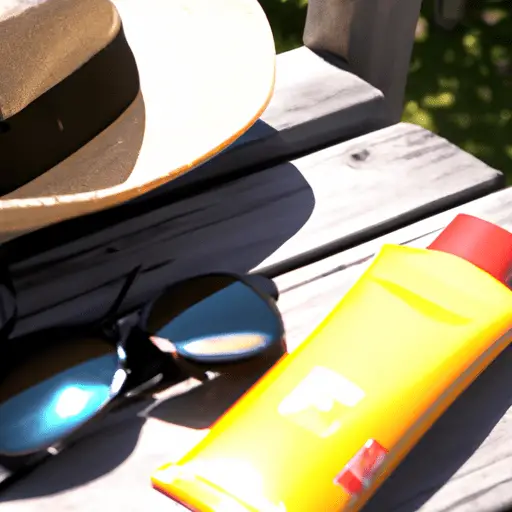
    Key Takeaways

    • Sunscreen is a crucial part of a skincare routine due to its ability to protect the skin from harmful UV rays.
    • Regular use of sunscreen can prevent premature aging, skin cancer, and other skin damage.
    • Not all sunscreens are created equal. It’s important to choose a broad-spectrum sunscreen with an SPF of at least 30.
    • Even on cloudy days, up to 80% of the sun’s harmful UV rays can reach your skin.
    • Applying sunscreen should not be reserved for summer only; it’s a year-round necessity.

    Introduction: Unveiling the Power of Sunscreen

    While many people understand the importance of cleansing, toning, and moisturizing in their skincare routines, the crucial role of sunscreen is often overlooked. This article aims to shed light on the importance of incorporating sunscreen into daily skincare routines and the benefits it offers.

    The Protective Role of Sunscreen

    According to the American Academy of Dermatology, sunscreen acts as a shield against the harmful ultraviolet rays emitted by the sun. These rays, known as UVA and UVB, are responsible for skin damage such as sunburn, premature aging, and skin cancer. By applying sunscreen, you can protect your skin from these damaging effects.

    Preventing Premature Aging and Skin Cancer

    A study published in the Annals of Internal Medicine found that regular sunscreen use significantly slows the aging process of the skin. The research showed that those who used sunscreen daily had 24% less skin aging than those who used it sporadically. Furthermore, the Skin Cancer Foundation states that daily use of an SPF 15 or higher sunscreen reduces the risk of developing squamous cell carcinoma by about 40% and the risk of developing melanoma by 50%.

    Choosing the Right Sunscreen

    Not all sunscreens are created equal. Dermatologists recommend using a broad-spectrum sunscreen, which protects against both UVA and UVB rays, with an SPF of at least 30. Additionally, it’s important to choose a sunscreen that is water-resistant, especially when swimming or sweating.

    Sunscreen: A Year-Round Necessity

    Many people mistakenly believe that sunscreen is only necessary during the summer months. However, the American Academy of Dermatology advises that even on cloudy days, up to 80% of the sun’s harmful UV rays can reach your skin. Snow, sand, and water can reflect the sun’s rays, increasing the need for sunscreen. Therefore, sunscreen should be a year-round commitment.

    FAQ Section

    • How often should I apply sunscreen? Dermatologists recommend applying sunscreen every two hours, or immediately after swimming or excessive sweating.
    • Can I skip sunscreen if my makeup has SPF? While makeup with SPF can provide some protection, it’s not enough. You should still apply sunscreen for optimal protection.
    • Is sunscreen necessary for people with dark skin? Yes, people of all skin colors can get skin cancer, so it’s important to protect your skin with sunscreen.
    • Can I use sunscreen on my baby? The American Academy of Dermatology recommends using sunscreen on babies over six months old. For babies younger than six months, it’s best to keep them out of the sun.
    • Does sunscreen expire? Yes, most sunscreens have an expiration date. Expired sunscreen may not work as well, so it’s best to replace it.

    Conclusion: The Sunscreen Imperative

    In conclusion, sunscreen is a non-negotiable part of a skincare routine. Its protective properties shield the skin from harmful UV rays, preventing premature aging and skin cancer. Choosing a broad-spectrum sunscreen with an SPF of at least 30 and making it a year-round habit can significantly improve your skin’s health and appearance. Remember, your skin is your body’s largest organ – it deserves protection.

    Key Takeaways Revisited

    • Sunscreen is a vital part of skincare due to its protective properties against harmful UV rays.
    • Regular use of sunscreen can prevent premature aging and skin cancer.
    • Choosing a broad-spectrum sunscreen with an SPF of at least 30 is crucial.
    • Sunscreen is necessary even on cloudy days and during winter months.
    • Sunscreen should be a year-round commitment, not just a summer routine.

    [youtubomatic_search]