Category: ACNE TREATMENT

  • Spot Treatment: Targeting and Healing Pesky Pimples
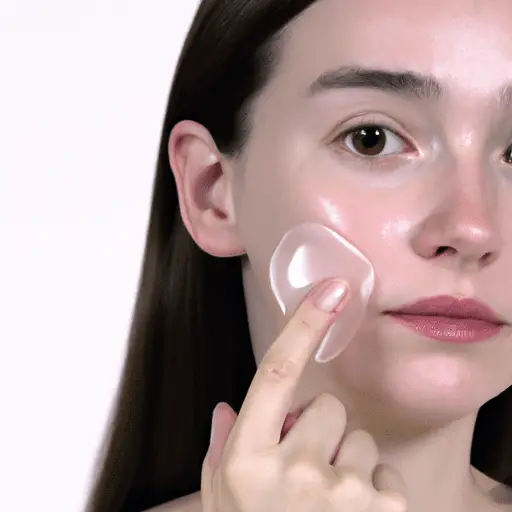
    Spot Treatment: Targeting and Healing Pesky Pimples

    Spot Treatment: Targeting and Healing Pesky Pimples

    Spot Treatment: Targeting and Healing Pesky Pimples

    [youtubomatic_search]

    Key Takeaways

    • Spot treatment is an effective method for targeting and healing individual pimples.
    • Understanding the causes of acne is crucial for effective spot treatment.
    • Various spot treatment methods and products are available, each with their own benefits and drawbacks.
    • Integrating spot treatment into a comprehensive skincare routine can enhance overall skin health.
    • Consulting with a dermatologist can provide personalized advice for treating acne and maintaining healthy skin.

    Introduction: The Battle Against Blemishes

    Acne, a common skin condition characterized by the appearance of pimples, affects millions of people worldwide. While general skincare routines can help manage acne, spot treatment is a targeted approach that can effectively heal individual pimples. This article explores the science behind acne, the various methods of spot treatment, and how to integrate these treatments into a skincare routine.

    Understanding Acne: The Root of the Problem

    Acne occurs when the pores of the skin become clogged with oil and dead skin cells, leading to the formation of pimples. Hormonal changes, stress, and certain medications can exacerbate acne. Understanding these causes is crucial for effective spot treatment, as it allows for targeted interventions that address the root of the problem.

    Spot Treatment Methods: Aiming for Clear Skin

    There are various methods and products available for spot treatment. Over-the-counter products often contain salicylic acid or benzoyl peroxide, which work by reducing inflammation and killing acne-causing bacteria, respectively. Prescription treatments, such as topical retinoids, can also be effective, particularly for more severe acne. Natural remedies, such as tea tree oil, have also been shown to have anti-acne properties.

    Integrating Spot Treatment into a Skincare Routine

    For optimal results, spot treatment should be integrated into a comprehensive skincare routine. This includes regular cleansing, exfoliating, moisturizing, and applying sunscreen. Spot treatment products should be applied after cleansing but before moisturizing. It’s also important to note that overuse of spot treatments can lead to skin irritation, so they should be used sparingly and as directed.

    FAQ Section: Your Acne Questions Answered

    • What causes acne? Acne is caused by clogged pores, which can be due to excess oil production, dead skin cells, bacteria, or inflammation.
    • How does spot treatment work? Spot treatment works by targeting individual pimples with active ingredients that reduce inflammation, kill bacteria, or speed up cell turnover.
    • Can I use spot treatment every day? This depends on the product and your skin type. Some spot treatments can be used daily, while others should be used less frequently to avoid skin irritation.
    • Should I pop my pimples? Dermatologists generally advise against popping pimples, as it can lead to scarring and infection. Spot treatments are a safer alternative.
    • What should I do if spot treatment isn’t working? If over-the-counter spot treatments aren’t effective, it may be time to consult with a dermatologist. They can prescribe stronger treatments and provide personalized advice.

    Conclusion: Winning the War on Acne

    Spot treatment is a powerful tool in the fight against acne, allowing for targeted interventions that can effectively heal individual pimples. By understanding the causes of acne and the various spot treatment methods available, individuals can make informed decisions about their skincare routines. However, it’s important to remember that everyone’s skin is unique, and what works for one person may not work for another. Therefore, consulting with a dermatologist can provide valuable personalized advice. With the right knowledge and tools, clear skin is within reach.

    Key Takeaways Revisited

    • Spot treatment is an effective method for targeting and healing individual pimples.
    • Understanding the causes of acne is crucial for effective spot treatment.
    • Various spot treatment methods and products are available, each with their own benefits and drawbacks.
    • Integrating spot treatment into a comprehensive skincare routine can enhance overall skin health.
    • Consulting with a dermatologist can provide personalized advice for treating acne and maintaining healthy skin.

    [youtubomatic_search]

  • Effective ingredients for treating acne

    Effective ingredients for treating acne

    Effective Ingredients for Treating Acne: A Comprehensive Guide

    Effective ingredients for treating acne

    [youtubomatic_search]

    Key Takeaways

    • Acne is a common skin condition that can be effectively treated with the right ingredients.
    • Salicylic acid, benzoyl peroxide, and retinoids are among the most effective acne-fighting ingredients.
    • Natural ingredients like tea tree oil and green tea extract can also help combat acne.
    • It’s important to understand your skin type and the cause of your acne to choose the most effective treatment.
    • Consulting with a dermatologist can provide personalized advice and treatment options.

    Introduction: Unmasking Acne and Its Effective Treatments

    Acne, a common skin condition affecting millions worldwide, can be a source of discomfort and insecurity. However, with the right ingredients and treatments, it can be effectively managed. This article delves into the most effective ingredients for treating acne, providing insights into their benefits and how they work.

    Salicylic Acid: The Exfoliating Powerhouse

    Salicylic acid is a beta hydroxy acid (BHA) that penetrates deep into the pores to exfoliate and unclog them. It also helps reduce inflammation and redness associated with acne. According to a study published in the Journal of Dermatological Treatment, salicylic acid can significantly reduce acne lesions when used consistently over several weeks.

    Benzoyl Peroxide: The Bacteria Buster

    Benzoyl peroxide is another powerful acne-fighting ingredient. It works by killing the bacteria that cause acne and reducing inflammation. A study in the Journal of Clinical and Aesthetic Dermatology found that benzoyl peroxide was effective in reducing acne lesions in 77% of participants.

    Retinoids: The Skin Renewers

    Retinoids, derived from vitamin A, work by promoting cell turnover and preventing the clogging of pores. They also have anti-inflammatory properties. A review in the American Journal of Clinical Dermatology found that topical retinoids significantly reduced acne lesions and improved overall skin appearance.

    Natural Ingredients: Tea Tree Oil and Green Tea Extract

    For those who prefer natural treatments, tea tree oil and green tea extract can be effective. Tea tree oil has antimicrobial properties that can combat acne-causing bacteria, while green tea extract is rich in antioxidants that can reduce inflammation and sebum production. A study in the Journal of Dermatology found that a 5% tea tree oil gel was effective in reducing acne lesions.

    FAQ Section: Your Acne Treatment Questions Answered

    • What is the best ingredient for treating acne? There is no one-size-fits-all answer as it depends on your skin type and the cause of your acne. However, salicylic acid, benzoyl peroxide, and retinoids are among the most effective ingredients.
    • Can natural ingredients effectively treat acne? Yes, natural ingredients like tea tree oil and green tea extract can help combat acne. However, they may not be as potent as synthetic ingredients.
    • How long does it take for these ingredients to work? It typically takes several weeks to see significant improvements. Consistency is key when it comes to acne treatment.
    • Can these ingredients cause side effects? Yes, they can cause side effects like dryness, peeling, and irritation. It’s important to start with a lower concentration and gradually increase as your skin adjusts.
    • Should I consult with a dermatologist before starting an acne treatment? Yes, consulting with a dermatologist can provide personalized advice and treatment options based on your skin type and the severity of your acne.

    Conclusion: Winning the Battle Against Acne

    Acne can be a challenging condition to deal with, but with the right ingredients, it can be effectively managed. Salicylic acid, benzoyl peroxide, retinoids, tea tree oil, and green tea extract are among the most effective ingredients for treating acne. However, it’s important to understand your skin type and the cause of your acne to choose the most effective treatment. Consulting with a dermatologist can provide personalized advice and treatment options.

    [youtubomatic_search]

    Further Analysis

    In conclusion, the key takeaways from this article are that acne is a common skin condition that can be effectively treated with the right ingredients. Salicylic acid, benzoyl peroxide, and retinoids are among the most effective acne-fighting ingredients. Natural ingredients like tea tree oil and green tea extract can also help combat acne. It’s important to understand your skin type and the cause of your acne to choose the most effective treatment. Consulting with a dermatologist can provide personalized advice and treatment options.

  • Understanding the causes of acne

    Understanding the causes of acne

    Understanding the Causes of Acne

    Understanding the causes of acne

    [youtubomatic_search]

    Key Takeaways

    • Acne is a common skin condition caused by a combination of factors including hormonal changes, excess oil production, and bacteria.
    • Genetics, diet, stress, and certain medications can also contribute to the development of acne.
    • Understanding the root causes of acne can help in formulating effective treatment strategies.
    • Various treatments are available for acne, ranging from topical creams to oral medications and lifestyle changes.
    • Prevention is key in managing acne, and this involves maintaining a healthy skincare routine and lifestyle habits.

    Introduction: Unmasking the Culprit Behind Acne

    Acne, a common skin condition affecting millions worldwide, is often associated with adolescence but can persist or even begin in adulthood. It is characterized by the appearance of pimples, blackheads, whiteheads, and cysts on the skin, primarily on the face, chest, and back. Understanding the causes of acne is crucial in its prevention and treatment.

    The Underlying Causes of Acne

    Acne is primarily caused by the overproduction of oil and the buildup of dead skin cells in the pores, which can lead to the formation of pimples. Hormonal changes, particularly during puberty and menstruation, can trigger increased oil production. Bacteria, specifically Propionibacterium acnes, can also contribute to the development of acne by causing inflammation and infection in the blocked pores.

    Genetics play a significant role in the likelihood of developing acne. If your parents had acne, you’re more likely to have it too. Certain medications, such as those containing corticosteroids, testosterone, or lithium, can also cause acne. Stress doesn’t necessarily cause acne, but it can exacerbate it. Finally, contrary to popular belief, diet plays a minor role in acne. Some studies suggest that consuming dairy products and carbohydrate-rich foods can trigger acne, but more research is needed to explore this link.

    Acne Treatment: A Multifaceted Approach

    Treatment for acne varies depending on its severity and the individual’s skin type. Over-the-counter treatments, such as benzoyl peroxide and salicylic acid, can help reduce oil production and fight bacteria. For more severe cases, prescription medications like retinoids, antibiotics, or even isotretinoin may be recommended. Hormonal therapies can also be effective, particularly for women who experience acne flare-ups around their menstrual cycle.

    Aside from medications, lifestyle changes can also help manage acne. This includes maintaining a regular skincare routine, eating a balanced diet, getting regular exercise, and managing stress levels. It’s also important to avoid picking or squeezing pimples, as this can lead to scarring and further skin irritation.

    FAQ Section: Common Questions About Acne

    1. Can acne be prevented?

    While there’s no surefire way to prevent acne, maintaining a healthy skincare routine and lifestyle can help reduce its occurrence. This includes cleansing your face regularly, using non-comedogenic products, eating a balanced diet, and managing stress.

    2. Does diet affect acne?

    Some studies suggest a link between diet and acne, particularly with dairy products and high-glycemic foods. However, more research is needed to fully understand this relationship.

    3. Can stress cause acne?

    Stress doesn’t directly cause acne, but it can exacerbate it. Stress can trigger hormonal changes that increase oil production, leading to more acne breakouts.

    4. Are there effective treatments for acne?

    Yes, there are various treatments available for acne, ranging from over-the-counter products to prescription medications. The choice of treatment depends on the severity of the acne and the individual’s skin type.

    5. Is acne genetic?

    Genetics can play a role in the likelihood of developing acne. If your parents had acne, you’re more likely to have it too.

    Conclusion: Towards Clearer, Healthier Skin

    Understanding the causes of acne is the first step towards managing this common skin condition. While factors like hormonal changes, excess oil production, and bacteria are the primary culprits, genetics, diet, stress, and certain medications can also contribute to acne. Various treatments are available, and prevention strategies, such as maintaining a healthy skincare routine and lifestyle, are key in managing acne.

    Review of Key Takeaways

    • Acne is caused by a combination of factors including hormonal changes, excess oil production, and bacteria.
    • Genetics, diet, stress, and certain medications can also contribute to acne.
    • Various treatments are available for acne, and prevention strategies are key in managing this condition.

    [youtubomatic_search]