Category: ACNE

  • Tips for Preventing Acne Scarring

    Tips for Preventing Acne Scarring

    Tips for Preventing Acne Scarring

    Tips for Preventing Acne Scarring

    [youtubomatic_search]

    Key Takeaways

    • Acne scarring can be prevented by adopting a proper skincare routine and avoiding skin-picking.
    • Early treatment of acne is crucial to prevent scarring.
    • Healthy lifestyle choices, including a balanced diet and regular exercise, can help prevent acne and subsequent scarring.
    • Professional treatments can help reduce the risk of acne scarring.
    • Understanding the different types of acne scars can help in choosing the right prevention and treatment methods.

    Introduction: Understanding Acne Scarring

    Acne is a common skin condition that affects millions of people worldwide. While it is most prevalent among teenagers, it can affect people of all ages. One of the most distressing outcomes of acne is scarring, which can leave permanent marks on the skin. However, with the right knowledge and practices, it is possible to prevent acne scarring. This article will delve into the various ways to prevent acne scarring, backed by scientific research and expert advice.

    Preventing Acne Scarring: The Importance of Early Treatment

    According to the American Academy of Dermatology (AAD), early treatment of acne is the most effective way to prevent scarring. The longer acne goes untreated, the higher the risk of scars. Therefore, it is crucial to seek professional help as soon as acne starts to appear. Dermatologists can provide treatments that reduce inflammation, kill bacteria, and prevent acne from worsening.

    Adopting a Proper Skincare Routine

    A good skincare routine is essential in preventing acne and subsequent scarring. This includes cleansing the face twice a day with a gentle cleanser, using non-comedogenic products, and applying a moisturizer suitable for your skin type. Exfoliating once a week can also help remove dead skin cells and prevent clogged pores. However, over-exfoliation can irritate the skin and worsen acne, so it’s important to do it sparingly.

    Maintaining a Healthy Lifestyle

    Research has shown that lifestyle factors, such as diet and stress, can contribute to acne. A study published in the Journal of the American Academy of Dermatology found that a diet high in dairy and high-glycemic foods can increase the risk of acne. Regular exercise can also help reduce stress and regulate hormones, both of which can help prevent acne.

    Professional Treatments for Acne Scarring

    There are several professional treatments available that can help prevent acne scarring. These include chemical peels, laser treatments, and microdermabrasion. These treatments can help reduce inflammation, kill bacteria, and stimulate the production of collagen, which can help prevent scarring.

    FAQ Section: Common Questions about Acne Scarring

    • What causes acne scarring? Acne scarring is caused by inflammation in the skin. When the pore swells, it breaks the follicle wall, leading to scarring.
    • Can all types of acne lead to scarring? Not all types of acne lead to scarring. Non-inflammatory acne, such as blackheads and whiteheads, usually don’t cause scarring. Inflammatory acne, such as cysts and nodules, are more likely to cause scarring.
    • Can acne scars be completely removed? While some acne scars can be reduced significantly with treatment, they may not be completely removed. However, there are treatments available that can improve the appearance of scars.
    • How can I prevent acne scars from getting worse? Avoiding sun exposure, not picking at your skin, and following a proper skincare routine can help prevent acne scars from getting worse.
    • What professional treatments are available for acne scarring? There are several professional treatments available for acne scarring, including chemical peels, laser treatments, and microdermabrasion.

    Conclusion: Taking Control of Your Skin Health

    Acne scarring can be a distressing outcome of acne, but it can be prevented with the right practices. Early treatment of acne, adopting a proper skincare routine, maintaining a healthy lifestyle, and seeking professional treatments can all help prevent acne scarring. Understanding the different types of acne scars can also help in choosing the right prevention and treatment methods. By taking control of your skin health, you can reduce the risk of acne scarring and maintain a clear, healthy complexion.

    Key Takeaways Revisited

    • Preventing acne scarring starts with early treatment of acne.
    • A proper skincare routine is crucial in preventing acne and subsequent scarring.
    • Lifestyle factors, such as diet and stress, can contribute to acne and should be managed effectively.
    • Professional treatments can help reduce the risk of acne scarring.
    • Understanding the different types of acne scars can guide in choosing the right prevention and treatment methods.

    [youtubomatic_search]
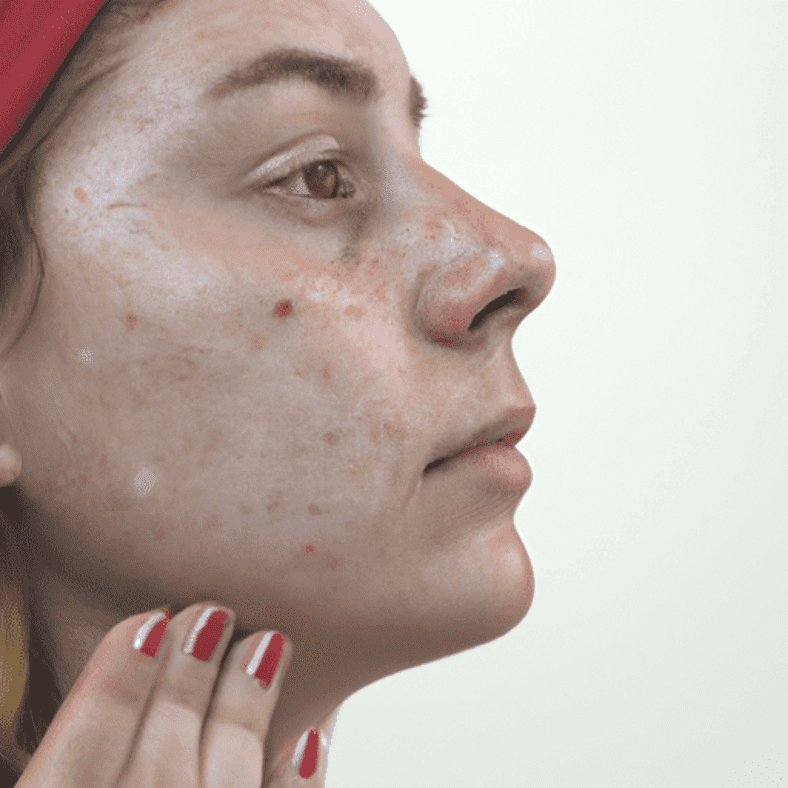
  • The Link Between Acne and Hormones

    The Link Between Acne and Hormones

    The Link Between Acne and Hormones

    The Link Between Acne and Hormones

    [youtubomatic_search]

    Key Takeaways

    • Acne is a common skin condition that is often linked to hormonal changes in the body.
    • Hormonal acne typically appears in adults aged 20 to 25, but can occur at any age.
    • Fluctuations in hormones, particularly androgens, can lead to increased oil production and clogged pores, resulting in acne.
    • Effective treatment for hormonal acne often involves a combination of topical treatments, oral medications, and lifestyle changes.
    • Understanding the link between hormones and acne can help individuals develop a more effective skincare routine.

    Introduction: Unveiling the Connection Between Acne and Hormones

    Acne, a common skin condition affecting millions worldwide, is often associated with hormonal changes in the body. While it is most prevalent during adolescence, it can occur at any age, with hormonal acne becoming increasingly common in adults. This article delves into the intricate relationship between acne and hormones, shedding light on the causes, treatments, and preventative measures for hormonal acne.

    The Role of Hormones in Acne Development

    Acne develops when the pores of the skin become clogged with oil and dead skin cells. Hormones play a significant role in this process, particularly androgens like testosterone. These hormones can stimulate the sebaceous glands to produce more oil, leading to clogged pores and the formation of acne.

    According to a study published in the Journal of Investigative Dermatology, hormonal fluctuations that occur during the menstrual cycle, pregnancy, and menopause can also trigger acne outbreaks. The study found that 63% of acne-prone women experience premenstrual flare-ups, largely due to increased oil production caused by hormonal changes.

    Hormonal Acne: Identification and Treatment

    Hormonal acne typically manifests as deep and painful cysts, often appearing on the lower face and jawline. However, it can also occur on the back and chest. Dermatologists can diagnose hormonal acne by examining the skin and considering factors such as age, menstrual cycle, and other symptoms of hormonal imbalance.

    Treatment for hormonal acne often involves a combination of topical treatments, oral medications, and lifestyle changes. Topical retinoids and antibiotics can help unclog pores and reduce inflammation, while oral contraceptives and anti-androgen drugs can help balance hormones. A study in the Journal of the American Academy of Dermatology found that a combination of oral contraceptives and anti-androgens was more effective in treating hormonal acne than either treatment alone.

    Preventing Hormonal Acne: The Role of a Skincare Routine

    While hormonal fluctuations are often unavoidable, maintaining a consistent skincare routine can help manage and prevent hormonal acne. This includes cleansing the skin twice daily, using non-comedogenic products, and exfoliating regularly to remove dead skin cells and prevent clogged pores.

    Additionally, lifestyle changes such as a balanced diet, regular exercise, and stress management can also help regulate hormones and reduce the likelihood of acne outbreaks. A study in the Journal of the Academy of Nutrition and Dietetics found that a diet high in fruits, vegetables, whole grains, and lean protein can help balance hormones and promote healthy skin.

    FAQ Section

    What causes hormonal acne?

    Hormonal acne is primarily caused by fluctuations in hormones, particularly androgens, which can stimulate the sebaceous glands to produce more oil, leading to clogged pores and acne.

    Who is most likely to get hormonal acne?

    While hormonal acne can occur at any age, it is most common in adults aged 20 to 25. Women are also more likely to experience hormonal acne due to hormonal changes during the menstrual cycle, pregnancy, and menopause.

    How is hormonal acne treated?

    Treatment for hormonal acne often involves a combination of topical treatments, oral medications, and lifestyle changes. This can include topical retinoids and antibiotics, oral contraceptives and anti-androgen drugs, and a consistent skincare routine.

    Can diet affect hormonal acne?

    Yes, a balanced diet can help regulate hormones and reduce the likelihood of acne outbreaks. Foods high in fruits, vegetables, whole grains, and lean protein are particularly beneficial for promoting healthy skin.

    Can hormonal acne be prevented?

    While hormonal fluctuations are often unavoidable, maintaining a consistent skincare routine and making certain lifestyle changes can help manage and prevent hormonal acne.

    Conclusion: Understanding the Acne-Hormone Connection

    The link between acne and hormones is complex, with hormonal fluctuations playing a significant role in the development of this common skin condition. Understanding this connection can help individuals develop a more effective skincare routine and make informed decisions about treatment options. While hormonal acne can be challenging to manage, a combination of topical treatments, oral medications, and lifestyle changes can help control outbreaks and promote healthier skin.

    [youtubomatic_search]

    Further Analysis

    In conclusion, the key takeaways from this article are:

    • Acne is often linked to hormonal changes in the body, with androgens playing a significant role in its development.
    • Hormonal acne typically appears in adults aged 20 to 25, but can occur at any age.
    • Effective treatment for hormonal acne often involves a combination of topical treatments, oral medications, and lifestyle changes.
    • Maintaining a consistent skincare routine can help manage and prevent hormonal acne.
    • Understanding the link between hormones and acne can help individuals develop a more effective skincare routine.
  • Natural Remedies for Acne

    Natural Remedies for Acne

    Natural Remedies for Acne: A Comprehensive Guide

    Natural Remedies for Acne

    [youtubomatic_search]

    Key Takeaways

    • Natural remedies can be an effective alternative to conventional acne treatments.
    • Several natural ingredients, such as tea tree oil, green tea, and honey, have been scientifically proven to help reduce acne.
    • Adopting a healthy diet and lifestyle can also contribute to clearer skin.
    • While natural remedies can be beneficial, they may not work for everyone and should be used in conjunction with a proper skincare routine.
    • Always consult with a dermatologist before starting any new skincare regimen.

    Introduction: The Natural Approach to Acne Treatment

    Acne, a common skin condition that affects millions of people worldwide, can be a source of discomfort and insecurity. While there are numerous over-the-counter and prescription treatments available, many individuals are turning to natural remedies in their quest for clearer skin. This article explores the efficacy of various natural remedies for acne, backed by scientific research and expert opinions.

    The Power of Natural Ingredients

    Several natural ingredients have been found to possess properties that can help combat acne. For instance, tea tree oil, known for its anti-inflammatory and antimicrobial properties, has been shown to reduce acne severity. A study published in the Medical Journal of Australia found that a 5% tea tree oil gel was as effective as a 5% benzoyl peroxide lotion in reducing acne lesions.

    Green tea, rich in antioxidants and anti-inflammatory compounds, can also be beneficial. A study in the Journal of Investigative Dermatology reported that applying a 2% green tea lotion significantly reduced acne in participants.

    Honey, another natural remedy, has been used for centuries to treat various skin conditions. Its antibacterial and wound-healing properties make it an effective treatment for acne. A review in the Asian Pacific Journal of Tropical Biomedicine highlighted honey’s potential in treating acne due to its ability to inhibit the growth of acne-causing bacteria.

    Diet and Lifestyle: The Role in Acne Prevention

    Adopting a healthy diet and lifestyle can also contribute to acne prevention. Research published in the Journal of the American Academy of Dermatology found a link between high-glycemic diets and increased acne severity. Regular exercise, adequate sleep, and stress management can also play a role in maintaining healthy skin.

    FAQ Section: Natural Remedies for Acne

    1. Are natural remedies for acne safe?

    Most natural remedies are safe to use, but it’s always best to consult with a dermatologist before starting any new skincare regimen.

    2. How long does it take for natural remedies to work?

    The effectiveness of natural remedies can vary from person to person. Some may see improvements within a few weeks, while others may take several months.

    3. Can I use natural remedies alongside conventional acne treatments?

    Yes, many natural remedies can be used in conjunction with conventional acne treatments. However, it’s important to consult with a dermatologist to avoid potential interactions.

    4. Are there any side effects of using natural remedies for acne?

    While natural remedies are generally safe, some individuals may experience allergic reactions or skin irritation. Always do a patch test before applying a new product to your face.

    5. Can diet really affect acne?

    Yes, research has shown that certain foods, particularly those high in sugar and unhealthy fats, can contribute to acne.

    Conclusion: Embracing Nature’s Solutions for Acne

    Natural remedies for acne, backed by scientific research, offer a promising alternative to conventional treatments. Ingredients like tea tree oil, green tea, and honey have proven benefits in reducing acne. Moreover, a healthy diet and lifestyle can also contribute to clearer skin. However, it’s important to remember that these remedies may not work for everyone and should be used as part of a comprehensive skincare routine. Always consult with a dermatologist before starting any new skincare regimen.

    Review of Key Takeaways

    • Natural remedies, such as tea tree oil, green tea, and honey, can effectively reduce acne.
    • A healthy diet and lifestyle play a crucial role in acne prevention.
    • Natural remedies should be used as part of a comprehensive skincare routine.
    • Always consult with a dermatologist before starting any new skincare regimen.

    [youtubomatic_search]

  • Best Products for Acne-Prone Skin

    Best Products for Acne-Prone Skin

    Best Products for Acne-Prone Skin

    Best Products for Acne-Prone Skin

    [youtubomatic_search]

    Key Takeaways

    • Acne-prone skin requires special care and the right products to manage breakouts.
    • Ingredients like salicylic acid, benzoyl peroxide, and retinol are effective in treating acne.
    • It’s essential to maintain a consistent skincare routine for acne-prone skin.
    • Product recommendations include cleansers, toners, moisturizers, and spot treatments specifically formulated for acne-prone skin.
    • Consulting a dermatologist can provide personalized advice and treatment options for acne.

    Understanding Acne-Prone Skin

    Acne-prone skin is characterized by frequent breakouts and blemishes, often due to excess oil production, clogged pores, and inflammation. It requires special care and the right products to manage and prevent breakouts. This article will explore the best products for acne-prone skin, backed by scientific research and expert recommendations.

    Key Ingredients for Acne-Prone Skin

    When choosing products for acne-prone skin, it’s crucial to look for key ingredients that are proven to be effective against acne. These include salicylic acid, benzoyl peroxide, and retinol.

    Salicylic acid is a beta-hydroxy acid that penetrates the pores to dissolve excess sebum and dead skin cells, preventing clogs that can lead to acne. Benzoyl peroxide kills acne-causing bacteria, reduces inflammation, and helps clear blocked pores. Retinol, a form of vitamin A, promotes cell turnover and prevents the buildup of dead skin cells that can clog pores.

    Here are some product recommendations for acne-prone skin:

    • Cleansers: Look for a gentle, non-drying cleanser that contains salicylic acid or benzoyl peroxide. Examples include Neutrogena Oil-Free Acne Wash and CeraVe Acne Foaming Cream Cleanser.
    • Toners: A good toner can help balance the skin’s pH and remove any residual dirt or makeup. Try Paula’s Choice Skin Perfecting 2% BHA Liquid Exfoliant or The Ordinary Glycolic Acid 7% Toning Solution.
    • Moisturizers: Even acne-prone skin needs hydration. Opt for oil-free, non-comedogenic moisturizers like La Roche-Posay Effaclar Mat or Neutrogena Hydro Boost Water Gel.
    • Spot Treatments: For targeted treatment of breakouts, consider a spot treatment with benzoyl peroxide or salicylic acid, such as Clean & Clear Advantage Acne Spot Treatment or Differin Gel.

    Importance of a Consistent Skincare Routine

    Maintaining a consistent skincare routine is crucial for managing acne-prone skin. This includes cleansing, toning, moisturizing, and applying spot treatment as needed. Regular exfoliation can also help prevent clogged pores. However, it’s important not to overdo it, as this can irritate the skin and exacerbate acne.

    FAQ Section

    1. What causes acne-prone skin?

    Acne-prone skin is often caused by excess oil production, clogged pores, and inflammation. Hormonal changes, stress, and certain medications can also contribute to acne.

    2. How can I prevent breakouts?

    Preventing breakouts involves maintaining a consistent skincare routine, using the right products, and making lifestyle changes such as eating a healthy diet, getting regular exercise, and managing stress.

    3. Can I use makeup if I have acne-prone skin?

    Yes, but choose non-comedogenic products that won’t clog your pores. Always remove your makeup before bed to prevent breakouts.

    4. How often should I exfoliate?

    Most experts recommend exfoliating 1-2 times per week for acne-prone skin. Over-exfoliating can irritate the skin and worsen acne.

    5. Should I see a dermatologist for my acne?

    If over-the-counter products aren’t helping, or if your acne is severe or causing distress, it’s a good idea to see a dermatologist. They can provide personalized advice and treatment options.

    Conclusion

    Managing acne-prone skin can be challenging, but with the right products and a consistent skincare routine, it’s possible to reduce breakouts and improve the skin’s appearance. Key ingredients to look for include salicylic acid, benzoyl peroxide, and retinol. Recommended products range from cleansers and toners to moisturizers and spot treatments. Remember, everyone’s skin is unique, so what works for one person may not work for another. It’s always a good idea to consult a dermatologist for personalized advice.

    Key Takeaways Revisited

    • Acne-prone skin requires special care and the right products to manage breakouts.
    • Ingredients like salicylic acid, benzoyl peroxide, and retinol are effective in treating acne.
    • It’s essential to maintain a consistent skincare routine for acne-prone skin.
    • Product recommendations include cleansers, toners, moisturizers, and spot treatments specifically formulated for acne-prone skin.
    • Consulting a dermatologist can provide personalized advice and treatment options for acne.

    [youtubomatic_search]

  • How to Treat Acne Breakouts

    How to Treat Acne Breakouts

    How to Treat Acne Breakouts: A Comprehensive Guide

    How to Treat Acne Breakouts

    [youtubomatic_search]

    Key Takeaways

    • Acne breakouts can be managed and treated with a combination of lifestyle changes, skincare routines, and medical treatments.
    • Understanding the causes and types of acne is crucial in determining the most effective treatment approach.
    • Over-the-counter products and prescription medications can help control acne breakouts.
    • Professional treatments such as chemical peels and laser therapy can be beneficial for severe acne.
    • Prevention is key in managing acne breakouts, and maintaining a consistent skincare routine is essential.

    Introduction: Understanding Acne Breakouts

    Acne is a common skin condition that affects millions of people worldwide. It is characterized by the appearance of pimples, blackheads, whiteheads, and cysts on the skin. While it is most prevalent among teenagers, acne can affect people of all ages. This article aims to provide a comprehensive guide on how to treat acne breakouts effectively.

    The Causes and Types of Acne

    Acne breakouts are primarily caused by the overproduction of oil, clogged pores, bacteria, and inflammation. Hormonal changes, stress, certain medications, and diet can also contribute to acne breakouts. There are several types of acne, including whiteheads, blackheads, papules, pustules, nodules, and cysts, each requiring a different treatment approach.

    Over-the-Counter Products and Prescription Medications

    Over-the-counter (OTC) products containing ingredients like salicylic acid, benzoyl peroxide, and sulfur can help control mild to moderate acne. For more severe cases, prescription medications such as topical retinoids, antibiotics, and oral contraceptives may be recommended by a dermatologist.

    Professional Treatments for Acne

    For persistent or severe acne, professional treatments such as chemical peels, laser therapy, and light therapy can be beneficial. These treatments work by reducing oil production, speeding up skin cell turnover, and reducing inflammation.

    Prevention and Skincare Routine

    Preventing acne breakouts involves maintaining a consistent skincare routine. This includes cleansing the skin twice daily, using non-comedogenic products, exfoliating regularly, and applying sunscreen. A healthy diet and regular exercise can also help manage acne breakouts.

    FAQ Section

    • What causes acne breakouts? Acne breakouts are primarily caused by the overproduction of oil, clogged pores, bacteria, and inflammation. Hormonal changes, stress, certain medications, and diet can also contribute to acne breakouts.
    • What are the different types of acne? There are several types of acne, including whiteheads, blackheads, papules, pustules, nodules, and cysts.
    • How can I treat acne breakouts at home? Over-the-counter products containing ingredients like salicylic acid, benzoyl peroxide, and sulfur can help control mild to moderate acne.
    • When should I see a dermatologist for acne? If your acne is severe, persistent, or causing distress, it’s recommended to see a dermatologist for professional treatment.
    • How can I prevent acne breakouts? Preventing acne breakouts involves maintaining a consistent skincare routine, using non-comedogenic products, exfoliating regularly, and applying sunscreen. A healthy diet and regular exercise can also help manage acne breakouts.

    Conclusion: Managing Acne Breakouts Effectively

    Acne breakouts can be a distressing condition to deal with, but with the right knowledge and approach, it can be effectively managed. Understanding the causes and types of acne is crucial in determining the most effective treatment approach. Over-the-counter products, prescription medications, and professional treatments can all help control acne breakouts. However, prevention is key, and maintaining a consistent skincare routine is essential in managing acne breakouts.

    [youtubomatic_search]

    Further Analysis

    In conclusion, treating acne breakouts involves a combination of lifestyle changes, skincare routines, and medical treatments. The key takeaways from this article are:

    • Understanding the causes and types of acne is crucial in determining the most effective treatment approach.
    • Over-the-counter products and prescription medications can help control acne breakouts.
    • Professional treatments such as chemical peels and laser therapy can be beneficial for severe acne.
    • Prevention is key in managing acne breakouts, and maintaining a consistent skincare routine is essential.